

The Importance of Sketching Constantly
Constant sketching enhances an architect's observational skills, fosters personal style, and serves as a vital tool for generating and refining initial design ideas.
 Elif Ayse Sen17 December 20215 Mins read1.6k
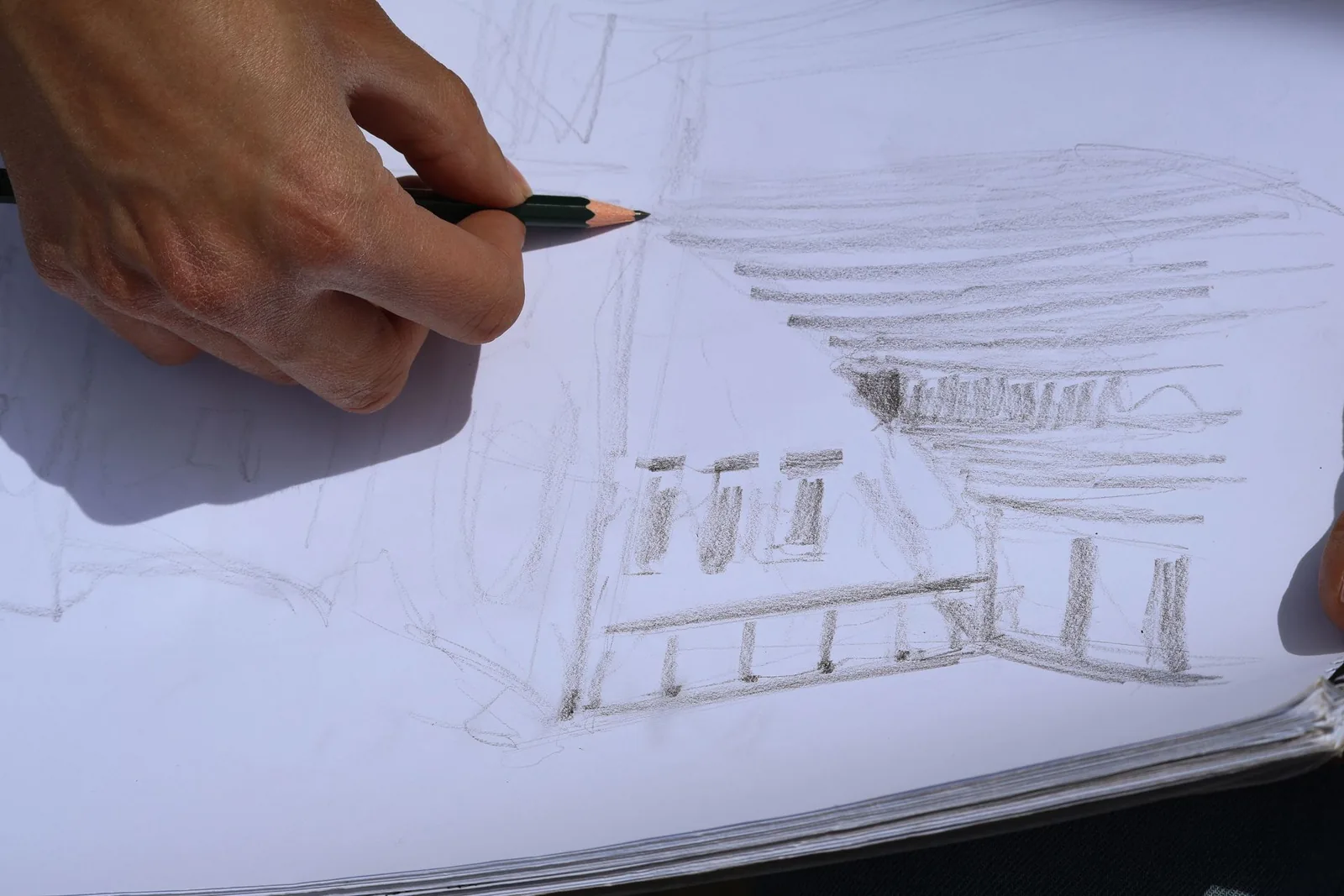
Table of Contents Show
Sketching is the most direct form of “thinking like an architect”. Every architect thinks differently, so every architect’s sketches look different too. Everyone has their own unique lines and sketching techniques. Many successful architects, including famous architects, start a project by sketching, putting first ideas on paper with free lines. But why? Why do we sketch when digital drawings have become so popular? Let’s talk about the importance of sketching constantly, from architecture school to professional life!




..Because Sketching is Fun!
Here is the simplest advantage: sketching is fun! Colorful markers, sketchbooks, papers, pens… For many architects, sketch materials are the most personal tools they own. Drawing your ideas into a sketchbook is enjoyable in itself, and over the years those filled sketchbooks become a record of how you think.


Inspiration
Sketching feeds inspiration. With a sketchbook in your bag, you start drawing what you see on the streets you walk and in the cities you travel to, in your own way. While making these drawings, you will approach buildings and cities from a different perspective. Constant sketching will improve your architectural perspective and allow you to be inspired by what you see.


Have Character
As we said at the beginning of the article, the way of thinking is different for everyone, so your sketches with your ideas will also be in your style. It may not show at the beginning, but over time your drawings develop character. Compare the first and last pages of a sketchbook and you will see your lines becoming more confident and more your own. These lines will be reflected in your designs in the future and will enable you to become an architect with character.


To Be Free

One of the great things about sketching is that you have no limits. You can make as many sketches as you want, at any scale and technique. Although digital drawings are very popular and essential for representation, they are not a substitute for sketching. A sketchbook and a pen put no limits on you, and you experience the place with all your senses while you draw.

Sketching Sharpens Observation
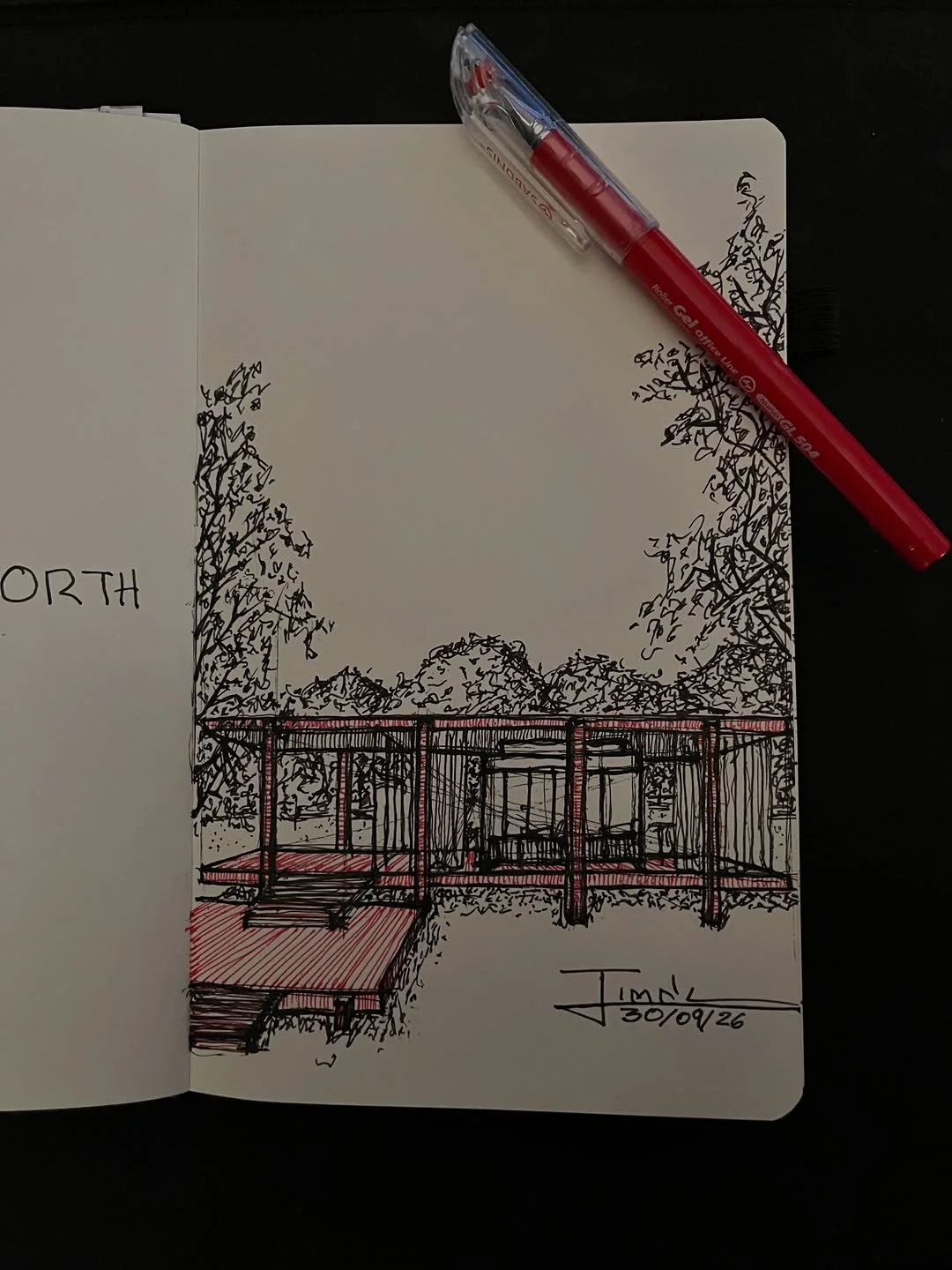
Drawing forces you to look closely at how a building actually works. When you sketch a facade, you start to notice proportions, the rhythm of openings, how a roof meets a wall, and the way light falls across a surface. A camera records everything instantly, but a sketch records only what you choose to study, which is exactly why it trains the eye. Over time this habit changes how you see the built environment, turning an ordinary walk down a street into a steady stream of details worth remembering.

Sketching as a Thinking Tool
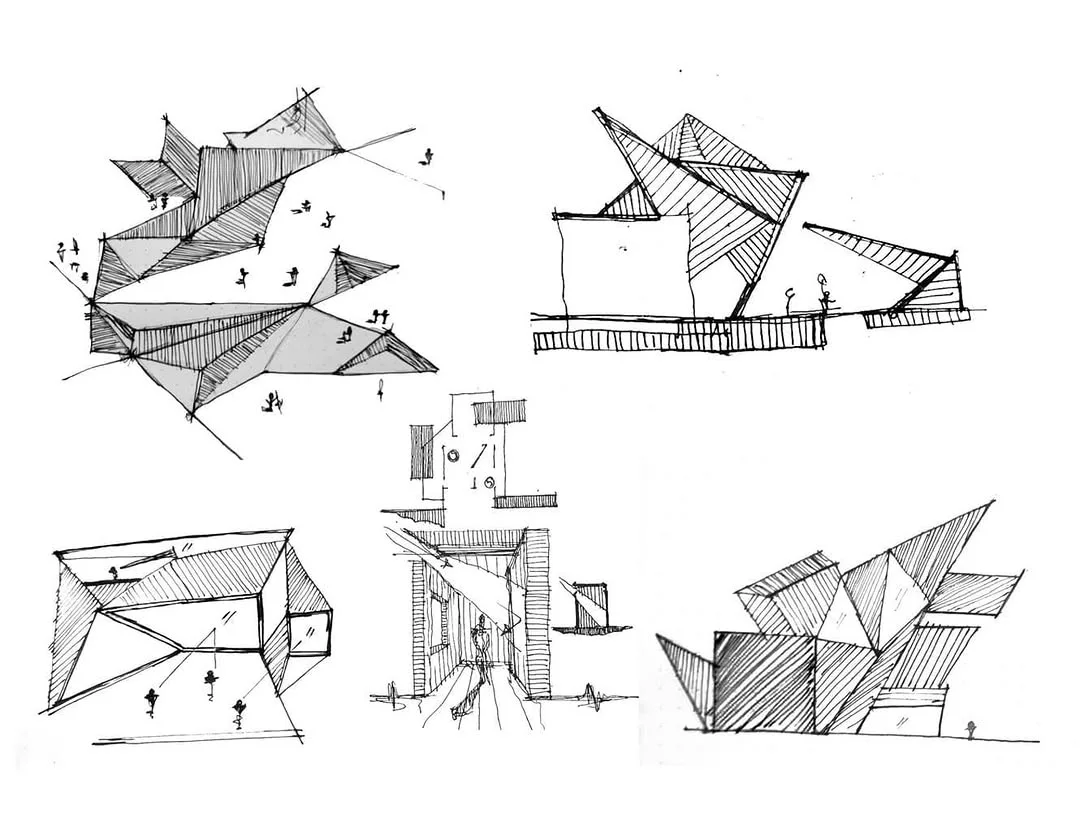
Beyond capturing what already exists, the sketch is where new ideas take shape. Rough, fast lines let you test many options in minutes without the friction of switching tools or committing to precise dimensions. This speed is the point: a loose drawing keeps an idea flexible while you decide whether it deserves to be developed further. Many architects describe the early sketch as a conversation with themselves, where the hand often discovers a solution before the mind has fully formed it.

Building a Daily Habit
Consistency matters more than talent in sketching. Keep a small notebook within reach so you can draw during a coffee break, on a commute, or while waiting in line. Set modest goals, such as one sketch a day, and resist the urge to make every drawing a finished piece. The aim is volume and regularity, not perfection. Dating each entry turns the sketchbook into a record of your progress, and flipping back through old pages is one of the clearest ways to see how far your line has come.
Simple Exercises to Improve
A few focused exercises speed up improvement. Try timed sketches of thirty seconds to two minutes to loosen your hand and stop overthinking. Practice drawing the same building from several viewpoints to understand it in three dimensions. Work on basic one and two point perspective so your spaces feel believable. Studying the proportions of the human figure also helps, since adding people to a drawing instantly communicates scale. None of these require special talent, only repetition.
A Four-Week Sketching Plan
Exercises work best in a sequence, where each week builds on the one before. The plan below takes about 15 to 20 minutes a day and moves from the simplest marks to drawing real places. Date every page so you can compare week one with week four.
| Week | Focus | What you practice | Daily task (15 to 20 minutes) |
|---|---|---|---|
| Week 1 | Lines | Straight lines, parallel hatching, line weight | 10 minutes of lines and hatching, then one simple object |
| Week 2 | Boxes | Cubes and stacked volumes, simple shading | Draw five boxes from different angles, then a piece of furniture |
| Week 3 | Perspective | One-point and two-point perspective, horizon line, vanishing points | One interior in one-point, one street corner in two-point |
| Week 4 (first half) | People and trees | Scale figures, simple tree shapes, foreground and background | Add three people and one tree to an earlier perspective |
| Week 4 (second half) | On-site sketches | Drawing a real place from direct observation | Two 20-minute sketches on location, one quick 5-minute study |
Week 1: Lines
Fill a page a day with straight lines drawn without a ruler: horizontals, verticals and diagonals, then rows of parallel hatching. Move your whole arm rather than your wrist, and draw each line in one stroke instead of many small ones. Finish with one simple object, such as a cup or a book, drawn only with clean lines. Try two pens or two pencil grades and notice how line weight separates near from far.
Week 2: Boxes
Most buildings are boxes before they are anything else. Draw cubes from above, below and at eye level, then stack and cut them into simple volumes. Add one tone of shading to the side away from the light. By the end of the week, draw a chair or a desk as a set of boxes first and add details afterwards.
Week 3: Perspective
Start with one-point perspective: a horizon line, one vanishing point, and a corridor or room drawn toward it. Then move to two-point perspective for a street corner or the outside of a building. Keep the horizon at your own eye level and check that vertical lines stay vertical. Our guide to architectural sketching for beginners includes a section on drawing architecture in perspective and a step-by-step start.
Week 4: People, Trees and On-Site Sketches
Spend the first few days on scale figures and trees. Keep people simple: a head, a body and legs at the right height relative to a door or a step. Draw trees as an outline and a few branches rather than every leaf. Then take the sketchbook outside. The Urban Sketchers manifesto describes this kind of drawing simply: drawing on location, indoors or out, and capturing what you see from direct observation. Pick a bench with a clear view, give yourself 20 minutes, and stop when the time is up, even if the drawing feels unfinished.
After four weeks, repeat the cycle with harder subjects: a busier street, a detailed facade or a tricky interior. If you want to push your technical drawing further as well, our article on how to improve your architectural drawing skills covers sketching, technical drawing, digital rendering and a weekly practice routine.
From Paper to Profession
The habit you build in school carries directly into professional practice. In client meetings, a quick sketch can explain a spatial idea faster than any slide, and on site a rough drawing often resolves a coordination question on the spot. Even in offices that rely heavily on digital modeling, the ability to think and communicate by hand remains a quiet advantage. The sketchbook is not a relic of the past; it is a tool that keeps your judgment sharp throughout an entire career.
Architecture Students Hub
This guide is part of Drawing and Presentation, stage 3 of our student roadmap from the first diagram to the first internship. Next stage: Software, Rendering and Gear, or browse every free tool and guide in the Architecture Students Hub.


1 Comment





Architectural Drawings: A Student’s Guide to 8 Essential Types
A clear introduction to the eight architectural drawing types every student meets...
 Sinan Ozen6 Mins read
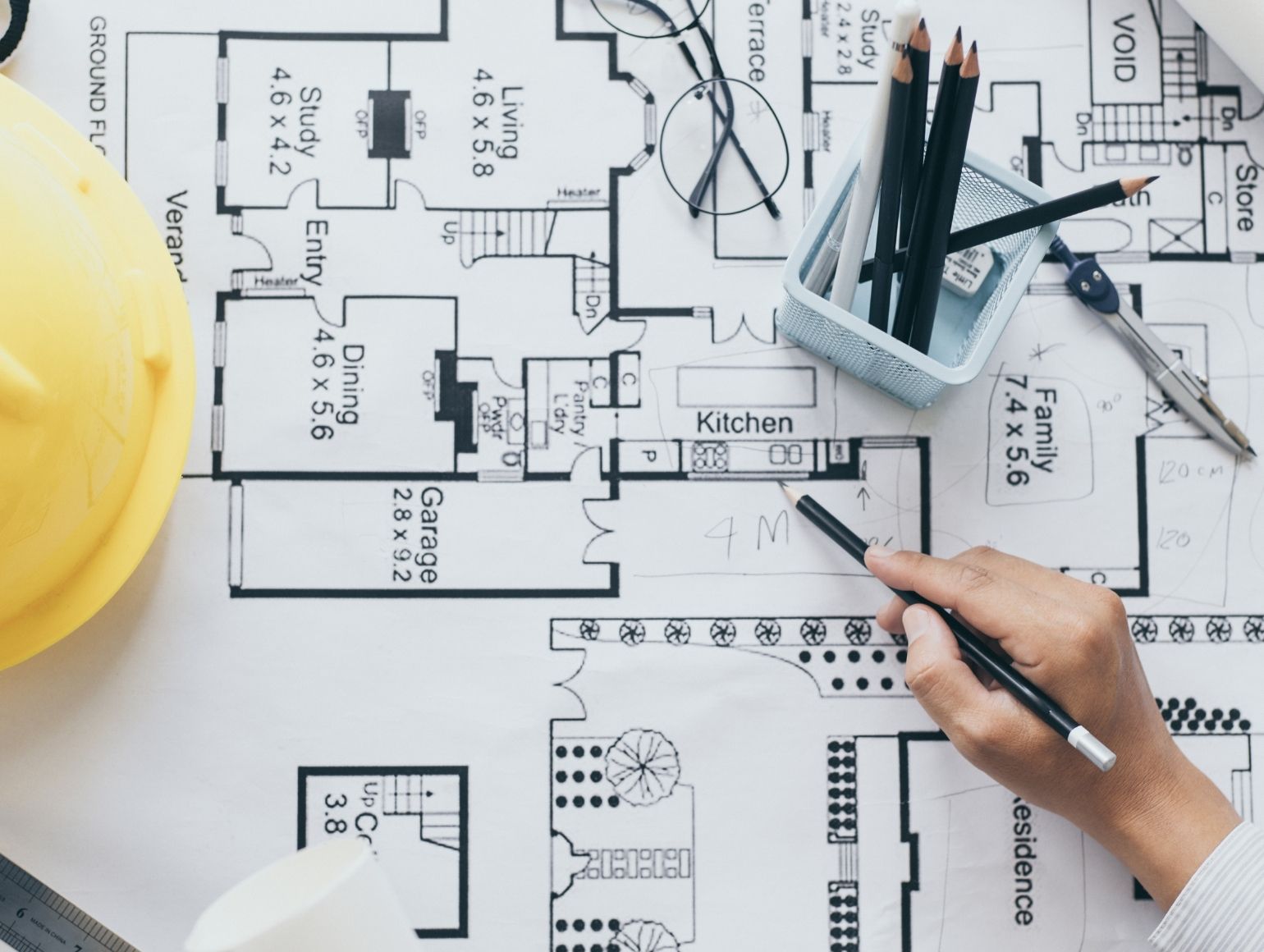
How to Draw Architectural Plans by Hand: A Step-by-Step Guide
A practical, step-by-step breakdown of drawing architectural plans by hand, from choosing...
Elif Ayse Sen14 Mins read
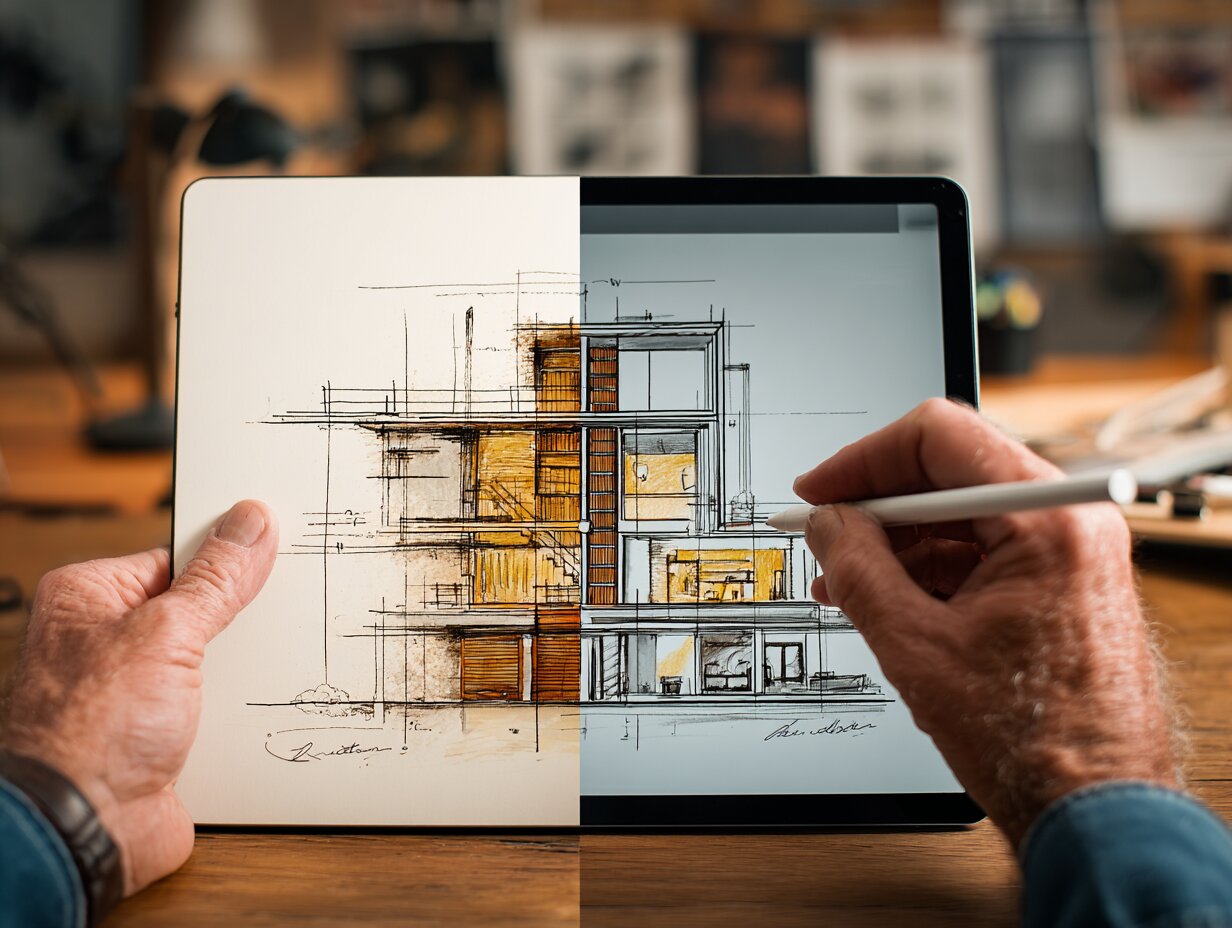
Best Stylus and Pen for Architectural Sketching: Top Picks for 2026
A tested breakdown of the top stylus pens and traditional pens for...
Elif Ayse Sen11 Mins read
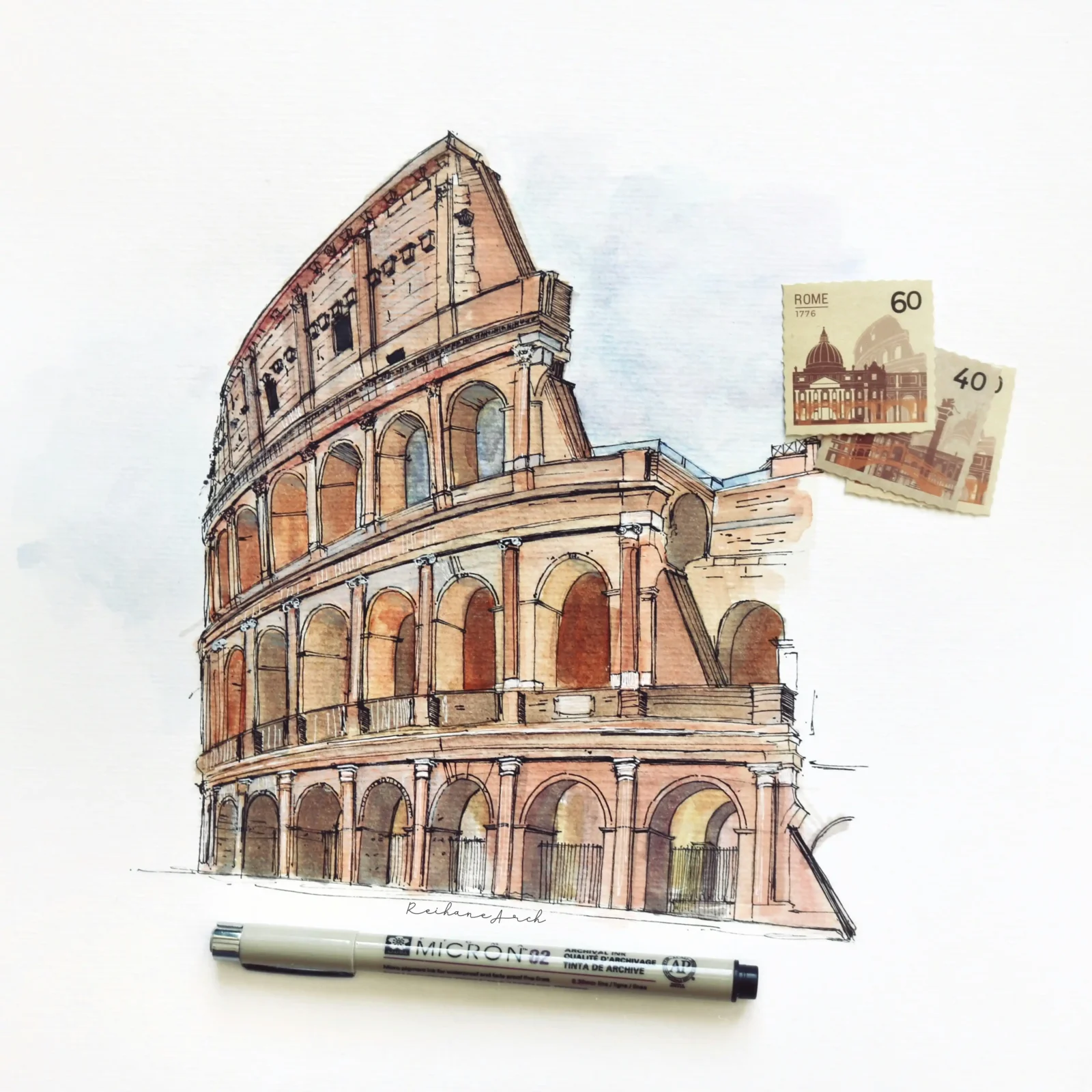
Architecture Sketch: Essential Techniques and Modern Practices
Architectural sketching is a vital technique that facilitates rapid idea development, communication,...
 Bahattin Duran5 Mins read






I liked it! A very interesting article.