

The Quiet Revolution of Biophilic Design
Biophilic design is reshaping homes, workplaces, and cities, backed by evidence. Learn core patterns, quick wins, ROI metrics, and how to start small.
 Sinan Ozen4 December 20254 Mins read292
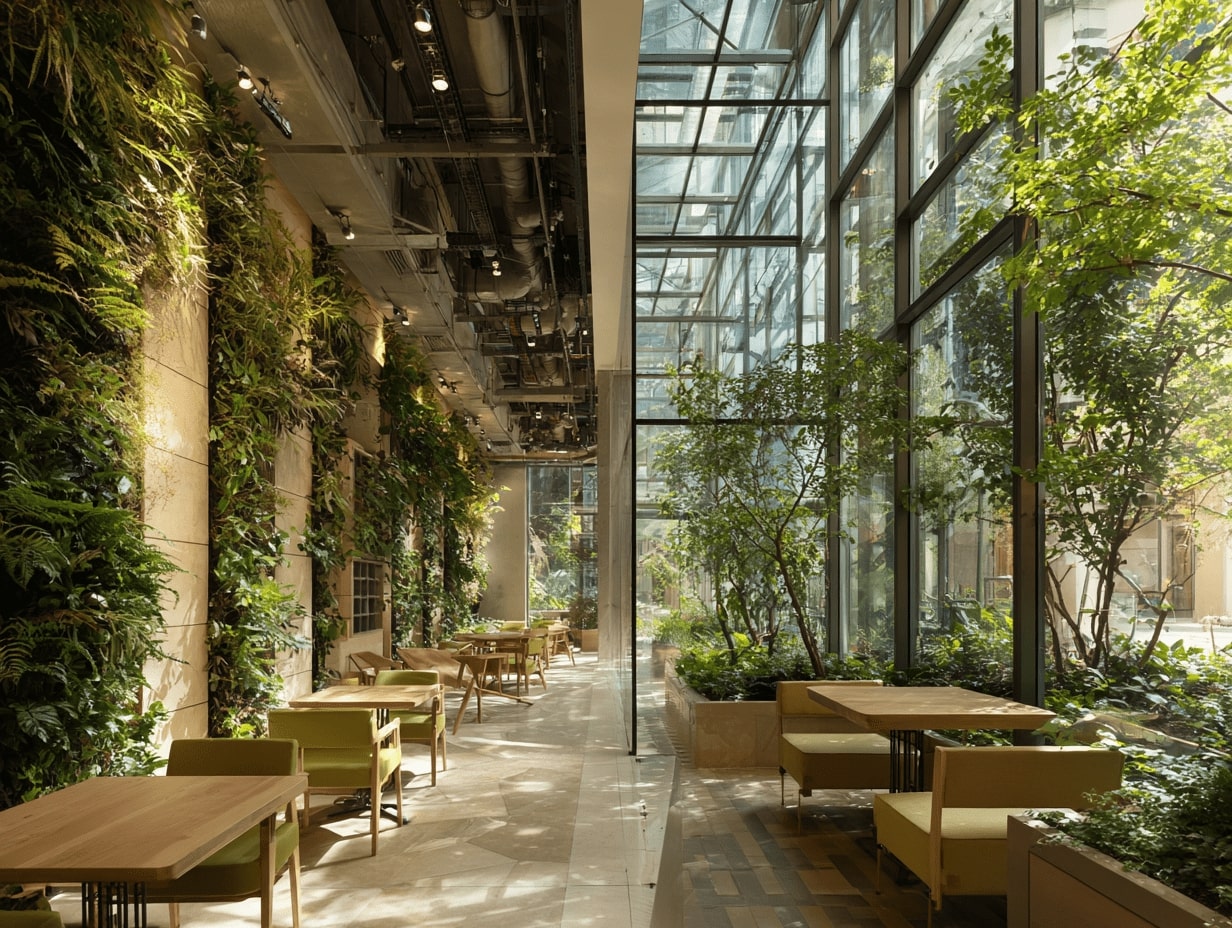
Table of Contents Show
We’re living through a subtle shift that you can feel more than you can see at first glance. The Quiet Revolution of Biophilic Design is changing how we plan homes, offices, schools, and cities by reconnecting everyday spaces with nature, intentionally, measurably, and beautifully. It’s not a trend: it’s a rethink of what makes places feel “right” to be in. And it’s arriving because the data, the economics, and frankly our nervous systems all point the same way.
What Biophilic Design Is And Why It Matters
From Biophilia To Built Environments
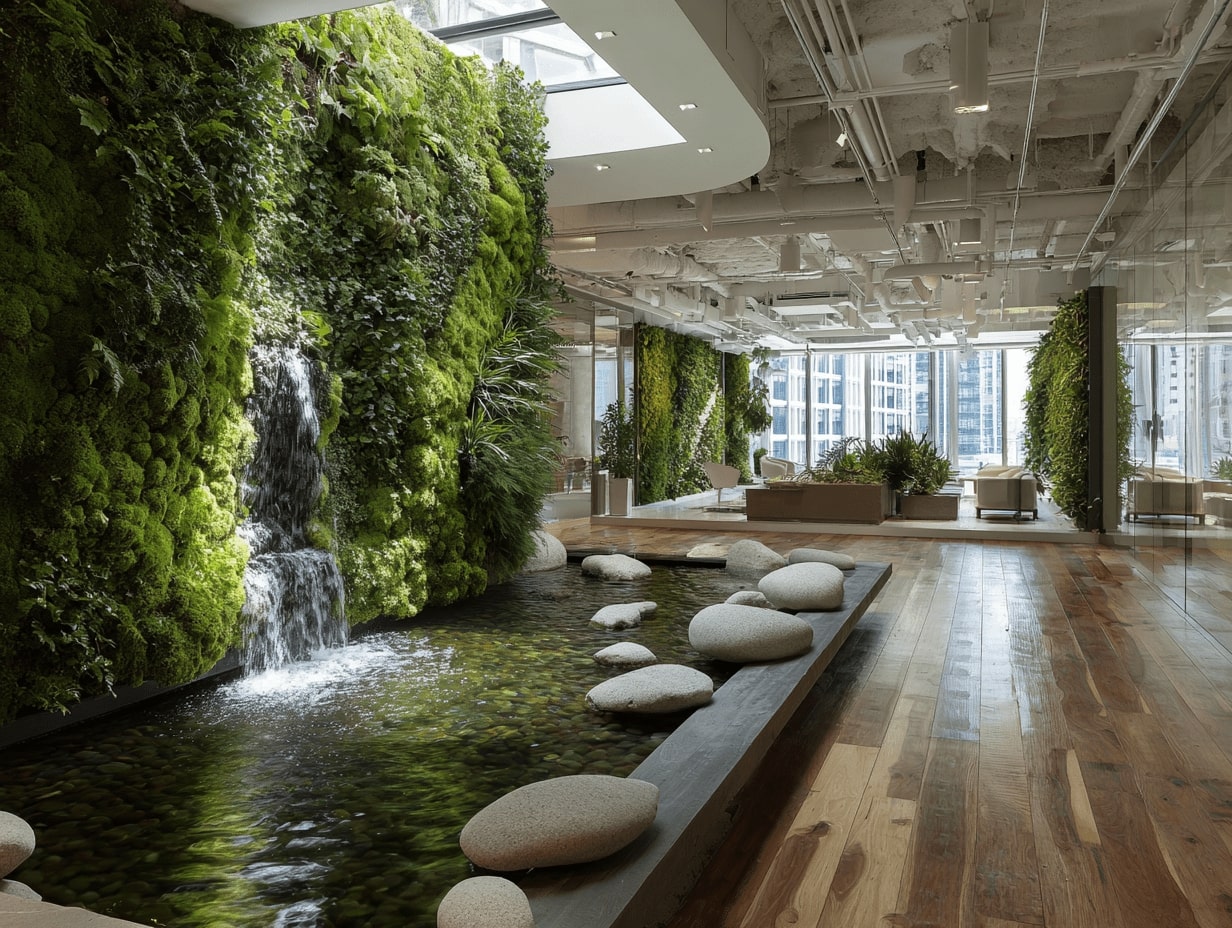
Biophilia is our innate tendency to seek connection with living systems. When we bring that into architecture and interiors, biophilic design becomes a practical toolkit: more daylight, fresh air, natural materials, views to green, and spaces that mimic how we explore landscapes. We’re not decorating with plants: we’re designing for human biology.
The Well-Being And Performance Case
Evidence is strong. Roger Ulrich’s classic study showed patients with views to trees healed faster than those facing a wall. Since then, workplaces with daylight and greenery report lower stress and higher cognitive performance: classrooms with exterior views improve test scores and attendance: hospitality spaces with natural elements lift dwell time and spend. We feel it subjectively, calmer, clearer, and it shows up in metrics: reduced cortisol, better sleep alignment, fewer sick days, higher satisfaction scores.
The Science Behind Nature-Connected Spaces
Stress Recovery And Attention Restoration
Two bodies of research anchor this movement. Stress Recovery Theory finds that even brief exposure to natural scenes reduces blood pressure and heart rate. Attention Restoration Theory shows that “soft fascination”, think leaves moving or ripples on water, lets our directed attention rest and rebound. In practice, 10-20 minutes of natural exposure can restore focus and lower perceived stress, which is huge in screen-heavy days.
Air, Light, Sound, And Microbiome Effects
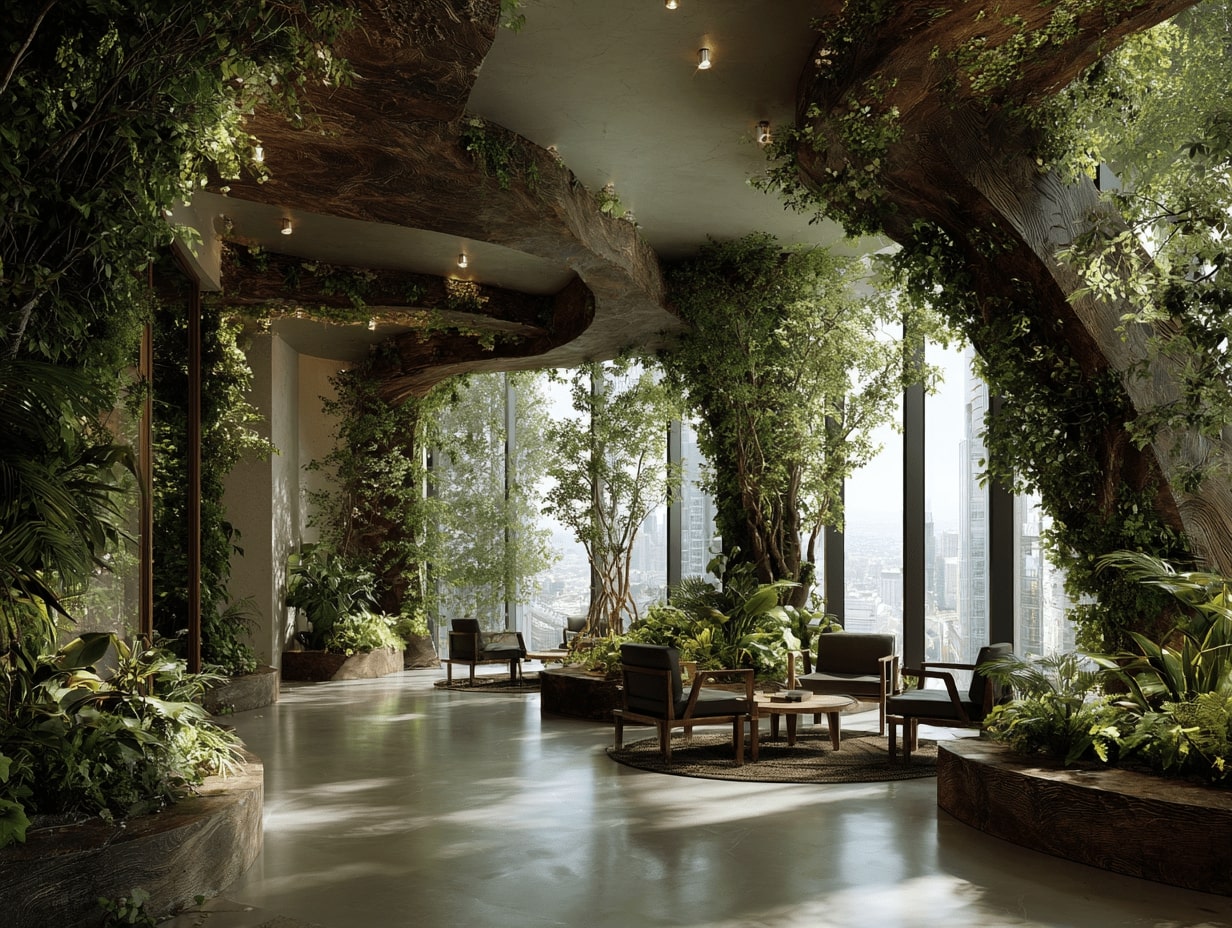
- Light: Daylight that tracks the sun’s spectrum supports circadian rhythms. Tunable LEDs can fill gaps, but nothing beats generous window access and glare control.
- Air: Plants aren’t industrial air filters, but operable windows, proper ventilation, and low-emitting materials improve IAQ dramatically. The sensation of fresh air matters as much as the metrics.
- Sound: Natural soundscapes, water, birdsong, wind through trees, lower sympathetic arousal and mask disruptive noise. Even well-tuned pink noise with biophilic audio cues can help.
- Microbiome: Materials and ventilation strategies that welcome outdoor air introduce microbial diversity linked to healthier indoor ecosystems. For example, using unfinished wood in low-touch areas and allowing filtered airflow from gardens can diversify benign microbes while controlling pathogens.
Core Patterns And Principles To Guide Projects
Direct Nature: Light, Plants, Water, And Fresh Air
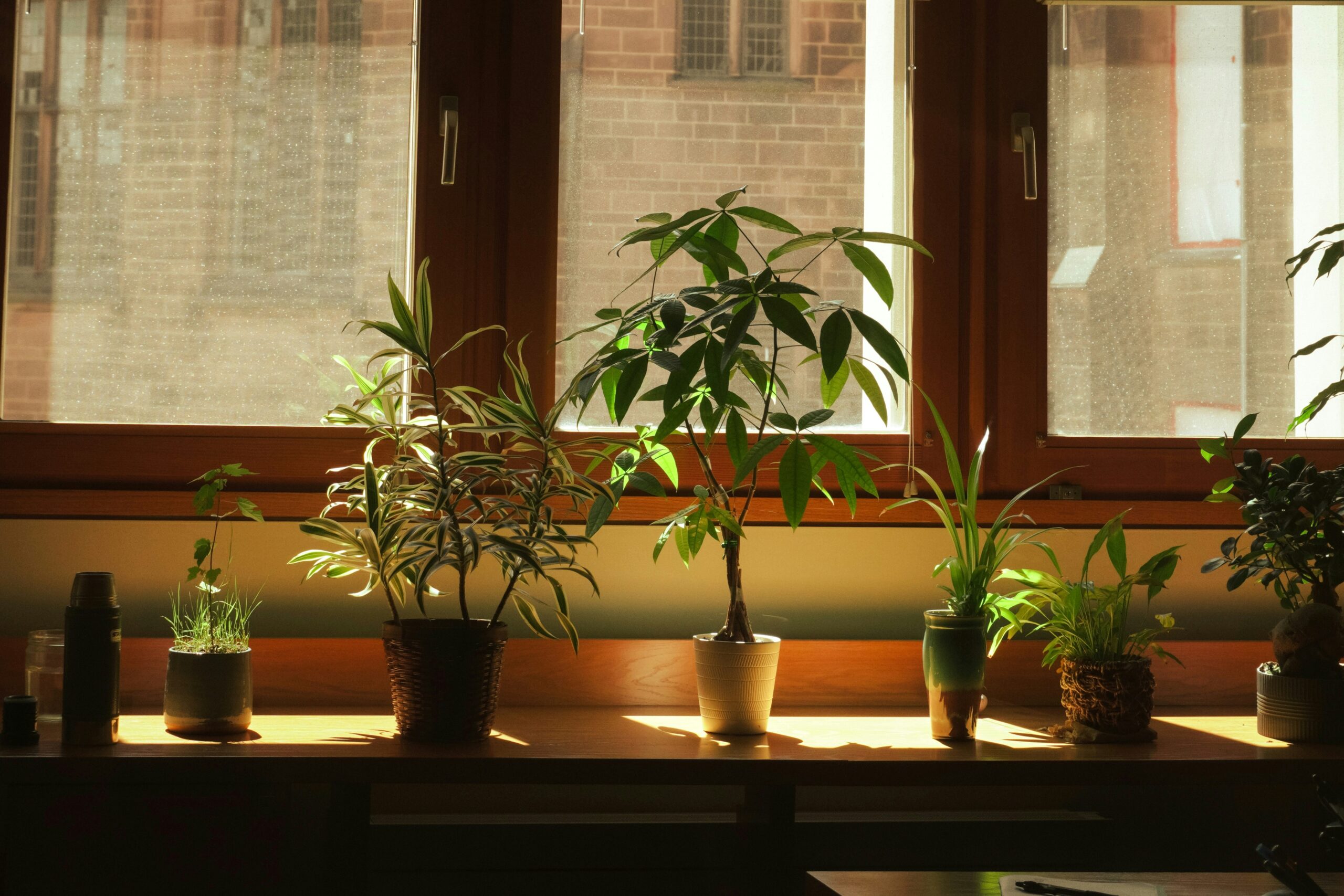
Prioritize daylight first: orientation, window-to-wall ratios, light shelves, and shading that temper glare. Add layered greenery, potted plants near work zones, trailing vines at edges, and a hero tree where possible. Water features, even subtle ones, provide multisensory calm. Fresh air via operable windows or dedicated outdoor air systems (DOAS) completes the basics.
Indirect Nature: Materials, Patterns, And Colors
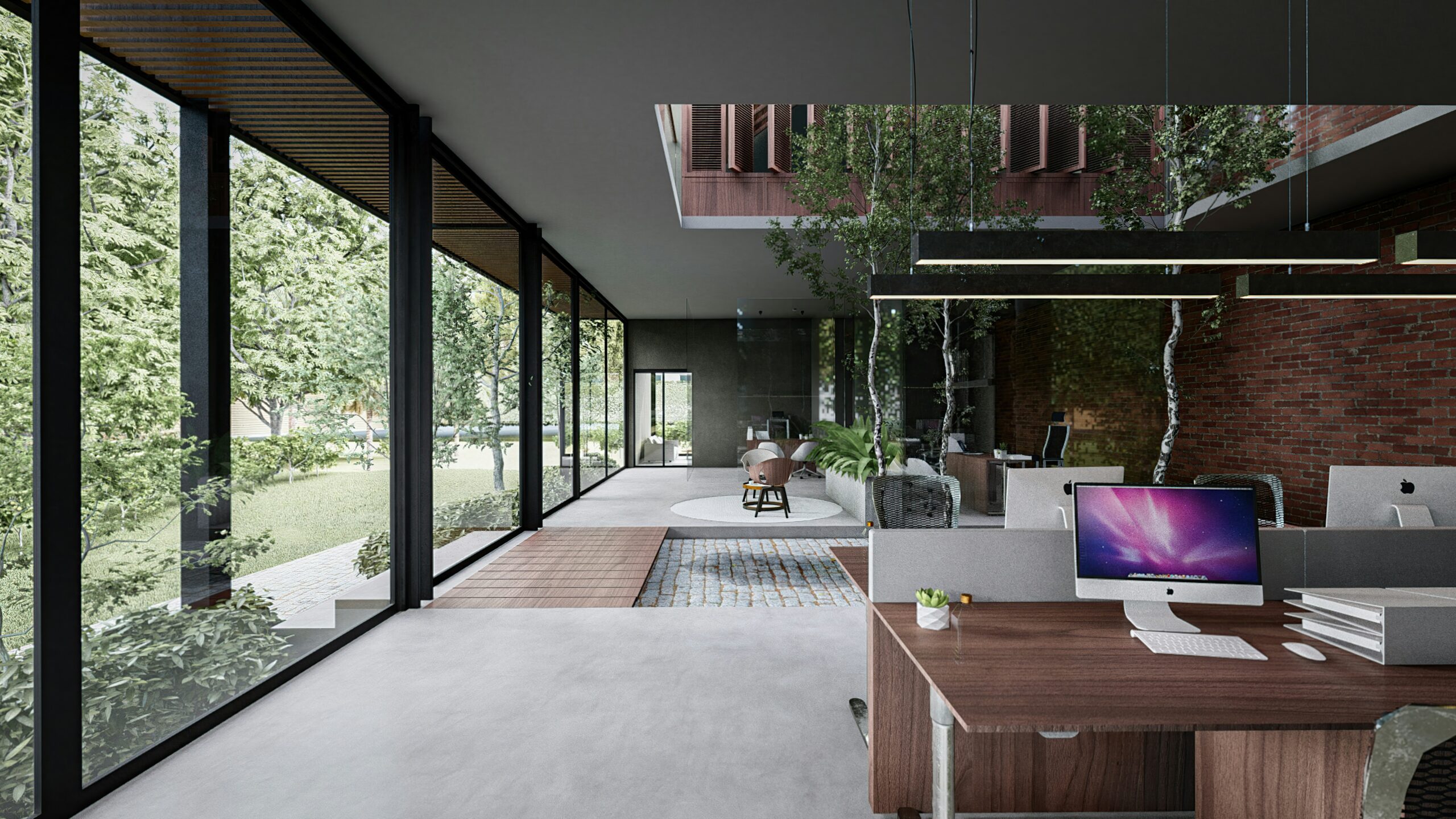
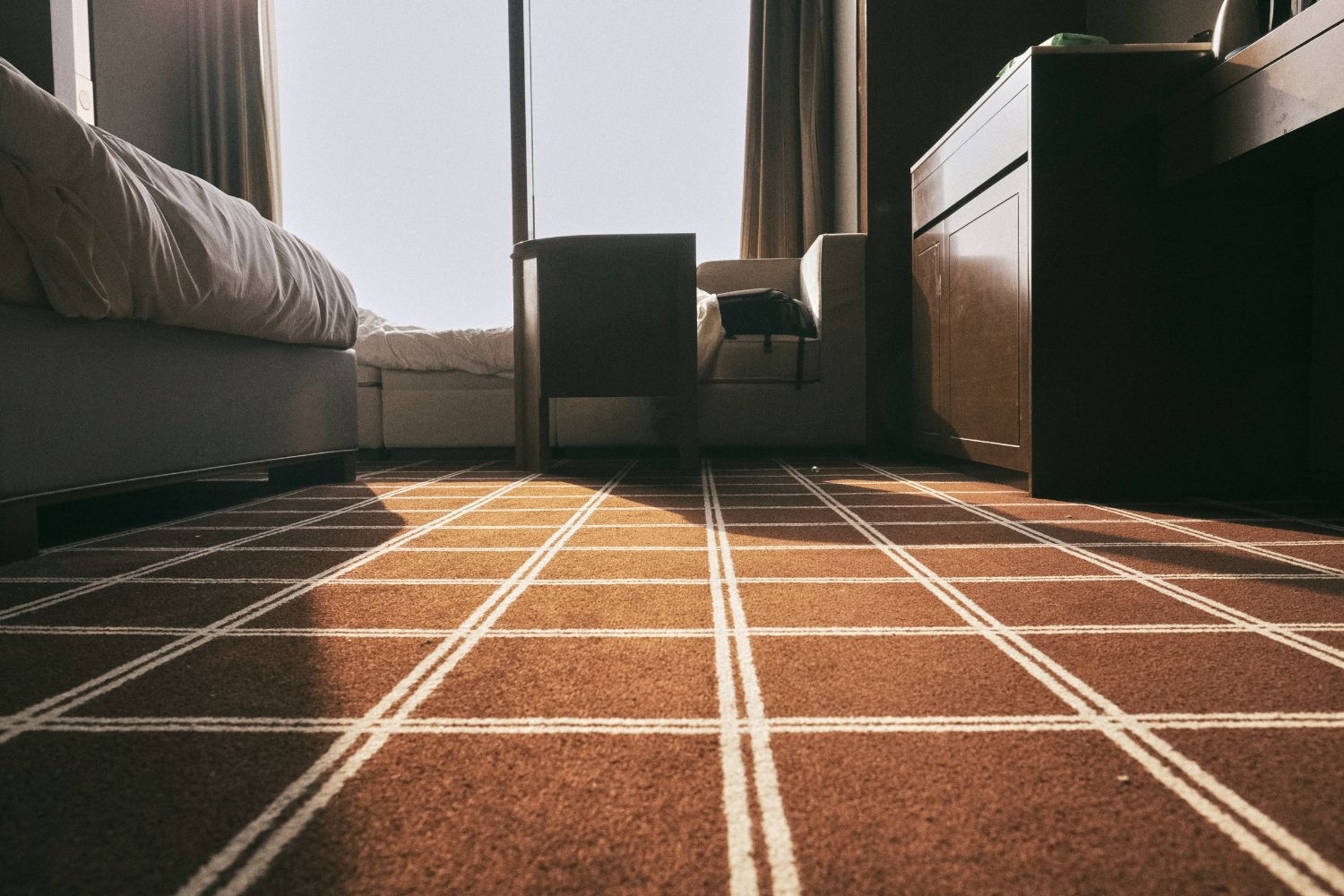
Where direct access is limited, we echo nature through materials and forms. Real wood with visible grain, stone with irregular veining, wool and natural fibers, organic patterns, and palettes pulled from local landscapes all cue our brains. Avoid flat, plastic surfaces that feel “dead.” Even art that changes seasonally, a rotating set of local landscape photos, keeps interest alive.
Spatial Experience: Prospect, Refuge, And Mystery
Humans like places that offer long views (prospect), cozy nooks (refuge), and gentle intrigue (mystery). That might mean a bench overlooking a courtyard, a booth tucked under a soffit, and a corridor with a glimpse of greenery around the bend. When we balance these cues, movement becomes intuitive and stress drops.
Practical Strategies For Different Settings
Homes And Multifamily: Everyday Calm And Comfort
- Daylight first: sheer window treatments, reflective ceilings, and light-colored reveals.
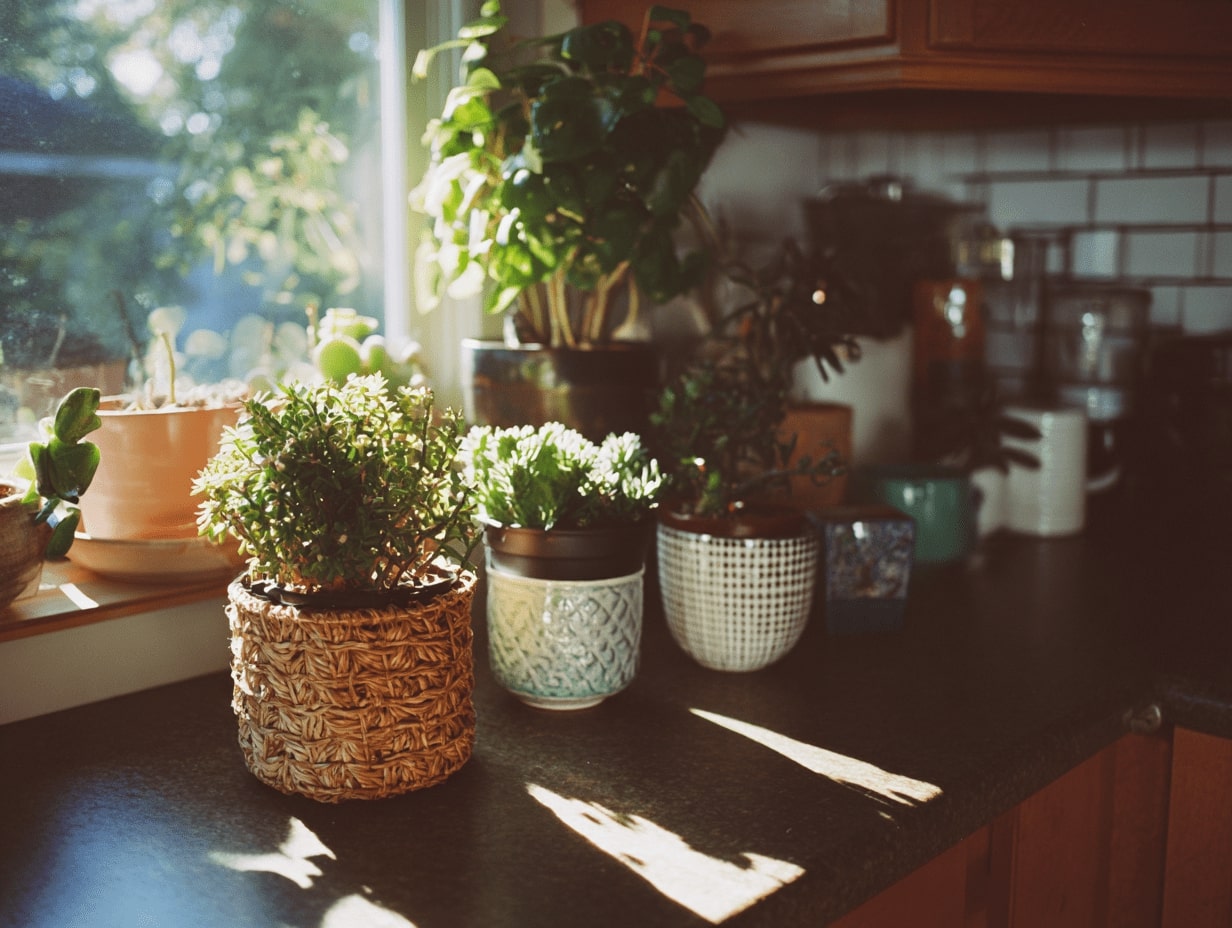
- Green touchpoints: kitchen herbs, balcony planters, and one statement plant per main room.
- Materiality: oak or ash floors, clay or lime paint, wool throws.
- Micro-restoratives: a reading chair by a window, operable windows for cross-breeze, and a small tabletop fountain for gentle sound.

Workplaces: Focus, Creativity, And Hybrid Realities
- Zoning: prospect-focused open zones near windows: refuge-focused huddle rooms with warm wood and acoustic felt.
- Biophilic tech: circadian lighting schedules, nature-informed acoustic masking, and green “zoom backdrops” that are real plants, not vinyl prints.
- Outdoor extensions: terraces and rooftop gardens with Wi‑Fi.
- Policies matter: encourage 15-minute daylight breaks: they pay back in sharper attention.
Cities And Public Spaces: Streets, Parks, And Transit
- Shaded sidewalks with mixed-species street trees: pocket parks every 5-10 minutes of walking.
- Green transit: platform planters, daylighting, and natural materials reduce commuter stress.
- Water access: rills or rain gardens that make stormwater visible and useful.
Crucially, these moves support biodiversity, more native plantings invite pollinators like monarchs and native bees, street trees host birds such as chickadees and warblers, and varied understory plants support soil fungi and insects. Those living layers enrich daily experience and strengthen urban ecosystems.
Measuring Impact And Making The Business Case
Metrics That Matter: Use, Health, And Experience
Track what users actually feel and do: space utilization, dwell time, sit/stand ratios near windows, and booking patterns for refuge rooms. Pair that with health indicators (absenteeism, self-reported stress, sleep quality) and environmental data (daylight autonomy, glare probability, CO₂ levels, acoustic comfort). Post-occupancy surveys close the loop and reveal what’s working.
Cost, ROI, And Maintenance Considerations
Start by reallocating, not just adding: shift budget from hard finishes to daylighting, shading, and acoustic quality. The biggest ROI often comes from reduced turnover and absenteeism, tiny percentage gains in productivity eclipse energy line items. Choose durable plant species, drip irrigation, and integrated maintenance plans to keep OPEX predictable. And remember: a window added in design costs pennies on the dollar compared with retrofitting later.
Barriers, Myths, And How To Start Small
Common Pitfalls And Practical Fixes
- “Plants will fix air quality.” Not alone. Prioritize ventilation and low-VOC materials: use plants for psychological and acoustic benefits.
- “It’s expensive.” Many wins, rearranging seating toward windows, adding sheer shades, swapping surfaces for wood, are cost-neutral.
- “We don’t have space.” Vertical gardens, window ledges, and micro-refuge nooks count.

Phased Roadmaps For Retrofits And New Builds
- Phase 1: quick wins, seating moves, circadian lighting settings, planters, nature art, and sound masking with soft biophilic audio.
- Phase 2: envelope and systems, shading, operable windows, DOAS, material upgrades, and acoustic treatments.
- Phase 3: structural, add light wells, pocket courtyards, roof gardens, and water features tied to stormwater management.
Conclusion
Biophilic design isn’t a luxury finish: it’s how we align buildings with human biology and the living systems around us. If we design for light, air, sound, and life, we unlock healthier people and more resilient places. The quiet revolution is already here, let’s make our next space a proof point we can see, feel, and measure.






Living Walls Are Just the Start: What Biophilic Design Looks Like in Today’s Offices
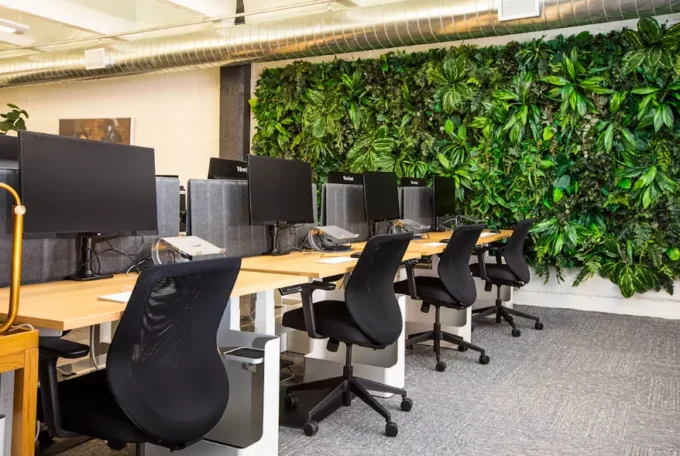
The living wall became the shorthand for biophilic design, but it is...
 illustrarch Editoral Team5 Mins read

Famous Sustainable Buildings: 6 Green Skyscrapers Leading the Future
From Milan's Bosco Verticale to Sydney's record hybrid timber tower, six green...
 Furkan Sen6 Mins read
Best Orientation for a House: Why North Orientation Matters
North orientation shapes a home's light, warmth, and running costs, and its...
Furkan Sen6 Mins read
How to Design Spaces That Promote Wellness in Architecture
A practical look at how to design spaces that promote wellness in...
 Elif Ayse Sen7 Mins read


Leave a comment