

How To Be More Sustainable When Renovating Your Home?
Sustainable home renovations can be achieved by using energy-efficient upgrades, sustainable materials, and water-saving features to reduce environmental impact and costs.
 Furkan Sen5 December 20256 Mins read181
Table of Contents Show
Renovating your home can be exciting, but it’s easy to overlook sustainability. It’s a challenge many of us face, but small changes, like choosing energy-efficient products or stylish column radiators, can make a noticeable difference.
In this blog, we’ll share practical tips to help you create a more eco-friendly home without compromising on style. Let’s explore some simple and effective ideas together!
Key Takeaways
- Use energy-efficient upgrades like double-glazed windows, insulated doors, and LED bulbs to save energy and lower costs.
- Choose sustainable materials such as recycled wood, reclaimed bricks, or vintage radiators to reduce waste and add character.
- Install water-saving features like low-flow taps or rainwater harvesting systems to conserve water and cut bills.
- Reuse old items like doors or cabinets creatively; recycle construction waste responsibly by sorting it into different categories.
- Pick eco-friendly paints with low VOCs for healthier indoor air and less environmental impact during renovations.
Prioritise Energy Efficiency
Saving energy at home can lower bills and help the planet. Small upgrades, like better insulation or smarter tech, make a big difference.
Install energy-efficient windows and doors
We all want a home that keeps heat in during winter and stays cool in summer. Energy-efficient windows and doors do exactly that, saving both energy and money.
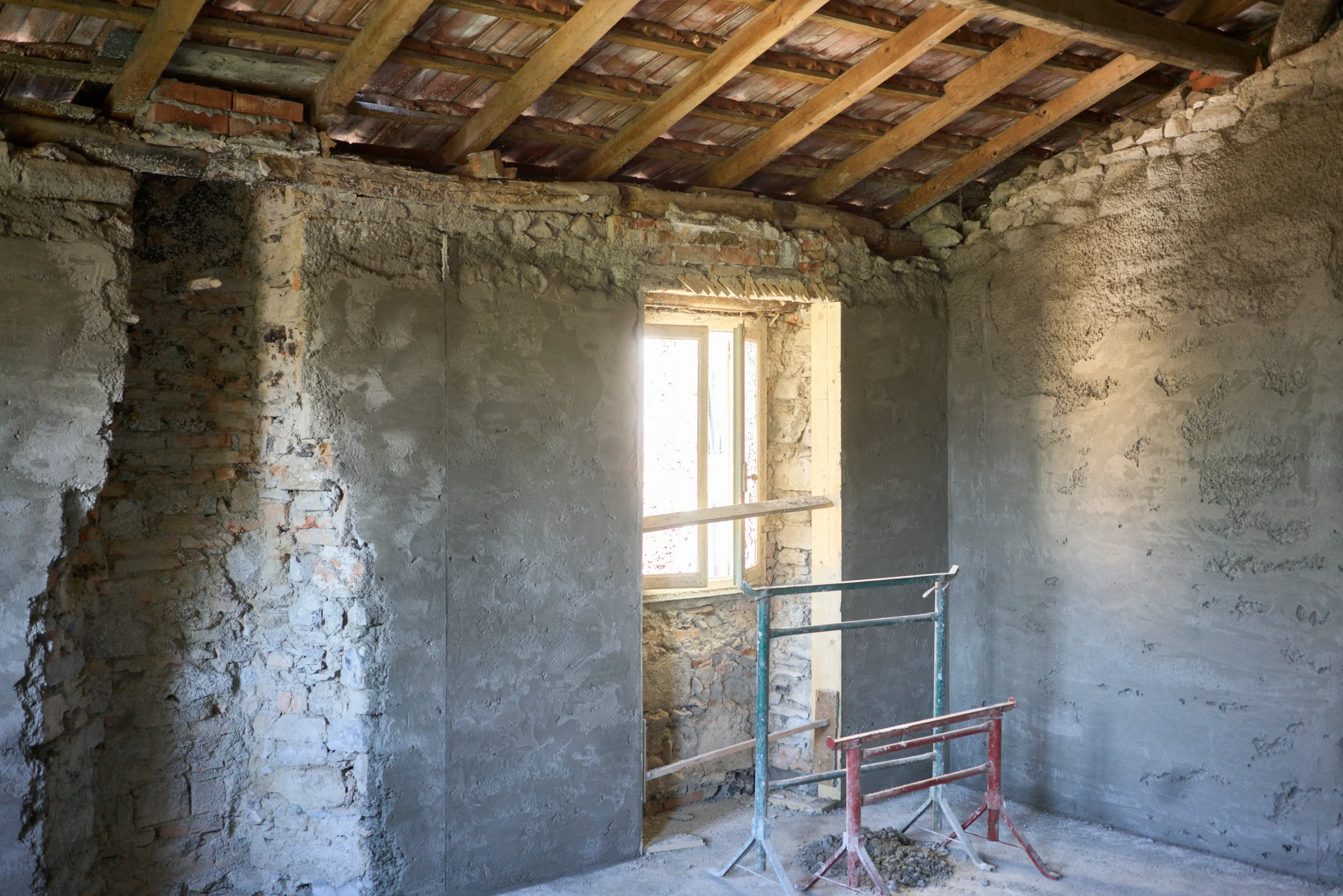
- Choose double or triple-glazed windows to reduce heat loss. These provide better insulation and help keep temperatures steady inside.
- Opt for frames made from sustainable materials like wood or aluminium, which are durable and eco-friendly.
- Fit draught-proof seals on doors and windows to prevent air leaks, ensuring your space stays cosy without wasting hot air from radiators.
- Replace old doors with insulated ones designed to trap heat while adding style to your interior design.
- Install blinds or curtains that help lock in warmth or block sunlight, reducing the need for artificial cooling or heating systems.
Upgrade to energy-saving appliances
Switching to energy-saving appliances is a game-changer. It cuts energy bills and helps the planet too.
- Replace old radiators with energy-efficient models like slimline and wall-mounted designs. These offer great heat output, measured in BTUs, while saving power.
- Opt for electric underfloor heating systems for consistent warmth and lower energy use. They can be a smart addition to your home.
- Install programmable thermostats or thermostatic radiator valves (TRVs). These give you precise control over room temperatures, saving both heat and money.
- Choose appliances with high energy ratings like fridges, washing machines or dishwashers. They may cost more upfront but reduce running costs long-term.
- Use cheap designer radiators from categories featuring weekly offers or sales for cost-effective upgrades without sacrificing style or efficiency.
- Swap traditional water heaters for tankless versions that heat only what you need on demand.
- Upgrade lighting by using LED bulbs throughout the house; they use much less electricity than standard options.
Small changes here make a big difference over time!
Use Sustainable Building Materials
We can choose materials that are kinder to our planet. Small changes, like using recycled wood or eco-friendly finishes, make a big difference.
Opt for recycled or reclaimed materials
Using recycled or reclaimed materials can make a big difference. It saves resources and adds character to your home.
- Choose recycled or reclaimed wood for floors, beams, or furniture. Old barns or warehouses often have timber with a unique look.
- Use steel radiators in raw metal or antique brass finishes. These often include recycled elements and require minimal processing, saving resources.
- Consider vintage column radiators. Many are from the Victorian era, offering style and durability while reusing existing materials.
- Repurpose old bricks for walls or garden features. They add charm and reduce construction waste.
- Look for leftover tiles at salvage yards. These can create beautiful backsplashes without producing new waste.
Next, let’s explore eco-friendly paints and finishes for your spaces!
Choose non-toxic paints and finishes
Using eco-friendly materials doesn’t stop at wood and metal. The paints and finishes we pick play a big role in making our home safer and greener.
- Select low-VOC paints. These release fewer harmful chemicals, improving air quality for everyone at home. Many radiator options, like white powder-coated finishes, offer durable and low-emission choices.
- Go for pre-coloured radiators. This reduces the need for on-site painting and limits exposure to fumes. It’s a simple way to cut down on toxins during renovations.
- Opt for non-toxic sealants or varnishes. Many finishes, such as raw metal or antique brass on radiators, avoid extra coatings that emit pollutants.
- Use paint designed for radiators if needed. Applying thin coats with proper primers minimises waste and emissions while ensuring durability.
- Explore custom colour options with safer formulas. Some RAL hues are developed to reduce toxicity levels without compromising style.
- Choose powder-coating where possible. It’s more environmentally friendly than solvent-based alternatives and lasts longer too!
Implement Water Conservation Features
Saving water is easier than you think. Small changes can make a big splash in reducing waste and cutting costs.
Install low-flow taps and showerheads
We can save water and lower bills with smart fixtures. Low-flow taps and showerheads are a great way to start.
- Install low-flow taps to cut water usage by up to 30%. These taps maintain good pressure while using less hot water, saving energy too.
- Choose showerheads designed for efficiency. They use air to reduce water flow without sacrificing comfort or pressure.
- Lower water flow means less demand on our hot water systems like radiators, keeping them more efficient over time.
- Swap out old fixtures for modern ones with a WaterSense label or similar certifications, as these meet strict standards for saving resources.
Consider rainwater harvesting systems
Saving water is crucial for a more sustainable home. Rainwater harvesting systems can help cut water waste and lower bills.
- Collect rainwater from your roof using gutters and store it in tanks. This water can be reused for gardens, toilets, or cleaning tasks.
- Fit a basic diverter to your downpipes to direct rain into barrels or larger containers. It’s simple to install and effective.
- Use filters to keep dirt out of the harvested water. Clean water works better for household needs.
- Install underground systems if space is limited or you need larger storage capacity. These systems keep the setup hidden while offering high storage potential.
- Pair the system with low-flow taps and showerheads to save even more water in total.
- Regularly maintain your rain collection setup by clearing debris from gutters and tanks to avoid clogs or blockages.
Proper use of these systems saves resources and benefits both you and the environment!
Focus on Waste Reduction
Let’s cut down on rubbish by being smart with what we use. Old materials can often find a new purpose instead of heading to the skip.
Reuse and repurpose materials
We can save resources and reduce waste by reusing materials. This approach helps the planet and keeps renovation costs down.
- Old doors, cabinets, or wood can find new purposes in our home. A weathered door could become a charming table or headboard.
- Vintage Victorian radiators are prime examples of reusable items. Their sturdy build lets them last for decades while keeping our spaces cosy.
- Modular column radiators work great too. We can separate individual sections, transport them easily, or use them elsewhere later.
- Reclaimed bricks or tiles add character to walls and floors. These materials often outlast newer ones while telling unique stories.
- Leftover paint shouldn’t go to waste either; it’s perfect for touch-ups or smaller projects in other areas of the house.
- Scraps from renovations like wood offcuts make excellent shelving or small furniture pieces with a bit of creativity.
- Returning unused items is another option many overlook. For example, we can return off-the-shelf stock within 90 days at some stores to save cash and avoid waste.
Reusing smartly prepares us for another big step: recycling construction waste responsibly!
Recycle construction waste responsibly
It’s easy for waste to pile up during renovations. Recycling helps us give old materials a second life and keeps rubbish out of landfills.
- Sort waste into categories like metal, wood, and plastics. This makes recycling simpler and faster.
- Take old items like radiators to scrap metal centres; steel and cast iron can be recycled or repurposed.
- Choose modular products, such as two column radiators, that let us recycle damaged parts instead of the whole unit.
- Donate usable fixtures or furniture to local charities or reuse centres; someone else might need them.
- Work with builders who follow green disposal practices for things like rubble or paint cans.
- Label leftover materials carefully, so they can be reused later in other projects around the house.
- Check if your council offers drop-off points for construction waste recycling near your neighbourhood.
Reducing landfill waste helps conserve resources and protects the planet for everyone!
Free Online Home Remodel Cost Calculator
Planning a home renovation? Our free calculator helps you estimate remodeling costs based on your specific project. Simply select your location, choose the room or area you want to renovate, specify the size and finish level, and get an instant cost estimate with detailed breakdowns for materials, labor, and other expenses.
Where is your project located?
Location affects material and labor costs significantly.
What are you remodeling?
Select the room or area you want to renovate.
Project Details
Tell us more about your project.
📐 Room Size
💎 Renovation Level
➕ Additional Features (Optional)
Your Estimated Renovation Cost
📊 Cost Breakdown
✅ What's Typically Included
📄 Download Your Detailed Report
Get a complete PDF report with your renovation cost estimate, breakdown, and planning tips.
Disclaimer: These estimates are for general guidance only. Actual costs vary based on specific conditions, contractor pricing, material selection, and local factors. Always get multiple quotes from licensed contractors for accurate pricing.
Conclusion
Making your home renovation sustainable isn’t hard. Small changes can make a big difference for the planet. Focus on saving energy, using eco-friendly materials, and cutting down waste.
Even picking timeless heating options like three-column radiators helps. Together, we can build greener spaces that look great and last long!
FAQs
- How can I choose sustainable heating options for my home?
Opt for energy-efficient solutions like planet radiators or three column radiators. These designs are not only functional but also help reduce energy waste, making your renovation greener.
- Are there eco-friendly radiator choices when renovating?
Yes, consider using modern three column radiators or planet radiators. They provide excellent heat output while being more efficient, helping to lower your carbon footprint.
- What’s the benefit of upgrading old radiators during a renovation?
Old models often waste more energy than newer ones. Replacing them with updated options like planet radiators improves efficiency and keeps your home warm without overusing resources.
- Can sustainable renovations save money in the long run?
Absolutely! Energy-saving upgrades such as installing efficient three column radiators cut utility bills over time while reducing environmental impact, so it’s a win-win situation!







Beyond the Floor Plan: How Electrical Design Shapes the Modern Home
The electrical plan decides how a home actually works. Lighting layers, outlet...
 illustrarch Editoral Team12 Mins read

Fallingwater Restorated: How a $7 Million Project Preserved Greatest House
After three years of scaffolding, grout injection, roof replacement, and window conservation,...
 Elif Ayse Sen12 Mins read

Home Renovation Costs in 2026: An Architectural Guide to Budgeting and Design
Home renovation costs in 2026 reflect more than material prices and labor...
Elif Ayse Sen4 Mins read

Modern vs Traditional Fireplaces: Which Adds More Value to Your Home?
Wondering whether a modern or traditional fireplace adds more value? This guide...
 Bahattin Duran10 Mins read


Leave a comment