

Biodomes in Architectural Design
Biodomes in architectural design create enclosed ecosystems that bring nature into urban environments. From Buckminster Fuller's geodesic domes to the Eden Project and Mars Science City, these structures address biodiversity loss, air quality, and climate resilience while serving as educational and research facilities.
 Elif Ayse Sen10 March 202312 Mins read502
Table of Contents Show
A biodome is a large, enclosed structure – usually a geodesic dome – that recreates and sustains a self-contained natural ecosystem in a controlled environment. By regulating temperature, humidity and light, biodomes support living plants and animals for research, conservation, education and sustainable architecture.
Biodomes in Architectural Design: How Enclosed Ecosystems Shape Sustainable Cities
Biodomes in architectural design are enclosed structures that replicate natural ecosystems within controlled environments, allowing architects to create climate-independent habitats for plants, animals, and people. Originally inspired by Buckminster Fuller’s geodesic principles, biodomes now serve as urban green spaces, research facilities, and educational centers that address biodiversity loss, air quality, and food security in cities worldwide.What Is a Biodome?
Biodomes are a type of architectural structure designed to simulate natural environments and provide shelter from extreme weather. They are often used in urban areas as green spaces, or for research purposes. Biodomes provide an interesting way for architects to design structures that blend in with their natural surroundings.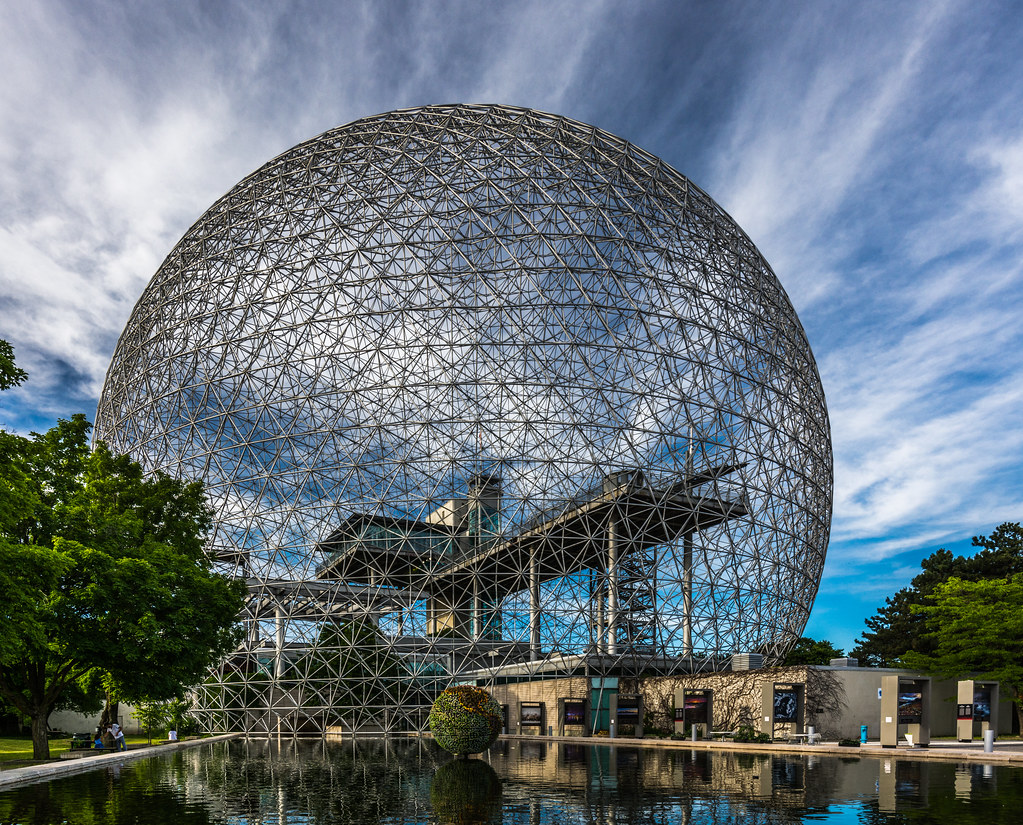
 As cities confront rising temperatures, pollution, and declining green spaces, biodomes can play a crucial role in improving urban health. The controlled ecosystems inside these structures can help lower carbon levels, stabilize humidity, and introduce cleaner air into densely populated areas. By acting as climate buffers, biodomes contribute to environmental resilience while offering restorative natural spaces that enhance mental wellbeing and strengthen the connection between urban residents and ecological cycles.
💡 Pro Tip
When designing or specifying a biodome structure, always model internal airflow patterns before selecting plant species. Warm air rises and stratifies inside dome enclosures, creating microclimates at different heights. Placing heat-tolerant species near the apex and shade-loving species at ground level prevents plant stress and reduces the need for mechanical ventilation.
How Do Biodomes Improve Urban Environments?
Biodomes serve multiple functions in urban settings that go far beyond visual appeal. In dense city centers where vegetation is limited, these structures act as concentrated green zones that filter airborne pollutants, absorb CO2, and release oxygen. A single biodome housing several hundred plant species can process air at rates comparable to a small urban park, making it a practical solution for neighborhoods with limited open land. Heat island effects are a growing problem in cities with high concentrations of asphalt and concrete. Biodomes help counteract this by creating pockets of cooled, humidified air that radiate outward from the structure. The thermal mass of soil, water features, and dense vegetation inside a biodome absorbs excess heat during the day and releases it slowly at night, smoothing temperature swings in the immediate area. Cities such as Singapore and Montreal have already demonstrated how large-scale enclosed gardens and biophilic design concepts can reshape the urban microclimate. Beyond physical health benefits, biodomes provide mental health advantages too. Exposure to green environments has been linked to lower cortisol levels, improved mood, and better cognitive function. Urban biodomes offer residents access to these benefits year-round, regardless of outdoor weather conditions. For cities at high latitudes or in extreme climates, this access to green space during long winters or intense summers can significantly improve quality of life.Biodomes as Urban Educational Ecosystems
Beyond their environmental benefits, biodomes encourage community engagement and education. Many facilities offer visitors the chance to observe ecosystems up close, learn about sustainable technologies, and participate in conservation projects. By creating a deeper connection between people and nature, these structures act not only as shelters for biodiversity but also as hubs for environmental awareness. As cities continue to expand, biodomes serve as a reminder of the delicate balance between the built environment and the natural world it depends on.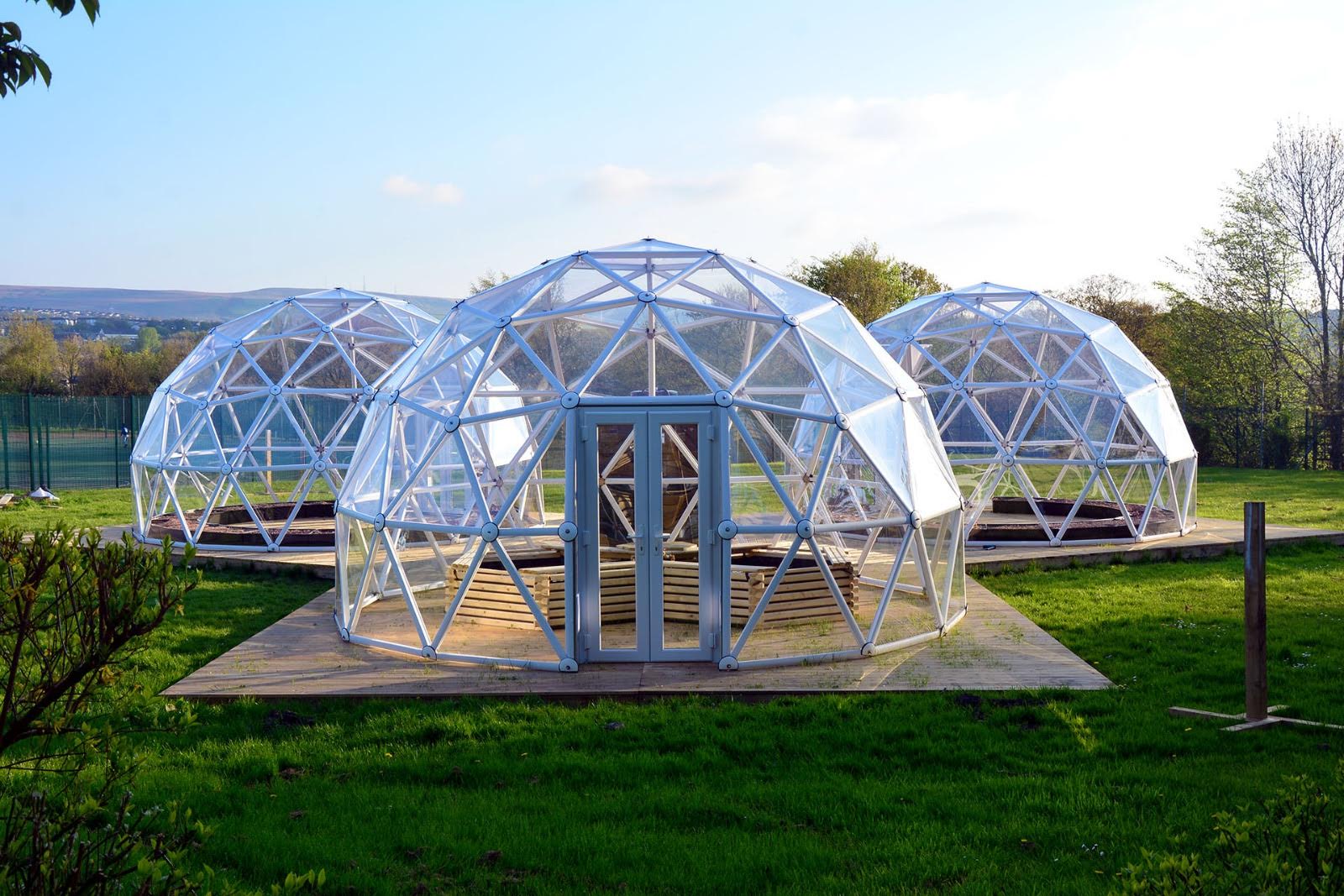
Environmental and Social Benefits of Biodomes
Biodomes deliver significant environmental benefits by acting as self-contained ecosystems that help restore biodiversity. They support endangered species, promote pollinator habitats, and maintain climate stability within controlled environments. In dense urban developments where vegetation is limited, biodomes can dramatically improve air quality, reduce heat island effects, and offer ecological resilience against climate change. Beyond their environmental function, biodomes also serve cultural and social purposes. By providing access to immersive natural environments, they create opportunities for public recreation, environmental education, and scientific research. Many biodomes become architectural icons and eco-tourism destinations, fueling local economies while building greater collective environmental awareness.
🔢 Quick Numbers
- The Eden Project in Cornwall attracts over 1 million visitors per year (Eden Project Annual Report, 2019)
- The Montreal Biosphere dome spans 76 meters in diameter and stands 62 meters tall (Parc Jean-Drapeau)
- BIG’s Mars Science City project covers 1.9 million square feet of biodome space (ArchDaily, 2017)
- Geodesic dome structures can support up to 20 tons per structural point (Buckminster Fuller Institute)
Designing Biodomes: From Buckminster Fuller to the Eden Project
Buckminster Fuller’s fascination with modularity, structural integrity, and material economy led to the development of biodome structures. He recognized the importance of these characteristics for creating lasting and easily reproducible designs in the 1960s. In biodomes, the connections between Fuller’s design philosophy and broader issues of global sustainable architecture become clear. Over the years, the spherical shape and structural geometry of biodomes have been adapted at various scales. One of Fuller’s most famous works is the Montreal Biosphere, which served as the US pavilion at the 1967 World Expo. The structure consists of steel and acrylic cells forming a double-layer dome, and it remains one of the most recognized geodesic structures in the world. The Eden Project, which was constructed in 2001 in the United Kingdom and is home to the biggest biodome greenhouse in the world, is a prime example of how this structural concept evolved into a fully functioning ecological facility. Designed by Grimshaw Architects, the Eden Project’s biomes consist of hundreds of hexagonal and pentagonal ETFE cushions supported by geodesic steel frameworks, housing thousands of plant species across distinct climate zones.
🎓 Expert Insight
“When you begin to inhabit a world that has no existing ecosystem, environmentalism takes on a whole new meaning. The challenge is not to preserve the existing environment, but rather to design and engineer a whole new man-made ecosystem.” — Bjarke Ingels, Founder and Creative Director, BIG
Ingels made this statement in connection with the Mars Science City project, highlighting how biodome design pushes architects to think beyond preservation toward active ecosystem creation.
Biodomes for Extraterrestrial Simulation
In addition to replicating natural biomes, biodomes are also used to model conditions so extreme that they require simulating the atmospheres of other planets. BIG (Bjarke Ingels Group) is leading the Mars Science City project in the UAE. The facility will be the largest space simulation city ever constructed, with a 1.9 million square foot biodome, and serve as a practical model of human occupancy on the Martian terrain. The project is a collaboration between BIG and the Mohammed bin Rashid Space Centre, with walls 3D-printed from desert sand.Challenges and Limitations of Biodomes
While biodomes offer vast potential, their design and operation come with real challenges. These structures frequently demand high initial investment and ongoing maintenance, especially in regions where artificial climate control is energy-intensive. Biological imbalances can arise if flora and fauna do not adapt well to enclosed environments, requiring careful monitoring to prevent ecosystem collapse. There are also concerns about accessibility and long-term sustainability, specifically whether biodomes may become exclusive spaces rather than integrated public amenities. Architects and engineers must therefore balance innovation with practicality, ensuring that biodomes remain environmentally responsible and socially inclusive solutions rather than costly architectural experiments.
⚠️ Common Mistake to Avoid
Many early biodome projects failed because designers treated the enclosure as a simple greenhouse rather than a complex ecological system. A biodome requires balanced nutrient cycles, waste processing, and atmospheric regulation. Without accounting for soil microbiology and gas exchange rates during the design phase, enclosed ecosystems can rapidly lose equilibrium, leading to plant die-off or oxygen depletion.
Technological Innovation in Biodome Design
Advances in digital modeling and environmental engineering are changing the way biodomes are designed. Today’s architects can simulate air flow, humidity, soil composition, and sunlight exposure long before construction begins, ensuring that the interior ecosystem can thrive with minimal energy consumption. Renewable resources such as solar power, passive ventilation systems, and rainwater harvesting are becoming standard features, reinforcing biodomes as practical demonstrations of sustainable design rather than futuristic concepts. Another emerging trend is the integration of smart monitoring systems within biodomes. Sensors embedded throughout the structure continuously track temperature, soil moisture, air quality, and plant health. This data provides architects and scientists with valuable feedback to optimize the habitat and ensure long-term ecological balance. As artificial intelligence and automation continue to advance, future biodomes will become more adaptive, capable of regulating their own environments and responding dynamically to both internal and external changes.
How Are Biodomes Used in Extreme Climates?
Biodomes are being used to bring tropical weather and vegetation to harsh climates where outdoor growing seasons are short or nonexistent. The Aldin Biodomes in Iceland, designed by WilkinsonEyre, will provide locals and visitors with a tropical haven and a year-round social hub. Powered entirely by geothermal energy, the Aldin project is planned as the world’s first carbon-neutral biodome, featuring tropical gardens, a farm lab, and community spaces within a 48,000-square-foot complex near Reykjavik. It is important to keep in mind the structural benefits of geodesic domes when considering why they appear in such different environments and climates. Their triangulated surface provides a naturally stable framework and resistance to external forces like earthquakes and wind. Geodesic structures can support up to 20 tons per point, and the spherical form encloses the maximum volume with the minimum surface area, which reduces material requirements and heat loss.📐 Technical Note
Geodesic biodomes commonly use ETFE (ethylene tetrafluoroethylene) cushions instead of traditional glass panels. ETFE weighs approximately 1% of an equivalent glass panel, transmits more UV light for plant growth, is self-cleaning, and has a lifespan exceeding 50 years. The Eden Project’s ETFE pillows are inflated to three layers for insulation, reducing heating costs by up to 30% compared to single-glazed alternatives.

Biodome Architecture and Biophilic Design Principles
Biodomes represent one of the most direct applications of biophilic design in architecture. While biophilic design typically integrates natural elements such as daylight, greenery, and water features into conventional buildings, biodomes take this concept to its logical extreme by creating fully immersive natural environments. Visitors and occupants are not simply exposed to isolated natural elements but are placed within a functioning ecosystem. This total immersion approach has measurable effects on occupant wellbeing. Studies on indoor green environments show that spending time in plant-rich, naturally lit spaces can lower blood pressure, reduce stress hormones, and improve concentration. For workplaces, this translates into higher productivity and lower absenteeism. Amazon’s Spheres in Seattle, a trio of interconnected glass domes housing over 40,000 plants, was designed specifically to give employees access to a biodome-like environment during the workday. The project demonstrated that wellness design and commercial architecture can work together effectively.The Future of Biodome Architecture
Looking forward, biodomes are set to become important components of urban adaptation strategies. As cities face intensifying climate instability, biodome technology may evolve into essential protective habitats, spaces that safeguard food production, clean air, and water security. AI-driven environmental regulation systems will enable these structures to adjust temperature, humidity, or CO2 levels autonomously, creating optimized conditions for both people and ecosystems. Researchers are exploring floating biodomes, vertical biodome towers, and extraterrestrial applications for future colonies on Mars or the Moon. The merging of architecture, ecology, and technology positions biodomes not only as experimental projects but as realistic solutions for sustaining life in the decades ahead. Vertical biodome concepts, for instance, stack multiple climate zones within a tower structure, allowing dense urban areas to host diverse ecosystems without requiring large ground-level footprints. Floating biodome proposals address rising sea levels by creating self-sustaining habitats on water, combining aquaculture with terrestrial agriculture under a single enclosure.
🏗️ Real-World Example
Amazon Spheres (Seattle, 2018): Three interconnected glass domes at Amazon’s headquarters house over 40,000 plants from more than 400 species. The 65,000-square-foot structure functions as an employee workspace and demonstrates how biodome principles can be applied to corporate environments. The project cost approximately $4 billion as part of the larger campus and includes a four-story living wall, one of the tallest in North America.
Biodome Construction Methods and Materials
Modern biodome construction draws on several structural systems beyond the original geodesic framework. While Fuller’s triangulated steel geometry remains the foundation, contemporary projects also use tensegrity structures, cable-net systems, and hybrid approaches that combine rigid frames with flexible membranes. Material selection depends on the biodome’s location, climate, and intended function. Steel and aluminum remain the primary framing materials due to their strength-to-weight ratio, but timber geodesic domes are gaining popularity for smaller-scale projects where a lower carbon footprint is prioritized. Cladding options range from traditional glass to ETFE foil cushions, polycarbonate panels, and even experimental materials like aerogel-filled panels that offer superior insulation with minimal weight. Each material choice affects light transmission, thermal performance, and the types of ecosystems the biodome can support. Architects working on biodome projects often collaborate with botanists, soil scientists, and mechanical engineers from the earliest design stages to ensure that structural decisions align with biological requirements. For more on how alternative building materials are reshaping architectural practice, including biodome applications, architects are increasingly looking at bio-based composites and recycled feedstocks that reduce embodied carbon while maintaining structural performance.💡 Pro Tip
If you are working on a biodome project, specify ETFE cushions with a minimum of three layers for any structure in a heating-dominant climate. The air gap between layers acts as insulation, and the lightweight material (roughly 1% the weight of glass) dramatically reduces the structural steel tonnage needed for the frame, cutting both cost and embodied carbon.
Conclusion
Biodomes demonstrate how architecture can evolve beyond traditional forms to become an active participant in environmental stewardship. By replicating natural ecosystems within controlled enclosures, they contribute to ecological preservation, public education, and future-driven research initiatives. Although they present technical and financial challenges, ongoing innovation in sustainable materials, automated climate regulation, and ecosystem monitoring continues to push the boundaries of what these structures can achieve. As urbanization accelerates and climate risks intensify, biodomes in architectural design offer a compelling vision of how humanity can coexist with nature, protecting biodiversity while improving the quality of life for future generations. Their continued development will play a meaningful role in shaping resilient cities and redefining our relationship with the natural world. From the Eden Project’s rainforest biomes in Cornwall to geothermal-powered domes in Iceland and Mars simulation campuses in the UAE, biodome architecture continues to expand in ambition, scale, and relevance.✅ Key Takeaways
- Biodomes replicate natural ecosystems in controlled enclosures, serving as green spaces, research labs, and educational hubs in urban areas.
- Buckminster Fuller’s geodesic dome principles remain foundational, but modern biodomes use advanced materials like ETFE cushions and smart sensor networks.
- The Eden Project, Montreal Biosphere, Amazon Spheres, and Aldin Biodomes represent key milestones in biodome architecture across different climates and functions.
- Challenges include high construction and maintenance costs, ecological balance within enclosed systems, and ensuring public accessibility.
- Future biodome applications include floating structures, vertical biodome towers, Mars habitat simulation, and AI-driven autonomous climate regulation.
Frequently Asked Questions About Biodomes
A biodome’s purpose is to create and maintain a controlled, self-sustaining ecosystem. They are used for scientific research, conservation of plant and animal species, public education, climate simulation, and as models for sustainable, resilient architecture in urban or extreme environments.
A biodome works by sealing an ecosystem inside a transparent, often geodesic, dome that lets in sunlight while controlling temperature, humidity, airflow and water. Plants, soil and sometimes animals recycle air and nutrients, allowing the enclosed environment to sustain itself with minimal outside input.
A greenhouse mainly grows plants by trapping heat and light. A biodome goes further, recreating a complete, balanced ecosystem – with multiple climates, plants and animals interacting – that is designed to be largely self-sustaining rather than just a controlled space for cultivation.
The Eden Project in Cornwall, England is the best-known and one of the largest, with giant geodesic biomes housing rainforest and Mediterranean ecosystems. Montreal’s Biodome and several large dome projects in Asia are other prominent examples.
Yes, to a degree. The Biosphere 2 experiment in Arizona sealed people inside a self-contained biodome for two years to test closed-system living. Such projects inform research into sustainable habitats, including possible future colonies on the Moon or Mars.
A biosphere is the entire global zone where life exists on Earth. A biodome is a small, enclosed, human-made structure that recreates a miniature self-contained ecosystem – essentially a bounded, artificial model of biosphere principles.
Biodomes can be highly sustainable, recycling water, air and nutrients and running on renewable energy. They are studied as models for resilient, resource-efficient architecture, though large domes still require significant materials and energy to build and climate-control.







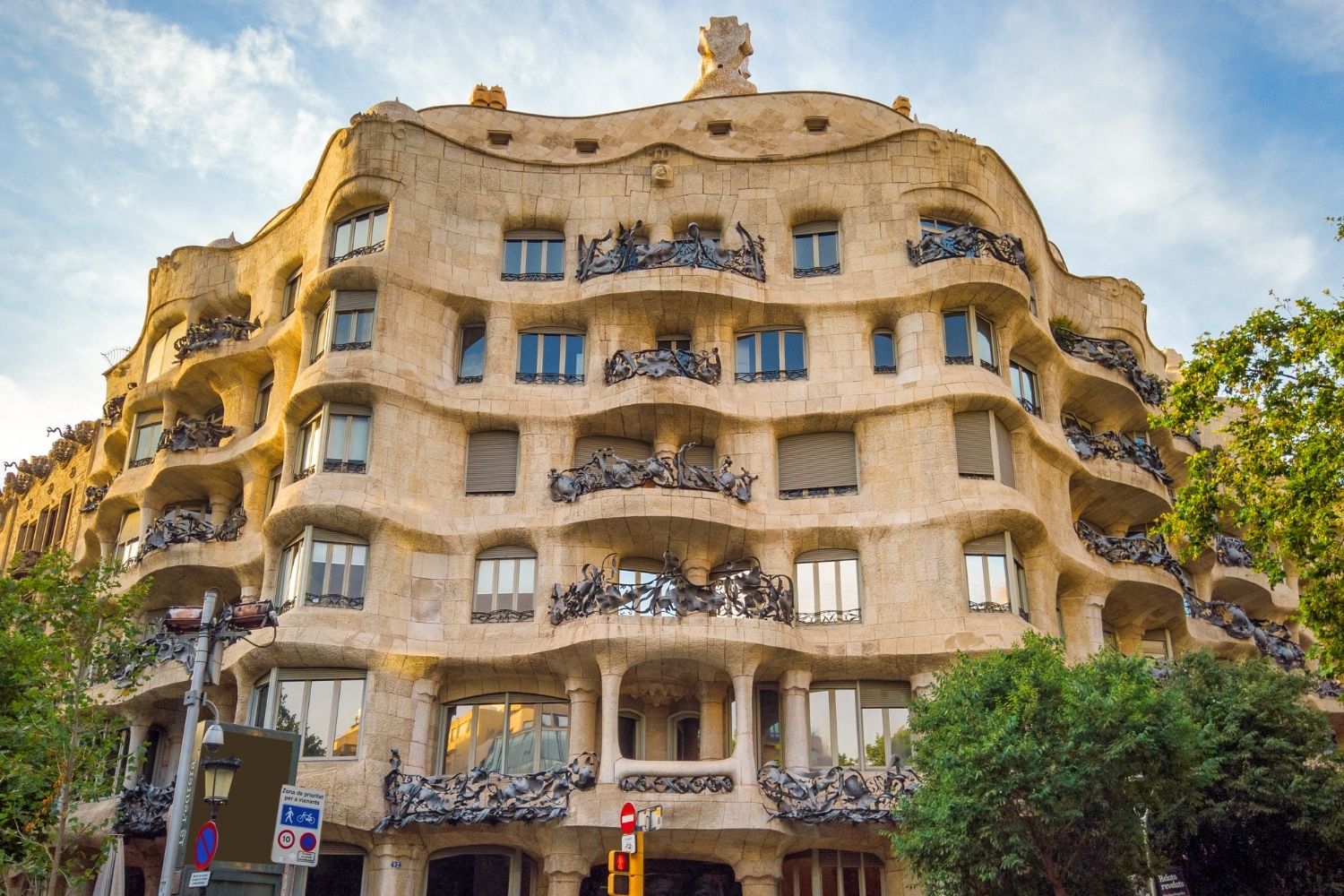
La Casa Milà Barcelona: Gaudí’s Stone Quarry Turned Architectural Icon
Casa Milà, nicknamed La Pedrera for its rough stone exterior, stands on...
 Furkan Sen6 Mins read

Architecture Design Brief: What to Include and Examples
A design brief turns a client's goals into clear instructions a design...
Elif Ayse Sen9 Mins read
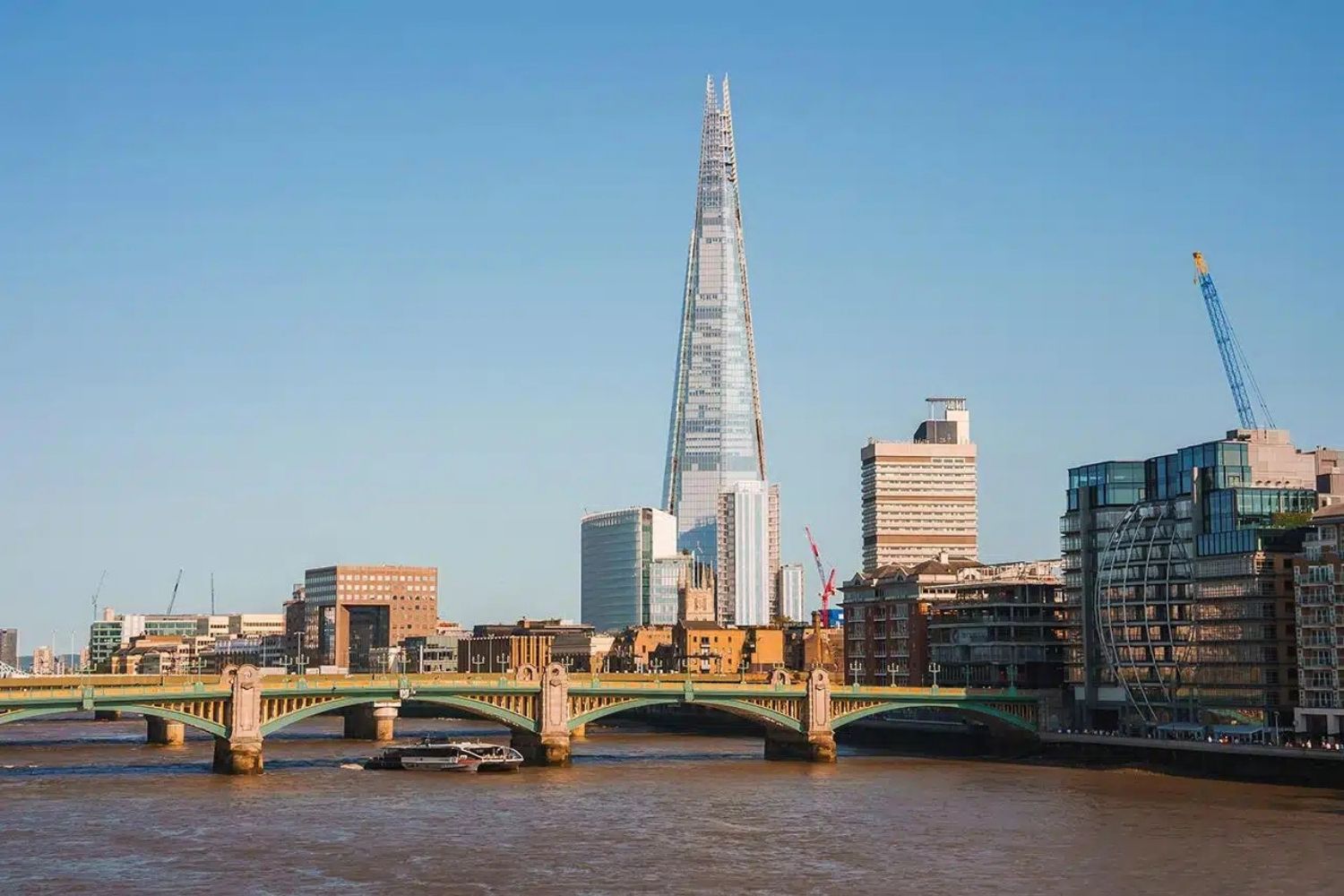
The Shard London: How Renzo Piano’s Glass Tower Redefined the City Skyline
Standing at 309.6 metres in Southwark, the Shard is the United Kingdom's...
Furkan Sen6 Mins read
10 Best Pavers for Driveway (2026)
Table of Contents Show 1. Techo-Bloc: Blu 80mmWhy Choose Techo-Bloc Blu 80mm...
 illustrarch Editoral Team8 Mins read


Leave a comment