

Life-Saver Tips for AutoCAD
AutoCAD offers essential commands like TIME, ZOOMFACTOR, and PURGE that enhance efficiency and streamline workflows for architects and designers.
 Elif Ayse Sen24 April 20223 Mins read436
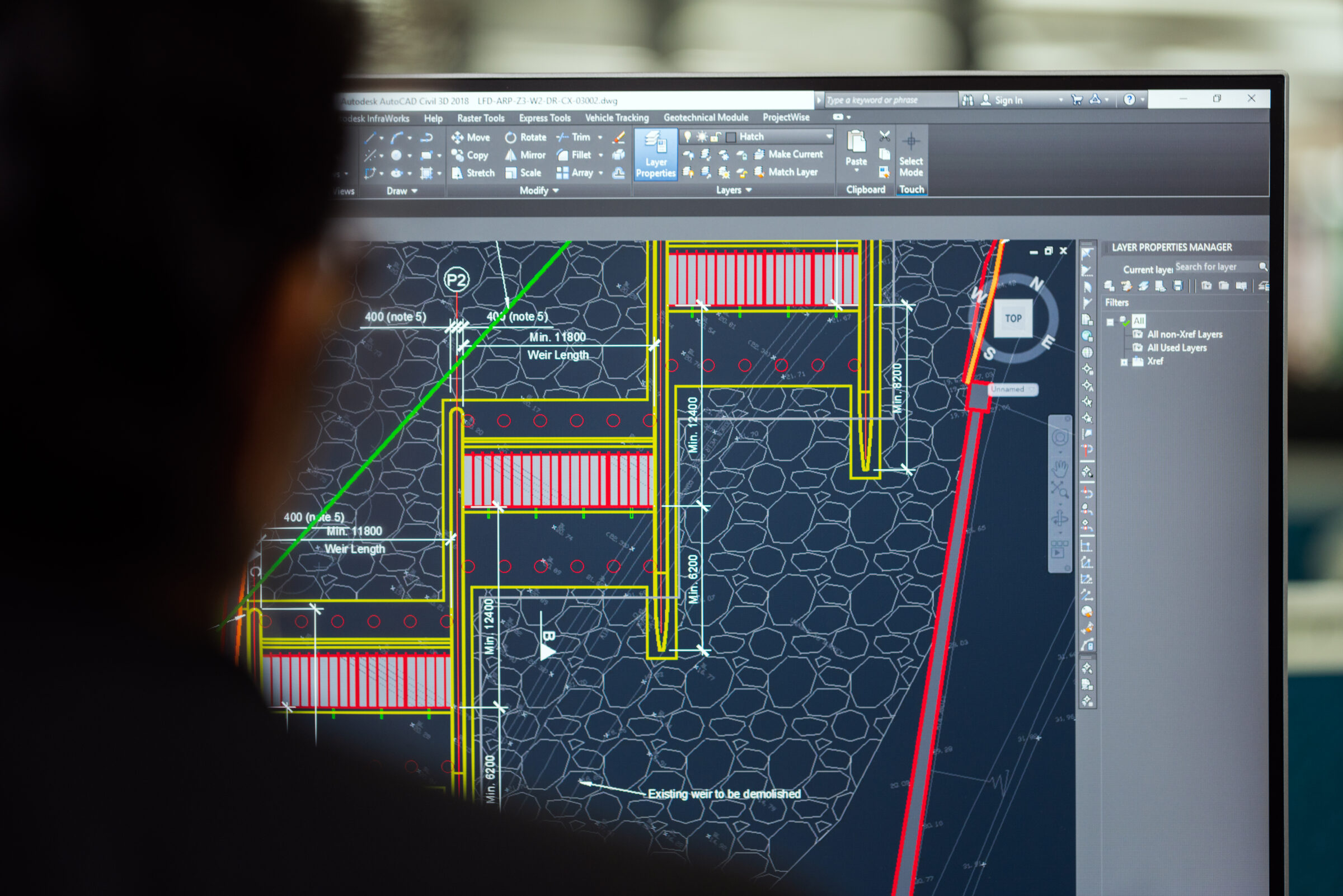
Table of Contents Show
“TIME” Command
The first of the tips we will recommend to you is the TIME command. The bar that comes up is actually similar to the command panel. It is a panel that gives you information about time with titles such as “Created, last updated, total editing time, elapsed timer, next autosaving”. Thanks to this panel, you can learn from the date and time you created your file to the automatic saving time again. You can learn more from this video:“ZOOMFACTOR” Command
When you type ZOOMFACTOR on the command panel, you can zoom in/zoom out in a controlled manner without changing the actual size and scale of your drawings. The ZOOMFACTOR command prompts you for value and you can adjust the zoom value according to the number you entered. To learn more about this tip, watch the video below.“CONVERT” Command
This command will convert Polyline drawing elements and hatches created in old AutoCAD versions into advanced drawing elements of the new version. In this way, both the drawing files will be smaller and the memory usage of the drawing elements will be more efficient.“PURGE” Command
The PURGE command extracts unused layers, blocks, linetypes, dimstyles, textstyles and mline definitions from the drawing file. This will reduce the size of your drawing file. You can watch this tutorial video for learning more about PURGE command: “ISAVEBAK” Command Do you want to get rid of BAK files that are always automatically saved with AutoCAD drawings? The command of ISAVEBAK is to get rid of BAK files and you need to enter 0 in the desired value in the command panel.Download 10000+ Autocad Blocks Box

More Commands That Speed Up Your Workflow
Beyond the commands above, a few more tools can noticeably shorten your drafting time. The OVERKILL command removes duplicate and overlapping geometry, cleaning up lines that sit directly on top of one another and reducing clutter that often builds up after copying and editing. The QSELECT command lets you select objects by shared properties such as layer, color, or object type, which is far faster than picking items one by one. The MEASUREGEOM command gives quick access to distance, area, angle, and radius readings without leaving your drawing, helping you verify dimensions on the fly.
Keeping File Sizes Under Control
Large DWG files slow down both editing and sharing, so a tidy file is a faster file. The PURGE command mentioned earlier should be paired with the AUDIT command, which scans the drawing for errors and offers to fix them, often recovering files that have started to behave oddly. The WBLOCK command can export a clean copy of selected geometry into a fresh file, leaving behind unused definitions. Saving final deliverables with bound rather than attached external references also prevents broken links when files move between machines.
Building Good Habits With Layers and Blocks
Speed in AutoCAD comes as much from organization as from shortcuts. Setting up a consistent layer naming system, with clear conventions for walls, dimensions, text, and hatching, makes large projects easier to navigate and edit. Turning repeated elements such as doors, windows, and furniture into reusable blocks reduces drawing time and keeps a project visually consistent. Dynamic blocks take this further by letting a single block flex into multiple sizes or states, cutting down on the number of separate components you need to manage.
Customizing AutoCAD for Faster Drafting
One of the most overlooked ways to save time is tailoring the software to how you actually work. The command alias file, accessed through the Express Tools or the acad.pgp file, lets you assign short two or three letter shortcuts to the commands you use most. Saving a template DWT file with your standard layers, text styles, dimension styles, and title block means every new project starts ready to draw. Finally, learning a handful of function keys, such as F3 for object snap and F8 for ortho mode, keeps your hands on the keyboard and your drawings precise.









How to Write a Planning Statement for a Residential Project
A planning statement ties a residential scheme to local and national planning...
 Sinan Ozen6 Mins read

How to Improve Architectural Design Skills With Digital Tools
A practical breakdown of how to improve architectural design skills using digital...
Elif Ayse Sen6 Mins read

Architecture Design Brief: What to Include and Examples
A design brief turns a client's goals into clear instructions a design...
Elif Ayse Sen10 Mins read

Architecture Precedent Study: How to Analyze a Building Step by Step
Learn how to conduct an architecture precedent study with a structured, step-by-step...
Elif Ayse Sen13 Mins read


Leave a comment