

Interior Design Tips for Creating Timeless and Functional Living Spaces
Timeless and functional living spaces are achieved through thoughtful planning that prioritizes functionality, adapts to changing needs.
 Bahattin Duran12 January 20266 Mins read198

Table of Contents Show
There’s something magical about walking into a home that just works. Not because it’s filled with the latest trends or Instagram-worthy moments, but because every element feels purposeful, calm, and effortlessly put together. Creating a home that feels both stylish and practical is a goal many homeowners share.
Trends change quickly, but thoughtful planning can help spaces remain relevant, comfortable, and efficient for years. This article explores essential principles and strategies that help balance aesthetics with usability, ensuring living spaces age gracefully without constant redesign.
Focus on Function First
A well-designed home starts with understanding how each space is meant to be used. When functionality is prioritized, style naturally follows. Think of it this way: a beautiful sofa that no one can comfortably sit on for more than ten minutes isn’t really serving its purpose, no matter how striking it looks in photos.
Understand Daily Needs
Before selecting finishes or furniture, consider how the room supports everyday life. This isn’t about creating rigid rules but rather establishing a foundation that makes sense for how you actually live.
Start by asking yourself some honest questions. Do you entertain frequently, or is your home primarily a quiet retreat? Do you work from home and need dedicated space for concentration? Are there young children who need room to play safely? These answers should guide every decision that follows.
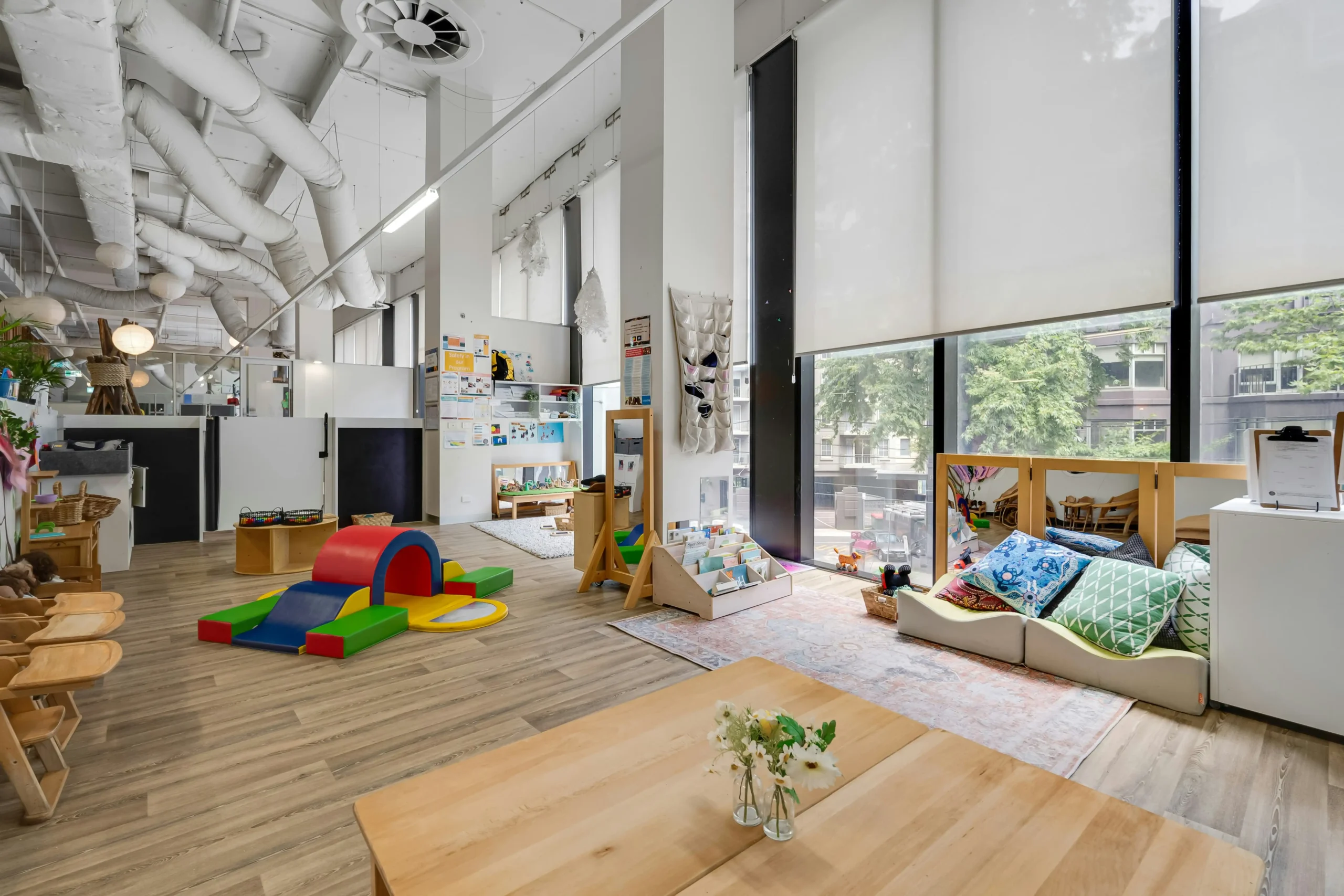
- Identify primary activities such as relaxing, working, or entertaining
- Assess traffic flow and movement patterns
- Allocate space based on frequency of use, not just appearance
Designing around real needs ensures interior design decisions remain practical and long-lasting. When you prioritize genuine functionality, you’re less likely to make purchases you’ll regret or create spaces that look beautiful but feel uncomfortable to inhabit.
Choose Layouts That Adapt
Flexible layouts allow rooms to evolve over time. Life changes, families grow, hobbies shift, work situations transform, and your home should be able to accommodate these transitions without requiring a complete overhaul.
Consider how furniture arrangement can define different zones within a larger space. An open-concept living area might serve as both a family room and a home office, with strategic placement of bookcases or sofas creating natural boundaries. A dining room might double as a homework station or craft area when meals aren’t being served.
- Open plans that can be zoned with furniture
- Multi-purpose rooms that serve more than one function
- Built-in storage that reduces clutter without dominating the space
The key is avoiding overly specific solutions that only work for one scenario. Flexibility is your friend when planning for the long term.
Select Timeless Materials and Colors
Materials and color palettes play a major role in longevity. Choosing wisely reduces the need for frequent updates and creates a foundation that won’t feel dated in a few years.
Neutral Foundations
Neutral tones provide versatility and visual calm. They’re not boring, they’re sophisticated backdrops that let you experiment with accessories and furnishings without committing to anything permanent on your walls or floors.
Think of neutrals as the equivalent of a well-tailored blazer in your wardrobe. They work with everything, make other elements look better, and never go out of style. Whether you lean toward warm beiges and creams or prefer cooler greys and whites, neutral foundations give you room to breathe and change your mind.
- Whites, beiges, greys, and muted earth tones
- Easy pairing with changing décor or accent colors
- Greater resale and long-term appeal
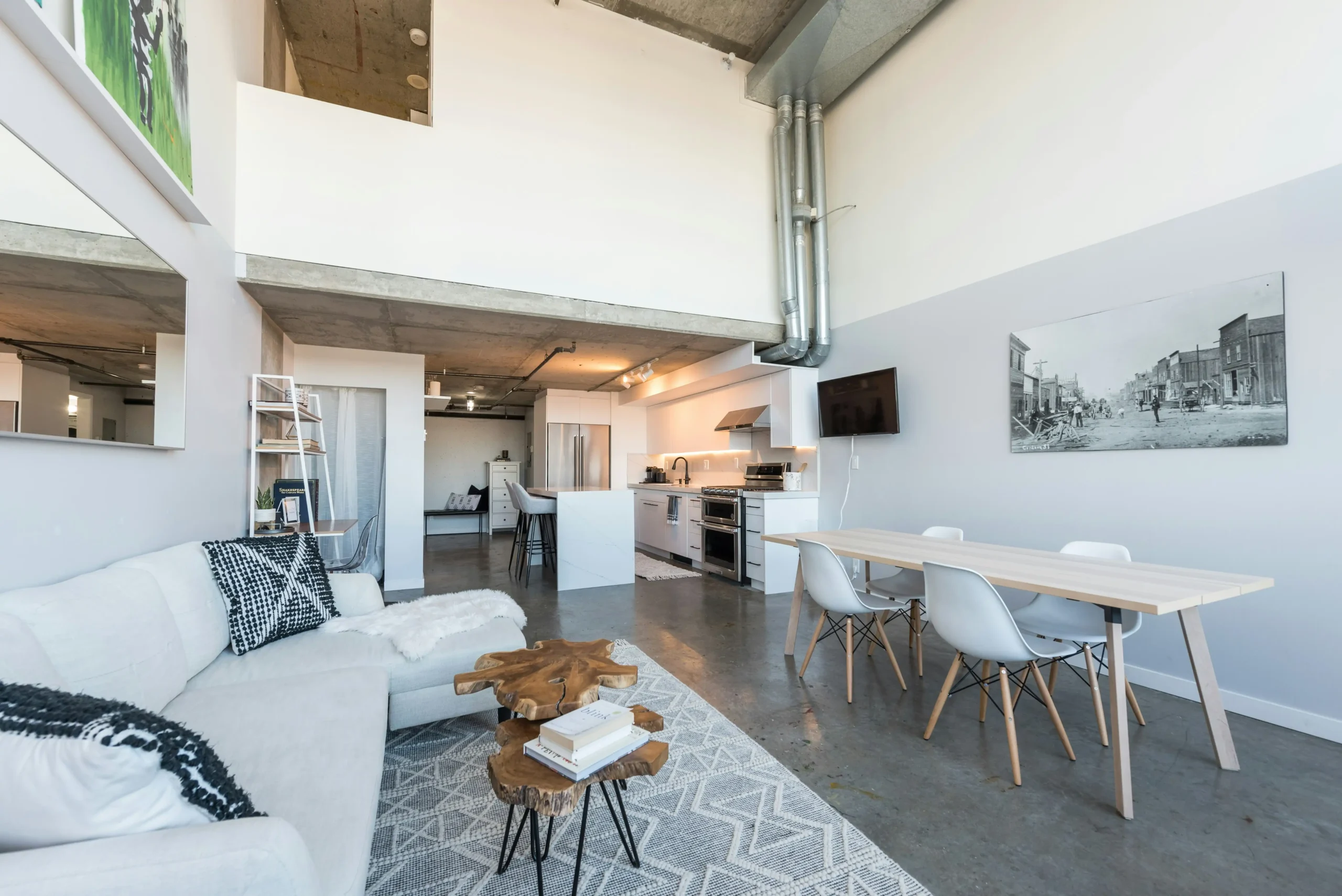
These choices form a strong base for any interior design approach, from traditional to contemporary. Partners like Ali & Shea understand how neutral palettes create enduring beauty while still allowing personal expression through carefully chosen accents.
Quality Over Quantity
Investing in fewer, high-quality elements often yields better results than filling your space with mediocre pieces that need frequent replacement. This principle applies to everything from flooring to furniture to fixtures.
When you choose quality, you’re not just buying an item, you’re making a long-term investment in your home’s comfort and appearance. Quality materials develop character over time rather than simply showing wear. A solid hardwood floor gains patina; cheap laminate just looks damaged.
- Durable flooring like wood, stone, or quality laminates
- Upholstery fabrics that age well and are easy to maintain
- Finishes that resist wear and fading
Yes, quality costs more upfront. But when you calculate the true cost over years of use, durable materials nearly always prove more economical than cheap alternatives that need constant replacement.
Balance Aesthetics with Comfort
A space can be visually appealing while still feeling welcoming and livable. In fact, the most successful interiors achieve both simultaneously. Beauty and comfort aren’t opposing forces, they’re complementary goals that enhance each other.
Prioritize Ergonomics
Comfort supports daily well-being in ways that go far beyond aesthetics. When furniture fits your body properly and spaces are arranged logically, you feel better physically and mentally. This isn’t just about luxury, it’s about creating an environment that supports your health.
Consider how you use each piece of furniture. Dining chairs should support your back during meals. Desk setups should prevent strain during work hours. Sofas should be deep enough to curl up in comfortably but not so deep that shorter family members can’t sit with their feet touching the floor.
- Proper seating heights and support
- Adequate lighting for different tasks
- Thoughtful placement of furniture to avoid crowding
These practical considerations don’t limit your style, they enhance it by ensuring your beautiful spaces are also genuinely pleasant to inhabit.
Layered Lighting Design
Lighting affects both mood and usability in profound ways. A single overhead fixture might provide illumination, but it rarely creates the kind of atmosphere that makes a space feel truly complete.
Think about how lighting needs change throughout the day and across different activities. Morning coffee requires different illumination than evening reading or dinner parties. By incorporating multiple light sources at varying heights, you create flexibility and visual interest.
- Ambient lighting for overall illumination
- Task lighting for focused activities
- Accent lighting to highlight architectural or decorative features
Lighting is a subtle but powerful interior design tool that enhances both form and function. Well-planned lighting can make small spaces feel larger, highlight beautiful architectural details, and create warmth that paint and furniture alone can’t achieve.
Add Personality Without Overdoing Trends
Personal touches make a house feel like home, but moderation keeps it timeless. This is perhaps the trickiest balance to strike, expressing your individual style while avoiding choices that will look dated in just a few years.
Use Accents Strategically
Trends work best in elements that are easy to change. This approach lets you enjoy current styles without committing to expensive permanent installations that might feel wrong in a couple of years.
Think of trends as seasoning rather than the main ingredient. A trendy color or pattern can energize a room when used in accessories, but covering all your walls in this year’s hottest shade might feel regrettable when next year’s trends emerge. Cushions, throws, artwork, and even area rugs are relatively affordable and simple to swap out when your tastes evolve.
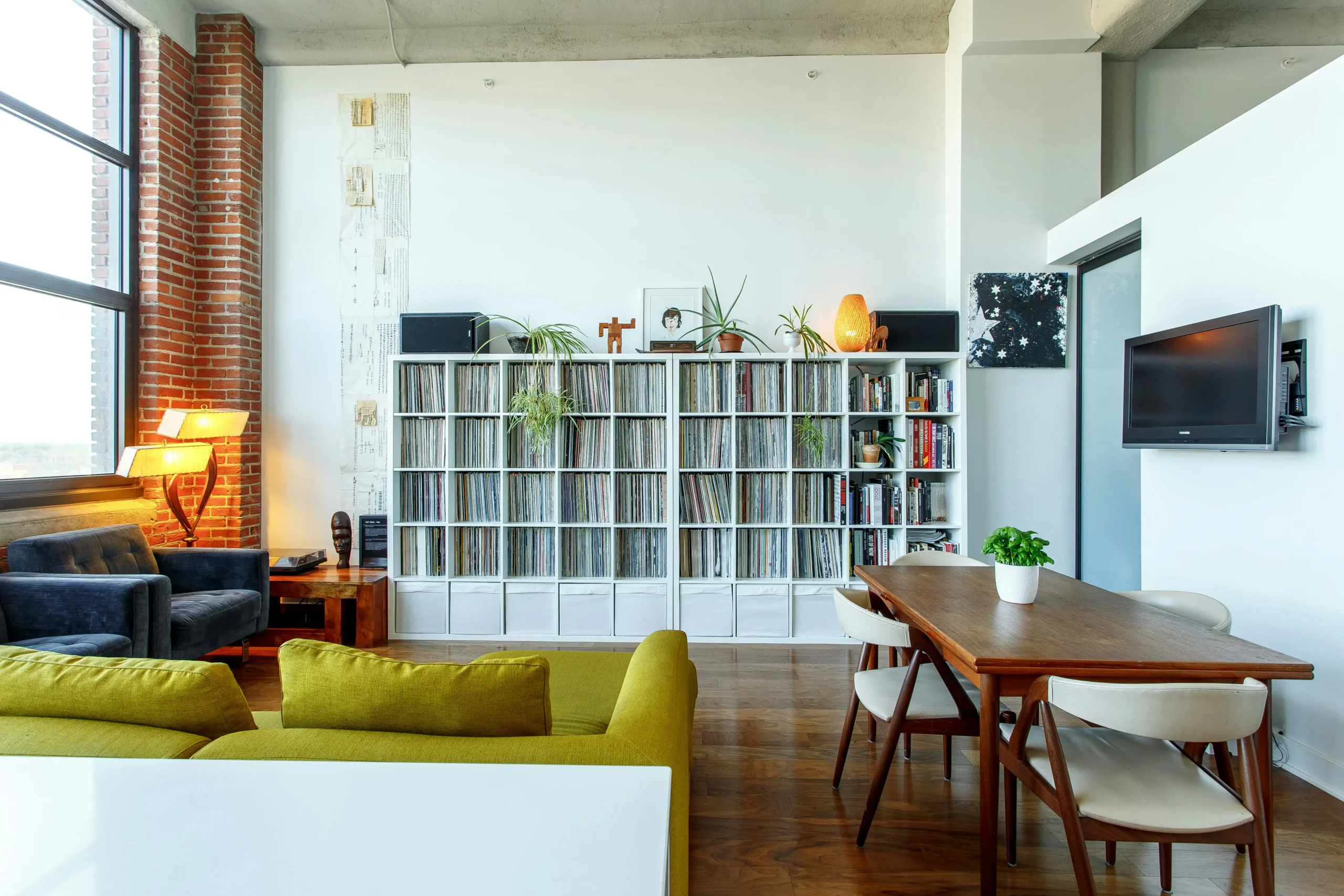
- Cushions, rugs, artwork, and accessories
- Feature walls or removable wallpaper
- Seasonal décor swaps
By containing trends to these changeable elements, you protect your investment in permanent features while still keeping your home feeling current and personal.
Let Architecture Lead
Allow permanent features to guide styling choices. Every home has inherent character, proportions, natural light, architectural details, that can inform your design decisions in meaningful ways.
Rather than fighting against your home’s natural qualities, work with them. If you have beautiful natural light, don’t cover it with heavy window treatments. If your ceilings are lower, use design tricks that draw the eye upward rather than adding elements that emphasize the limitation. Strong architectural features deserve to be showcased, not hidden.
- Emphasize natural light and proportions
- Highlight textures rather than excessive ornamentation
- Keep structural elements clean and uncluttered
Designs created by professionals demonstrate how respecting a home’s inherent qualities creates cohesive, harmonious spaces that feel both designed and effortless.
Conclusion
Timeless and functional living spaces are built on clarity, restraint, and thoughtful choices. By focusing on function, selecting enduring materials, maintaining comfort, and using trends sparingly, homes can remain stylish and practical for years. A well-planned space not only looks good today but continues to support changing lifestyles with ease and confidence.
The true measure of successful interior design isn’t how many compliments your home receives on social media, but how well it serves your daily life year after year. When you create spaces grounded in these fundamental principles, you build something more valuable than a trendy showcase, you build a genuine sanctuary that adapts, endures, and continues to bring joy long after the latest design fads have faded away.






A New Book Records the 1970s Interiors of Ebony and Jet’s Chicago Headquarters
820 Ebony/Jet collects Barbara Karant's photographs of the empty Johnson Publishing Company...
 illustrarch Editoral Team2 Mins read
Electrical planning as part of better home design
Table of Contents Show Good rooms need electrical thinking from the sketch...
illustrarch Editoral Team4 Mins read

Why Open Floor Plans Still Have Hot and Cold Spots
You knock down the partition walls, open up sightlines from the kitchen...
illustrarch Editoral Team4 Mins read
How Integrated Furniture Can Shape the Architecture of Urban Interiors
Most people treat furniture as the last decision in interior architecture, yet...
illustrarch Editoral Team2 Mins read


Leave a comment