

2026 Modern Furniture Trends Interior Designers Are Obsessed With
Modern furniture trends 2026 are moving beyond minimalism into something warmer and more personal. This guide covers the ten dominant styles interior designers are specifying right now, from biomorphic forms and quiet luxury to modular living and sustainable materiality.
 Furkan Sen15 March 202611 Mins read1.1k

Table of Contents Show
Modern furniture trends 2026 represent a clear break from the cold, hyper-minimalist interiors of the past decade. Designers are now specifying pieces with organic curves, honest materials, and handcrafted character that reward long-term ownership. Whether you are furnishing a new build or refreshing a single room, understanding these shifts helps you invest in pieces that feel current without becoming outdated.
Why 2026 Is a Turning Point for Contemporary Furniture Trends
Several forces are converging this year to reshape the furniture market. Supply chain lessons from the early 2020s pushed buyers toward higher-quality, longer-lasting pieces. At the same time, wellness-focused living has moved furniture from background object to active contributor to daily comfort and mental health. The result is a generation of pieces designed to be felt as much as seen.
Trade shows at Salone del Mobile Milan and the High Point Market in late 2025 confirmed these directions across hundreds of showrooms. The consensus from both events pointed toward warmth, materiality, and individuality as the defining values shaping interior design furniture trends this year.
🔢 Quick Numbers
- The global furniture market is projected to reach $780 billion by 2030, with premium and sustainable segments growing fastest (Statista, 2024)
- 65% of interior designers surveyed reported that clients now prioritize durability and material quality over price when selecting furniture (American Society of Interior Designers, 2024)
- Searches for “organic modern furniture” increased 210% between 2022 and 2024 (Google Trends, 2024)
What Is Organic Modern Furniture — and Why Designers Can’t Stop Using It
Organic modern furniture sits at the intersection of natural forms and clean contemporary design. It favors rounded silhouettes, wood with visible grain, stone surfaces, and textiles with tactile depth. Unlike traditional minimalism, organic modern is not sparse; it is selective. Every piece carries texture and personality, yet the overall composition feels calm rather than cluttered.
This approach has become the default starting point for many residential projects in 2026. Designers use it as a foundation, then layer in other trending styles such as quiet luxury or sculptural statement pieces to add dimension. It pairs naturally with warm neutrals, aged brass hardware, and linen upholstery, which makes it one of the most versatile bases in contemporary furniture trends.
💡 Pro Tip
When mixing organic modern pieces with existing furniture, anchor the room with one large-scale natural material — a solid walnut dining table, a stone-topped coffee table, or a chunky rattan pendant. This single grounding element ties disparate pieces together far more effectively than trying to match finishes across every item in the room.
The 10 Modern Furniture Trends Interior Designers Are Specifying in 2026
1. Biomorphic and Sculptural Forms

Furniture is increasingly treated as sculpture. Sofas arrive in kidney-shaped profiles, dining tables reference wave forms, and chairs adopt asymmetrical silhouettes that hold attention from every angle. Biomimicry is driving much of this structural logic: legs split like forked branches, seat surfaces follow the curves of eroded rock, and upholstery patterns echo natural growth rhythms.
This trend works especially well in living rooms and entry spaces where a single statement piece can anchor the entire layout. Specifying one sculptural sofa or an organically shaped occasional table against a neutral backdrop creates impact without visual noise. For more on how sculptural form intersects with architectural space, see our guide to interior design principles on illustrarch.
2. Quiet Luxury and Logo-Free Materiality

Premium furniture trends 2026 are moving away from conspicuous branding toward quality that reveals itself through touch. Thick cashmere throws, hand-stitched leather upholstery, and solid brass hardware with a brushed finish communicate value without announcing it. This shift mirrors trends in fashion, where quiet luxury has displaced logomania as the dominant aesthetic among discerning buyers.
For interior designers, this means specifying pieces from smaller ateliers and independent workshops rather than mass-market luxury brands. The focus lands on joinery quality, fabric weight, and construction technique rather than label recognition. Clients are increasingly willing to pay premium prices for pieces with traceable origins and demonstrable craftsmanship.
🎓 Expert Insight
“Clients used to ask for recognizable names. Now they ask me to find the maker. They want to know who built the table, what forest the wood came from, and whether the upholsterer works by hand.” — Senior residential interior designer, 18 years of practice
This shift reflects a broader move toward provenance and transparency in furniture purchasing, which is reshaping how designers source and specify pieces for high-end residential projects in 2026.
3. Modular and Adaptable Furniture for Modern Homes

Modular furniture has matured well beyond the sectional sofa. In 2026, entire living systems — shelving, seating, storage, and sleeping — are being designed around reconfigurable components that adapt to changing floor plans, family sizes, and habits. This trend is especially prominent in urban apartments where spatial flexibility is essential.
The design quality of modular systems has also risen sharply. Exposed joinery, premium wood veneer finishes, and considered proportions mean that a modular bookshelf unit now reads as a furniture object rather than a utilitarian fixture. Brands like Vitsoe pioneered this thinking decades ago, and the 2026 market is finally catching up with them across multiple price points.
4. Dark and Expressive Wood Finishes

Light Scandinavian oak dominated interiors for most of the 2010s. In 2026, wood is getting darker, richer, and more expressive. Burl veneers, reeded textures, hand-carved surfaces, and deep walnut stains are replacing bleached or whitewashed finishes. The grain itself has become a design feature rather than something to minimize.
This trend pairs naturally with trending furniture styles 2026 that favor warmth and depth. A dark burl wood sideboard against a warm white wall, or hand-turned table legs in blackened oak, creates the kind of visual weight that makes a room feel grounded and complete. Furniture with visible knots, figuring, and variation is now preferred over the uniform appearance of engineered wood.
⚠️ Common Mistake to Avoid
Many people mix dark wood furniture with cool gray or blue-gray walls, expecting a modern result — but this combination often reads as heavy and dated. Dark expressive woods actually pair far better with warm off-whites (think aged linen or warm plaster tones), terracotta, and deep greens. These warm companions let the wood’s richness come forward rather than fighting it.
5. Refreshed Traditional Silhouettes

Chippendale dining chairs, English roll-arm sofas, and Windsor stools have returned in force to design showrooms. But these are not nostalgic reproductions. Designers are reinterpreting classic silhouettes in contemporary materials: a Klismos chair in pale ash with a minimal cushion, or a French-tufted sofa in performance bouclé rather than period velvet.
The appeal is longevity. Traditional furniture silhouettes have survived centuries of stylistic change because their proportions work. By updating them in modern materials and quieter colorways, designers give clients pieces that satisfy both current aesthetics and the test of time. This is one of the most practical furniture trends interior designers are specifying for clients who want lasting value.
6. Handcrafted Details and Artisanal Evidence

Visible craftsmanship has become a selling point rather than something to conceal. Woodworkers leave chisel marks on carved surfaces. Upholsterers display hand-stitched seams rather than hiding them beneath welting. Dovetail joints on drawer boxes, exposed tenon-and-mortise connections, and hammer marks on hand-forged metal bases signal authenticity to buyers who are skeptical of mass production.
This connects directly to the quiet luxury trend and reflects a broader cultural move toward valuing process and skill. The Architectural Digest trend coverage from the 2025 fall market highlighted handcrafted accents as one of the defining directions for the year ahead.
7. Minimalist Furniture Trends with Warmth

Minimalism is not disappearing — it is warming up. The cold, clinical interiors of strict minimalism are giving way to what some designers are calling “warm minimalism” or “organic minimalism.” The underlying principle of keeping only what is necessary remains, but every piece that stays earns its place through texture, natural material, or emotional resonance.
In practice, minimalist furniture trends 2026 look like rooms with fewer pieces, but each piece carries more visual and tactile interest. A single linen sofa, a wood-and-stone coffee table, and one oversized ceramic lamp can fill a living room completely when each element is chosen with care. This approach rewards buyers who invest in fewer, better things rather than filling space with volume.
💡 Pro Tip
In warm minimalist rooms, scale matters more than quantity. A single oversized sofa or a large, low coffee table reads as a design decision. Three medium-sized pieces of similar height just look indecisive. When in doubt, go larger with fewer items rather than filling the room with more pieces at a smaller scale.
8. Fluted and Reeded Surfaces

Fluting — the vertical grooves associated with classical columns — has migrated from architecture into furniture at a pace no one predicted. Sideboards, bedheads, coffee tables, and cabinet fronts are now arriving with reeded or fluted details that catch light and add depth to otherwise simple forms. The technique works across materials: wood, stone, plaster, glass, and even upholstered panels.
In 2026, the trend is evolving beyond the tight, regular grooves of earlier applications toward wider spacing, deeper channels, and more expressive material choices including stained concrete and composite finishes. Because fluting works across virtually every design style, from modern to traditional to transitional, it has become one of the most commercially durable detailing trends in recent memory.
🏗️ Real-World Example
Four Seasons Hotel Tokyo at Otemachi (2020, ongoing interior updates): The property’s residential-inspired guest rooms use extensively fluted white oak paneling across wardrobe fronts and bedheads, demonstrating how the detail translates from furniture into architectural surfaces at scale. The approach has influenced high-end residential designers across Asia and North America who visited or photographed the interiors.
9. Luxury Furniture Trends: Colored Glass and Translucent Surfaces

Colored glass has re-entered the luxury furniture conversation with unexpected confidence. Emerald green tabletops, amber glass shelving, and cobalt blue cabinet inserts are appearing in serious design publications and high-end showrooms. These pieces function like interior jewels: they catch and filter light, change character across the day, and create focal points that no opaque surface can match.
The most considered applications combine colored glass with contrasting bases — translucent purple atop a pale limestone pedestal, for instance, or smoked amber resting on a hand-forged bronze frame. This is one of the most distinct luxury furniture trends in recent cycles because it requires genuine design confidence to execute without tipping into excess.

10. Technology-Integrated Seating and Smart Furniture
The best smart furniture in 2026 is invisible. Adjustable lumbar systems, heating elements embedded in seat cushions, and sensors that track posture and weight distribution are being integrated into sofas and chairs that look entirely conventional. The technology disappears completely into the upholstery, leaving only the comfort and performance behind.
This is where best furniture styles for modern homes 2026 intersect with function in the most direct way. For clients who work from home or spend significant time seated, the ergonomic intelligence built into these pieces offers measurable health benefits without any aesthetic compromise. According to ASID, designers increasingly recommend ergonomic furniture features as standard inclusions in home office and primary living space specifications.
How to Apply Modern Living Room Furniture Trends 2026 Without Over-Designing
The risk with any trend-heavy year is over-application. Picking up every direction at once produces a room that reads as a showroom rather than a home. The most successful interiors in 2026 apply one or two of these trends as the primary character of a space, then layer in complementary elements from other directions.
A practical approach: choose a dominant material story (dark wood, fluted stone, or linen upholstery), then select one formal direction (sculptural or traditional silhouette), and limit bold decisions to one or two key pieces per room. The rest of the furniture should support and frame those choices rather than compete with them. This is precisely how experienced designers use modern living room furniture trends 2026 without creating visual fatigue.
📌 Did You Know?
The High Point Market in North Carolina — the world’s largest furniture trade show with over 75,000 attendees twice a year — reported that orders for handcrafted and artisan-produced furniture lines grew 34% between the spring and fall 2025 markets (High Point Market Authority, 2025). This makes artisanal furniture one of the fastest-growing segments in the entire residential furniture category.
Sustainable and Traceable Materials in Trending Furniture Styles 2026
Sustainability has moved past certification labels and into material provenance. Buyers in 2026 want to know not just that a piece is sustainably made, but exactly where the wood grew, who milled it, and how far it traveled. This traceability demand is reshaping supply chains and giving smaller regional producers significant competitive advantages over global manufacturers.
Salvaged and reclaimed materials have also become design features rather than budget compromises. A tabletop made from reclaimed ship timber or a sideboard built from decommissioned factory flooring carries narrative value that newly sourced material cannot replicate. For a deeper look at how sustainable material sourcing is transforming architecture and interior design, see our coverage on sustainable architecture at illustrarch.
FSC-certified solid timber, recycled content upholstery fabrics, and water-based finishing treatments are now standard expectations rather than premium options in the specification process. Designers who cannot provide material documentation are increasingly losing projects to those who can. The Dezeen sustainable design archive covers this shift extensively across furniture, product, and architectural scales.
✅ Key Takeaways
- Modern furniture trends 2026 favor organic forms, warm materials, and handcrafted evidence over the cold precision of earlier minimalism.
- Quiet luxury and logo-free materiality are reshaping the premium furniture market — quality is communicated through construction and material rather than branding.
- Modular, adaptable furniture systems have matured into design objects that balance flexibility with genuine aesthetic quality.
- Dark, expressive wood finishes including burl, reeded oak, and hand-carved surfaces are replacing the pale Scandinavian tones that dominated the previous decade.
- Sustainability in 2026 means traceable material provenance, not just certification labels — buyers want to know the full origin story of their furniture.
- Applying trends effectively means choosing one or two as primary characters per room, then building supporting furniture choices around them.
Frequently Asked Questions About Modern Furniture Trends 2026
What are the top furniture trends interior designers are recommending in 2026?
The leading directions interior designers are specifying in 2026 include organic modern forms, quiet luxury materiality, dark and expressive wood finishes, handcrafted artisanal details, fluted surfaces, and modular systems. Biomorphic sculptural shapes and the revival of traditional silhouettes in contemporary materials are also prominent across trade show floors and residential projects.
How do I incorporate modern furniture trends 2026 into an existing room without starting over?
The most efficient approach is to swap one or two anchor pieces rather than replacing everything. Adding a sculptural coffee table, reupholstering a sofa in bouclé or linen, or introducing a single dark wood sideboard can shift a room’s character significantly without a full overhaul. Layering in handcrafted ceramics, aged brass hardware, and textured textiles as accessories reinforces the trend direction without requiring major investment.
What is the difference between organic modern and minimalist furniture?
Organic modern embraces natural imperfection, rounded forms, tactile surfaces, and materials with visible character — grain, texture, and variation are celebrated. Minimalist furniture prioritizes reduction, precise geometry, and absence of ornamentation. In 2026, warm minimalism occupies the overlap between these two approaches, keeping spatial restraint while introducing natural warmth and material richness.
- best furniture styles for modern homes 2026
- contemporary furniture trends
- furniture trends interior designers
- interior design furniture trends
- luxury furniture trends
- minimalist furniture trends
- modern furniture trends 2026
- modern living room furniture trends 2026
- organic modern furniture
- trending furniture styles 2026





How Integrated Furniture Can Shape the Architecture of Urban Interiors
Most people treat furniture as the last decision in interior architecture, yet...
 illustrarch Editoral Team2 Mins read
Architecture and Interior Design: Can Architects Specialize in Both?
Architects hold most of the skills interior design needs, from space planning...
Furkan Sen5 Mins read
How to Make an Architecture Mood Board: A Step-by-Step Guide
A practical walkthrough for building an architecture mood board, covering how to...
Furkan Sen6 Mins read
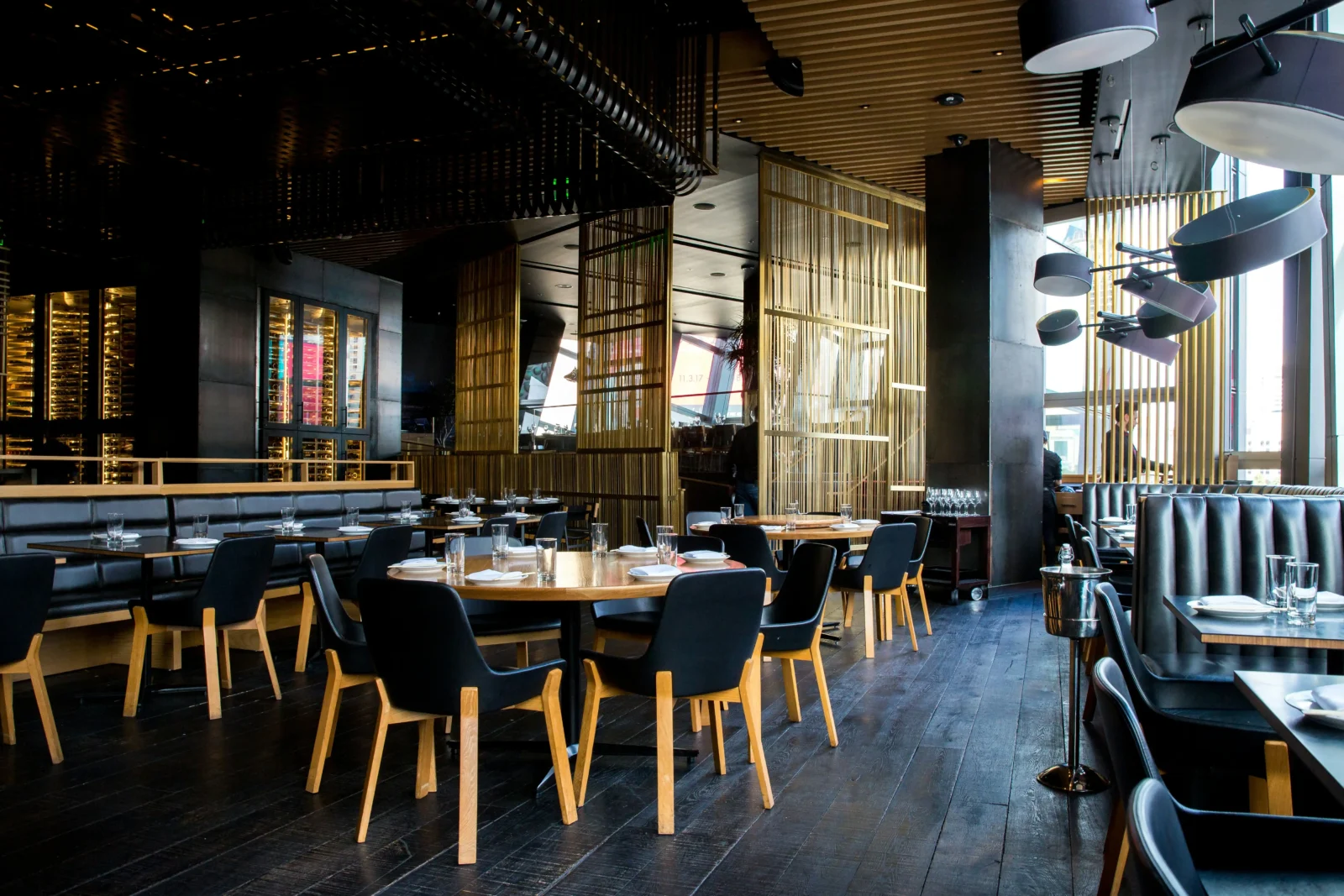
The Power of Ambience: Role of Restaurant Design on Customer Experience
A restaurant's ambience, its lighting, layout, and decor, quietly shapes how guests...
illustrarch Editoral Team3 Mins read


Leave a comment