

Top Botanic Gardens in the United States: Where We Go For Living Collections And Calm
Top Botanic Gardens in the United States: our expert-vetted list with when to go, must-see highlights, accessibility tips, and regional trip pairings.
 Sinan Ozen15 December 20254 Mins read311
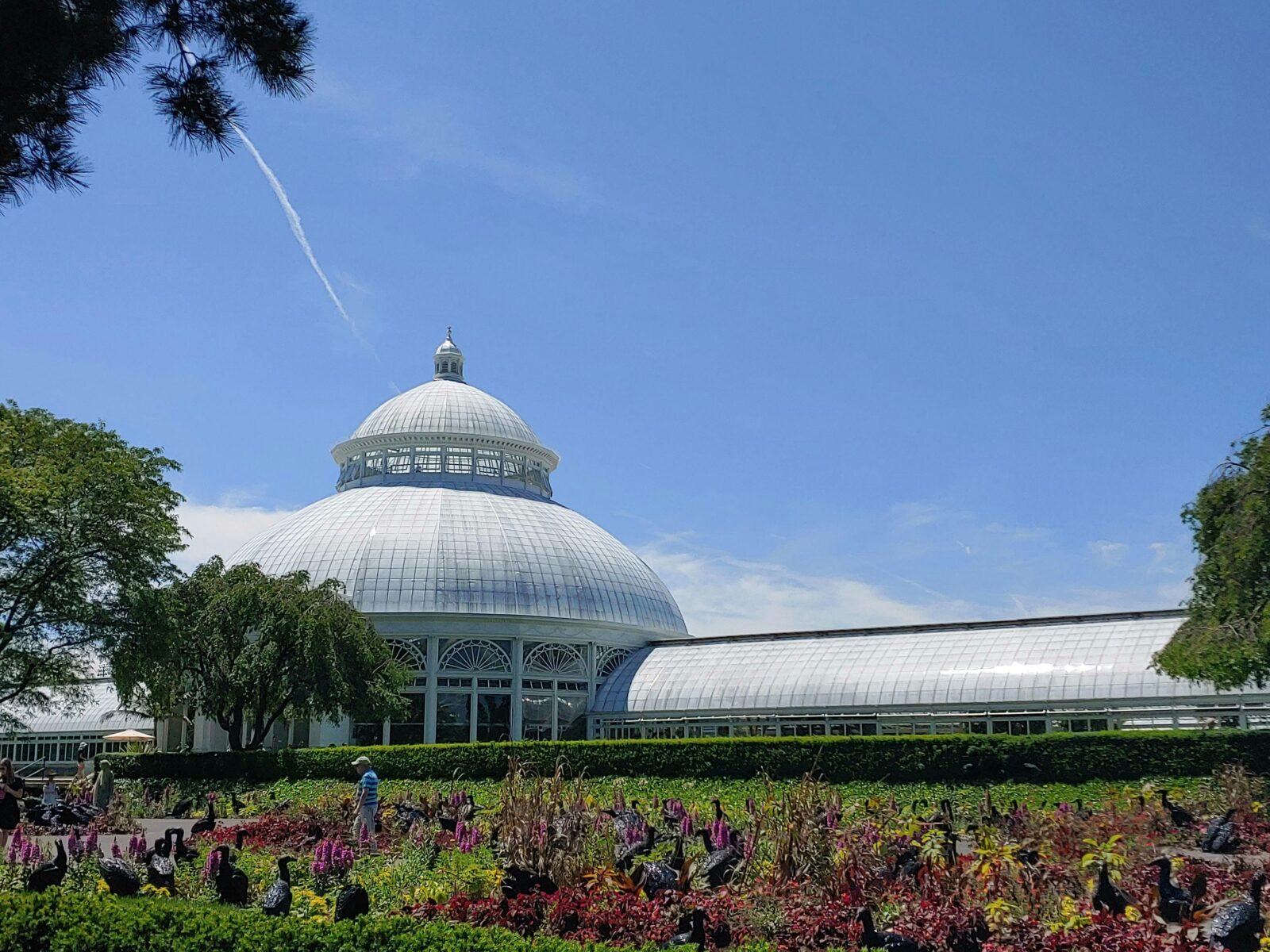
Table of Contents Show
From iconic conservatories to desert trails and prairie boardwalks, the top botanic gardens in the United States are living museums, and some of the best places to feel your shoulders drop. We’ve visited, compared notes, and dug into research to curate this list. Below, we share how we evaluated each garden, the best times to go, regional trip ideas, and the US gardens we think merit a spot at the top of your itinerary.
How We Selected These Gardens
Collection Diversity And Rarity
We prioritized gardens with breadth, native and global flora, living collections, and rare or threatened species you won’t see in typical parks. Orchid houses, alpine collections, heritage roses, and scientifically curated trees all earned points.

Conservation, Research, And Accreditation
We looked for active conservation programs: seed banks, plant rescues, and partnerships with herbaria or universities. Accreditation from organizations like the American Alliance of Museums, BGCI, or ArbNet signaled rigor and long-term stewardship.
Landscape Design And Sense Of Place
Strong contenders tell a story with space: regional ecosystems interpreted beautifully, sightlines that frame water or mountains, and transitions that feel effortless. Design excellence matters as much as plant labels.
Visitor Experience, Accessibility, And Programming
Clear wayfinding, ADA-accessible paths, well-run tours, seasonal exhibits, and engaging children’s gardens improve every visit. We favored places that balance serenity with thoughtful programming.
Sustainability And Community Impact
Water-wise gardening, composting, habitat restoration, and local partnerships all counted. We also considered free days, community science, and education that reaches beyond the gates.
Best Time To Visit And What To Expect
Seasonality And Bloom Calendars By Region
- Northeast/Mid-Atlantic: Spring bulbs and cherry blossoms peak April, May: fall color dazzles late September, October.
- South: Camellias and azaleas shine late winter, spring: tropical collections flourish year-round.
- Midwest: Lilacs, peonies, and prairie blooms fire up May: July: autumn grasses glow in September.
- West: Desert cacti bloom March: April: Mediterranean borders and alpine gardens excel late spring through fall.
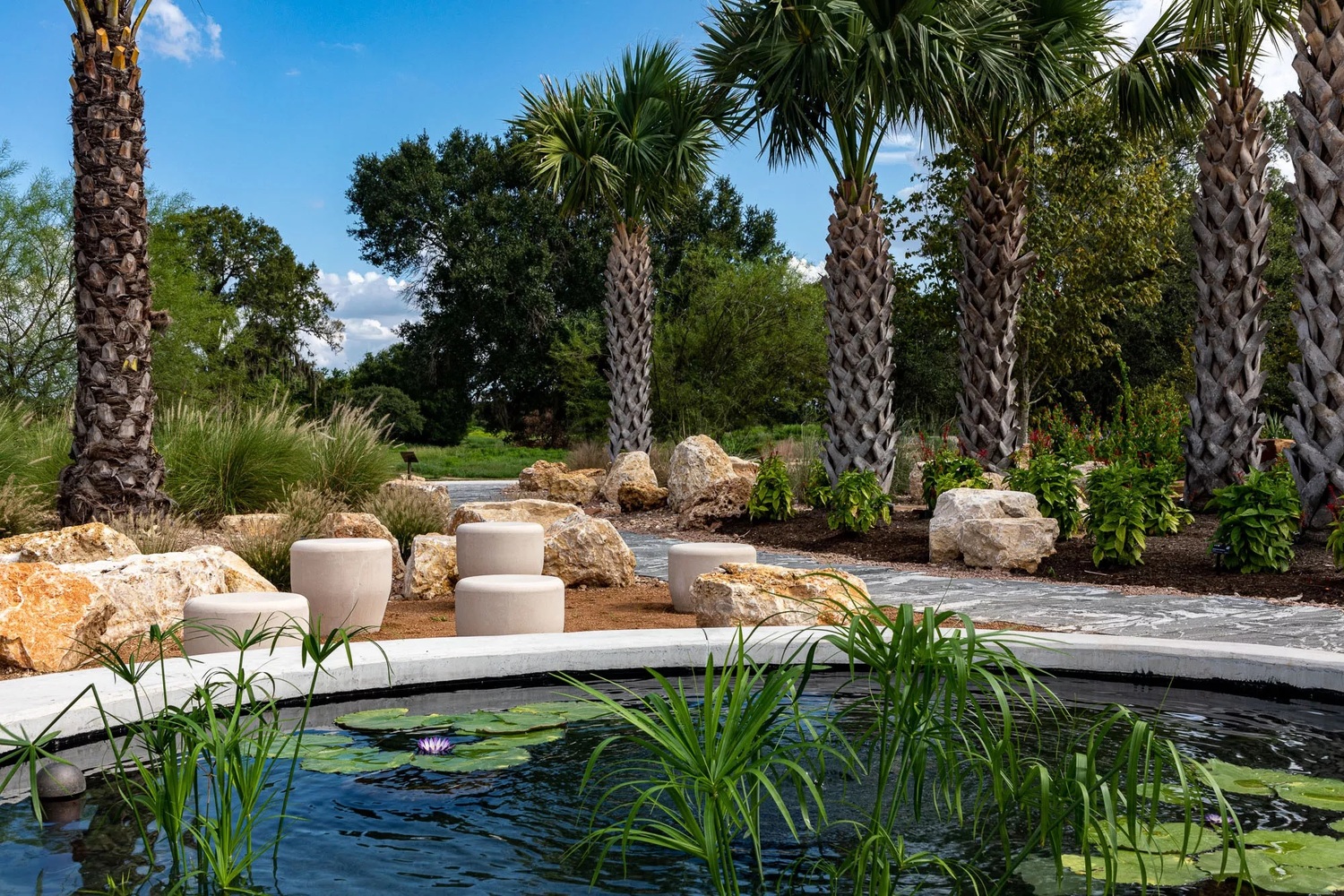
Houston Botanic Garden, Credit: Barrett Doherty
Tickets, Memberships, And Free Days
Weekends and festival days sell out quickly, book timed tickets in advance. If you’ll visit more than twice a year, memberships usually pay for themselves and include reciprocal benefits at dozens of gardens. Many institutions offer monthly free or discounted days: check calendars early.
Accessibility, Family Amenities, And Food Options
Most top gardens offer accessible routes, tram tours, loaner wheelchairs, and sensory-friendly maps. Family perks often include nature play areas, story times, and stroller-friendly paths. Cafés lean local and seasonal: some allow picnics, always confirm policies.
The Top Botanic Gardens To Visit Now
New York Botanical Garden (New York, NY)
A 250-acre urban escape with a historic Thain Forest, blockbuster seasonal shows in the Enid A. Haupt Conservatory, and research depth that anchors it among the world’s great gardens.
Brooklyn Botanic Garden (Brooklyn, NY)
Famous for its Cherry Esplanade and the Japanese Hill-and-Pond Garden, plus native plantings and the Discovery Garden that makes botany irresistible for kids.
Longwood Gardens (Kennett Square, PA)
Grand fountains, meticulous conservatories, and theatrical horticulture at scale. Nighttime fountain performances and orchid displays are worth planning around.
United States Botanic Garden (Washington, DC)
On the National Mall, this free, compact gem packs rainforest, desert, medicinal plants, and seasonal exhibits into a beautifully interpreted space.

Chicago Botanic Garden (Glencoe, IL)
Fifty-plus years of design across islands and lakes. Don’t miss the Regenstein Fruit & Vegetable Garden and the prairie, especially at golden hour.
Missouri Botanical Garden (St. Louis, MO)
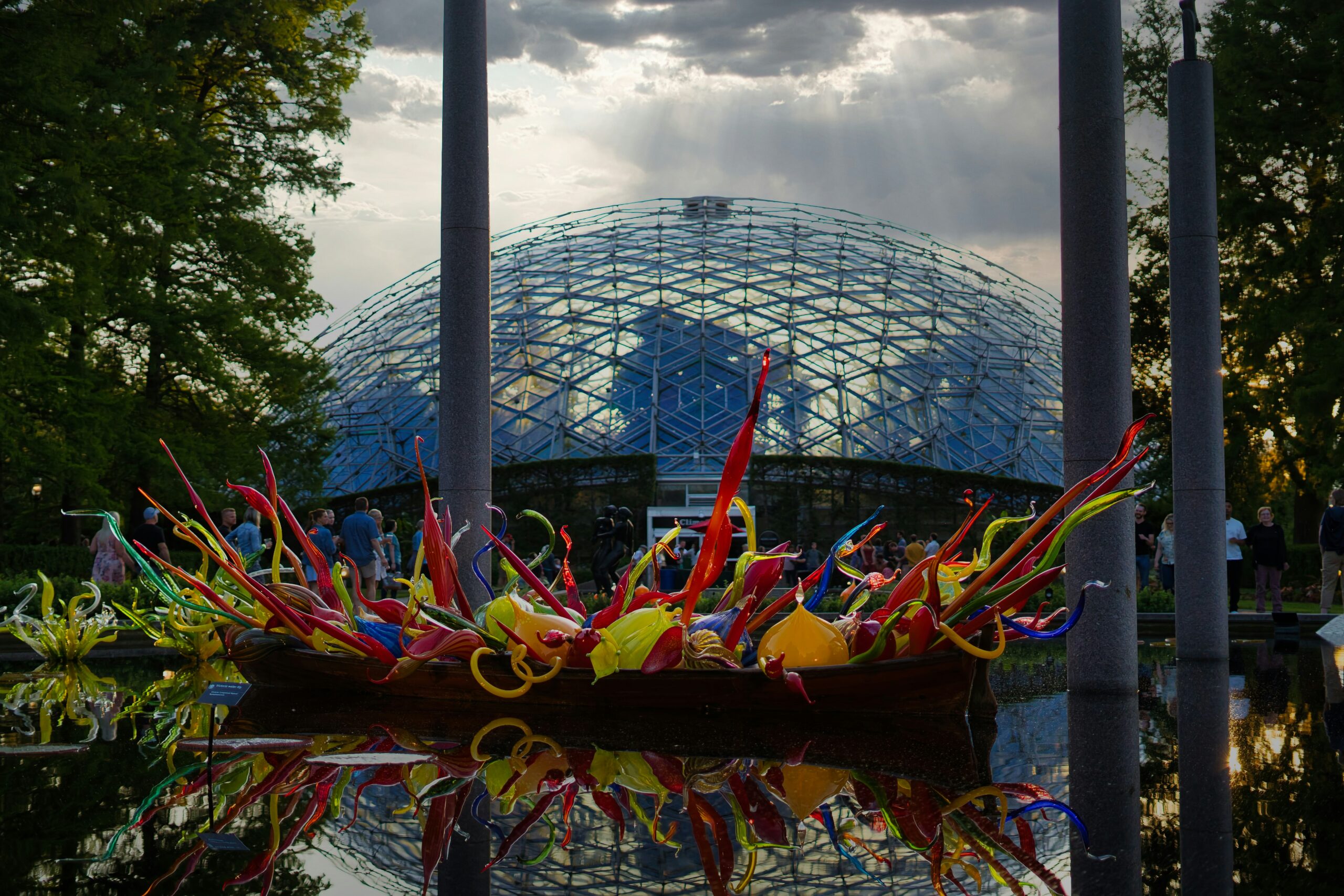
One of the nation’s oldest. The Climatron geodesic dome, Japanese Garden, and world-class research arm make this a pilgrimage site for plant lovers.
Denver Botanic Gardens (Denver, CO)
A leader in water-wise gardening with regionally adapted palettes, rock alpine displays, and satellite sites that highlight Colorado ecosystems.
Huntington Botanical Gardens (San Marino, CA)
Art museum meets botany: a superb desert garden, classical Chinese and Japanese landscapes, and galleries that give you a cultured breather.

Desert Botanical Garden (Phoenix, AZ)
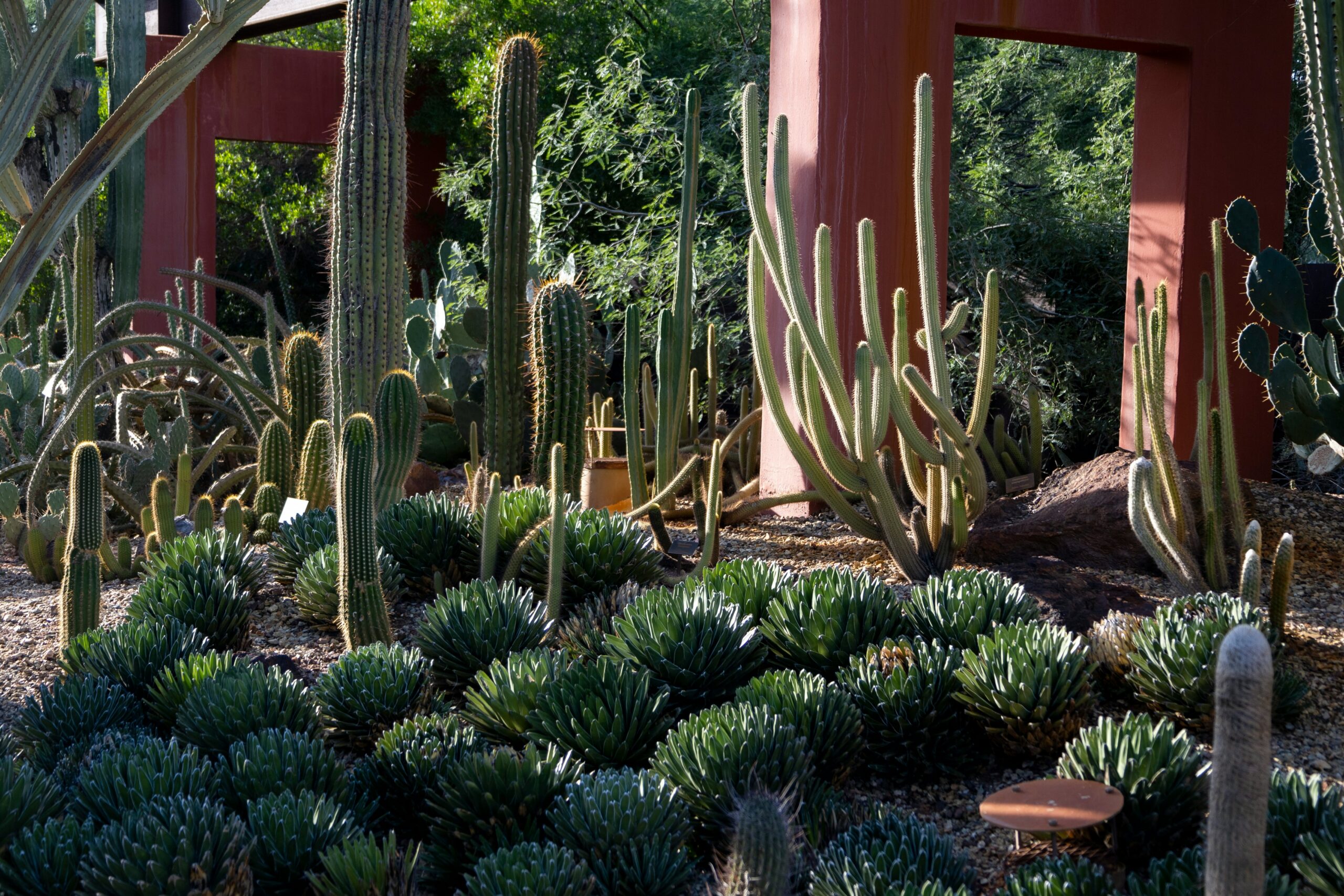
Cactus and agave in their element. Hit the trails at sunrise or dusk: spring wildflower and cactus blooms are unforgettable.
Fairchild Tropical Botanic Garden (Coral Gables, FL)
A deep jump into palms, cycads, and tropical fruit. Conservation programs and butterfly encounters round out a lush, humid adventure.
Regional Itineraries And Nearby Highlights
Northeast: Pair Gardens With Museums And Historic Estates
Link NYBG with the Bronx’s Arthur Avenue for Italian bakeries, or BBG with the Brooklyn Museum and Prospect Park. In Philly’s Brandywine Valley, combine Longwood with wineries and DuPont estates.

South: Gardens Plus Food, Music, And Coastal Escapes
In DC, walk the Mall museums after the USBG. Around Miami, match Fairchild with Vizcaya and Cuban eats. In Atlanta or Charleston, layer gardens with live music and Lowcountry seafood.
Midwest: Architecture, Prairies, And Lakefront Walks
Tie Chicago Botanic Garden to the Bahá’í House of Worship and a Lake Michigan sunset. In St. Louis, pair MoBot with Forest Park’s free museums and toasted ravioli.
West: Desert Landscapes, Mountains, And Pacific Gardens
Do Phoenix’s Desert Botanical Garden at dawn, then Camelback or Papago hikes. In LA, visit The Huntington and nearby Pasadena craftsman homes: in Denver, add Red Rocks or a Front Range day trip.
Tips For A Better Visit And Responsible Travel
Plan Around Weather, Crowds, And Special Exhibits
Reserve morning entries in hot climates and late afternoons for golden light. Check bloom trackers and exhibit calendars, lantern festivals, orchid shows, and holiday lights change everything from parking to path flow.
Photography Etiquette, Drones, And Leave-No-Trace
Stay on paths, keep tripods clear of walkways, and never pick or move plant material. Most gardens ban drones: permits are often required for pro shoots. Pack out trash and respect quiet zones for wildlife.
Support Conservation Through Memberships And Volunteering
Memberships fund research and education and often include reciprocal entry. If you’re local, volunteer in propagation or citizen science: if you’re visiting, shop plant sales and donate to targeted conservation projects.
Conclusion
Botanic gardens are our antidote to rush and noise, and a front line for plant conservation. Whether you’re chasing cherry blossoms, cactus blooms, or a peaceful walk, the top botanic gardens in the United States deliver beauty with purpose. Pick a season, book ahead, and let the living collections do the rest.








Landscape Architecture Section Drawings: 12 Examples and How They Are Built
Twelve real landscape sections, from Salomon Kleiner's Weißenstein garden profile and the...
 illustrarch Editoral Team17 Mins read
Landscape Architecture Drawings: Plans, Sections and Diagrams Explained with Real Examples
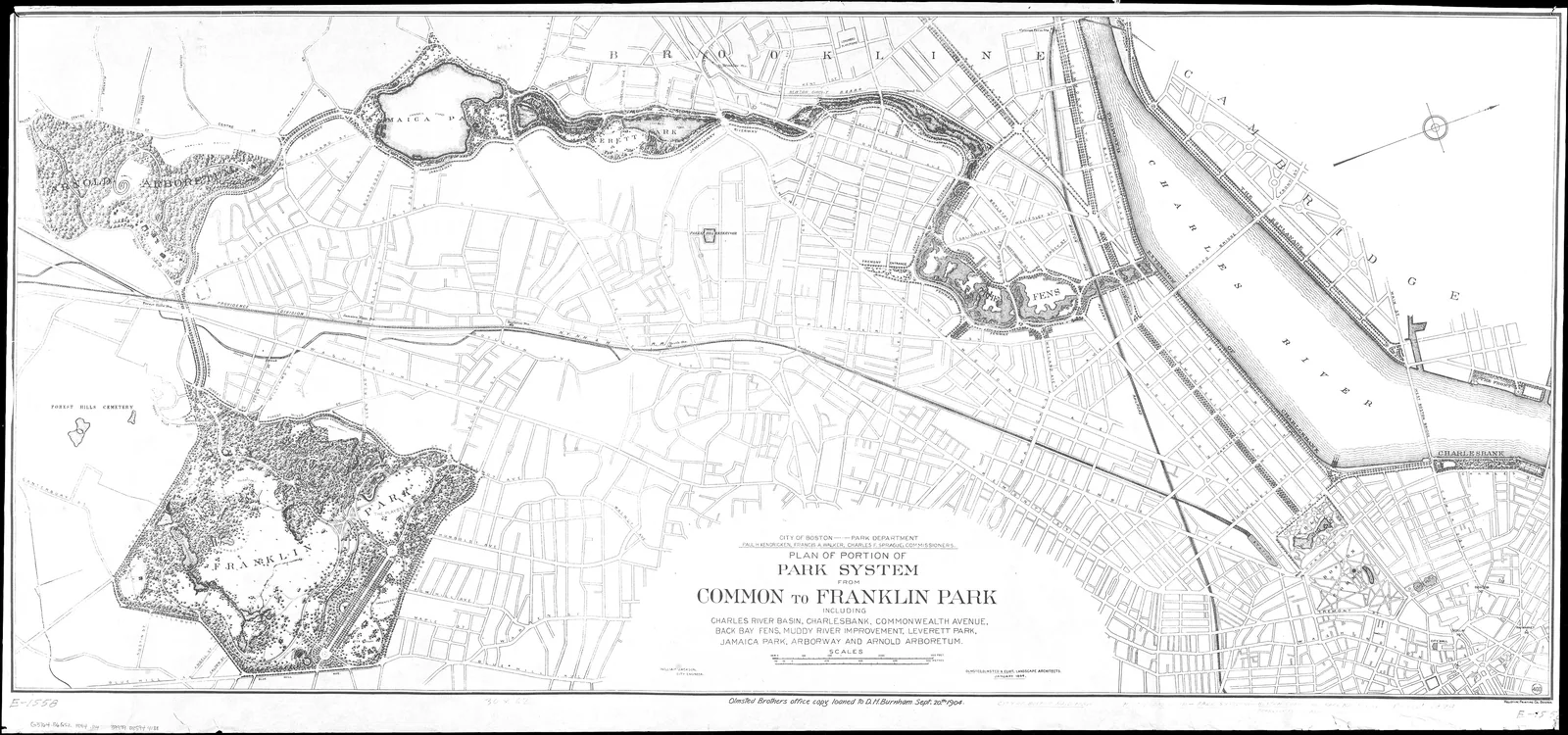
Seven real landscape architecture drawings, one for each type: the Emerald Necklace...
illustrarch Editoral Team11 Mins read

Grimshaw’s Auckland City Rail Link Stations Open Weaving in Māori Design Language
Grimshaw's three City Rail Link stations open in Auckland, built with Mana...
illustrarch Editoral Team3 Mins read

Top Rated Landscape Architecture Schools in the US, Europe, and Beyond
From Harvard GSD and UC Berkeley to Wageningen University in Europe, the...
Sinan Ozen10 Mins read


Leave a comment