

The United States’s Most Beautiful Parks and Gardens: Our Essential Guide
Discover the United States’s Most Beautiful Parks and Gardens with expert picks, seasonal highlights, crowd-savvy tips, and access advice for memorable trips.
 Sinan Ozen21 December 20254 Mins read242

Table of Contents Show
From granite cathedrals and mossy hollows to sculpted borders and rare blooms, the United States’s Most Beautiful Parks and Gardens invite us to slow down and look closer. We’ve walked these paths, compared notes, and chased the best light so you can plan a trip that feels both iconic and personal. Here’s how we define beauty, and the places that deliver it in spades.
What Makes a Park or Garden “Most Beautiful”
Beauty isn’t just postcard scenery. We look for layered experiences, landscapes that shift through seasons, habitats that support wildlife, and design choices that guide us without shouting. Access matters: well-marked trails, thoughtful viewpoints, and moments of calm even on busy days.
We also weigh narrative and stewardship. Parks that tell geologic or cultural stories, and gardens that nurture living collections, create meaning beyond a pretty view. Finally, we prize texture: waterfalls against polished granite, prairie against sky, lantern-lit paths beside raked gravel. When a place marries science, history, and emotion, it earns a spot on our list of the United States’s Most Beautiful Parks and Gardens.
National Parks That Dazzle
These are the showstoppers, big landscapes that recalibrate our sense of scale.
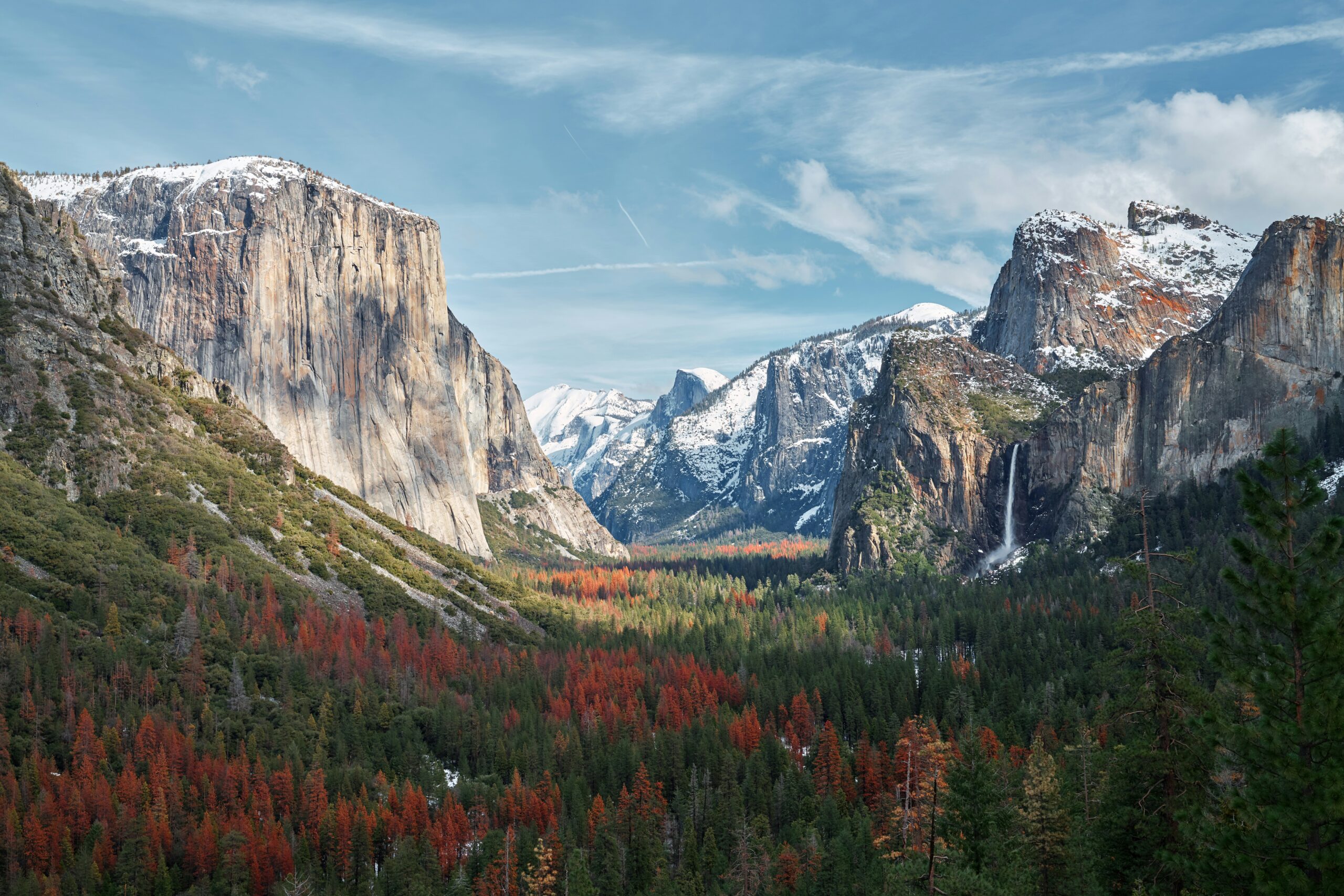
Yosemite National Park, California
Granite domes, thunderous waterfalls, and glacial valleys. Sunrise at Tunnel View is classic, but wander the Tuolumne high country for quieter meadows and mirror-like alpine lakes.
Zion National Park, Utah
Sandstone walls blaze at golden hour. Hike The Narrows when water levels are safe, or catch the soft pastels from Canyon Overlook for drama without the crowds.

Acadia National Park, Maine
Ocean meets granite and spruce. Drive Park Loop before dawn, then walk Ocean Path for tide pools, sea spray, and that crisp Downeast light.
Glacier National Park, Montana
Sawtooth ridgelines, turquoise lakes, and wildflower meadows. The Going-to-the-Sun Road strings them together: mountain goats frequently steal the scene.
Great Smoky Mountains National Park, Tennessee/North Carolina
Blue-hazed layers, synchronous fireflies in late spring, and a riot of fall color. Cades Cove pairs pastoral charm with dependable wildlife viewing.
Iconic Urban Parks
City green spaces where culture and canopy meet.

Central Park, New York
Olmsted and Vaux’s masterpiece blends meadows, woodlands, and skyline drama. The Ramble feels wild: the Mall and Bethesda Terrace feel cinematic.
Golden Gate Park, San Francisco
From wind-swept bison paddocks to the Japanese Tea Garden, it’s a patchwork of microclimates, museums, and fog-laced sunsets.
National Mall and Memorial Parks, Washington, DC
Monuments, reflecting pools, and cherry blossoms frame our civic story. Visit at dawn for quiet paths and soft, pearly light.
Balboa Park, San Diego
Spanish Colonial Revival architecture meets desert gardens and museums. The Alcazar Garden’s tiled symmetry is a photographer’s joy.
Forest Park, St. Louis
Bigger than Central Park and just as lovable. Lakes, museums, and prairies make it a four-season local favorite.
Botanical and Specialty Gardens
Living museums that turn plant science into art.
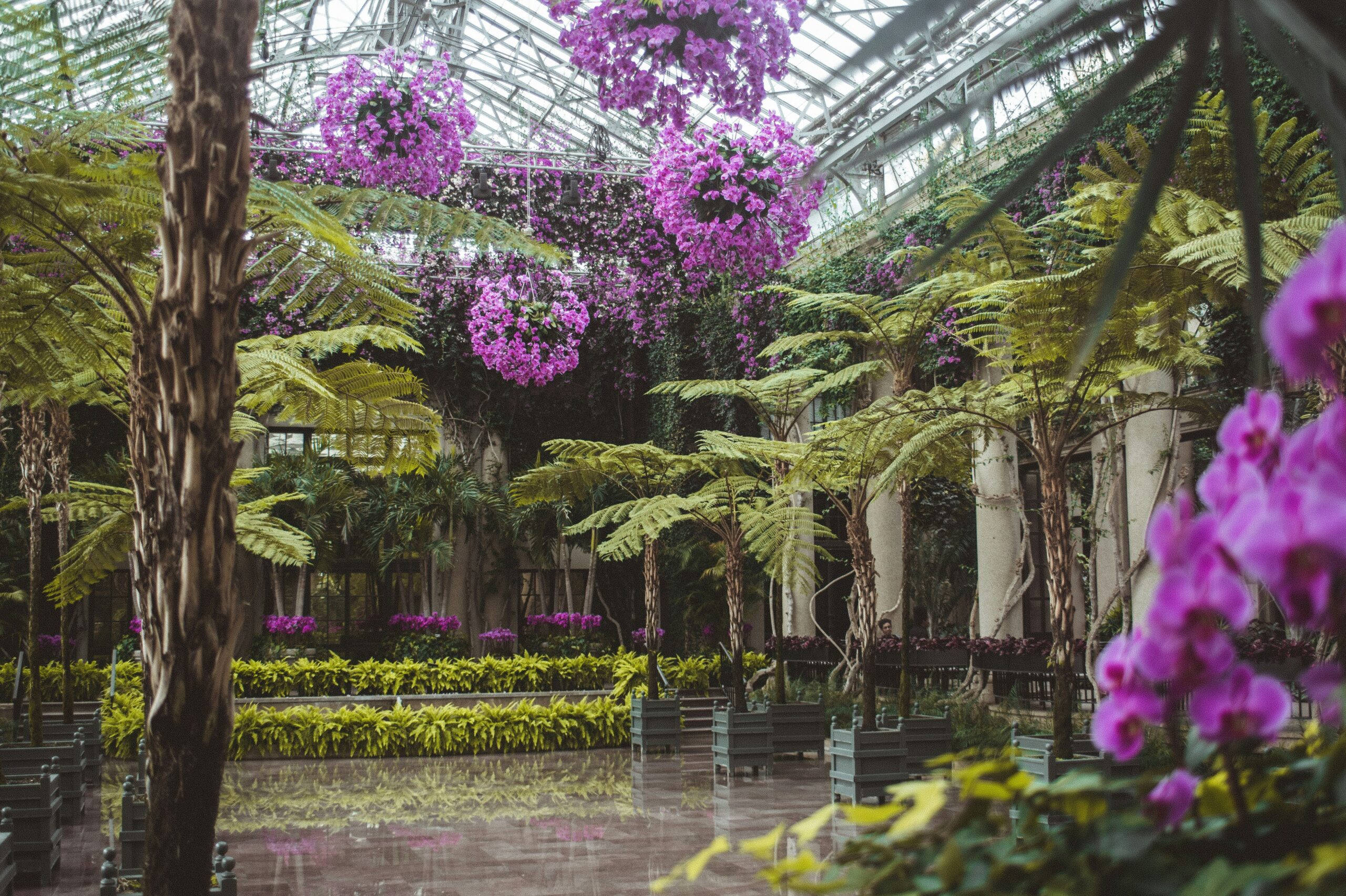
Longwood Gardens, Pennsylvania
Jaw-dropping fountains, glasshouse displays, and seasonal spectacles. Don’t miss Nightscape-style light shows when scheduled.
New York Botanical Garden, New York
A 250-acre Bronx retreat with a historic old-growth forest. Seasonal exhibitions transform the conservatory into pure theater.
Desert Botanical Garden, Arizona
Saguaro sentinels, cholla sparkle, and neon sunsets. Smart trails decode Sonoran ecology without breaking a sweat.
Portland Japanese Garden, Oregon
Meticulous pruning, borrowed views, and quiet water. Each turn reveals a lesson in balance and restraint.
Chicago Botanic Garden, Illinois
Islands, bridges, and themed collections make a seamless wander. Summer blooms, fall color, and winter silhouettes all sing.
Regional Gems to Add to Your Itinerary
Smaller crowds, big payoffs, perfect for road trips.
The Huntington Library, Art Museum, and Botanical Gardens, California
Sweeping desert, Japanese, and Chinese gardens alongside world-class art. Time your visit for rose season: linger in the camellias.
Magnolia Plantation and Gardens, South Carolina
Romantic, moss-draped paths and reflective ponds. Azaleas explode in spring: birders love it year-round.
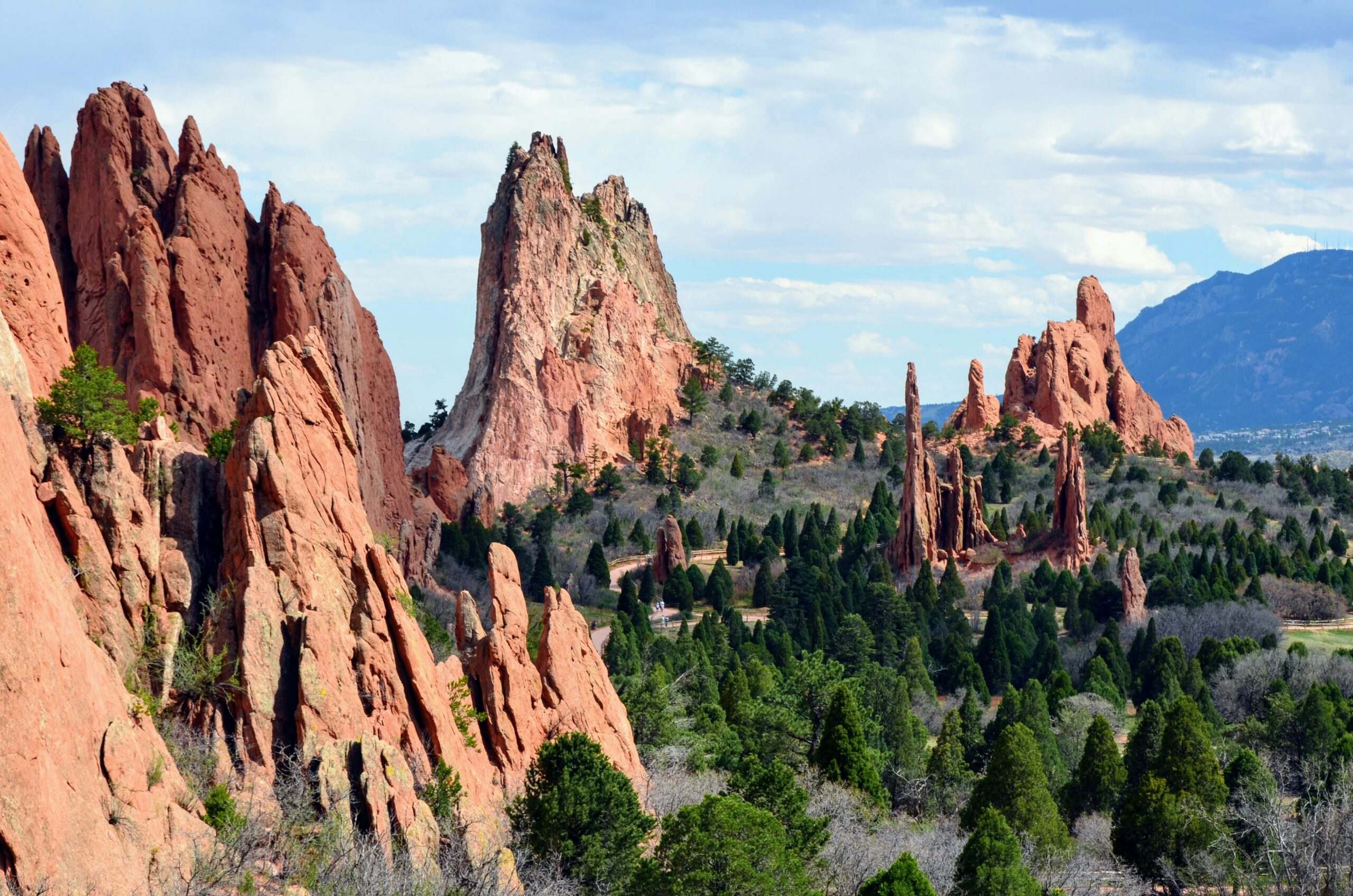
Garden of the Gods, Colorado
Free, family-friendly, and surreal. Red sandstone fins pierce blue sky with Pikes Peak looming beyond.
Coastal Maine Botanical Gardens, Maine
A coastal woodland wonder with pollinator meadows and whimsical sculptures. Late spring lupines and summer dahlias pop.
Frederik Meijer Gardens & Sculpture Park, Michigan
Thoughtful plantings meet major sculpture. The Lena Meijer Japanese Garden is a contemplative standout.
When to Go and How to Visit Responsibly
Smart timing and good manners preserve the magic for everyone.

Seasonal Highlights by Region
Spring: cherry blossoms in DC, azaleas in the Southeast, waterfalls roaring in Yosemite. Summer: alpine wildflowers in Glacier, long coastal days in Acadia. Fall: Smokies foliage, New England gardens glowing. Winter: desert gardens and quiet urban parks.
Crowd-Savvy Planning and Accessibility
Go early or late: book timed entries when offered. Weekdays beat weekends. Many parks provide accessible trails and shuttles, check maps, borrow adaptive gear, and prioritize inclusive viewpoints.
Leave No Trace and Garden Etiquette
Stay on paths, pack out trash, and give wildlife space. Don’t pick blooms or climb structures. In gardens, respect labeled collections and photography rules, tripods can damage delicate edges.
Conclusion
The United States’s Most Beautiful Parks and Gardens aren’t one-size-fits-all, they’re a mosaic. If we chase the right season, move with care, and let curiosity lead, the landscapes will reward us again and again.








Grimshaw’s Auckland City Rail Link Stations Open Weaving in Māori Design Language
Grimshaw's three City Rail Link stations open in Auckland, built with Mana...
 illustrarch Editoral Team3 Mins read

Top Rated Landscape Architecture Schools in the US, Europe, and Beyond
From Harvard GSD and UC Berkeley to Wageningen University in Europe, the...
Sinan Ozen10 Mins read

Top 10 Landscape Architecture Books Every Designer Should Read
A focused guide to ten landscape architecture books covering ecology, planting design,...
 Bahattin Duran6 Mins read

7 Powerful iPad Apps for Modern Landscape Architecture & Garden Design
In 2025, iPad-based workflows have become essential for landscape architects and garden...
Bahattin Duran10 Mins read


Leave a comment