

Digital Woodcraft – Freeform Timber Structures: Eddie Titfer
Eddie Titfer is a research project that investigates the integration of freeform glulam structures with contemporary computational design and digital fabrication techniques.
 illustrarch Editoral Team16 April 20212 Mins read423
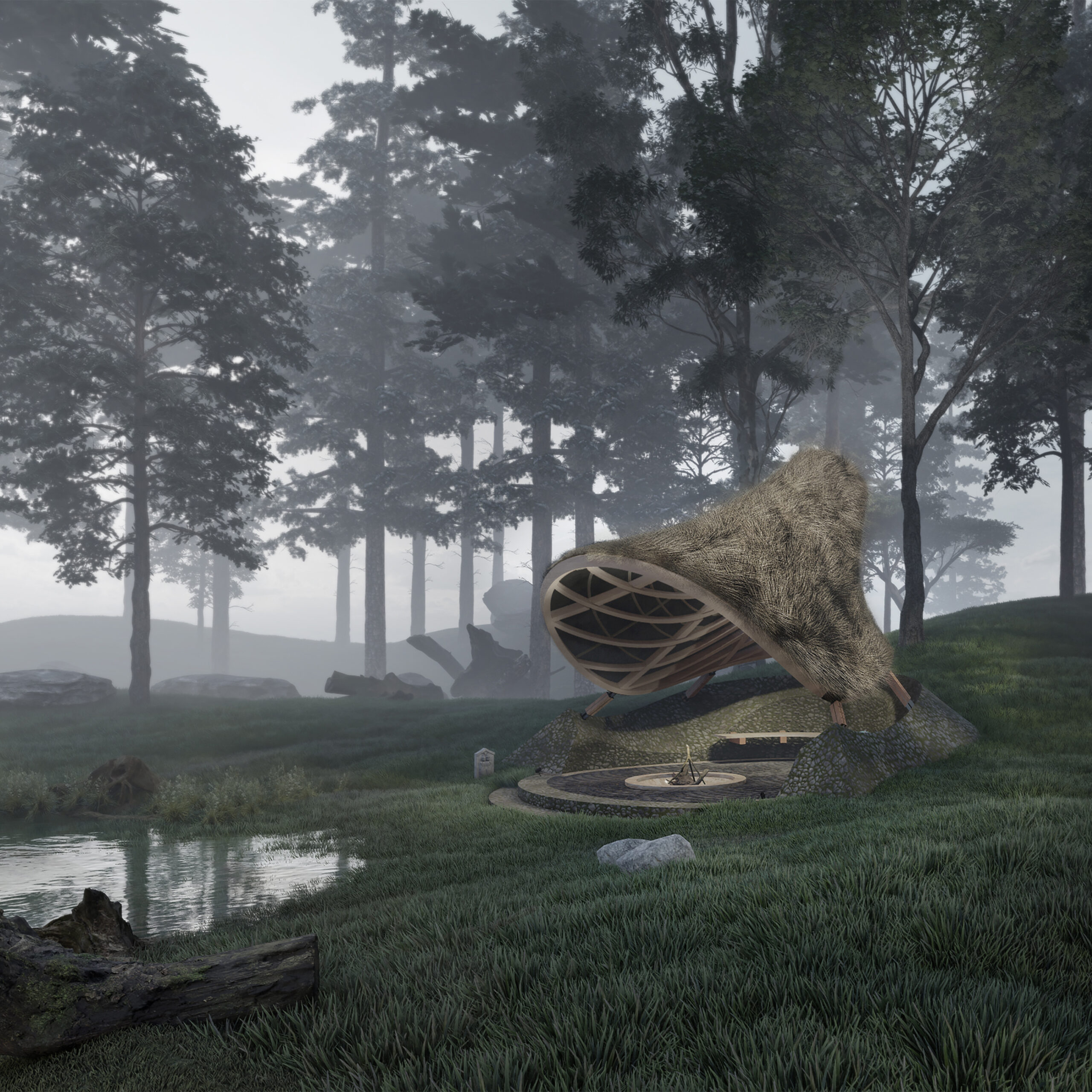


Eddie Titfer is a research project into freeform glulam structures, developed by Suyash Sawant and Akshay Mhamunkar at IAAC in Barcelona in 2020. In Technics and Civilization (1934), Lewis Mumford praises wood as helping to deliver humankind from the servitude to the cave and to the cold earth itself. Wood has been a fundamental resource since the dawn of civilization, not just as a building material, but as a natural resource deeply mired in culture, politics, and technology. This project takes that long history as a starting point and asks what becomes possible when contemporary computation meets one of the oldest materials known to construction.
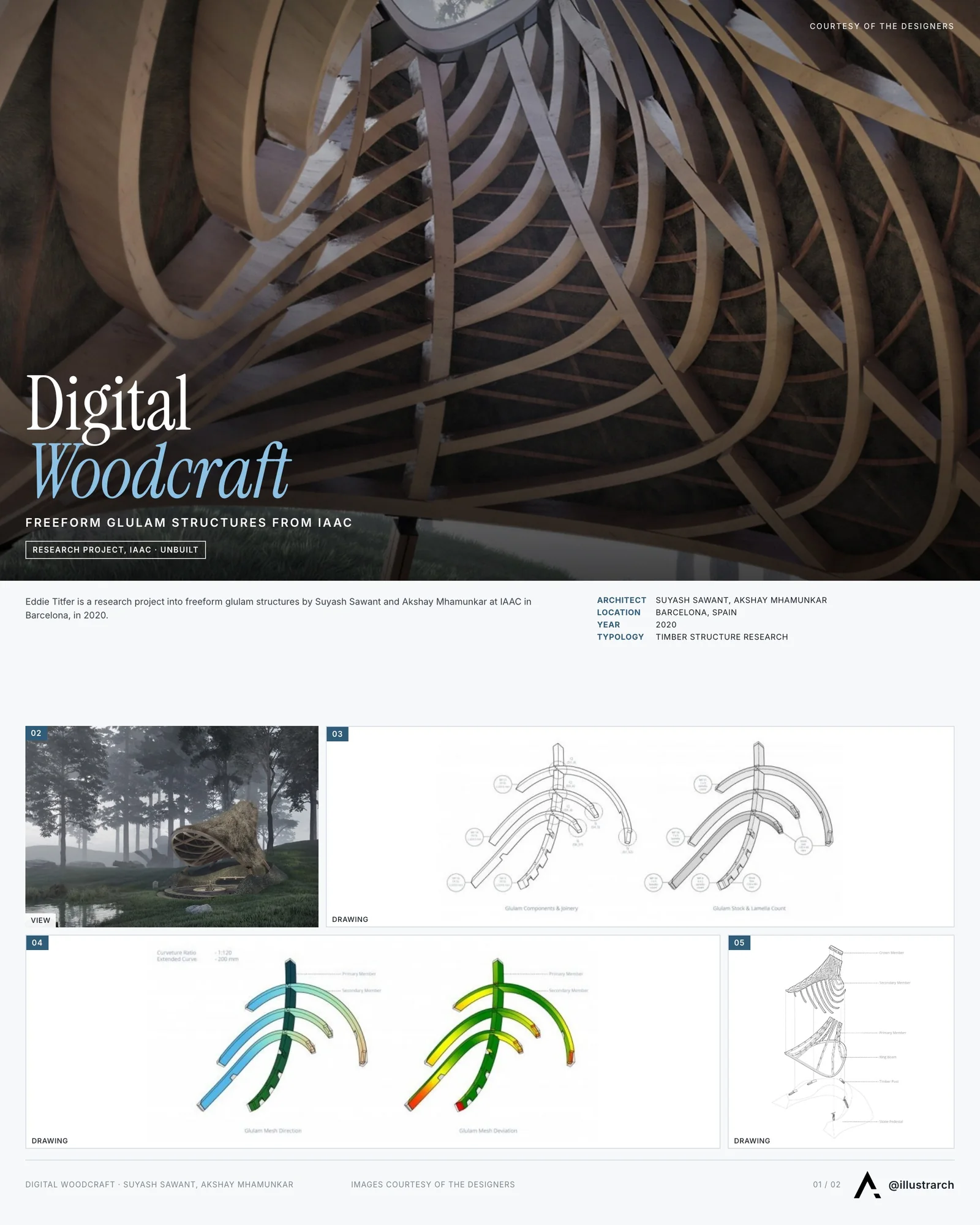
The work understands both the potential and the limits of the material and its application. The process begins with understanding basic methods of analysing freeform glulam elements for bending limits, production constraints, and fibre direction. Working out of IAAC, Sawant and Mhamunkar treat these constraints not as obstacles but as the generative logic of the form itself, allowing the geometry to follow what the timber can actually do.
From Material Logic to Digital Fabrication
Glued laminated timber, or glulam, is engineered by bonding thin layers of wood so that the resulting member can span and curve far beyond the reach of a single solid section. Because the fibre runs continuously along each lamination, the direction of grain becomes a design parameter rather than a fixed property. Freeform structures built this way must reconcile the bending behaviour of the laminations with the forces they carry, which is why the analytical step in this project comes before any geometry is fixed.
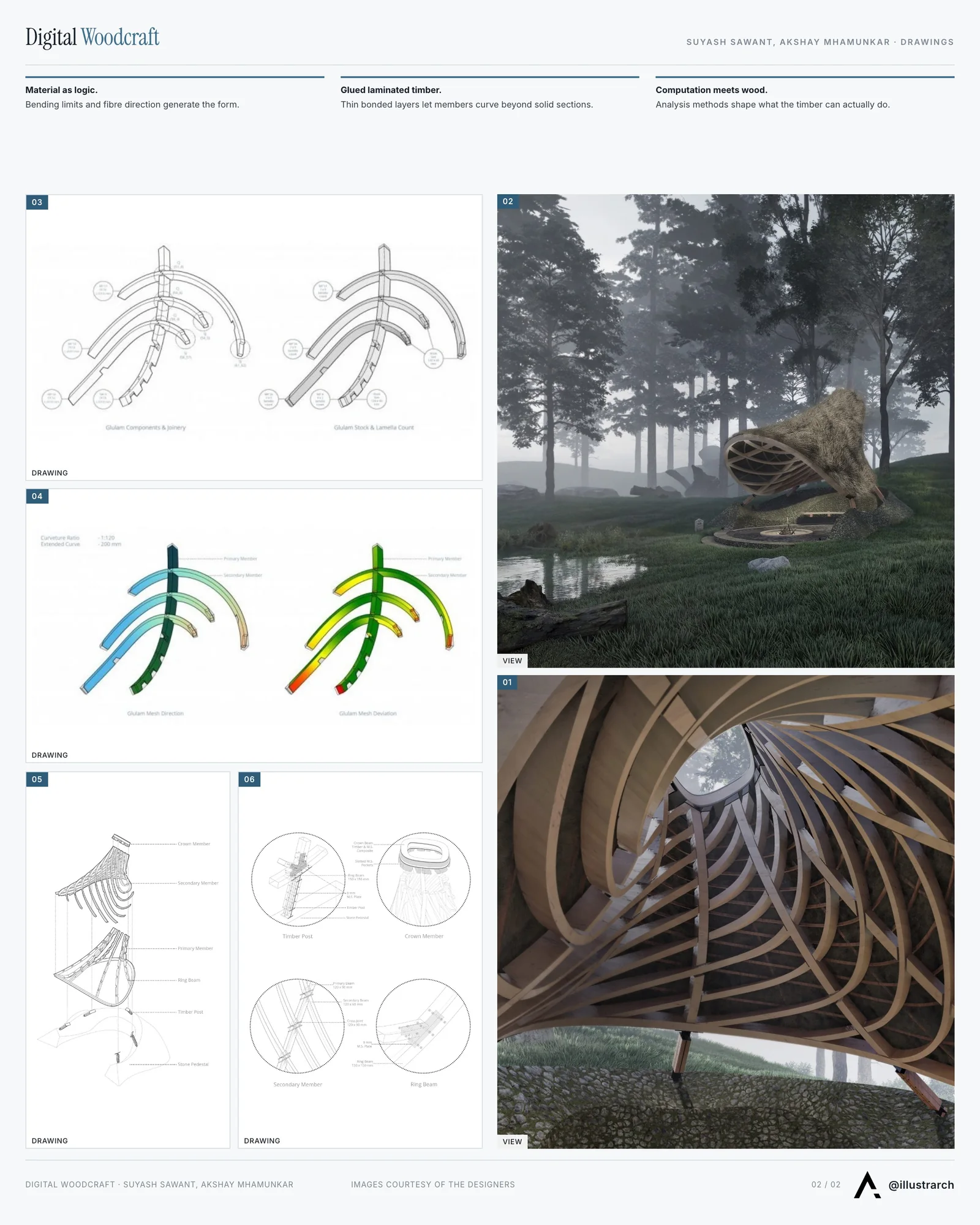
The fabrication strategies involve various aspects of digital fabrication, translating the analysed geometry into instructions that a machine can build. This is where timber construction has changed the most in recent decades. Robotic arms, CNC cutting, and parametric modelling let designers test thousands of variations against real production limits before a single piece is milled. The result is a feedback loop in which material knowledge, structural analysis, and manufacturing meet in the same model.
Eddie Titfer sits within a wider return to timber as a serious structural ambition, one that pairs an ancient material with the precision of computational tools. Projects like this one show how much expressive range remains in wood once its grain, its limits, and its fabrication are read together rather than apart. For further context, see glued laminated timber, digital fabrication, and the city of Barcelona.


Savan House by Nobico Studio
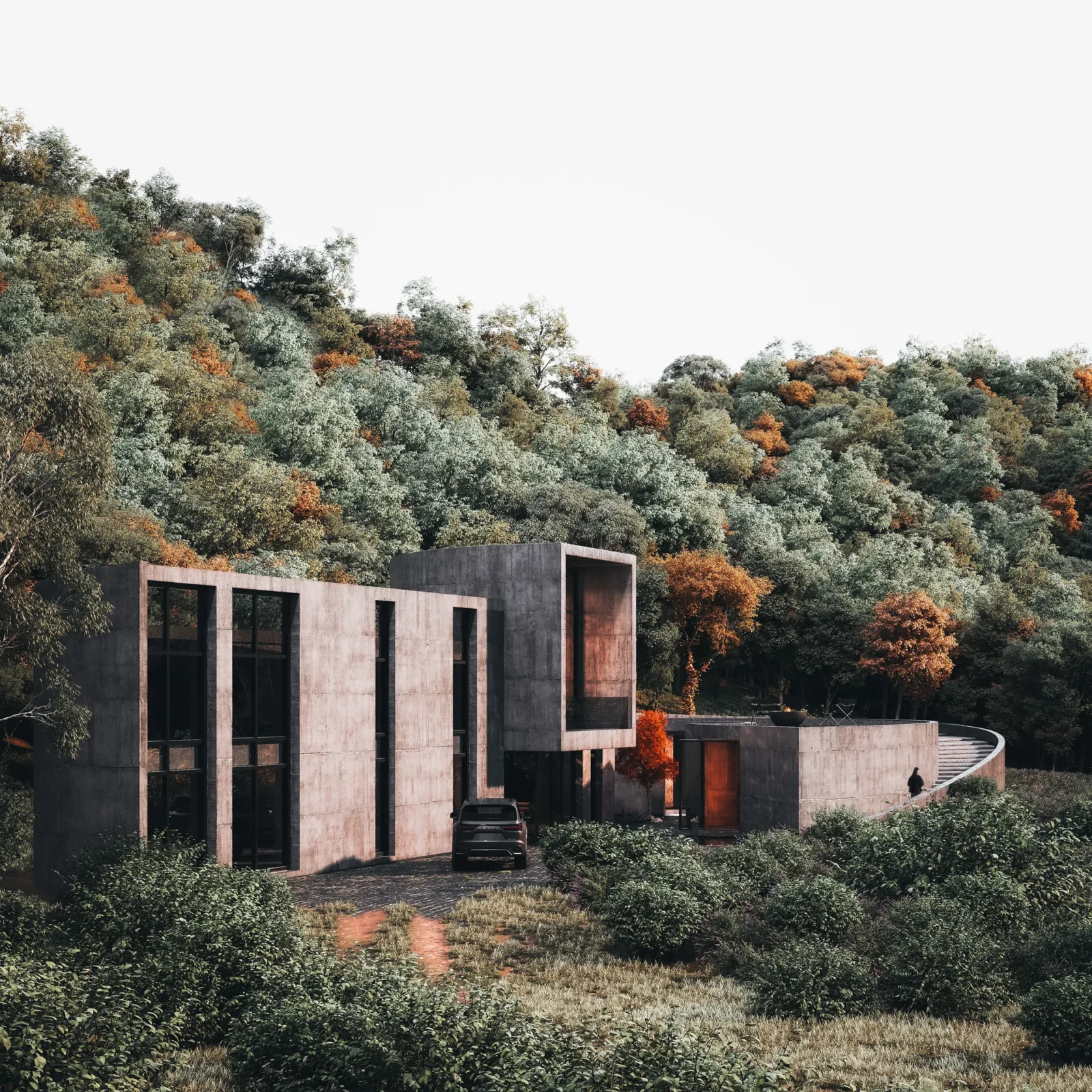
Savan House is Nobico Studio's unbuilt concept for a forested hillside in...
illustrarch Editoral Team3 Mins read

Renaatus Irumathi
Renaatus Irumathi Residence features 69 spacious apartments designed with contemporary aesthetics, maximizing...
illustrarch Editoral Team2 Mins read
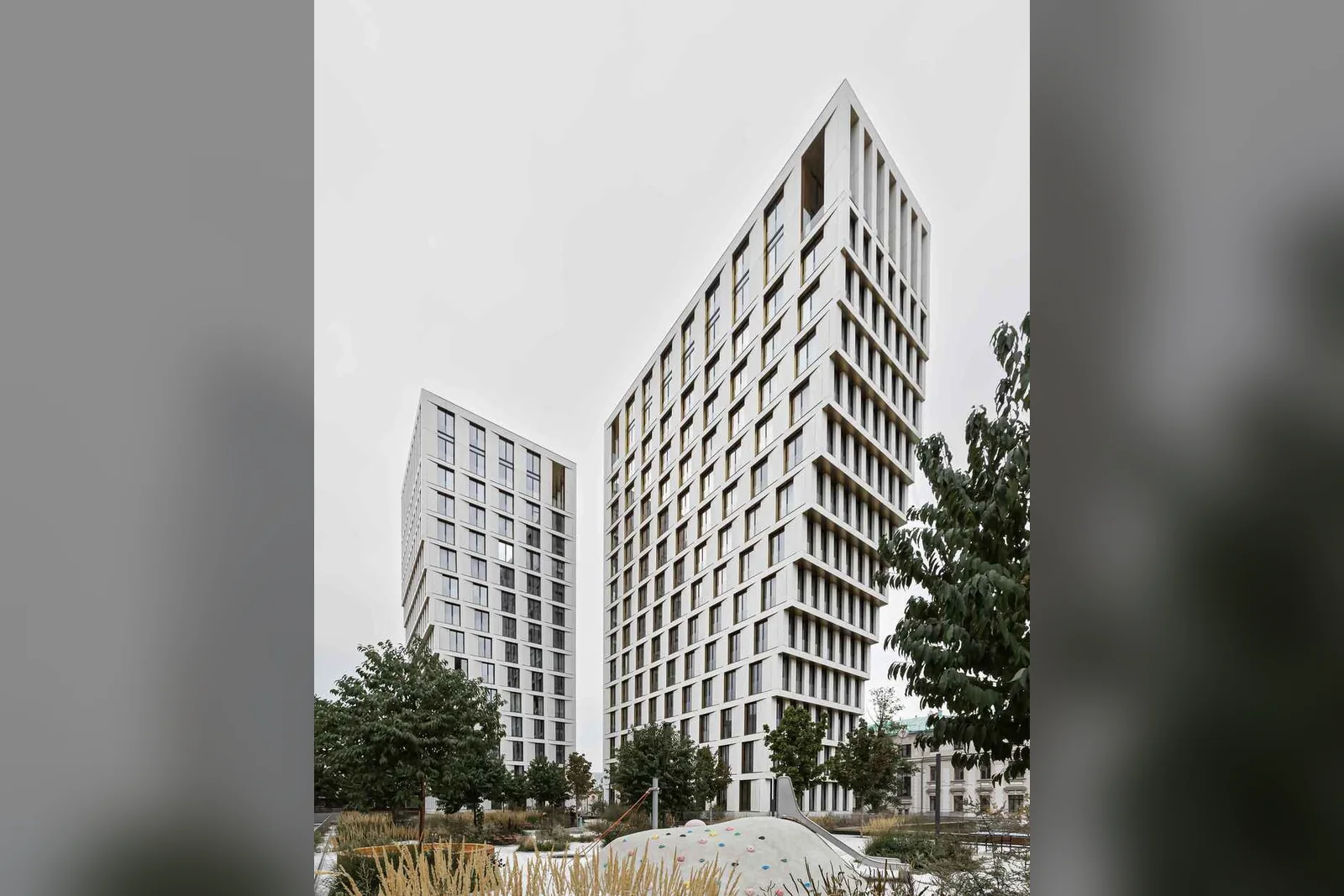
White Khamovniki
White Khamovniki is a residential tower project in Moscow that combines urban...
illustrarch Editoral Team1 Mins read
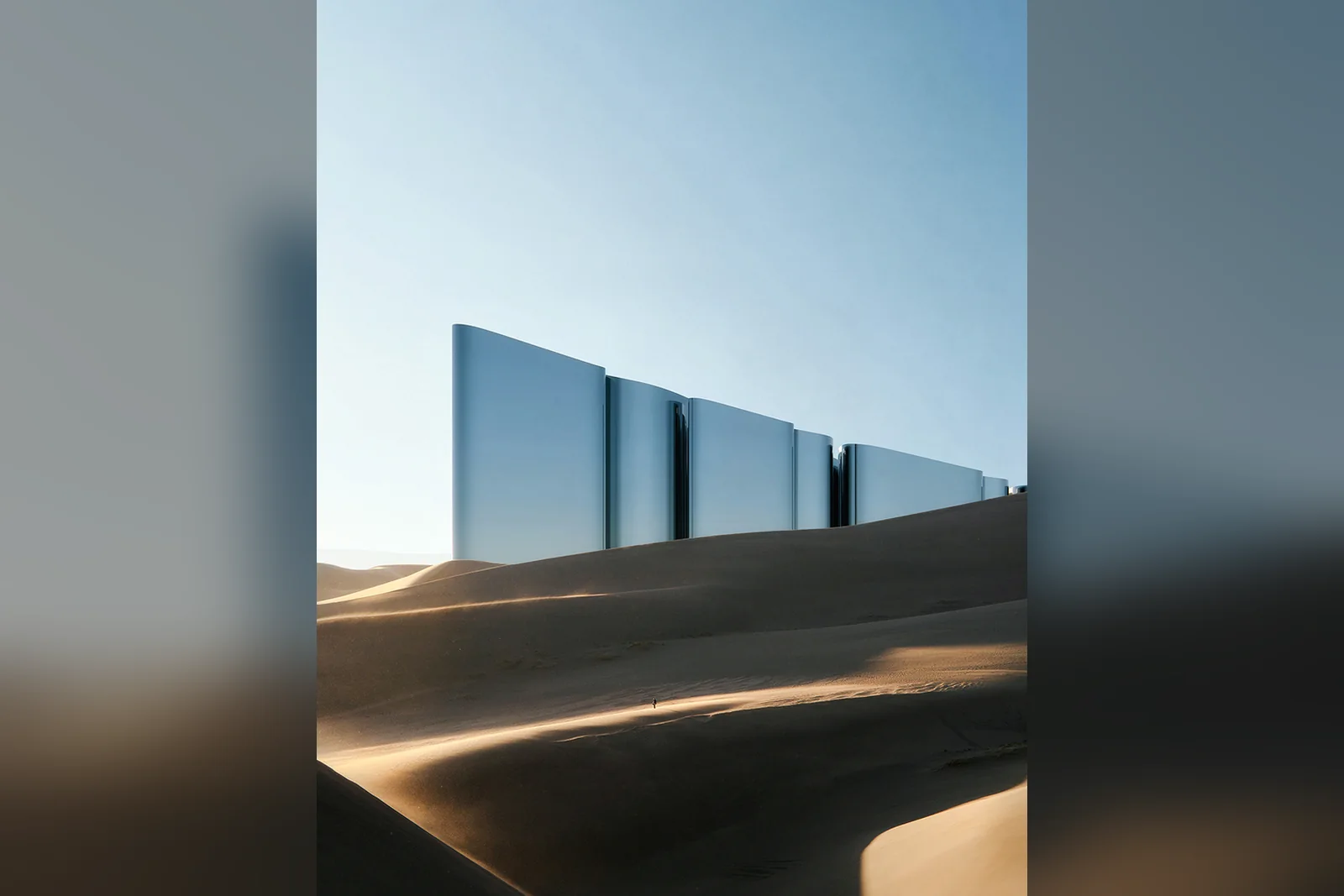
Millennium Horizon
Millennium Horizon is an innovative architectural project in the UAE that uses...
illustrarch Editoral Team2 Mins read


Leave a comment