

Rashid’s Wood and Textile Craft Center
Rashid's Wood and Textile Craft Center integrates traditional craftsmanship with contemporary design, fostering cultural exchange and education in a historic setting.
 illustrarch Editoral Team25 June 20191 Mins read482


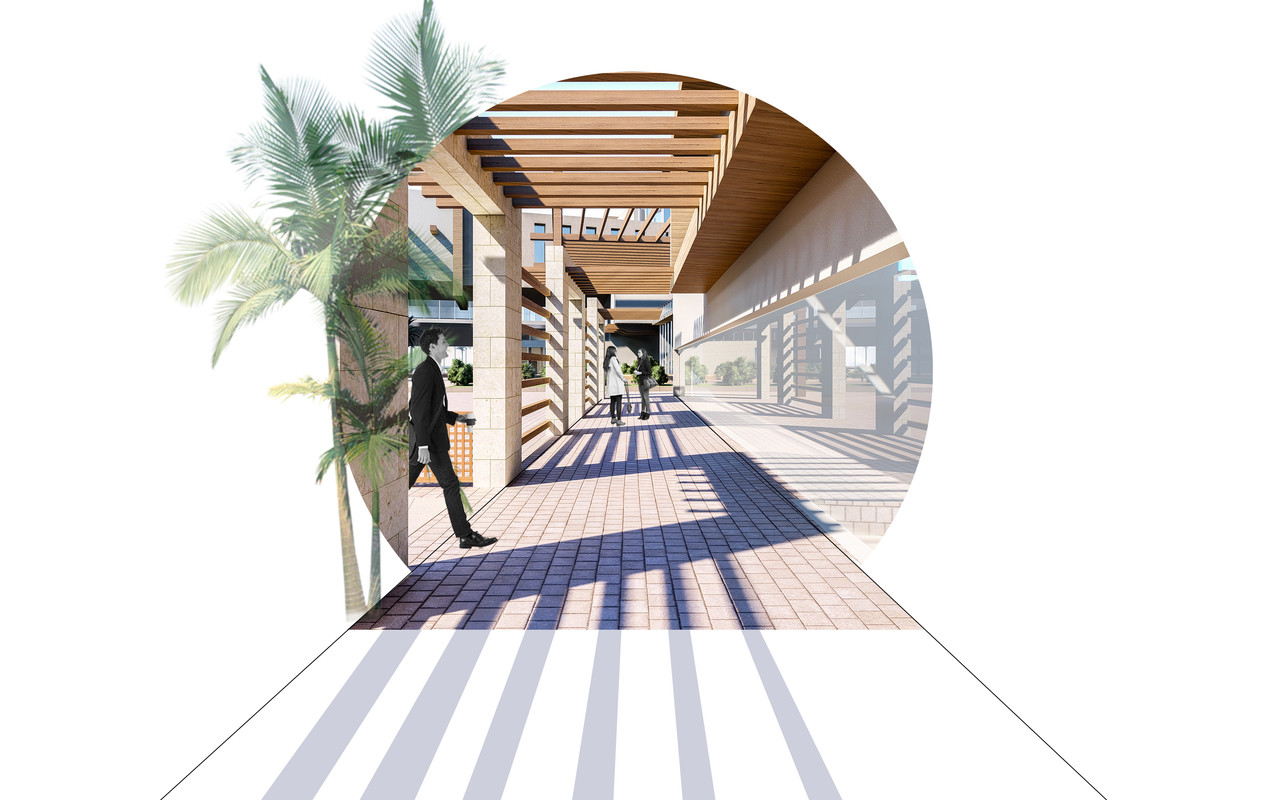


Rashid’s Wood and Textile Craft Center, designed by Mariam Osama Abdel Ghany in Rashid, Egypt, treats cultural heritage as a living resource rather than a frozen relic. The project argues that the things a nation inherits from its past carry a duty of conservation, and that this duty is best met by adding a layer of innovation for the future. The result is a mixture of old and new that does not oppose but serves the need for cultural diversity, fusing history with a contemporary vision on the large scale.
In a narrower scope, the craft center is conceived as a social catalyst for cultural exchange. It is a home for its makers, a place for those seeking education, and an open venue for its visitors. The crafts produced here are wood and textile related, reviving the glory of the past with a hint of the present. By keeping these two trades under one roof, the building lets visitors move between the workshop and the showroom, watching raw material become finished object.
Designing for Craft and Community
A building of this type carries demands that an ordinary gallery does not. Workshops for woodworking and textile production need generous daylight, steady ventilation, and floor plans flexible enough to hold benches, looms, and the movement of materials. Dust, noise, and the storage of timber and fabric all shape how the working spaces sit next to the quieter rooms meant for teaching and display. Balancing the privacy of the maker against the openness promised to the public is one of the central problems such a brief sets.
Locating the center in Rashid, a historic Nile Delta port long known by its anglicised name Rosetta, ties the program to a specific place and memory. Architecture that grows from local craft traditions tends to read as an extension of its setting rather than an import, and a center built around making invites people to learn skills that might otherwise fade. For more on the city and its long history, see Rosetta (Rashid). The building’s ambition is plain: to keep an inherited culture in use by giving its makers somewhere to work and its visitors somewhere to belong.




Spitfire Roastery by Nota Architects
Nota Architects breaks a coffee roasting plant in rural Jiangsu into four...
illustrarch Editoral Team2 Mins read

Adaptive Reuse of the Michelin Factory by Kengo Kuma & Associates
Kengo Kuma & Associates has unveiled a proposal to transform the former...
 Elif Ayse Sen3 Mins read
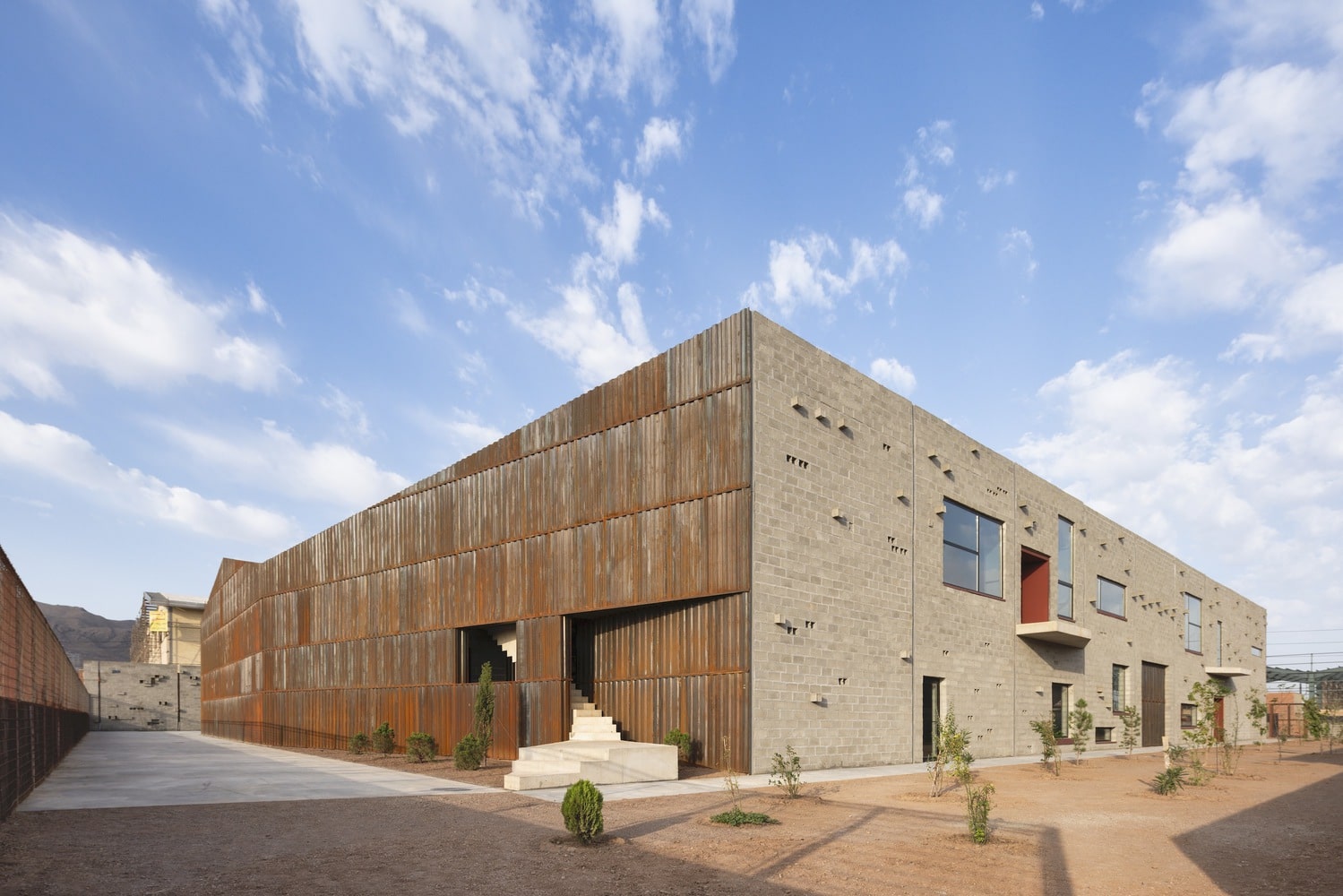
Process Department of Shamim Polymer Factory by Davood Boroojeni Office
The Process Department of Shamim Polymer Factory redefines industrial architecture through asymmetrical...
 Begum Gumusel4 Mins read
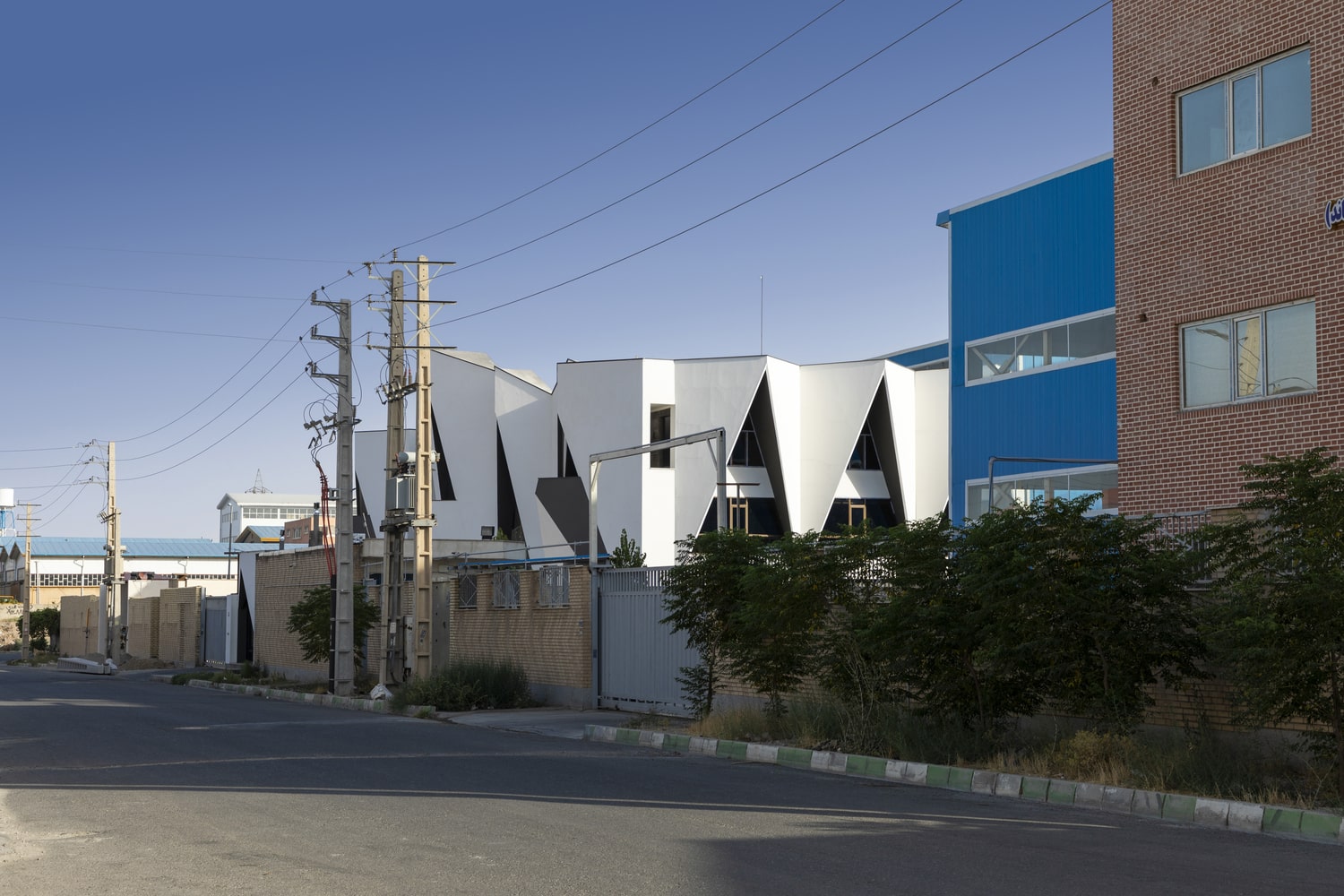
AnAhitA Factory Office Building by ShahrA Shahr
ShahrA Shahr Architecture Office’s AnAhitA Factory Office in Iran merges industrial typology...
Begum Gumusel3 Mins read


Leave a comment