

Goiva Office
Goiva Arquitetura's new office in São Paulo integrates a historic structure with modern functionality, creating distinct yet connected work and meeting environments.
 illustrarch Editoral Team16 July 20241 Mins read399


Goiva Arquitetura’s new office in Vila Madalena, São Paulo, turns a search for a workspace that mirrors the studio’s own identity into a quiet lesson in working with what a building already offers. Completed in 2024, the project occupies a historic structure built from concrete and wood and wrapped by green areas, a setting whose homely feel matched the team’s desired essence without sacrificing the functionality a modern office requires. The connection was immediate, and few changes were needed to adapt the space, an approach that values restraint over reinvention.
Designing an architecture studio’s own premises carries a particular pressure. The space becomes a working portrait of how the practice thinks, so every decision reads as a statement of method. Goiva resolved this by arranging two distinct environments that are not fully isolated: one holding workstations, the other given over to meetings and reception. Circulation runs between them rather than around walls, keeping the open feeling that a small creative office depends on while still separating focused work from conversation with visitors.
A shelf that organizes the room
The pivot of the layout is a multifunctional shelf that mediates between the two zones. On one side, niches hold books, material samples, and a coffee station; on the other, they organize office supplies and ongoing projects. This single element does the job that partitions usually do, dividing the plan while keeping sightlines open, which is a common and effective strategy in adaptive reuse where heavy construction is best avoided. Working inside an existing adaptive reuse project rewards exactly this kind of light touch.
Color carries the brand into the architecture. Green and orange appear in furniture and rug details, harmonizing with white tables and the wood of the frames and the shelf, while the meeting table stands out as a piece in Verde Guatemala stone. The polished concrete floor was preserved, and the original brick wall was kept but painted white to align with the office’s visual identity. These moves echo the unpretentious material honesty often associated with interior design for creative practices and with the broader culture of São Paulo studios. The result is a workplace that feels lived-in from the first day, reading as both office and self-portrait.


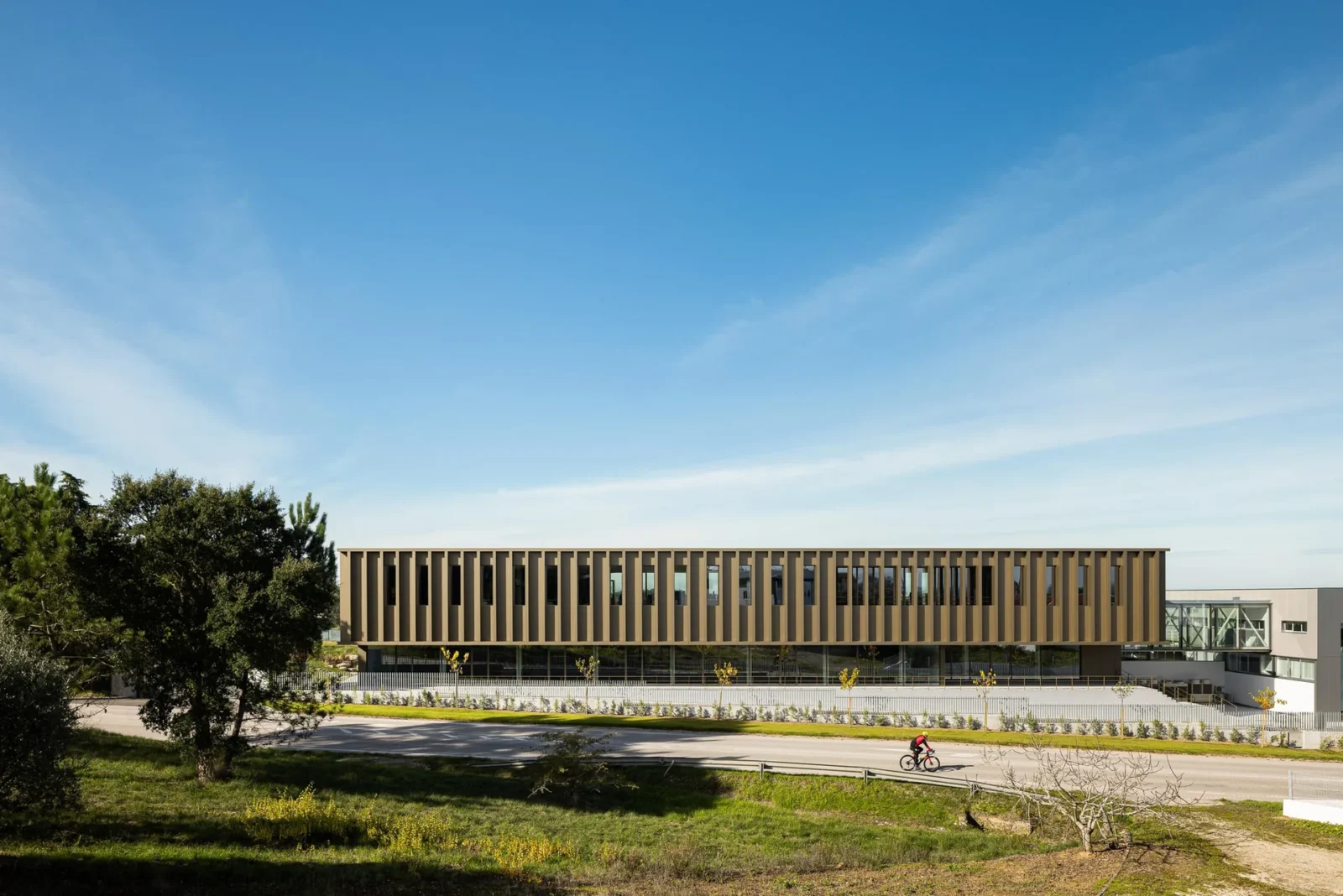
New PRF Headquarters Building by Impare Arquitectura
Impare Arquitectura extend a Leiria gas-solutions company with a volume aligned to...
illustrarch Editoral Team2 Mins read

Mokuzai by IT’S Architecture
Mokuzai by IT'S Architecture is a 7,500 square metre office and health...
illustrarch Editoral Team2 Mins read
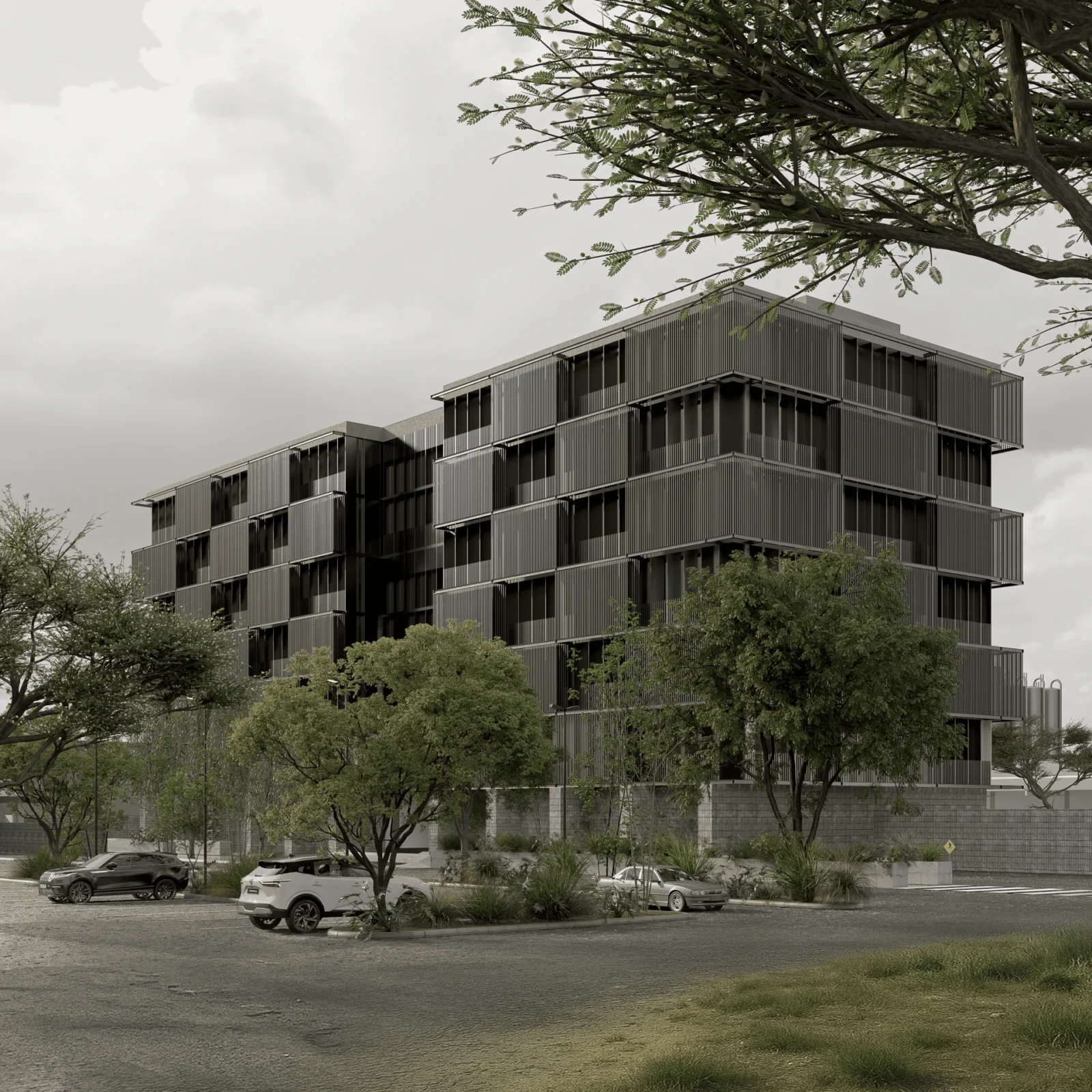
Corporativo MGP by Sensorial Arquitectura
A corporate project exploring the duality between rigidity and softness, seeking a...
illustrarch Editoral Team2 Mins read
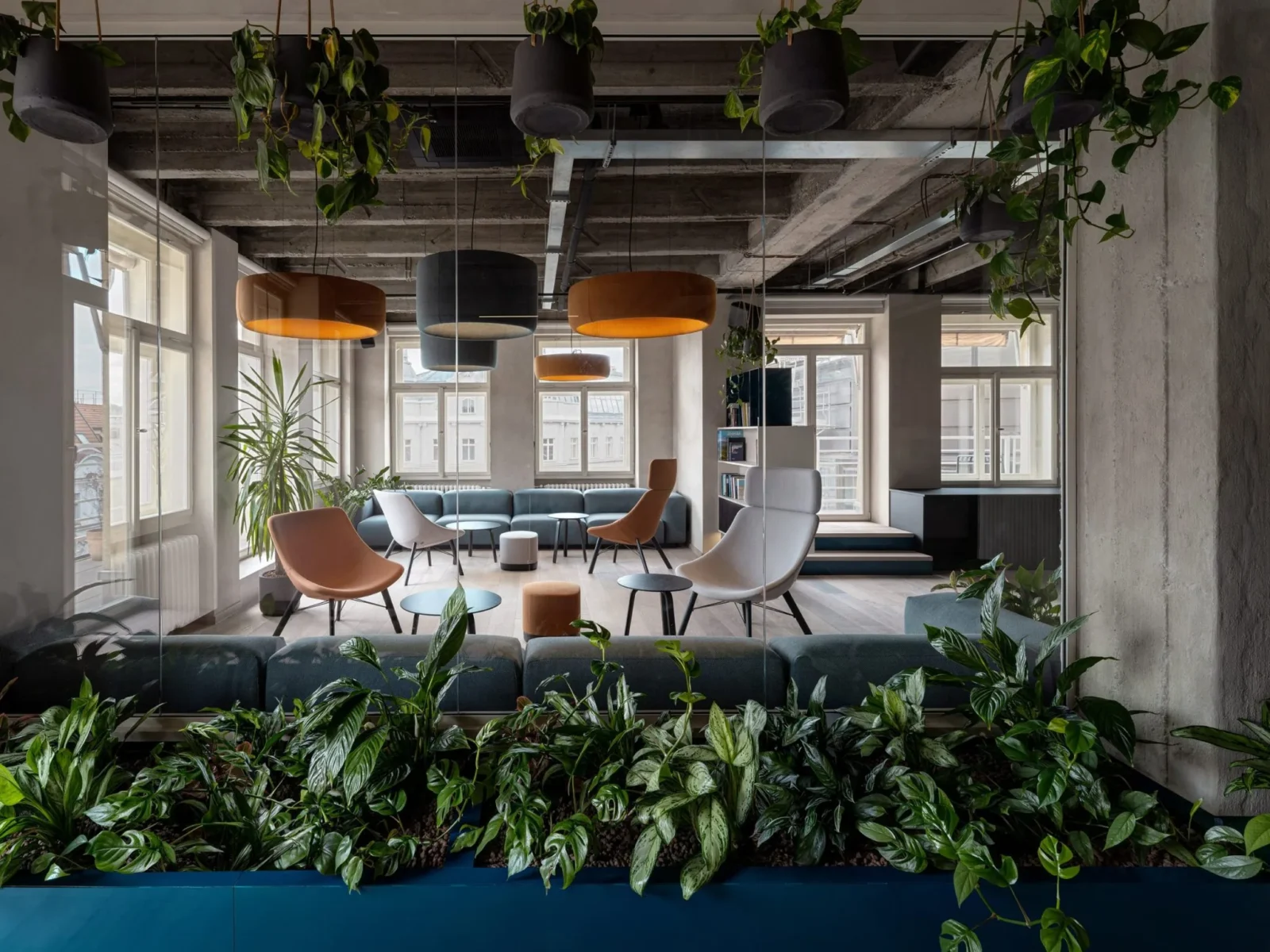
Office That Breathes by archicraft
For the people who work here, the outcome is an office that...
illustrarch Editoral Team2 Mins read


Leave a comment