

Milada Gallery
Milada Gallery, situated on a reclaimed mining site, serves as both an art venue and a memorial, highlighting the transformation of the landscape from extraction to recovery.
 illustrarch Editorial Team19 March 20201 Mins read374


 The gallery is located between the Trmice heating plant and the East end of lake Milada. Inspired by the shape of a historical furnace the mass of the building sits on the slope surrounding the lake – placed there like a giant red sculpture. It´s concrete facade with only a few windows creates tension within the visitor, luring him to come inside. The interior is divided into two main parts. One houses a café and a vertically deployed gallery made to host various art exhibitions and events.
The other part of the building (much larger in volume) showcases a wheel from one of the bucket-wheel excavators used to create the mine pit before it was filled with water. As the onlooker lifts his head, the sky above the wheel opens up and fills the room with unexpected lightness, contrasting the weight of the wheel itself. The wheel, with it´s immense size, suppresses the spectator, making him feel insignificant in the passing of time that turns ordinary objects into historical monuments connecting the past with the present and the future.
As a piece of architecture on a reclaimed mining site, the gallery works as much as a marker of memory as a place to view art. Set against a lake that took nine years to fill, it asks visitors to read the landscape itself as the exhibit: a terrain reshaped first by extraction and then by slow recovery. That layering of industrial past and renewed nature is what gives the small structure its weight.




Santa Catarina Pavilion by Jeferson Branco Arquitetura
The Santa Catarina Pavilion by Jeferson Branco Arquitetura is a 98 m²...
illustrarch Editorial Team3 Mins read
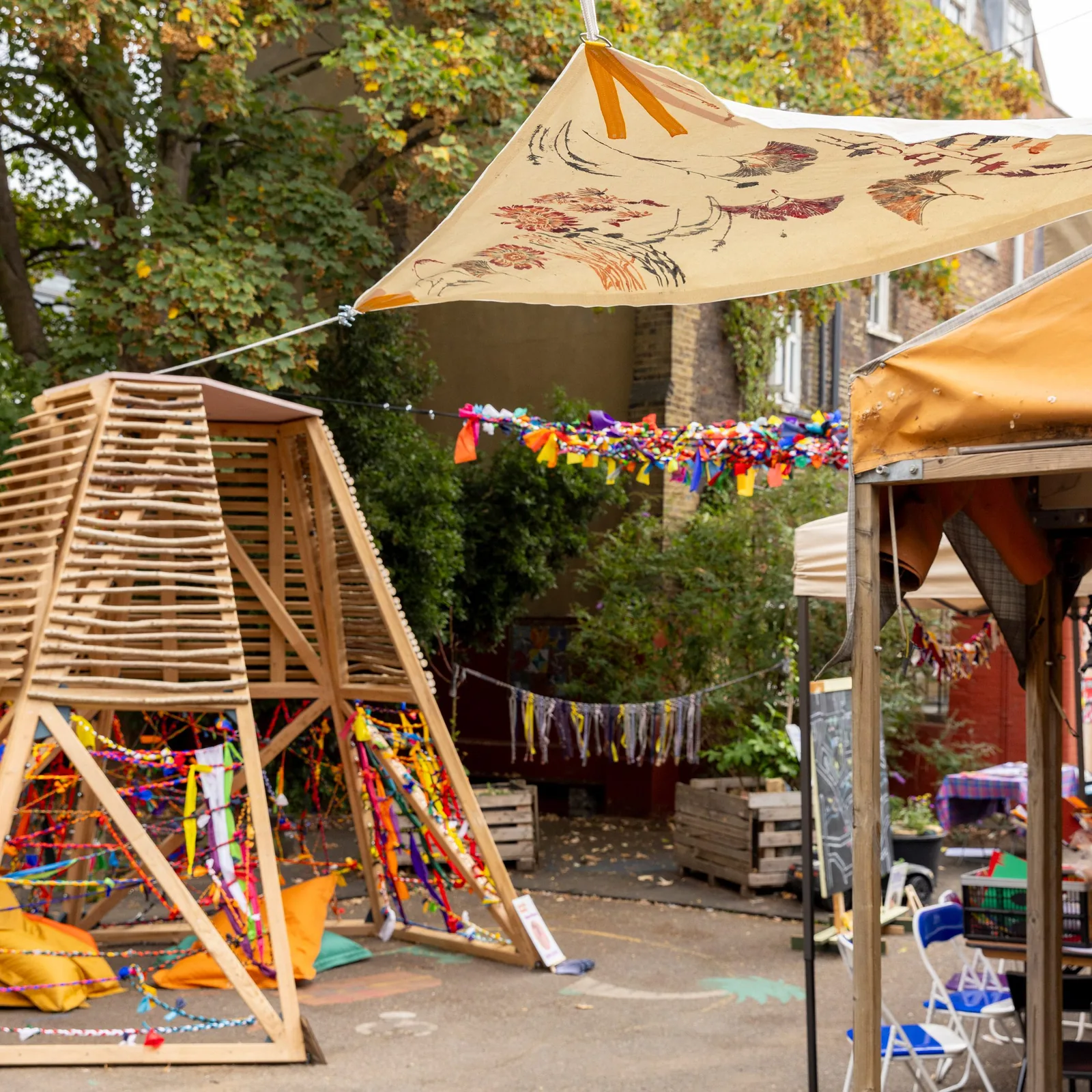
Pearce+ Builds a Guerrilla Shading Pavilion in Camden From Reused Timber
Made from timber reused from earlier projects, Pearce+'s hexagonal Guerrilla Shading Pavilion...
illustrarch Editorial Team1 Mins read

Osaka Expo 2025 Future Life Village Pavilion by KOMPAS
KOMPAS gathers three exhibition programmes and a public toilet block into a...
illustrarch Editorial Team3 Mins read
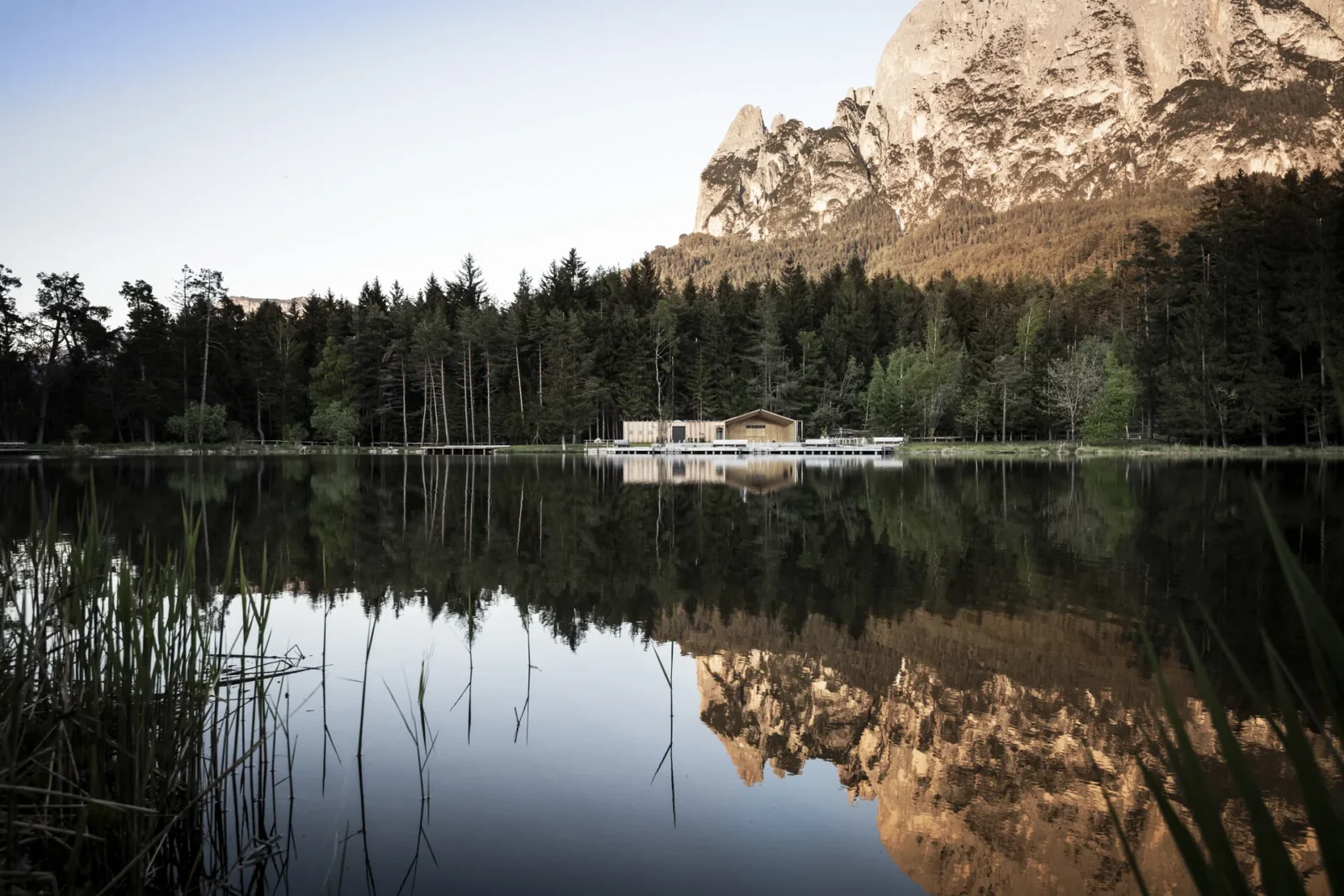
Lake House Völs by NOA
On the Völser Weiher in South Tyrol, NOA replaces an old kiosk...
illustrarch Editorial Team3 Mins read




Leave a comment