

CELL -u- LINK
The Cell-u-Link bridge in Shahama, Abu Dhabi, connects neighborhoods while integrating hydroponic farming to enhance walkability and community interaction in urban design.
 illustrarch Editoral Team23 July 20191 Mins read321


The Cell-u-Link bridge by Shangeda Nasrin reimagines a residential community in Shahama, Abudhabi, where roads dominate the urban fabric and leave the area very less pedestrian friendly and difficult to access across the surrounding highway. The 2019 project proposes a connective structure that links separated neighborhoods while introducing new hydroponic farming facilities along its span, drawing on the region’s strong agricultural identity.
Pedestrian bridges occupy a distinct place in urban design, because they must solve a problem that is at once technical and social. A successful crossing does more than carry people safely over a barrier such as a highway. It invites them to use it, lingers in the daily routine of a place, and stitches together communities that infrastructure has pulled apart. When a bridge feels like a destination rather than a detour, walking becomes the natural choice, and that shift is exactly what car-dominated districts like Shahama need.
Productive infrastructure as a connector
By weaving hydroponics into the crossing, the Cell-u-Link concept turns a piece of circulation into a piece of productive landscape. Soilless growing systems are well suited to harsh climates because they use far less water than conventional cultivation and can be stacked vertically, which makes them a logical fit for a narrow elevated structure in the Gulf. Placing food production at eye level along a public route also gives residents a reason to slow down, gather, and treat the bridge as shared civic space rather than a passage to hurry through.
The wider ambition speaks to how cities in the United Arab Emirates are rethinking the relationship between mobility and community. Reconnecting fragmented neighborhoods and reducing dependence on the car are central goals of contemporary sustainable city thinking, and a project that pairs walkability with local food echoes both priorities at once. Cell-u-Link reads less as a single object and more as an argument that the spaces between buildings can carry real value when they are designed to bring people together. In Shangeda Nasrin’s hands, the humble pedestrian bridge becomes a small piece of city-making with outsized social reach.


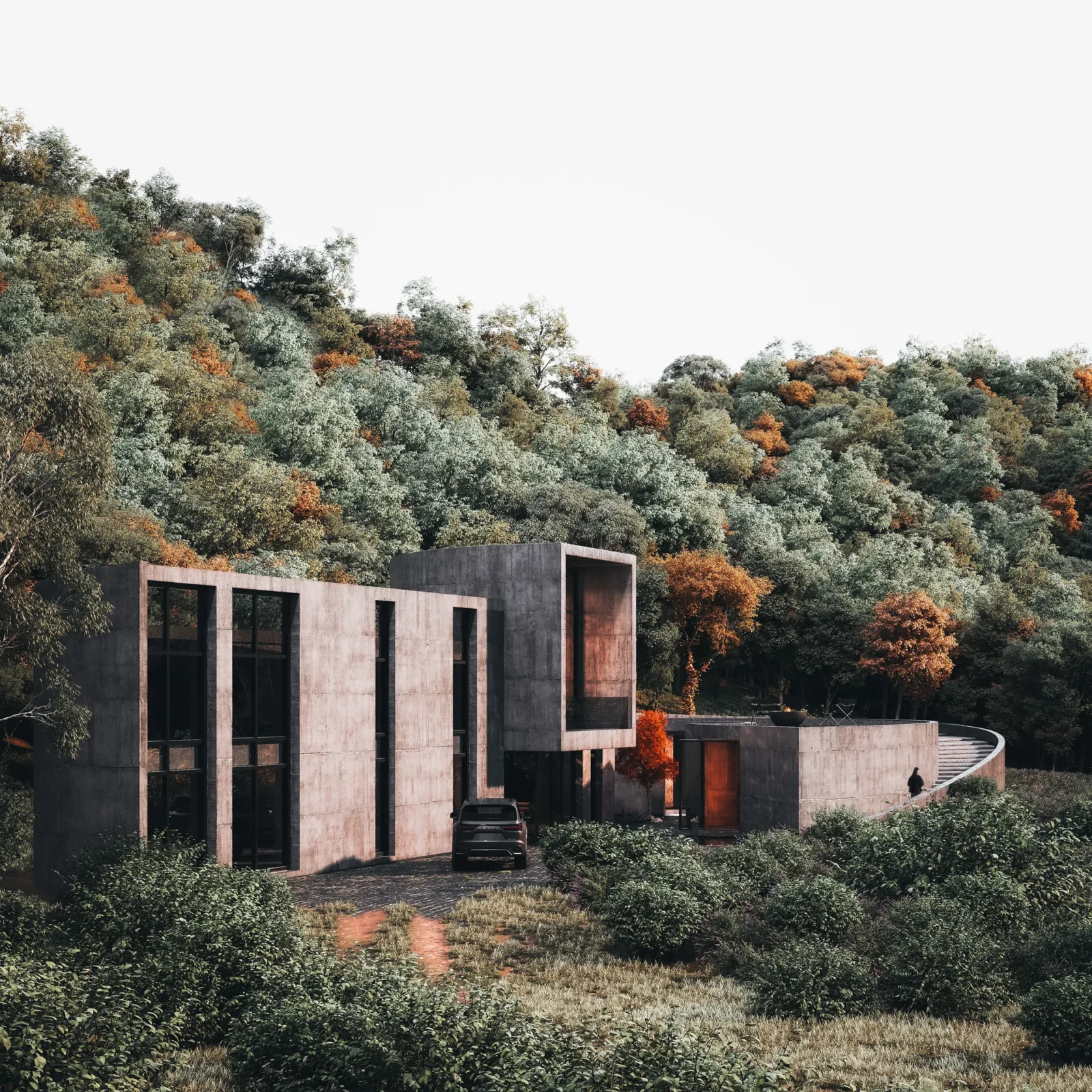
Savan House by Nobico Studio
Savan House is Nobico Studio's unbuilt concept for a forested hillside in...
illustrarch Editoral Team3 Mins read

Renaatus Irumathi
Renaatus Irumathi Residence features 69 spacious apartments designed with contemporary aesthetics, maximizing...
illustrarch Editoral Team2 Mins read
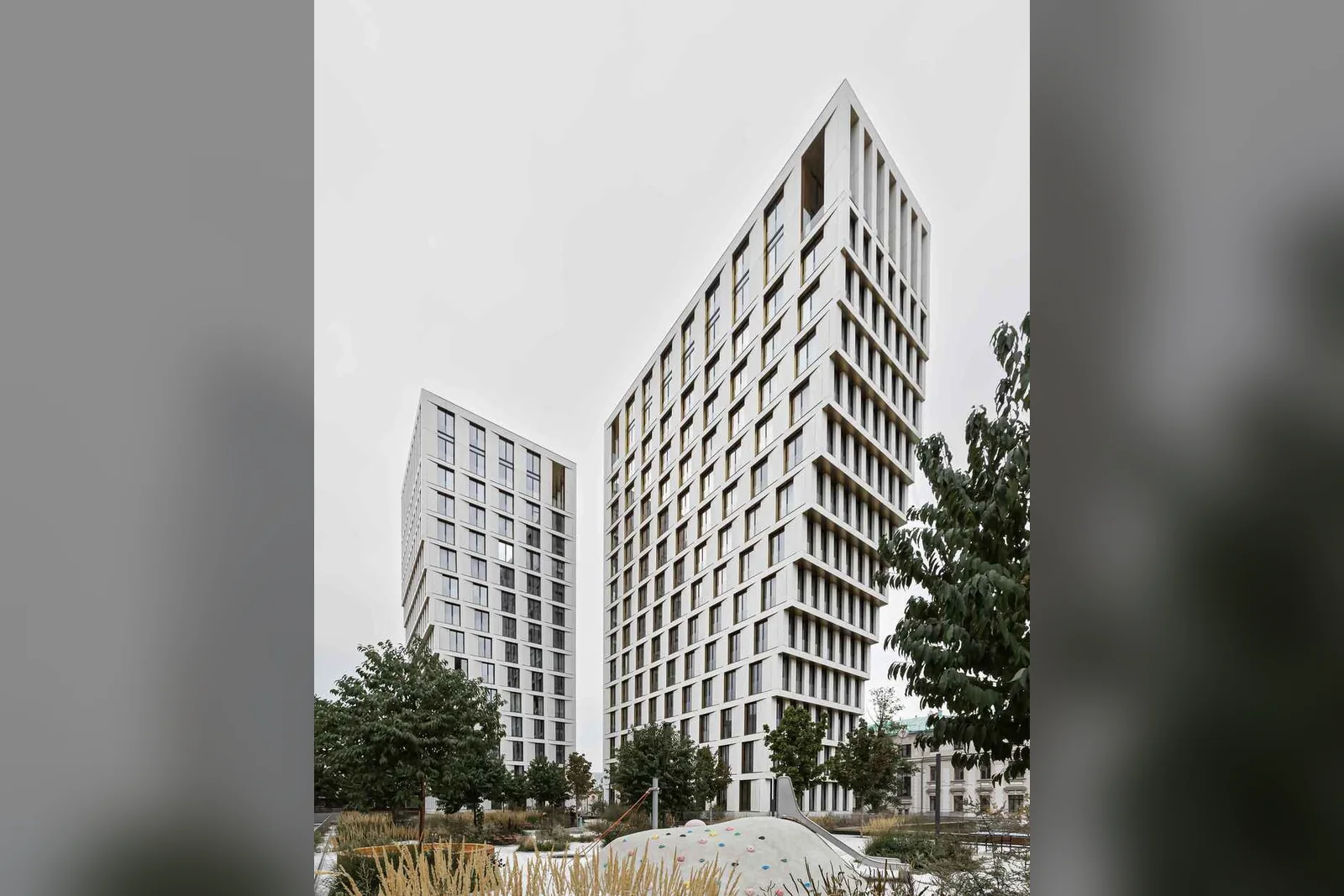
White Khamovniki
White Khamovniki is a residential tower project in Moscow that combines urban...
illustrarch Editoral Team1 Mins read
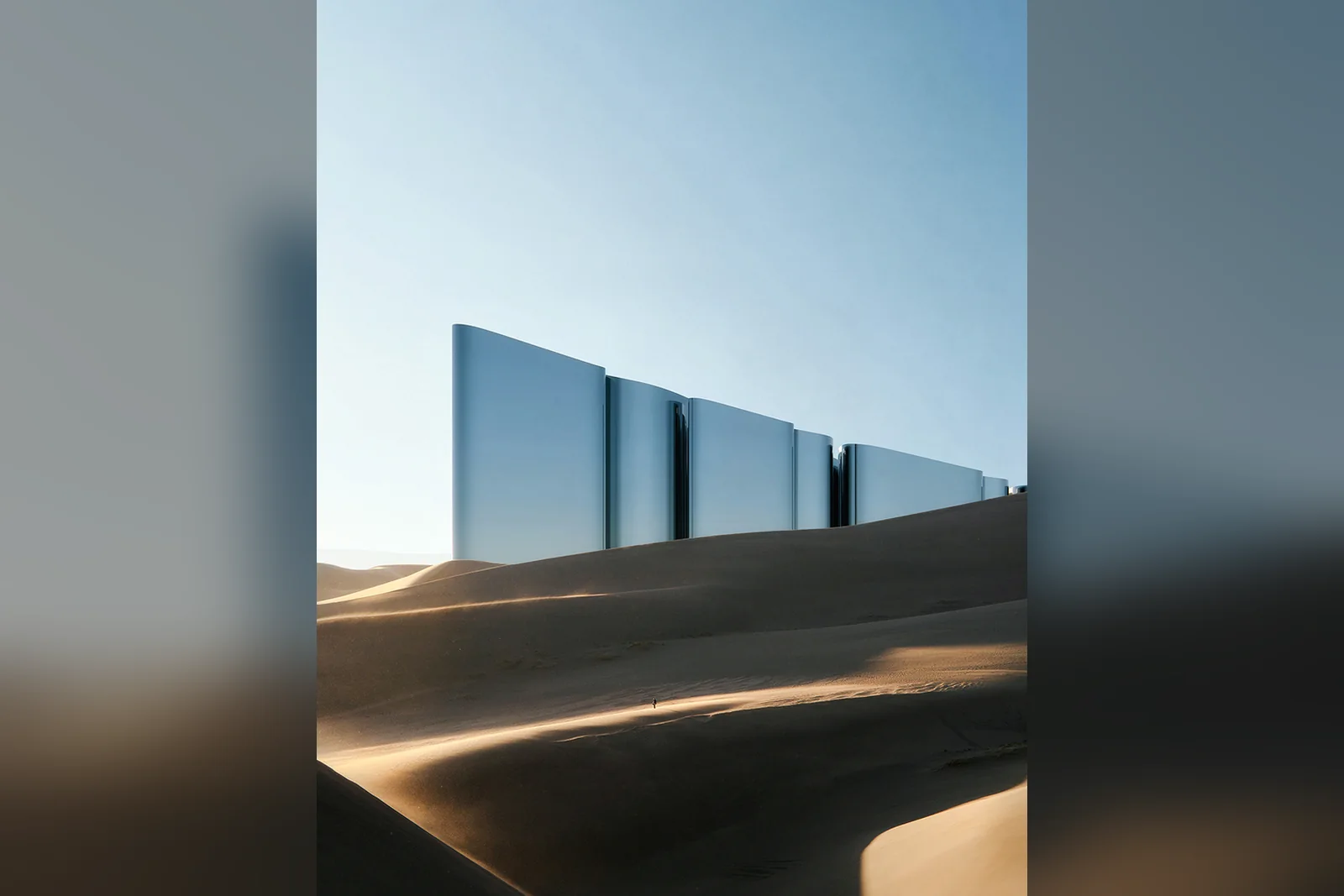
Millennium Horizon
Millennium Horizon is an innovative architectural project in the UAE that uses...
illustrarch Editoral Team2 Mins read


Leave a comment