

Biophilic & Wellness Design
Biophilic design puts human health and nature at the heart of architecture. This category explores wellness focused projects, daylight and greenery strategies, and research on how spaces affect wellbeing. Discover how architects design buildings that reduce stress and reconnect people with the natural world.
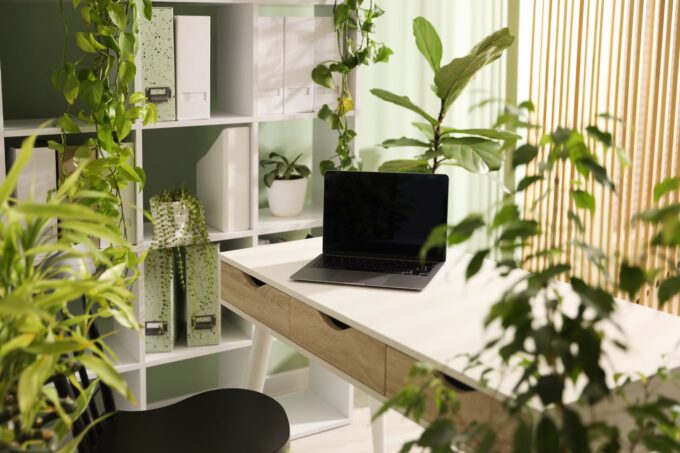
How to Design Spaces That Promote Wellness in Architecture
A practical look at how to design spaces that promote wellness in architecture, covering natural light, biophilic design, air quality, acoustics, and healthy...
 Elif Ayse Sen7 Mins read

15 Wellness Essentials to Survive Architecture School Stress
Architecture school is physically and mentally demanding, with long studio hours, constant critiques, and tight deadlines. These 15 wellness essentials cover sleep protection,...
 Furkan Sen15 Mins read

World Health Day: How Architecture Supports Health and Well-Being
Marked annually on April 7, World Health Day reminds us that health begins in the spaces we inhabit. This article examines how well-being...
Elif Ayse Sen10 Mins read

Architecture Students Mental Health: What the Numbers Really Reveal
Research consistently shows that architecture students experience depression, anxiety, and burnout at rates that far exceed the general college population. This report unpacks...
Furkan Sen9 Mins read

7 Mental Health Must-Haves for Late-Night Studio Sessions
Late-night studio sessions are common in architecture school, but without healthy habits they can take a serious toll on mental well-being. From setting...
 Begum Gumusel8 Mins read

Biophilic Bliss: How to Merge Your Next Bathroom Renovation with a Modern Garden Sanctuary
Biophilic design principles can transform bathroom renovations into serene garden sanctuaries by integrating natural elements and enhancing the connection to the outdoors.
 Bahattin Duran3 Mins read

Benefits of a Tiny House: Cost, Eco & Well-Being Guide
Explore the key benefits of a tiny house, including significant cost savings, lower environmental impact, enhanced well-being, and the freedom of a minimalist...
 Muhammad Abdullatef - Tifa Studio7 Mins read

HEALING GARDENS – Designing Spaces for Wellness and Reflection
This competition challenges architects and landscape designers to envision gardens as therapeutic environments, where nature, space, and sensory experience promote wellness and recovery.
Bahattin Duran4 Mins read


