

Global Tile Trends Designers Should Know in 2026
From the warm terracotta and olive palettes replacing cool grays to the tactile 3D surfaces and zellige-inspired glazes spotted at Cersaie 2025, this guide covers the eight most significant global tile trends shaping bathroom, kitchen, and floor tile design in 2026 with real project examples and practical specification advice.
 Sinan Ozen14 May 20268 Mins read64
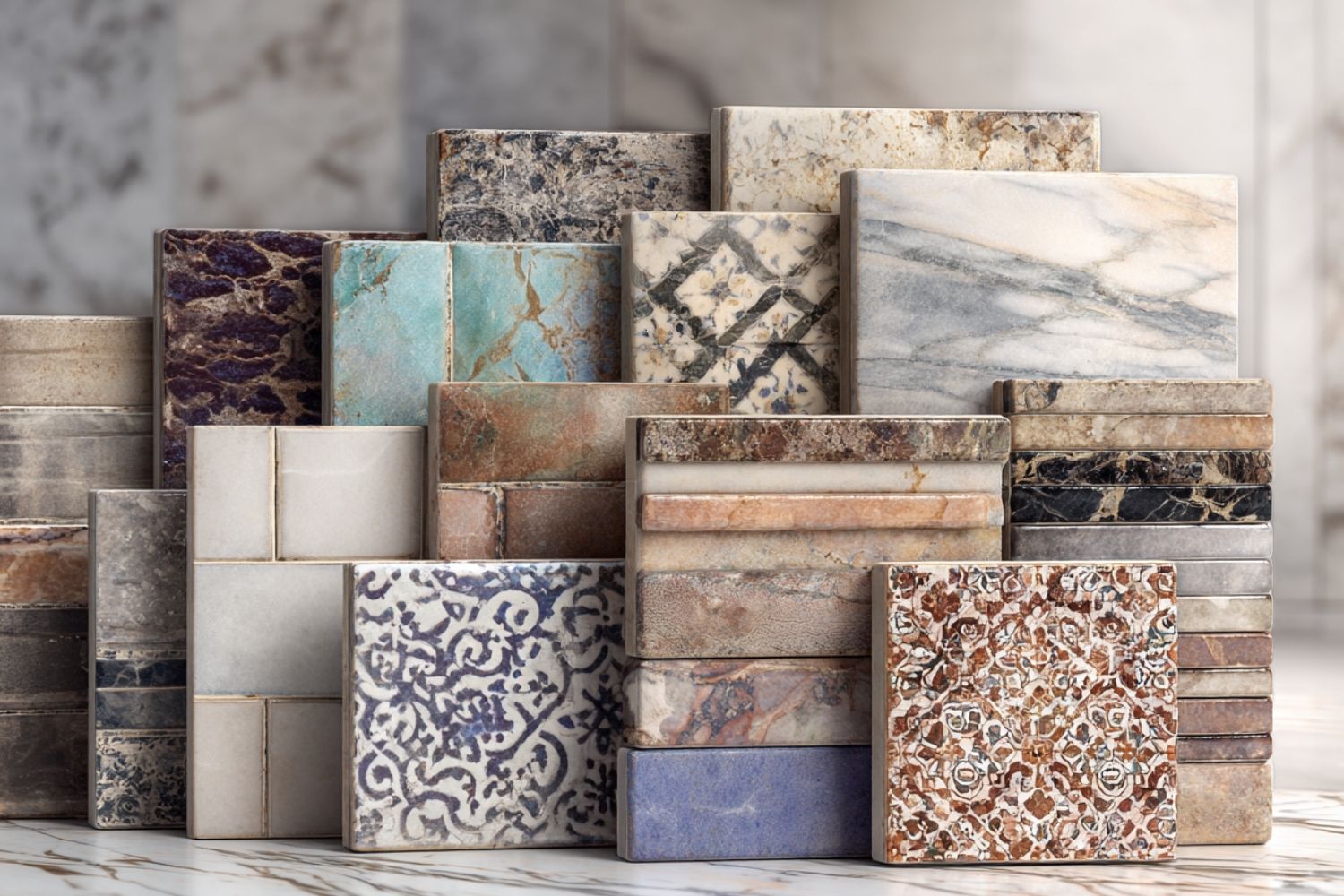
Table of Contents Show
Global tile trends in 2026 center on warm earthy palettes, tactile three-dimensional surfaces, handcrafted irregularity, and large-format porcelain slabs that wrap entire rooms with minimal grout lines. Designers worldwide are moving away from cool grays and stark whites toward richer, more emotionally driven material choices that blend sensory texture with sustainability.
The tile industry is in the middle of a significant design shift. Signals from Cersaie 2025 in Bologna, the world’s largest ceramic tile exhibition, confirm that surface design is no longer just about appearance. Tiles now need to feel good, perform well, and carry a story. For architects, interior designers, and specifiers tracking the latest trends in bathroom tiles and floor coverings, the direction is clear: warmth, craft, and environmental responsibility define the year ahead. Here is a practical breakdown of the tile trends shaping projects across residential, commercial, and hospitality sectors in 2026.
Warm Earthy Color Palettes Replace Cool Grays
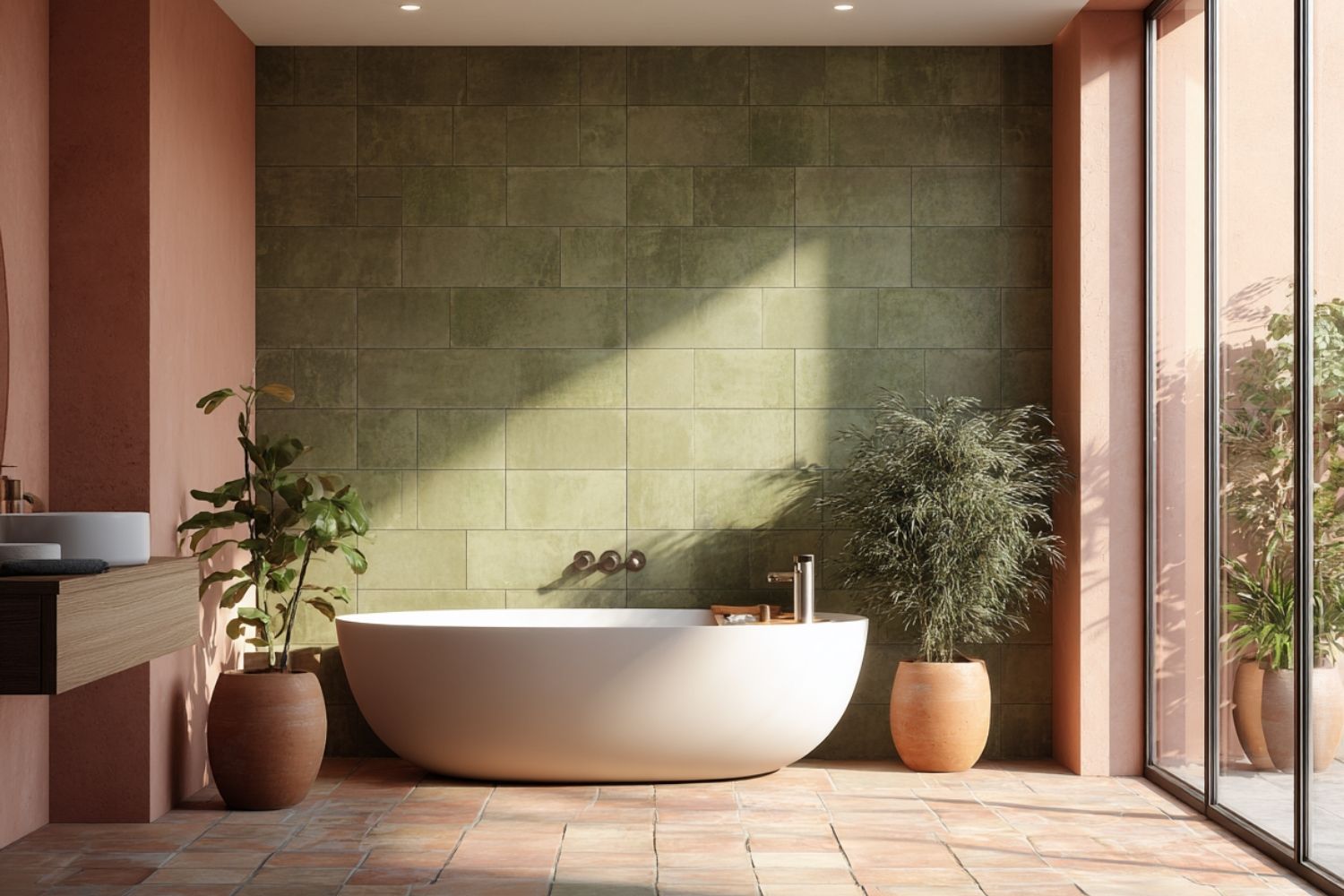
The shift away from cool-toned neutrals has been building for several years, but 2026 marks the tipping point. Warm beiges, terracotta, ochre, olive green, mocha, and deep chocolate brown are replacing the millennial grays that dominated the previous decade. Pantone’s 2026 Color of the Year, Cloud Dancer (PANTONE 11-4201), reinforces this direction with a soft, luminous white that pairs naturally with warmer undertones. Italian design commentators are calling this palette shift “New Nostalgia,” and it directly influences both bathroom tile trends 2026 and kitchen surfaces.
These warmer hues work across nearly every application. In bathrooms, muted terracotta and sand tones create a spa-like atmosphere without the clinical feel of all-white schemes. For kitchen backsplashes, olive greens and creamy ivories introduce personality while staying versatile enough for resale. The key is layering tones within the same color family rather than using a single flat shade, which gives walls and floors depth and visual interest.
💡 Pro Tip
When specifying warm-toned tiles for a bathroom, request physical samples and view them under the actual lighting conditions of the space. Warm beige tiles can shift toward pink or yellow under certain LED temperatures. Testing at 3000K and 4000K light sources before final selection prevents costly mismatches after installation.
Tactile and Three-Dimensional Surfaces
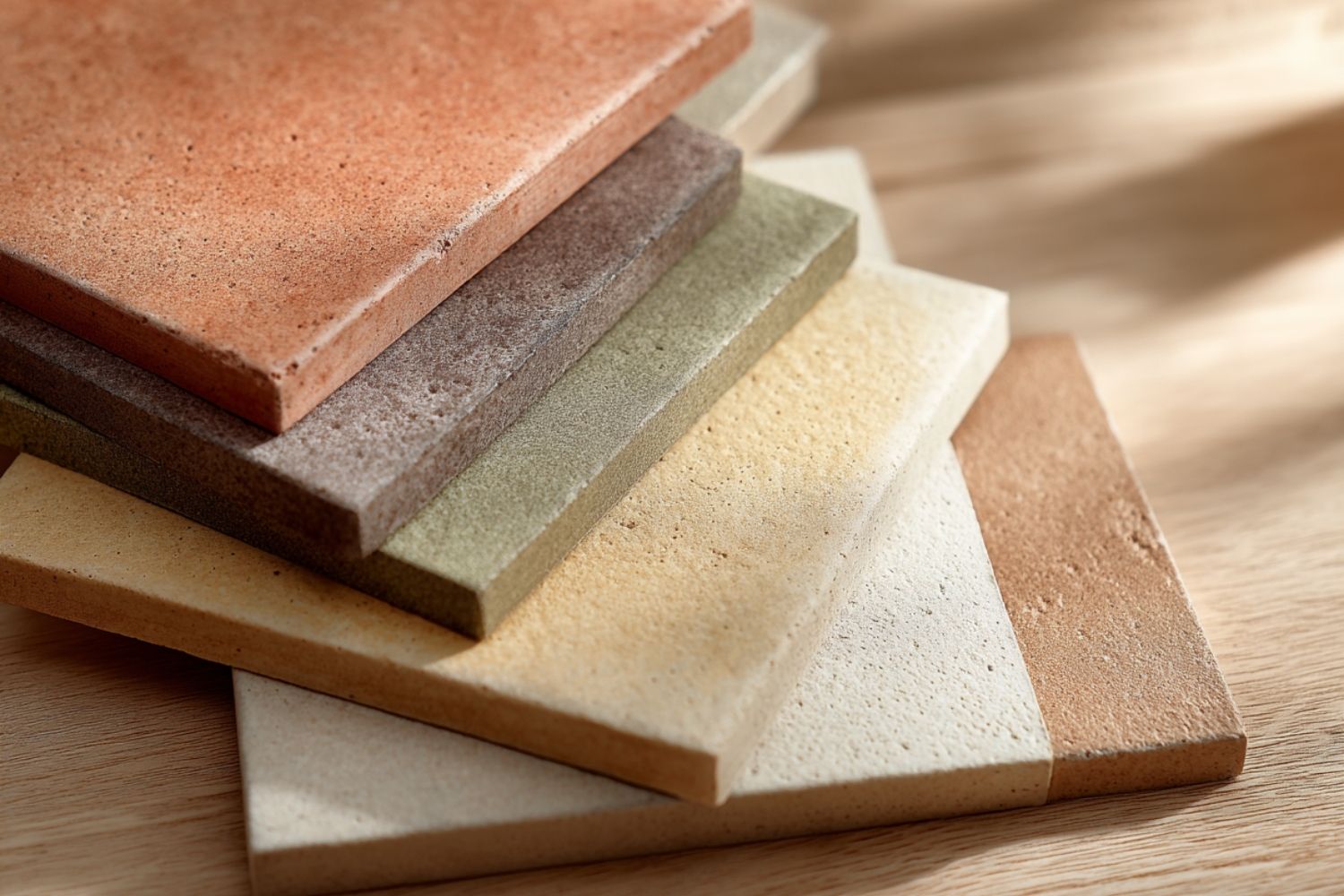
Flat, glossy finishes are giving way to surfaces that invite touch. Ribbed, fluted, sculpted, and relief textures were one of the strongest signals at Cersaie 2025, where manufacturers prioritized finishes that interact with light and shadow throughout the day. This trend responds to a growing preference for spaces that feel authentic and grounded rather than sterile. Collections like Ceramiche Refin’s Moon series, which features mineral inclusions on a smooth base with shimmering iridescent tones, represent this direction well.
For bathroom tile trends, three-dimensional wall tiles are especially effective behind freestanding tubs or in shower niches, where they create focal points without needing bold color. In kitchens, vertically ribbed tiles on a range hood surround or behind open shelving add architectural interest. These textured surfaces also offer practical benefits in wet areas because micro-relief patterns naturally improve grip and slip resistance.
What Are the Biggest Kitchen Tile Trends for 2026?
Kitchen tile trends 2026 center on zellige-inspired handcrafted looks, checkerboard patterns in muted tones, and large-format porcelain slabs for countertops and backsplashes. The kitchen is where several of this year’s strongest tile directions converge.
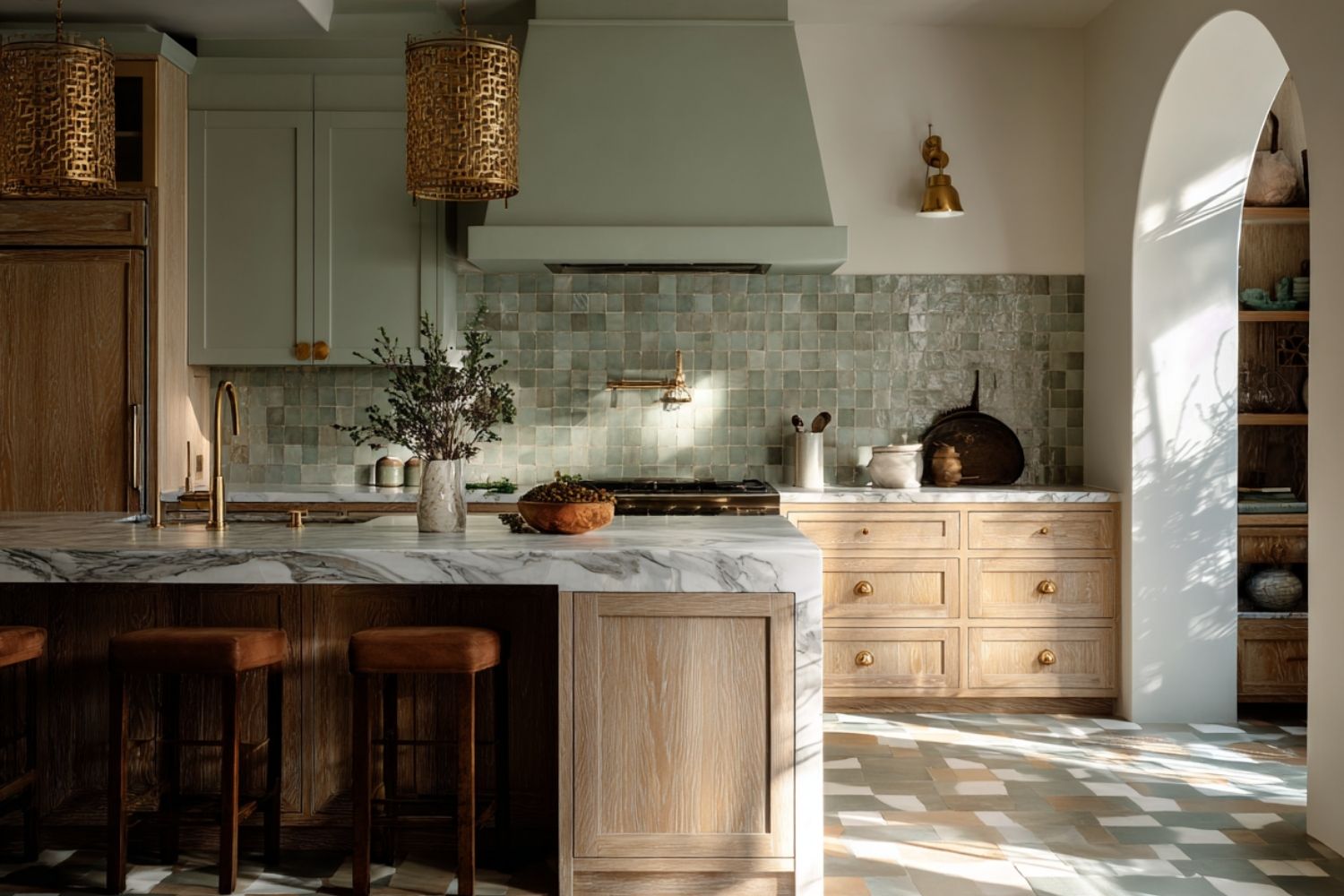
Zellige tiles, originally from Morocco, have moved from niche to mainstream. Their slightly irregular surfaces, varied glaze depths, and handmade character bring a sense of craft to modern kitchens. Manufacturers like MSI Surfaces now offer porcelain interpretations with curved, natural shapes that capture the zellige look at a lower price point and with easier maintenance. These work particularly well on backsplashes where the light catches each tile’s subtle surface variation.
Checkerboard patterns are back, too, but with a 2026 twist. Instead of high-contrast black and white, designers are using tone-on-tone versions in stone-effect finishes, muted sage-and-cream combinations, or warm brown-and-ivory pairings. This gives the classic pattern a softer, more contemporary feel that works in both traditional and modern kitchen design settings.
🎓 Expert Insight
“Pattern is coming back in a big way. From checkerboards to mosaics and more unexpected layouts, people are getting more confident about using tile to make a statement.” — Jamie Banfield, Interior Designer
This observation reflects a broader cultural shift in tile selection. Homeowners and designers are moving past safe, minimal choices and treating tile as an expressive design element rather than just a background material.
Large-Format Porcelain Slabs Keep Growing
Large-format porcelain tiles continue to gain ground for their ability to create visual continuity with minimal grout lines. Slabs measuring 120×278 cm and beyond allow designers to wrap floors, walls, countertops, and even furniture in a single material, producing a clean, uninterrupted look. This is particularly popular in open-plan living spaces where a continuous floor tile surface visually connects the kitchen, dining, and living areas.
The practical benefits go beyond aesthetics. Fewer grout lines mean less maintenance, faster cleaning, and reduced risk of mold buildup in wet areas. For modern bathroom designs, a single large slab behind a vanity or inside a walk-in shower eliminates the busy look of smaller tiles and creates a hotel-like finish. However, installation requires specialized equipment and experienced crews, which adds to project costs.
⚠️ Common Mistake to Avoid
Many homeowners assume they can install large-format porcelain slabs as a DIY project. These panels require suction-cup lifting rigs, perfectly level substrates, and epoxy-based adhesives. Attempting installation without specialized tools and training frequently results in cracked slabs, uneven surfaces, and costly rework. Always hire certified large-format tile installers.
Bathroom Tile Trends: Deeper Colors and Vintage Revivals
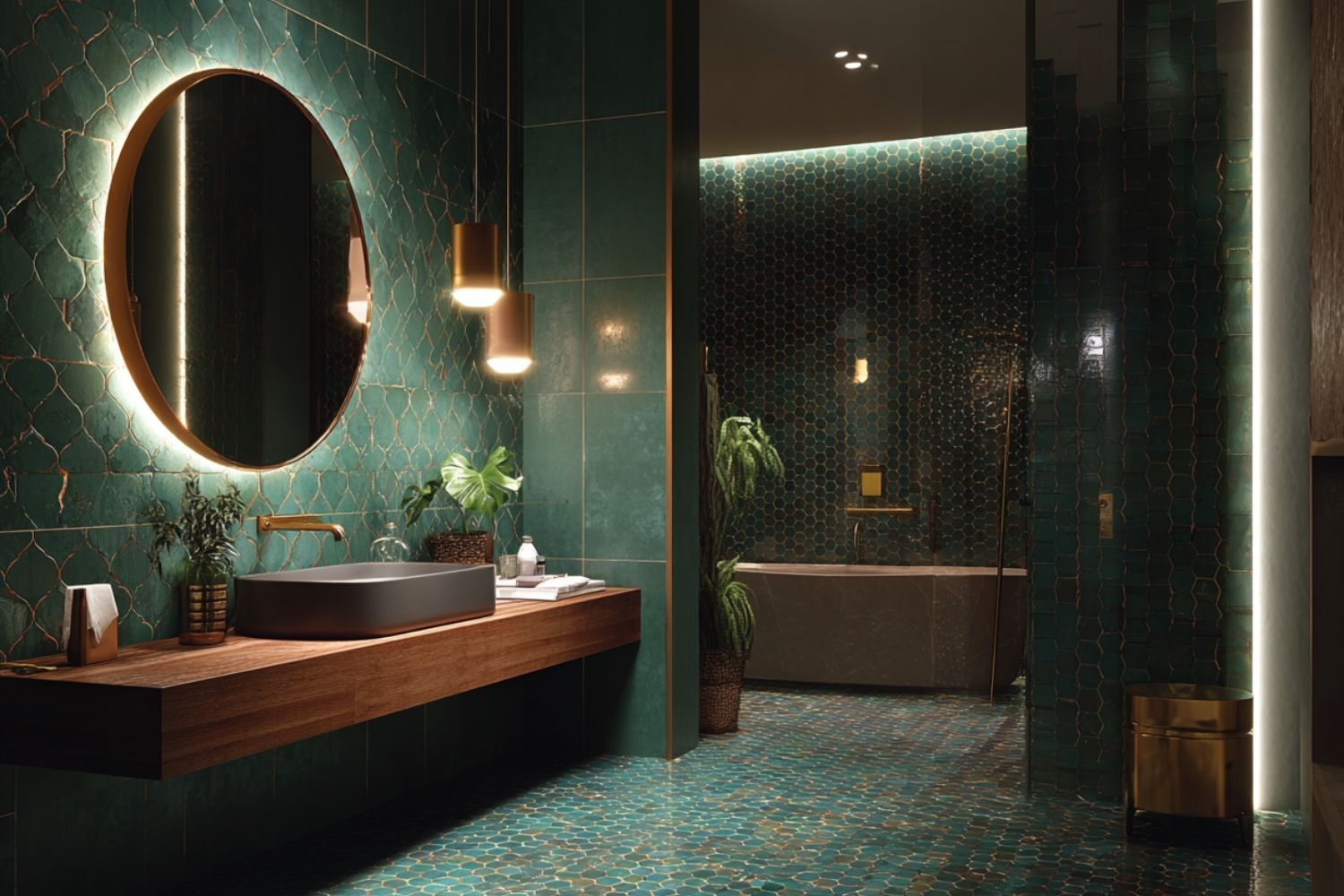
The all-white bathroom is losing its dominance. Bathroom tile trends 2026 favor deeper, earthier palettes: garnet, forest green, petrol blue, and rich brown tones are appearing in shower enclosures, floor-to-ceiling feature walls, and vanity surrounds. Fireclay Tile’s Original Ceramic collection in Garnet Gloss, for example, has become a designer favorite for creating moody yet warm bathroom atmospheres.
A parallel trend is the vintage bathroom revival. Pink, mint, and sage green tiles, once considered dated, are returning with updated proportions and finishes. Small-format tiles like 1×1 squares, penny rounds, and 2-inch hexagons are being specified for bathroom floors and shower pans, where their finer grout lines create visual texture without overwhelming compact spaces. This pairs well with floating vanities and indirect LED lighting, both of which are standard in contemporary bathroom design.
Color drenching, the technique of bathing an entire room in a single hue across walls, ceiling, and trim, is also influencing how tiles are specified. Rather than using tile only on the shower wall, designers are extending a single tile color across all surfaces for an immersive, spa-like effect.
Sustainability Becomes a Baseline Requirement
Sustainability in the tile industry has moved from marketing differentiator to baseline expectation. At Cersaie 2025, Spanish manufacturers demonstrated thin-gauged porcelain formats as slim as 6mm that reduce raw material use, shipping weight, and carbon footprint without sacrificing strength. Italian producers are adopting low-energy kilns, water recycling systems, and waste-based raw material mixes at the factory level.
For designers, this means that specifying sustainable tiles no longer requires trade-offs in appearance or performance. Recycled content in porcelain bodies, natural binders instead of harmful adhesives, and digital printing that reduces glaze waste are all standard in many European product lines. Material innovation in tiling now also includes glass tiles with up to 70% recycled content and porcelain tiles made from scrap materials of previous production runs.
🔢 Quick Numbers
- The global ceramic tiles market is projected at approximately $212 billion in 2025, growing at a CAGR of around 7% through 2030 (Mordor Intelligence, 2025)
- Porcelain tiles held 52.4% of the global ceramic tile market share in 2025 (Grand View Research, 2025)
- Asia Pacific accounted for approximately 55% of worldwide tile production and consumption in 2024 (Precedence Research, 2025)
How Tile Patterns Are Evolving in 2026
Pattern is staging a confident comeback across both floor and wall applications. Beyond the checkerboard revival in kitchens, designers are mixing and matching formats within single projects: pairing large marble-look slabs with geometric mosaics, combining decorative 3D tiles with classic rectangular formats, or using terrazzo-inspired porcelain as a counterpoint to solid-color walls.
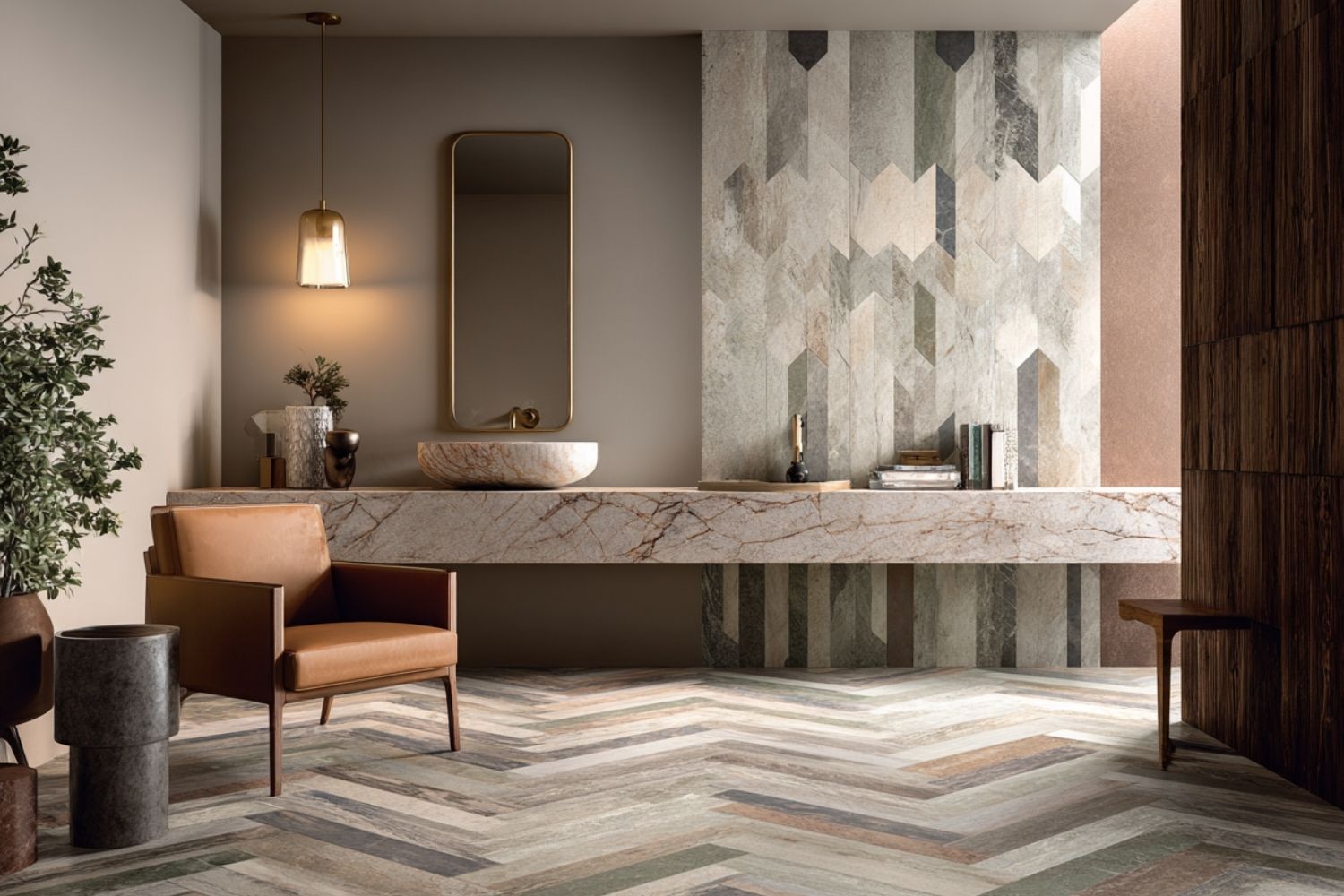
Tile trends in pattern also include a return to herringbone and chevron layouts, but with updated proportions. Elongated formats in 4×16 or 3×12 sizes give these classic arrangements a more contemporary look, especially when installed in patterns that influence the spatial flow of a room. Diagonal herringbone on a bathroom floor, for instance, can make a narrow space feel wider. Vertical herringbone on a kitchen backsplash draws the eye upward and adds perceived height.
Terrazzo-effect tiles are another growing category. These porcelain reproductions of traditional terrazzo offer the look of embedded stone, glass, and marble chips with better durability and easier maintenance than poured-in-place terrazzo. Warm, earthy colorways are especially popular, aligning with the broader shift toward natural, grounded aesthetics.
🏗️ Real-World Example
Ceramiche Keope CottoMilano Collection (Cersaie 2025): Inspired by Milan’s historic Fornace Curti, this collection recreates authentic terracotta scratches on porcelain surfaces with ultra-matt, velvety finishes. Available in six colorations from warm Mattone to neutral Talco and in formats from 120×120 cm down to 6×24 cm decorative strips, it demonstrates how digital manufacturing can reproduce centuries-old craft at commercial scale with anti-slip properties included.
Video: 2026 Top Ten Tile Trends
Interior Design Magazine’s Helene Oberman partnered with Alena Capra, Coverings spokesperson, to present the top ten tile trends of 2026, covering directions from metallic details to organic minimalism.
Floor Tile Trends: Wood Looks and Matte Finishes
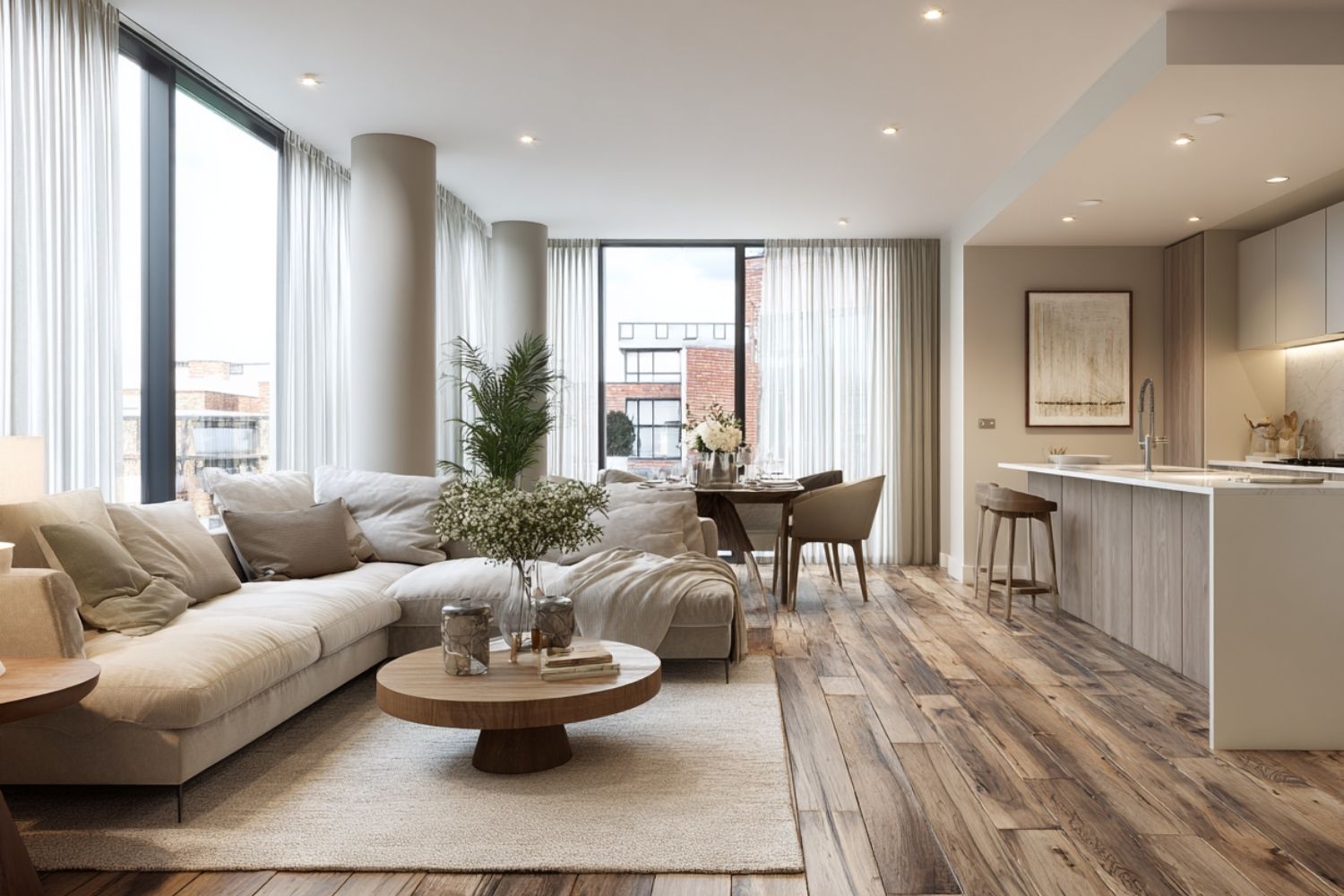
Wood-look porcelain tiles remain one of the strongest categories in floor tile trends for 2026, but the aesthetic is evolving. Rather than smooth, uniform planks, the market is moving toward raised wood-grain textures with natural knots, distressed surfaces, and tonal variation that closely replicate real hardwood. These tiles deliver the visual warmth of timber with the water resistance and durability of porcelain, making them suitable for bathrooms, kitchens, and even outdoor terraces where real wood would fail.
Matte finishes continue to outpace glossy options across all tile flooring trends. Matte surfaces hide scratches and dirt more effectively, reduce glare, and contribute to the calm, understated aesthetic that defines much of 2026’s design language. Ultra-matt technologies, like those used in Ceramiche Keope’s Moov Up collection, create a velvety touch that feels warm and refined underfoot. This finish works equally well in small floor spaces and large open-plan areas.
💡 Pro Tip
When selecting wood-look porcelain for open-plan spaces, choose tiles from the same production batch and lay samples across both sunlit and shaded areas of the floor. Variations in digital printing mean that tiles from different batches can show noticeable color differences once installed across a large surface.
Handcrafted and Artisan Tile Is Gaining Momentum
Mass-produced uniformity is losing appeal. Trends in tile for 2026 favor surfaces that show the hand of the maker: slight irregularities, varied glaze depths, kiln-fired color variation, and artisan motifs. This aligns with a broader cultural move toward personalized, human-centered interiors that feel lived-in rather than staged.
High-variation glazes, where no two tiles look exactly alike due to kiln chemistry, are particularly popular in bathroom and kitchen applications. Manufacturers like Fireclay Tile and Bedrosians are producing collections where each tile has unique tonal depth, replicating the character of traditional hand-glazed ceramics. Mosaic formats in small sizes (1×1, penny round, 1-inch hexagon) are also seeing a revival as accent elements in shower floors, backsplashes, and powder rooms.
Final Thoughts
✅ Key Takeaways
- Warm earthy palettes (terracotta, olive, mocha, chocolate brown) are replacing cool grays across bathroom, kitchen, and floor tile applications in 2026.
- Three-dimensional, tactile surfaces and handcrafted irregularity are the strongest aesthetic signals from Cersaie 2025, pointing toward tiles that engage touch as well as sight.
- Large-format porcelain slabs continue to grow, but require specialized installation expertise and budget planning for lifting rigs and epoxy adhesives.
- Checkerboard patterns, zellige-inspired glazes, and small-format mosaics are all staging confident comebacks with updated color palettes and proportions.
- Sustainability has become a baseline standard in European tile manufacturing, with thin-gauged formats, recycled content, and low-energy production now widely available.
The global tile trends shaping 2026 share a common thread: design choices that prioritize sensory experience, material honesty, and long-term value over short-lived novelty. Whether you are specifying tiles for a functional bathroom renovation, a kitchen redesign, or a commercial hospitality project, the strongest moves this year involve surfaces that look real, feel good, and hold up over decades of use. The tiles that define 2026 are not about following a trend cycle. They are about making material choices that still look right ten years from now.






The Power of Ambience: Role of Restaurant Design on Customer Experience
A restaurant's ambience, its lighting, layout, and decor, quietly shapes how guests...
 illustrarch Editoral Team2 Mins read
Color Forecast 2026: Tile Palettes Influencing International Design
Warm earth tones, soft whites like Pantone's Cloud Dancer, and grounded greens...
Sinan Ozen5 Mins read
Porcelain vs Ceramic Tiles: Which One Should Architects Specify?
A side-by-side breakdown of porcelain and ceramic tile covering water absorption rates,...
 Furkan Sen6 Mins read
The Impact of Japanese Minimalism on Global Tile Aesthetics
A look at how centuries-old Japanese design principles, from wabi-sabi imperfection to...
Furkan Sen7 Mins read


Leave a comment