

Top Modern and Stylish Bathroom Architectures In 2026
In 2026, bathroom architecture emphasizes wellness through spa-inspired layouts, minimalist designs with softer geometry, and the integration of functional storage solutions.
 Bahattin Duran17 December 20255 Mins read188
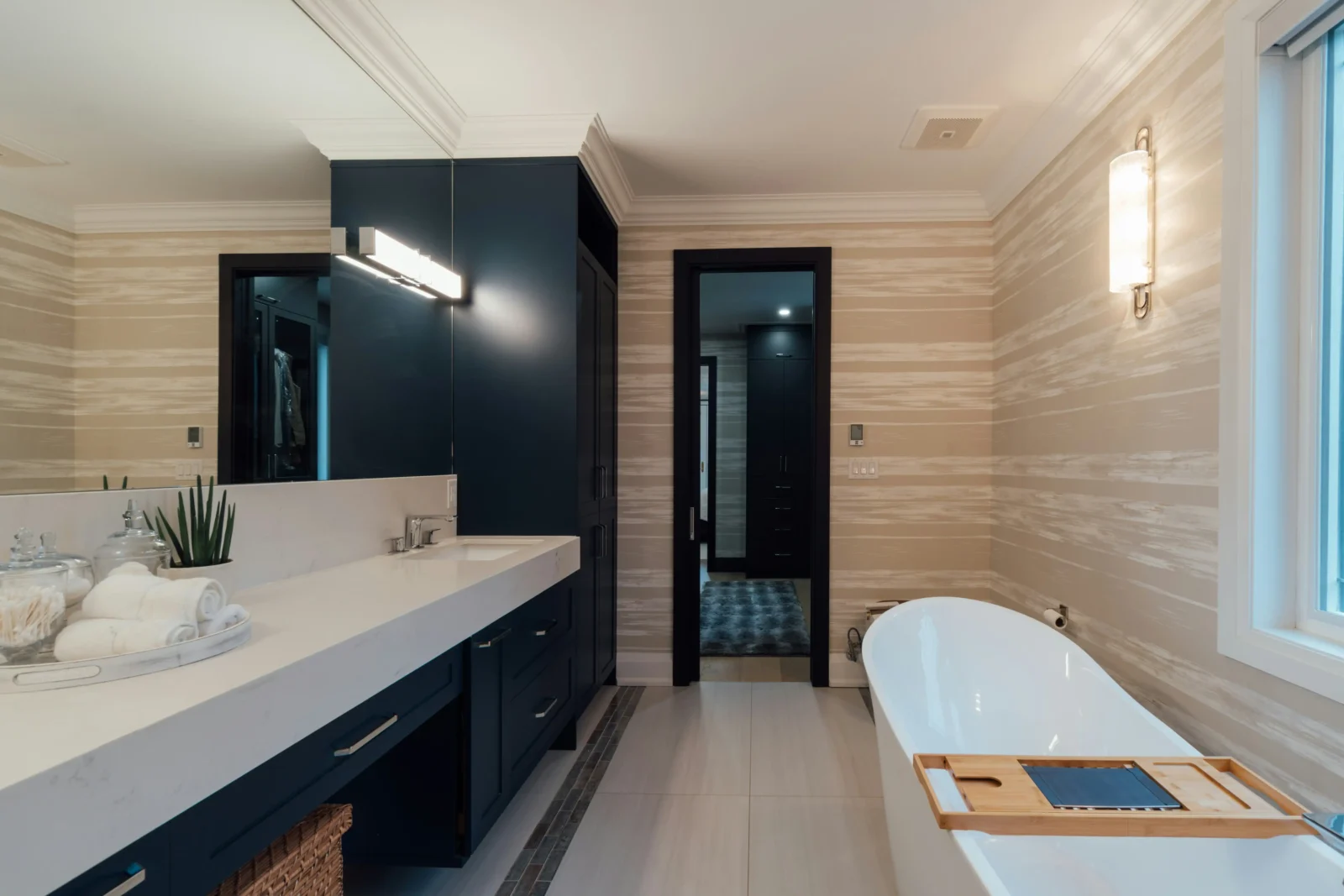
Table of Contents Show
Bathroom design, much like other aspects of interior design, is always changing with the times. In the last few years, we have seen a rise in minimalist and monotone designs that aim to maximize space and reduce clutter (both physical and visual).
On the other hand, uber luxurious designs were also quite prevalent. They made everything look expensive, exquisite, and purposeful. In 2026, however, the trend is changing once again. Nowadays, things like materials, wellness, and how each part of the bathroom is used are more important than any individual design aspect.
Let’s see how designers and architects are tackling these aspects of bathroom design in 2026 and how you, too, can apply them during your remodel.
Architectural Minimalism With Softer Geometry
Minimalism is still prevalent; it’s just that the individual design choices used to achieve it have changed a bit. Previously, minimalist designs were too clinical. They used sharp corners and used mostly white or steel-like colors. The outcome was a very sharp and harsh look.
In 2026, minimalism is achieved using the following elements instead:
- Gently curved walls instead of hard 90‑degree corners
- Rounded floating vanities and sculptural tubs
- Integrated storage concealed behind flush panels
The gentle curves and sculptural features help provide a softer look while still maintaining the minimalist aspect. Curves also have the advantage of guiding your movement and vision, so architects use them to create functional spaces. They are also less prone to causing injury, which is great for all types of bathroom users.
Spa‑Inspired Layouts That Prioritize Wellness
Another aspect of modern bathroom design is making them feel like a wellness center. A bathroom is no longer just a place to do nature’s business and then leave. It is a place to relax, unwind, and take care of yourself.
That’s why layout strategies, materials used, and overall design are transforming to achieve that wellness/spa-like experience. One of the most important aspects of providing that experience is the layout of the bathroom. So, in light of that, popular layout strategies in 2026 include the following:
- Wet‑room concepts with open shower zones
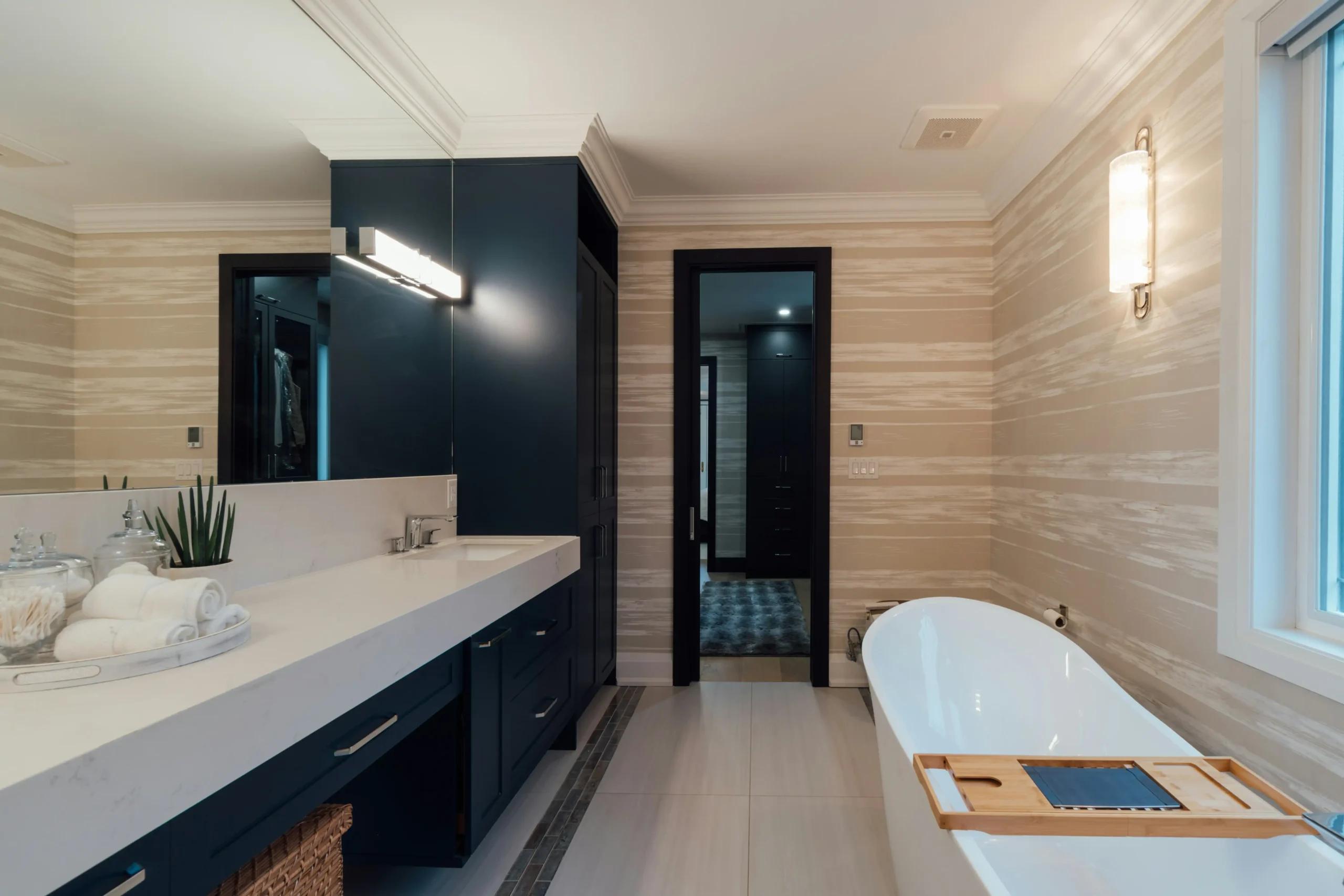
- Freestanding tubs placed as focal points
- Clear separation between dry, wet, and vanity areas
Aside from that, the materials and utilities/features are also a huge part of providing the wellness experience. Many designers use specialized retailers like KB Authority to source exquisite bathroom vanities, sinks, faucets, and other utilities/features. They usually have a large selection of various designs, so it’s easy for designers to find something that fits with their version of soft minimalism.
Floating Structures and Visual Lightness
One of the most striking modern bathroom architecture trends is the emphasis on reducing visual clutter. Luxury designs are typically heavy on the visuals, and sometimes that can be mentally exhausting.
That’s why bathroom designers are increasingly using things like:
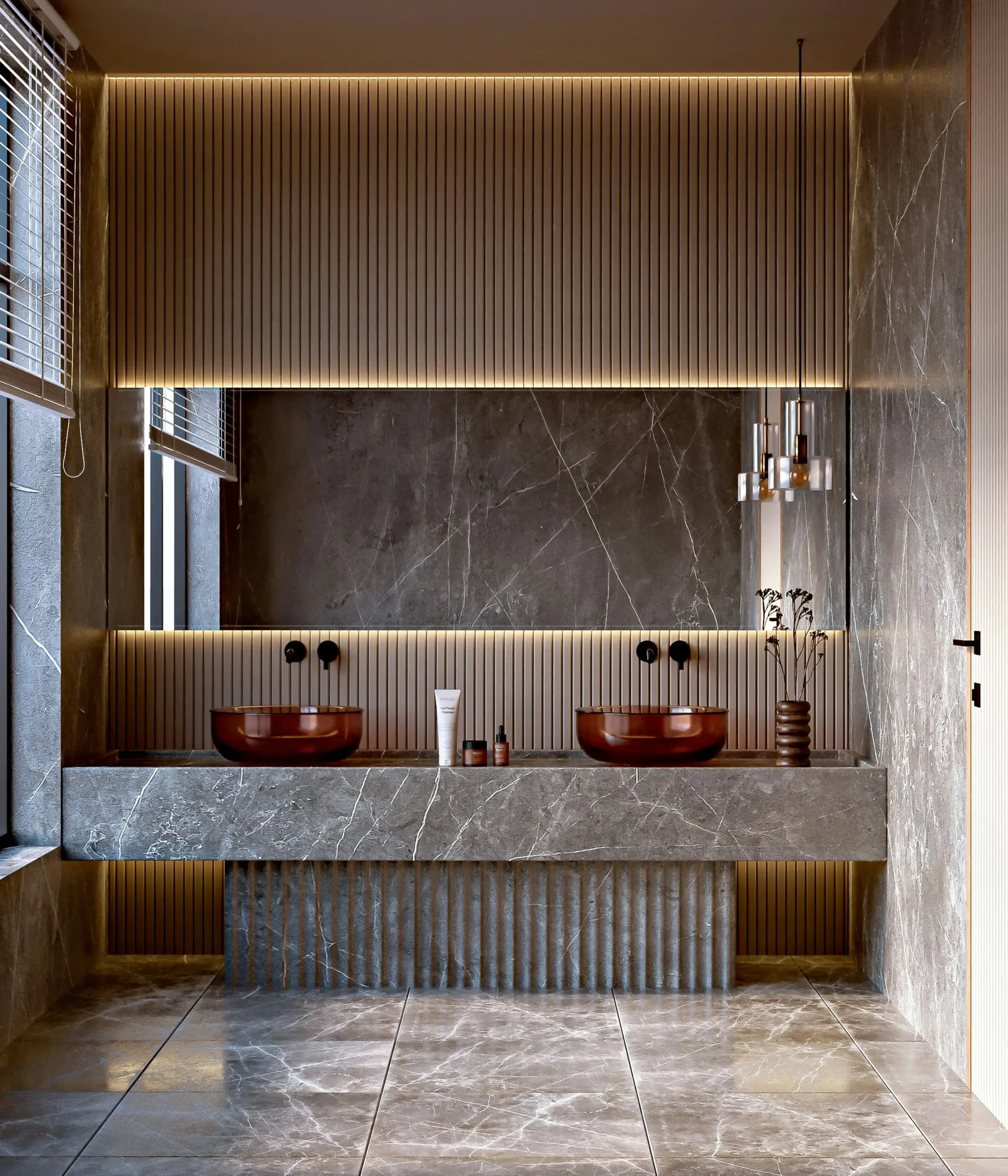
- Floating vanities with recessed toe‑kicks
- Wall‑mounted toilets and concealed cisterns
- Cantilevered countertops and shelves
Features like these reduce the visual weight of the bathroom and add to the minimalist aspect. This not only enhances the modern aesthetic but also improves air circulation and cleaning efficiency.
To make the bathroom pop, you can pair such features with indirect LED lighting beneath them, and that makes the entire bathroom appear to hover. This effect looks cool, futuristic, and is easy on the eyes.
Material Drenching With Architectural Restraint
One of the changes in bathroom design in 2026 is the switch to tasteful material drenching. Material drenching, as you know, refers to mixing different materials such as wood, stone, marble, etc, together in one space to create contrast.
However, when overdone, material drenching looks and feels terrible. That’s why it needs to be done tastefully. The trend in 2026 seems to be using one major material and then softening it with hints and accents of other ones.
For example:
- Tile‑to‑ceiling porcelain or stone slabs for walls and showers
- Microcement surfaces that flow seamlessly across floors, walls, and niches
- Subtle veining or tonal variation to avoid flatness
- Running a few lines of colored tiles while the rest is a single color.
- Making only one wall (or ceiling) a different material or color
This kind of material and color-drenching make the whole bathroom space feel flowy, larger, and calmer.
Statement Fixtures and Furniture‑Like Vanities
You will notice that many of our suggestions are targeting fixtures, vanities, tubs, and other bathroom features and utilities. That’s because there are many ways for these things to affect the design.
They can change the look from modern and minimalist to luxury and statement, or vice versa. So, selecting the proper ones that complement the design is important.
You will find that many designers use contemporary bathroom collections available on platforms like the aforementioned KB authority. These collections are designed carefully, keeping the balance between statement pieces and minimalism in mind.
By treating fixtures as part of the architectural composition, bathrooms gain depth without relying on excessive decoration. So, browse some collections and see how they mesh with your remodel theme.
Selectively Used Smart Technology
Technology has also involved itself in bathroom design. Nowadays, you can find things like the following in most modern bathrooms:
- Heated seats,
- Heated floors,
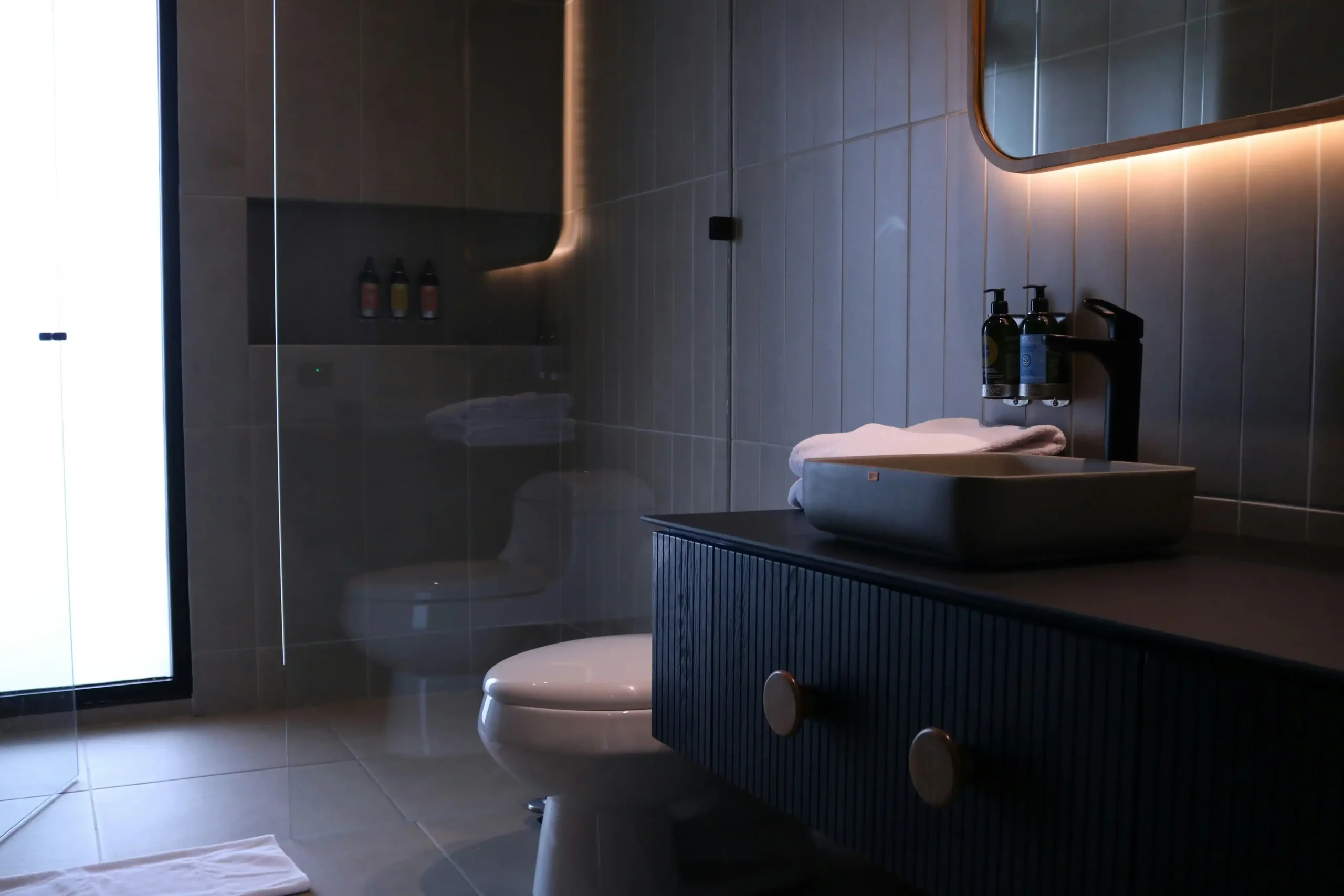
- Mirrors with back lights and defogging,
- Touchless faucets with concealed controls,
- Ventilation and heating systems.
But you will find that the common thread among all of these technology integrations is that they are not usually front and center but hidden.
You see, the key architectural principle here is restraint. You can’t let technology affect the design; otherwise, it can overwhelm it and ruin your theme. Here’s how designers integrate these features in a modern bathroom in 2026.
- The heated part of the floor is a different color from the surrounding
- Mirrors are frameless and typically installed flush with the wall, so they don’t stick out like a sore thumb.
- Exhaust fans are hidden in the ceiling.’
In this way, a minimalist, clean look is achieved.
Natural Light as a Core Design Element
In 2026, bathroom design integrates natural light. They are designed to let natural light into the space without sacrificing privacy. You can commonly find features such as the following in contemporary bathrooms.
- Clerestory windows for privacy and light
- Skylights above showers and tubs
- Frosted or textured glazing to soften brightness
These features make your bathroom feel airy, relaxing, and counteract the damp feeling that is associated with bathrooms. However, you need to put considerable thought into installing such features because the position of the bathroom and how the sun shines on it affect where you can place them. So get a professional opinion before you commit to a choice.
Final Thoughts
So, there you have it, the modern design trends popular in 2026. The overall focus is still on minimalism; however, the clinical and soulless look has been shed in favor of a softer and more natural one.
Architects and designers use soft corners, clearly distinguishable layouts, floating structures, tasteful material drenching, statement fixtures, technology, and even natural light to achieve the right look.
So, if you want a contemporary bathroom that looks right in 2026, these are the design choices you have to make. You can browse such designs online and check out the various collections that retailers provide to find complementary fixtures and utilities for them. In this way, you can achieve the most suitable bathroom design.


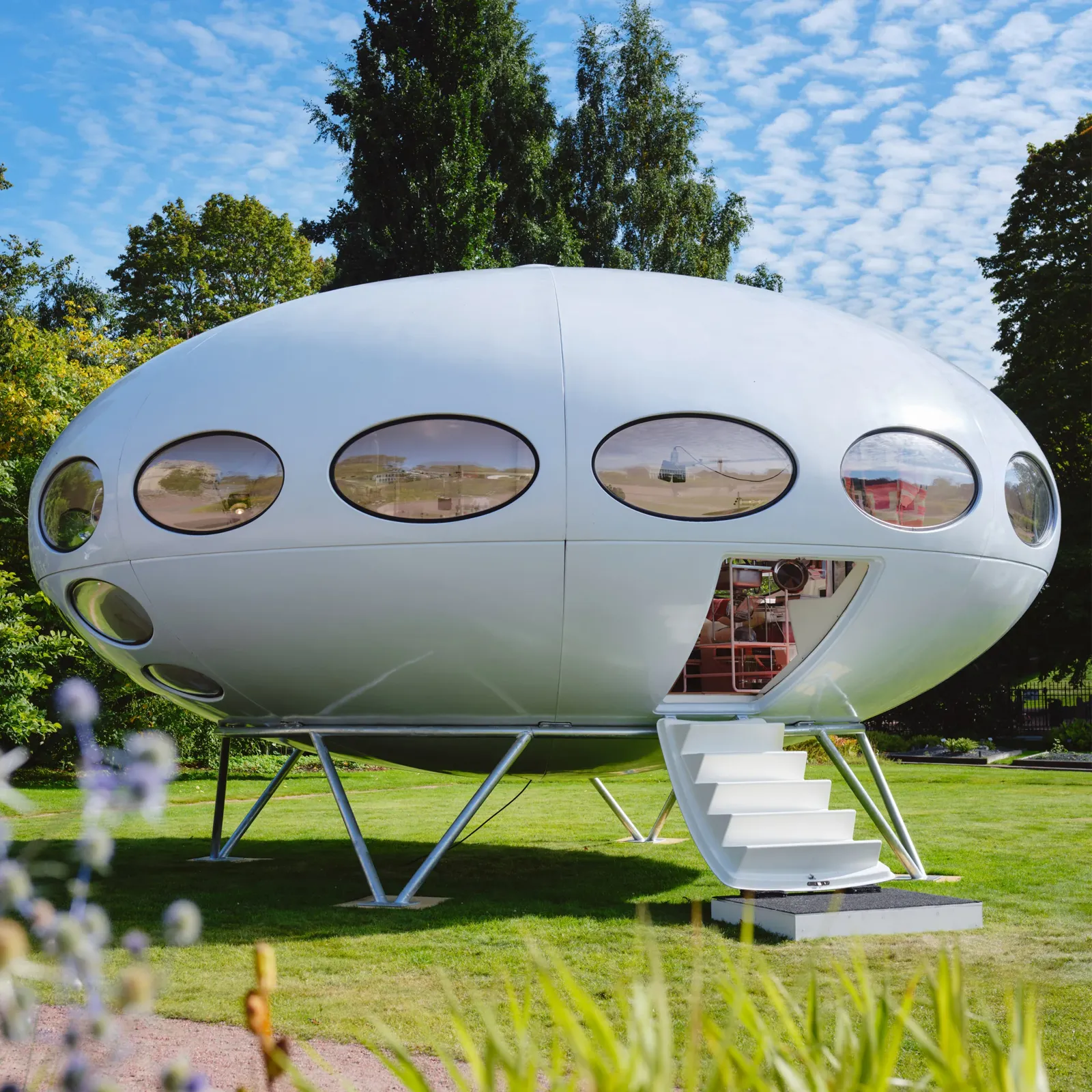
Futuro House Production Revived in Finland After Decades-Long Hiatus
A Facebook listing for abandoned moulds led to the first new Futuro...
 illustrarch Editoral Team3 Mins read
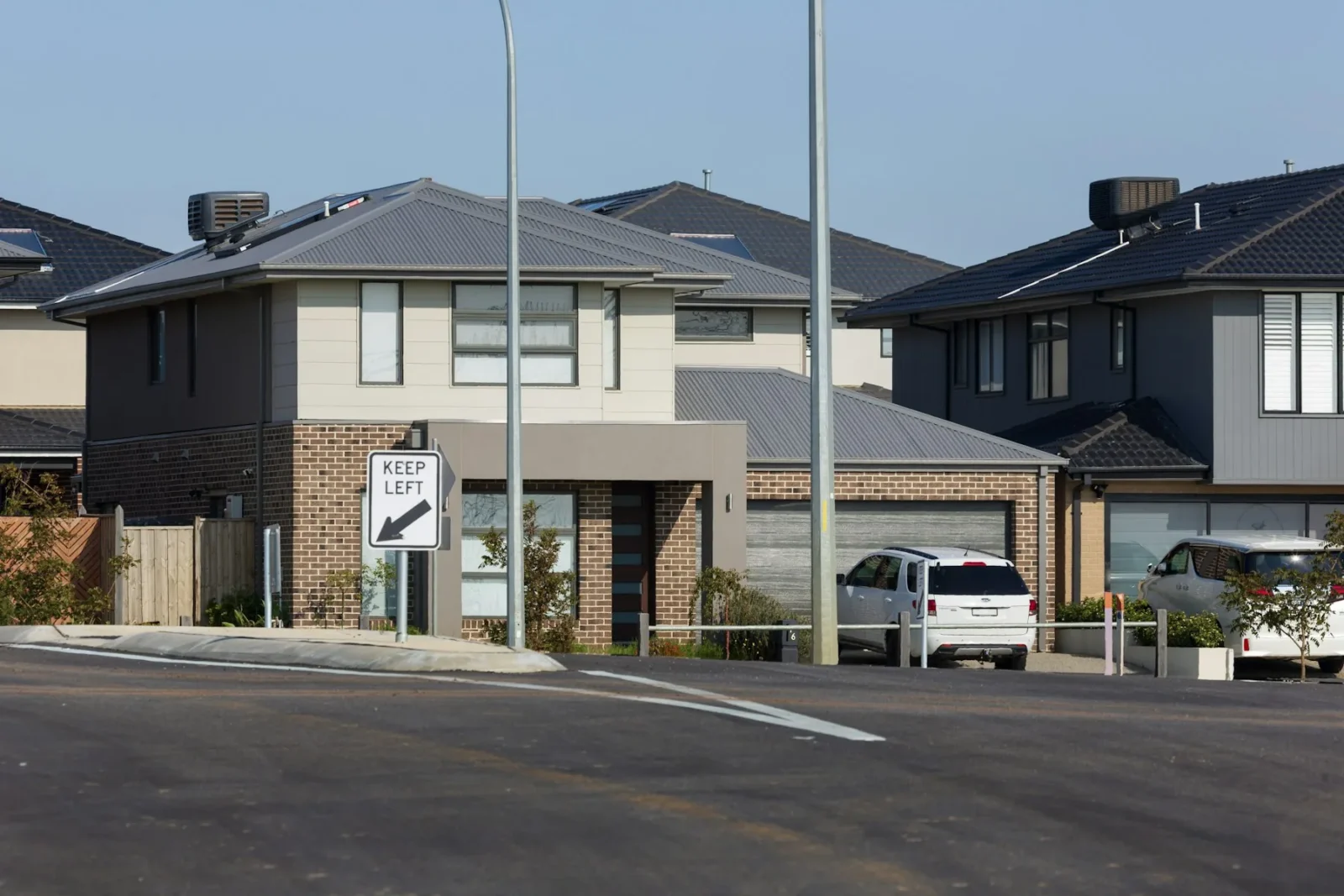
Building Your Dream Home in NSW: What You Should Know About Montgomery Homes
Montgomery Homes has been building across Sydney, Newcastle, the Hunter, Wollongong and...
illustrarch Editoral Team4 Mins read
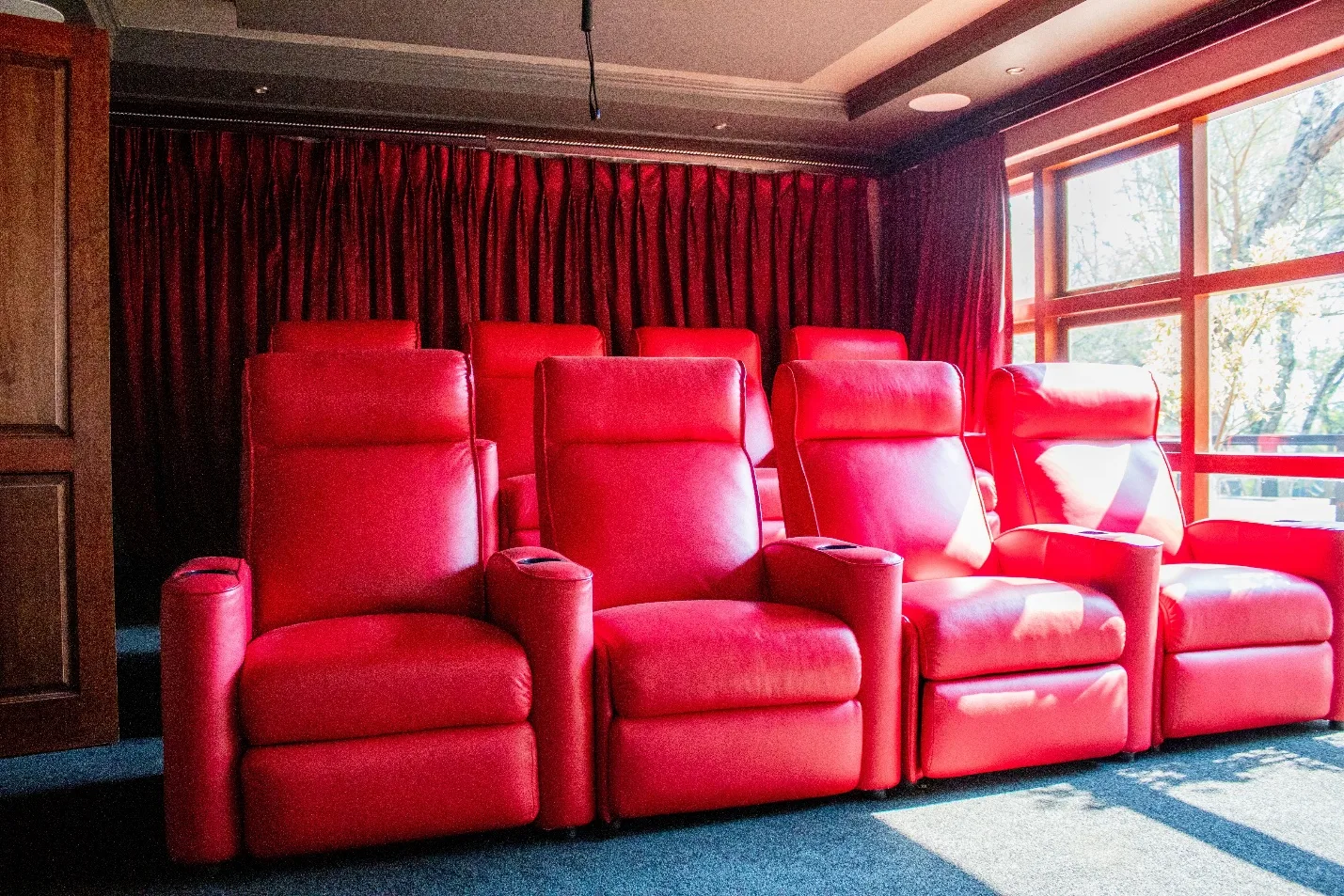
Designing a Home Theater: Where Drapery Fits Into the Plan
In a media room the curtains are a performance layer, not decoration....
illustrarch Editoral Team3 Mins read
Oscar Niemeyer’s Cathedral of Brasília: The Hyperboloid Concrete Hymn
The Cathedral of Brasília reads as a single gesture, yet it stood...
 Furkan Sen7 Mins read


Leave a comment