

Back-to-School Playlist: Music for Late-Night Studio Sessions in Architecture School
Every architecture student knows the feeling of working past midnight with a deadline approaching. The right back-to-school playlist can turn those long studio hours into productive, focused sessions. This guide breaks down the best genres, tempos, and listening strategies for architecture students heading into a new semester.
 Sinan Ozen9 June 202611 Mins read185
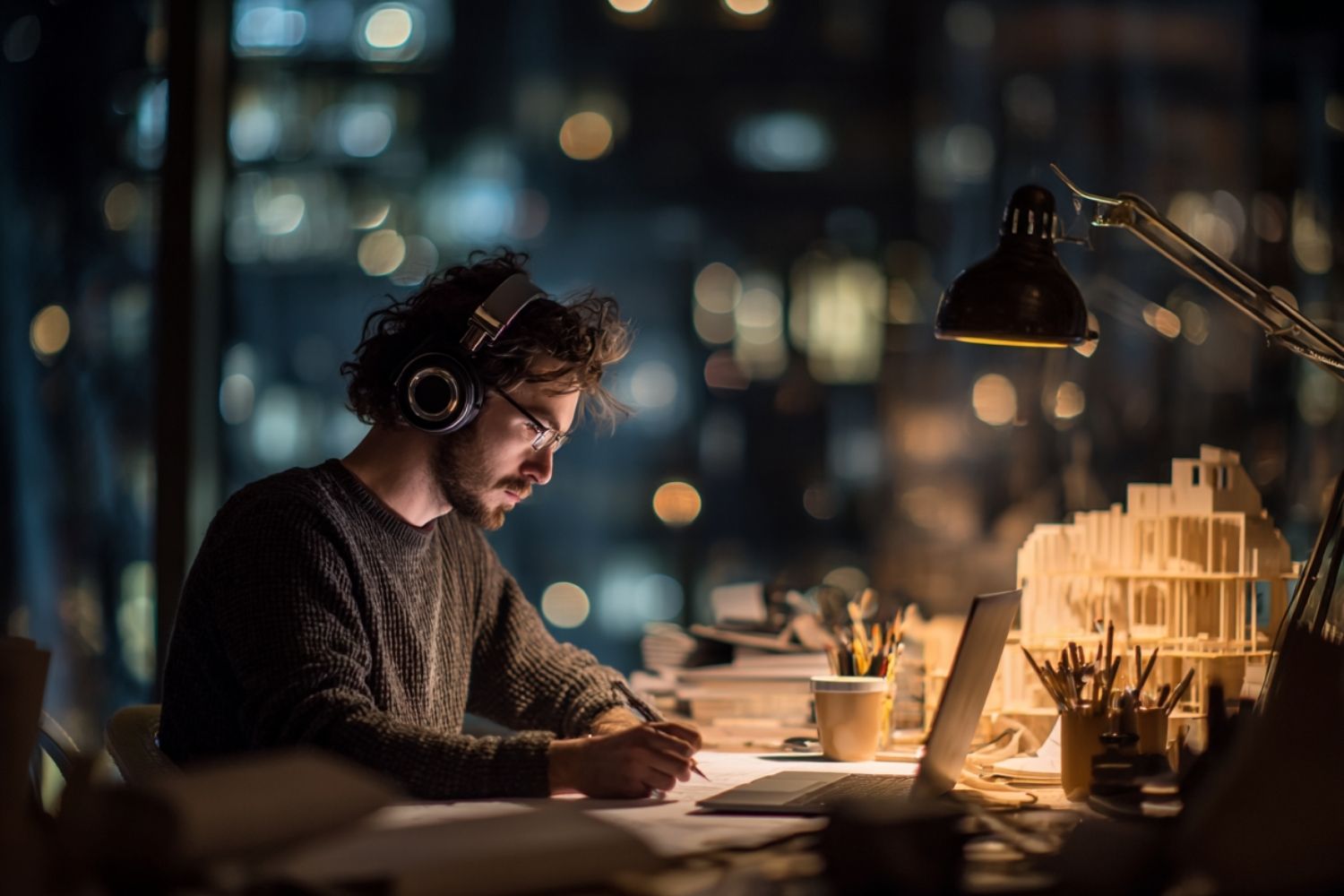
Table of Contents Show
A back-to-school playlist for architecture students is a set of genre-specific, tempo-conscious music selections designed to support focus, creativity, and endurance during the long overnight hours that define studio culture. The right tracks reduce mental fatigue and help you stay in a productive rhythm when deadlines hit.
Architecture school runs on late nights. Between model-making, rendering, and last-minute drawing revisions, most students will spend more hours in studio after dark than during daylight. And almost every one of them will reach for headphones at some point. The question is never whether to listen to music. The question is what to listen to, and why certain genres work better than others for the kind of deep, sustained focus that design work requires.
This back-to-school playlist guide is built specifically for architecture students returning to campus. It covers genres, tempo ranges, and listening habits that align with the cognitive demands of studio work, backed by recent research on how music affects concentration and creative output.

Why Music Matters During Late-Night Studio Sessions
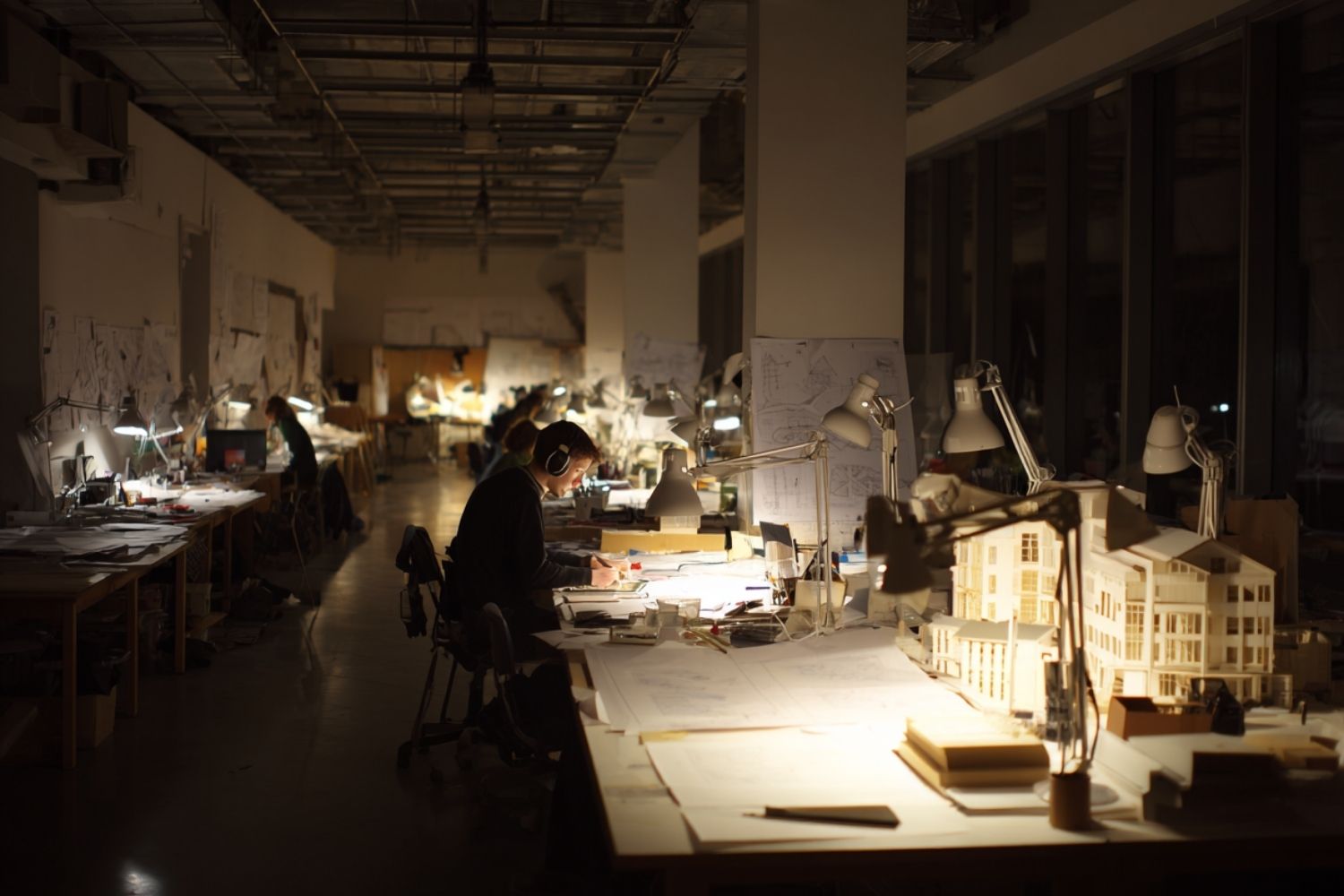
Studio sessions after midnight are a different experience from daytime work. The building gets quieter, distractions drop away, and there’s a window of deep focus that many architecture students describe as their most productive hours. Music plays a direct role in maintaining that state.
A 2025 study published in PLOS One by researchers at Georgetown University, NYU, and Stanford found that instrumental “work flow” music, tracks without lyrics or sudden melodic shifts, improved both mood and processing speed during cognitive tasks. Lead researcher Joan Orpella noted that even participants who started the experiment with moderately high anxiety levels showed mood improvements and faster accurate responses when listening to this type of music.
A separate 2025 study published in the Annals of the New York Academy of Sciences found that slow-beat music enhanced attentional focus, lowered heart rate, and increased feelings of relaxation and pleasure. For architecture students pulling all-nighters, this combination of calm alertness is exactly the mental state you want when refining a section detail or adjusting a site plan at 2 a.m.
Self-selected music also appears to reduce mind-wandering. Research by Homann et al. (2012) showed that when students chose their own background music, on-task engagement increased regardless of the difficulty level of the work. That finding has been supported by more recent research, including a 2024 study noting that the act of choosing music itself can strengthen a sense of control and focus during repetitive or prolonged tasks.
💡 Pro Tip
Build your back-to-school playlist before the semester starts, not during a deadline crunch. Spending 15 minutes searching for the “right song” at 1 a.m. breaks the exact focus state you’re trying to protect. Pre-made playlists that run for 2+ hours without needing your input are your best studio tool.
Best Genres for a Back-to-School Music Playlist
Not all music works equally well for design-heavy tasks. Architecture studio work combines spatial reasoning, fine motor skills (model-making, drawing), software interaction, and creative problem-solving, often within the same hour. The ideal playlist for architecture students keeps the brain engaged without pulling attention toward the music itself.
Lo-fi Hip Hop and Chillhop
Lo-fi hip hop has become almost synonymous with late-night study sessions, and for good reason. The genre relies on repetitive, low-complexity beats with warm analog textures, vinyl crackle, muted piano chords, and soft drums that hover around 70-90 BPM. This tempo range sits below the threshold where rhythm starts to feel energizing and above the range where music becomes sleep-inducing.
Channels like Lofi Girl on YouTube have built massive audiences precisely because their streams run continuously without sudden shifts in energy. For architecture students, this consistency is the key value. You can press play at 11 p.m. and still have a smooth, uninterrupted sonic backdrop at 3 a.m. without touching your phone once.

Ambient and Drone Music
When studio work shifts from active problem-solving to execution (rendering, filling in line weights, repetitive modeling tasks), ambient music often works better than anything beat-driven. Artists like Brian Eno, whose album Music for Airports was literally designed to calm and focus listeners in transit spaces, created a template that remains effective decades later. Modern ambient producers like Nils Frahm, Ólafur Arnalds, and Tycho build on that same principle: sound that fills silence without competing for attention.
The connection between music and architecture runs deeper than background noise. Both disciplines deal with rhythm, proportion, and spatial experience. Ambient music, with its emphasis on texture over melody, mirrors the way architects think about atmosphere in built spaces.
Classical and Neo-Classical
Classical music remains one of the most studied genres in productivity research. Baroque-era compositions by Bach, Vivaldi, and Handel tend to sit in the 60-70 BPM range, which aligns closely with a resting heart rate. This synchronization effect is one reason classical music frequently appears in concentration studies.
Neo-classical composers like Max Richter, Ludovico Einaudi, and Jóhann Jóhannsson offer a modern alternative with similar structural benefits. Richter’s Sleep, an eight-hour album designed to be played overnight, was composed in consultation with neuroscientist David Eagleman and structured around slow-wave sleep cycles. Even if you’re not sleeping, the pacing works well for sustained, low-intensity focus.
📌 Did You Know?
Max Richter’s Sleep (2015) is one of the longest single compositions in classical music history, running over 8 hours. Richter worked with neuroscientist David Eagleman to structure the piece around the brain’s sleep architecture, using specific tempos and tonal patterns designed to support slow-wave and REM sleep cycles. The album was first performed live with the audience lying in beds.
Jazz and Downtempo
Late-night jazz, particularly the kind recorded in small studio settings with minimal production, has a loose, exploratory quality that complements creative work. Miles Davis’s Kind of Blue or Bill Evans’s trio recordings offer complex harmonic movement without the rhythmic aggression that would pull attention away from a drawing.
Downtempo electronic artists like Bonobo, Boards of Canada, and Emancipator sit in a similar space. They blend organic instrumentation with electronic production in a way that feels textured but non-intrusive. These artists are especially effective during the ideation phase of design, when you need mental space to think loosely rather than execute precisely.
Post-Rock and Cinematic Soundtracks
For students who need something with more emotional weight than lo-fi but less structure than classical, post-rock fills the gap. Bands like Explosions in the Sky, Mogwai, and Sigur Rós build long, gradually evolving tracks that rise and fall over 8-12 minutes. This arc can create a sense of momentum during long work stretches without the abruptness of pop song transitions.
Film and game soundtracks also work well. Composers like Hans Zimmer, Ryuichi Sakamoto, and Gustavo Santaolalla write music designed to support a visual narrative without dominating attention, which is exactly what you want during a late-night back-to-school studio session.
How to Structure Your Back-to-School Playlist by Time of Night
A single playlist that runs unchanged from 9 p.m. to 5 a.m. misses how your energy and attention shift over those hours. A better approach is to think of your back-to-school music playlist in phases, each matched to a different cognitive mode.
Early Evening (8-11 p.m.): Active Focus
This is typically your most alert window. You’re starting major tasks, making design decisions, and doing work that requires active problem-solving. Music with a moderate tempo (90-110 BPM) and some rhythmic energy works well here. Uptempo lo-fi, jazz fusion, or instrumental hip hop keeps energy up without overstimulating. This is also the best window for any music with lyrical content, if you listen to it at all, since your cognitive load from the work itself hasn’t peaked yet.
Late Night (11 p.m. – 2 a.m.): Deep Work
By this point, casual distractions are gone and you’ve hit the window where many architecture students report their best focus. Switch to purely instrumental music at slower tempos (60-85 BPM). This is where ambient, neo-classical, and downtempo genres earn their place. The music should feel like it’s part of the room, not something you’re actively listening to. Avoid anything with sudden dynamic shifts or complex melodies.
Early Morning (2-5 a.m.): Endurance Mode
If you’re still working past 2 a.m., your body’s circadian rhythm is actively pushing you toward sleep. Music needs to be present enough to keep you anchored but calm enough not to spike your already-depleted nervous system. Drone music, generative ambient (Brian Eno’s Reflection app generates unique ambient compositions endlessly), or very slow lo-fi beats are ideal. Some students switch to nature soundscapes (rain, forest sounds) at this stage, which research suggests can mask disruptive environmental noise while supporting a relaxed but alert state.
🎓 Expert Insight
“Work flow music did not feature any lyrics or sudden changes in melody that might induce distraction, which may be critical when people are performing complex tasks.” — Joan Orpella, Georgetown University Medical Center
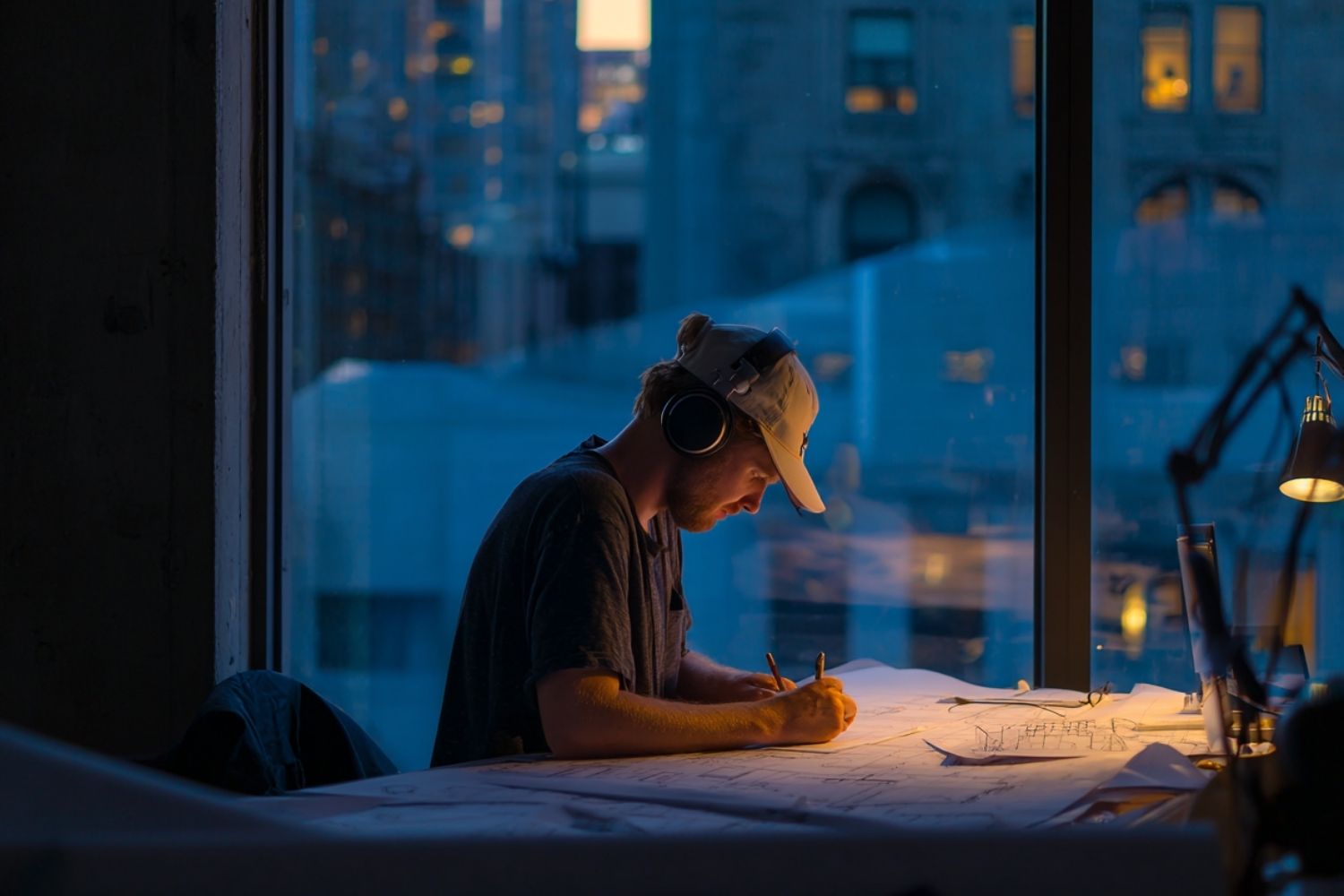
Orpella’s 2025 research found that this type of instrumental music improved both mood and cognitive speed, even in participants who began the study with elevated anxiety levels. For architecture students working under deadline pressure, this is a strong argument for keeping lyrics out of your late-night playlist.
What to Avoid in Your Studio Playlist
Knowing what not to listen to is just as useful as knowing what works. Certain music habits actively undermine the focus that late-night studio sessions demand.
Lyrics in your native language are the most common problem. Your brain processes familiar language automatically, which means even background vocals pull cognitive resources away from spatial reasoning and design thinking. If you want vocals, music in a language you don’t understand is a reasonable compromise.
Podcasts and audiobooks are also poor choices for active design work. They require sustained verbal processing, which directly competes with the kind of thinking you need for layout composition, section drawing, or design process decisions. Save those for commutes or model-building tasks that don’t require conceptual attention.
Shuffle mode across mixed playlists creates constant micro-interruptions. Every genre shift or tempo change forces your brain to briefly reorient, which breaks flow states. Stick to single-genre playlists or long-form mixes that maintain a consistent sonic environment.
High-volume listening is another trap. Students often crank headphones louder as the night goes on to fight drowsiness, but this accelerates fatigue and hearing damage over time. Keep volume at a level where you could still hear someone speaking to you from across the studio table.
⚠️ Common Mistake to Avoid
Many architecture students treat music discovery as a studio activity, spending 20-30 minutes browsing Spotify or YouTube for “the perfect playlist” when they should be working. This is a form of productive procrastination. Decide on your playlist before you sit down, and commit to it for at least 90 minutes before changing anything.
Building a Playlist for Architecture Students: Practical Suggestions
A good playlist for architecture students doesn’t need to be complicated. The goal is to assemble 3-4 hours of consistent, instrumental music that you can rely on without thinking about it. Here are concrete starting points organized by platform.
On Spotify, search for playlists tagged with “deep focus,” “instrumental study,” or “lo-fi beats.” The platform’s algorithmic playlists like “Deep Focus” and “Brain Food” are decent starting points, though they tend to rotate tracks frequently. Building your own playlist from artists you’ve tested gives more consistency. Add artists like Khruangbin (instrumental tracks), Tycho, Kiasmos, and Nils Frahm for a versatile mix that covers different energy levels.
On YouTube, long-form live streams are ideal because they eliminate the need to choose the next track. Lofi Girl’s 24/7 streams, Chillhop Music’s seasonal compilations, and channels like Steezyasfuck or College Music run for hours without interruption.
On Apple Music, the “Pure Focus” and “Chill” stations offer curated instrumental selections. The app’s background sound feature (rain, ocean, dark noise) can also layer under music for an extra concentration boost.
For students who want something more structured, the Pomodoro technique pairs well with timed playlists. Set a 50-minute work block with a lo-fi or ambient playlist, followed by a 10-minute break with something slightly more energetic. This rhythm prevents the common problem of energy flatlines during marathon studio sessions. Effective time management for architecture students often comes down to these small structural decisions.
Video: 1 A.M Study Session by Lofi Girl
This hour-long lo-fi hip hop mix from Lofi Girl is built specifically for late-night study and work sessions, making it a solid starting point for your back-to-school playlist.
How Your Back-to-School Playlist Supports Better Design Work
Music doesn’t just make studio time more bearable. When chosen well, it actively supports the cognitive processes that architecture demands.
Spatial reasoning, the ability to mentally rotate forms, visualize 3D relationships, and compose layouts, benefits from a calm, low-arousal mental state. Research consistently shows that moderate background stimulation (including music) helps maintain this state better than silence, which can feel oppressive during long solo work sessions and actually increase anxiety in some students.
Creative ideation follows a different pattern. During brainstorming or early concept development, slightly more stimulating music (faster tempos, richer textures) can help the brain make unexpected connections. This is why the phased playlist approach described earlier works: you match the music to the cognitive mode of the task, not to a single “study music” category.
Motor tasks like model-making, precise cutting, and hand-drafting pair well with rhythmic music because the steady beat can help regulate hand movement speed and reduce jerky, fatigue-related errors. Several tips for architecture students emphasize the value of establishing consistent work rhythms, and music is one of the simplest ways to do that.
For feel-good productivity specifically, the emotional tone of your music matters as much as its tempo. Music that you genuinely enjoy, not just music that’s “supposed” to help you focus, tends to improve both mood and endurance. The 2025 Georgetown study confirmed this: participants who responded positively to the music they heard showed the strongest improvements in processing speed.
💡 Pro Tip
Test your playlist during low-stakes work before relying on it during a deadline. If a track makes you stop to listen or check the song title, remove it. The best studio music is the kind you forget is playing until you take off your headphones.
Headphones and Listening Gear for Studio Environments
Your playlist is only as good as your listening setup. In a shared studio space, headphone choice directly affects both your focus and your classmates’ ability to concentrate.
Over-ear headphones with active noise cancellation (ANC) are the standard recommendation for architecture studios. Models like the Sony WH-1000XM5, Bose QuietComfort Ultra, and Apple AirPods Max block out ambient studio noise (conversations, printers, model-cutting) without requiring you to increase volume. As noted in the tech gadgets for architects guide, ANC depth matters more for studio use than audiophile sound quality metrics like bass response.
In-ear monitors (IEMs) are a lighter alternative for students who find over-ears uncomfortable during long sessions, especially when leaning over drawings or models. Wired IEMs also eliminate the battery anxiety that comes with wireless headphones dying at 3 a.m.
Bone conduction headphones are worth considering if you need to stay aware of your surroundings (group work, shared critique prep) while still having a musical backdrop. They sit outside the ear canal, so you can hear both your music and the room. The trade-off is reduced bass and less noise isolation.
A Back-to-School Playlist 2025 Quick-Start List
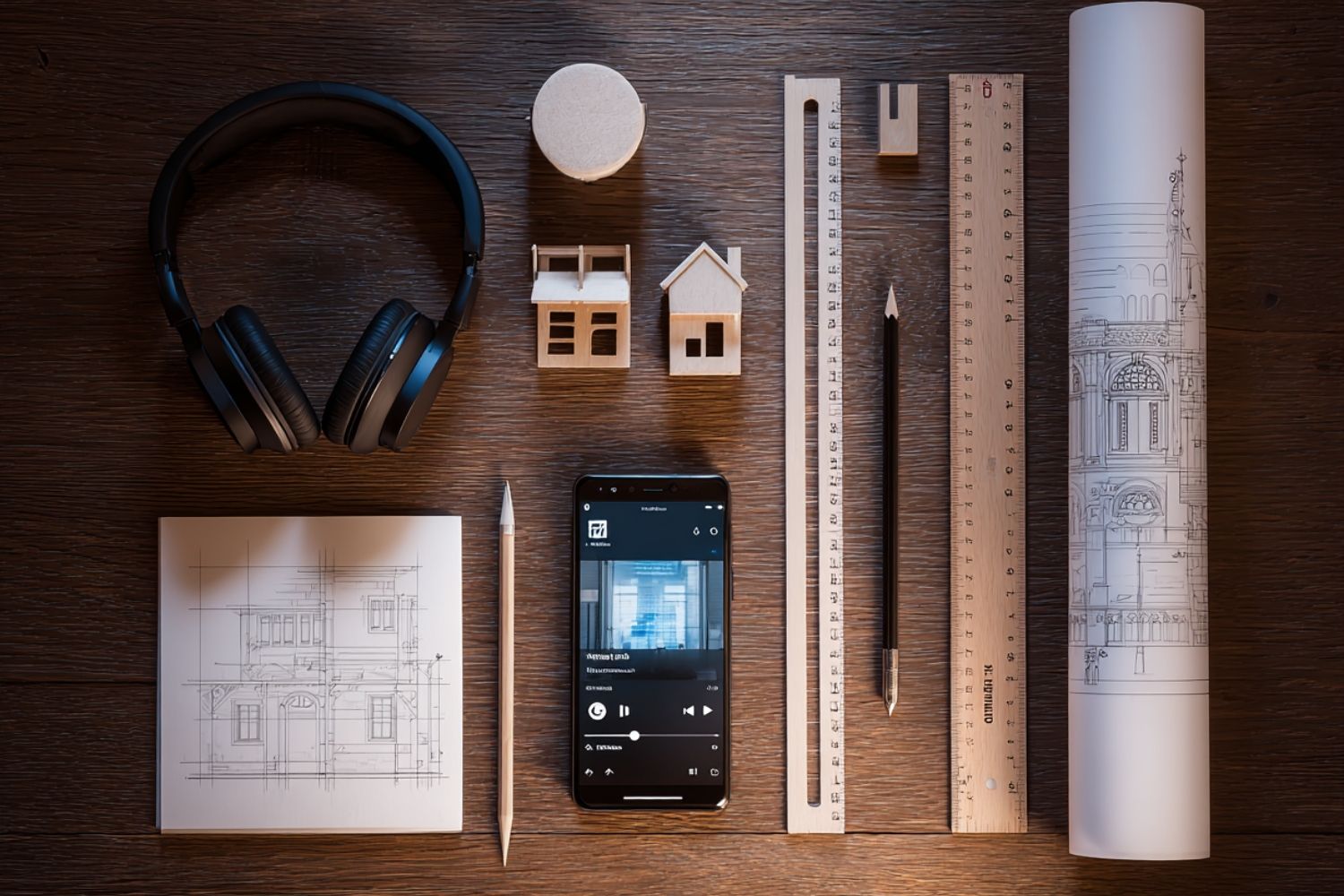
If you want a back-to-school playlist 2025 ready to go on day one, here’s a starter framework organized by genre. Each category includes artists and albums that have been tested in studio environments and hold up over long listening sessions.
Sample Playlist Structure for a Full Studio Night
| Time Block | Genre | Suggested Artists / Albums | Tempo (BPM) |
|---|---|---|---|
| 8-11 p.m. | Uptempo Lo-fi / Jazz Fusion | Khruangbin, Tom Misch, Nujabes | 90-110 |
| 11 p.m. – 2 a.m. | Ambient / Neo-Classical | Nils Frahm, Ólafur Arnalds, Tycho | 60-85 |
| 2-4 a.m. | Drone / Generative Ambient | Brian Eno, Stars of the Lid, Grouper | Below 60 |
| 4-6 a.m. | Soft Lo-fi / Nature Sounds | Lofi Girl streams, rain soundscapes | 70-80 |
This is a starting framework, not a rigid schedule. Adjust based on your own energy patterns and the type of work you’re doing. Some students find they focus better with jazz during deep work hours, while others need near-silence with just ambient texture. The only rule is to test and iterate, just like any design process.
Final Thoughts
A back-to-old-school playlist approach (relying on whatever’s trending on Spotify that week) won’t serve you well during the demanding hours of architecture studio. The students who get the most from their late-night sessions are the ones who treat their listening environment as deliberately as they treat their physical workspace: organized, intentional, and matched to the task at hand.
Build your back-to-school playlist for students before the semester begins. Test it during casual work. Remove anything that pulls your attention. Add tracks that help you settle into focus without noticing. Over time, your playlist becomes a signal to your brain that it’s time to work, a kind of auditory ritual that shortens the ramp-up period at the start of each session.
Architecture school is demanding, and late-night studio hours are unavoidable. But the right music, chosen with care and used with consistency, can make those hours more productive, more enjoyable, and less draining on your mental health. That’s a return on a very small investment of planning time.



Building Your Dream Home in NSW: What You Should Know About Montgomery Homes
Montgomery Homes has been building across Sydney, Newcastle, the Hunter, Wollongong and...
 illustrarch Editoral Team4 Mins read

Oscar Niemeyer’s Cathedral of Brasília: The Hyperboloid Concrete Hymn
The Cathedral of Brasília reads as a single gesture, yet it stood...
 Furkan Sen7 Mins read
What Technology Does a Modern Workplace Need?
A modern workplace needs more than fast computers. A framework covering network,...
illustrarch Editoral Team8 Mins read
How Do You Choose Durable Shutters That Suit Your Budget?
Shutters can look identical in a showroom and perform very differently after...
illustrarch Editoral Team8 Mins read


Leave a comment