

Architecture Students Mental Health: What the Numbers Really Reveal
Research consistently shows that architecture students experience depression, anxiety, and burnout at rates that far exceed the general college population. This report unpacks the hard numbers behind mental health in architecture programs, the role of studio culture, and what students and schools can do differently.
 Furkan Sen4 April 20269 Mins read227

Table of Contents Show
Architecture and mental health are more tightly linked than most programs acknowledge. Research published in the Building Healthy Academic Communities Journal (2024) found that 33% of architecture students screen positive for moderate to extremely severe depression, 46% for anxiety, and 33% for stress. These are not outliers. They are patterns confirmed across multiple countries, institutions, and years of data, and they point to a structural problem rather than individual weakness.
The Data Behind the Crisis

To understand mental health in architecture, it helps to start with the broader college picture, then see where architecture students sit within it. According to the 2023 Healthy Minds Study, approximately 76% of college students report moderate to severe psychological distress. Anxiety affects 36% of students and depression affects 28%, according to the American College Health Association (2023).
Architecture students land well above those baselines. The 2024 study from Clemson’s School of Architecture surveyed 399 students using the DASS-21 screening tool and found depression rates of 33%, anxiety rates of 46%, and stress rates of 33% at moderate-to-severe levels. The study also noted that the leading stressors were school deadlines, workload demands, inadequate sleep, and time spent at work outside of class.
🔢 Quick Numbers
- 46% of architecture students screen positive for moderate-to-severe anxiety (Building Healthy Academic Communities Journal, 2024)
- 33% screen positive for moderate-to-severe depression in the same population (Building Healthy Academic Communities Journal, 2024)
- 86% of architecture students reported sometimes or always going without sleep to complete a project (SONA survey, 2018)
- Architects experience depression at rates approximately 50% higher than the general population (Archinect, 2023)
What makes these figures particularly telling is that they have not improved significantly over decades. The American Institute of Architecture Students (AIAS) first documented similar concerns in its 2002 Redesign of Studio Culture report. The 2004 Studio Culture Summit echoed the same findings. The 2020 Learning and Teaching Culture Policy Project confirmed that little had changed. The problem is not new, and it is not getting better on its own.
What Is Driving Mental Health Issues in Architecture Programs?

The stressors are not random. They cluster around a specific set of structural conditions that architecture education has normalized over generations.
The All-Nighter Culture
Sleep deprivation is one of the most documented and most damaging aspects of architecture student life. A SONA (2018) survey found that 86% of architecture students reported sometimes or always going without sleep to complete a project. RIBA Education Statistics from the same year linked the high prevalence of overnight work directly to increased mental distress.
A 2025 systematic review published in TPM: Testing, Psychometrics, Methodology in Applied Psychology synthesized peer-reviewed literature on burnout in architecture students and found that chronic sleep deprivation negatively impacts attention, participation, and creativity. The review noted that students who engage in repeated all-nighters often neglect nutrition as well, compounding fatigue and worsening mental health over time. These patterns, once developed in school, tend to persist into professional practice.
⚠️ Common Mistake to Avoid
Many students and faculty treat all-nighters as a sign of dedication rather than a warning sign. The research does not support this framing. Chronic sleep deprivation reduces creative capacity, working memory, and decision-making, which are exactly the cognitive functions architecture demands most. Students who regularly sacrifice sleep are not working harder. They are working with significantly impaired tools.
Studio Culture and Its Competitive Pressures
The design studio is the defining environment of architectural education. It is also where much of the mental health damage occurs. The 2025 systematic review in TPM describes how studio culture normalizes high stress and long hours, blurs the boundary between academic and personal life, and creates an environment where perfectionist expectations go unchallenged.
Students in studio-based programs show elevated rates of insomnia and long periods of sleep restriction compared to students in other disciplines, according to research cited by multiple studies in the field. The competitive nature of studio critiques adds another layer of pressure. Students often compare their sleep and work habits against peers and question whether they are working hard enough, which fuels a cycle of overwork regardless of actual project quality.
The problem extends beyond individual behavior. As the Clemson study notes, design education has been criticized for failing to explicitly describe expectations around sleepless nights and fierce competition, leaving students to absorb these norms indirectly rather than examine them critically. For a broader look at how the built environment shapes mental states, the architecture and mental health overview on illustrarch is a useful reference point.
How Does Architecture Affect Mental Health Over Time?
Mental health in architecture programs tends to worsen as students progress through their degree. A 2023-2024 study at Rajiv Gandhi Institute of Technology using the Subjective Happiness Scale found that happiness levels generally declined in higher semesters, with depression rates peaking in the final year. The cumulative effect of repeated stress, inadequate recovery, and high-stakes criticism over a five or six-year program leaves many students significantly depleted by graduation.
The negative behaviors associated with stress identified in the Clemson research include poor sleep patterns, neglected eating habits, physical inactivity, emotional instability, inability to focus, and social withdrawal. These are not minor inconveniences. They are symptoms that interfere with learning, creativity, and long-term health.
💡 Pro Tip
Architecture students who track their sleep and mood across a semester often discover that their worst design work happens in weeks four through six, when accumulated sleep debt peaks. Protecting two nights per week of full sleep, even during project sprints, produces measurably better cognitive output than going without. Build the recovery into your schedule the same way you schedule studio hours.
Mental Health Architecture: What the Research Says Schools Can Do

The 2025 TPM systematic review outlines several evidence-based interventions. Balanced workload policies that prevent simultaneous deadlines across multiple courses are among the most practical. Healthier work rhythms, including explicit discouragement of all-nighter culture, matter more than wellness events held after the damage is done. Constructive critique practices that acknowledge the emotional dimension of design feedback can reduce the anxiety that builds around reviews.
The review also emphasizes integrating mental health awareness, open communication, and resilience-building early in architectural education, rather than waiting until students are already in crisis. Several institutions have begun piloting anonymous feedback systems, peer-support programs, and first-year wellness initiatives. Syracuse University’s architecture program, as reported by the Daily Orange (2022), described a shift in faculty culture toward acknowledging sleep deprivation rather than ignoring it, along with structural changes to studio tutor support.
🎓 Expert Insight
“Institutions perpetuating exhaustion in any student bring shame on our industry.”
Deborah Dawton, Chief Executive, Design Business Association
This statement, made during a Dezeen-led industry discussion in 2019, still resonates because it reframes the issue as an institutional responsibility rather than a personal failing. Mental health in architecture programs is not a matter of individual resilience. It is a design problem, and programs have the ability to redesign it.
The Connection Between Architecture Student Stress and the Profession
Mental health does not reset at graduation. The patterns established in school carry into practice. Architects as a profession experience depression at rates approximately 50% higher than the general population, according to reporting by Archinect (2023). The long hours, high client expectations, and financial pressures of professional practice compound the habits formed during training.
This matters for how we think about mental health architecture as a field. A profession that begins its members in a culture of chronic overwork and inadequate recovery produces practitioners who are statistically more likely to struggle with mental health across their careers. The recruitment and retention implications are significant. Interior designers, as noted in reporting by Mulholland (2024), are leaving the profession at alarming rates due to stress-related factors. Architecture faces a similar dynamic.
Understanding how architecture affects mental health at the student stage is therefore not only a welfare issue. It is a pipeline issue for the profession. For students navigating the pressures of architecture school, practical guidance on managing time and workload is available in the time management for architecture students guide on illustrarch.
💡 Pro Tip
If you are an architecture student feeling isolated or overwhelmed, it helps to know that what you are experiencing is documented and common, not a sign of personal failure. Most programs now have anonymous counseling referral pathways. Using them early, before stress escalates, produces significantly better outcomes than waiting for a crisis. Many students also find that reaching out to a classmate in the same situation is itself a form of relief.
How Can Architecture Improve Mental Health Within Its Own Programs?

There is a certain irony in the fact that architecture, a discipline increasingly focused on designing spaces that support human well-being, has been slow to apply those principles to its own educational environments. Biophilic design, access to natural light, restorative spaces, and acoustically comfortable studios are all documented as beneficial to psychological health. The same principles architects apply to hospitals, schools, and offices could shape studio environments in ways that actively reduce rather than amplify stress.
The wellness design principles outlined in this illustrarch piece are as applicable to educational studios as they are to corporate workplaces. Adequate daylight in studio spaces, comfortable breakout areas, and acoustic management are not luxuries. They are conditions that support the kind of sustained, creative concentration architecture programs demand.
Schools are also beginning to recognize that the social dimension of studio culture, when healthy, is one of its genuine strengths. The close relationships formed during long studio hours can be a genuine source of peer support. Programs that structure studio time to include collaborative breaks and collective problem-solving report better student cohesion without sacrificing output quality.
📌 Did You Know?
The toxic culture of architectural education was documented as far back as 1991, when Thomas Fisher published “Patterns of Exploitation” in response to the death of an architecture student who fell asleep at the wheel driving home from a design review. The AIAS referenced Fisher’s work in its 2002 Studio Culture report, acknowledging that little had changed in the decade since. More than two decades after that, the 2025 TPM systematic review reaches similar conclusions. The persistence of the problem across thirty-plus years makes it impossible to dismiss as anecdotal.
What Architecture Students Can Do Now
 Systemic change is slow, and students need strategies that work within existing conditions while advocacy for structural reform continues. Several approaches have evidence behind them.
Protecting sleep is the single highest-leverage intervention. The research is unambiguous: sleep deprivation impairs the cognitive functions architecture work most requires, including creative thinking, spatial reasoning, and the ability to evaluate your own work critically. Building two full nights of sleep per week into a studio schedule, even during deadlines, is achievable and measurably protective.
Social connection within the studio reduces isolation even when workloads are high. Students who talk openly with peers about stress, share meals during late nights, and check in on each other report lower distress even when their hours are similar to students who work in isolation.
Physical movement, even brief walks outside the studio, helps reset stress responses. Research in environmental psychology consistently shows that brief exposure to natural elements, including outdoor light and green space, lowers cortisol and improves mood within minutes. The same principles that underpin architecture’s effect on mental well-being in built spaces apply to student behavior in and around the studio.
If a student’s symptoms are interfering with their ability to function, speak with a classmate, professor, or campus counseling service. The data on architecture and mental health makes clear that what you are experiencing is not unusual. That does not make it acceptable, but it does mean that support systems exist and that you are not alone in needing them.
For more on how the built environment and design disciplines intersect with psychological well-being, the architectural innovations for mental health piece on illustrarch is worth reading alongside the student-specific literature above.
✅ Key Takeaways
- Architecture students experience depression (33%), anxiety (46%), and stress (33%) at rates that significantly exceed national college averages, according to peer-reviewed research published in 2024.
- The all-nighter culture normalized in studio education is directly linked to cognitive impairment, emotional instability, and burnout, not to better work outcomes.
- These mental health pressures have been documented since at least 1991 and have not resolved on their own, indicating a structural problem in architectural education rather than individual failure.
- Institutional interventions including workload coordination, constructive critique culture, and early mental health integration have documented positive effects on student well-being.
- The mental health patterns established in architecture school carry into professional practice, contributing to depression rates roughly 50% higher than the general population among architects.
- Students can take protective action through sleep prioritization, peer connection, and early use of support resources while systemic change continues.
If you or someone you know is experiencing a mental health crisis, please contact a campus counseling service, a trusted person in your life, or a crisis support line. In the US, the 988 Suicide and Crisis Lifeline is available by calling or texting 988. In the UK, Samaritans can be reached at 116 123.
Further Reading and Sources
- Mental Health Challenges in Architecture and Landscape Architecture Students, Building Healthy Academic Communities Journal, Vol. 8, No. 2, 2024
- Burnout in Architecture Students: The Role of Studio Culture Norms, TPM: Testing, Psychometrics, Methodology in Applied Psychology, 2025
- Healthy Minds Network, 2023-2024 National Data Report
- American Institute of Architecture Students (AIAS), Studio Culture Resources
- Overworked Architecture Students Have “Considered Suicide,” Dezeen, 2019





Interior Design for Commercial Spaces: Enhancing Functionality and Brand Identity
Commercial interior design has to serve brand, function and regulation at once....
 Begum Gumusel4 Mins read

Living Walls Are Just the Start: What Biophilic Design Looks Like in Today’s Offices
The living wall became the shorthand for biophilic design, but it is...
 illustrarch Editoral Team5 Mins read
What Architecture Students Should Know About Structural Glass and Guardrail Code
Glass guards look minimal, but structural behavior, safety glazing, connections and guardrail...
illustrarch Editoral Team6 Mins read
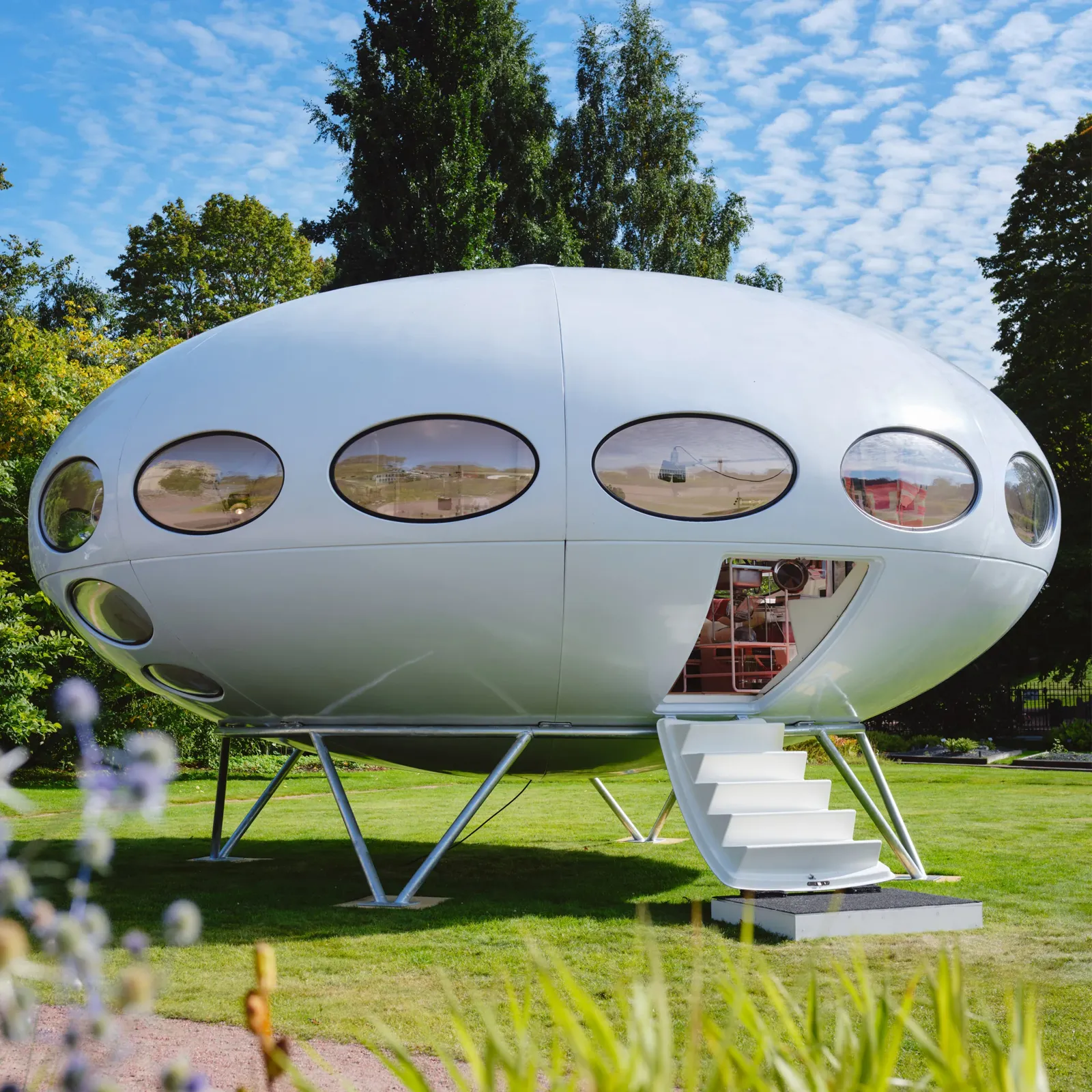
Futuro House Production Revived in Finland After Decades-Long Hiatus
A Facebook listing for abandoned moulds led to the first new Futuro...
illustrarch Editoral Team3 Mins read


Leave a comment