

Portland Art Museum Reopens With a Bold New Vision
The Portland Art Museum has reopened after a major $116 million transformation, adding new galleries, the Mark Rothko Pavilion, expanded media installations, and exhibitions that strengthen its role as a cultural anchor in downtown Portland. Visitors can now explore redesigned spaces, thematic displays, Black art galleries, and world-class contemporary works.
 Elif Ayse Sen30 November 20253 Mins read173
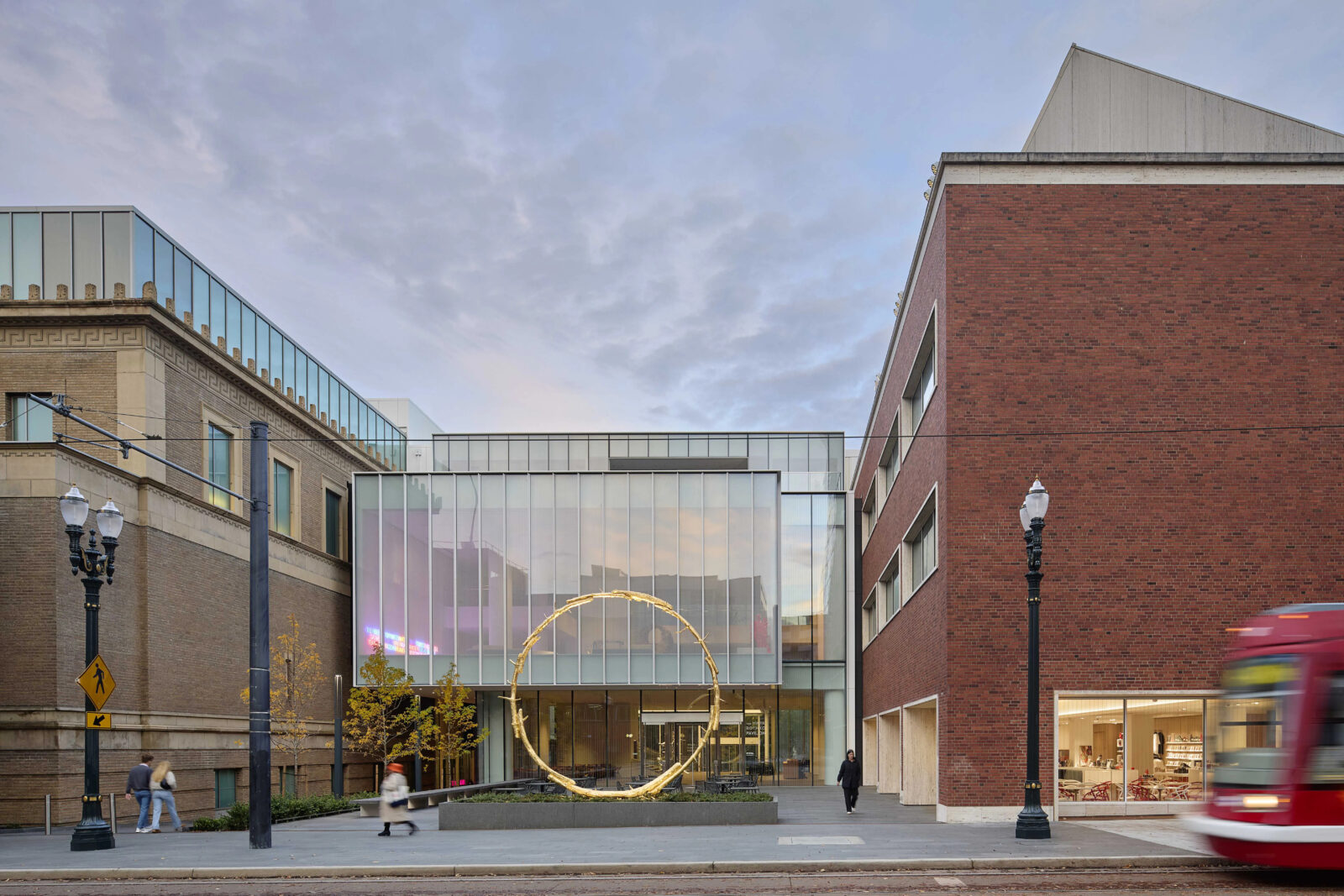
Table of Contents Show
After more than two years of renovation and a $116 million investment, the Portland Art Museum is ready to welcome the public again. The expansion adds 100,000 square feet of new space and introduces nearly 300 newly acquired artworks, marking one of the most important cultural upgrades in the region.
The reopening is more than just a building upgrade, it represents a major step in revitalizing downtown Portland. Once struggling with debt, the museum now aims to become a cultural anchor that brings people back into the city center. Leaders see the renewal as a way to boost local energy, increase foot traffic, and support the recovery of the urban core. Museum director Brian Ferriso explained that the project will help spark “a rebirth of the city and the region,” while also becoming a long-term resource for future generations.
The New Mark Rothko Pavilion
The renovation’s highlight is the Mark Rothko Pavilion, which connects the museum’s two wings and opens up views into the galleries. This new passageway links the museum to the South Park Blocks and SW 10th Avenue, making it easier for visitors to explore.
Expanded Galleries and Better Flow
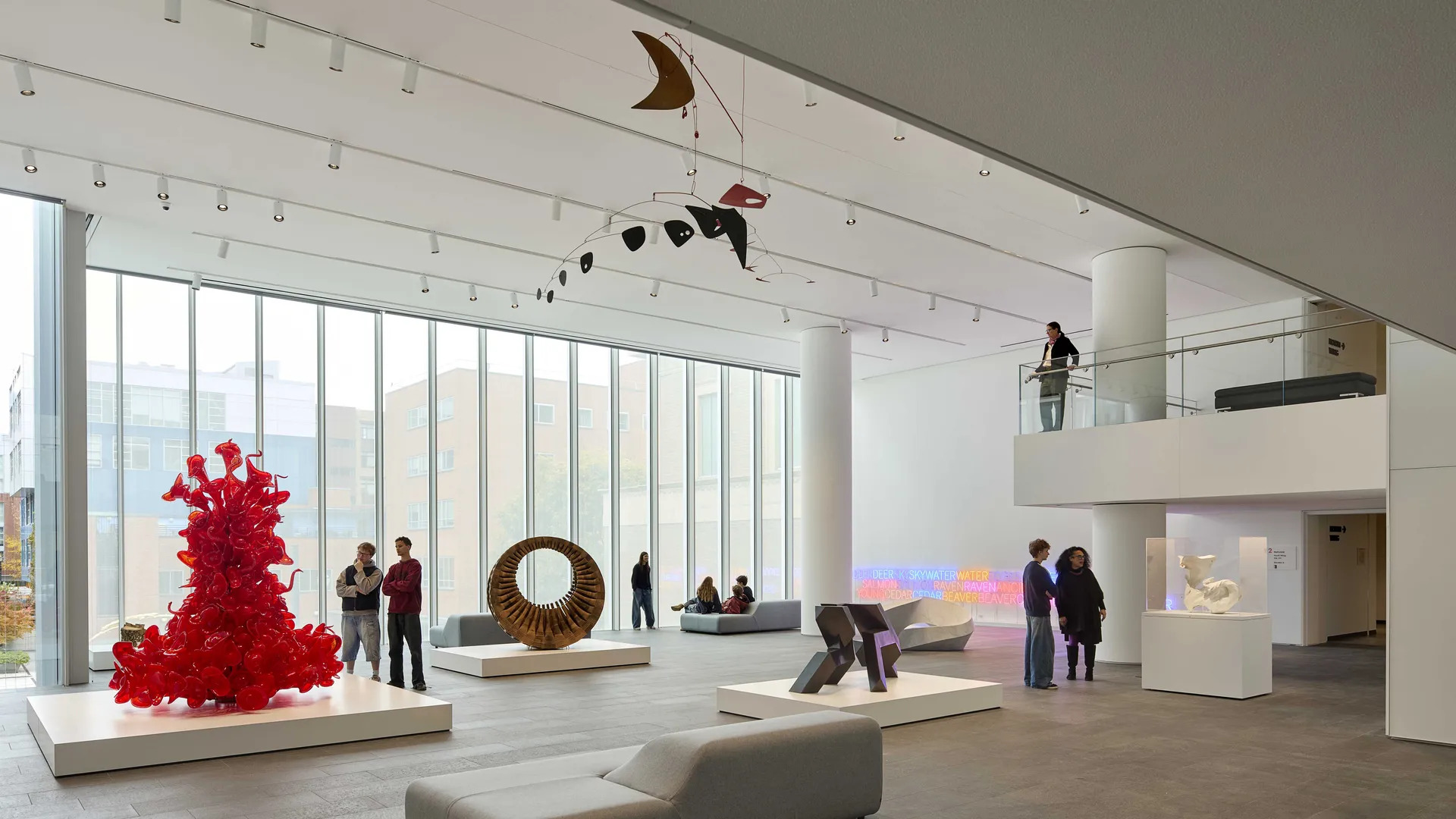
Inside, the museum now offers new galleries, terraces, public spaces, and workshop areas for students. Clear walkways guide visitors naturally through the building and offer glimpses of the city outside.
New Exhibits and Media Experiences
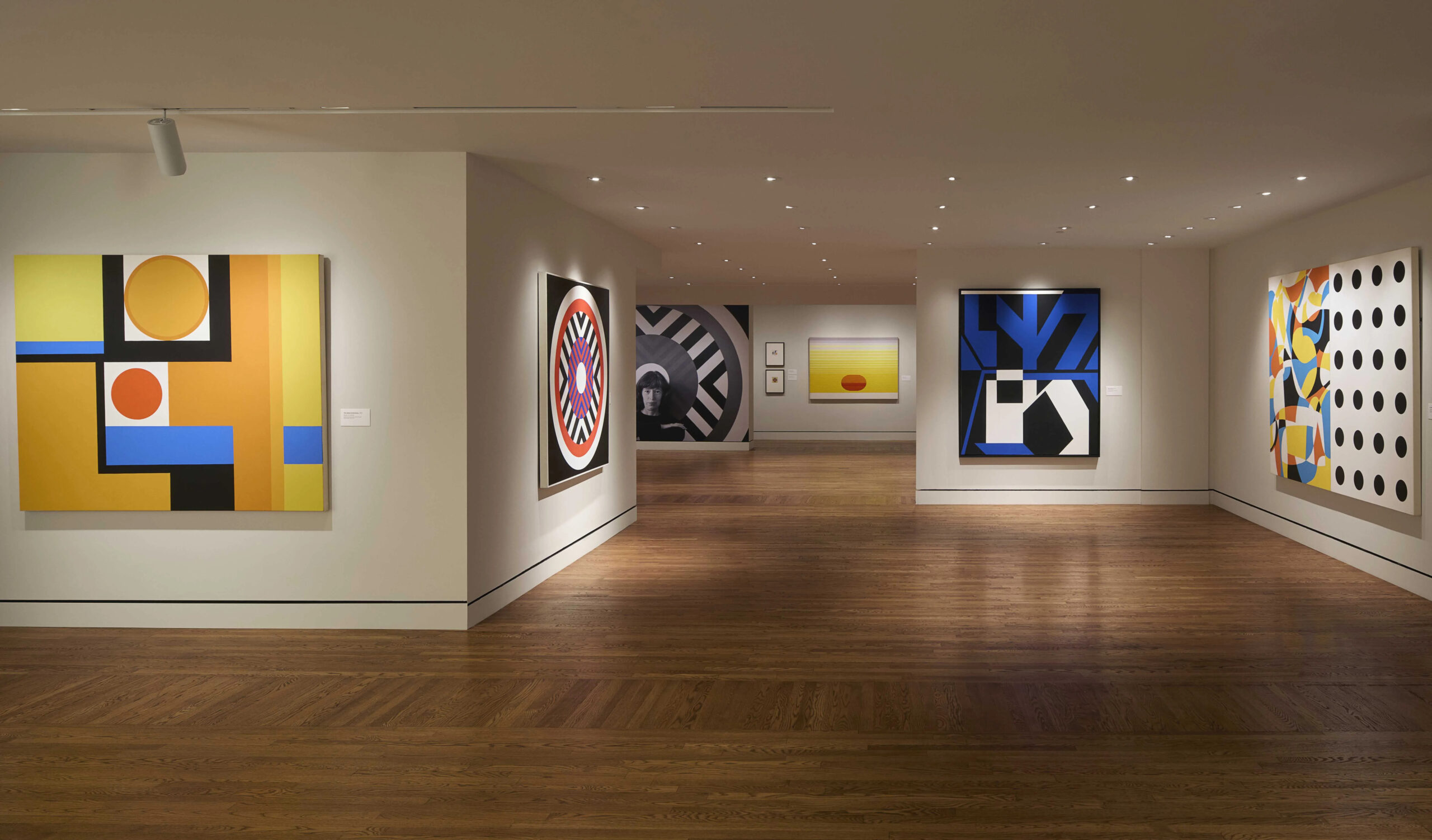
Artworks are now grouped by theme instead of by region or period. The contemporary wing features artists like Jeffrey Gibson, Julie Mehretu, Leonardo Drew, and Alison Saar, plus rotating Rothko pieces. A David Hockney show is coming next year. The museum also opens its first new media gallery, featuring an 8K video installation by Marco Brambilla shown on one of the largest 8K screens in the U.S.
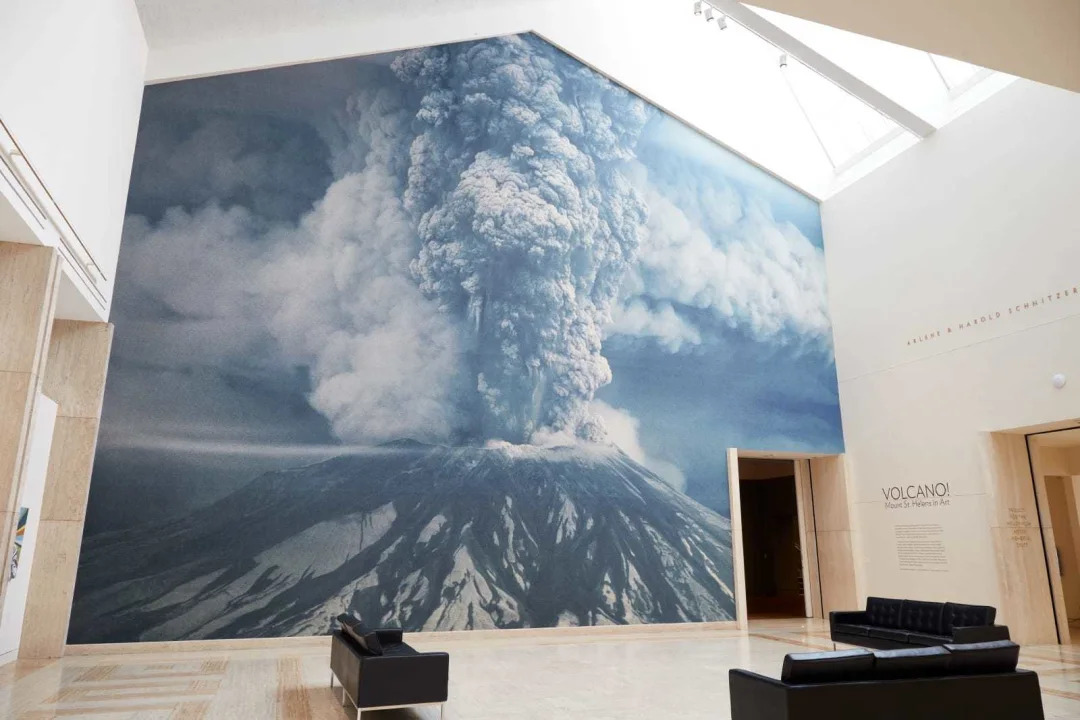
A new gallery dedicated to Black art includes works by Mickalene Thomas and Lisa Jarrett, exploring themes of identity, culture, and belonging. Visitors touring the new museum have been stunned by the scale and quality of the renovation. The details — including sound-absorbing ceilings and flamed granite floors — create a warm, quiet atmosphere that elevates the entire experience. With its upgraded design, thoughtful curation, and strong vision, many say the Portland Art Museum now feels like the West Coast’s version of MoMA.
The grand reopening will be celebrated with four days of events, including gallery talks, music, workshops, and free admission, starting Thursday. You can visit the Portland Art Museum for more information.
A Museum in Context
The Portland Art Museum is the oldest art museum in the Pacific Northwest, with a collection that spans centuries and continents. Long a fixture of the South Park Blocks cultural district, the institution has historically connected to the surrounding civic and educational landscape of downtown Portland. The latest expansion builds on that legacy rather than replacing it, weaving new construction into a campus that already carried significant architectural and community history. Understanding that backdrop helps explain why the renewal is being framed as a regional event rather than a routine facility upgrade.
Connecting Architecture and the City
One of the most notable ideas behind the project is permeability. By linking the museum’s two wings and opening sightlines toward the street, the design treats the building as part of the urban fabric rather than a sealed container. Passageways that connect to the South Park Blocks and SW 10th Avenue invite pedestrians to pass through and around the institution, blurring the line between gallery and public realm. This approach reflects a broader trend in cultural architecture, where transparency and accessibility are used to draw visitors in and encourage casual, repeated engagement.
Curatorial Shifts Worth Noting
The decision to group artworks by theme rather than by region or chronological period signals a meaningful change in how the museum wants visitors to encounter its collection. Thematic hanging encourages unexpected dialogue between objects from different eras and cultures, and it can make a large collection feel more approachable to newcomers. Dedicating space to Black art and to new media installations also reflects a wider movement among museums to broaden the stories they tell and to embrace formats beyond the traditional painting and sculpture gallery.
What It Means for Downtown Recovery
Cultural institutions are increasingly seen as engines of urban recovery, and the museum’s leadership has openly tied this reopening to the revitalization of Portland’s city center. A renewed, expanded museum can draw foot traffic, support nearby businesses, and give residents a reason to return downtown. The relationship runs both ways, since a healthy, active downtown also sustains the audiences and donors that keep a museum viable. The project therefore functions as both a cultural milestone and a piece of economic strategy for the wider region.
Takeaways for Designers and Visitors
For architects and design students, the Portland project offers a useful case study in how renovation and expansion can modernize an aging institution while respecting its place in the city. The emphasis on circulation, daylight, and connection to public space illustrates priorities that recur across contemporary museum design. For visitors, the reopening is an invitation to experience familiar collections in a new light, with upcoming exhibitions and immersive media offerings giving repeat trips fresh appeal. Following the museum’s program calendar is the best way to catch rotating works and special shows as they arrive.



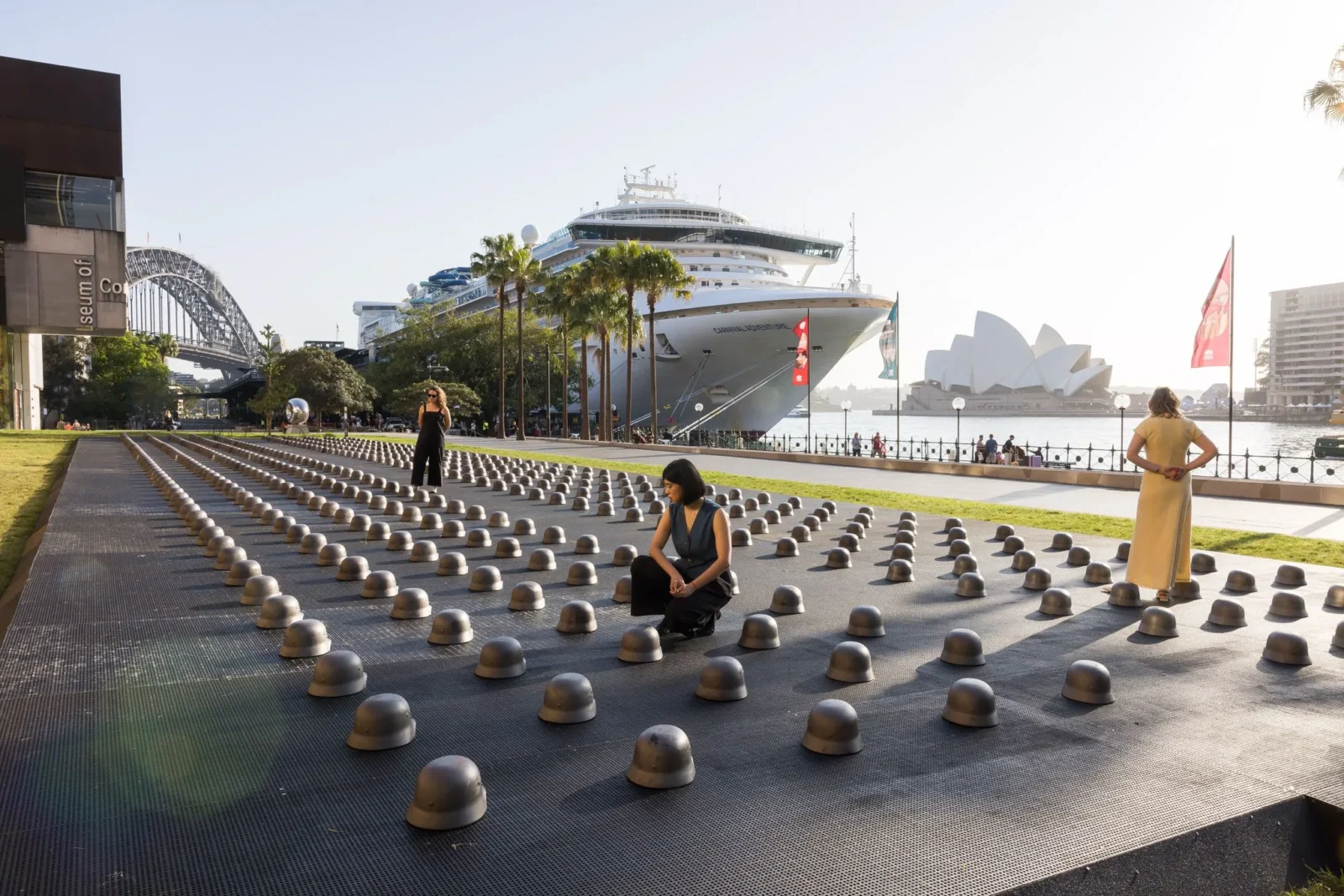
Ai Weiwei Installs 500 Cast-Iron Helmets Outside Sydney Museum
Ai Weiwei's 500 cast-iron helmets opened outside Sydney's MCA on 25 September,...
 illustrarch Editoral Team2 Mins read
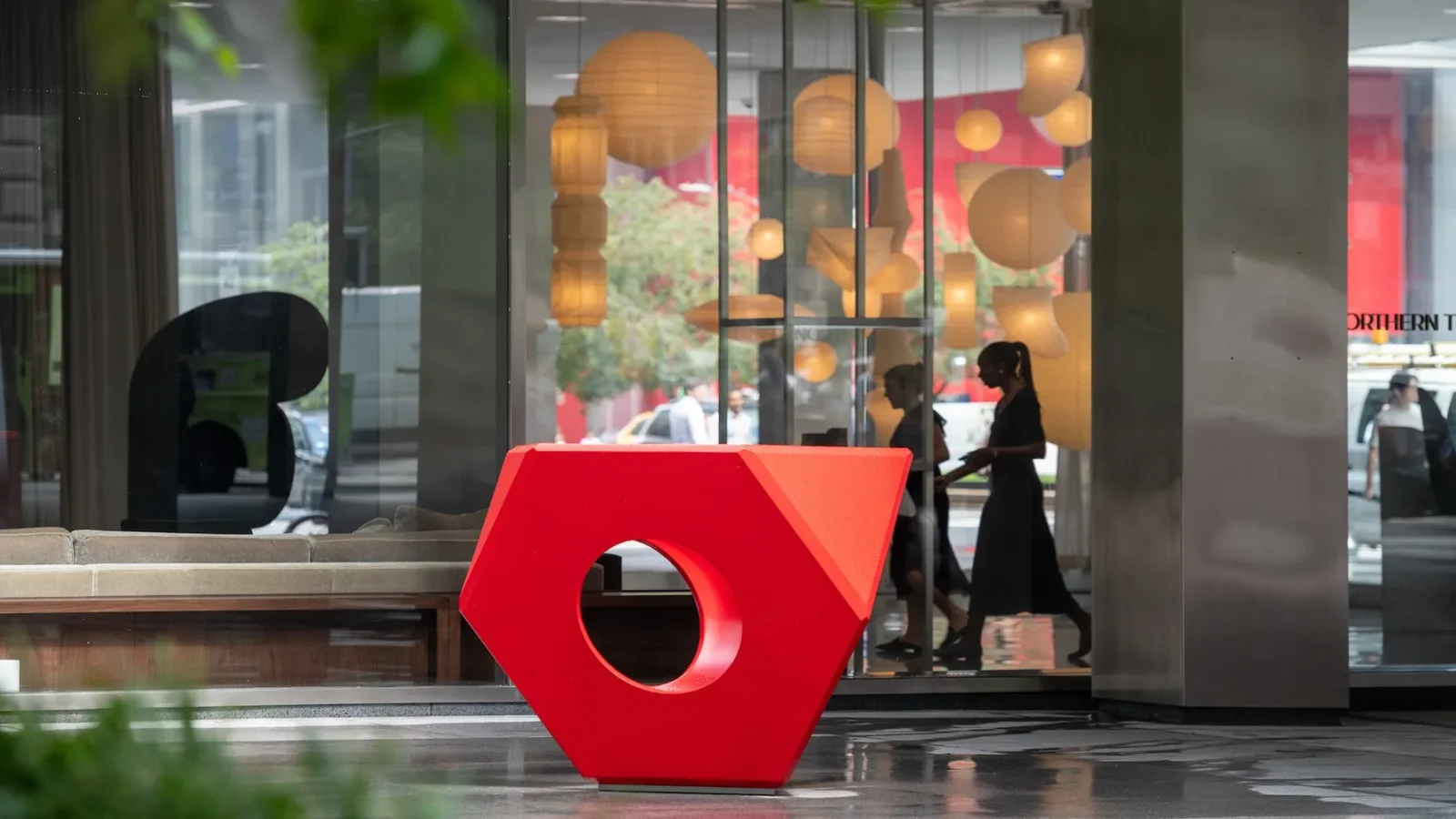
Isamu Noguchi at Lever House Traces Sculptor’s Decades-Long Collaboration with Bunshaft
Lever House's new exhibition pairs Noguchi sculptures with unbuilt garden designs made...
illustrarch Editoral Team2 Mins read
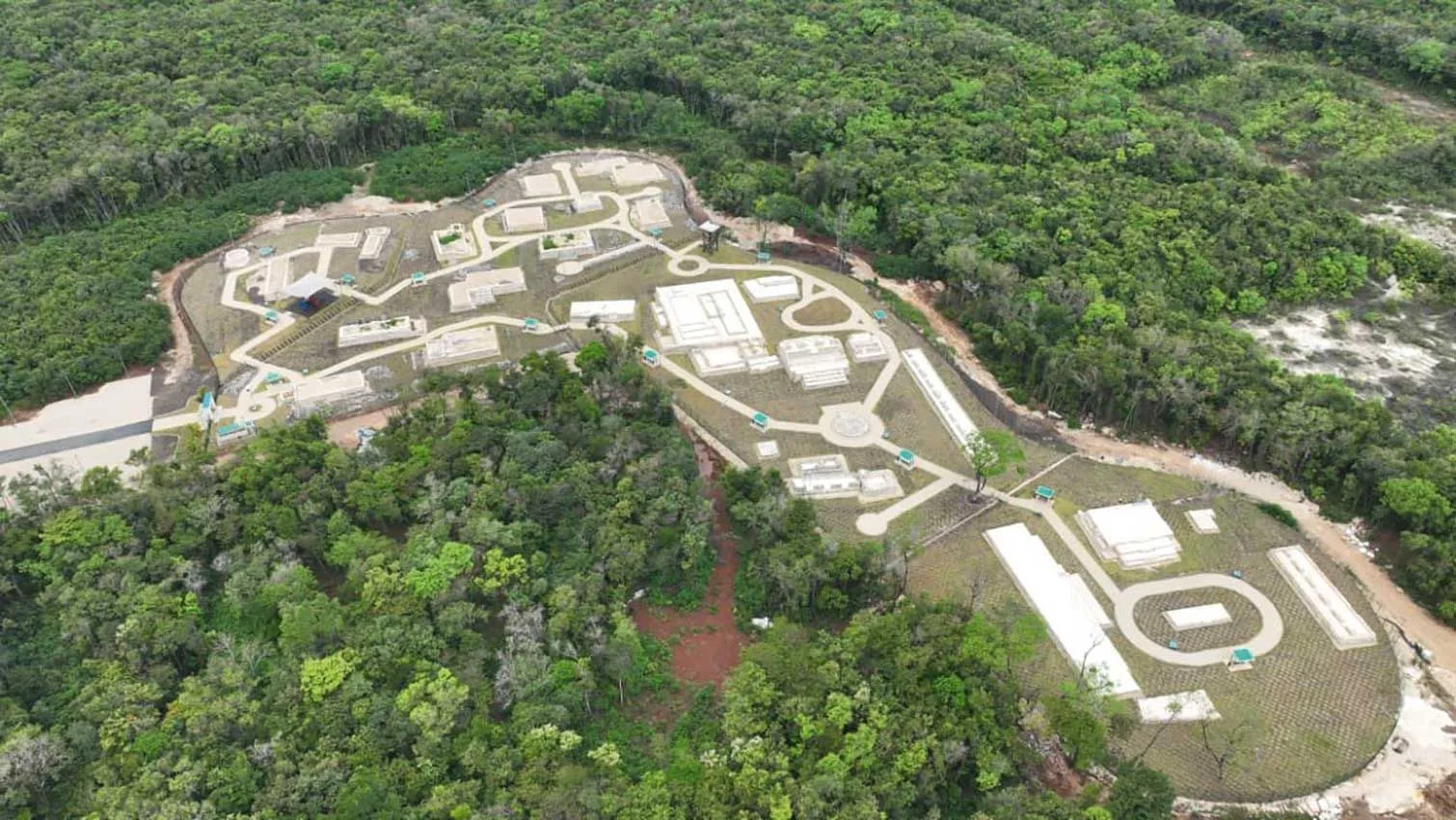
Relocated Maya Structures at Mexico’s Balam Tun Memory Park Face Legal Challenge
INAH archaeologists have filed a complaint against 26 officials over Balam Tun...
illustrarch Editoral Team2 Mins read
Heather Roberge, UCLA Architecture Professor and Murmur Founder, Dies at 55
UCLA professor and Murmur founder Heather Roberge, a 2026 AIA LA Educator...
illustrarch Editoral Team2 Mins read


Leave a comment