

Shigeru Ban Won the 2026 AIA Gold Medal for His Humanitarian Vision
Shigeru Ban has been awarded the 2025 American Prize for Architecture by The Chicago Atheneum and 2026 AIA Gold Medal recognizing his lasting contribution to contemporary architecture and his commitment to humanitarian design.
 Elif Ayse Sen19 December 20252 Mins read252

Shigeru Ban has been awarded the 2025 American Prize for Architecture by The Chicago Atheneum, honoring his exceptional contribution to architecture and his strong commitment to humanitarian values. The award was presented at the American Architecture Awards in Chicago and recognizes architects who bring new directions, ethical responsibility, and humanist ideals to contemporary architecture in the United States.

The American Prize for Architecture has been awarded for more than three decades and focuses on living architects who have an active presence in the United States while shaping modern architectural thought. Shigeru Ban was selected not only for the quality of his built work, but also for the social purpose behind it. His architecture consistently addresses global challenges such as natural disasters, housing shortages, and social inequality, making his work especially relevant in today’s world.
The recognition comes during a milestone period in Ban’s career, as he was also recently named the recipient of the 2026 AIA Gold Medal. Together, these honors highlight his lasting influence on both architectural culture and humanitarian design practices.
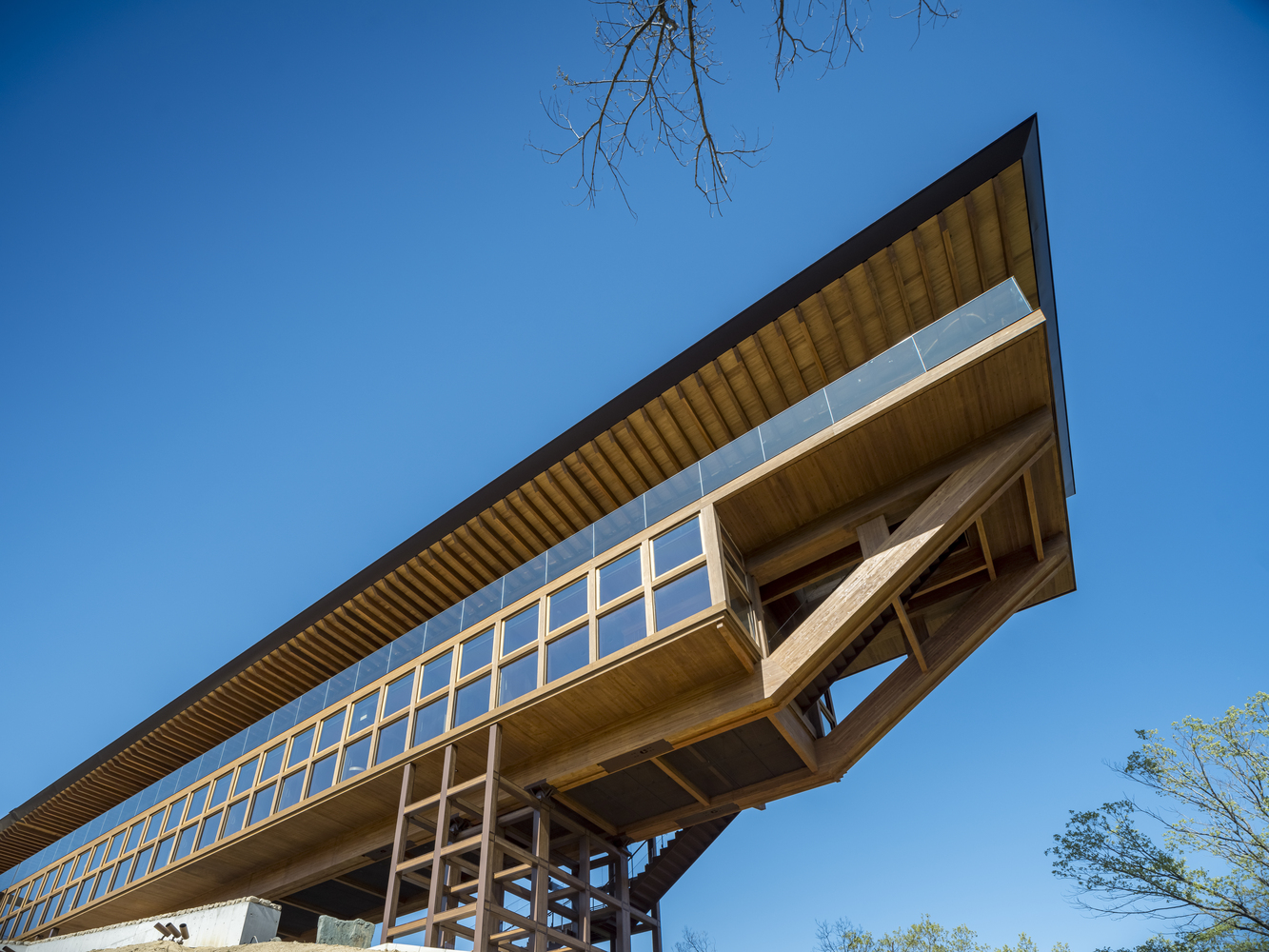
Architecture as a Tool for Social Responsibility
Shigeru Ban’s architectural philosophy is based on a simple but powerful idea: architecture should serve people, especially those in need. Unlike many architects who focus primarily on iconic buildings, Ban has dedicated a significant part of his career to disaster relief architecture and emergency housing. He believes that architects have a responsibility to respond when communities are affected by war, earthquakes, floods, or displacement.

Ban is widely known for his innovative use of unconventional materials, particularly paper tubes, cardboard, and recyclable components. These materials are affordable, lightweight, easy to transport, and environmentally friendly. Through this approach, he challenges the traditional perception that architecture must rely on expensive or permanent materials to be valuable.
His humanitarian projects include refugee shelters, temporary housing, schools, and community spaces built in collaboration with local communities and volunteers. These projects are not treated as secondary or temporary solutions; instead, Ban designs them with care, dignity, and architectural quality. His work shows that even emergency structures can provide comfort, privacy, and a sense of belonging.

A Global Practice Beyond Emergency Design
While Shigeru Ban is internationally recognized for his humanitarian architecture, his practice extends far beyond emergency design. He has completed major cultural, educational, and public buildings around the world, including museums, concert halls, and exhibition spaces. These projects reflect his experimental approach to structural innovation, material research, and sustainable architecture.
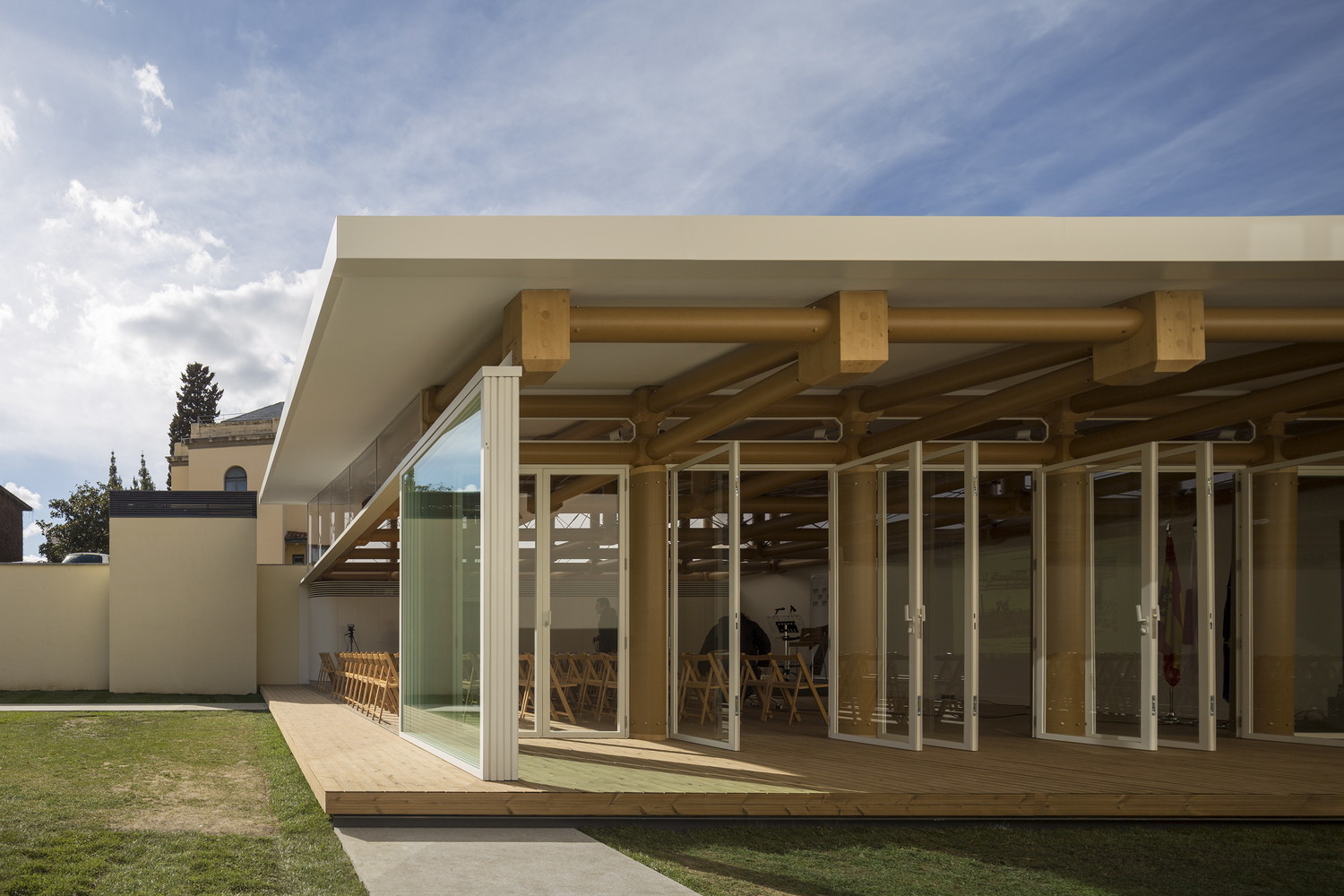
Across all scales and building types, Ban applies the same principles: clarity of structure, honesty of materials, and respect for human experience. His buildings often explore lightness, transparency, and flexible construction systems, creating spaces that are both functional and poetic.

The 2025 American Prize for Architecture recognizes this rare combination of architectural excellence and ethical commitment. Shigeru Ban’s work demonstrates that architecture can be both innovative and compassionate, technical and deeply human. By honoring Ban, the award reinforces the idea that architecture has the power to improve lives, respond to crises, and contribute meaningfully to society.





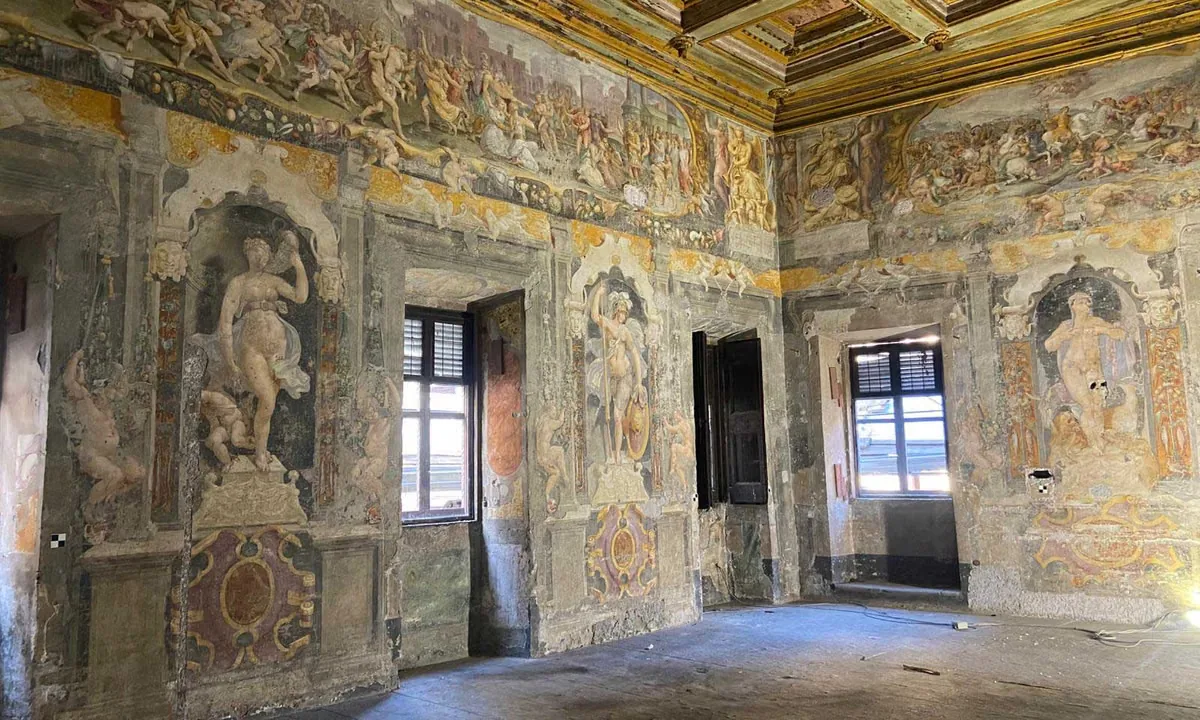
Restorers Uncover 16th-Century Murals Hidden by Nuns in Villa Silvestri Rivaldi
Conservators in Rome are uncovering 16th-century murals hidden for 300 years inside...
 illustrarch Editoral Team3 Mins read

A New Book Records the 1970s Interiors of Ebony and Jet’s Chicago Headquarters
820 Ebony/Jet collects Barbara Karant's photographs of the empty Johnson Publishing Company...
illustrarch Editoral Team2 Mins read

A 2,500-Year-Old Solar Observatory in Puebla Is the First Group E Complex Found Outside the Maya Area
Archaeologists working for Mexico's INAH have confirmed that two platforms at Teteles...
illustrarch Editoral Team2 Mins read

India Art, Architecture & Design Biennale 2026: Ministry of Culture Opens Delhi Monuments
Delhi's monuments, including Purana Quila and the Red Fort, will host the...
illustrarch Editoral Team2 Mins read


Leave a comment