

Pavilions in Architecture: Temporary Spaces with Lasting Impact
Pavilion design is the creation of spaces designed for a specific event or exhibition, usually defined as temporary or semi-temporary structures in architecture. Pavilions are constructed with lightweight materials and offer flexible usage areas thanks to their easy assembly and disassembly features.
 Elif Ayse Sen22 June 20252 Mins read400

Table of Contents Show
Pavilion design is the creation of spaces designed for a specific event or exhibition, usually defined as temporary or semi-temporary structures in architecture. Pavilions are constructed with lightweight materials and offer flexible usage areas thanks to their easy assembly and disassembly features. In the design process, basic elements such as how users will move in the space, the effect of light and the environment on the space, and visitor experience are at the forefront. Of course, design decisions change according to the event, exhibition or environment that the pavilion will serve. In its simplest form, pavilions aim to provide permanent experiences in temporary spaces by bringing together functionality and aesthetics in a simple structure.
We can call pavilion architecture, which stands out with the simple and functional designs of modernist architects such as Mies van der Rohe and Le Corbusier in the 20th century, an experimental and free area of architectural history. In works where aesthetics and functionality are emphasized more under the influence of the modern architecture movement, today it continues to expand the boundaries of architecture by offering both sustainable and technologically innovative solutions.
Today, complex geometries can be easily designed thanks to digital tools, while pavilions are designed with energy efficiency-oriented systems that reduce environmental impact. Pavilions, which are the “experimental platforms of architecture”, are visually and technically advanced projects that push the boundaries between space and technology today.

Barcelona Pavilion: Milestone of Modern Architecture
The Barcelona Pavilion by Mies Van Der Roher is one of the milestones of modern architecture with its minimalist design. The open plan scheme, the use of fine materials such as marble, onyx, glass and simplicity highlight the spatial flow. The Barcelona Pavilion symbolizes the concept of “less is more” in architecture.
Located in the garden of the Serralves Museum of Contemporary Art in Portugal, this pavilion stands out with its simple geometry and harmony with the natural environment. Siza’s simple and timeless design represents the balance of function and aesthetics in modern architecture.

Serralves Pavilion: Balance of Aesthetic and Function
Serralves Pavilion is designed by Álvaro Siza and located in the garden of the Serralves Museum of Contemporary Art in Portugal, this pavilion stands out with its simple geometry and harmony with the natural environment. Siza’s simple and timeless design represents the balance of function and aesthetics in modern architecture.

BIG’s 2016 Serpentine Pavilion
The Serpentine Gallery in London features temporary pavilions designed by different architects each year. To date, it has hosted works by world-class architects such as Zaha Hadid, Frank Gehry, and Olafur Eliasson. Designed by BIG Architects for the Serpentine Gallery in 2016, the pavilion has become one of the most important examples of pavilions in contemporary architecture with its innovative use of the space.

Osage Pavilion: Sustainable Design Harmonizing with Nature
Designed by Modus Studio in 2020 and built in Osage Park in Bentonville, the Osage Pavilion is an open-air structure in harmony with nature. It was designed using mostly natural materials in a way that respects its surroundings and does not harm the ecosystem. Offering visitors the opportunity to relax and explore in touch with nature, the pavilion reflects a modern and simple architectural approach that integrates with the landscape.

Spain Pavilion in Expo 2025
Expo 2025 in Osaka hosted pavilions from many countries, including the Spain pavilion, which offer different and incredible experiences. One of the most striking pavilion designs, the Spain Pavilion, represents Spain in the best way with an environmentally friendly architectural language by Enorme Studio. It offers visitors experiences related to the nature of different coastal areas of Spain, marine biology and the fight against climate change.






Interior Design for Commercial Spaces: Enhancing Functionality and Brand Identity
Commercial interior design has to serve brand, function and regulation at once....
 Begum Gumusel4 Mins read

Osaka Expo 2025 Future Life Village Pavilion by KOMPAS
KOMPAS gathers three exhibition programmes and a public toilet block into a...
 illustrarch Editoral Team3 Mins read

Lake House Völs by NOA
On the Völser Weiher in South Tyrol, NOA replaces an old kiosk...
illustrarch Editoral Team3 Mins read
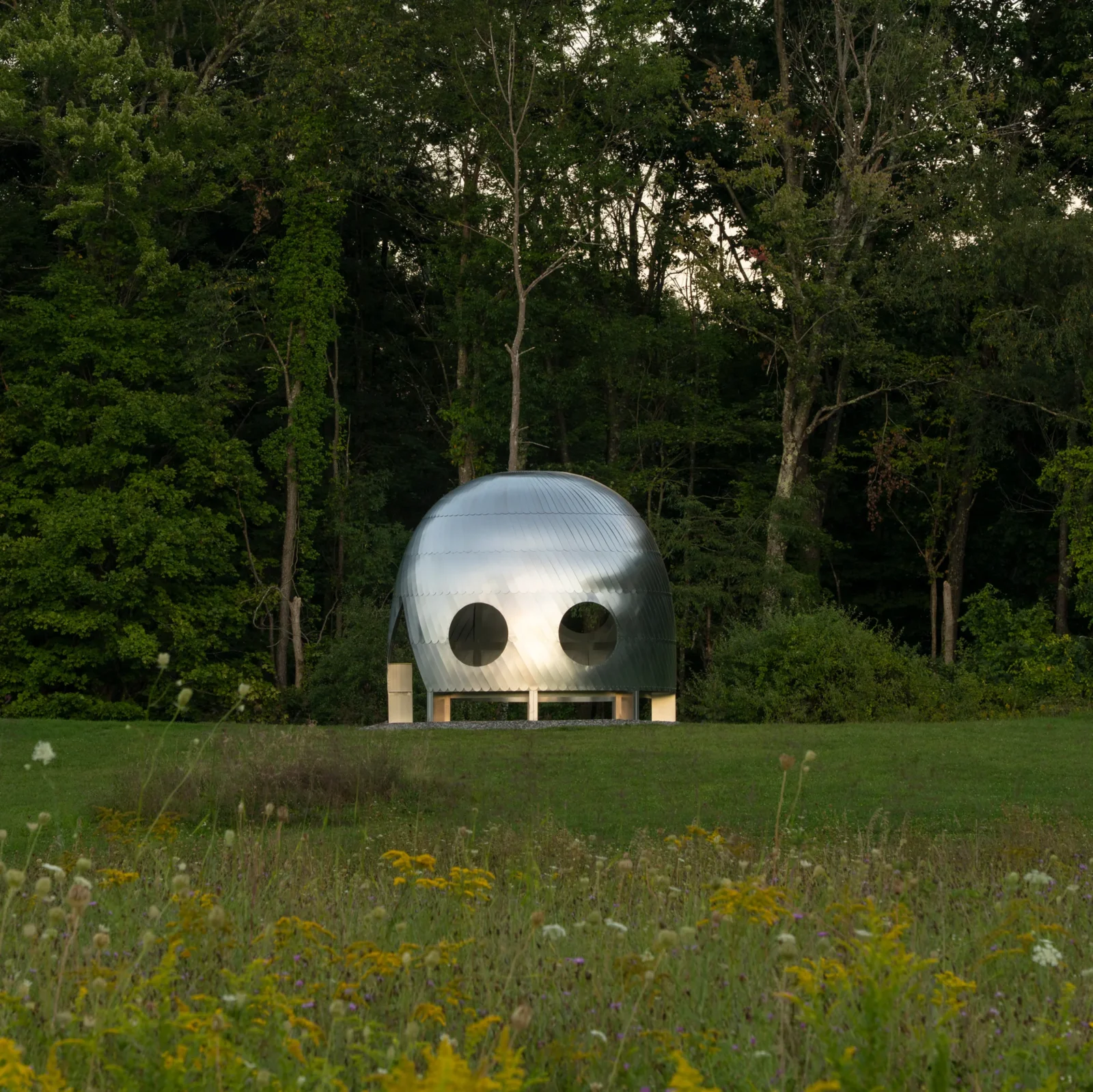
MOS Architects Unveils Basket-Like Aluminium Pavilion at Art Omi
MOS Architects built an egg-shaped aluminium pavilion at Art Omi, mixing basketry,...
illustrarch Editoral Team3 Mins read


Leave a comment