

Small Home, Big Impact: How Sustainable Choices Reduce Your Family’s Carbon Footprint
 illustrarch Editoral Team5 December 20255 Mins read82

Table of Contents Show
Even small, simple changes at home can meaningfully reduce your family’s carbon footprint while improving daily life. By adopting energy-efficient habits and reducing waste, you can make your home more sustainable without major changes, improving both environmental outcomes and daily living.
Understanding Your Family’s Carbon Footprint
Exploring your family’s carbon footprint is key to making sustainable choices. By understanding how activities at home impact the environment, you can implement small changes that contribute to a healthier planet.
What Is a Carbon Footprint?
A carbon footprint quantifies the total greenhouse gas emissions caused directly and indirectly by an individual, organization, or activity. It’s measured in units of carbon dioxide equivalents (CO2e), enabling diverse gas impacts to be compared. These emissions come from daily habits and choices, such as transportation, food consumption, and energy use at home. Recognizing your contribution to the carbon footprint can guide more environmentally friendly choices in your lifestyle.
How Daily Choices Add Up
Everyday decisions, from the food you eat to the transportation you use, play a role in your carbon footprint. Opting for plant-based meals, reducing food waste, and choosing public transportation over a car can significantly lower emissions. Even simple acts like turning off lights when not in use or using energy-efficient appliances can make a difference. These small changes, when multiplied across days and weeks, add up to create a measurable impact.
The Environmental Cost of Home Living
Home living comes with emissions from heating, cooling, and electricity consumption. Traditional energy sources, like fossil fuels, increase your carbon footprint. By using renewable energy sources, such as solar panels, and maintaining efficient insulation, you can reduce household emissions. Water usage also plays a part, so consider actions like shorter showers and fixing leaks. Your home environment’s environmental cost reflects daily habits and choices, impacting both the atmosphere and your quality of life.
Smart Sustainable Choices for Everyday Living
Choosing to make sustainable changes in your home can significantly lower your carbon footprint while also enhancing your quality of life. Small and thoughtful choices in home improvements, kitchen habits, and energy use can lead to a big impact.
Eco-Friendly Home Improvements
Consider switching to energy-efficient appliances—they may cost a bit more upfront, but you’ll save on electricity bills in the long run. LED lighting is another simple change with a big payoff. It’s more efficient and lasts significantly longer than traditional bulbs.
Installing a programmable thermostat can reduce unnecessary heating and cooling by matching indoor temperatures to your routine.
Reusing materials in DIY projects can help reduce waste. Repurposing old furniture is a great example. It can be both rewarding and eco-friendly, giving your home a unique and personal touch.
Sustainable Habits in the Kitchen
Incorporating plant-based meals more frequently in your diet reduces your environmental impact significantly. When grocery shopping, try to buy locally-produced goods. This supports local farmers and reduces the carbon footprint associated with transportation.
For food storage, switch from plastic to reusable containers. Glass jars are a good alternative to single-use plastics. Composting kitchen scraps is another excellent way to reduce waste while enriching your garden soil.

Meal planning helps reduce food waste by preventing overbuying and making better use of ingredients.
Energy-Saving Tips for the Whole Family
Encourage your family to turn off lights when leaving a room. This simple habit can substantially decrease energy consumption. Similarly, unplugging devices when they’re not in use prevents them from drawing power.
Take advantage of sunlight by opening curtains during the day to naturally light and heat your home. Using smart power boards can reduce standby energy use. Exploring solar power can offer long-term environmental and financial benefits. Finally, consider washing clothes in cold water whenever possible—it saves energy and keeps colors vibrant longer.
Why Solar Matters Even More in Australia
Australia has some of the highest solar potential in the world, with long sunny days that make renewable energy an accessible and cost-effective choice for many households. As energy prices continue to rise, more Australian families are looking for long-term solutions that reduce their carbon footprint while lowering household bills.
One of the most impactful changes you can make is choosing to help the environment by switching to using solar energy. Solar systems are increasingly popular across Australia because they harness the country’s natural climate advantages and significantly cut reliance on fossil fuels. From urban homes to regional properties, solar power has become a practical, environmentally friendly upgrade that pays off both financially and sustainably.
State incentives and rebates support the shift to renewable energy, making it easier for households to adopt solar technology.
Big Impact in Small Spaces: Innovative Solutions
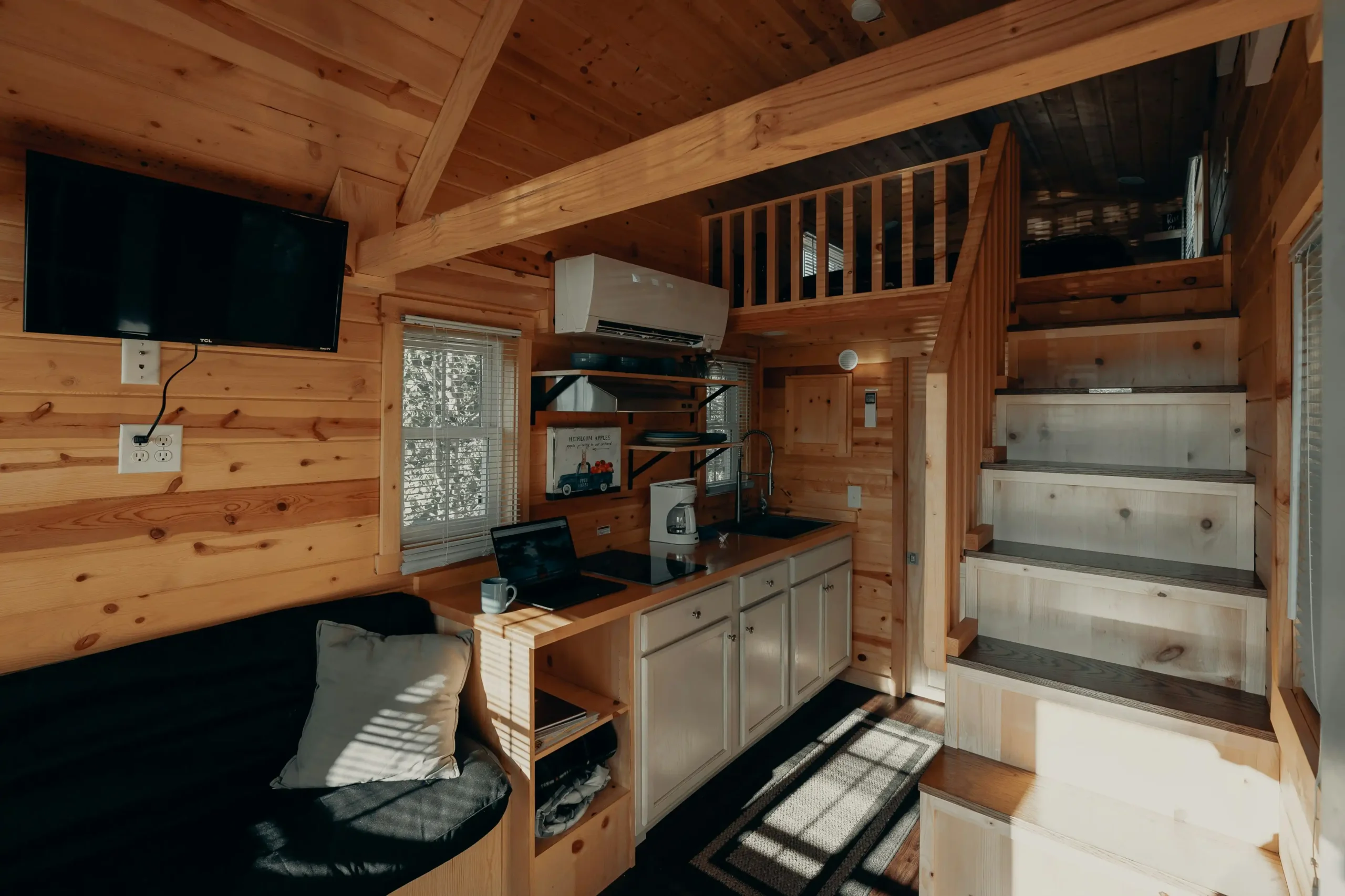
Choosing sustainable options can significantly reduce your family’s carbon footprint even in small living spaces. Smart low-waste practices, eco-friendly transport alternatives, and cutting-edge green technologies can transform your compact home into an environmental leader.
Low-Waste Living for Compact Homes
In a small home, effective space use and resource efficiency are crucial. Composting kitchen scraps, buying in bulk, and decluttering are effective low-waste strategies that minimise rubbish and make better use of space. Opt for reusable alternatives such as cloth napkins and beeswax wraps to cut down on single-use products. These steps promote sustainability while keeping your living space tidy and efficient.
Sustainable Transportation for Families
Using public transport, cycling, carpooling, and walking for short trips are effective ways to cut transport emissions without major lifestyle changes. These choices not only benefit the environment but also promote a healthier lifestyle by encouraging physical activity. Additionally, fewer vehicles on the road reduces congestion, leading to cleaner air for everyone.

Green Technology and Simple Swaps
Green technology, such as energy-efficient lighting, smart home systems, and solar water heaters, can reduce household energy use and support renewable energy adoption.
Additionally, simple swaps like using eco-friendly cleaning products can minimize harmful chemical release into the environment. Small steps such as these contribute to a more sustainable home, aligning with a broader global move towards greener living.
By integrating these solutions, you can make a noticeable impact on your home’s sustainability, showcasing that eco-conscious living is achievable, even in compact spaces.
Inspiring Change and Building a Greener Future
Creating a greener future for your family often starts with small, everyday choices. By educating your children about the importance of sustainability, engaging with your community, and celebrating your family’s efforts, you inspire change and reduce your carbon footprint.
Teaching Children about Sustainability
Children are naturally curious, making it a good opportunity to teach basic sustainability. Simple activities like gardening, recycling, and practising energy-saving habits help them understand how everyday choices affect the environment. These small actions become lifelong habits, showing them they can make a difference. Teaching children about sustainability empowers them to contribute positively to the environment.
Community Action and Everyday Progress
Community involvement can strengthen individual sustainability efforts. Joining local clean-up events, supporting environmentally conscious businesses, or advocating for improved public transport helps build shared responsibility for environmental outcomes. Families can also track their progress through simple notes or photos and acknowledge small achievements along the way. Reflecting on these steps encourages long-term habits and reinforces that sustainable living is a gradual, ongoing process rather than a single change. Small community actions often inspire broader participation and long-term environmental commitment too.
Conclusion
A sustainable home does not require drastic changes; it simply starts with small, thoughtful choices that add up over time. By embracing renewable energy, reducing waste, conserving resources, and engaging your family and community, you can create meaningful environmental impact right where you live. Every step you take—no matter how small—moves your household toward a healthier, greener, and more resilient future.








Turning Vacation Snapshots Into Cinematic Travel Blog Headers With Nano Banana
I have been running a small travel blog for about six years...
illustrarch Editoral Team7 Mins read

Where Do Famous Architects Live? Houses Behind the Masters
From Le Corbusier's Paris penthouse to Bjarke Ingels' floating home in Copenhagen,...
 Sinan Ozen8 Mins read

Is Your Business Actually Ready for AI? Here Is How to Find Out
Table of Contents Show Clear Processes Matter More Than New ToolsData Quality...
illustrarch Editoral Team3 Mins read

Cantilevers in Architecture: How They Work, Types, and Iconic Examples
Cantilevers allow architects to create dramatic overhanging forms without visible support columns....
 Furkan Sen10 Mins read


Leave a comment