

Where Do Famous Architects Live? Houses Behind the Masters
From Le Corbusier's Paris penthouse to Bjarke Ingels' floating home in Copenhagen, the personal residences of famous architects reveal design philosophies that public commissions never fully capture. This piece covers seven iconic architect homes, explaining how each house tested ideas that later defined entire careers.
 Sinan Ozen19 May 20268 Mins read166
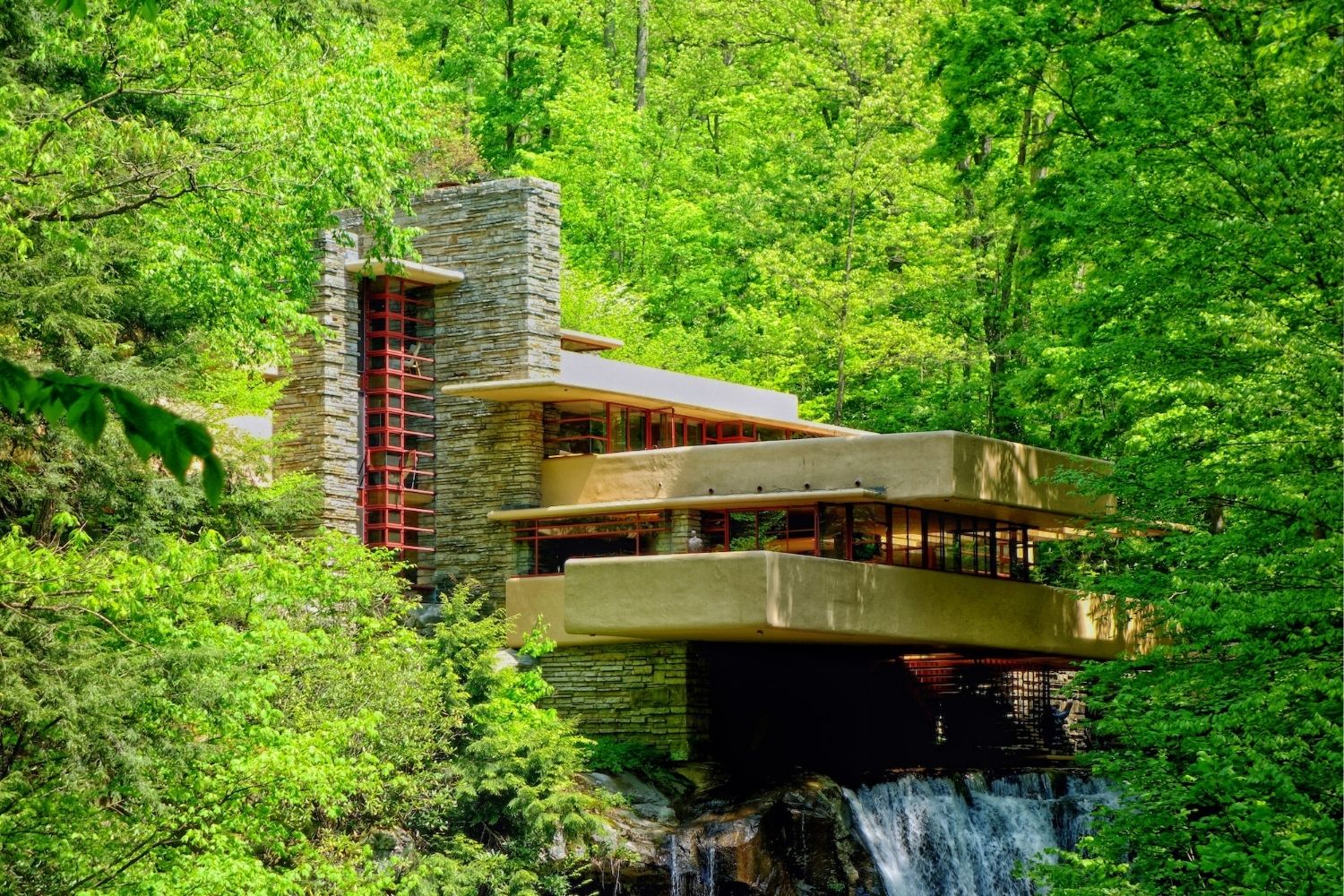
Table of Contents Show
Where do famous architects live? Many of history’s most celebrated designers built or chose homes that doubled as testing grounds for their biggest ideas. From Frank Lloyd Wright’s hilltop estate in Wisconsin to Tadao Ando’s tiny concrete row house in Osaka, these residences reveal how famous architects think about space, light, and daily life when no client brief is involved.
Why Architects’ Own Homes Matter
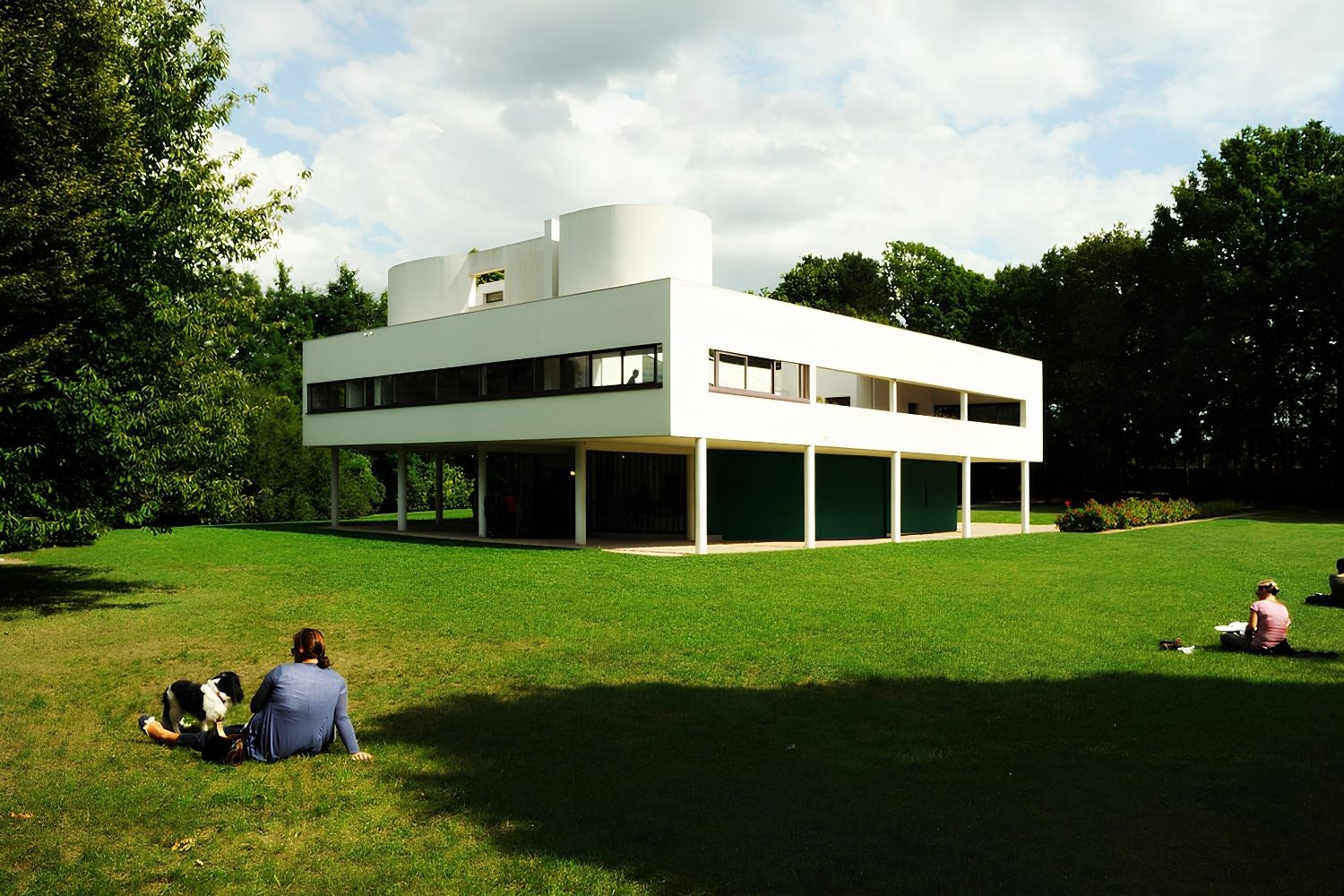
A public museum or concert hall is shaped by committees, budgets, and regulations. An architect’s own house strips all of that away. The result is often the purest expression of a design philosophy, built without compromise. Le Corbusier tested his Five Points of Architecture at Villa Savoye before applying them worldwide. Frank Lloyd Wright spent decades refining Taliesin as both a home and a school. For students and professionals studying modern architecture, these personal residences offer a direct line into the thinking behind the buildings that defined entire movements.
The homes on this list span nearly a century of design. Some are museums today. Others remain private. All of them changed how we understand the relationship between a designer and the spaces they inhabit.
Frank Lloyd Wright: Taliesin and Taliesin West
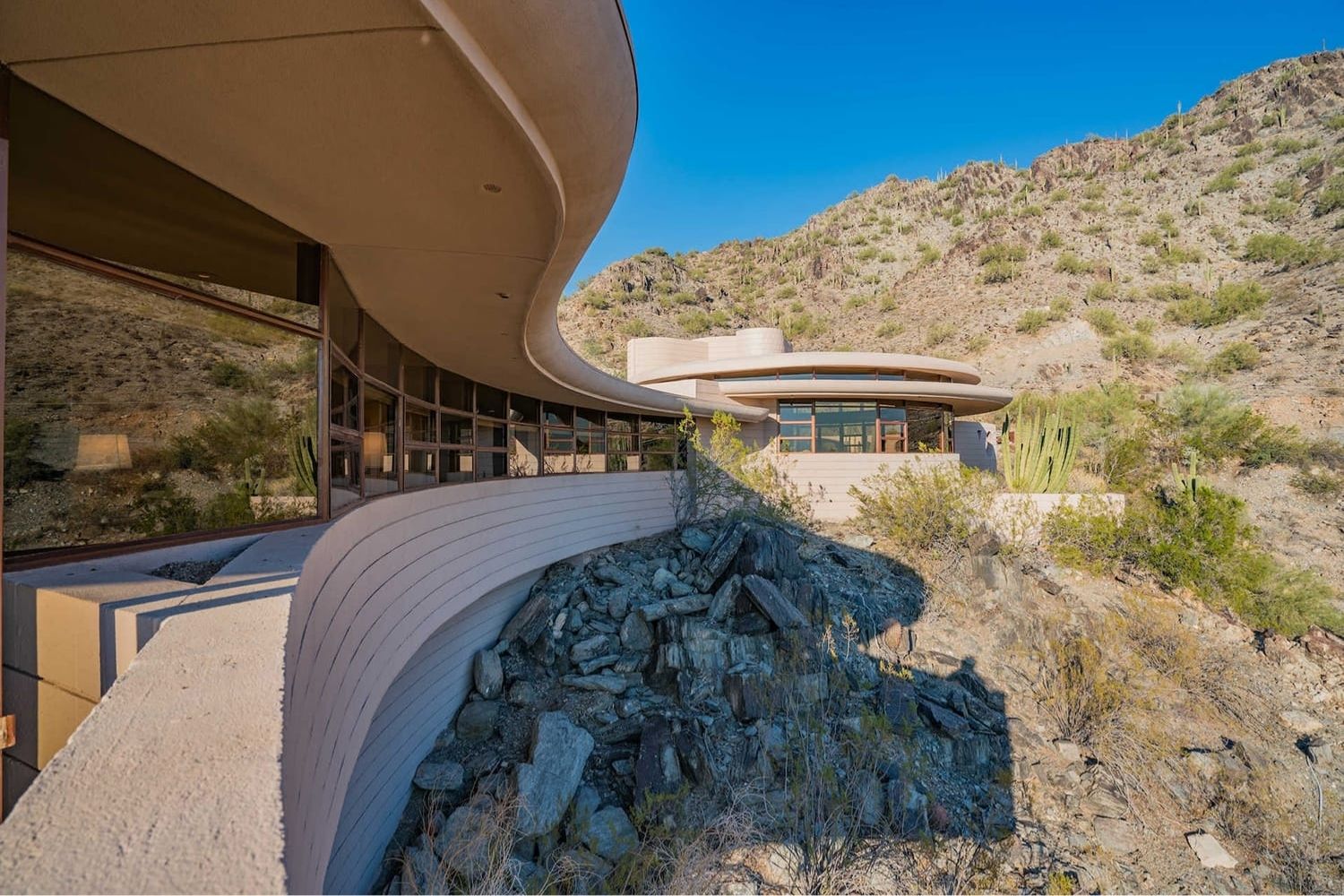
Frank Lloyd Wright is arguably the most famous architect in American history, and he built not one but two personal estates. Taliesin, located in Spring Green, Wisconsin, started in 1911 as a retreat on family land. Wright designed it into the brow of a hill rather than on top of it, an early statement of his organic architecture philosophy that buildings should grow from their surroundings like a natural extension of the landscape. The house was rebuilt twice after devastating fires, each version incorporating lessons from the last.
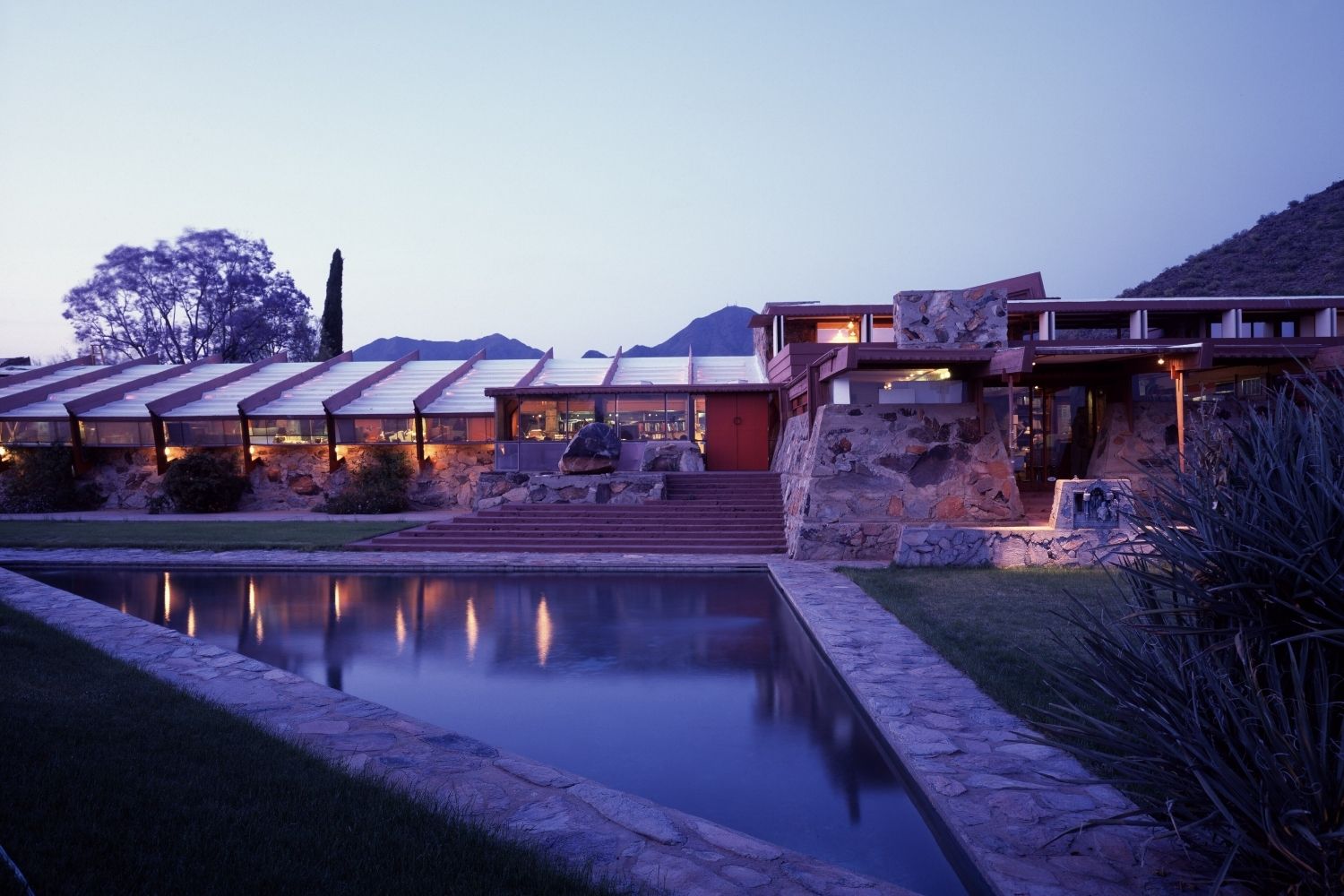
In 1937, Wright began Taliesin West in Scottsdale, Arizona, as a winter camp and studio. He constructed it from desert masonry, using local stone set in concrete, with canvas and later fiberglass roofing that filtered Arizona’s intense sunlight. The complex grew over two decades, constantly modified as Wright tested new ideas for ventilation, shading, and indoor-outdoor flow. Both Taliesin estates became the headquarters of the Frank Lloyd Wright School of Architecture (now the School of Architecture at Taliesin), making them rare examples of a home, a studio, and a school occupying the same site.
💡 Pro Tip
If you visit Taliesin West, pay attention to how Wright angled the drafting room’s roof to bounce indirect light onto the drawing tables. He solved a practical studio lighting problem decades before architects started using daylight simulation software, and the technique is still effective for anyone designing a creative workspace today.
Wright also designed Fallingwater in Pennsylvania, which, although built for the Kaufmann family, is often mistakenly listed among his personal residences. It was a client commission, but it remains the most famous house by any architect in history, and its 2026 restoration brought fresh attention to Wright’s residential work.
Le Corbusier: The Apartment-Studio at 24 Rue Nungesser et Coli, Paris
Le Corbusier is one of the most famous architects in history, yet his personal living space was surprisingly modest. From 1934 until his death in 1965, he lived and worked in a penthouse apartment at 24 rue Nungesser et Coli in the 16th arrondissement of Paris. He designed the entire apartment block with his cousin Pierre Jeanneret, and then claimed the top two floors for himself.
The apartment featured floor-to-ceiling glass walls on both facades, making it one of the first all-glass residential interiors in Le Corbusier’s career. One side faced the Bois de Boulogne park; the other looked toward the Stade Roland-Garros tennis complex. He used the upper level as a painting studio, filling it with murals that he worked on for decades. The apartment is now managed by the Fondation Le Corbusier and is open to visitors by appointment.
What makes the apartment remarkable is its scale. Le Corbusier, who planned entire cities like Chandigarh, chose a space of roughly 240 square meters for his daily life. Every surface served a purpose. Vault-shaped ceilings in the bedroom created an intimate sleeping alcove within an otherwise open plan. The kitchen was small and functional, reflecting his belief that domestic spaces should prioritize efficiency over display.
🎓 Expert Insight
“A house is a machine for living in.” — Le Corbusier
This often-quoted line makes more sense when you see Le Corbusier’s own apartment. He designed it exactly like a well-tuned machine, with each element doing specific work: the glass walls provide light and views, the vaulted ceiling creates intimacy, and the open plan allows movement. He practiced what he preached.
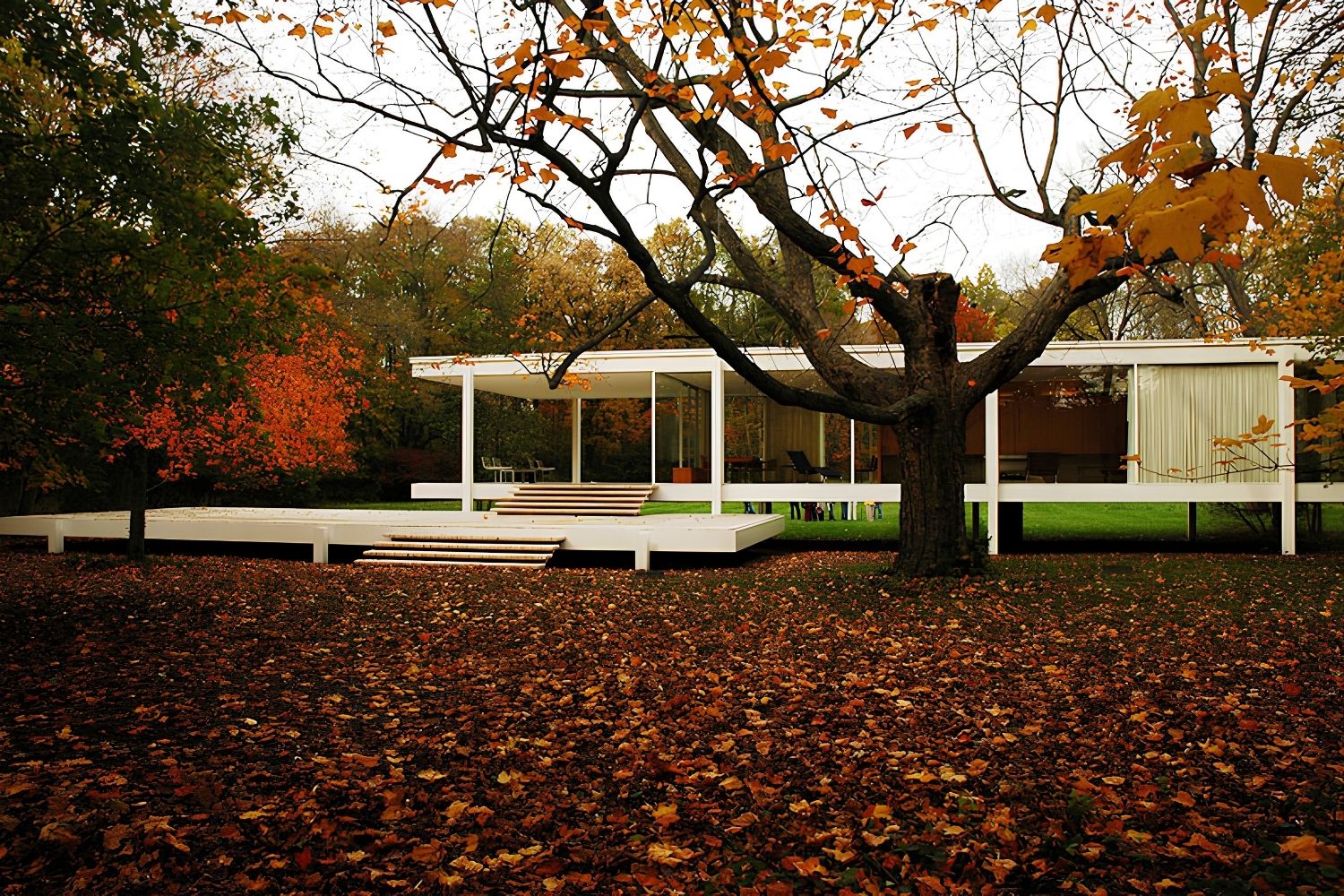
Ludwig Mies van der Rohe: A Rented Apartment in Chicago
Here is something that surprises many architecture students: Ludwig Mies van der Rohe, one of the most famous modern architects and the designer of the Farnsworth House, never built a house for himself. After emigrating from Germany to the United States in 1938, he lived in a rented apartment at 200 East Pearson Street in Chicago for nearly three decades.
The apartment was in a conventional building with no particular architectural distinction. Mies furnished it with his own Barcelona chairs, Brno chairs, and glass-topped tables, turning an ordinary rental into a quiet statement of his “less is more” principle. Visitors reported that the space felt calm and deliberately sparse, with a small collection of Paul Klee paintings on the walls. He lived there until his death in 1969.
This choice says something important about Mies’s philosophy. While he created pristine glass-and-steel pavilions for clients, he apparently felt no need to build a monument for himself. His residential masterpiece, the Farnsworth House in Plano, Illinois, was designed for Dr. Edith Farnsworth, and the two famously fell out over its cost and livability. The irony of one of history’s most famous architects choosing a rented flat over a custom-built home has fascinated historians for decades.
Tadao Ando: The Azuma House, Osaka
Tadao Ando’s Azuma House (also called the Row House in Sumiyoshi) is a small concrete residence built in 1976 in a dense Osaka neighborhood. It replaced a traditional wooden row house, slotting into a gap just 3.3 meters wide. The house is divided into three sections by an open-air courtyard in the center, meaning residents must walk through the outdoors to move between rooms, even in rain.
This was one of Ando’s first completed buildings, and it won the Annual Prize of the Architectural Institute of Japan in 1979. The house established two principles that would define his entire career: the expressive use of smooth, board-formed concrete, and the deliberate introduction of weather and light as active participants in daily life. Ando’s decision to force inhabitants outdoors within their own home was controversial, but it reflected his belief that architecture should heighten awareness of nature rather than shut it out.
Though Ando is now among the most famous architects alive, and his projects range from museums in Texas to churches in Hokkaido, the Azuma House remains his most personal statement. He has described it as the foundation of everything he built afterward. His own studio in Osaka, a converted row house nearby, operates on similar principles of concrete, light, and spatial compression. The Pritzker Prize jury specifically cited his early residential work when awarding him the prize in 1995.
📌 Did You Know?
Tadao Ando never attended architecture school. He worked as a professional boxer and a truck driver before teaching himself architecture through books, travel, and sketching. He was especially influenced by Le Corbusier, and even named his pet dog “Le Corbusier” (Corbu for short). The dog accompanied him during the breakthrough years of his career.
Philip Johnson: The Glass House, New Canaan
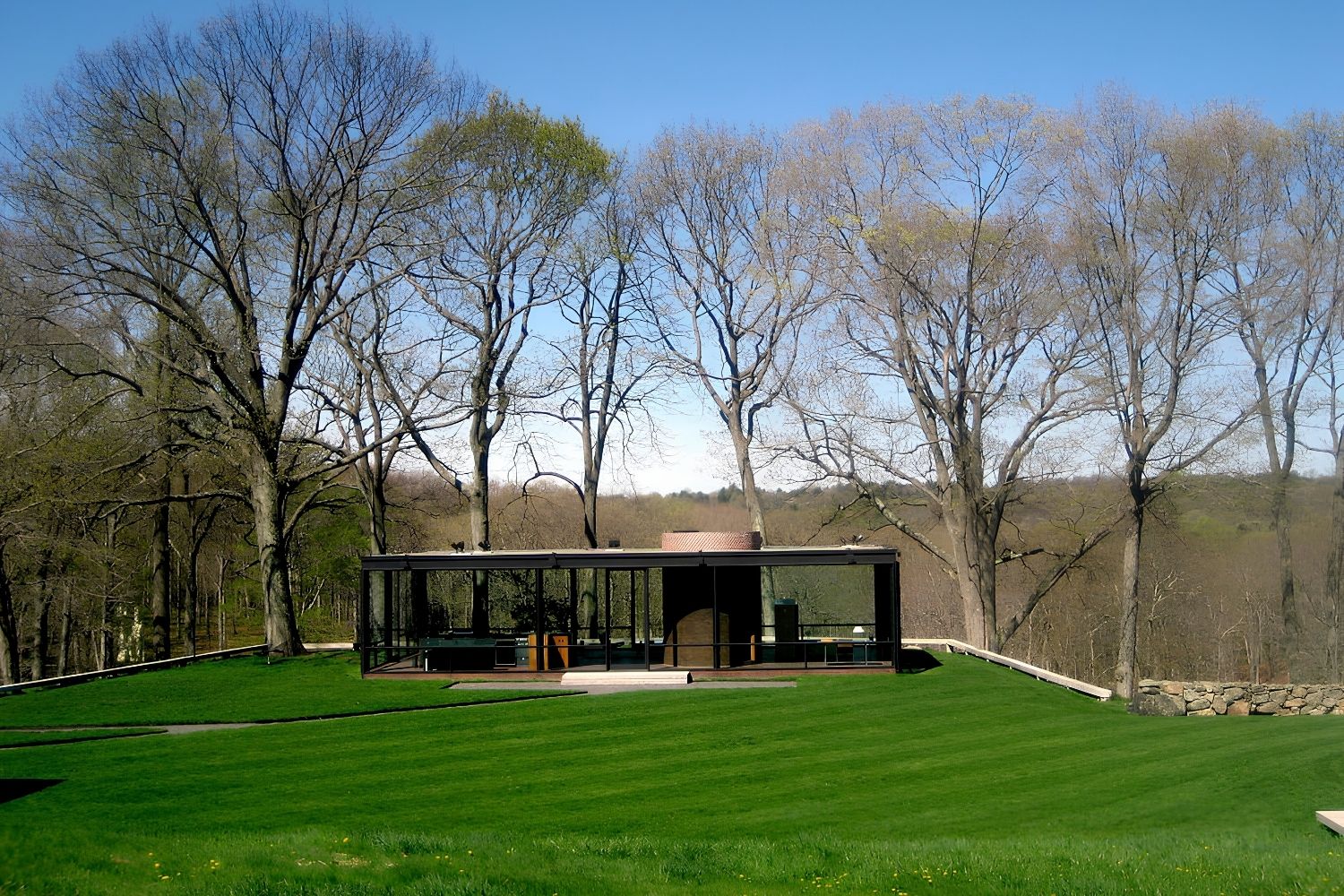
Philip Johnson’s Glass House, completed in 1949 in New Canaan, Connecticut, is one of the most photographed residences in the world. The structure is a single rectangular volume with floor-to-ceiling glass on all four sides, supported by a black steel frame. The only enclosed element is a brick cylinder containing the bathroom. Everything else, the sleeping area, the sitting area, the kitchen, is exposed to the surrounding landscape.
Johnson lived in the Glass House from its completion until his death in 2005, a span of 56 years. Over those decades, he added 13 more structures to the 49-acre property, including a painting gallery, a sculpture gallery, a study called “Da Monsta,” and a visitor pavilion. The estate became a personal architectural laboratory where Johnson tested ideas from nearly every major 20th-century movement: International Style, Brutalism, Deconstructivism, and Pop Art, among others.
The Glass House is now a site of the National Trust for Historic Preservation and is open to the public for tours. It remains a required case study for anyone studying the relationship between transparency, privacy, and domestic life in modern versus contemporary architecture.
Charles and Ray Eames: Case Study House #8, Pacific Palisades
Charles and Ray Eames designed and built their home in Pacific Palisades, California, in 1949 as part of the Arts & Architecture magazine Case Study House Program. Known as Case Study House #8, the residence used off-the-shelf industrial components, including steel framing, factory-produced panels, and standard-size glass, to create a colorful, light-filled house and studio on a eucalyptus-lined meadow overlooking the Pacific Ocean.
The Eames House was not about luxury or exclusivity. It was an argument that good design could be affordable and available to ordinary families, a principle the couple applied to their furniture, films, and exhibitions throughout their careers. The house’s exterior grid of primary colors, inspired by Piet Mondrian, has become one of the most recognizable images in 20th-century residential design.
Ray Eames lived in the house until her death in 1988, just ten years after Charles passed. The Eames Foundation now preserves the property, maintaining it as close to its original state as possible, including the couple’s personal belongings, books, and collected objects arranged exactly as they left them. It was designated a National Historic Landmark in 2006.
⚠️ Common Mistake to Avoid
Many people assume that famous architects always live in expensive, custom-built mansions. In reality, several of the most influential designers chose modest spaces. Mies van der Rohe rented an ordinary apartment. The Eames House was built from catalog-standard industrial parts. Le Corbusier’s apartment was smaller than many suburban homes. The quality of an architect’s personal space comes from design thinking, not from budget.
What Do These Homes Have in Common?
Despite spanning decades, continents, and very different design philosophies, the personal homes of famous architects share a few patterns. First, nearly all of them were ongoing projects. Wright worked on Taliesin for over 40 years. Johnson added buildings to his Glass House estate for five decades. These were not finished products but evolving experiments. Second, most prioritized ideas over comfort. Ando’s courtyard forces you into the rain. Johnson’s Glass House offers zero visual privacy. Le Corbusier’s apartment had minimal kitchen space. These choices reflected design convictions that the architects valued more than convenience.
Third, several of these homes are now museums or historic sites, which means you can visit them. Fallingwater, the Glass House, the Eames House, Villa Savoye, and both Taliesin complexes are open to the public. Walking through these spaces is one of the most direct ways to understand what the most famous architects in history actually believed about how people should live.
Video: Inside the Homes of Famous Architects
This video tour visits several private residences of influential architects, including Frank Lloyd Wright, Philip Johnson, Richard Neutra, and Charles and Ray Eames, showing how each home served as a testing ground for larger design ideas.
How Famous Architects Today Approach Their Own Homes
The tradition continues among famous architects today. Bjarke Ingels of BIG made headlines when he moved onto a houseboat in Copenhagen harbor, later developing it into a prototype for floating urban housing. Shigeru Ban, known for disaster-relief structures made from paper tubes, lives in a Tokyo residence that uses many of the same low-cost, recyclable materials he deploys in humanitarian projects. Kengo Kuma’s Tokyo studio integrates timber screens and natural ventilation strategies that appear across his larger commissions.
These choices show that the instinct to treat one’s own home as a proving ground is not limited to the mid-20th century. For architecture students looking for career inspiration, studying where designers actually live, and how they live, can be just as instructive as analyzing their public buildings.
Final Thoughts
Where do famous architects live? The answer, across a century of evidence, is that they live in spaces that test their own ideas. Some build estates. Some rent apartments. Some force themselves to walk through the rain just to reach the kitchen. The personal home of a great architect is rarely the most comfortable house on the block, but it is almost always the most honest one. These residences strip away the client, the committee, and the budget meeting, leaving only the architect’s core beliefs made physical. For anyone studying or practicing architecture, that honesty is worth a visit.
Location details and visiting hours for architect homes mentioned in this article may change. Check official foundation or museum websites for the most current information before planning a visit.



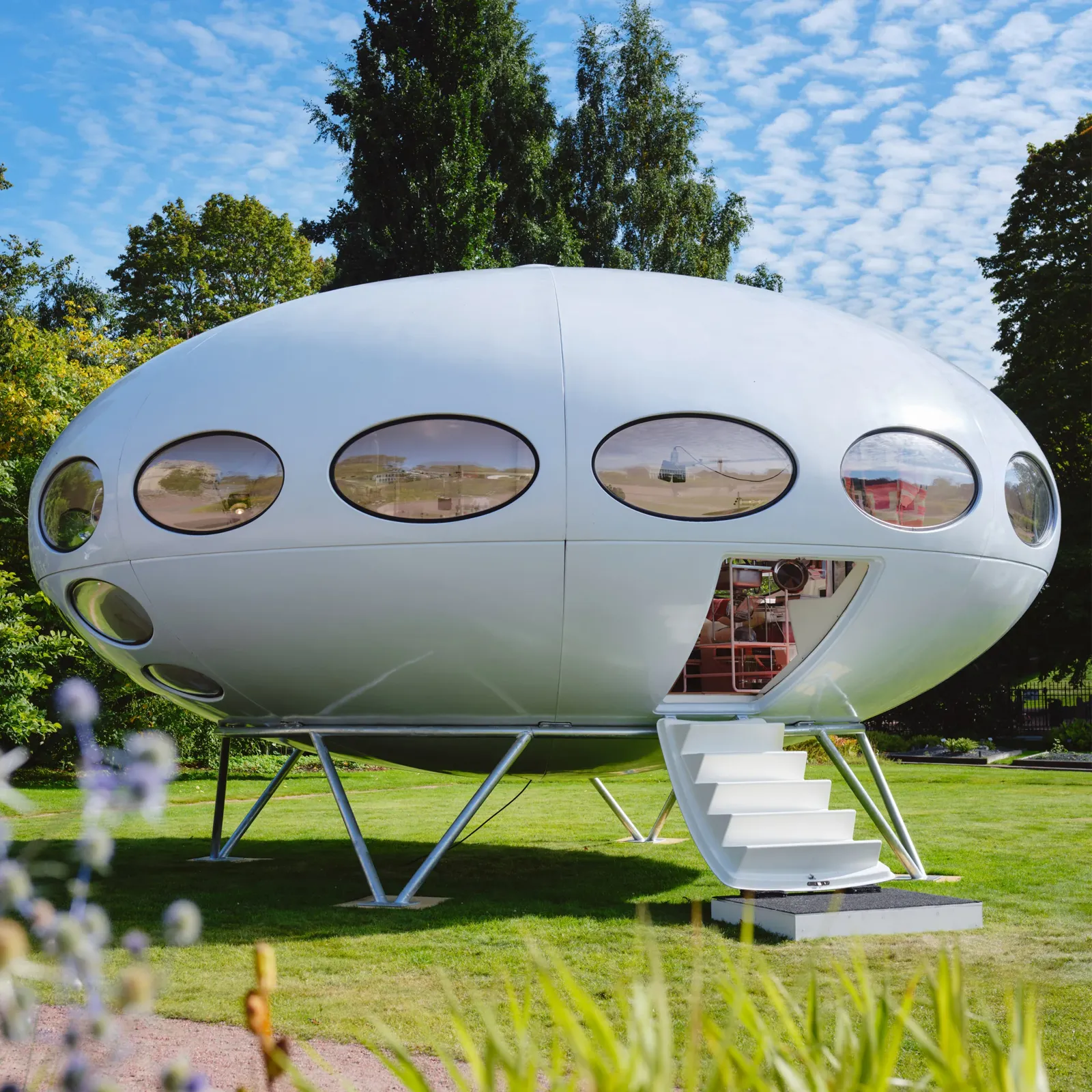
Futuro House Production Revived in Finland After Decades-Long Hiatus
A Facebook listing for abandoned moulds led to the first new Futuro...
 illustrarch Editoral Team3 Mins read
Building Your Dream Home in NSW: What You Should Know About Montgomery Homes
Montgomery Homes has been building across Sydney, Newcastle, the Hunter, Wollongong and...
illustrarch Editoral Team4 Mins read
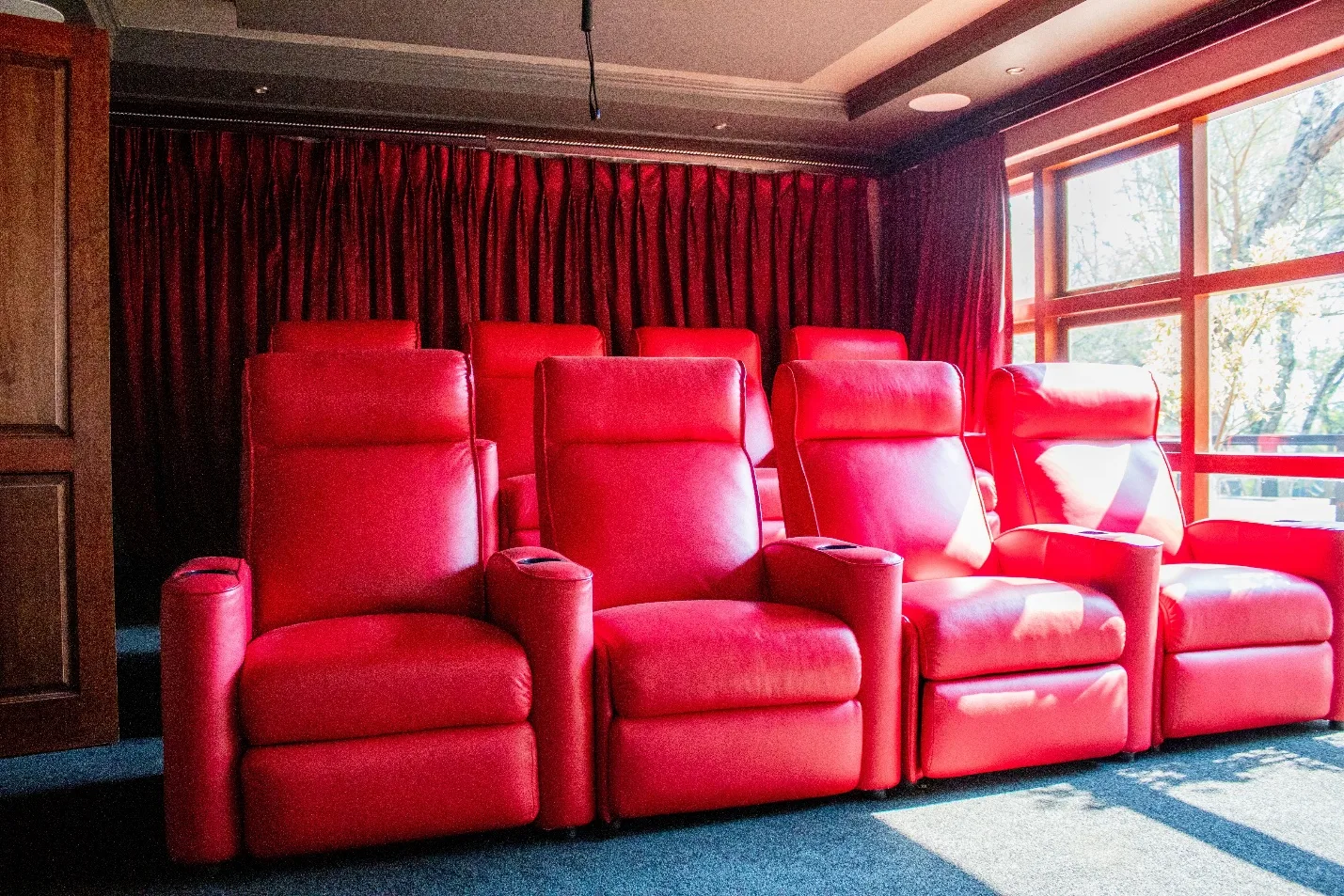
Designing a Home Theater: Where Drapery Fits Into the Plan
In a media room the curtains are a performance layer, not decoration....
illustrarch Editoral Team3 Mins read

Oscar Niemeyer’s Cathedral of Brasília: The Hyperboloid Concrete Hymn
The Cathedral of Brasília reads as a single gesture, yet it stood...
 Furkan Sen7 Mins read


Leave a comment