

8 Famous Architects Who Used the Golden Ratio
A closer look at eight famous architects and how the golden ratio, the 1:1.618 proportion known as phi, shaped their buildings, from Le Corbusier's documented Modulor system to the intuitive balance of Niemeyer and Ando.
 Begum Gumusel5 December 20256 Mins read313

Table of Contents Show
The golden ratio in architecture is a proportion of roughly 1:1.618, often written as the Greek letter φ, that designers use to organize height, width, and spacing into balanced compositions. Several famous architects, from Le Corbusier to Tadao Ando, have built proportional systems around it or produced work that closely reflects its logic.
Throughout architectural history, the golden ratio has served as a bridge between mathematics, aesthetics, and human perception. Known for its naturally pleasing proportions, this ratio, approximately 1:1.618, appears in geometry, nature, and art, which makes it a lasting guide for balanced spatial composition. Many influential architects have deliberately worked the golden ratio in architecture into their design philosophies, using it to shape harmonious façades, spatial hierarchies, and structural rhythms. If you want the underlying mathematics first, our detailed look at the golden ratio in architecture explains the concept and its history. The sections below cover eight notable architects whose work reflects a strong connection to this proportion, whether through theoretical frameworks, deliberate proportioning, or intuitive design sensibilities.
📌 Did You Know?
The popular claim that the Parthenon was designed around the golden ratio is contested among scholars, because no surviving text from ancient Greece describes its use there. The proportion is far better documented in modern practice, most clearly in Le Corbusier’s twentieth-century Modulor system.
1. Le Corbusier: The Modulor Visionary
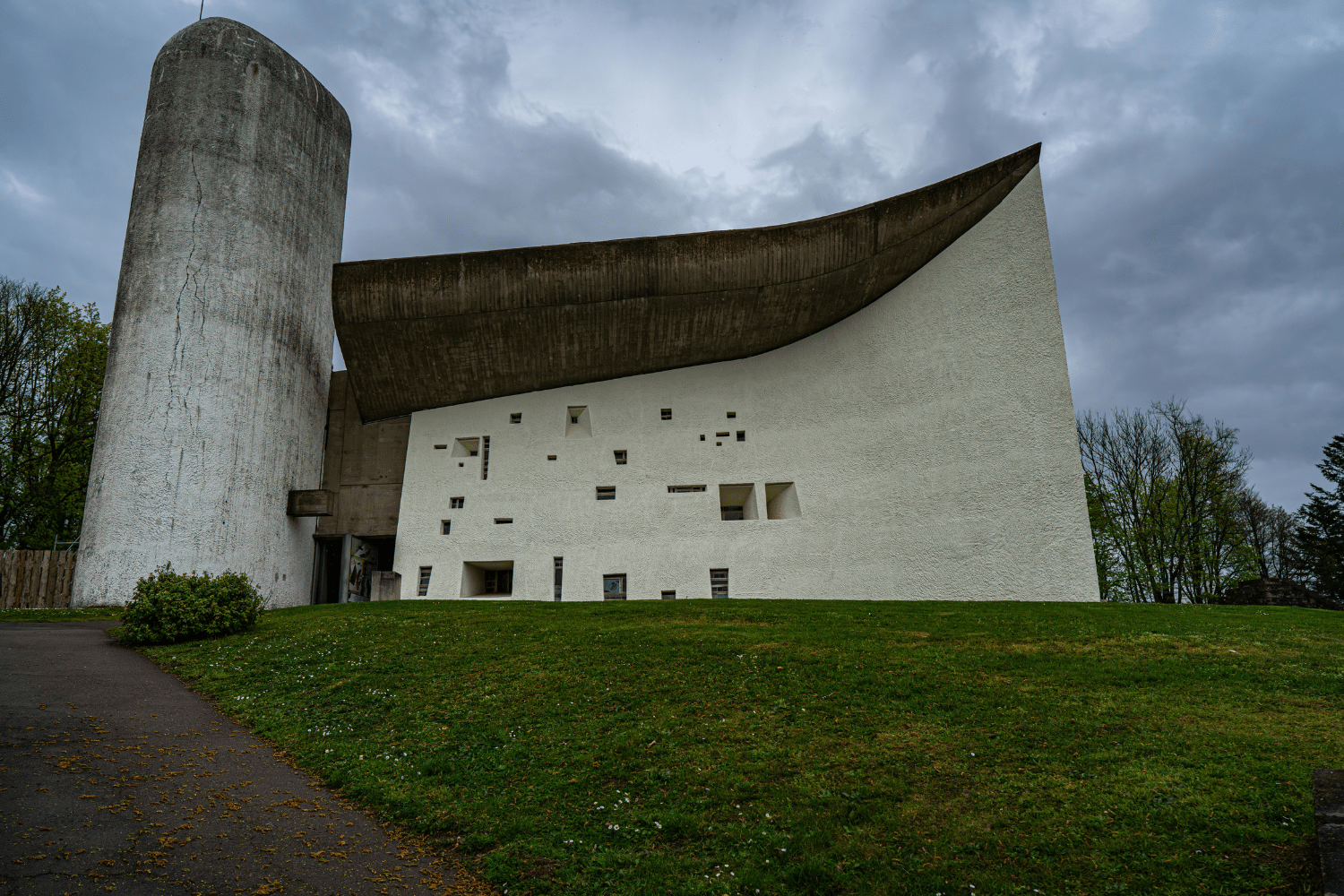
Le Corbusier remains one of the most deliberate practitioners of the golden ratio in architecture. His Modulor system is an anthropometric design tool based on Fibonacci sequences, the golden ratio, and human body proportions. By grounding his buildings in mathematical relationships, he aimed to reconcile human scale with universal harmony. Works such as the Unité d’Habitation and Notre Dame du Haut reflect these proportional studies, where elevations, window intervals, and spatial divisions follow rhythmic systems rooted in φ. Le Corbusier documented the method in two published volumes, giving later architects a rare, fully explained framework rather than an intuition.
💡 Pro Tip
When testing golden ratio proportions on your own drawings, overlay a 1:1.618 rectangle on the main elevation before you fix any dimensions, rather than forcing every measurement to land on φ. Experienced designers treat the ratio as a guide for the largest divisions, not a rule for every wall and window opening.
2. Louis Kahn: Proportion as a Language of Light
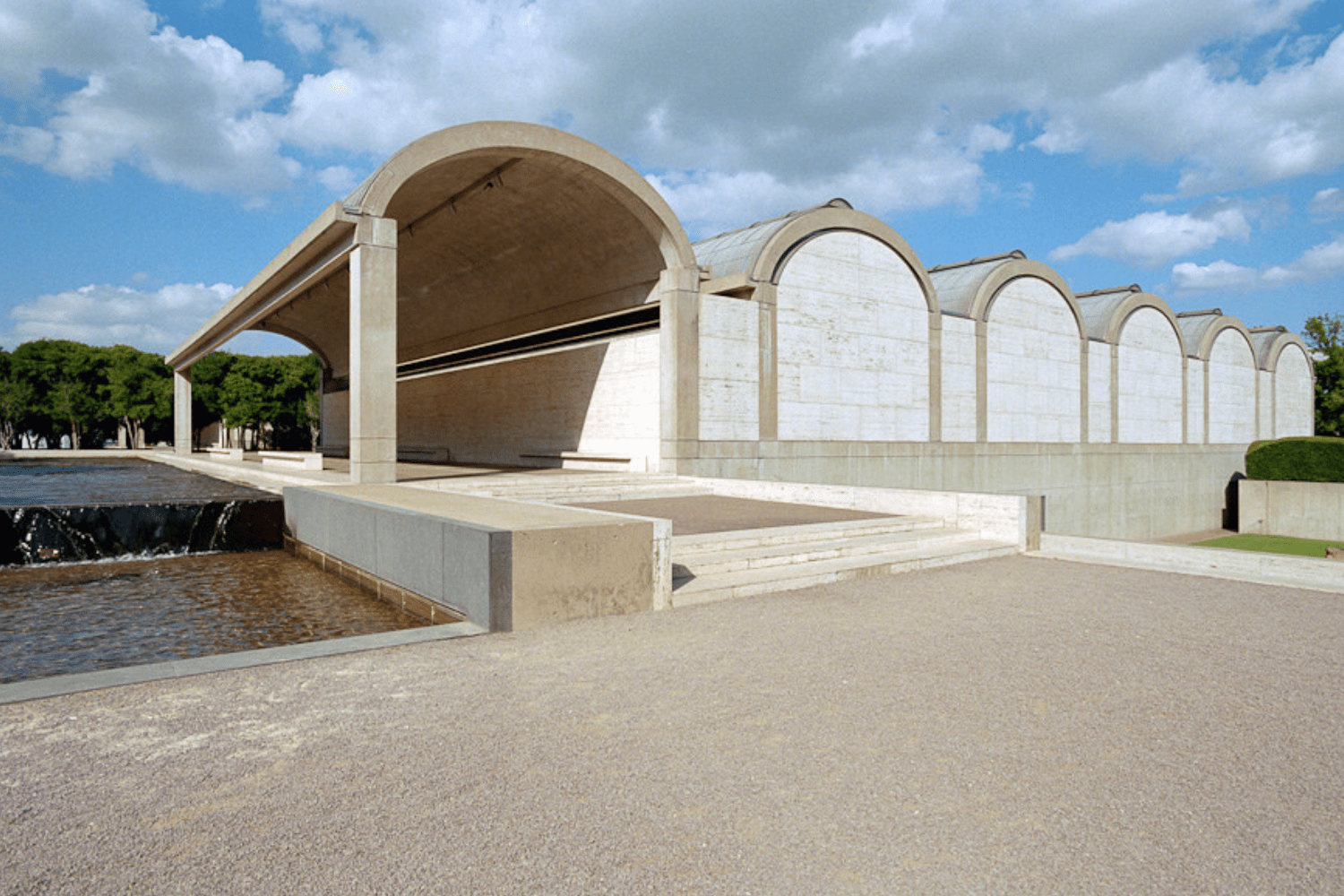
Louis Kahn approached architecture with a philosophical reading of space and light, often building compositions on simple geometric relationships. He did not always reference the golden ratio explicitly, yet his major works carry balanced proportional systems that align closely with its principles. At the Kimbell Art Museum, the repetition of cycloid vaults and the spacing of openings follow precise spatial rhythms, producing rooms where light and form settle into calm equilibrium. Kahn’s interest in geometry as a source of order, rather than decoration, keeps his buildings in the conversation about proportion.
3. Frank Lloyd Wright: Organic Harmony and Natural Geometry
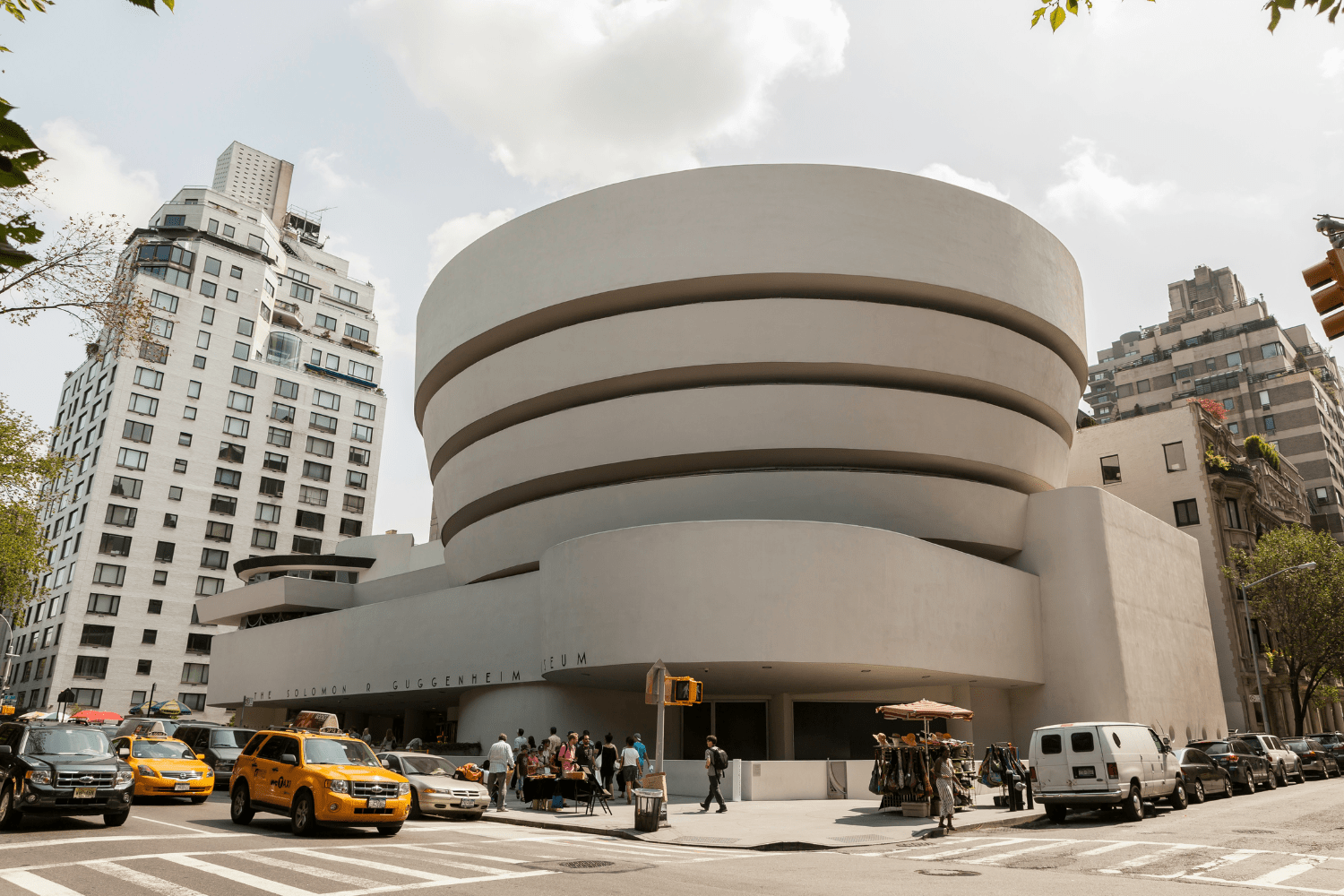
Frank Lloyd Wright‘s idea of organic architecture leaned on harmonious proportions drawn from nature, a family of relationships that includes the golden ratio. His Prairie houses, Unity Temple, and the later Guggenheim Museum reveal careful alignment of spatial modules and geometric grids. Wright saw proportion as essential to spaces that connect with the people inside them, and many of his calibrated floor plans and façades reflect the ratio’s easy balance. His spiral at the Guggenheim also echoes the growth patterns where φ appears in nature.
🏗️ Real-World Example
Unité d’Habitation (Marseille, 1952): Le Corbusier sized the plan, section, brise-soleil, and built-in furniture using his Modulor scale. The building stands as one of the clearest constructed demonstrations of golden ratio proportioning applied across every level, from the overall block down to a kitchen shelf.
4. Zaha Hadid: Fluid Forms Rooted in Mathematical Logic
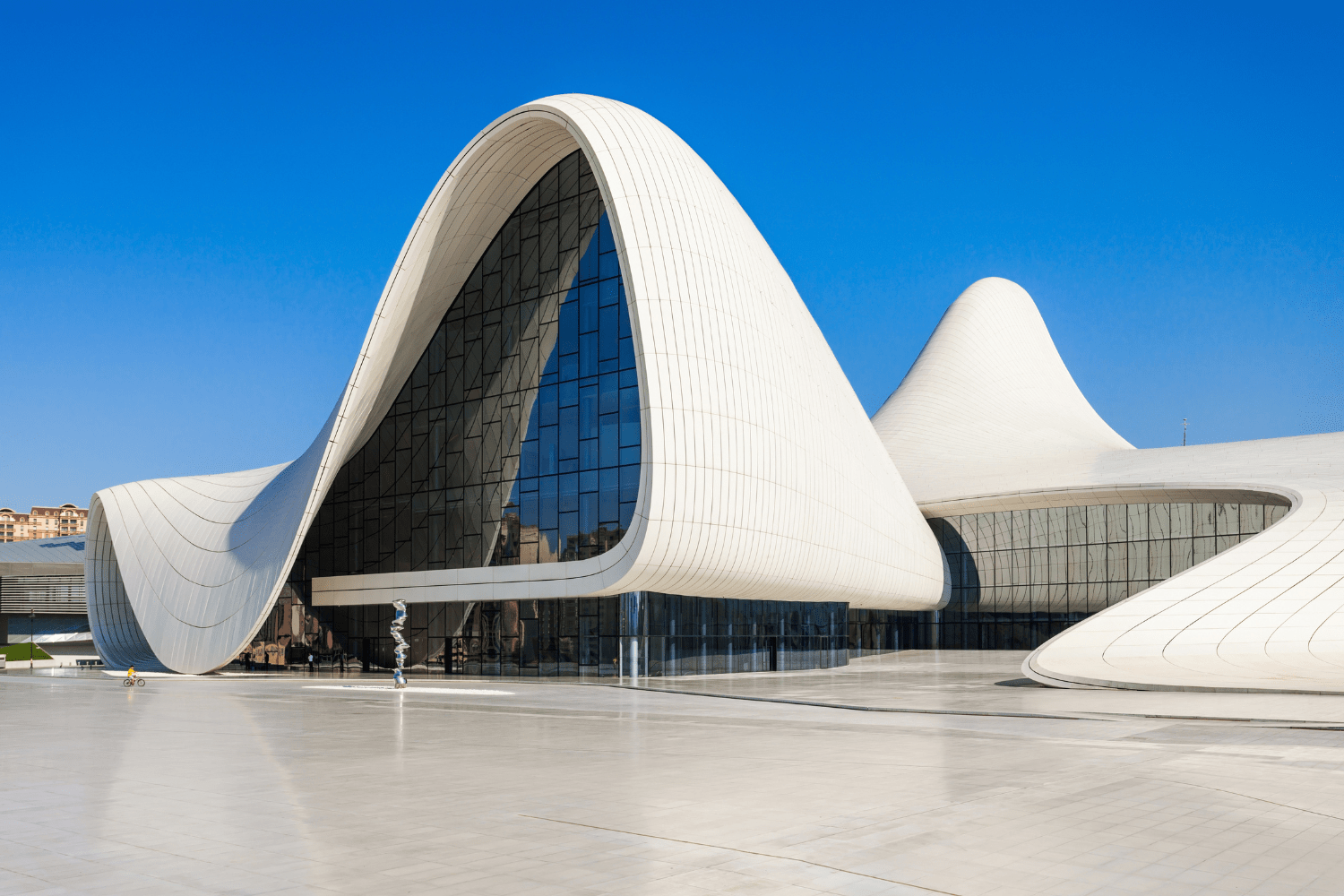
Although Zaha Hadid is known for sculptural, future-facing forms rather than classical proportioning, mathematical systems shaped many of her compositions, and some analysts read golden ratio relationships in them. Her parametric methods used ratios to control curvature, structural flow, and spatial intervals. Projects such as the Heydar Aliyev Center show harmonious scaling and fluid transitions that align with proportional logic, a reminder that φ can live inside highly dynamic, contemporary geometries as readily as in a symmetrical façade.
5. Santiago Calatrava: Geometry in Motion
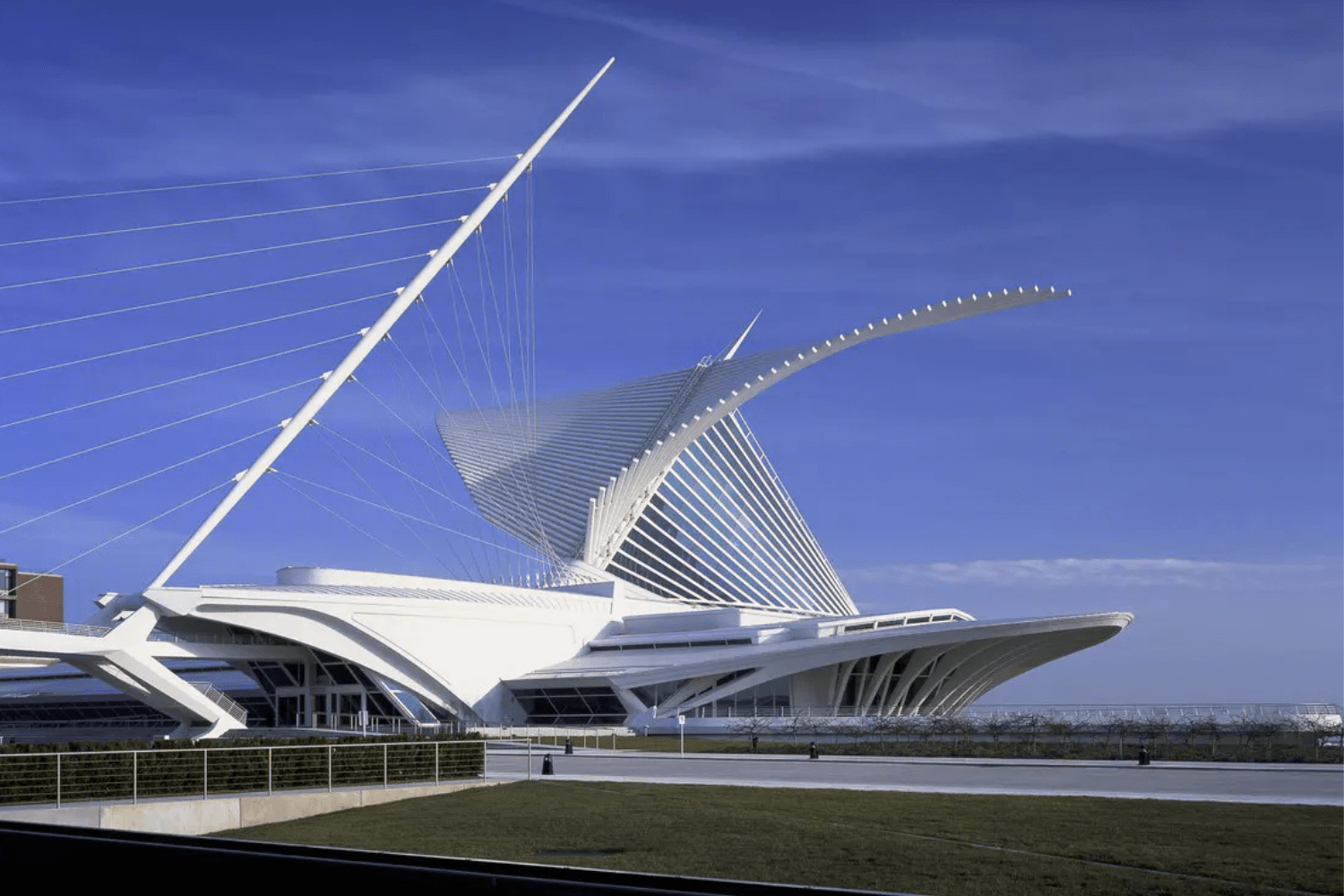
Santiago Calatrava‘s architecture and engineering rest on mathematical precision. Known for kinetic forms inspired by anatomy and movement, Calatrava works proportional geometries into structural elements, façade layouts, and load-bearing patterns. His bridges, cultural centers, and transit hubs carry elegant proportional relationships that support both stability and visual harmony, pairing engineering discipline with clear composition. The wing-like brise soleil of the Quadracci Pavilion can be read as an example of ratio-driven rhythm in a moving structure.
6. Oscar Niemeyer: Curves and Elegant Proportions
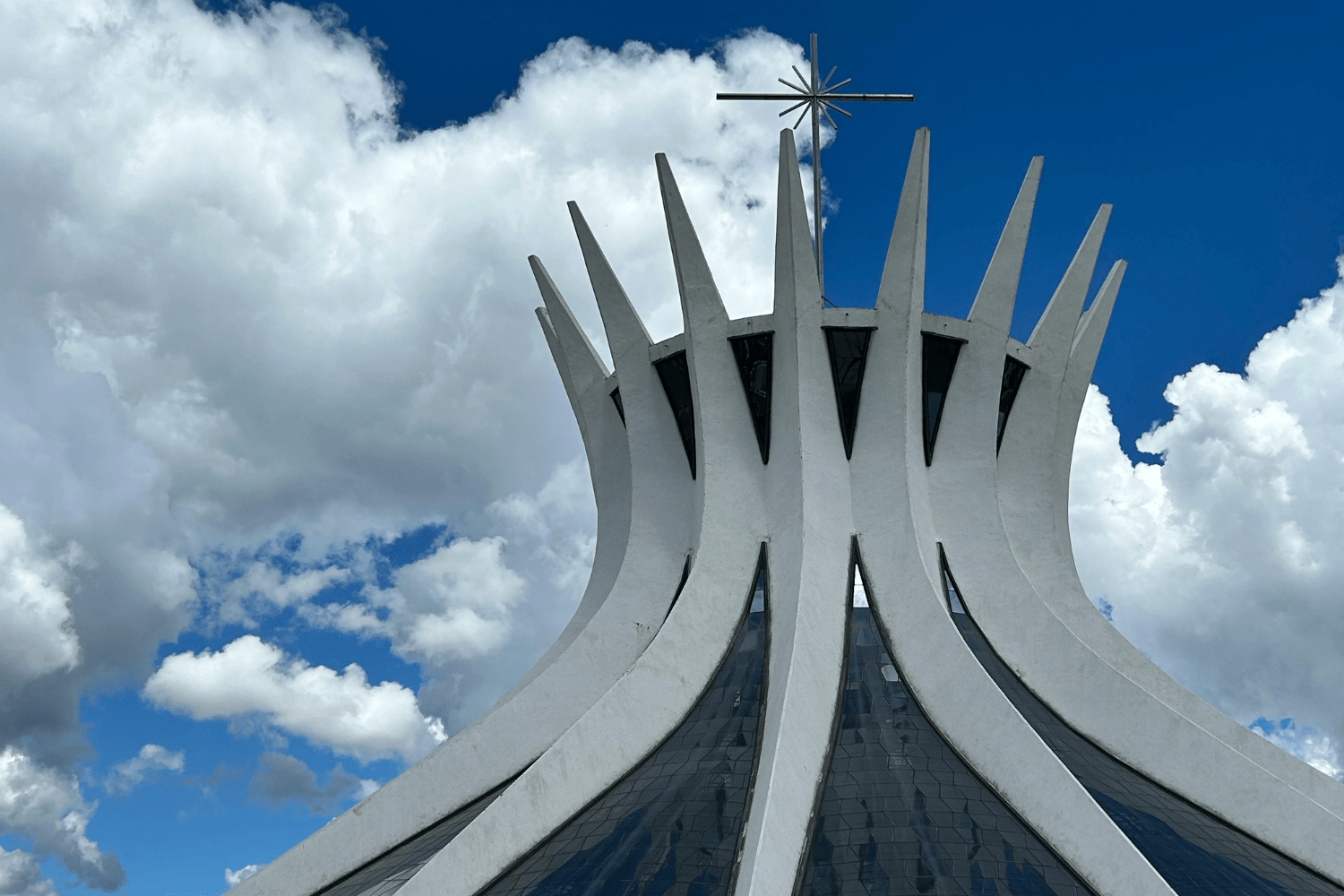
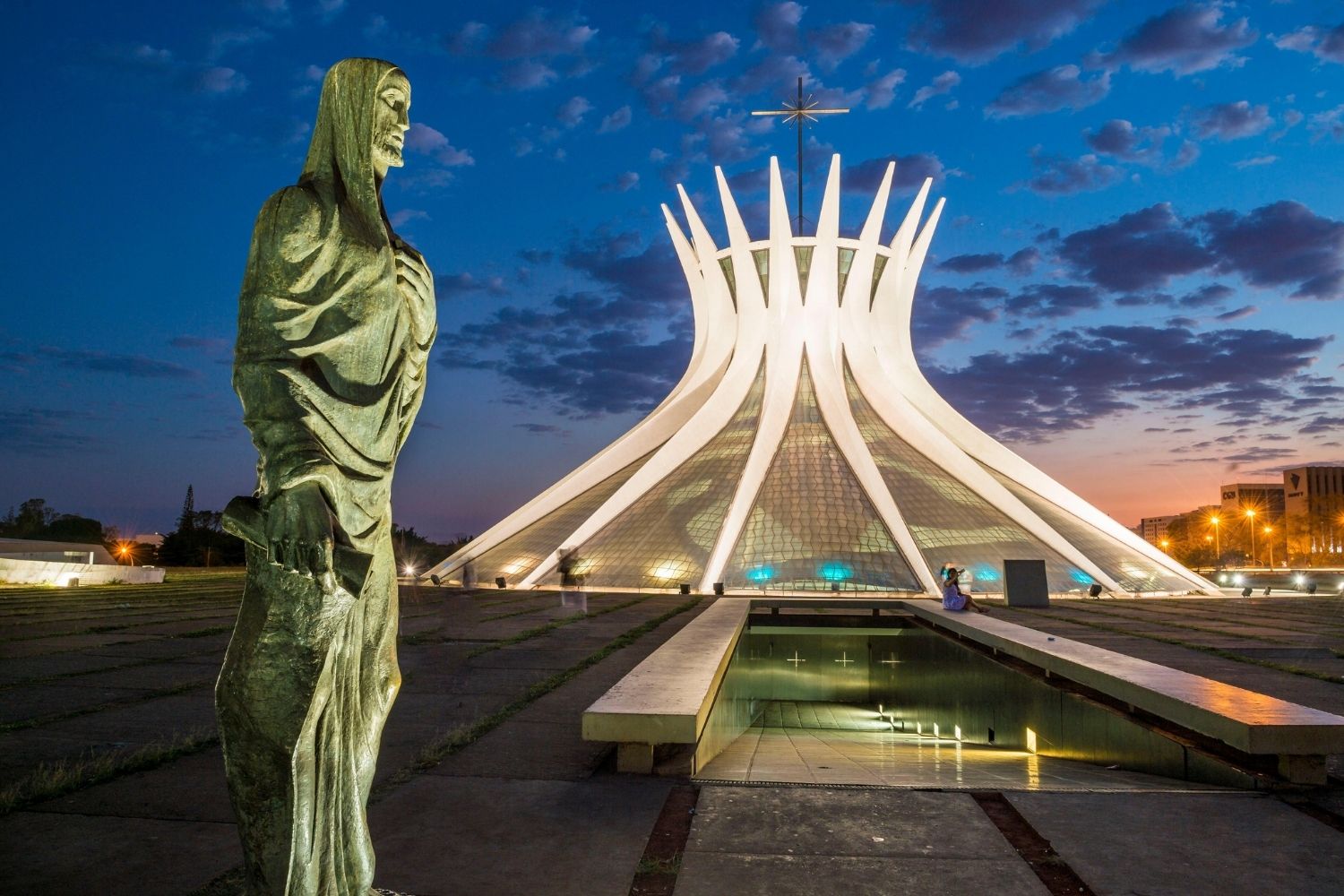
Oscar Niemeyer‘s work shows a poetic use of curves and sweeping forms, many guided by proportional systems reminiscent of the golden ratio. His architecture leans on expressive geometry more than strict calculation, yet projects such as the Cathedral of Brasília and the Pampulha complex hold balanced masses and carefully aligned spatial sequences. The result feels both monumental and light, shaped by intuitive decisions that still land on proportionally sound relationships between solid and void.
7. I. M. Pei: Precision Through Geometric Balance
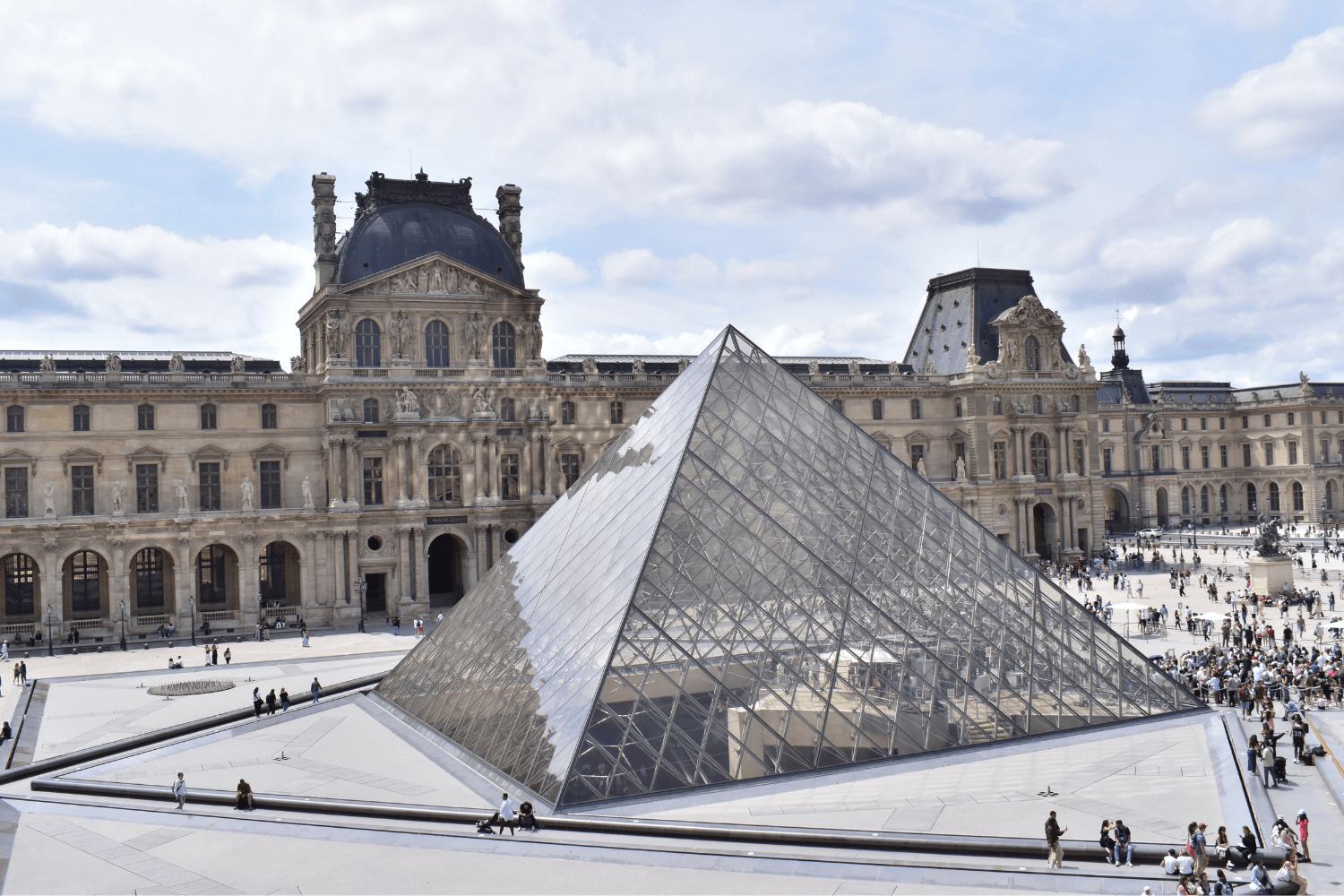
I. M. Pei relied on clarity, symmetry, and proportion to define his architectural identity. His use of pure geometry, including triangles, circles, and pyramids, intersects naturally with golden ratio logic. The Louvre Pyramid, for example, carries a proportional elegance that many observers read as deliberate mathematical balance rather than accident. Across his career, Pei tuned plan and elevation toward harmony, producing compositions that feel resolved and quietly ordered decades after completion.
8. Tadao Ando: Minimalism Guided by Proportion
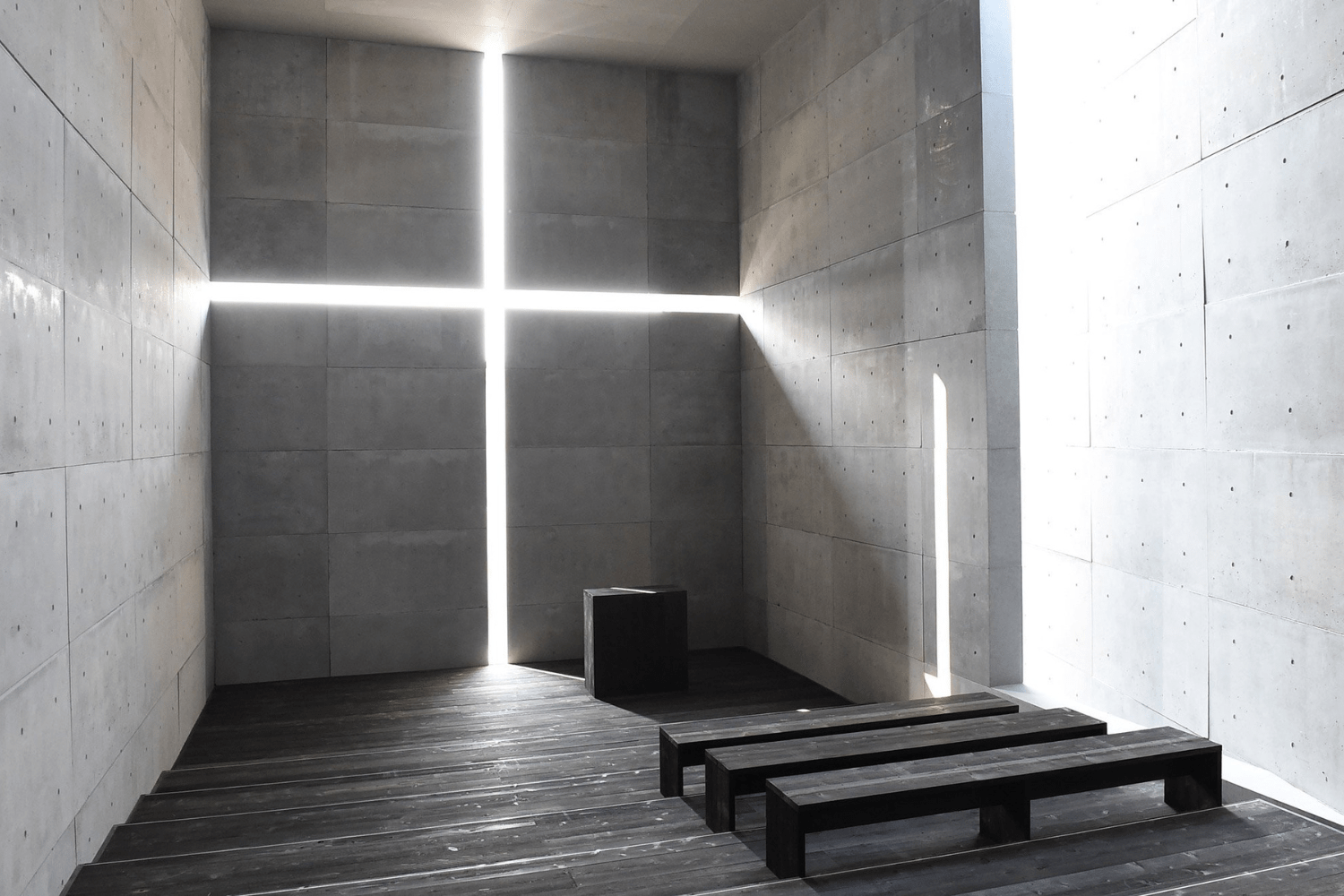
Tadao Ando‘s minimalist architecture depends on controlled ratios, light, and material purity. Works such as the Church of the Light and the Row House in Sumiyoshi show a disciplined approach to spatial proportioning. Ando’s language is spare, yet the spaces carry strong emotional weight because of their careful alignment, balanced voids, and measured surfaces, many of which sit close to golden ratio relationships. His buildings make the case that restraint and proportion can produce deep spatial experiences without ornament.
🔢 Quick Numbers
- φ is approximately 1.618, the value where the ratio of the whole to the larger part equals the larger part to the smaller (Encyclopaedia Britannica).
- Le Corbusier first published the Modulor in 1948, followed by a second volume, Modulor 2, in 1955 (Fondation Le Corbusier).
- The Modulor scales in Fibonacci steps from a raised-arm reference height of 226 cm down to smaller furniture dimensions (Fondation Le Corbusier).
Eight Architects and the Golden Ratio at a Glance
The table below pairs each architect with a defining building and the way the golden ratio, or a closely related proportional system, appears in it. Note how the connection ranges from explicit and documented to intuitive and debated.

| Architect | Notable Work | Golden Ratio Connection |
|---|---|---|
| Le Corbusier | Unité d’Habitation, Marseille | Explicit and documented through the Modulor system |
| Louis Kahn | Kimbell Art Museum, Texas | Implicit, through balanced vault and opening rhythms |
| Frank Lloyd Wright | Guggenheim Museum, New York | Nature-derived grids and spiral geometry |
| Zaha Hadid | Heydar Aliyev Center, Baku | Parametric curvature and spatial scaling ratios |
| Santiago Calatrava | Quadracci Pavilion, Milwaukee | Structural rib spacing and façade element ratios |
| Oscar Niemeyer | Cathedral of Brasília | Intuitive balance of curved masses and voids |
| I. M. Pei | Louvre Pyramid, Paris | Deliberate geometric proportion in height and base |
| Tadao Ando | Church of the Light, Osaka | Restrained wall-to-void ratios and measured surfaces |
Le Corbusier’s Modulor System: Key Dimensions
Because the Modulor is the most fully explained use of the golden ratio, its reference points are worth reading on their own. Below standing height, each step descends by dividing the one above it by roughly 1.618, while the 226 cm raised-arm height is double the 113 cm navel height.
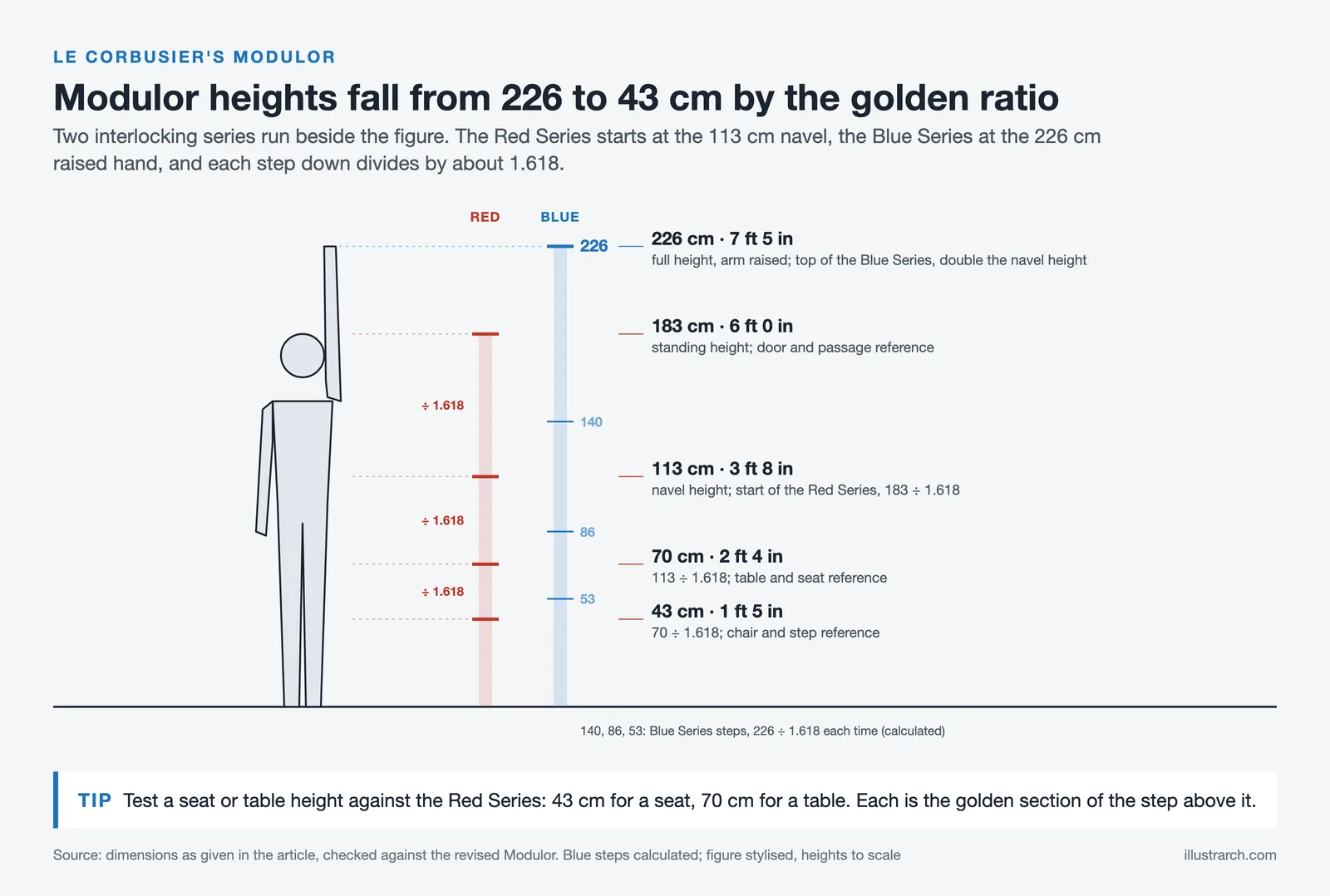
| Reference Point | Height (cm) | Height (ft) | Proportional Basis |
|---|---|---|---|
| Full height, arm raised | 226 | 7 ft 5 in | Ceiling height reference, top of the Blue Series |
| Standing height, head | 183 | 6 ft 0 in | Standard human height, door and passage reference |
| Navel height | 113 | 3 ft 8 in | Golden section of standing height (183 ÷ 1.618 ≈ 113), start of the Red Series |
| Wrist height, arm down | 70 | 2 ft 4 in | Golden section of navel height (113 ÷ 1.618 ≈ 70), table and seat reference |
| Seated, knee height | 43 | 1 ft 5 in | Golden section of wrist height (70 ÷ 1.618 ≈ 43), chair and step reference |
The Modulor uses two interlocking series, the Red Series built from a navel height of 113 cm and the Blue Series built from a raised-arm height of 226 cm. Both follow Fibonacci-based progressions scaled by φ, giving a single proportional system for buildings and furniture alike. For more on the wider mathematics, see ArchDaily’s coverage of the golden ratio and the reference entry at Encyclopaedia Britannica.
Free Online Golden Ratio Calculator
Nearest Fibonacci Numbers
Golden Rectangle
Image Golden Ratio Overlay

The Bigger Picture
The most useful lesson from these eight architects may be that the golden ratio in architecture works less as a formula and more as a shared reference for balance. Le Corbusier codified it, Kahn and Ando arrived near it through discipline, and Hadid reached it through computation, yet each produced spaces that read as resolved. The proportion endures not because a single rectangle guarantees beauty, but because generations of designers have found it a reliable starting point for asking how the parts of a building should relate to the whole.






Futuro House Production Revived in Finland After Decades-Long Hiatus
A Facebook listing for abandoned moulds led to the first new Futuro...
 illustrarch Editoral Team3 Mins read

Building Your Dream Home in NSW: What You Should Know About Montgomery Homes
Montgomery Homes has been building across Sydney, Newcastle, the Hunter, Wollongong and...
illustrarch Editoral Team4 Mins read
Designing a Home Theater: Where Drapery Fits Into the Plan
In a media room the curtains are a performance layer, not decoration....
illustrarch Editoral Team3 Mins read
Oscar Niemeyer’s Cathedral of Brasília: The Hyperboloid Concrete Hymn
The Cathedral of Brasília reads as a single gesture, yet it stood...
 Furkan Sen7 Mins read


Leave a comment