

A Comprehensive Approach to Building Maintenance and Property Care
 illustrarch Editoral Team11 December 20255 Mins read72

Table of Contents Show
Every building, no matter how new or old, goes through a quiet transformation over time. Paint fades a little. Surfaces wear. Corners settle. Mechanical systems work until the day they don’t. And although we often look at buildings as permanent, unchanging things, the truth is that they behave more like living systems—responding to weather, use, neglect, and the decisions made by the people responsible for them.
That’s why the idea of structured, long-range property care has become such a defining part of contemporary architecture and construction practice. Instead of waiting for something to break, or rushing into renovations without a plan, a growing number of professionals now rely on a more comprehensive model. In practice, firms like TQN Construct use this approach across government and tier-one corporate property contracts, coordinating multiple trades under consistent oversight to support a healthier and more reliable built environment.
The concepts explored here are not tied to a single company. They reflect broader trends—smarter maintenance, better material planning, data-informed decision-making, and a deeper appreciation for the life cycle of a building. What follows is a closer look at these principles and how they fit into modern expectations for construction and property care.
A Wider Lens on Building Maintenance
The responsibilities tied to building maintenance today extend far beyond patching a wall or clearing a blocked drain. Modern buildings include dozens of layers—structural, mechanical, aesthetic, protective—and each one depends on the others to function properly. When maintenance is fragmented among many providers who do not coordinate, the building absorbs that inconsistency over time.
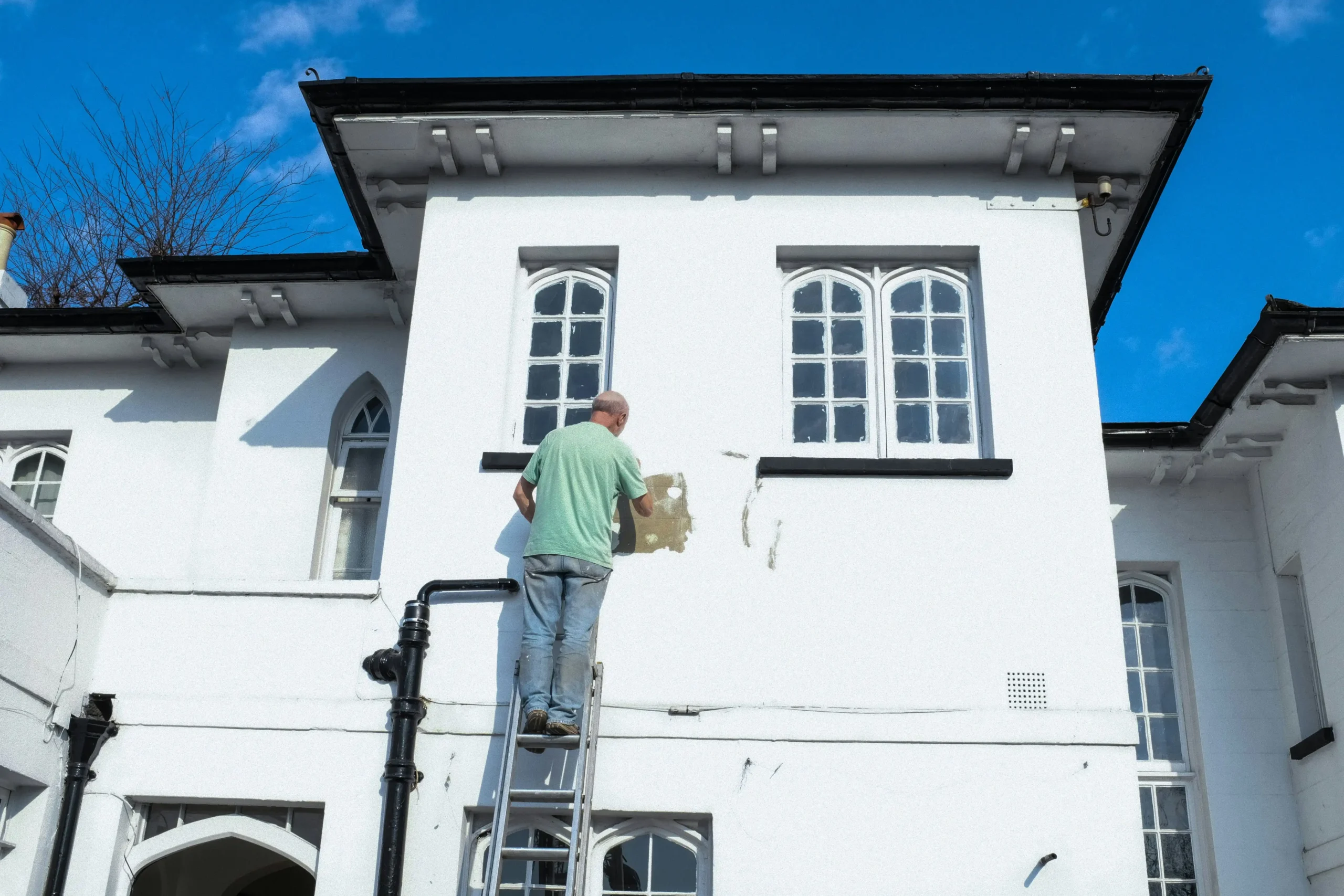
This is why a multi-trade structure, where the same team handles everything from repainting to waterproofing to renovation support, has become increasingly valued. The work becomes easier to track. Issues get spotted earlier because the team understands the building holistically. And the repairs themselves fit together more cleanly, without one fix unintentionally creating another problem two months later.
A complete service approach—what some describe as full-service construction and maintenance solutions—is useful not because it sounds tidy, but because buildings rarely experience problems one trade at a time. A leak in the bathroom eventually becomes a paint issue on the ceiling below. Poor ventilation becomes a mold problem. A neglected repair in one unit creates structural strain on another. The interconnected nature of a building makes a coordinated response not only convenient but necessary.
In architectural practice, a coordinated maintenance model also supports design intent, ensuring that materials, junctions, and spatial relationships continue to perform as originally envisioned.
The Increasing Importance of Standards and Safety
Another change influencing property care is the growing emphasis on formalized standards. It’s no longer enough for a contractor to “do good work” in an abstract sense. Buildings are more regulated, materials are more specialized, and expectations for environmental responsibility are significantly higher than they once were.
Quality management, occupational safety, and environmental stewardship now form a three-part foundation for responsible construction and maintenance practices. And although these principles may sound administrative, they affect daily work in very practical ways. Jobs are planned more carefully. Documentation is more complete. Workers follow consistent, repeatable routines. And buildings ultimately receive more predictable outcomes.
The increasing complexity of modern materials, insulation systems, adhesives, coatings, and structural components demands this level of discipline. Without it, a maintenance program becomes a patchwork—functional on the surface, but unreliable beneath it.
Why Proactive Maintenance Outperforms Reactive Fixing
There’s a simple truth every property manager eventually learns: waiting for a problem almost always costs more than preventing it. Yet buildings can be deceptive—cracks appear slowly, moisture hides behind walls, and mechanical systems degrade one small adjustment at a time.
Proactive maintenance counters this uncertainty. Regular inspections give owners an early look at problems that could become costly or disruptive. Small repairs done promptly often extend the lifespan of entire systems. Even cosmetic improvements, when done thoughtfully, contribute to protecting the materials underneath them.
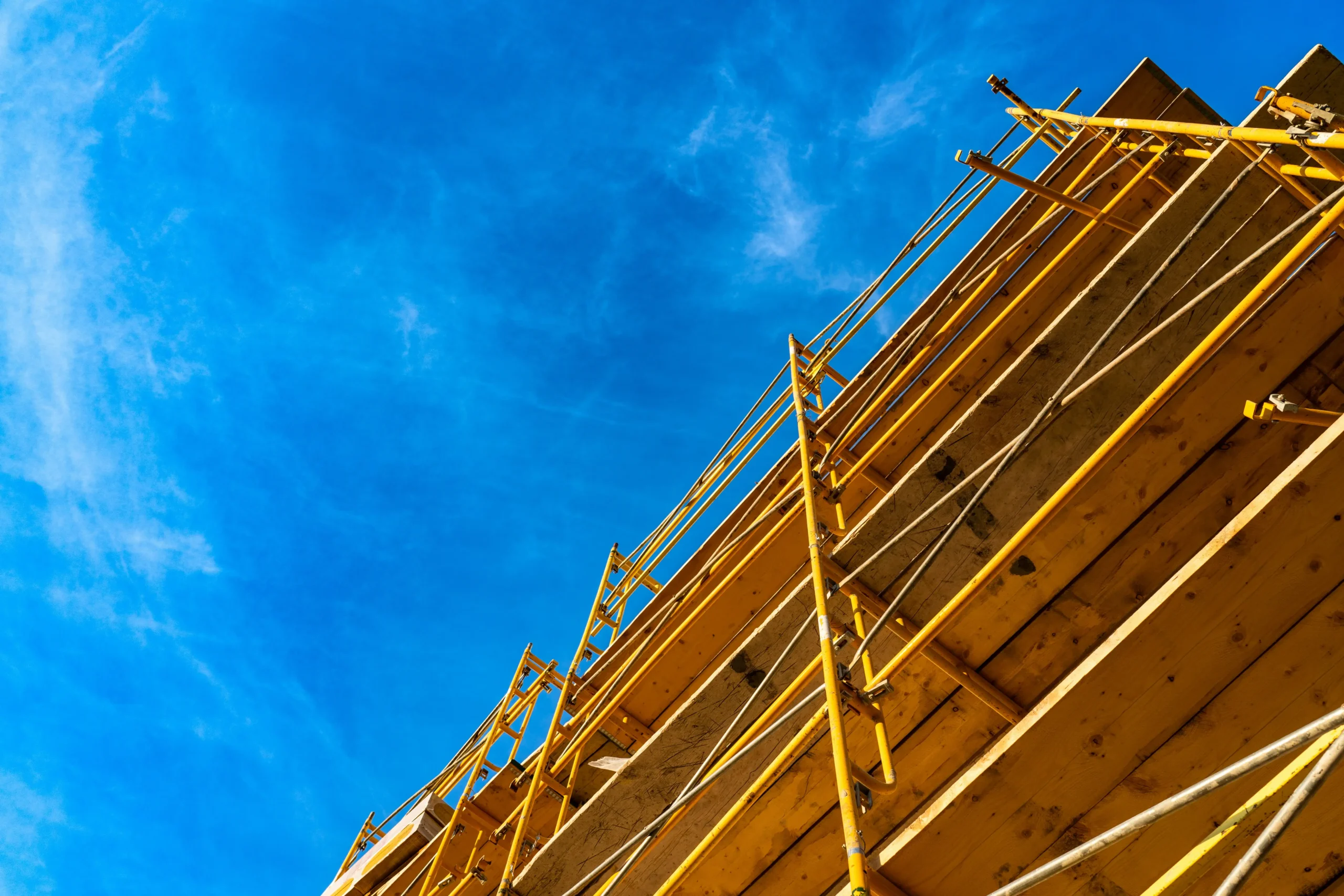
This mindset aligns with the idea that a building isn’t a static object but a long-term investment. For homeowners, it reduces stress and surprise expenses. For architects and builders, it helps preserve design integrity. For facility managers, it stabilizes budgets and minimizes operational interruptions. And for everyone involved, it contributes to a safer, more resilient structure.
Sustainable Materials and Long-Term Thinking
Another unmistakable shift in modern construction is the move toward sustainable and low-impact materials. This trend isn’t driven solely by environmental conscience—although that is part of it. Many environmentally responsible materials simply perform better over time. Reclaimed woods, natural insulation products, low-VOC finishes, and recycled aggregates often have durability advantages that pair well with long-term maintenance strategies.
Choosing better materials during a renovation or repair phase can change a building’s trajectory. For instance, a well-designed waterproofing system may eliminate years of repeated fixes. An insulation upgrade can reduce energy loads and keep indoor environments more stable. High-quality tiling work can delay the next renovation cycle by a decade or more.
Even modest choices—switching to more efficient plumbing fixtures during a bathroom renovation, or selecting paints with fewer chemical emissions—shape long-term performance in ways occupants will feel daily.
Renovation as a Form of Preservation
There’s a quiet misconception that renovation always implies dramatic transformation, but many of the most valuable improvements are subtle. Reworking a layout, updating cabinetry, reinforcing a subfloor, restoring original materials—these are small decisions that, piece by piece, lengthen a building’s lifespan.
Wherever possible, renovation is often preferable to total replacement. Not only does it reduce waste and protect the structural fabric of the building, but it also helps maintain a property’s identity, which is especially important in older homes or architecturally significant structures.
The principle here is simple: replace only what cannot be saved, and improve what deserves another decade of life. Buildings tend to reward that kind of respect.
By following principles used by TQN Construct, renovations can respect a building’s original character while extending its lifespan.
Technology’s Growing Role in Predictive Building Care
Buildings today are beginning to “speak” in a way they couldn’t before. Sensors can monitor humidity inside walls. Smart thermostats analyze energy patterns. Structural monitoring devices detect subtle shifts long before they become hazardous.
For large facilities or older buildings, this insight can be invaluable. A maintenance plan that incorporates technology, especially when integrated through an industry-aligned project delivery methodology—becomes less reactive and more strategic. Repair cycles can be scheduled based on data instead of guesswork. Energy performance becomes easier to optimize. And the overall understanding of a building’s condition becomes clearer, more measurable, and more reliable.

This trend is still developing, but it’s one that professionals across the construction and architectural fields are watching closely. Predictive maintenance, once a futuristic concept, is fast becoming a standard expectation.
The Takeaway for Today’s Building Stewards
If there’s one lesson that consistently emerges in modern construction and maintenance, it’s that buildings respond to consistency. They benefit from steady observation, careful planning, and thoughtful upgrades. They perform best when repairs, renovations, and general upkeep follow a pattern rather than a series of emergencies.
Whether someone manages a small home, a multi-unit complex, a commercial property, or a heritage building, the principles remain remarkably similar: understand the building as a whole, invest in materials that endure, repair issues early, and rely on structured systems rather than improvisation.
Conclusion
Property care today blends architecture, sustainability, engineering, and long-term planning in ways that would have seemed unusual years ago. A building isn’t just judged by how it looks the day construction ends—it’s judged by how well it holds up when the years begin to show.
Approaches like those used by groups practicing structured multi-trade maintenance demonstrate a path forward. Coordinated teams, disciplined processes, sustainable material choices, and an appreciation for long-term stewardship all contribute to a healthier built environment.
For professionals and property owners alike, the goal is no longer to fix what breaks, but to shape a building’s future deliberately, thoughtfully, and with the kind of care that ensures it continues to serve well for decades to come.





What’s The Most Popular Bathroom Vanity Color? How to Choose?
Table of Contents Show Why This Choice Matters More Than You ThinkThe...
illustrarch Editoral Team3 Mins read

Essential Skills for Good Guitar Players
Table of Contents Show Master Your TechniqueLearn Music TheoryImprove Your Listening SkillsNitrocellulose...
illustrarch Editoral Team3 Mins read
Quick and Easy Moving Tips for Homeowners
Table of Contents Show Plan AheadHire MoversPack OrganicallyBenefits of a Moving CompanyUse...
illustrarch Editoral Team3 Mins read

How to Improve Your Volunteering Experience
Table of Contents Show Finding OpportunitiesGetting ReadyPositive MindsetLearning from OthersCommunity ConnectionsFinding Joy...
illustrarch Editoral Team3 Mins read


Leave a comment