

Smart Lighting & Smart Mirror Ideas for Modern Homes
Smart lighting and mirrors enhance modern homes by providing customizable ambiance and functionality, with various options for installation and design considerations.
 Muhammad Abdullatef - Tifa Studio11 December 20253 Mins read193

Table of Contents Show
Smart lighting (in the form of bulbs/strips, etc.) and smart mirrors can look great in modern homes. Right at “home,” I should say.
They can look great in bedrooms, bathrooms, and vanity rooms. When installed properly, they can even look great in walkways and living rooms, etc.
In this post, we’re going to give you some ideas on how to pick and install smart mirrors and lights in your home. We’ll also give some general tips that you can follow to make sure you do everything right, from choosing to using them.
Let’s get started.
Types of Smart Lighting You Can Use
These are some smart lighting ideas that you can consider using in your home.
Smart bulbs for bedrooms and living areas
These bulbs give you quick control over brightness and color, so the room shifts to match your mood. They work well for reading corners and over study areas.
Here is a brief table that outlines the perks and considerations of this type of lighting.
| Perks | Considerations |
| Easy control of brightness and color, which makes the room feel more personal | Requires a stable app or hub to work smoothly |
| Great for study corners and evening wind downs | Some bulbs lose features when used with old dimmer switches |
| Helps create focused or relaxing lighting without moving a switch | Higher upfront cost compared to basic bulbs |
LED strips for shelves, beds, and ceiling accents
LED strips add a soft outline around furniture, which creates a clean and modern look. They are simple to install, and they use very little power.
Here is a brief overview of the perks and considerations when using LED light strips.
| Perks | Considerations |
| Adds clean lines of light that highlight furniture and decor | Might need careful measuring for cleaner installation |
| Runs on low power, so you save energy quietly | Adhesive backing can lose grip on textured surfaces |
| Works well for subtle mood lighting in any room | – |
Motion based lighting for hallways and bathrooms
These lights turn on when someone walks by, which makes nighttime movement easier. They also help reduce wasted energy.
Here are some perks and considerations that you should keep in mind regarding these lights.
| Perks | Considerations |
| Lights turn on when needed, which helps with nighttime movement | Sensors can trigger too easily in narrow hallways |
| Cuts down on wasted electricity over time | Placement matters, or the sensor will miss movement |
| Useful for kids and guests who move around at night | – |
Color temperature options and what they do for a room
When setting up these lights around your home, you’ll often find options for light color temperatures.
Cool light keeps a space alert. Warm light makes a room feel calm. Choosing the right temperature changes how the room feels and functions.
Understanding Smart Mirrors and How to Choose Them
Unlike lighting, there aren’t particular “types” of smart mirrors. Either a mirror is smart…or it isn’t. The smart features can, of course, vary from mirror to mirror.
To give you some ideas on how to use smart mirrors, we’re going to first define them and then talk about the features that they typically have. Then, we’ll give you some ideas on which features you should look for depending on your usage and how the mirror should be used, etc.
Definition
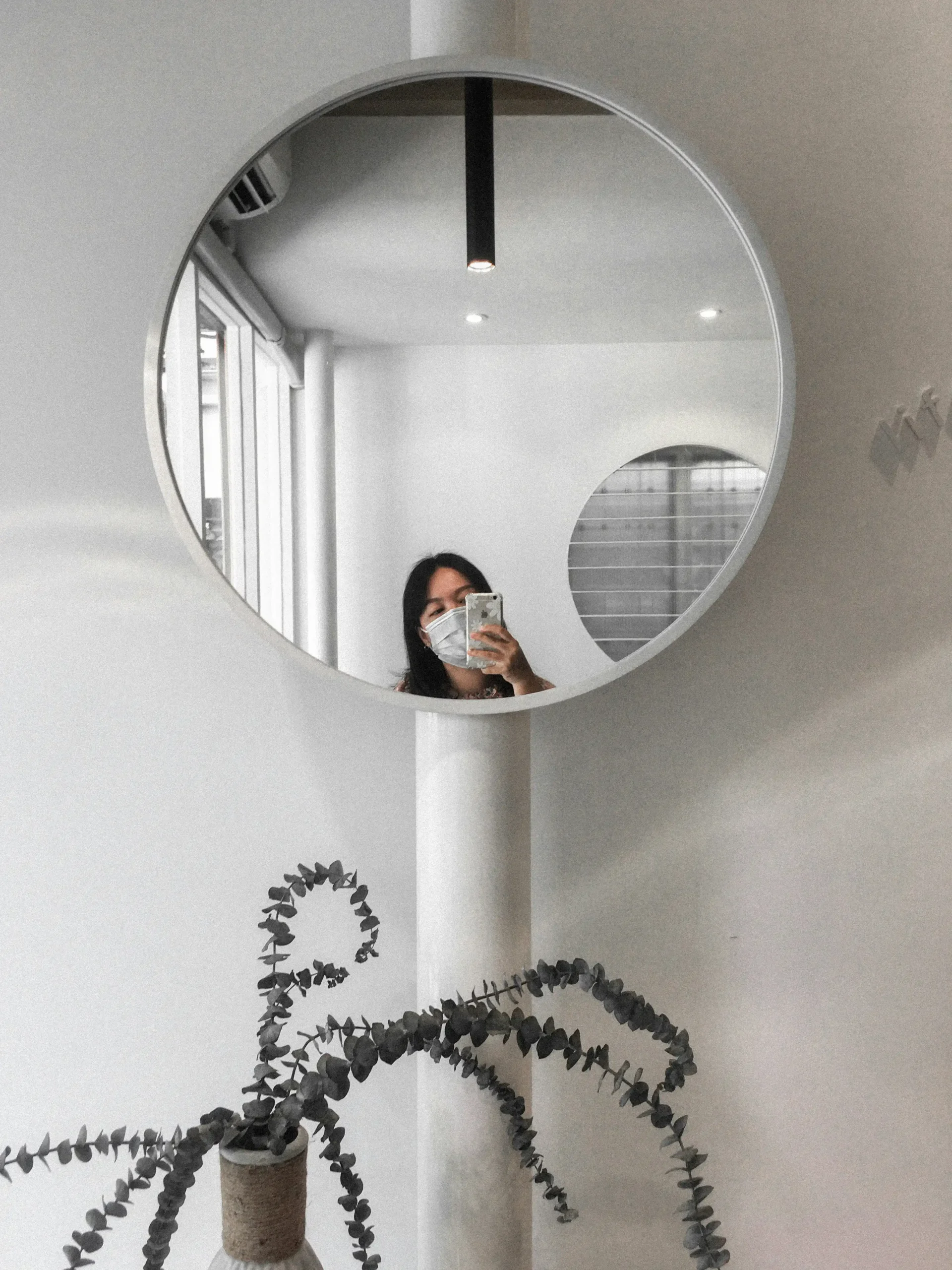
A smart mirror is a standard reflective surface combined with integrated electronics, sensors, and a display that shows information through the glass. It usually connects to your home network, responds to touch or voice, and provides real time data while still functioning as a regular mirror.
Common Features
- Built in lighting controls with adjustable color temperature
- Touchscreen or touch sensitive areas on the glass
- Voice assistant compatibility
- Bluetooth and Wi-Fi connectivity
- Time, weather, and calendar displays
- Integrated speakers
- Anti-fog technology
- App support for customization
- Motion sensing for automatic activation
Ideas on What to Look For
Here are some actionable points to remember about choosing and using a smart mirror for your modern home.
- If the mirror will be used in a bathroom, focus on anti-fog capability, durable materials, and lighting controls that help with grooming. Make sure to shop from a reliable and high-end store like Lumina Pro to get an excellent quality bathroom mirror.
- For a bedroom or dressing area, prioritize lighting accuracy, color temperature options, and a display that can show useful information such as calendar reminders, features often found in premium solutions like Hollywood Mirrors. Having integrated Bluetooth speakers for taking calls and streaming audio is also a good choice for bedrooms.
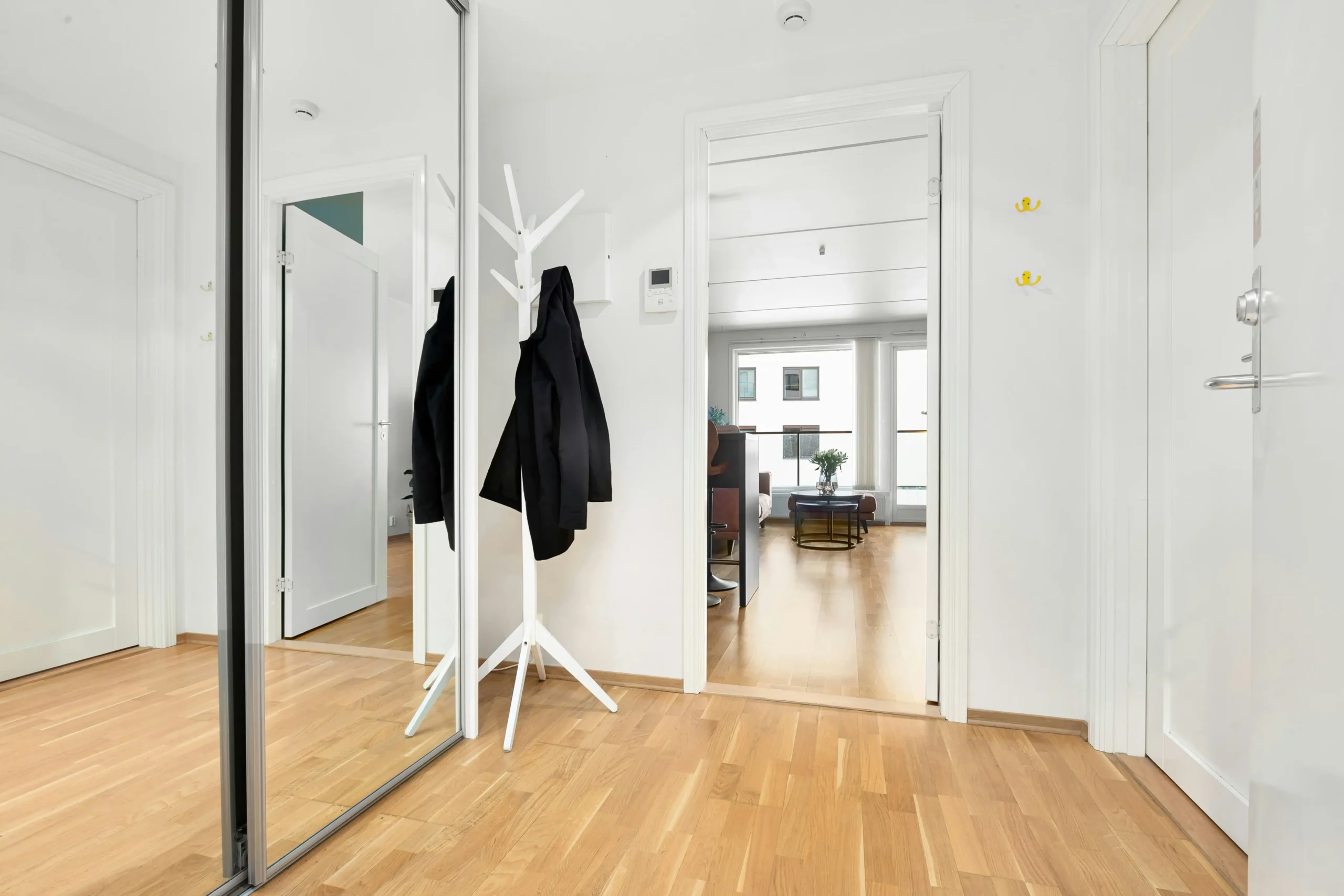
- In a hallway or entry space, look for a mirror that offers simpler features such as small displays and minimal lighting. Motion sensing can help because the mirror will activate when you pass by.
These points help you match the mirror to your everyday habits, which is really where the value of a smart mirror shows up.
Final Thoughts
That’s the end of this post.
There are a lot of different ways in which you can use smart lighting and mirrors in your home. You can use light strips, customizable smart bulbs, motion-detecting lights, etc., in various places around the house.
As for mirrors, there are a lot of different smart features that you can get, depending on the product that you buy. We’ve detailed those features, as well as some general mirror ideas, in the ending part of this post.







Interior Design for Commercial Spaces: Enhancing Functionality and Brand Identity
Commercial interior design has to serve brand, function and regulation at once....
 Begum Gumusel4 Mins read
Mixing Metal Finishes When You Add a Modern Chandelier to an Older Home
Older homes already have brass, bronze or nickel in place. How to...
 illustrarch Editoral Team4 Mins read
Futuro House Production Revived in Finland After Decades-Long Hiatus
A Facebook listing for abandoned moulds led to the first new Futuro...
illustrarch Editoral Team3 Mins read

Building Your Dream Home in NSW: What You Should Know About Montgomery Homes
Montgomery Homes has been building across Sydney, Newcastle, the Hunter, Wollongong and...
illustrarch Editoral Team4 Mins read


Leave a comment