

Beneath the Surface: The Rise of Underground Architecture
Underground architecture is reshaping cities: add density without sprawl, cut energy with stable 50–60°F ground temps, and create safe, human-centered spaces.
 Sinan Ozen22 December 20254 Mins read241
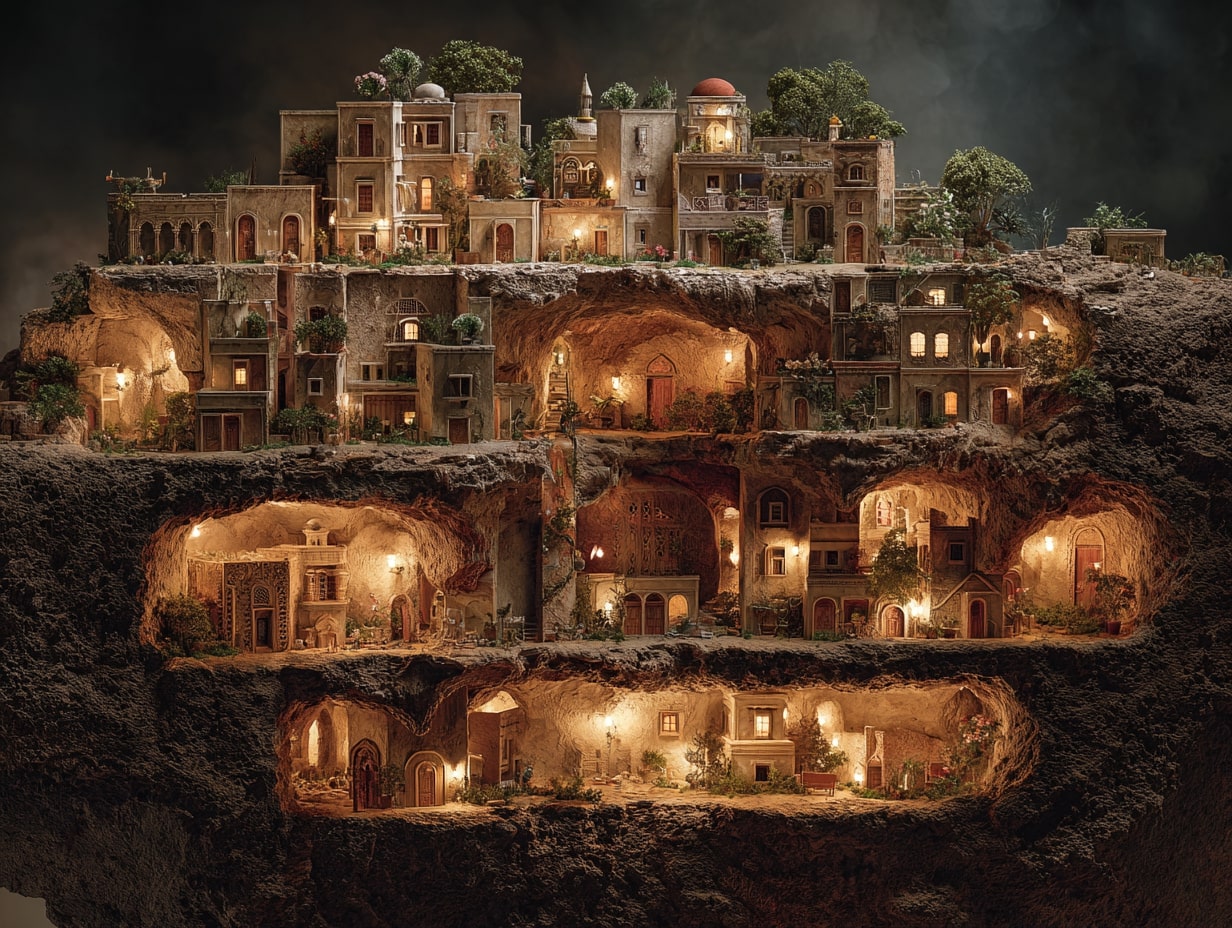
Table of Contents Show
We’re watching underground architecture move from niche to necessary. As cities chase density, resilience, and sustainability, the spaces beneath our feet offer something rare: room to grow without sprawl, stable temperatures without energy waste, and a quieter, safer urban realm. The shift isn’t just about tunnels and transit. It’s about rethinking civic life, retail, cultural venues, even parks, below grade, and doing it in a way that feels vibrant, healthy, and human-centered.
Why Cities Are Going Underground
Urban Density And Land Scarcity
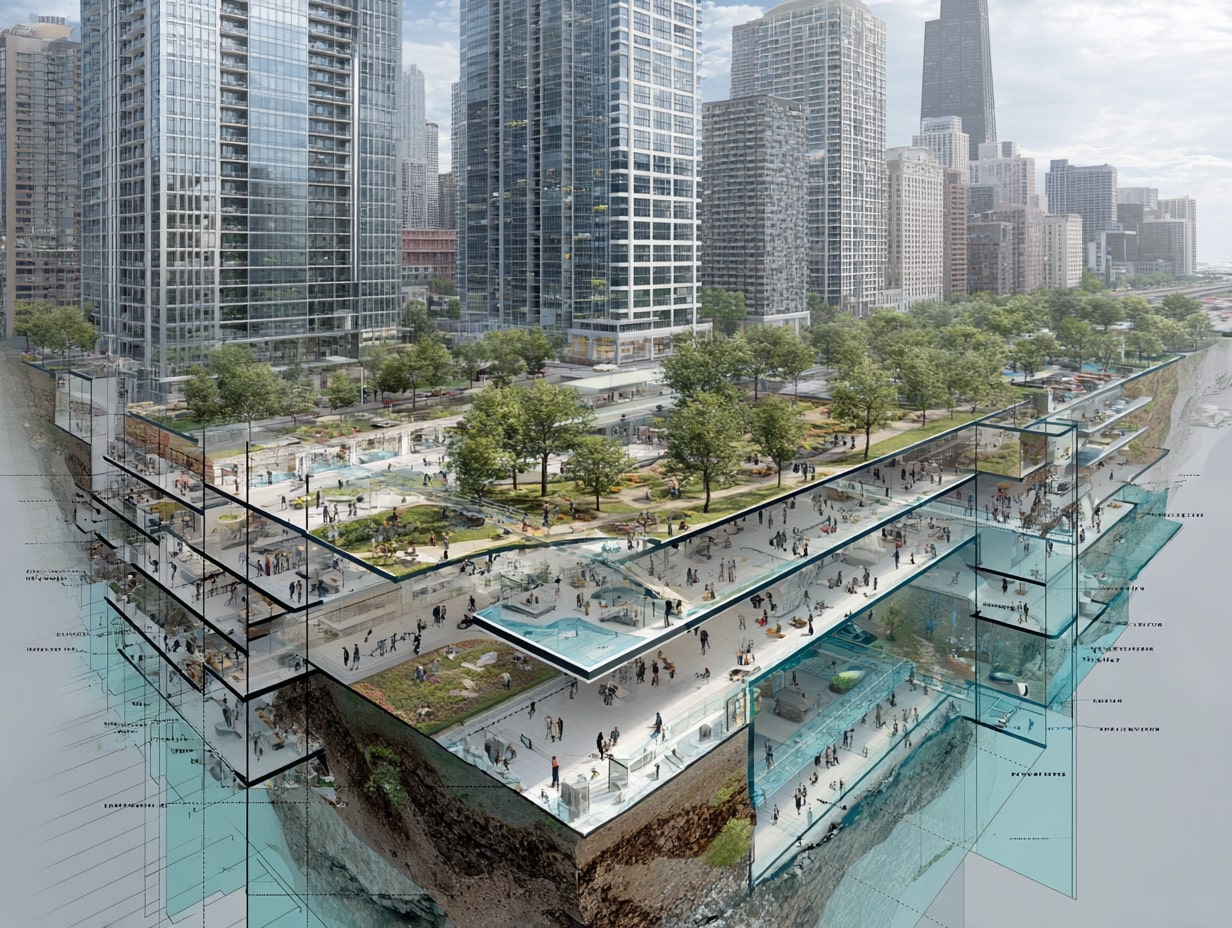
We’re running out of easy land. High-value parcels are spoken for, zoning changes take years, and nobody wants to erase what already works at street level. Underground architecture sidesteps that gridlock. By relocating logistics, parking, data centers, and even sports courts below grade, we free up surface land for housing and green space. Transit-connected basements and concourses stitch towers together, easing pedestrian flow and protecting retail from weather swings.
Climate Resilience And Energy Performance
The ground is a natural thermal battery. A few meters down, temperatures are more stable year-round, often in the 50–60°F (10–16°C) range depending on locale. We can design for smaller HVAC loads, leverage geothermal exchange, and shield critical infrastructure from heatwaves and storms. In heat-prone cities, moving portions of the public realm underground reduces peak cooling demand: in colder climates, it cuts heat loss and wind exposure, improving operational performance.
Security, Noise, And Aesthetic Considerations
Below grade, we can dampen noise and vibration, control access more tightly, and minimize visual clutter. But it’s not about hiding. With smart lighting, curated materials, and biophilic features, subterranean environments can feel calm and refined, more like a gallery than a basement. Security gains come with design responsibility: clear sightlines, intuitive routes, and multiple egress paths are non-negotiable.
A Brief History And Global Snapshot
Ancient Subterranean Precedents
We’ve looked down for millennia. Cappadocia’s rock-hewn cities, Malta’s hypogea, and Beijing’s ancient underground structures show that people used earth for protection, storage, and climate control long before modern MEP systems. The lesson holds: mass and enclosure, when used wisely, make life more stable.
Twentieth-Century Experiments
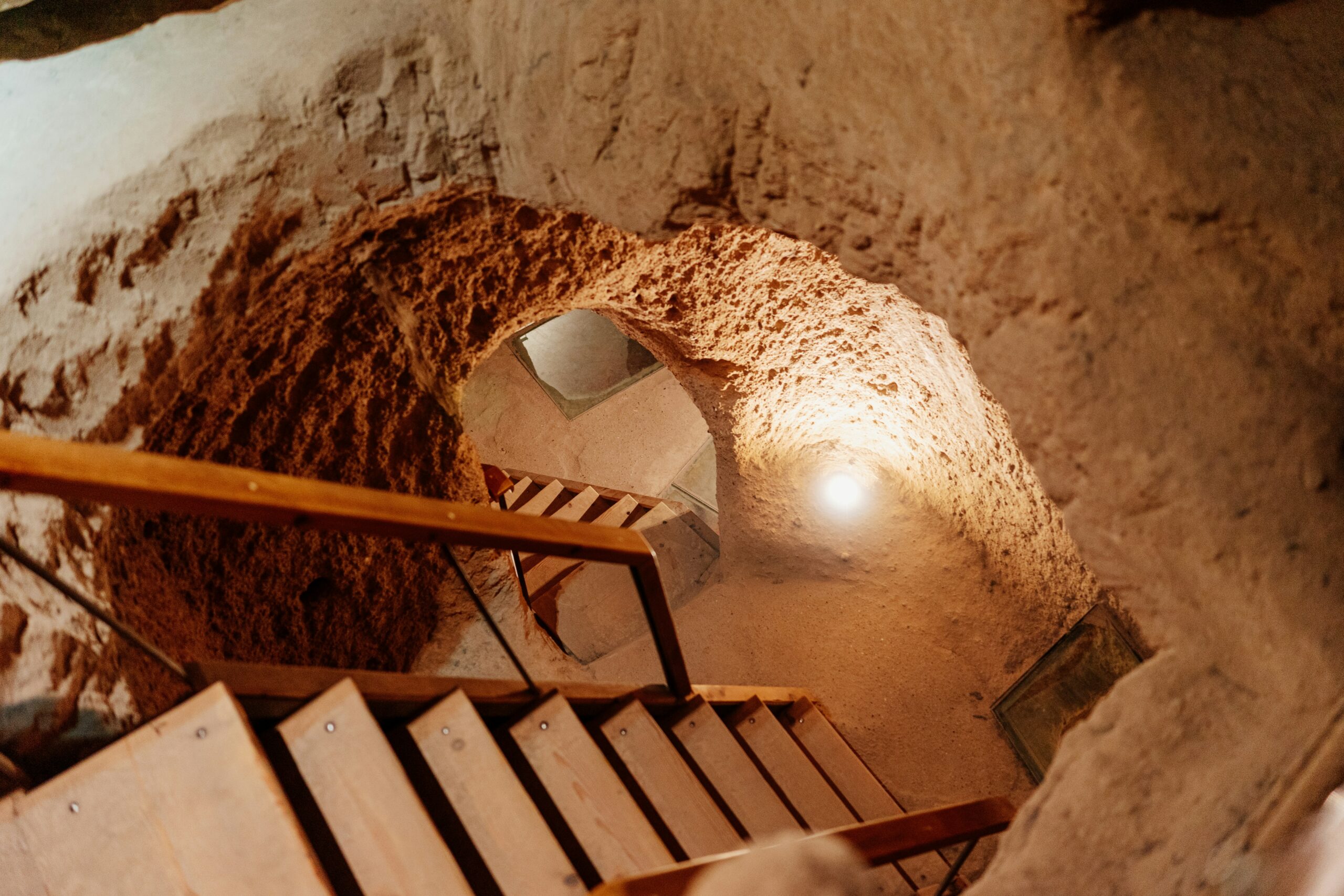
The last century delivered metro-linked concourses in Montreal and Toronto, subterranean shopping arcades in Asia, and civil defense shelters across Europe. Architects flirted with earth-sheltered houses in the 1970s energy crises, proving that landscape and structure can merge, but also revealing pitfalls around moisture and daylight.
Contemporary Hotspots And Trends
Today, dense Nordic capitals, Gulf-region megaprojects, and East Asian business districts are pushing underground architecture for mobility, logistics, and mixed-use culture. Trends include automated last-mile delivery hubs, below-grade data and energy infrastructure, and greened sunken courts that bring light where the city needs more floor area.
Design And Engineering Fundamentals
Daylighting And Ventilation Strategies
Daylight is the make-or-break factor. We lean on sunken courtyards, stepped sections, skylights, light wells, reflective finishes, and fiber-optic or light-pipe systems. Pair that with displacement ventilation, demand-controlled fresh air, and careful carbon dioxide monitoring. When we can, we stack programs so the most people-facing spaces sit near apertures, while back-of-house lives deeper in.

Structural Systems And Excavation Methods
Cut-and-cover suits shallow, wide footprints like transit concourses: mined tunnels or NATM handle deeper, narrow passages. For structure, cast-in-place concrete with waterproof admixtures is common: shotcrete with rock anchors stabilizes irregular excavations. We coordinate shoring, sequencing, and neighboring foundations early to avoid settlement claims and cost blowouts.
Waterproofing, Drainage, And Moisture Control
Water is relentless. Redundant membranes, bentonite systems, and positive-side waterproofing are our baseline. Add perimeter drains, sump pumps with backup power, and vapor barriers under slabs. Inside, we specify moisture-tolerant materials, thermal breaks at penetrations, and smart controls that keep dew points in check.
Human Experience And Wellness Underground
Wayfinding And Biophilic Cues
We design for instinct. Strong landmarks, consistent lighting temperatures, clear signage, and floor textures guide people without thinking. Biophilic elements, green walls, timber, stone, water sounds, reduce stress and make depth feel natural rather than buried.

Acoustics, Thermal Comfort, And Air Quality
Subterranean spaces can be acoustically superb. Mass blocks rumble: absorptive ceilings and baffles keep speech clear. Thermal comfort improves when we exploit ground stability and radiant systems. Indoor air quality gets a lift from high-efficiency filtration, low-VOC finishes, and real-time air sensors the public can actually see.
Safety, Accessibility, And Perception Of Enclosure
Safety is part engineering, part psychology. We prioritize multiple exits, short travel distances, generous stairs and elevators, and inclusive design for mobility and sensory needs. Higher ceilings at key nodes, borrowed views to courtyards, and a touch of natural light in every sequence reduce the sense of confinement.
Sustainability And Lifecycle Economics
Embodied Carbon Versus Operational Savings
Excavation and concrete are carbon-intensive. Underground architecture pays back when operational savings, smaller HVAC loads, longer envelope life, less weathering, offset that upfront hit. Where possible, we substitute lower-carbon mixes, optimize spans, and reuse existing basements to shrink embodied impacts.
Energy Modeling And Passive Strategies
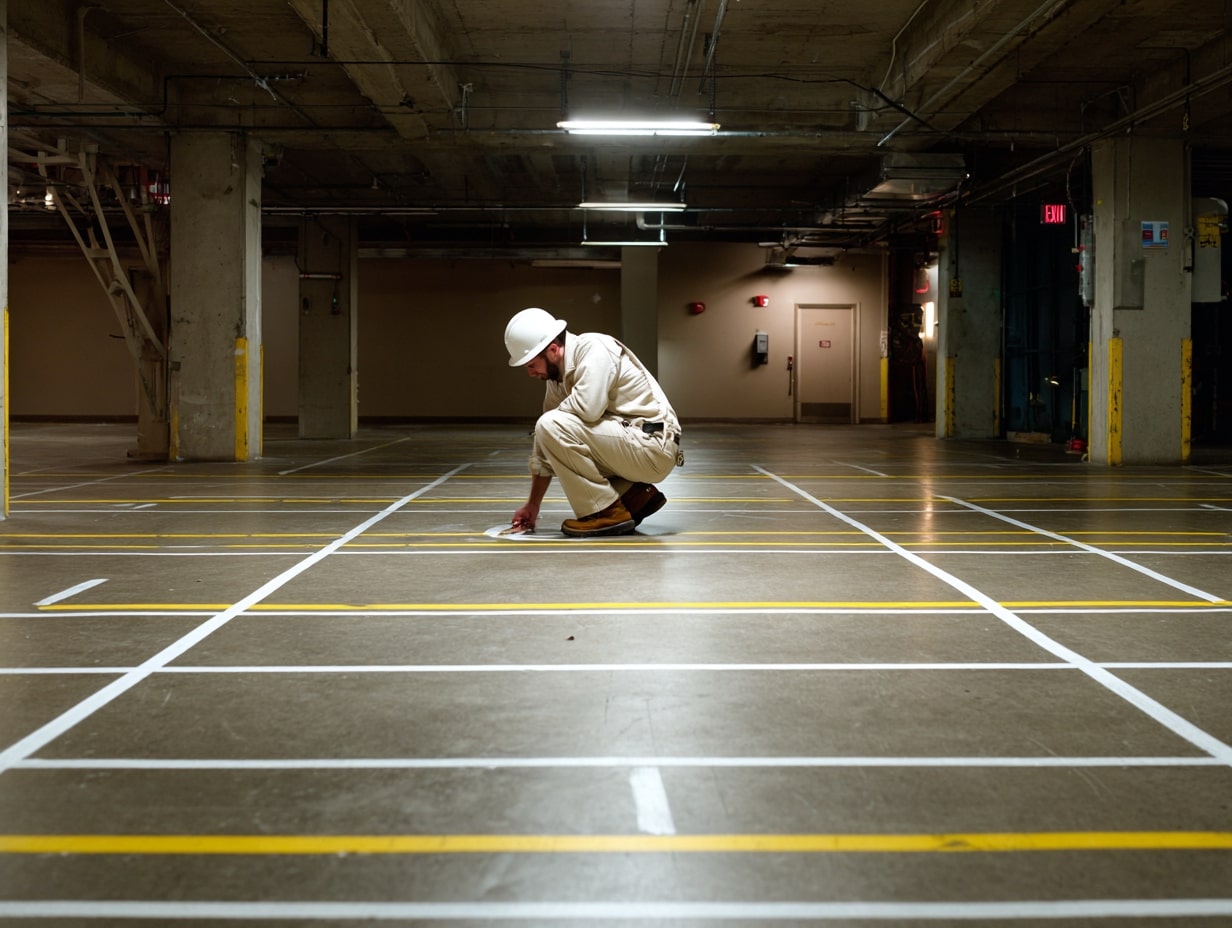
Early energy modeling is essential. We test scenarios for ground-coupled heat exchange, thermal zoning, recovery ventilation, and radiant slabs. Passive moves, insulated earth contact, airtight detailing, minimal infiltration at entries, drive down peak loads before we touch equipment schedules.
Cost, Phasing, And Adaptive Reuse Potential
Costs concentrate in early phases: utility relocation, shoring, dewatering. We phase by carving programmatic “islands” that can open independently, aligning construction with transit work to share logistics. Over time, below-grade shells are remarkably adaptable, from storage to venues to labs, protecting the investment as uses evolve.
Notable Projects And What They Teach Us
Helsinki’s Underground City Plan
Helsinki mapped rock caverns and created a cohesive plan linking energy storage, parking, data centers, and recreation beneath the city. The takeaway for us: treat geology as infrastructure. When we plan across parcels, we avoid a patchwork of one-off basements and unlock public value.
New York’s Lowline Concept
The Lowline proposed channeling sunlight via reflectors to grow plants in a former trolley terminal. Even though it hasn’t been built, it reframed what underground architecture could be, green, communal, and experiential. Lesson: prototypes and pilots can shift public perception long before permanent funding arrives.

Montreal’s RÉSO And Toronto’s PATH Networks
These networks prove that climate shields plus retail and office connectivity can thrive for decades. They also reveal a caution: wayfinding must be legible, and street life shouldn’t suffer. Successful systems balance vibrant concourses below with active, welcoming sidewalks above.
Conclusion
If we treat the ground as collaborator, not obstacle, underground architecture becomes one of the smartest tools cities have. The wins are clear: more usable land, gentler loads on energy grids, calmer acoustics, protected infrastructure. The challenge is to make it feel human. With daylight, biophilia, and honest attention to comfort and safety, we can build down without losing what we love about being out.
- architecture beneath the surface
- building underground homes
- cutting-edge earth-sheltered architecture
- earth-integrated architecture
- eco-friendly subterranean architecture
- energy-efficient underground buildings
- green architecture subterranean
- innovative underground construction
- sustainable underground structures
- Underground Architecture




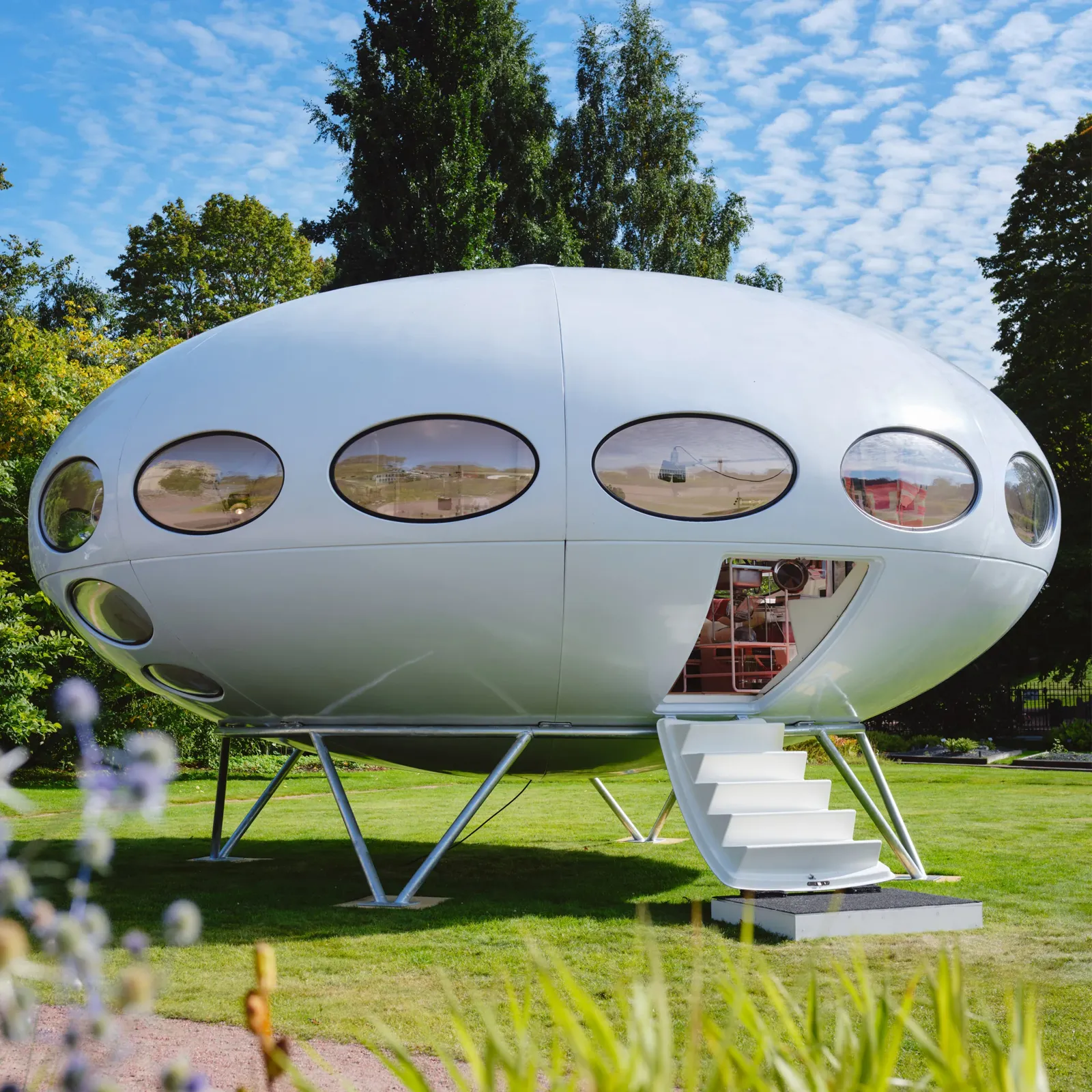
Futuro House Production Revived in Finland After Decades-Long Hiatus
A Facebook listing for abandoned moulds led to the first new Futuro...
 illustrarch Editoral Team3 Mins read
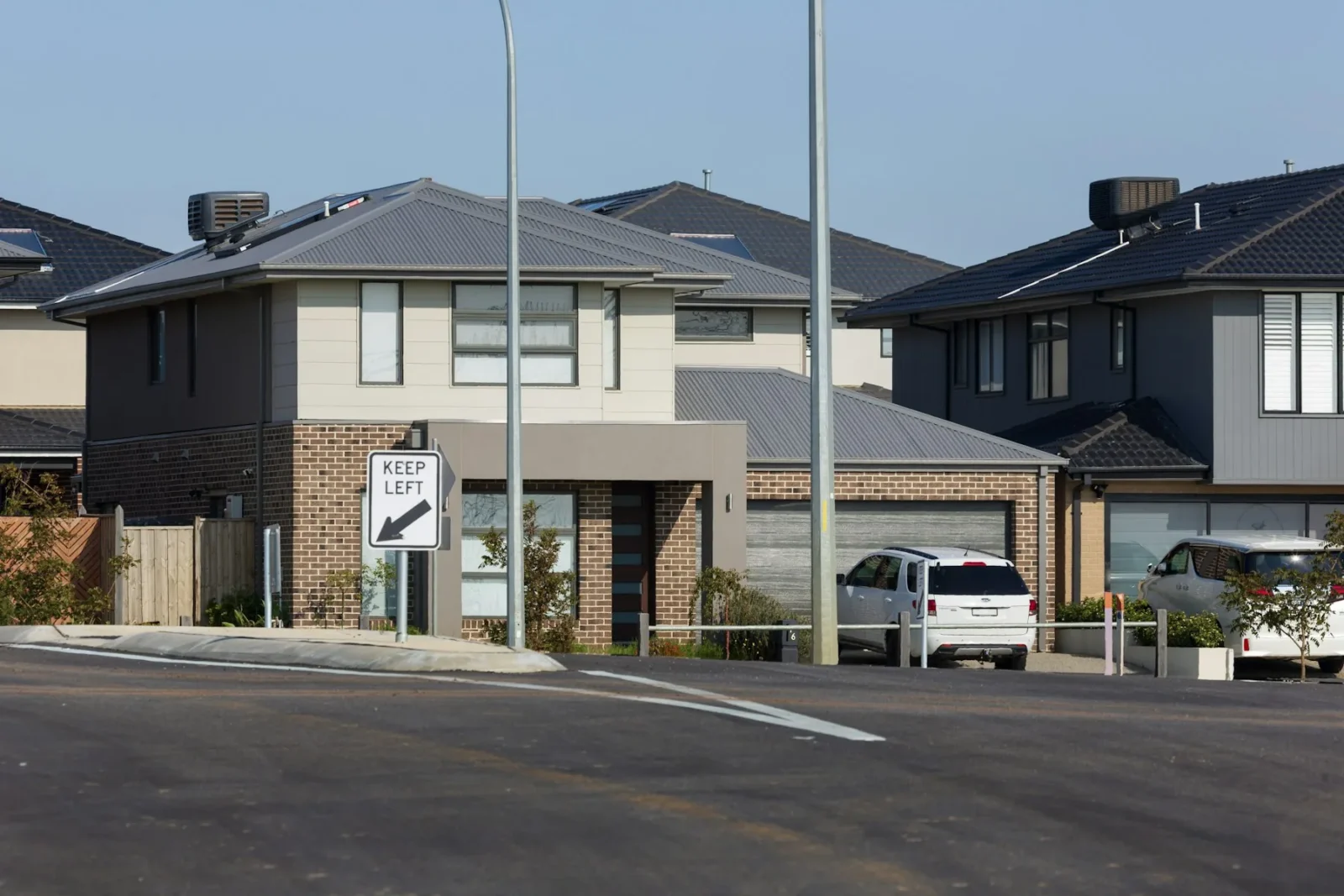
Building Your Dream Home in NSW: What You Should Know About Montgomery Homes
Montgomery Homes has been building across Sydney, Newcastle, the Hunter, Wollongong and...
illustrarch Editoral Team4 Mins read

Designing a Home Theater: Where Drapery Fits Into the Plan
In a media room the curtains are a performance layer, not decoration....
illustrarch Editoral Team3 Mins read

Oscar Niemeyer’s Cathedral of Brasília: The Hyperboloid Concrete Hymn
The Cathedral of Brasília reads as a single gesture, yet it stood...
 Furkan Sen7 Mins read


Leave a comment