

How Sydney’s Architecture Responds to Climate, Light, and Lifestyle
Sydney's architecture adapts to its climate, light, and lifestyle, emphasizing functionality and comfort in response to increasing density and evolving household structures.
 Bahattin Duran25 December 20254 Mins read213

Table of Contents Show
Sydney’s architecture has never been driven by form alone. It evolves through constant negotiation with climate, light, and the way people choose to live.
These forces are not abstract influences but daily realities, shaping everything from how buildings sit on the land to how rooms are used across the day. In Sydney, architecture works best when it listens before it speaks.
This responsiveness explains why many local buildings appear restrained rather than overtly expressive. The city rewards architecture that performs quietly, adjusting to heat, glare, coastal air, and suburban density without drawing attention to the effort involved.
Density, Duplexes, and Suburban Change
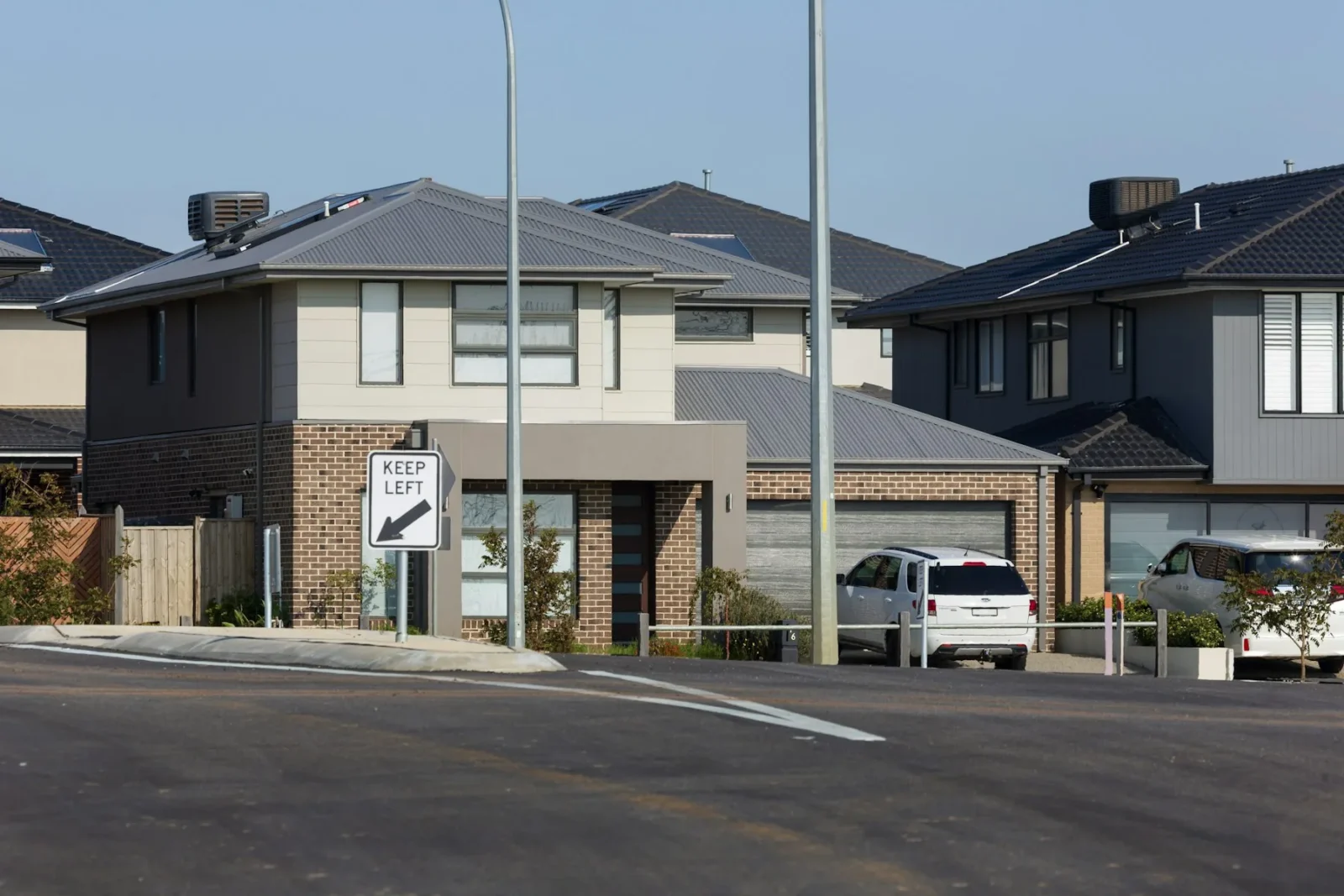
As Sydney grows, architectural responses to climate and lifestyle are increasingly tested by density. Duplexes, townhouses, and small-scale multi-residential projects now play a central role in reshaping suburban areas.
These typologies demand precision. Light access, privacy, and ventilation must be resolved within tighter envelopes. Success depends less on stylistic expression and more on planning intelligence.
Well-designed duplexes demonstrate how density can coexist with comfort. Shared walls reduce thermal loss, while careful orientation and window placement preserve light and airflow. When executed thoughtfully, these buildings support evolving household structures without compromising liveability.
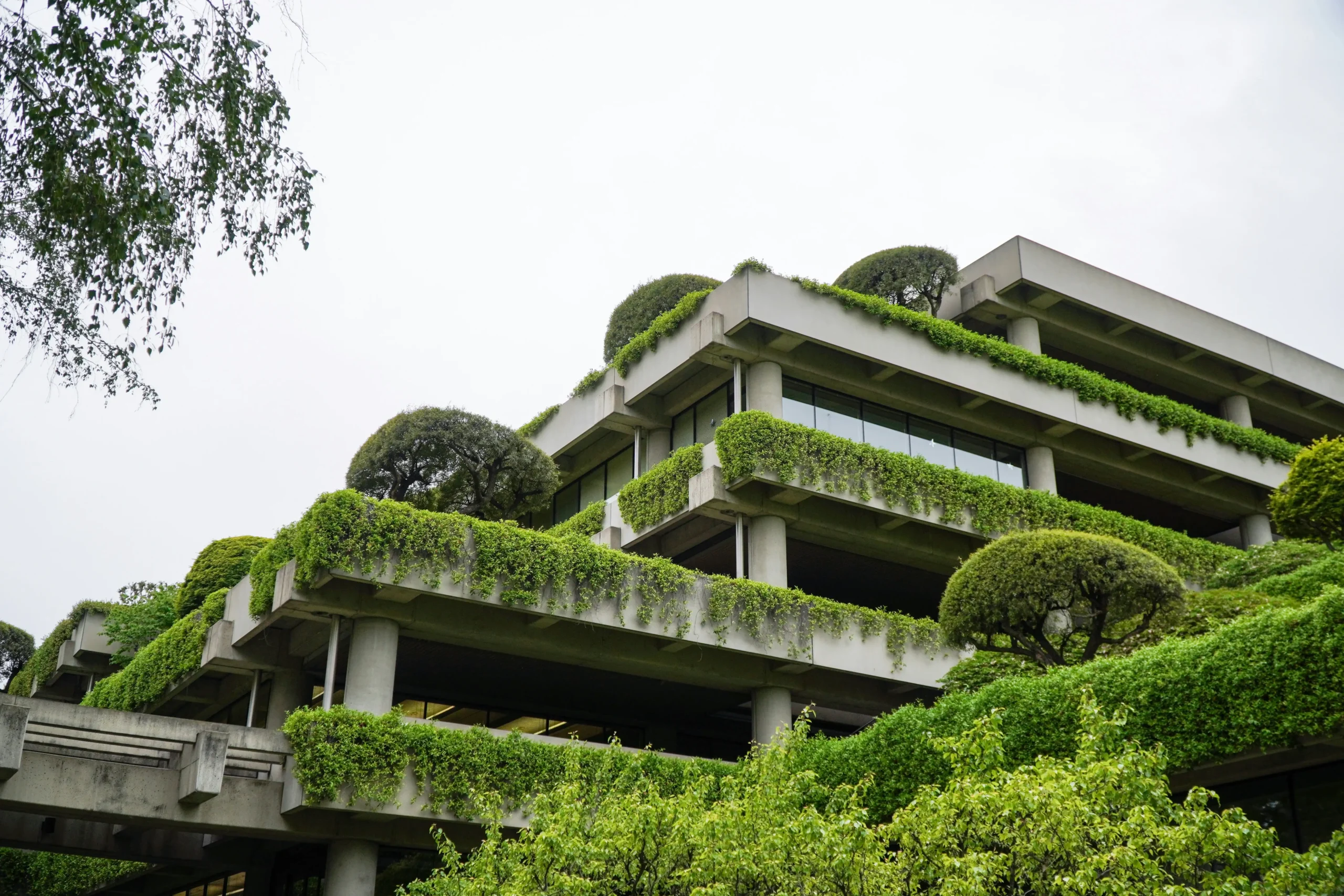
It is in this space that some volume builders have begun to embed architectural principles more deliberately. MOJO Homes is one developer who has placed particular emphasis on duplex designs that balance density with natural light, cross-ventilation, and functional separation. This attention matters because duplexes increasingly shape the everyday experience of Sydney’s suburbs, not just their planning metrics.
Architecture Beyond the Individual House
Sydney’s architectural character emerges cumulatively. While landmark buildings draw attention, the city is defined more by its ordinary housing stock and how it responds to daily conditions. Climate, light, and lifestyle play out most consistently at this scale.
As planning controls tighten and land availability shifts, architectural quality depends on how well these forces are translated into repeatable models. The challenge is not innovation for its own sake, but the steady refinement of responses that work.
Climate as an Active Constraint
Sydney’s climate resists architectural shortcuts. Summers are long and often humid, while winters remain bright enough to demand thoughtful shading rather than insulation alone. The city’s architecture reflects an understanding that comfort comes from moderation rather than extremes.
Buildings frequently rely on passive strategies before mechanical ones. Orientation, section, and envelope design do much of the work. Homes stretch laterally where land allows, opening up to breezes and reducing reliance on artificial cooling.
Designing for Heat Without Sealing Off
Cross-ventilation remains central to Sydney housing. Floor plans are shaped to encourage air movement, often placing operable windows on opposing sides of living spaces. This approach reduces internal heat buildup and supports comfort even during periods of high humidity.
Shading devices soften solar exposure rather than blocking it entirely. Eaves, pergolas, and adjustable screens temper direct sun while allowing filtered light into interiors. These elements are not decorative add-ons but structural decisions embedded early in design.

Material Choices That Respond, Not Resist
Materials in Sydney architecture are chosen for how they behave over time. Thermal mass is used selectively to stabilize temperatures, while lighter materials reduce heat absorption. Finishes tend to favor durability and reflectivity over novelty, particularly in residential contexts where longevity matters.
Light as a Defining Architectural Element
Sydney’s light is abundant and directional. It shapes interior experience as much as exterior form. Rather than chasing uniform brightness, architects work with contrast, shadow, and variation to create spaces that feel alive throughout the day.
Orientation remains a fundamental tool. North-facing living areas capture consistent daylight, while western exposures are treated with caution. Secondary spaces absorb less favorable light conditions, preserving comfort where it matters most.
Framing Light, Not Flooding It
Openings are often sized and positioned to frame light rather than overwhelm interiors. Clerestory windows, deep reveals, and filtered glazing create depth and softness. This approach supports visual comfort while maintaining a strong connection to the outdoors.
Light also supports spatial hierarchy. Brighter spaces invite activity and gathering, while quieter zones retreat into softer illumination. Architecture guides behavior subtly, without instruction.
Lifestyle as a Spatial Generator
Sydney’s lifestyle values openness, informality, and adaptability. Architecture responds by prioritizing flexibility over rigid room definitions. Spaces are expected to shift function across the day and across years.

Open-plan living remains common, yet successful designs avoid monotony by introducing level changes, ceiling variations, or layered zones. These strategies allow shared spaces to feel defined without being closed off.
Indoor–Outdoor Relationships
Few cities integrate outdoor space as consistently as Sydney. Terraces, courtyards, and covered outdoor rooms extend living areas and support year-round use. Level thresholds and wide openings reinforce continuity rather than separation.
Outdoor spaces are designed with intent. Shade, privacy, and orientation are carefully considered so that these areas function as true extensions of the home, not seasonal extras.
A City Shaped by Conditions
Sydney’s architecture does not chase uniformity. It adapts, absorbs, and adjusts. Climate encourages openness without exposure. Light demands control rather than excess. Lifestyle rewards flexibility over formality.
Together, these forces shape an architecture that feels grounded rather than imposed. Buildings settle into their context, support daily life, and change subtly over time. The result is not a singular architectural style, but a shared logic rooted in place.
As Sydney continues to grow, the success of its architecture will depend on how well this logic is maintained. When climate, light, and lifestyle remain central to design thinking, the city’s built environment retains its ability to support both individual lives and collective identity—quietly, effectively, and without unnecessary spectacle.





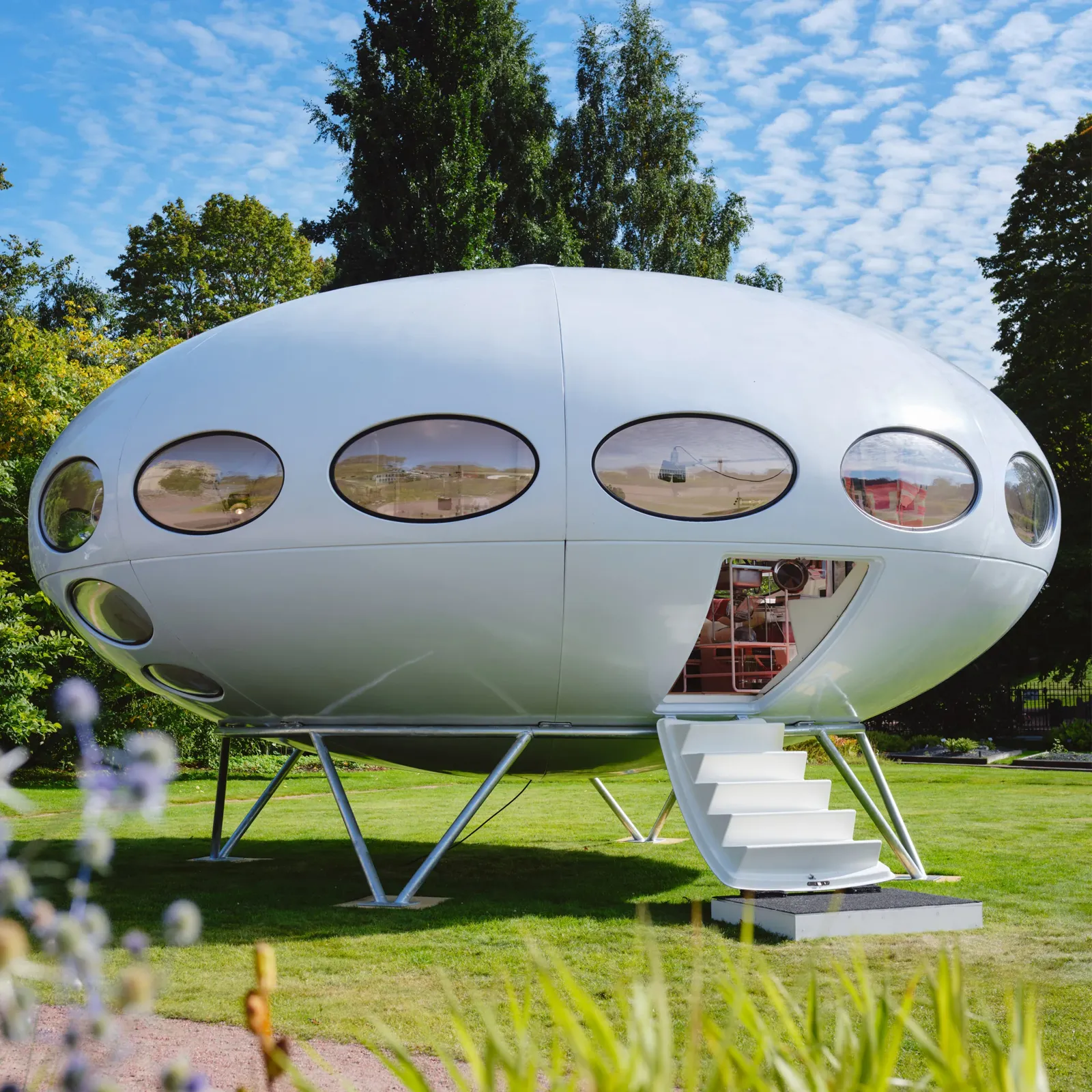
Futuro House Production Revived in Finland After Decades-Long Hiatus
A Facebook listing for abandoned moulds led to the first new Futuro...
 illustrarch Editoral Team3 Mins read
Building Your Dream Home in NSW: What You Should Know About Montgomery Homes
Montgomery Homes has been building across Sydney, Newcastle, the Hunter, Wollongong and...
illustrarch Editoral Team4 Mins read
Designing a Home Theater: Where Drapery Fits Into the Plan
In a media room the curtains are a performance layer, not decoration....
illustrarch Editoral Team3 Mins read

Oscar Niemeyer’s Cathedral of Brasília: The Hyperboloid Concrete Hymn
The Cathedral of Brasília reads as a single gesture, yet it stood...
 Furkan Sen7 Mins read


Leave a comment