

Shipping Containers as Functional Infrastructure on Construction Sites
Shipping containers have evolved into essential infrastructure on construction sites, offering reliable, adaptable solutions for logistics, workspace, and site organization.
 Bahattin Duran25 December 20255 Mins read225
Table of Contents Show
Construction sites are temporary by definition, yet the systems that support them must operate with reliability and clarity from the first day to the last.
Among the elements that have quietly reshaped site organization over the past decades, shipping containers stand out as one of the most adaptable and underestimated tools.
Once designed purely for global transport, they now form a backbone of functional infrastructure on construction sites, supporting work processes, logistics, and human activity in ways that extend far beyond simple storage.
Their appeal lies not in novelty but in consistency. Containers arrive with known dimensions, predictable structural behavior, and an inherent ability to withstand rough handling. This reliability allows them to be integrated into site planning early, long before the first materials arrive.
From Transport Object to Site Framework
The transition of shipping containers from cargo vessels to construction sites reflects a broader shift in how temporary structures are understood. Instead of improvised sheds or ad hoc solutions, containers introduce a modular logic that aligns well with construction sequencing.
Placed correctly, they help impose order on a site that might otherwise feel fragmented. Their rectangular form, stackability, and standardized access points make them easy to position, relocate, and adapt as the project evolves.
Why Containers Suit Construction Environments
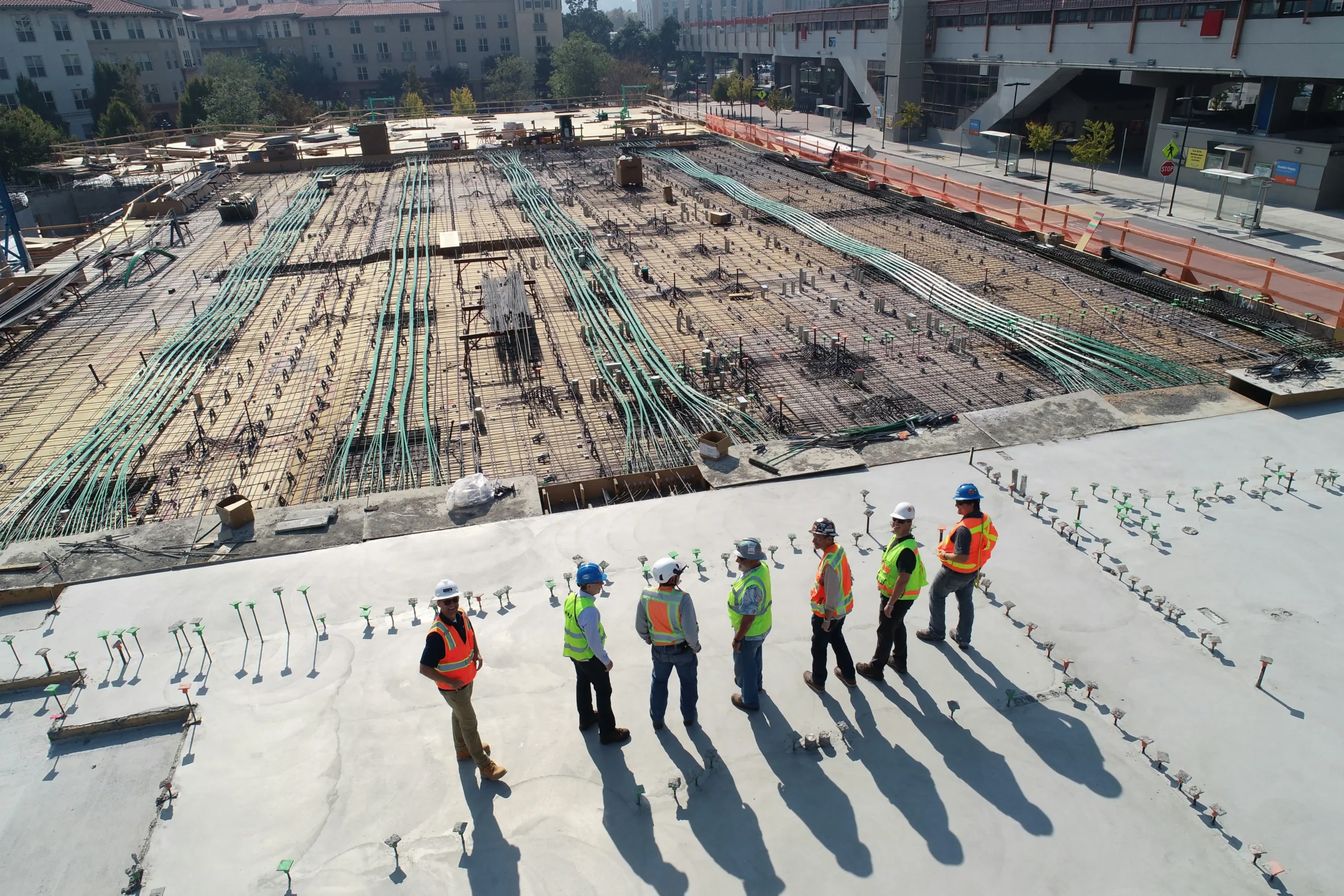
Construction sites demand structures that tolerate impact, weather exposure, and constant movement. Shipping containers are built to endure stacking, lifting, and long-distance transport, qualities that translate naturally into site use. Steel frames resist deformation, while solid walls protect contents from theft and environmental damage.
Another advantage is speed. Containers arrive ready-made. Minimal preparation is needed before they can be put into service, which supports fast mobilization during early project stages when time pressure is highest.
Temporary Does Not Mean Disposable
Although containers are temporary fixtures on most sites, they are rarely single-use. Their durability allows repeated deployment across projects, reinforcing a mindset where temporary infrastructure still deserves thoughtful planning. This approach aligns with sustainability goals by extending the lifecycle of site assets rather than treating them as expendable.
The Range of Containers Used on Construction Sites
In practice, there is no single “site container.” Instead, projects draw from a range of containers adapted to different operational needs. Understanding this variety helps project teams assign containers strategically rather than defaulting to generic storage.
Standard dry containers remain the most common. They serve as secure storage for tools, equipment, and materials that require protection but not environmental control. Their simplicity is their strength, offering lockable space that can be repositioned as site boundaries shift.
Office containers introduce a different layer of functionality. Fitted with insulation, windows, lighting, and climate control, they support planning meetings, documentation work, and daily coordination. On larger sites, these containers often form clusters, creating a recognizable administrative zone that anchors site management.
Specialized containers extend functionality further. Workshop containers provide dedicated spaces for repairs or prefabrication tasks. Welfare containers accommodate rest areas, changing rooms, and sanitary facilities, acknowledging that human needs are part of site infrastructure rather than an afterthought.
Refrigerated containers, originally designed for perishable goods, find new roles storing temperature-sensitive materials. Open-top or side-opening containers simplify handling of oversized components. This diversity allows containers to respond precisely to site requirements rather than forcing activities to adapt around limitations.
Stacking and Spatial Efficiency
One of the defining features of shipping containers is their ability to be stacked safely. On constrained urban sites, vertical stacking preserves valuable ground space while maintaining clear circulation routes. Office containers placed above storage units create compact hubs that reduce walking distances and improve oversight.
Stacking also introduces a sense of hierarchy. Elevated containers often house management functions, while ground-level units support daily operations. This spatial organization mirrors permanent buildings, reinforcing familiarity and clarity even within temporary conditions.
Containers as Organizational Tools
Beyond their physical presence, containers influence how work is organized. Their placement affects movement patterns, visibility, and access control across the site.
Strategically located storage containers reduce time lost searching for tools or materials. Clearly designated office containers create predictable points of contact for subcontractors and inspectors. Welfare containers signal where breaks and transitions occur, supporting rhythms that sustain productivity over long project durations.
Supporting Safety and Compliance
Safety regulations increasingly shape site layouts, and containers play a role here as well. Secure storage limits unauthorized access to hazardous materials. Clearly marked containers reduce clutter, which in turn lowers trip hazards and improves emergency access routes.
Office containers often double as induction spaces where safety briefings and training occur. Their enclosed nature supports focus and communication, reinforcing safety culture as part of everyday operations rather than a separate activity.
Adaptability Across Project Phases
Construction sites change character as projects progress. Early phases involve excavation, heavy machinery, and material deliveries. Later stages focus on finishing trades, inspections, and coordination. Containers adapt to these shifts with relative ease.
During early works, containers cluster near access points to support logistics and storage. As the structure rises, containers migrate closer to active zones or consolidate to free space. Some are removed entirely, while others are repurposed for new functions.
This adaptability reduces waste and avoids the need for entirely new temporary structures at each phase. Containers move with the project, responding to its evolving needs.
Integration with Digital Site Management
Modern construction increasingly relies on digital tools, and containers accommodate this shift. Office units house servers, monitoring equipment, and charging stations for digital devices. Their controlled environment protects sensitive technology while keeping it close to the action.
As sites adopt smart monitoring systems, containers serve as physical anchors for digital infrastructure, blending traditional construction practices with emerging technologies.
Design, Perception, and the Temporary Aesthetic
Shipping containers carry a strong visual identity. Their industrial appearance can either clash with surroundings or be harnessed deliberately. Some projects choose neutral finishes to reduce visual impact, while others embrace the container aesthetic as an honest expression of construction activity.
For architects, this raises questions about how temporary structures communicate values. A well-organized container setup suggests control, planning, and respect for the site context. A chaotic arrangement suggests the opposite, even if the work itself is sound.
Community and Client Interaction
On projects visible to the public, containers often form the most prominent site-facing elements. Branding, clear signage, and thoughtful placement help manage perception. Clients visiting the site experience these containers first, shaping impressions before they see the building itself.
In this sense, containers act as ambassadors for the project, representing professionalism and order during a phase often associated with disruption.
Sustainability and Reuse
The reuse of shipping containers aligns naturally with sustainability objectives. Each container represents embodied energy already spent during manufacturing. Extending its useful life through repeated site deployment reduces demand for new temporary structures.
Some contractors go further, retrofitting containers with energy-efficient systems or modular components that enhance performance over time. These investments pay off across multiple projects, reinforcing the idea that temporary infrastructure can still support long-term environmental goals.
End of Site Life, Not End of Use
When a project concludes, containers rarely disappear. They are relocated, reconfigured, and deployed again. This continuity contrasts sharply with disposable site solutions and encourages more deliberate planning at the outset.
Architects involved in site planning benefit from understanding this lifecycle, allowing container layouts to be optimized not just for a single project but for future reuse as well.
A Quiet Framework Behind Visible Construction
Shipping containers rarely attract attention in architectural discussions, yet their role on construction sites is fundamental. They provide structure without permanence, stability without rigidity, and adaptability without complexity.
By viewing containers as functional infrastructure rather than incidental storage, project teams unlock their full potential. They become tools for organization, safety, communication, and efficiency, shaping how work unfolds day by day.
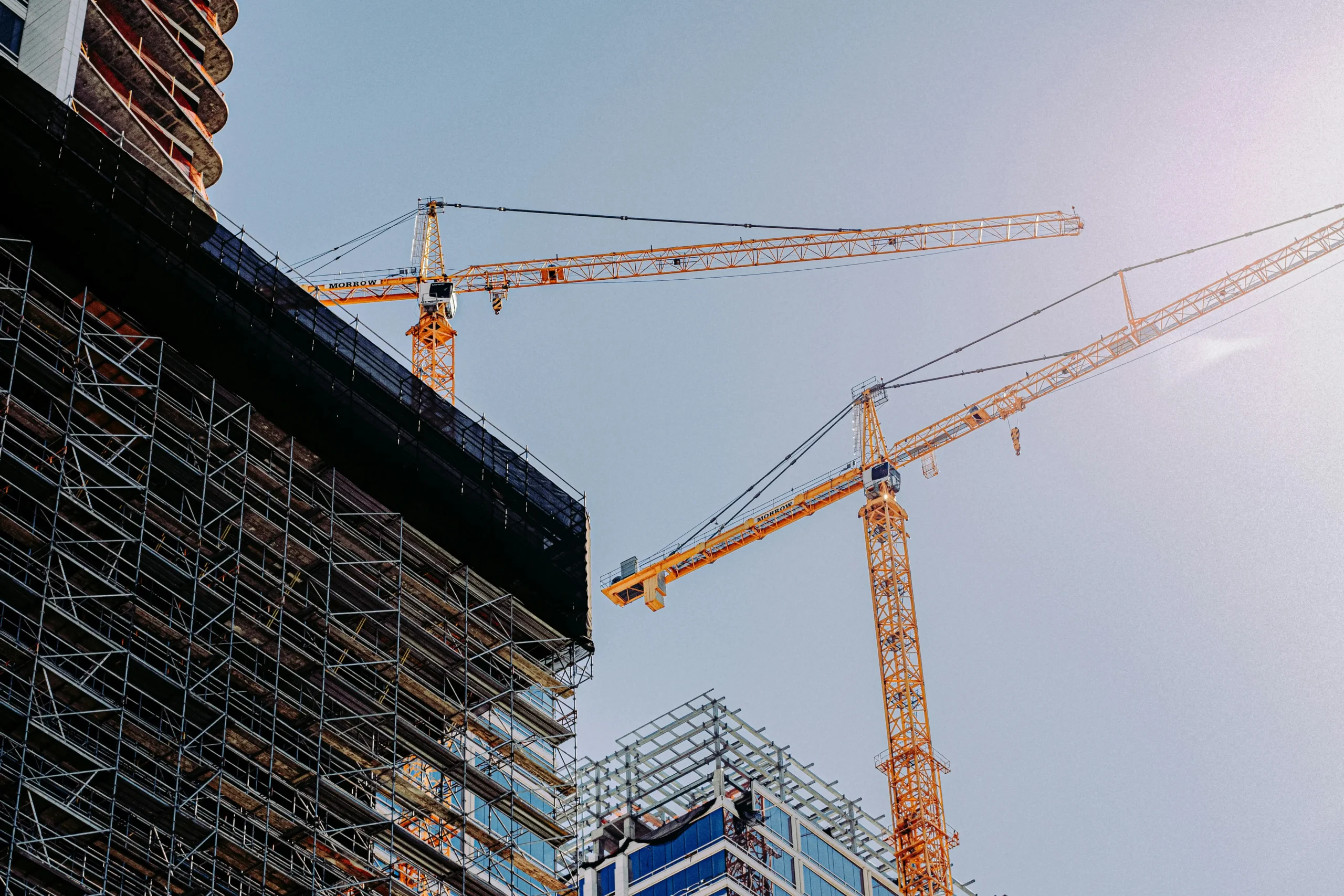
In the background of cranes, concrete pours, and steel assemblies, containers support the processes that make construction possible. Their contribution may be temporary, but its impact on how projects run is lasting, grounded in practicality rather than spectacle.





Building Your Dream Home in NSW: What You Should Know About Montgomery Homes
Montgomery Homes has been building across Sydney, Newcastle, the Hunter, Wollongong and...
 illustrarch Editoral Team4 Mins read

Oscar Niemeyer’s Cathedral of Brasília: The Hyperboloid Concrete Hymn
The Cathedral of Brasília reads as a single gesture, yet it stood...
 Furkan Sen7 Mins read
What Technology Does a Modern Workplace Need?
A modern workplace needs more than fast computers. A framework covering network,...
illustrarch Editoral Team8 Mins read

How Do You Choose Durable Shutters That Suit Your Budget?
Shutters can look identical in a showroom and perform very differently after...
illustrarch Editoral Team8 Mins read


Leave a comment