

Window Solutions That Work for Basements, Lofts, and Garage Spaces
 Bahattin Duran13 January 20262 Mins read75
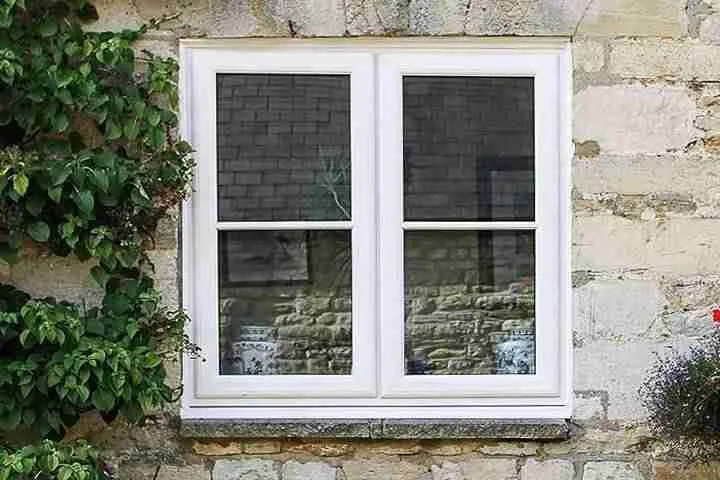
As a homeowner, you know every bit of space matters. Basements, attics, and garages aren’t just for storage; they could be living areas, workshops, or game rooms. The trick is good planning and picking the right windows that mix how they work, how they look, and the light they let in. For these kinds of spots, where saving space and easy upkeep are key, replacement casement windows are often perfect. They have a neat, modern style, save energy, and open easily without taking up space inside or outside.
If you’re looking to swap out old windows in your basement or garage, tilt-and-turn or slide-and-slide windows work well because they can fit right into the existing frame. Any of these choices can improve your home’s comfort and value.
Basement Windows: Light, Security, and Fresh Air
Basements can be tricky when it comes to windows since they’re mostly underground. You basically need to get three things right: bring in sunlight, make sure people can get out in an emergency, and allow fresh air in.
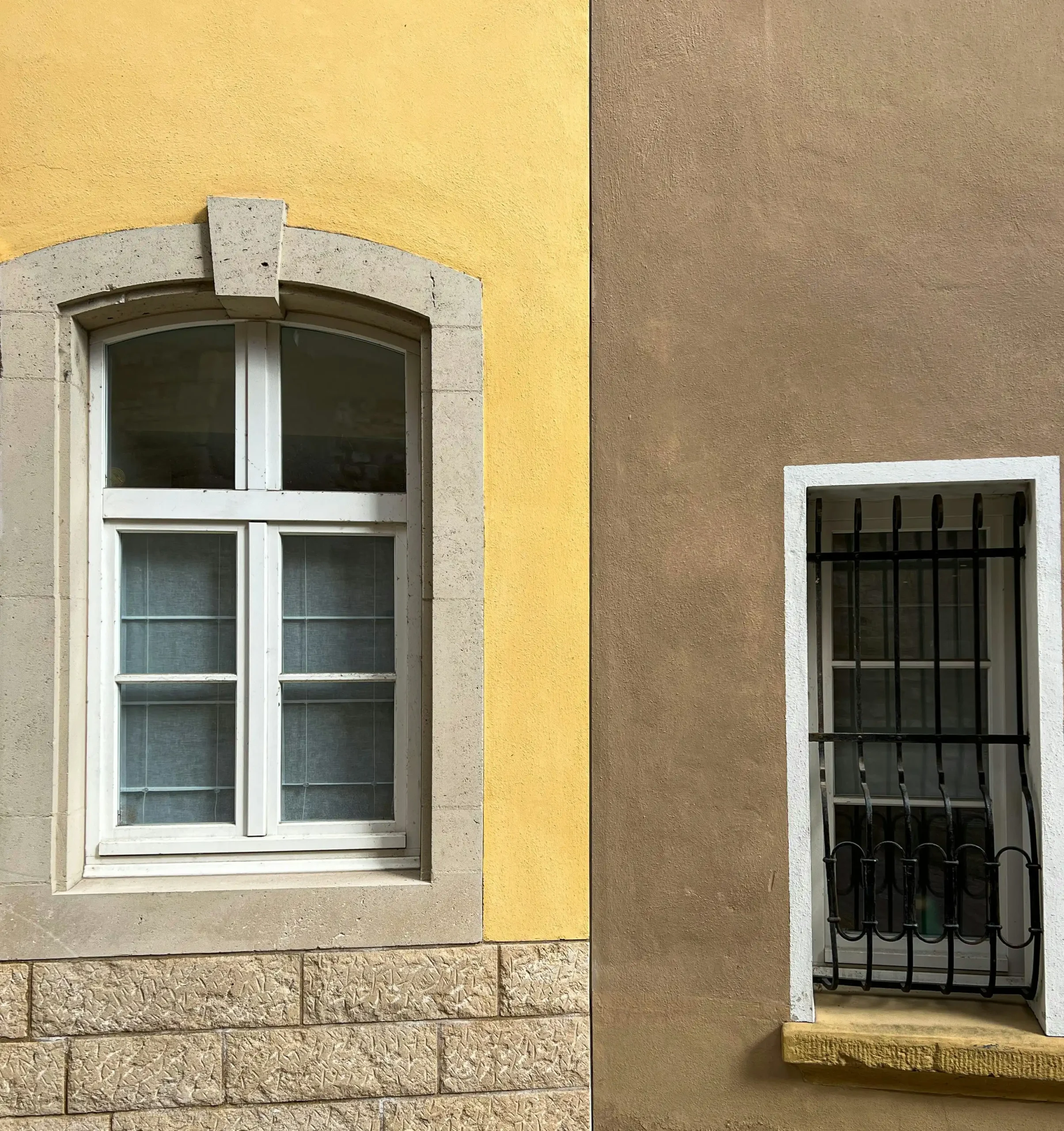
As outlined in a comprehensive basement window guide, popular basement window types include casement, sliding, hopper, and egress windows, each with specific advantages for ventilation, natural light, and code compliance. For egress, in-swinging casements or reverse hoppers are best suited, as they provide the maximum open opening with the minimum external dimensions.
Practical tips:
- If space above ground is limited, choose horizontal models – sliding (gliding) or folding (awning) opening upwards.
- You can afford larger openings. Modern casement windows are a great choice for new construction, as they are energy efficient and can be large enough for egress.
- In a humid environment near the ground, a practical and unpretentious material, such as a PVC profile with improved thermal insulation properties, works best. It is not subject to rot and does not require painting.
Loft and attic: the architecture of light
Here, windows are transformed from a utilitarian element into a key design detail. The goal is to maximize natural light and create a sense of spaciousness.
Panoramic glazing from floor to ceiling is a classic loft. To implement such an idea, durable aluminum systems or special plastic profiles reinforced for large sizes are suitable. Modern technologies make it easy to integrate modern sliding or folding sections for ventilation into such glazing.
Garage: functionality and protection
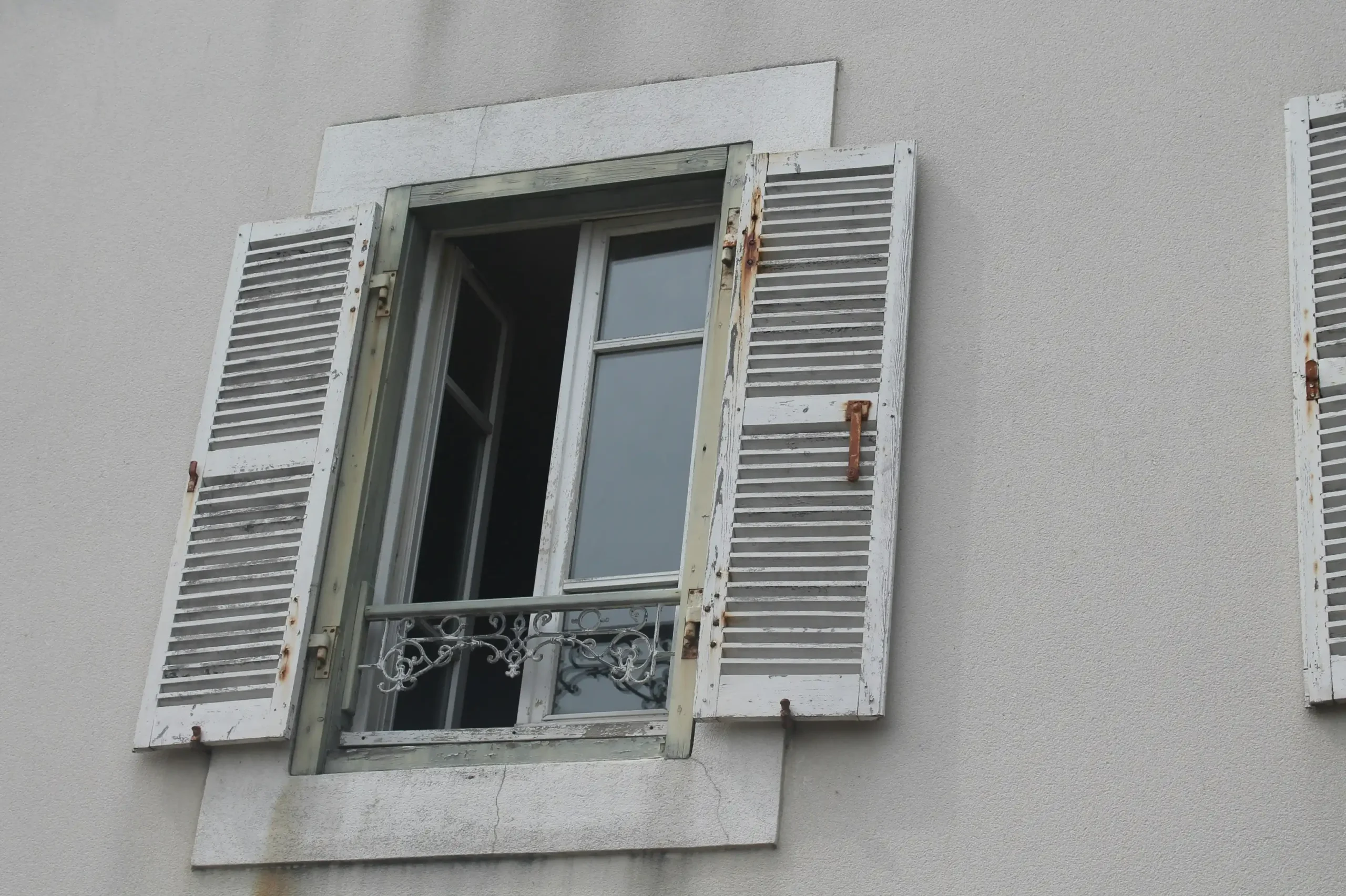
Windows in the garage provide not only daylight for work, but also ventilation to remove vapors and excess odors.
Selection criteria:
- Durability is important for a garage. Plastic windows with a reinforced profile and strong glass are a good balance of price and quality. Aluminum structures are even stronger, but usually colder.
- If the garage is heated, choose warm PVC structures with double-chamber glazing.
- Windows should be easy to open and easy to maintain. Plastic wins again here – it is enough to wipe it periodically.
- Small windows under the ceiling serve well for constant ventilation, and larger ones, located at normal height, for lighting the work area and viewing the territory.
Get windows that work for you: they let light into your place, save on energy, and don’t need much upkeep. It’s a smart move for a comfy and useful home.






How to Keep Your Home Cool During Indiana Summers
Table of Contents Show Change Air Filters RegularlyUse Your Thermostat WiselyBlock Out...
 illustrarch Editoral Team2 Mins read
What Is an Architectural Site Plan?
An architectural site plan is a scaled drawing showing a building's layout...
 Furkan Sen8 Mins read
Architectural Site Plan: A Practical Guide to Elements, Types & Drawing Tips
This guide breaks down the architectural site plan from its core elements...
Furkan Sen13 Mins read

How to Keep Your Arnold Home Cool During an Extreme Heat Wave
Practical, proactive ways homeowners in Arnold, MD can keep their home cool...
illustrarch Editoral Team6 Mins read


Leave a comment