

2026 the Year of Urban Planning and Architecture in Azerbaijan
Azerbaijan has officially declared 2026 the Year of Urban Planning and Architecture, positioning urban design, sustainability, and architectural culture at the center of national policy. The decision aligns with the country’s preparations to host the 13th World Urban Forum (WUF13) in Baku, reinforcing its growing role in global urban development discourse.
 Elif Ayse Sen13 January 20262 Mins read196
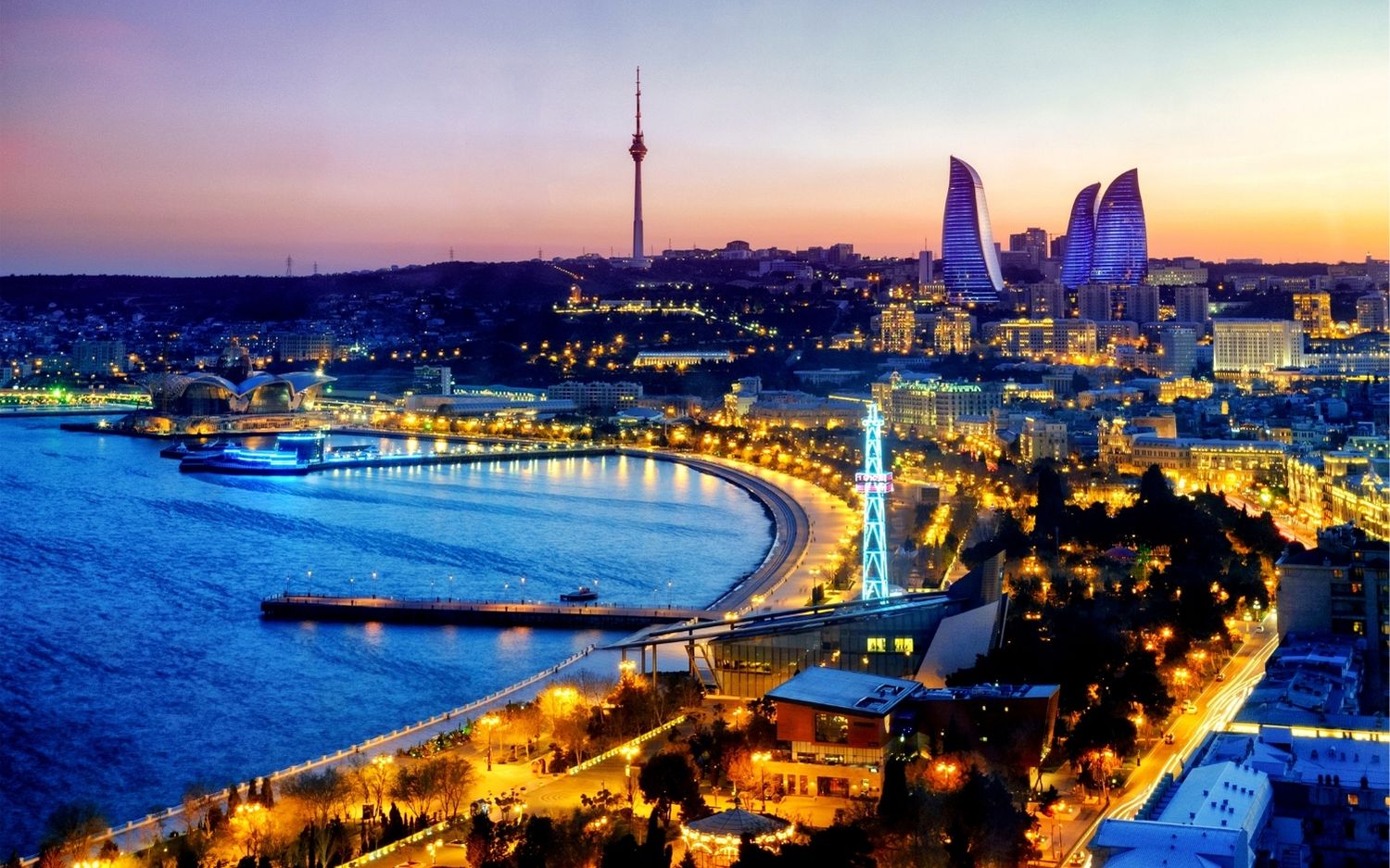
Azerbaijan has officially designated 2026 as the Year of Urban Planning and Architecture, following a presidential order signed by Ilham Aliyev. The declaration establishes a nationwide framework aimed at strengthening urban policy, advancing architectural culture, and promoting sustainable development across the country. Positioned as both a cultural and strategic initiative, the decision reflects Azerbaijan’s intention to balance its deep architectural heritage with contemporary planning approaches that respond to modern social, environmental, and spatial challenges. Under the order, the Presidential Administration is tasked with preparing a comprehensive action plan within one month, outlining programs, reforms, and public initiatives to be implemented throughout the year.
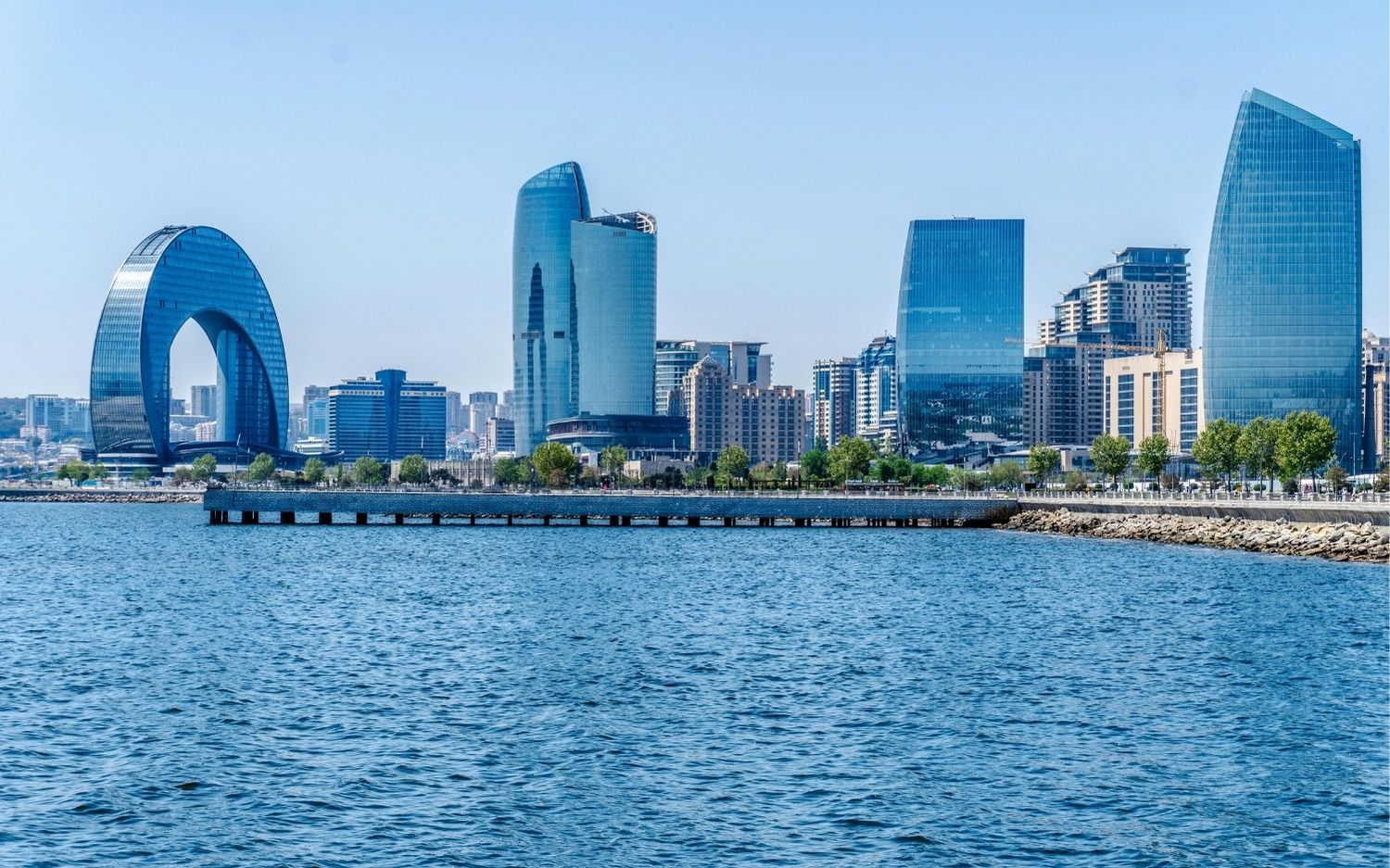
A National Framework Linking Heritage and Contemporary Urban Challenges
The Year of Urban Planning and Architecture is conceived as a platform to rethink how Azerbaijani cities grow, transform, and respond to future pressures. Emphasis is placed on integrating centuries-old urban traditions with modern design principles, climate-sensitive planning, and inclusive public space strategies. The initiative signals a broader commitment to long-term urban resilience, recognizing architecture not only as a cultural expression but also as a tool for social well-being, environmental responsibility, and economic development. By elevating architecture and urban planning to a national theme, Azerbaijan positions design quality and spatial governance at the center of its development agenda.

Hosting the World Urban Forum 13 in Baku
The declaration is closely tied to Azerbaijan’s preparations to host the World Urban Forum 13 (WUF13), which will take place in **Baku from 17 to 22 May 2026. Organized by UN-Habitat, the forum will be held under the theme “Housing the World: Safe and Resilient Cities and Communities.” WUF13 will focus on the global housing crisis, with nearly three billion people worldwide affected by inadequate housing conditions. Discussions will link housing to integrated urban planning, climate adaptation, and inclusive governance, reinforcing the idea that shelter is a foundation for sustainable and resilient cities.
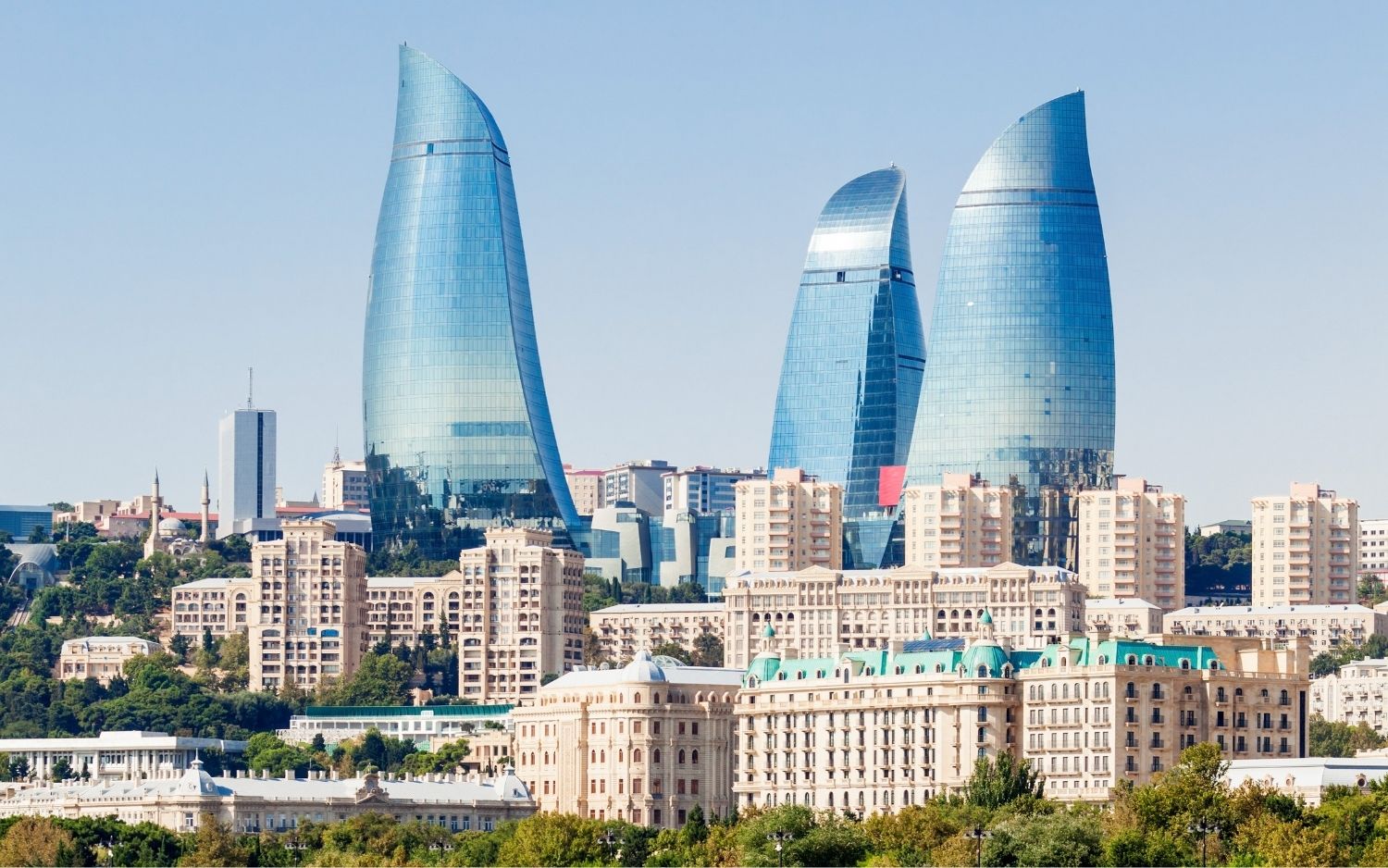
Expanding Regional and International Urban Cooperation
Preparations for WUF13 have also accelerated Azerbaijan’s regional and international engagement in urban development. As part of these efforts, Anar Guliyev, Chairman of the State Committee on Urban Planning and Architecture, held talks with the Ambassador of the Kyrgyz Republic to Azerbaijan, focusing on strategic cooperation and knowledge exchange. Azerbaijan formally invited Kyrgyzstan to actively participate in WUF13, building on existing collaboration in reconstruction and planning initiatives in the Karabakh and East Zangezur regions. These dialogues highlight how the Year of Urban Planning and Architecture extends beyond national borders, positioning Azerbaijan as an emerging platform for international urban discourse in 2026.
- 2026 urban planning Azerbaijan
- architecture and sustainability Azerbaijan
- Azerbaijan architecture
- Azerbaijan city planning initiatives
- Azerbaijan urban planning
- Azerbaijan Urban Planning and Architecture 2026
- Baku urban development
- Baku World Urban Forum 2026
- future cities Azerbaijan
- global urban planning events 2026
- international urban planning cooperation
- news Azerbaijan
- sustainable architecture Azerbaijan
- sustainable cities Azerbaijan
- UN Habitat World Urban Forum 13
- urban design policy South Caucasus
- urban development Azerbaijan
- urban regeneration Azerbaijan
- WUF13 Baku architecture


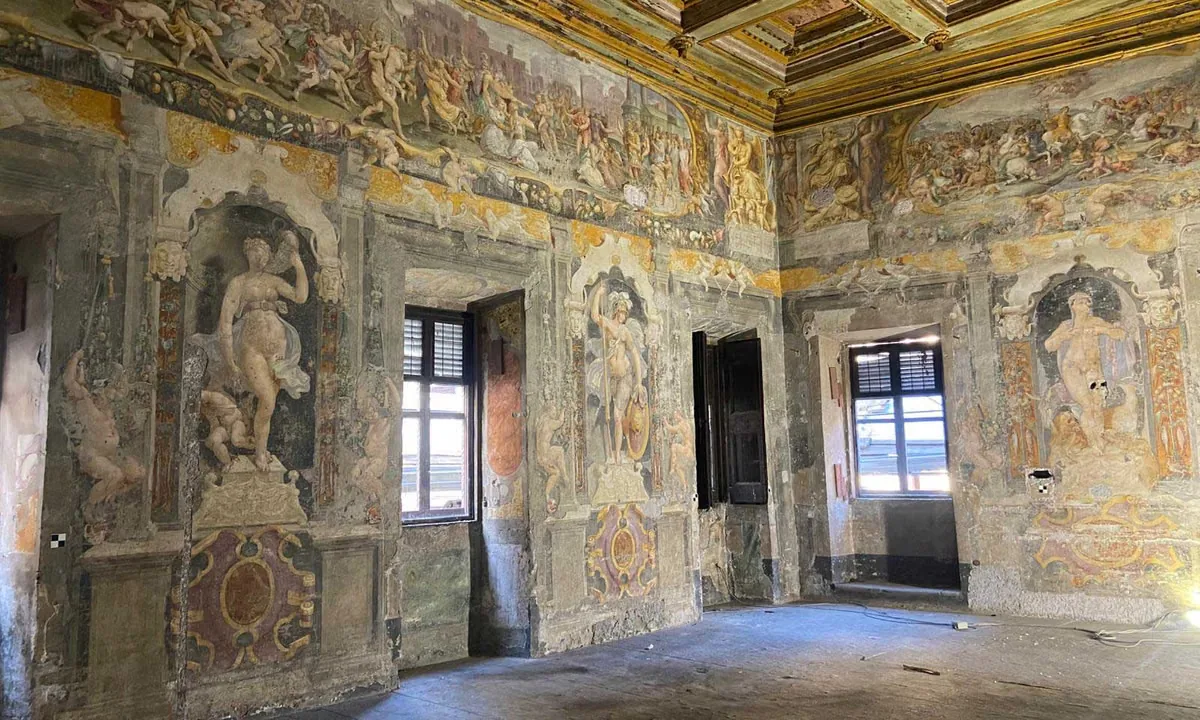
Restorers Uncover 16th-Century Murals Hidden by Nuns in Villa Silvestri Rivaldi
Conservators in Rome are uncovering 16th-century murals hidden for 300 years inside...
 illustrarch Editoral Team3 Mins read

A New Book Records the 1970s Interiors of Ebony and Jet’s Chicago Headquarters
820 Ebony/Jet collects Barbara Karant's photographs of the empty Johnson Publishing Company...
illustrarch Editoral Team2 Mins read
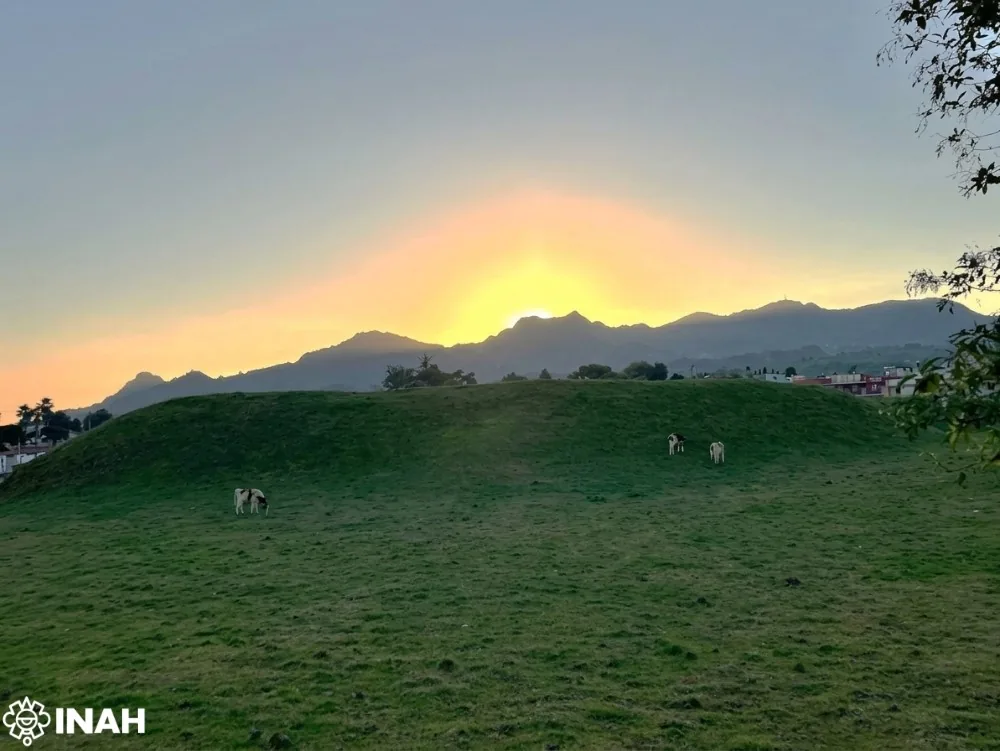
A 2,500-Year-Old Solar Observatory in Puebla Is the First Group E Complex Found Outside the Maya Area
Archaeologists working for Mexico's INAH have confirmed that two platforms at Teteles...
illustrarch Editoral Team2 Mins read
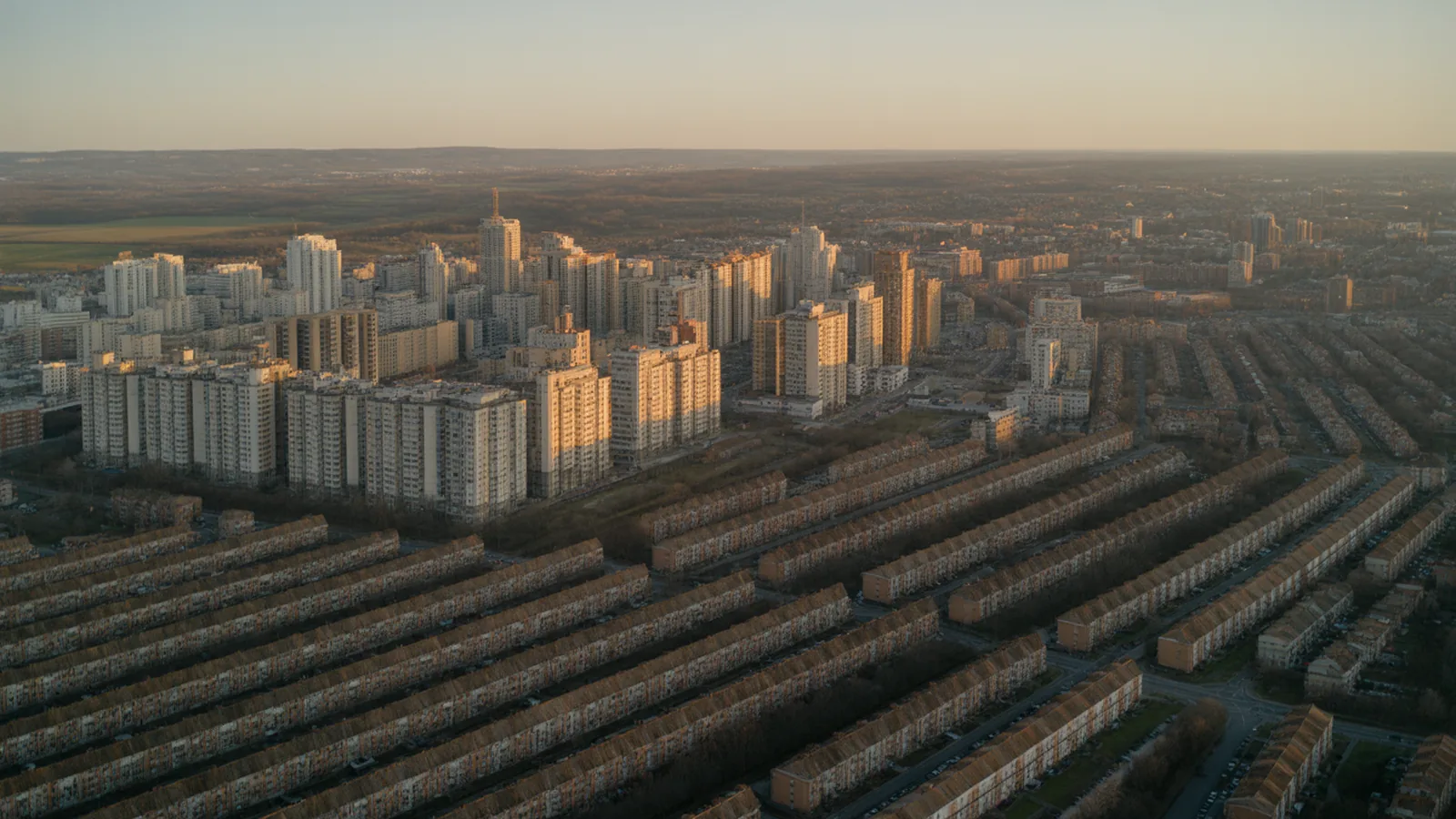
Concentric Zone Model: Burgess’s Five Rings Explained
Burgess drew 1925 Chicago as five rings spreading from the business district....
illustrarch Editoral Team9 Mins read


Leave a comment