

Unintentionally Leaning Towers: When Architecture Defies Stability
Unintentionally leaning towers reveal architecture’s fragile negotiation with gravity, soil, time, and ambition. From medieval bell towers to modern urban landmarks, these structures expose how design ideals collide with material reality. Rather than failures, they stand as lasting lessons in resilience, adaptation, and architectural humility.
 Sinan Ozen13 January 20263 Mins read200
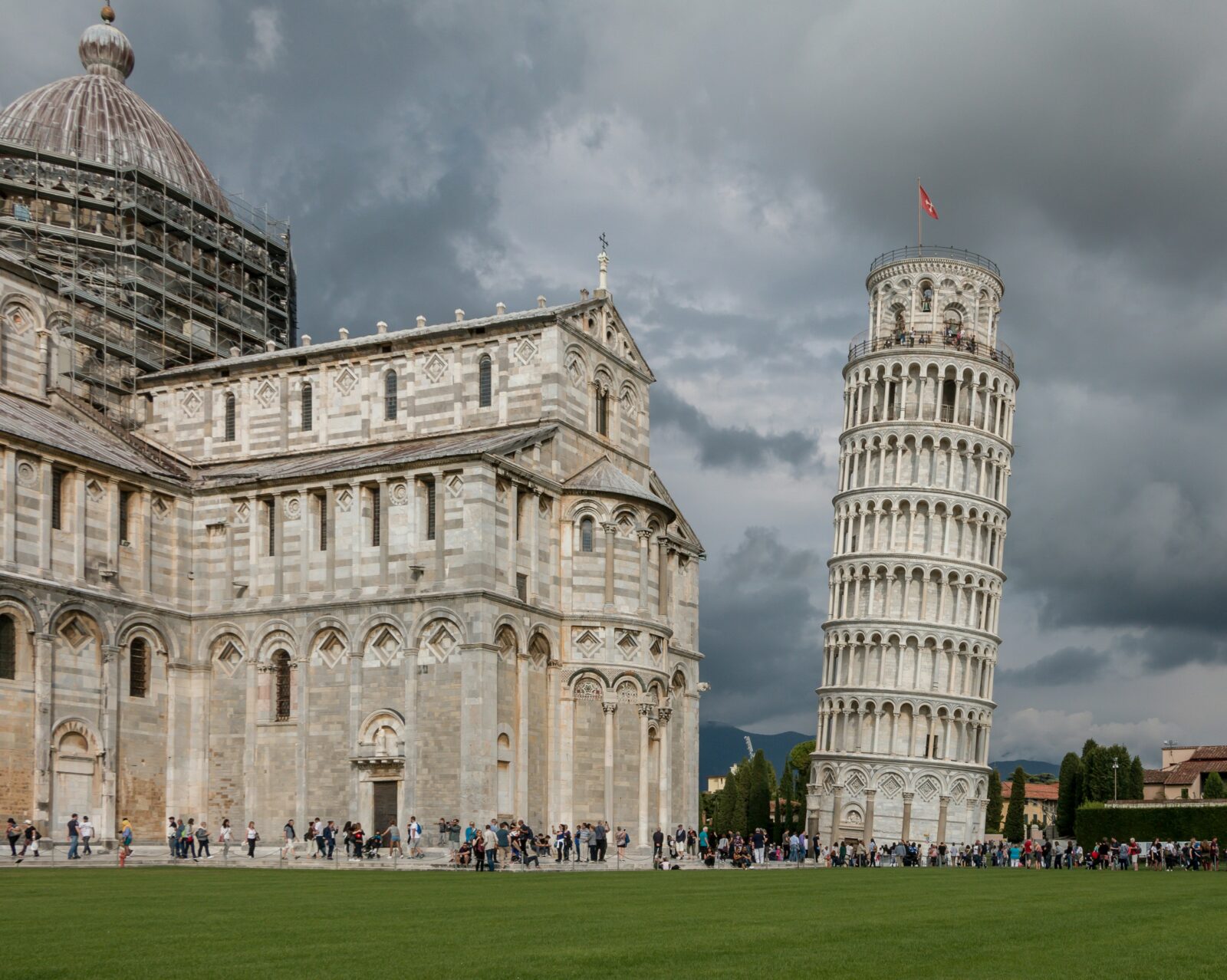
Table of Contents Show
Architecture has long been driven by the pursuit of stability. From Vitruvius’ triad of firmitas, utilitas, and venustas to today’s parametric simulations and structural optimization software, the upright posture of buildings has symbolized technical mastery and cultural confidence. Yet scattered across the world are towers that quietly resist this expectation. They lean—not by intention, but by circumstance. These structures reveal moments where soil conditions, construction methods, material limitations, or historical urgency disrupted architectural certainty. Rather than diminishing their value, the lean has transformed them into cultural artifacts that expose the vulnerability of the built environment. Unintentionally leaning towers remind us that architecture is not a static object but a negotiation between human ambition and the unpredictable realities of geology, climate, and time.
Accidental Icons: When Structural Error Becomes Cultural Identity
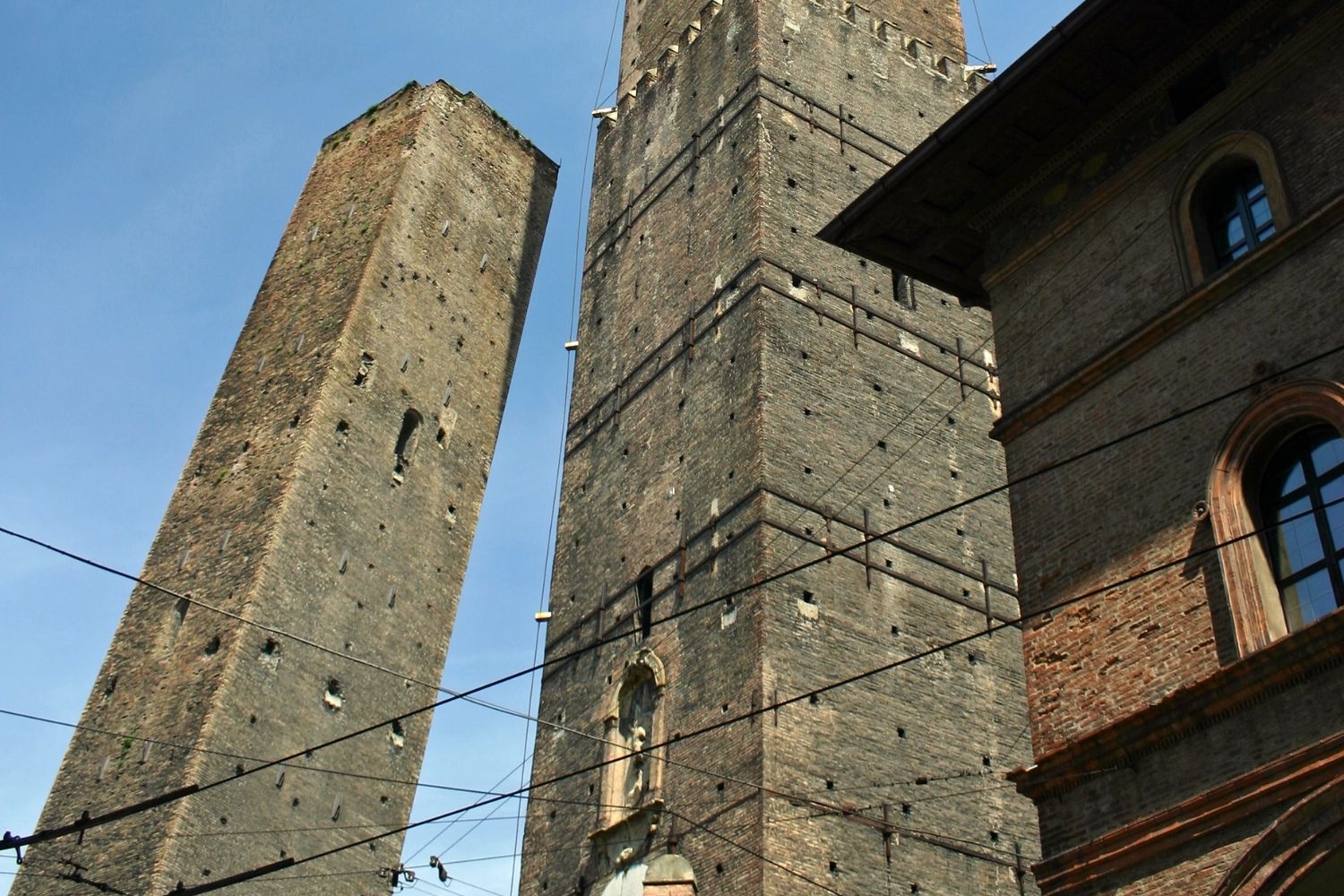
No example captures this phenomenon more powerfully than the Leaning Tower of Pisa. Begun in the 12th century, its tilt emerged early due to weak subsoil and shallow foundations, yet construction continued for nearly two centuries. What might have been considered a catastrophic failure instead became one of architecture’s most recognizable global symbols. A similar narrative unfolds in Bologna, where the medieval skyline is defined by the Asinelli and Garisenda towers—commonly known as the Two Towers of Bologna. Built as displays of wealth and power, their inclinations reveal the experimental nature of early urban verticality. In these cases, structural imperfection was absorbed into cultural memory, proving that architecture’s meaning often extends far beyond technical precision.
Soil, Substructure, and the Silent Power of Ground Conditions
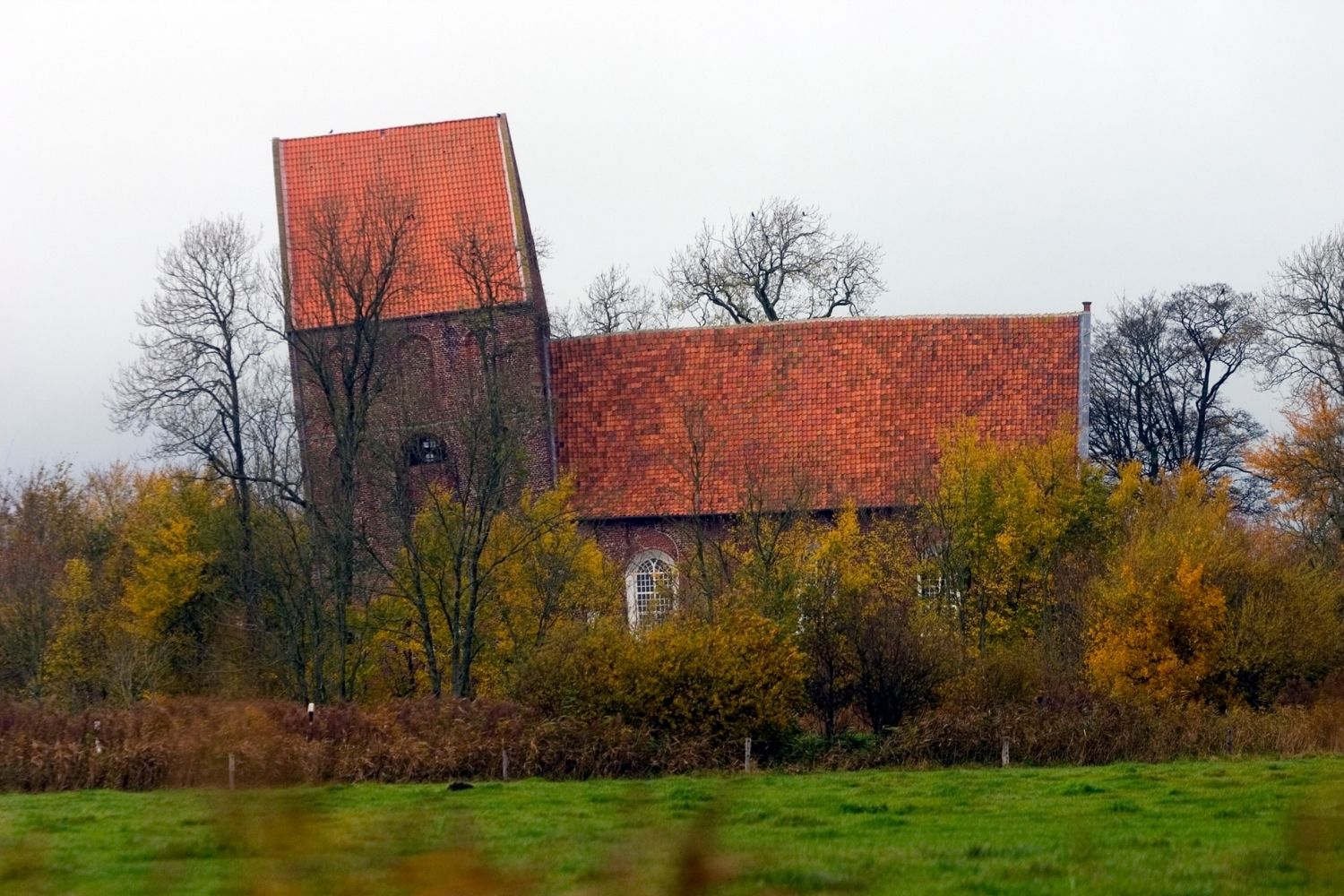
Many leaning towers owe their condition not to flawed design but to misunderstood ground behavior. The church tower in Suurhusen, Germany—often cited as the most tilted tower in the world—leans dramatically due to peat soil that dried and compressed centuries after construction. Similarly, Russia’s Neviansk Tower reflects uneven settlement tied to its foundations and surrounding geology. These examples emphasize a lesson still central to architectural education: the ground is never neutral. Even today, when advanced geotechnical analysis is standard practice, unexpected soil movement remains one of architecture’s most persistent risks. Leaning towers serve as long-term case studies in how subsurface conditions can quietly rewrite architectural intentions decades—or centuries—after completion.
Vertical Ambition Before Structural Science
In medieval and early industrial contexts, towers were often built at the edge of technical knowledge. Height was symbolic—of faith, authority, or civic pride—long before structural engineering matured into a precise science. The Garisenda Tower in Bologna, once taller than it is today, had to be truncated due to its increasing lean. This historical adjustment demonstrates how architecture has always been adaptive, responding to failure not through demolition but transformation. These towers reveal an era when builders relied on empirical knowledge, rule-of-thumb proportions, and experience rather than calculations. Their survival underscores the resilience of pre-modern construction while also highlighting the risks embedded in architectural ambition untempered by scientific certainty.
Modern Leaning: When Engineering Control Replaces Accident
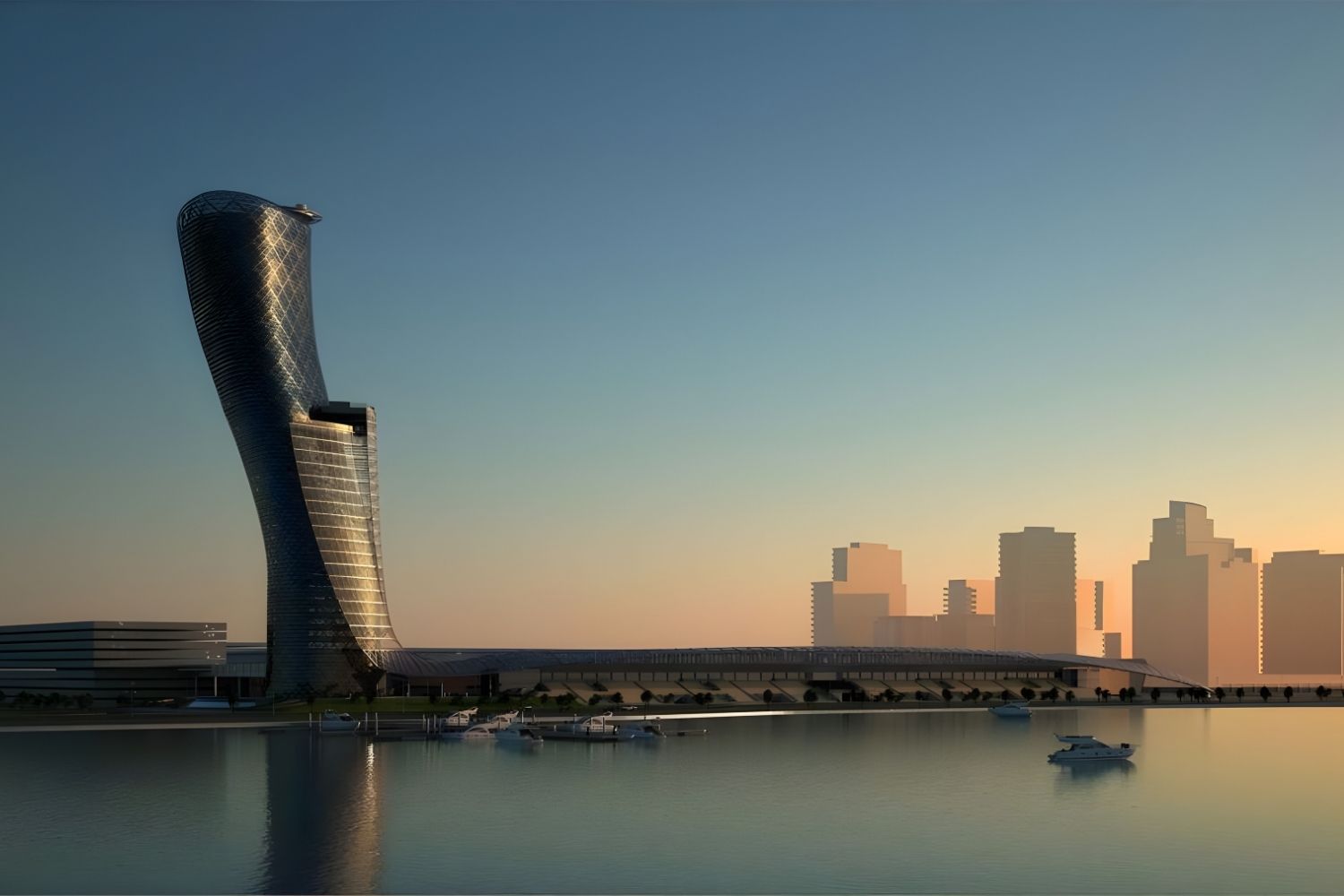
Not all leaning towers are relics of the past. In Abu Dhabi, the Capital Gate tower—often mistaken as accidental—was intentionally designed to lean, but its existence reshapes how we read unintentional precedents. By contrast, structures like the leaning clock tower of Teluk Intan in Malaysia or subtle tilts observed in parts of London’s historic fabric demonstrate that modern cities are not immune to similar forces. Even Elizabeth Tower, commonly known as Big Ben, has developed a measurable lean due to underground construction and changing ground conditions. These contemporary cases blur the line between historical anomaly and ongoing urban process, reminding architects that time itself is an active design variable.
Preservation, Ethics, and the Question of Correction
Perhaps the most complex issue surrounding leaning towers is whether they should be “fixed.” Stabilization efforts on the Leaning Tower of Pisa reduced its tilt slightly, prioritizing safety while preserving its identity. This approach reflects a broader conservation ethic: intervention without erasure. Leaning towers challenge preservation professionals to balance structural responsibility with cultural authenticity. Should a building be corrected to match its original intent, or preserved as history has shaped it? The answer increasingly favors the latter, positioning architectural conservation as a practice of interpretation rather than restoration alone.

Conclusion: Learning from Architecture That Refuses to Stand Straight
Unintentionally leaning towers occupy a unique place in architectural culture. They are neither pure failures nor deliberate provocations, but records of architecture’s dialogue with forces beyond full control. For contemporary practice, they offer critical lessons: the importance of geotechnical understanding, the humility required in the face of time, and the cultural value of imperfection. For students and educators, these towers expand the definition of architectural success, reframing error as a source of knowledge rather than embarrassment. In an era increasingly dominated by digital precision and performance metrics, leaning towers remind us that architecture is not only about mastery—but about adaptation, endurance, and the stories buildings accumulate as they age within the living world.






Oscar Niemeyer’s Cathedral of Brasília: The Hyperboloid Concrete Hymn
The Cathedral of Brasília reads as a single gesture, yet it stood...
 Furkan Sen7 Mins read

What Technology Does a Modern Workplace Need?
A modern workplace needs more than fast computers. A framework covering network,...
 illustrarch Editoral Team8 Mins read

How Do You Choose Durable Shutters That Suit Your Budget?
Shutters can look identical in a showroom and perform very differently after...
illustrarch Editoral Team8 Mins read
How Can Window Coverings Improve Indoor and Outdoor Comfort?
Window coverings work as a home’s adjustable climate layer. A practical guide...
illustrarch Editoral Team9 Mins read




Leave a comment