

Beyond the Backyard: 5 Architectural Trends Redefining Luxury in Laneway House Design
Laneway house design is increasingly characterized by innovative verticality and wellness features, redefining luxury through thoughtful spatial planning and intentionality.
 Bahattin Duran25 January 20264 Mins read169
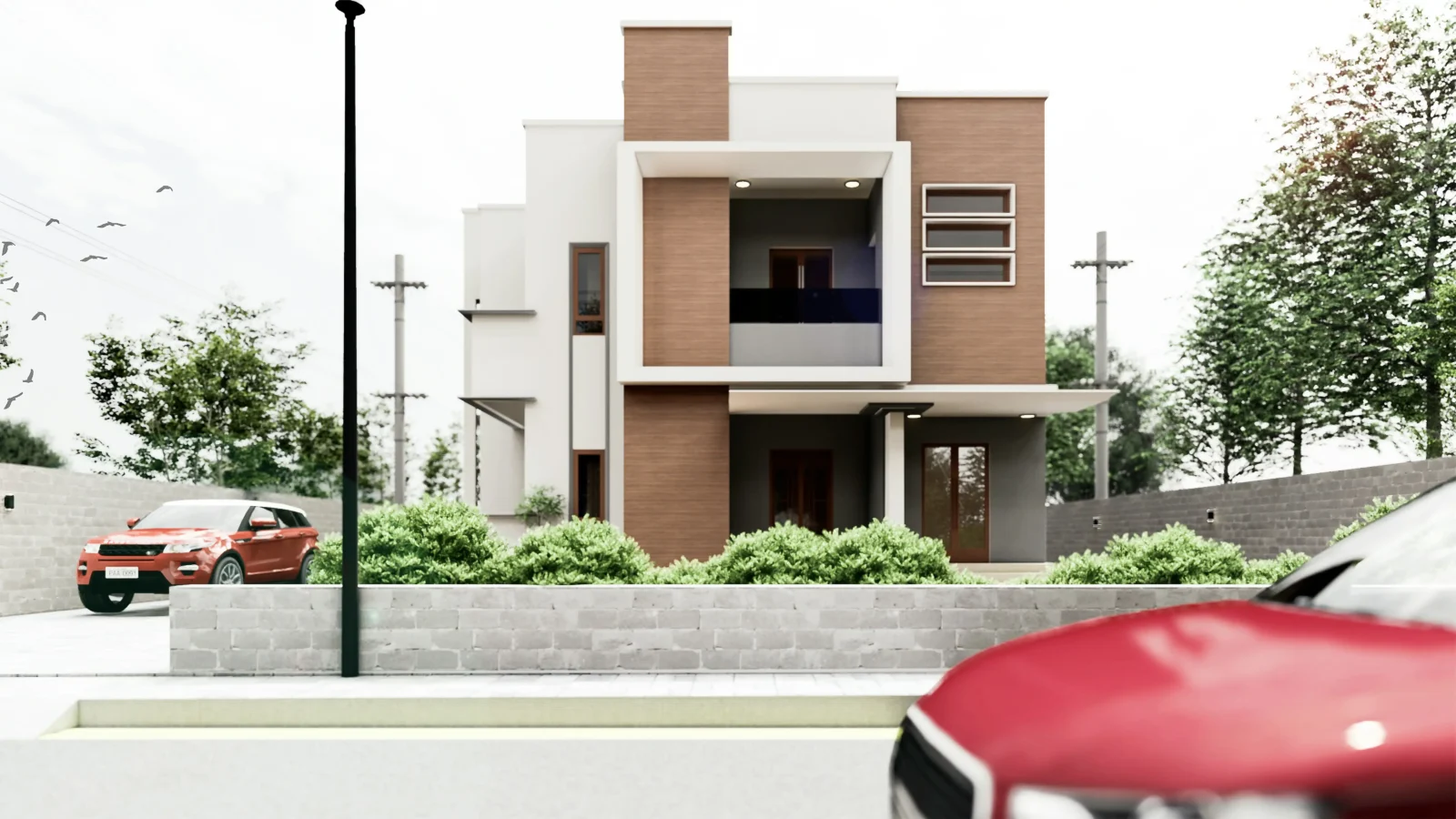
Table of Contents Show
The laneway house has evolved from practical afterthought to architectural statement, and the transformation is nothing short of remarkable. What once meant cramped quarters and compromise now represents some of the most innovative residential design happening today. Finding skilled laneway house builders who understand this shift means accessing specialists who treat compact footprints as creative challenges rather than limitations. The best laneway house builders aren’t just constructing smaller versions of traditional homes, they’re reimagining how luxury translates to intimate scales, proving that exceptional design has nothing to do with square footage and everything to do with intentionality.
The architectural community has finally caught on to what adventurous homeowners already knew: constraint breeds creativity. When you strip away unnecessary space, what remains must work harder, look better, and feel more considered. This design philosophy aligns perfectly with contemporary approaches to compact living that prioritize quality over quantity. The result is a new vocabulary of luxury that speaks in details rather than declarations, in thoughtful spatial planning rather than excessive square footage.
Trend One: Vertical Drama That Defies Expectations
Forget horizontal sprawl. Today’s laneway houses embrace verticality with the confidence of urban skyscrapers compressed into residential scale. Multi-level designs create distinct zones without walls, using elevation changes to separate sleeping from living, working from relaxing. Picture a double-height living area with a sleeping loft tucked above, connected by a sculptural staircase that functions as both circulation and art installation. The visual impact rivals homes five times the size because vertical volume creates the same psychological spaciousness as horizontal square footage.

This approach requires builders who think like sculptors, understanding how light moves through vertical space, how sightlines create connections between levels, how materials can emphasize or soften height. Floor-to-ceiling windows on the main level amplify this effect, pulling exterior space inward while showcasing the architectural gesture to the outside world. The laneway house stops reading as “small” and starts reading as “edited,” which is precisely the point.
Trend Two: Wellness Architecture in Miniature
Japanese soaking tubs, infrared saunas, meditation nooks, these aren’t amenities you’d traditionally associate with accessory dwellings, yet they’re increasingly defining high-end laneway design. The logic is beautifully simple: if you’re building a retreat space, why not make it actually retreating? A compact footprint means every square foot must justify its existence, and wellness features deliver disproportionate value relative to their spatial requirements.
A soaking tub occupies barely more floor space than a standard shower but transforms a utilitarian bathroom into a spa experience. Strategic placement near a window, perhaps with a privacy garden just beyond, creates a ritual bathing experience that feels impossibly luxurious. These details signal that the space prioritizes quality of life over mere function, that luxury means thoughtful experiences rather than excessive rooms. The architectural challenge becomes integrating these elements seamlessly rather than treating them as add-ons, requiring builders who understand both construction logistics and lifestyle design.
Trend Three: Smart Technology as Invisible Infrastructure
Automation in laneway houses isn’t about flashy gadgets, it’s about making small spaces behave like they’re twice their size. Integrated systems allow a single room to morph throughout the day: workspace at dawn, entertainment zone at dusk, sleeping quarters at night. Motorized furniture, dynamic lighting schemes, automated climate control, these technologies don’t announce themselves but quietly enable flexibility that manual systems couldn’t match.
The sophistication lies in the integration. Wiring, sensors, and controls disappear into walls and ceilings during construction, leaving clean surfaces and intuitive interfaces. Voice-activated systems mean you can transform your space without interrupting your flow. This requires builders who collaborate with technology specialists from the design phase forward, understanding that smart infrastructure can’t be retrofitted effectively, it must be embedded from the beginning.
Trend Four: Material Honesty Elevated to Art
High-end laneway design embraces raw materials, concrete, steel, timber, glass, and celebrates their inherent qualities rather than concealing them. Polished concrete floors with radiant heating become both functional and beautiful. Exposed structural steel painted matte black provides industrial elegance. Timber ceilings add warmth while showcasing craftsmanship. This material palette reads as sophisticated precisely because it’s authentic, each element serving multiple purposes while looking effortlessly refined.
The execution separates amateur attempts from masterful results. Details matter exponentially in compact spaces. How do concrete pours meet timber reveals? Where do steel connections show versus hide? How do different materials transition at thresholds? Skilled builders approach these junctions as design opportunities, creating visual interest through honest material expression rather than applied decoration. The result feels curated and intentional, like walking through an architectural photography shoot rather than a utilitarian dwelling.

Trend Five: Indoor-Outdoor Fluidity as Standard Practice
Laneway houses excel at erasing boundaries between interior and exterior, often because their compact size means outdoor space becomes a functional extension rather than decorative bonus. Floor-to-ceiling sliding glass systems, when fully open, literally merge inside and out. Consistent flooring materials flowing from interior to deck to garden reinforce this continuity. Strategic landscaping frames views while providing privacy, turning the entire property into a single experiential zone.
This approach requires sophisticated construction detailing. Thresholds must be flush, weather sealing must be invisible yet effective, and structural systems must accommodate large glass spans without compromising energy efficiency. The payoff transforms a potentially claustrophobic small structure into an expansive living experience that breathes and adapts to seasons and moods. Summer means full integration with outdoor space. Winter means cozy interior cocoon with views to nature. The architecture enables both extremes seamlessly.
Why Design Excellence Matters More Than Ever
The proliferation of laneway houses means generic examples are everywhere. Standing out requires builders who approach each project as an architectural opportunity rather than a construction commodity. These specialists understand that luxury in compact spaces means obsessive attention to proportion, light, material, and detail. They know which trends translate to specific sites and which need adaptation. They can guide clients toward choices that feel fresh in five years rather than dated in five months.
For architects and designers visualizing these spaces, understanding current trends means rendering projects that feel both aspirational and achievable. It means showing clients how constraint elevates rather than limits design possibilities. It means illustrating that the most memorable residential architecture often happens at scales traditionally dismissed as too small to matter. The laneway house has become a laboratory for ideas that will eventually influence mainstream residential design, proving that innovation thrives under creative constraint.





Interior Design for Commercial Spaces: Enhancing Functionality and Brand Identity
Commercial interior design has to serve brand, function and regulation at once....
 Begum Gumusel4 Mins read
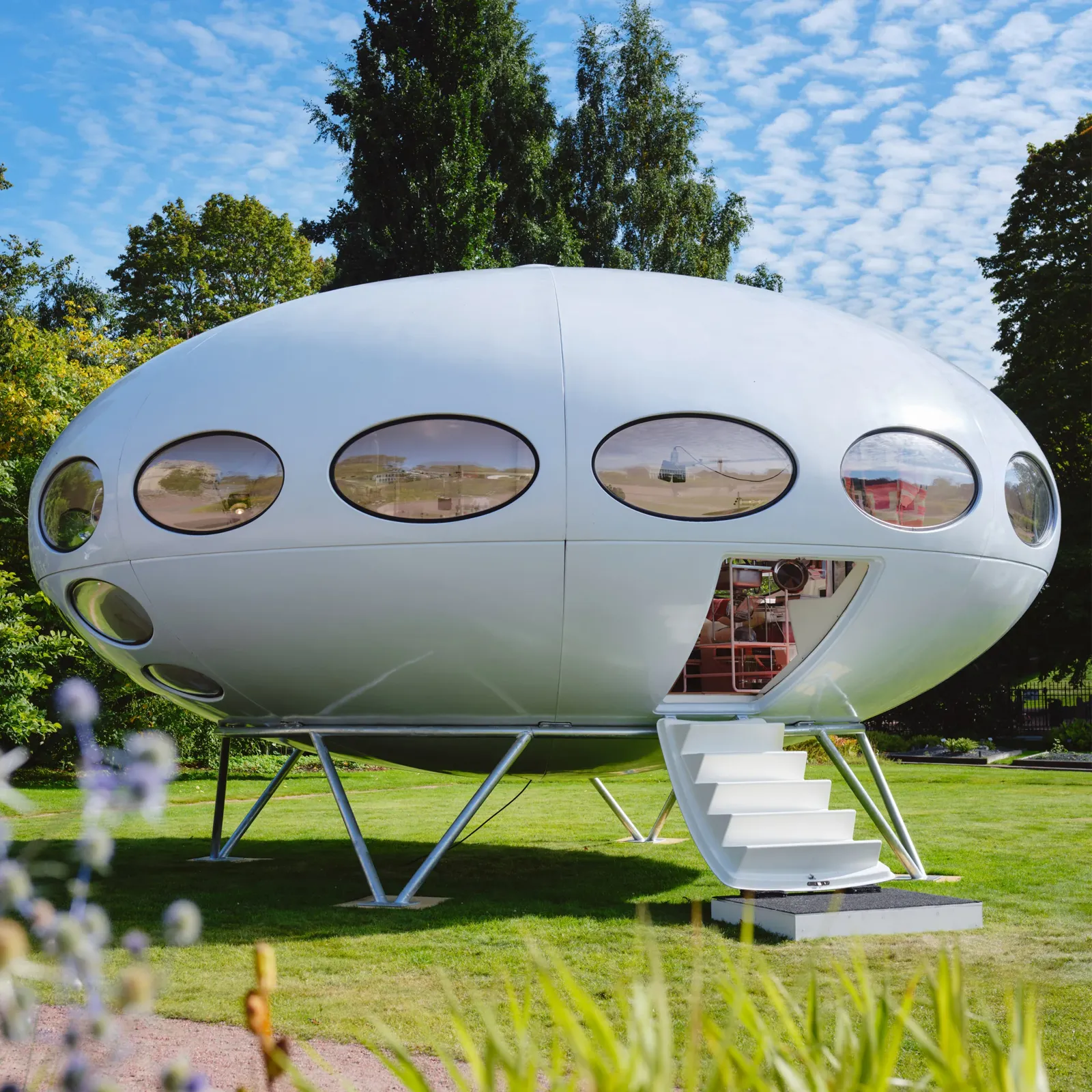
Futuro House Production Revived in Finland After Decades-Long Hiatus
A Facebook listing for abandoned moulds led to the first new Futuro...
 illustrarch Editoral Team3 Mins read
Electrical planning as part of better home design
Table of Contents Show Good rooms need electrical thinking from the sketch...
illustrarch Editoral Team4 Mins read

Why Open Floor Plans Still Have Hot and Cold Spots
You knock down the partition walls, open up sightlines from the kitchen...
illustrarch Editoral Team4 Mins read


Leave a comment