



Documentary Films About Architects and Architecture
Documentary architecture movies provide intimate access to the world’s greatest architects, their design processes, and the buildings that define our era. These movies about architects combine stunning visuals with profound insights into architectural practice.
My Architect: A Son’s Journey (2003)
My Architect stands as one of the most emotionally powerful movies about architects ever made. Director Nathaniel Kahn explores the life and legacy of his father, legendary architect Louis Kahn, who died in 1974 leaving behind three families who barely knew each other.
The film journeys across continents to visit Kahn’s masterworks, including the Kimbell Art Museum in Fort Worth, the Salk Institute in La Jolla, and the National Assembly Building in Dhaka, Bangladesh. Through interviews with architects including Frank Gehry and I.M. Pei, the movie architect profile reveals both the brilliance and personal complexity of one of the 20th century’s most influential designers.

This Oscar-nominated documentary is essential viewing for anyone interested in architect movies that explore the human cost and transcendent beauty of architectural obsession. The movie My Architect demonstrates how buildings can serve as monuments to creative genius while also revealing the architect’s complicated personal legacy.
Sketches of Frank Gehry (2006)
Sketches of Frank Gehry offers an intimate portrait of the architect behind the Guggenheim Museum Bilbao and Walt Disney Concert Hall. Director Sydney Pollack, a close friend of Gehry, captures the architect’s creative process from initial sketches through construction.
This architecture movie provides rare access to Gehry’s studio, showing how crumpled paper models evolve into swooping titanium forms. The film features commentary from fellow architects, critics, and artists who contextualize Gehry’s revolutionary approach to form and material. For movies for architecture lovers seeking insight into contemporary design practice, this documentary delivers unparalleled access to a living master.
The Infinite Happiness (2015)
This innovative documentary highlights the work of successful Danish architect Bjarke Ingels and his groundbreaking “8” housing development in Copenhagen. Rather than interviewing the architect about projects and work, the filmmakers follow the lives of residents who share their stories and experiences living in this innovative structure.
While many community members share heartwarming stories about special days and family reunions, others discuss concerns about tourists experiencing the building as a public space. The Infinite Happiness is an eye-opening architecture movie about the ideological barriers social housing must overcome and how buildings actually function for their inhabitants.
This approach makes it one of the most unique movies about architecture, focusing not on the designer’s vision but on the lived reality of architectural space. The Bêka & Lemoine filmmaking duo has produced numerous architecture documentaries worth exploring.

Citizen Architect: Samuel Mockbee and the Spirit of the Rural Studio (2010)
Citizen Architect tells the inspiring story of Samuel Mockbee, the visionary architect who founded Rural Studio at Auburn University. The citizen architect movie documents how Mockbee led architecture students to design and build homes for impoverished families in Alabama’s Black Belt region.
This architecture documentary challenges conventional notions of architectural practice, demonstrating how design can serve social justice. The citizen architect movie showcases projects built from unconventional materials including old tires, license plates, and recycled materials, proving that innovative architecture can emerge from modest budgets and community engagement.
For movies about architects seeking to make a difference beyond prestigious commissions, this documentary provides a powerful alternative vision of architectural practice. The American Institute of Architects has recognized Rural Studio’s ongoing work as a model for socially responsible design education.
Eames: The Architect and the Painter (2011)
This documentary explores the creative partnership of Charles and Ray Eames, whose designs revolutionized furniture, architecture, and industrial design. The film reveals how this husband-and-wife team created iconic pieces including the Eames Lounge Chair while also designing buildings, exhibitions, and films.
Available through PBS American Masters, this architecture movie demonstrates the Eameses’ philosophy that design should serve human needs while delighting the senses. The Eames Office continues preserving and promoting their legacy today.
REM (2016)
Director Tomas Koolhaas films his father, Pritzker Prize-winning architect Rem Koolhaas, creating an unusual portrait that focuses on the experience of being inside his buildings rather than traditional talking-head interviews. This movie about architecture takes viewers through spaces including the Seattle Central Library and Casa da Música in Porto.

This architecture and movies intersection produces a sensory experience that captures how Koolhaas’s buildings actually feel to inhabit. For movies for architecture lovers seeking to understand contemporary architectural space, REM offers an immersive alternative to conventional documentary approaches.
How Much Does Your Building Weigh, Mr. Foster? (2010)
This documentary profiles British architect Norman Foster, whose high-tech buildings have transformed skylines worldwide. The title references Buckminster Fuller’s famous question that challenged Foster to consider the efficiency and sustainability of his designs.
The film traces Foster’s journey from working-class Manchester to designing landmarks including the Gherkin in London, the Reichstag dome in Berlin, and the Hong Kong and Shanghai Bank headquarters. This architecture movie reveals the determination, work ethic, and vision that created one of the world’s largest and most influential architecture practices.
Visual Masterpieces: Architecture in Movies
Some films transform architecture into a central character, using buildings and spaces to tell stories, establish mood, and create unforgettable visual experiences. These movies with architecture as a prominent element demonstrate cinema’s power to capture the built environment.
Koyaanisqatsi: Life Out of Balance (1982)
Koyaanisqatsi contrasts the splendor of nature with human-made environments in an unforgettable visual and musical experience. This wordless film, scored by composer Philip Glass, makes audiences think deeply about the environmental hazards caused by industrialization and urban development.
Among its striking images from 1970s America, the film features the demolition of the Pruitt-Igoe Housing Project, a moment that many architectural historians consider symbolic of modernism’s failures. This architecture movie is essential viewing for architects, covering the importance of Pruitt-Igoe in architectural history and raising profound questions about how we build our world.
The film’s title comes from the Hopi language, meaning “life out of balance.” As one of the most influential movies about architecture and urbanism ever made, Koyaanisqatsi established a template for visual essays exploring the built environment that filmmakers continue following today.

The Grand Budapest Hotel (2014)
The Grand Budapest Hotel is a 2014 comedy-drama set in a magnificent 20th-century mountaintop hotel in the fictional Republic of Zubrowka. The film follows concierge Gustave H. and lobby boy Zero through a story involving murder, theft, and friendship against the backdrop of war.
Director Wes Anderson’s meticulous production design transforms architecture into storytelling. The hotel building and its craftsmanship, combining Art Nouveau, Jugendstil, and Central European influences, create an inspiring vision for architects. The film won the Academy Award for Best Production Design, recognizing its extraordinary architectural imagination.
Themes of art, fascism, friendship, loyalty, and nostalgia unfold within carefully composed architectural frames. For movies with architecture as a character, few films match Anderson’s obsessive attention to spatial detail and period authenticity. The British Film Institute has analyzed how Anderson uses architecture to create his distinctive visual worlds.

Midnight in Paris (2011)
Midnight in Paris is a fantasy film that transforms Paris itself into a character. The city becomes inspiration for protagonist Gil, a writer struggling with his novel who discovers he can travel back to 1920s Paris each night at midnight.
The film showcases Paris’s architectural heritage, from Sacré-Cœur to the bridges spanning the Seine, as Gil falls in love with the city while walking its streets. The beautiful atmosphere and historic buildings provide constant visual inspiration, making this an essential architecture movie for those who appreciate how cities can stir creative passion.
The film won the Academy Award for Best Original Screenplay, but its lasting impact for architecture lovers lies in how it captures Paris’s UNESCO-protected urban landscape. This is among the best movies for architecture lovers seeking films where the built environment drives emotional narrative.

Playtime (1967)
Playtime is Jacques Tati’s masterpiece of architectural satire, filmed entirely on a massive set dubbed “Tativille” that recreated a hyper-modern Paris of glass, steel, and concrete. The film follows Monsieur Hulot through a day in this sterile modernist cityscape.
Tati constructed one of cinema history’s largest sets to critique International Style modernism and its dehumanizing tendencies. The film’s visual gags emerge from architecture itself: reflections, transparent walls, identical spaces, and the absurdity of navigating modern buildings. The Criterion Collection restoration allows contemporary audiences to appreciate this architecture movie’s extraordinary production design.
For movies about architecture that critique modernist urbanism through humor rather than polemic, Playtime remains unmatched. Architecture schools frequently screen this film to provoke discussion about the human experience of modernist space.
Blade Runner (1982)
Blade Runner created one of cinema’s most influential visions of future architecture. The film’s 2019 Los Angeles combines Mayan pyramids, noir-ish urban decay, Asian commercial density, and retrofitted industrial megastructures into a prophetic urban vision that has influenced architects for decades.
Production designer Lawrence G. Paull and visual futurist Syd Mead created an architectural vocabulary that spawned countless imitations. The Tyrell Corporation pyramid headquarters, the Bradbury Building interior scenes, and the neon-drenched streetscapes established visual templates for depicting urban futures. The ArchDaily analysis of Blade Runner’s architecture explores its lasting influence on design thinking.

For architecture in movies that shaped real-world design discourse, few films match Blade Runner’s impact. The film demonstrates how movie architecture can become a design manifesto, influencing how architects imagine urban futures.
Metropolis (1927)
Metropolis established the template for architectural science fiction nearly a century ago. Fritz Lang’s silent masterpiece depicts a future city of towering skyscrapers, elevated highways, and underground worker’s districts that influenced countless subsequent visions of urban futures.
The film’s production design drew from contemporary movements including Art Deco and Expressionism, while anticipating concerns about urban stratification that remain relevant today. The Museum of Modern Art has exhibited Metropolis production materials recognizing their importance to design history.
For architecture movies that shaped how we imagine cities, Metropolis remains foundational. Contemporary architects from Norman Foster to Zaha Hadid have cited its influence on their thinking about urban form and spectacle.
Fictional Films About Architects
Movies about architects in fictional narratives explore the profession’s creative struggles, ethical dilemmas, and the tension between artistic vision and practical constraints. These architect movies range from comedy to drama, offering varied perspectives on architectural practice.
The Architect (2016)
The Architect (2016) is a comedy about architect Miles Moss, hired to design a married couple’s dream house. His arrogance, selfishness, and obsession with work reveal character traits sometimes associated with architects as a profession.
The architect movie poses a central question: will Miles build his clients’ dream house or his own career masterpiece? This conflict between serving clients and pursuing personal artistic vision drives many real architectural projects, making the film a hilarious yet insightful exploration of how architecture and architects appear in the world.
Note: This film is distinct from The Architect (2006), a drama starring Anthony LaPaglia. The architect movie 2006 version explores different themes about an architect confronting the social consequences of a housing project he designed. Both movies about architects offer valuable perspectives on architectural responsibility.

The Fountainhead (1949)
The Fountainhead, based on Ayn Rand’s novel, follows architect Howard Roark’s uncompromising pursuit of his artistic vision against societal conformity. Gary Cooper stars as the architect who would rather destroy his buildings than see them altered.
While the film’s philosophy remains controversial, its depiction of modernist architecture and the architect as heroic individualist has influenced popular perception of the profession. The production design, inspired by Frank Lloyd Wright’s work, creates striking visual imagery of modernist ideals. This remains one of the most famous movies about architects in cinema history.
The Belly of an Architect (1987)
The Belly of an Architect follows American architect Stourley Kracklite, who travels to Rome to curate an exhibition honoring 18th-century architect Étienne-Louis Boullée. As his marriage crumbles and health deteriorates, Kracklite becomes obsessed with Rome’s architectural heritage.
Director Peter Greenaway uses Rome’s baroque and neoclassical architecture as both setting and metaphor. The film’s stunning cinematography of Roman monuments makes it essential viewing for architecture movie enthusiasts who appreciate how buildings can reflect psychological states. This is among the most visually sophisticated movies about architects ever produced.
Columbus (2017)
Columbus is set in Columbus, Indiana, a small city with an extraordinary concentration of modernist architecture by masters including Eero Saarinen, I.M. Pei, and Richard Meier. The film follows two strangers who bond over their shared appreciation for these buildings.
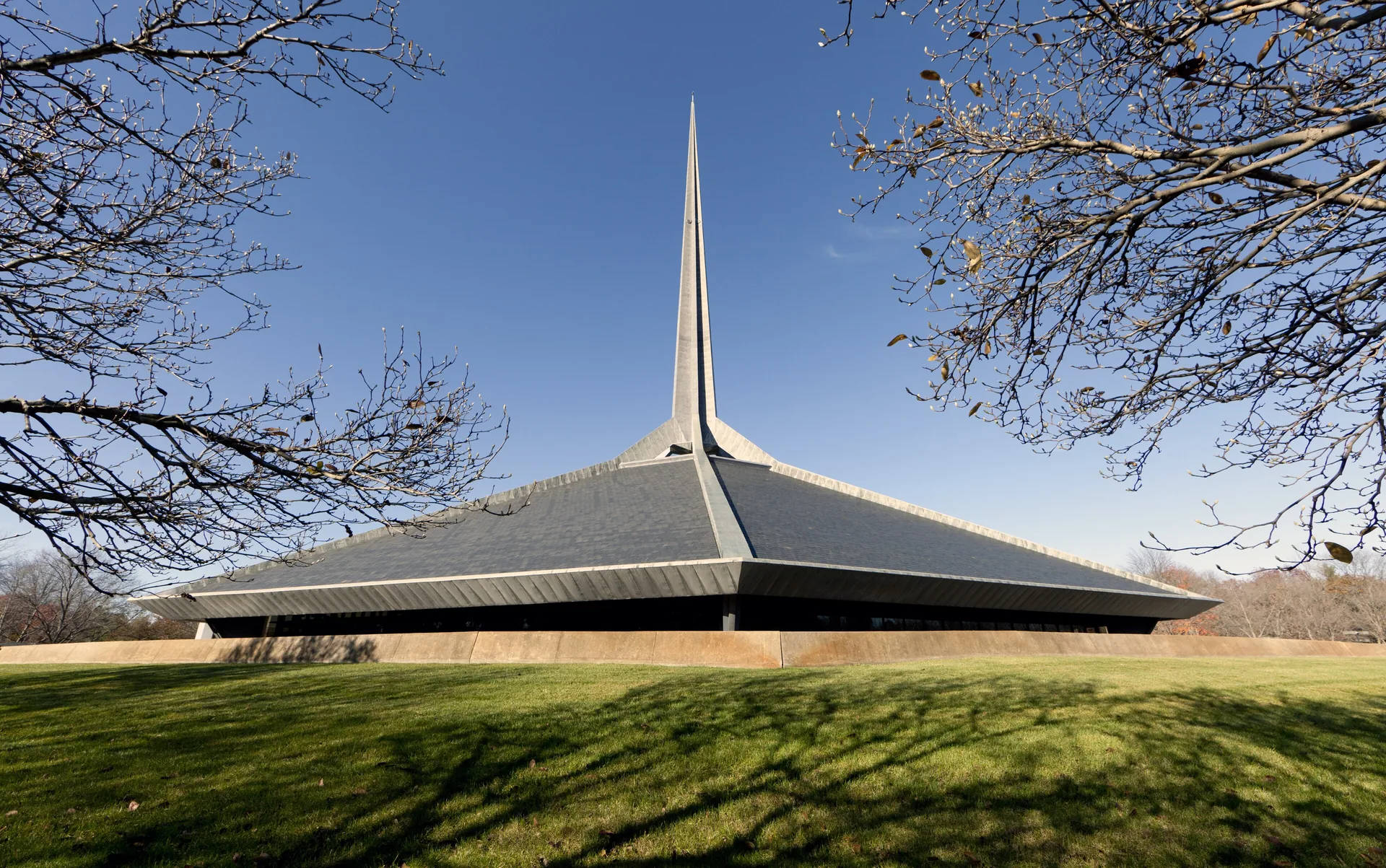
Director Kogonada frames Columbus’s architectural landmarks with contemplative precision, creating one of the most beautiful architecture movies in recent memory. The film demonstrates how architecture can provide solace, meaning, and human connection. Columbus Indiana promotes its architectural heritage that the film celebrates.
The Lake House (2006)
This romantic fantasy stars Keanu Reeves as an architect and Sandra Bullock as a doctor who communicate across time through a magical mailbox at a glass lake house. The film explores the architect’s relationship with his famous architect father and the challenge of establishing an independent creative identity.
The lake house itself, a modernist glass box cantilevered over water, becomes a character representing both the architect’s father’s legacy and his own aspirations. For movies about architects that explore family dynamics within the profession, The Lake House offers an accessible, romantic take on architectural inheritance.
Architecture Documentary Series
Long-form documentary series allow deeper exploration of architectural themes than feature films permit. These series offer comprehensive education for movies for architecture lovers seeking extended engagement with design topics.
Abstract: The Art of Design – “Bjarke Ingels: Architecture” (2017)
Abstract: The Art of Design dedicated an episode to Danish architect Bjarke Ingels, exploring his philosophy of “hedonistic sustainability” and projects including VIA 57 West in New York. The episode demonstrates how documentary filmmaking can illuminate contemporary architectural practice for general audiences.
The full Abstract series covers multiple design disciplines, but the Ingels episode stands as one of the most accessible movies about architects for viewers new to architectural discourse. Additional architecture-related episodes feature designers whose work intersects with the built environment.
Grand Designs (1999-present)
Grand Designs, hosted by Kevin McCloud, has documented ambitious self-build projects across the UK for over two decades. Each episode follows homeowners through the challenges of realizing architectural visions, from planning battles to budget overruns to triumphant completions.
The series has introduced millions of viewers to architectural concepts, materials, and the realities of construction. For architecture movies in television format, Grand Designs remains the most successful and long-running example of making architecture accessible to general audiences.
The Architect of My Own Fate: Exploring Personal Vision
The phrase “architect of my own fate” resonates beyond literal architecture, suggesting how we design our own lives. While “the architect of my own fate full movie” searches often seek films exploring self-determination themes, several architecture movies address this concept through their architect protagonists.
Films like The Fountainhead explicitly explore architects shaping destiny through uncompromising vision. Documentaries like My Architect examine how personal choices, including Louis Kahn’s decision to maintain three separate families, architect the lives of those around us. The metaphor of architecture as life-building pervades both genres.
For viewers seeking movies about architects who shaped their own destinies, the documentary profiles of figures like Frank Gehry, Norman Foster, and Samuel Mockbee demonstrate how personal vision can transform both buildings and lives.
Where to Watch Architecture Movies
Finding movies about architecture has become easier with streaming platforms. Here are resources for accessing these films:
The Criterion Channel offers curated collections including architectural films and visual essays. Kanopy, available free through many libraries, features numerous architecture documentaries. Netflix and Amazon Prime Video include rotating selections of architect movies and documentaries.
Specialty platforms like Vimeo On Demand host independent architecture documentaries. The Architecture Foundation in London and similar institutions organize screenings of architecture movies, often followed by discussions with architects and filmmakers.
Frequently Asked Questions About Architecture Movies
What are the best movies about architecture?
The best movies about architecture include documentaries like My Architect (2003), Sketches of Frank Gehry (2006), and Citizen Architect (2010), as well as visually stunning films where architecture plays a central role like Koyaanisqatsi (1982), Playtime (1967), and The Grand Budapest Hotel (2014). For fictional portrayals of architects, The Fountainhead (1949) and Columbus (2017) offer compelling narratives centered on architectural themes.
What is the movie My Architect about?
My Architect: A Son’s Journey (2003) is an Oscar-nominated documentary directed by Nathaniel Kahn about his father, legendary architect Louis Kahn. The film explores Louis Kahn’s life, his three separate families who barely knew each other, and his architectural masterpieces including the Kimbell Art Museum, Salk Institute, and Bangladesh National Assembly Building. It combines architectural appreciation with deeply personal family drama.
What is The Architect movie 2006 about?
The Architect (2006), directed by Matt Tauber and starring Anthony LaPaglia, is a drama about an architect who must confront the social consequences of a housing project he designed years earlier. The film explores themes of professional responsibility, urban poverty, and the lasting impact of architectural decisions on communities. It differs from The Architect (2016), which is a comedy about an arrogant architect designing a dream house.
What is the Citizen Architect movie about?
Citizen Architect: Samuel Mockbee and the Spirit of the Rural Studio (2010) documents the life and work of architect Samuel Mockbee, who founded Rural Studio at Auburn University. The film shows how Mockbee led architecture students to design and build homes for impoverished Alabama families using unconventional materials. It presents an inspiring vision of architecture serving social justice rather than wealthy clients.
What movies feature the best architecture and cinematography?
Films renowned for architectural cinematography include Blade Runner (1982) for its influential future cityscape, Playtime (1967) for its satirical modernist sets, The Grand Budapest Hotel (2014) for its meticulously designed interiors, Columbus (2017) for its contemplative framing of modernist buildings, and Metropolis (1927) for its pioneering urban vision. These movies with architecture demonstrate how buildings can become central visual elements in cinema.
Are there good Netflix documentaries about architects?
Netflix offers several architecture documentaries including Abstract: The Art of Design featuring Bjarke Ingels, various episodes of architectural series, and rotating documentary selections. Availability varies by region and changes frequently. For dedicated architecture documentary access, platforms like Kanopy (free through libraries) and the Criterion Channel offer more consistent architectural content.
Conclusion
Architecture movies offer unique perspectives on how buildings shape human experience, how architects think and create, and how the built environment reflects cultural values. From intimate documentaries profiling legendary designers to visually stunning films where architecture in movies becomes a central character, this genre rewards exploration by architecture lovers and film enthusiasts alike.
The best movies about architecture don’t merely showcase beautiful buildings; they illuminate the human stories behind architectural creation and the ways spaces affect those who inhabit them. Whether you’re drawn to architect movies documenting real practitioners, fictional movies about architects exploring professional dilemmas, or visual essays examining urban environments, cinema provides windows into architectural experience that photographs and drawings cannot match.
As architecture and movies continue intersecting in new ways, filmmakers and architects increasingly collaborate to create immersive experiences. Virtual reality architectural visualizations borrow cinematic techniques; architects design buildings with filmic sequences in mind; and documentarians develop ever more sophisticated approaches to capturing spatial experience. The relationship between architecture movie-making and architectural practice grows ever closer.
For movies for architecture lovers seeking to deepen their appreciation of design, this list provides entry points into a rich cinematic tradition. Each film offers something different: technical insight, emotional resonance, visual inspiration, or critical perspective, contributing to a fuller understanding of how architecture shapes our world.









Leave a comment