

How Independent Fashion Designers Are Using Veo 4 to Produce Runway-Quality Lookbook Videos
Independent fashion designers are increasingly utilizing AI video generation tools like Veo 4 to create high-quality lookbook videos that enhance their visual presentations.
 Sinan Ozen12 May 20266 Mins read164
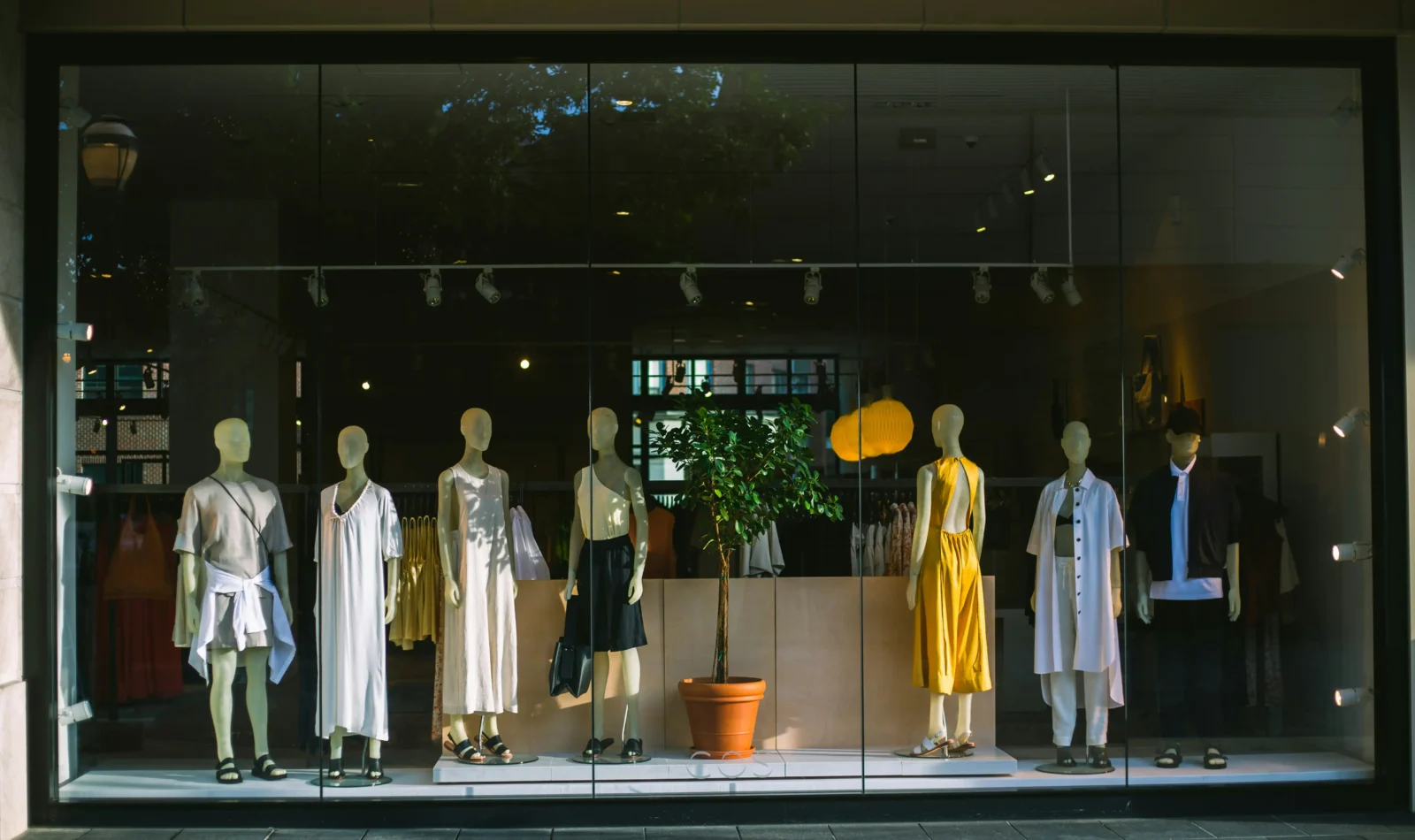
Fashion has always been about the image, and the image has always been expensive. I’ve spent enough time around independent designers to understand how much of the creative process gets compressed or abandoned entirely because of what a proper shoot costs. You have a collection that took months to make. You have a clear vision for how it should be presented, the mood, the movement, the world the garments live in. And then you price out the shoot that would do that vision justice: a photographer or videographer, a location, a model, hair and makeup, styling, post-production. The number that comes back is somewhere between uncomfortable and impossible, and you make compromises. Everyone in independent fashion makes compromises.
The lookbook ends up shot in a friend’s apartment with borrowed light. The campaign video doesn’t get made at all. The collection launches with photography that’s competent but not compelling, and the work, the actual design work, which may be genuinely exceptional, gets filtered through a visual presentation that doesn’t serve it. This is one of the more quietly damaging dynamics in independent fashion, because in a market where image is everything, the quality of your photography and video doesn’t just reflect your brand, it largely determines whether anyone outside your immediate circle ever takes it seriously.
That dynamic is starting to shift, and the mechanism behind the shift is AI video generation applied specifically to fashion and lookbook content.
The Visual Language of Fashion Video
Before getting into what AI tools can do in this space, it’s worth being precise about what fashion video actually requires, because it’s different from other product video categories in ways that matter.

Fashion video is not primarily about showing what a garment looks like in a static sense. You can do that with a photograph. What fashion video communicates that photography can’t is how something moves, the drape of a fabric as a model walks, the way a hem catches air, the behavior of a structured shoulder when the body beneath it shifts. Movement is what makes clothing real in a way that statics can’t achieve, and it’s what makes fashion video so much harder to produce well than, say, a product demo for a piece of hardware.
The second thing fashion video communicates is atmosphere. The best lookbook videos don’t just show clothes; they establish a world. The styling, the location, the casting, the pacing, the music, all of it contributes to a mood that tells you what kind of person wears this, what their life looks like, how they think of themselves. That atmospheric work is what differentiates a lookbook from a catalog, and it requires more creative control over more variables than most independent designers have access to.
How AI Generation Is Addressing the Movement Problem
The movement problem, how to show garments behaving as they actually behave on a body, is where AI video generation is most directly useful for fashion. The image-to-video capability of current tools can take a well-executed fashion photograph and generate realistic fabric movement: the sway of a skirt hem, the fold and unfold of an oversized sleeve, the subtle shift of layered materials as a figure turns. Done well, it produces footage that communicates the physical reality of the garment in a way that a still image never quite can.
The quality of this fabric simulation has improved substantially over the past year. Earlier tools produced motion that looked mechanical or unconvincing, fabric behaving more like a 3D render than like real textile. The current generation handles the organic complexity of real fabric movement with enough fidelity that the output is genuinely useful as fashion content rather than an approximation you have to apologize for.
Veo 4 in particular handles the combination of figure, fabric, and environment in a way that preserves the visual integrity of the source image while adding motion that feels natural rather than generated. For a lookbook application where the garment needs to look exactly as the designer made it, not a AI interpretation of roughly what it looks like, that fidelity matters.
Building Atmosphere Without a Location Budget
The other dimension of fashion video that AI generation addresses is the atmospheric one. Creating a specific world for a collection, a particular location, a particular quality of light, a particular season and mood, traditionally required either finding and booking that location or building it in a studio. Both options cost money and take time, and both constrain the creative vision to what’s actually achievable within a budget.
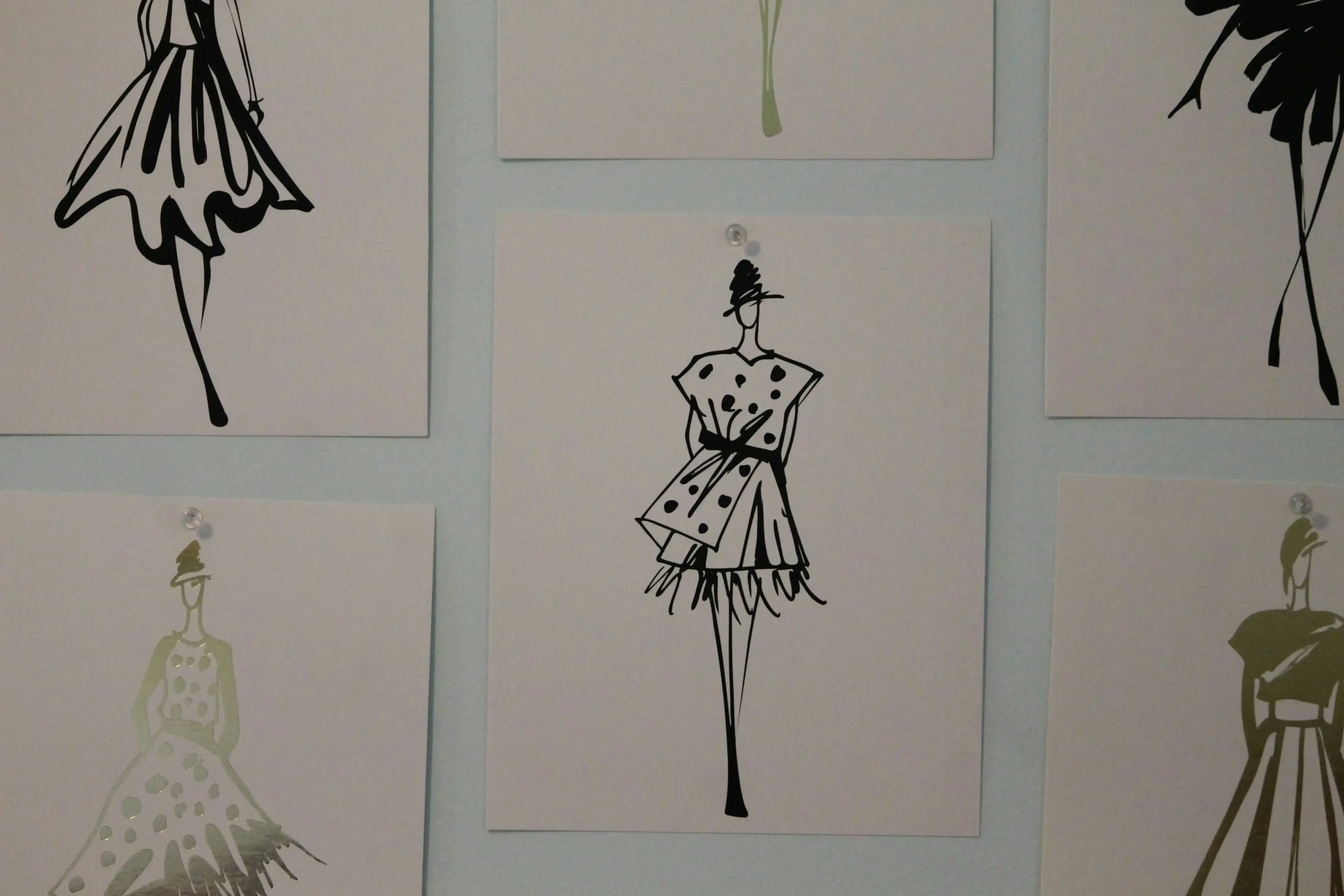
AI video generation operates differently. The world the collection inhabits can be constructed through prompts and reference inputs rather than through physical location scouting. A minimal collection that should live in a sparse, architecturally significant interior can be placed in one without booking it. A knitwear collection that belongs in a grey coastal landscape in winter can be shown in that landscape without traveling there. A structured suit that wants an old European city as its backdrop can have one.
This isn’t a perfect substitute for actually shooting in a location, there are qualities of real light and real space that generation approximates rather than reproduces. But for a lookbook application, where the goal is communicating the world of the collection to potential stockists, press contacts, and customers, the approximation is often good enough to do the job that a physical shoot would have done at far greater cost.
The Workflow Independent Designers Are Developing
From what I’ve observed, the workflow that makes the most sense for independent designers starts with a single strong photography session focused specifically on capturing the source material that will feed the generation process. This doesn’t have to be a full production, it can be as simple as a well-lit shoot against a neutral background that gives the generation tool clean, high-quality images of each garment on a figure. The background and environment get generated around the clothing; the clothing itself needs to be photographed accurately.
From those source images, the designer works through the collection piece by piece, generating clips with prompts that specify the motion, the environment, and the mood. The results get assembled in an edit that functions as the lookbook video, a sequence that moves through the collection with pacing and music that establish the overall tone.
The whole process, done thoughtfully, can be completed in a few days of focused work rather than the weeks a traditional production would require. The output quality depends on the strength of the source photography and the care that goes into the prompting and selection, but for many independent designers the ceiling of what’s achievable is already higher than what they were getting from the compromised shoots they were doing before.
What Stockists and Press Actually Need
There’s a practical dimension to this that’s easy to overlook if you’re thinking about lookbook video purely as consumer-facing content. Stockists and press contacts, the buyers and editors who determine whether an independent collection gets placed in stores or featured in publications, use lookbook materials as a primary evaluation tool. They’re often making decisions about collections they haven’t seen in person, based on the quality and clarity of the presentation materials a designer provides.
In that context, video that shows how garments move and exist in a world functions as a closer proxy for the in-person experience than photography alone. A buyer evaluating a draped jersey dress from a lookbook photograph is doing a lot of imagination work. A buyer watching a short clip of that dress in motion, in a space that establishes its intended context, has more of the information they need to make a confident decision.

For independent designers trying to break into stockists that receive hundreds of wholesale inquiries, the quality and sophistication of the presentation materials is part of the signal they send about the brand. A lookbook video that looks like it was produced with real creative intention, even if it was produced through AI generation rather than a traditional shoot, sends a different signal than a PDF of flat product shots.
The Larger Opportunity for Independent Fashion
What I find most significant about this development is what it does to the barrier between having a creative vision and being able to communicate it. Independent fashion has always attracted people with genuinely distinctive ideas who lacked the resources to present those ideas at the level they deserved. The work was real; the presentation was limited by budget. That gap is narrowing.
It won’t eliminate the advantages that come with larger budgets, a real shoot with an exceptional photographer in an extraordinary location still produces something different from AI generation. But it raises the floor dramatically for what an independent designer working alone or with a very small team can produce, and it makes the vision-to-presentation gap much smaller than it has historically been. For a category that is fundamentally about aesthetic ambition, that matters more than it might in almost any other industry.
The designers who start building this into their production workflow now will figure out what works for their aesthetic faster than those who wait, and that early learning will compound into a genuine presentation advantage over time. For anyone weighing up whether the investment makes sense at this stage of their brand, the Veo 4 Pricing page gives a clear picture of what the commitment actually looks like, and for most independent designers, the comparison against a single day of traditional production costs settles the question fairly quickly.





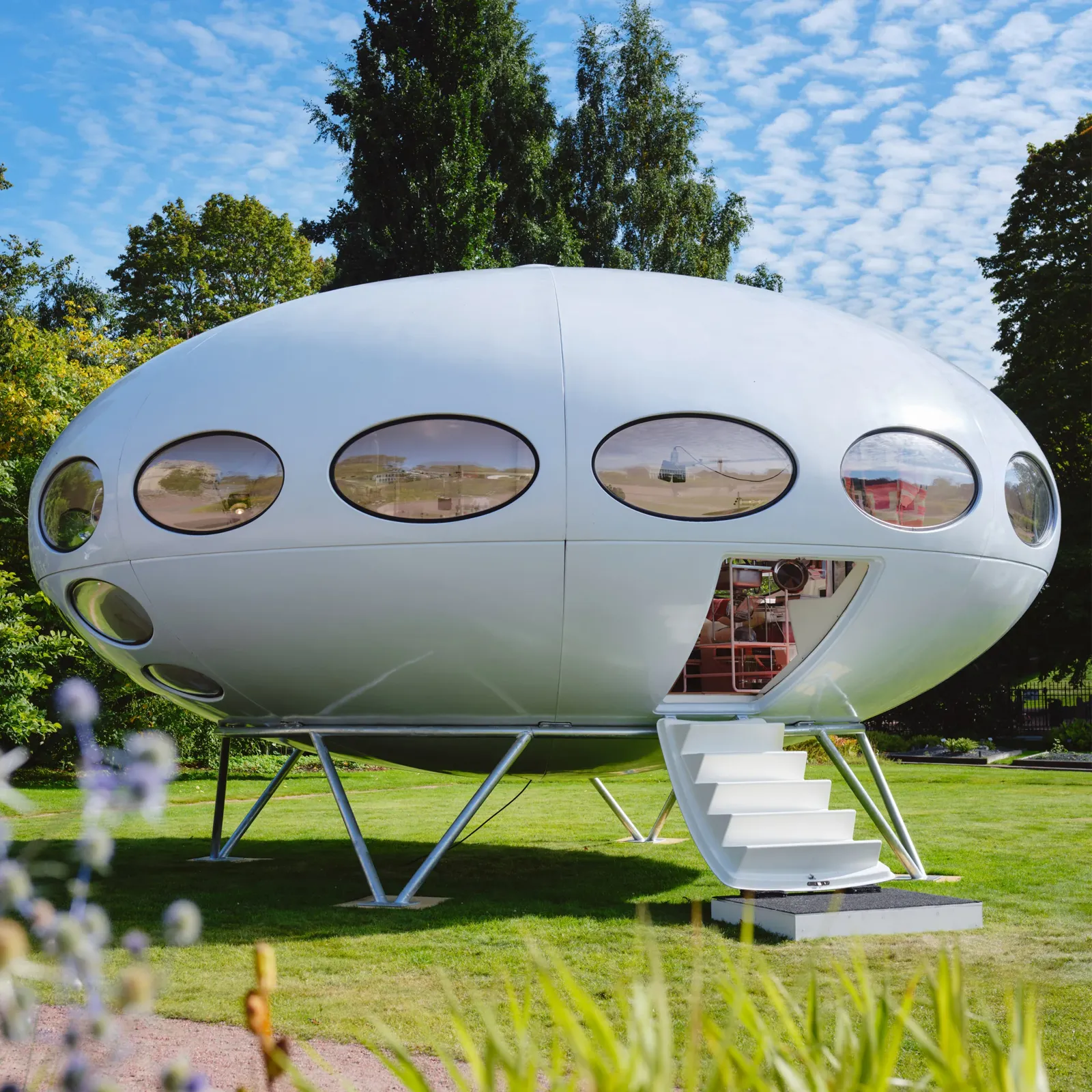
Futuro House Production Revived in Finland After Decades-Long Hiatus
A Facebook listing for abandoned moulds led to the first new Futuro...
 illustrarch Editoral Team3 Mins read
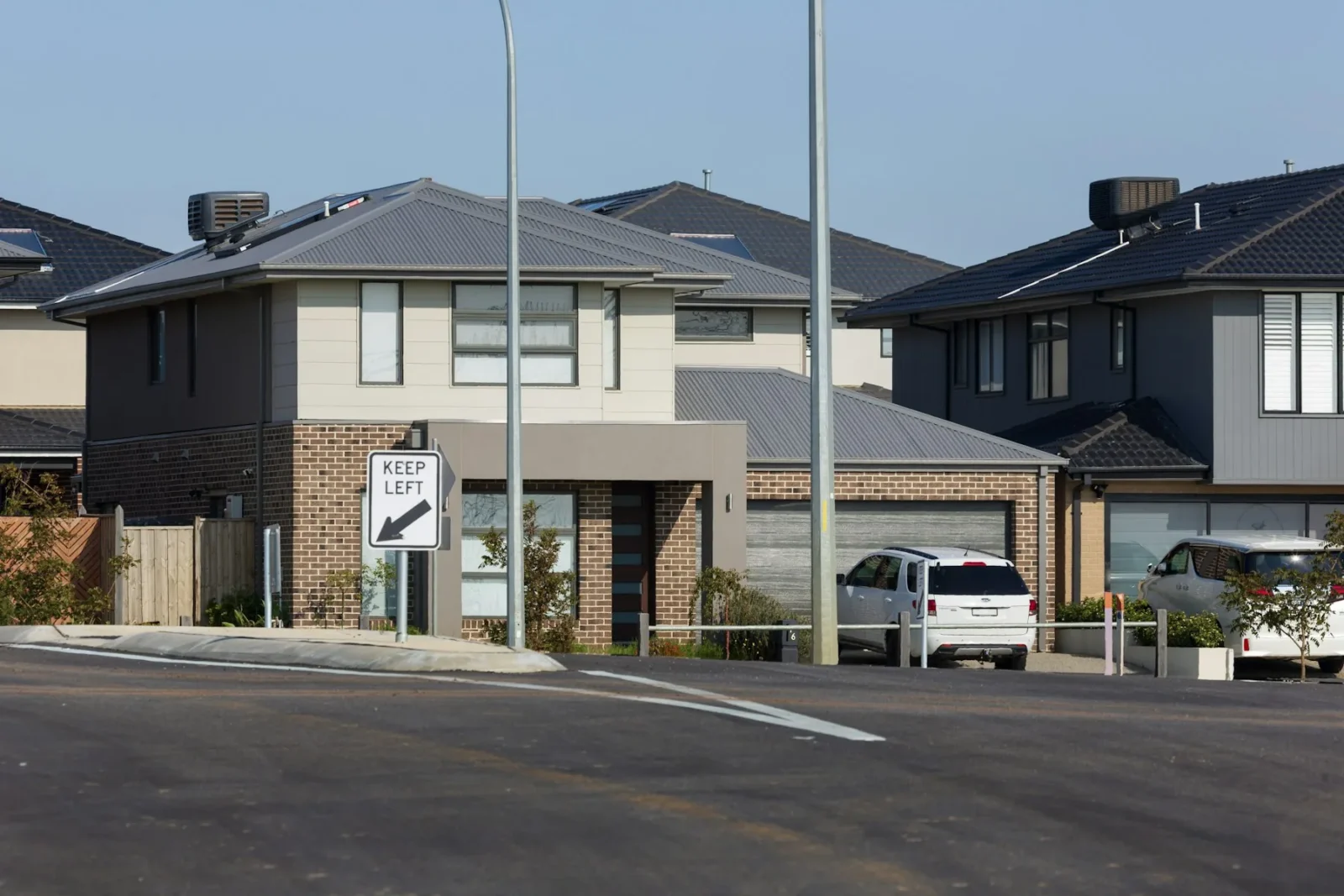
Building Your Dream Home in NSW: What You Should Know About Montgomery Homes
Montgomery Homes has been building across Sydney, Newcastle, the Hunter, Wollongong and...
illustrarch Editoral Team4 Mins read
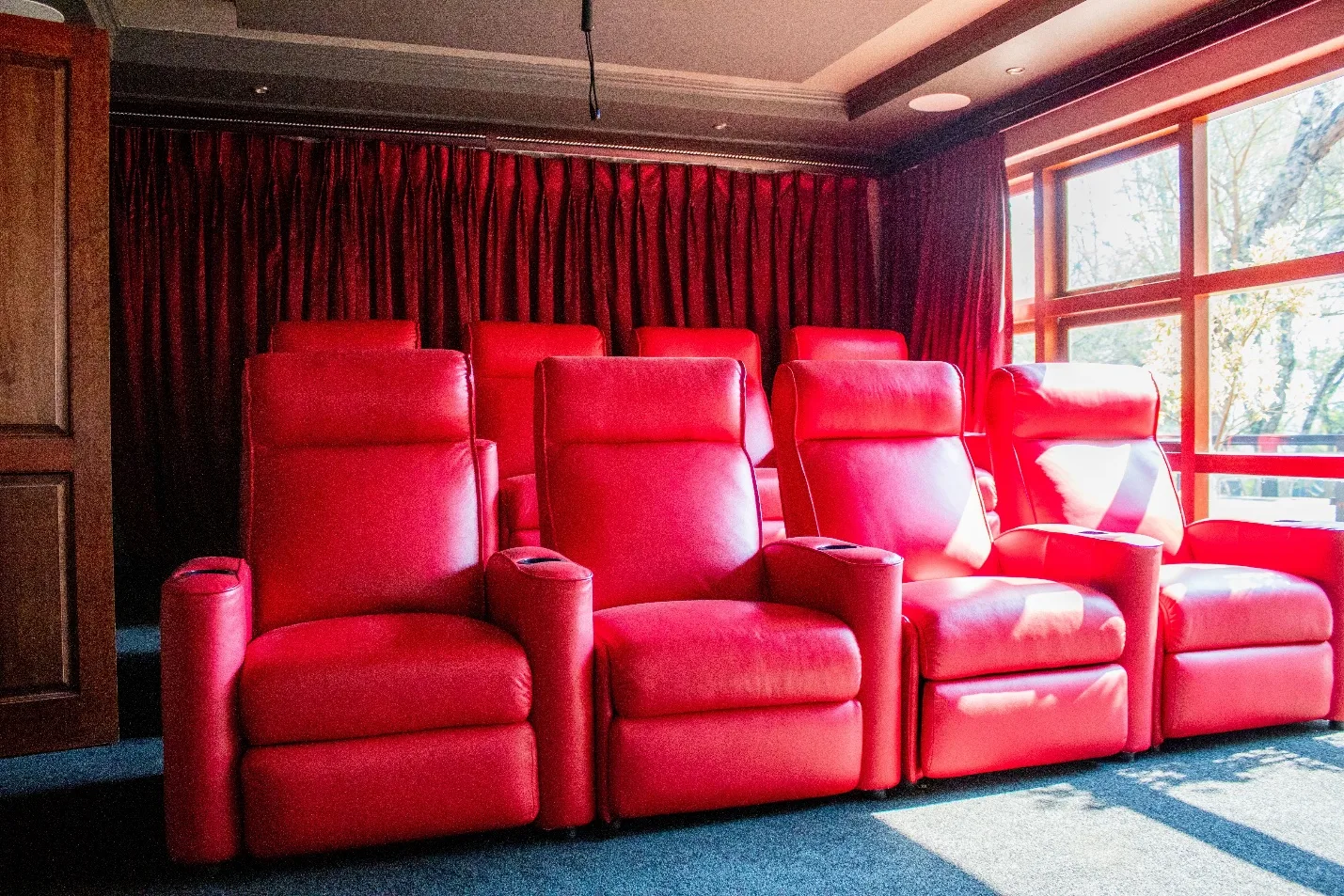
Designing a Home Theater: Where Drapery Fits Into the Plan
In a media room the curtains are a performance layer, not decoration....
illustrarch Editoral Team3 Mins read
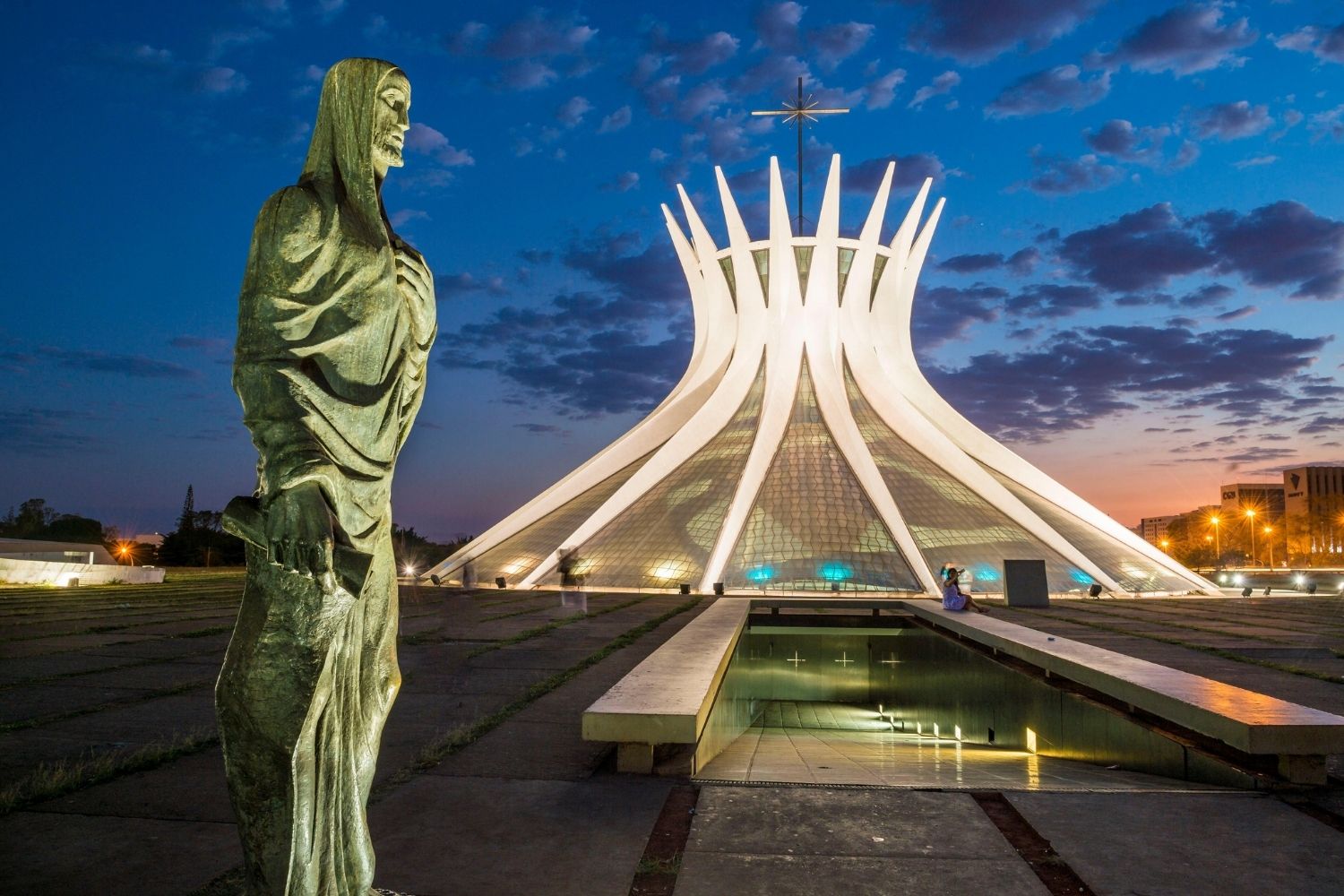
Oscar Niemeyer’s Cathedral of Brasília: The Hyperboloid Concrete Hymn
The Cathedral of Brasília reads as a single gesture, yet it stood...
 Furkan Sen7 Mins read


Leave a comment