

Eco-Friendly Floor Coverings: Smart Choices for a Greener Home
Eco-friendly floor coverings made simple: discover sustainable materials, trusted certifications, and room-by-room picks, plus low-VOC installation tips.
 Sinan Ozen20 December 20254 Mins read270
Table of Contents Show
We all want floors that look great, feel comfortable, and don’t compromise our health or the planet. The good news: eco-friendly floor coverings now come in styles and price points that rival conventional options. In this guide, we break down what truly makes flooring sustainable, the best materials to consider, and how to pick the right surface for each room, without greenwashing or guesswork.
What Makes Flooring Eco-Friendly
Materials And Sourcing
When we talk sustainable flooring, we’re looking for renewable, responsibly sourced, and low-impact materials. Think rapidly renewable resources (cork, bamboo), FSC-certified wood, recycled content (rubber, carpet fibers), and bio-based products like linoleum. Shorter supply chains and transparent sourcing reduce transport emissions and help us verify claims.
Health And Indoor Air Quality
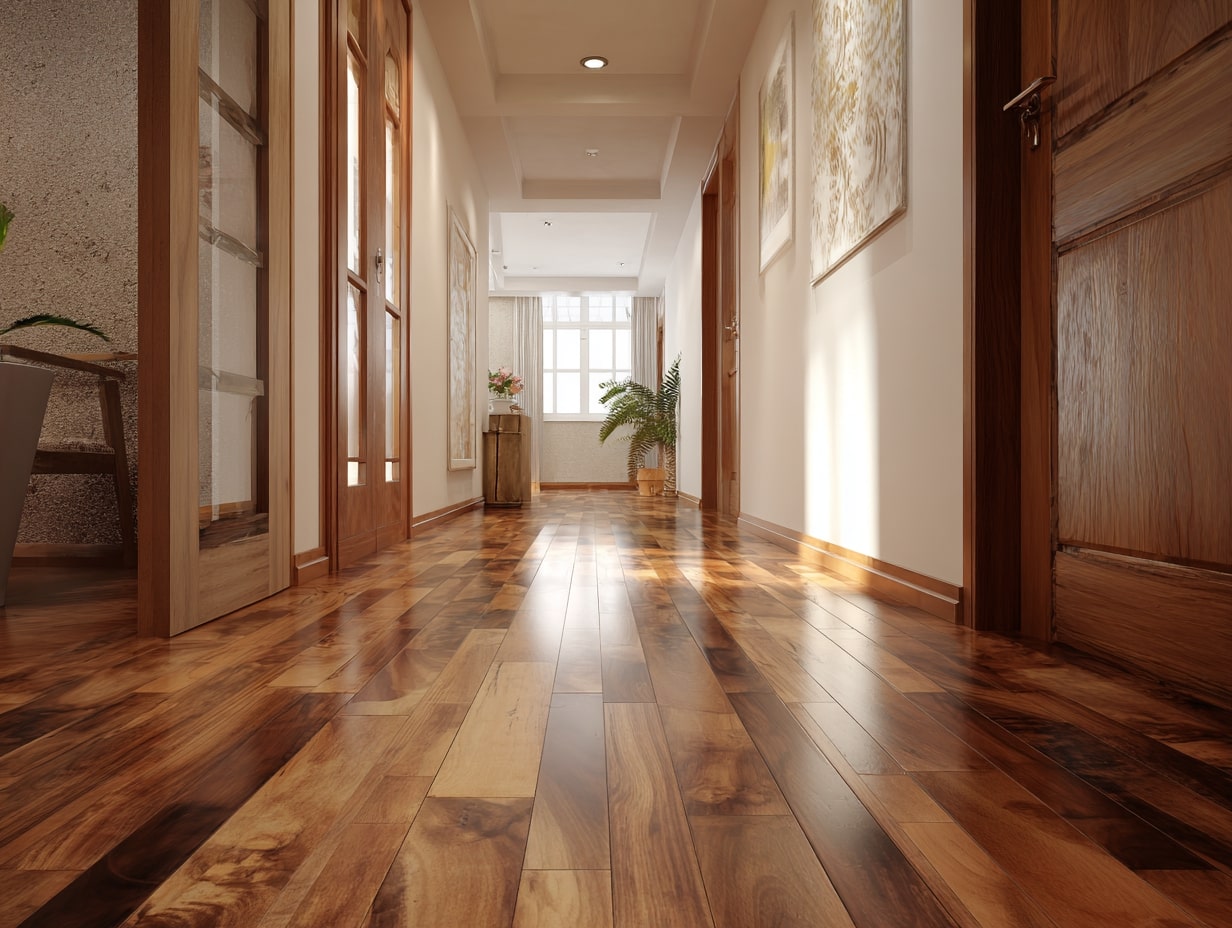
A greener home isn’t just about carbon: it’s about clean air. We favor low-VOC or zero-VOC finishes, adhesives, and sealers. Solid materials with minimal petrochemicals typically off-gas less. Look for products that disclose ingredients via Health Product Declarations (HPDs) or Declare labels. Bonus points if products meet strict emissions standards like CARB Phase 2/TSCA Title VI for wood composites.
Trusted Certifications To Look For
- FSC (Forest Stewardship Council) for wood
- GREENGUARD Gold or FloorScore for low emissions
- Cradle to Cradle for material health and circularity
- Green Label Plus for carpet emissions
These labels help us separate truly eco-friendly floor coverings from marketing fluff.
Best Sustainable Flooring Materials
Cork: Renewable, Resilient, And Quiet
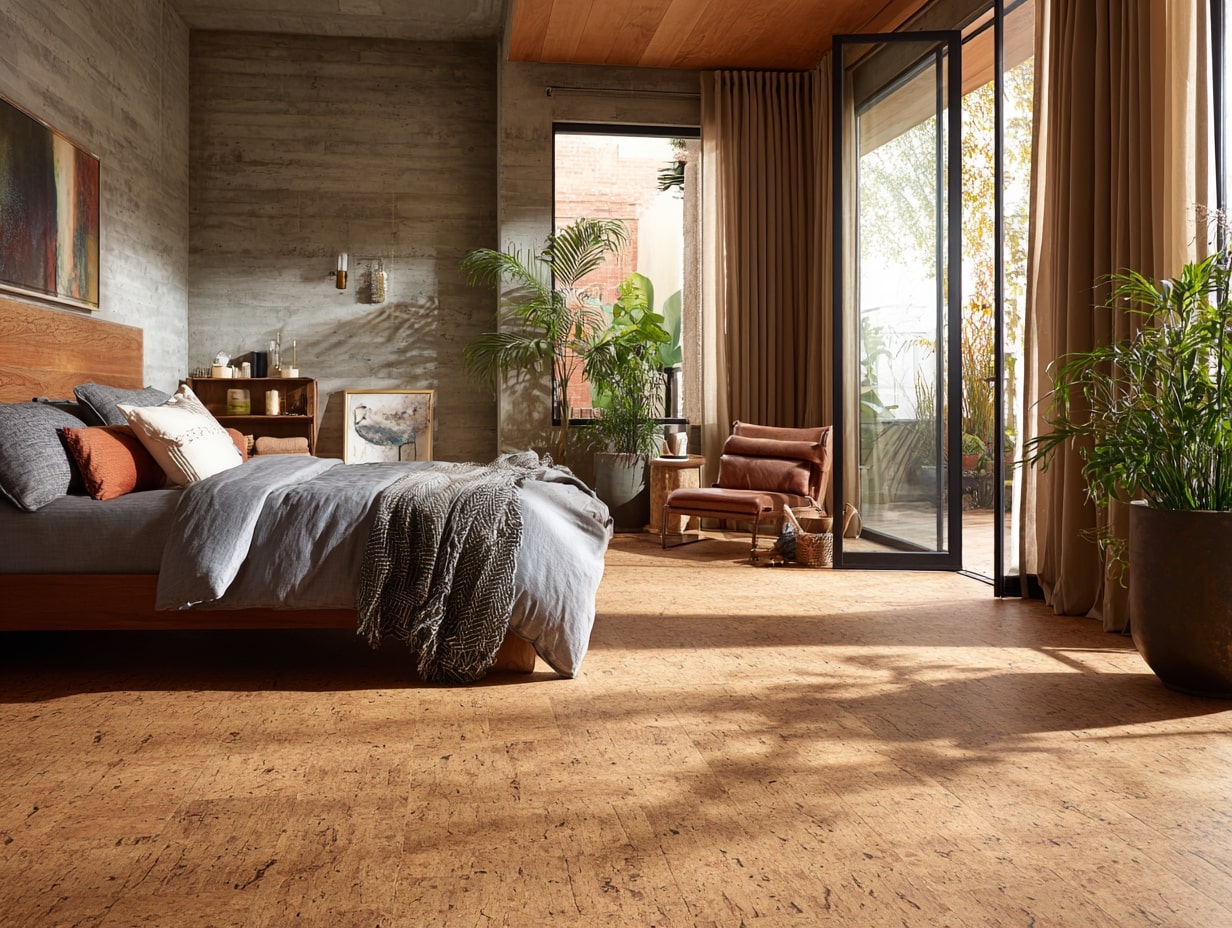
Harvested from bark without felling trees, cork is naturally springy, warm underfoot, and a sound-absorber, great for condos and busy households. Seal with low-VOC finishes, and avoid composite cork products that use high-solvent binders.
Bamboo: Fast-Growing Strength (Choose Carefully)
Bamboo matures in 5-7 years and can be as hard as some oaks, especially strand-woven varieties. But sustainability depends on responsible forestry, low-formaldehyde resins, and fair labor. We look for verified low-emission adhesives and credible certifications. Acclimate well: bamboo is sensitive to humidity swings.
FSC-Certified And Reclaimed Wood
Wood can be wonderfully durable and repairable. Choose FSC-certified species or give new life to reclaimed boards from barns and old structures. Site-finished floors with plant-based, low-VOC oils or waterborne urethanes keep emissions down while allowing future refinishing.
Linoleum (Not Vinyl): Bio-Based And Long-Wearing
Classic linoleum is made from linseed oil, wood flour, cork dust, and jute. It’s tough, naturally bacteriostatic, and can last decades in kitchens and halls. Don’t confuse it with vinyl (PVC). Factory-applied finishes make maintenance easier: seams can be heat-welded for moisture resistance.
Low-Tox Carpets: Wool And Recycled-Content Options
Wool is renewable, cozy, and naturally flame-resistant. Choose undyed or solution-dyed options and low-emission backings. For synthetics, look for carpet made with recycled nylon (e.g., from fishing nets) or PET, paired with Green Label Plus and take-back programs. Carpet tiles allow modular replacement, reducing waste.
Room-By-Room Recommendations
Kitchens And Entryways: Durable, Easy-To-Clean Surfaces
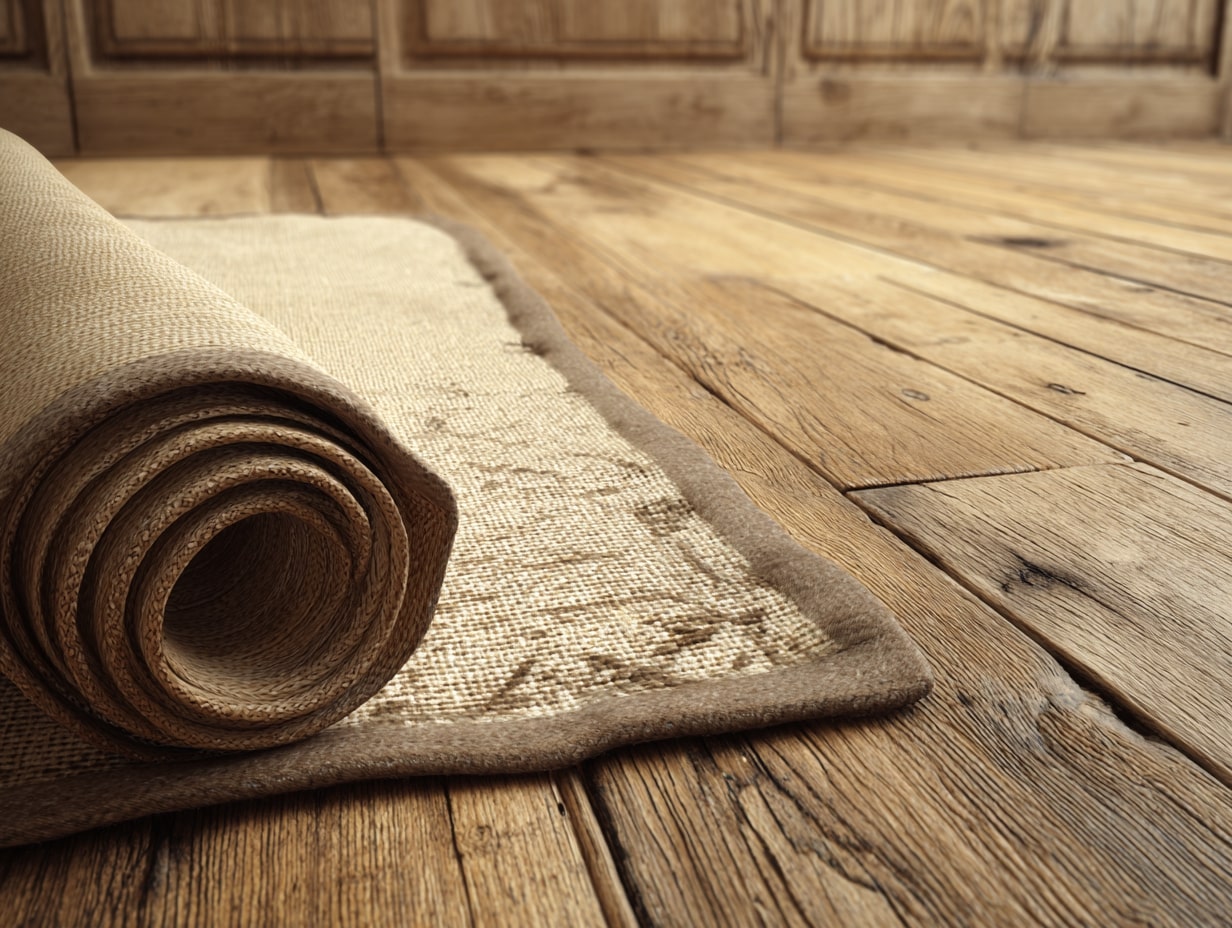
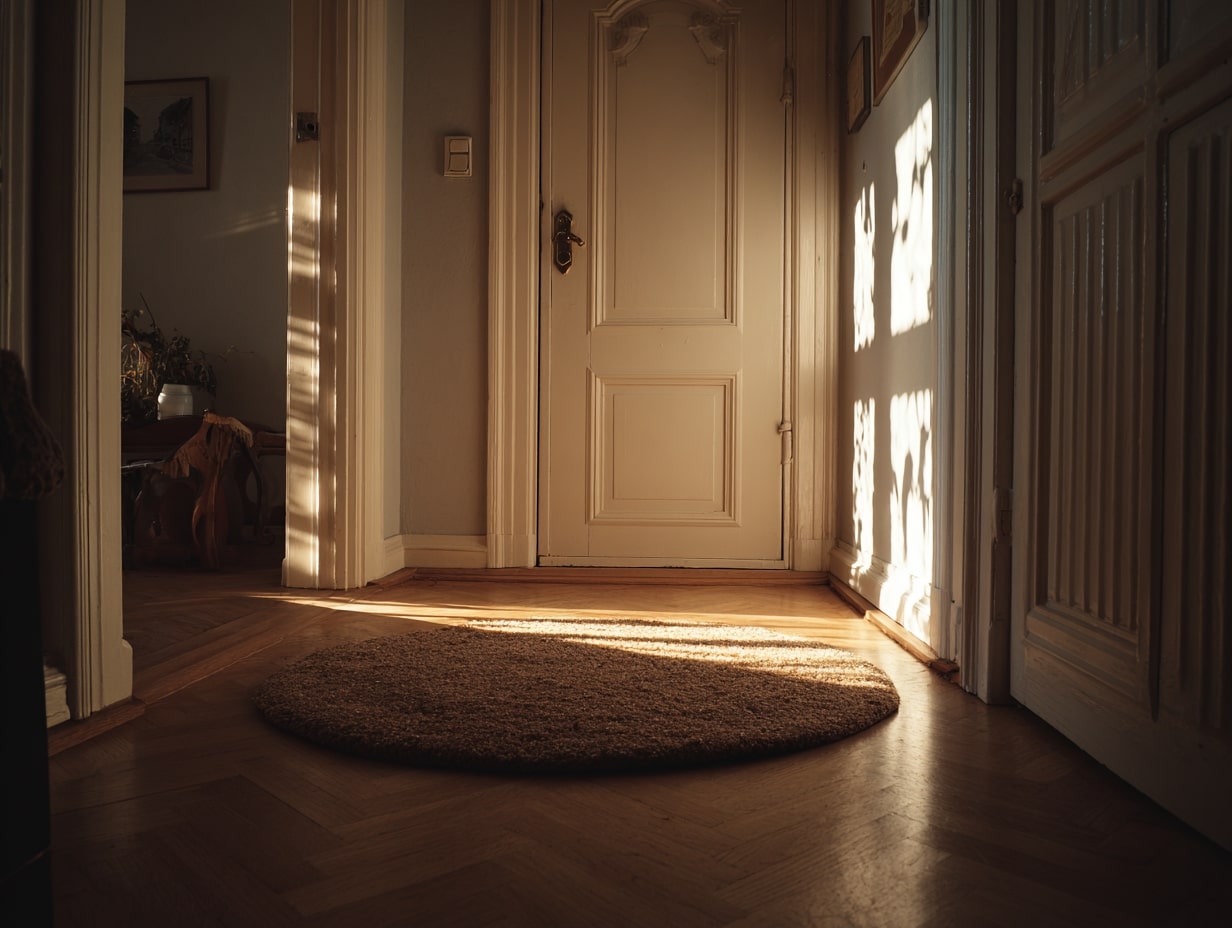
We like linoleum sheets or tiles for resilience and easy cleaning, or FSC wood with a tough waterborne finish if you prefer warmth. Cork with a robust sealer can work in lower-splash zones. Use walk-off mats to cut grit and extend floor life.
Bathrooms And Laundry: Moisture-Smart Choices
Glue-down linoleum with welded seams is a standout. For wood looks, consider engineered FSC wood with a moisture-tolerant core and careful sealing, but keep splashes in check. Wool carpet isn’t ideal here: consider bath mats that can be laundered.
Living Rooms And Bedrooms: Comfort And Warmth
Cork or FSC solid/engineered wood brings warmth and can be refinished. Add a wool area rug with natural rubber or felt backing. For a soft wall-to-wall feel, choose low-emission wool or recycled-content carpet tiles.
Basements And High-Moisture Areas: Stable, Mold-Resistant Options
Address moisture first. Once humidity is controlled, consider cork-rubber blends, linoleum on proper underlayments, or engineered wood rated for below-grade use. Avoid solid wood on slabs without a reliable vapor barrier.
Installation And Finishes
Floating Vs. Glue-Down Methods
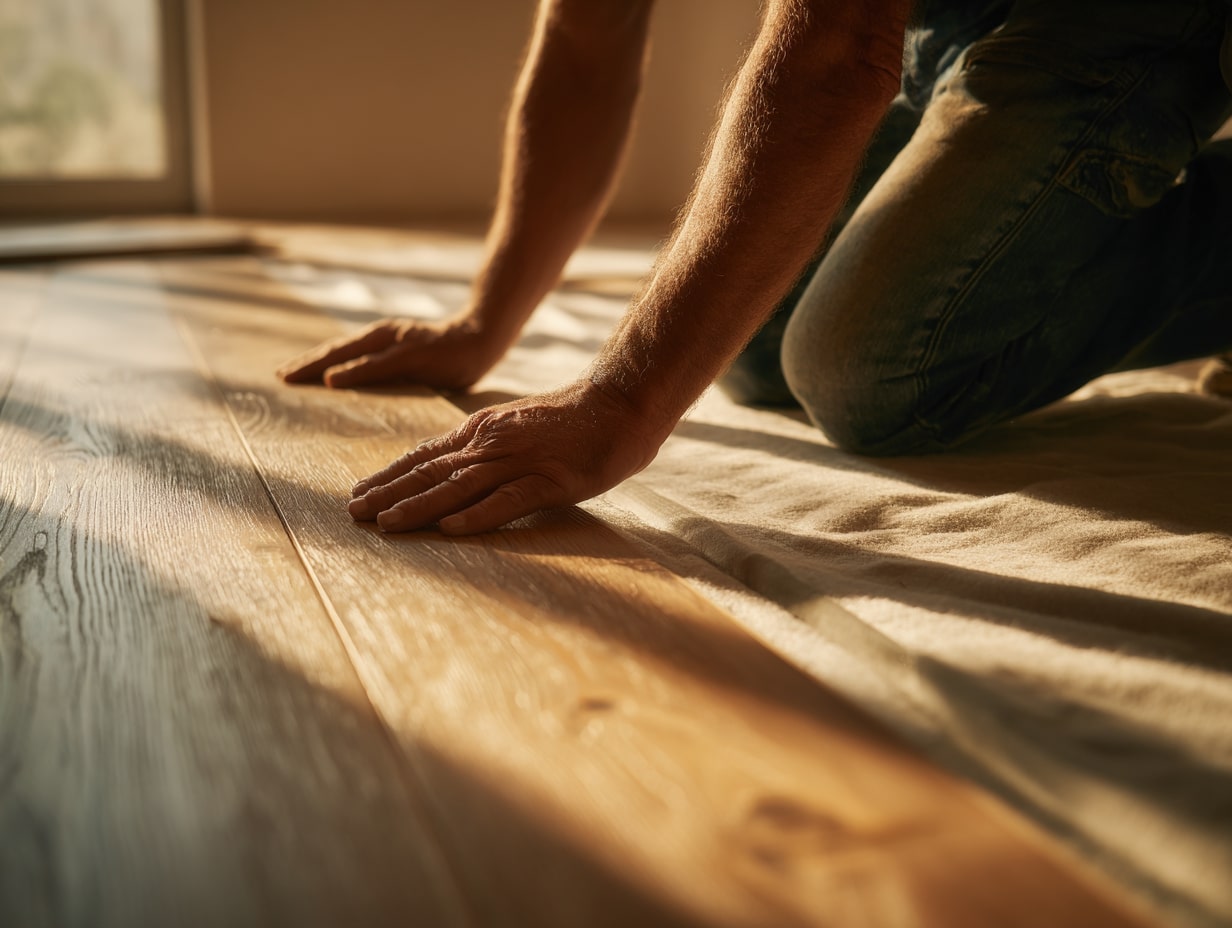
Floating floors reduce adhesive use and make future disassembly easier, good for circularity. Glue-down improves stability in wet-prone areas. If we glue, we choose low-VOC, water-based or solvent-free adhesives.
Low-Emission Adhesives, Sealers, And Finishes
Prioritize products with VOC content and emissions verified (GREENGUARD Gold, FloorScore). Waterborne urethanes and plant-based hardwax oils are excellent options, and they simplify refinishing.
Underlayments: Recycled, Acoustic, And Thermal
Recycled rubber or felt underlayments add sound dampening and insulation. Make sure they’re compatible with the flooring type and carry relevant emissions certifications.
Cost, Durability, And End-Of-Life
True Cost Of Ownership And Payback
Eco-friendly floor coverings often save money over time. Durable choices like linoleum, cork, or quality engineered wood reduce replacement cycles. Lower chemical exposure can cut future remediation costs and improve resale appeal.
Repair, Refinishing, And Modular Replacement
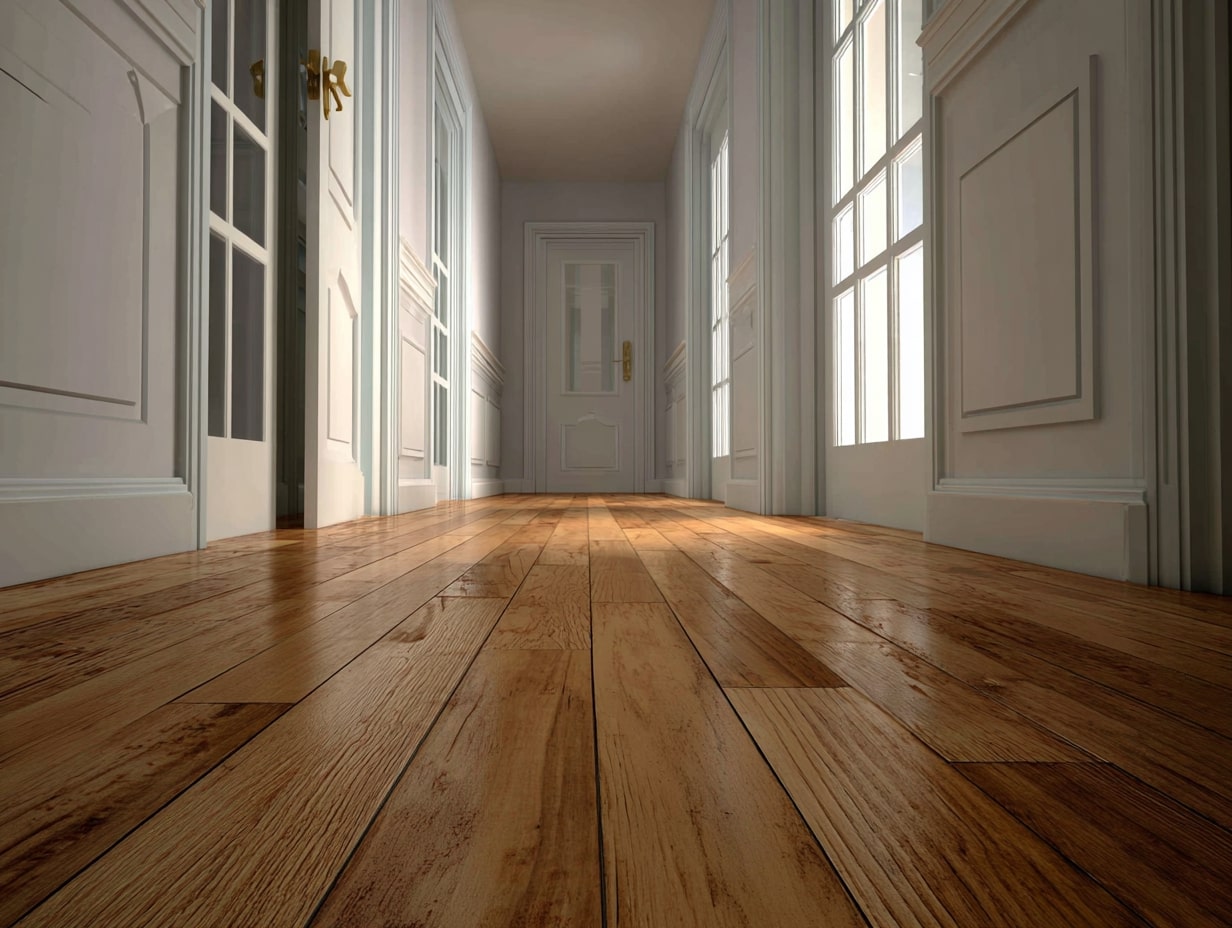
We favor floors that can be spot-repaired or renewed: sand-and-refinish wood, recoat cork, replace individual carpet tiles. The more serviceable a floor, the lower its lifetime footprint.
Recycling, Take-Back Programs, And Compostability
Some manufacturers offer take-back for carpet tiles and rubber. Linoleum offcuts and end-of-life material may be industrially compostable, depending on local facilities. Keep documentation so future owners know how to handle disposal responsibly.
Care And Maintenance For A Longer, Greener Life
A gentle routine extends lifespan: vacuum grit weekly, use felt pads under furniture, and place mats at entries. Clean with pH-appropriate, low-tox products, skip harsh solvents. Control humidity (ideally 35-55%) to keep wood and bamboo stable. Recoat finishes before wear-through, and rotate rugs to prevent UV patterns. Small habits add up to years of extra use.
Conclusion
Eco-friendly floor coverings aren’t a compromise anymore, they’re a smart upgrade. If we prioritize healthy materials, credible certifications, and long-term serviceability, we get floors that look beautiful, perform for decades, and tread lighter on the planet. Start with one room, choose thoughtfully, and let the rest of the home follow.









Famous Sustainable Buildings: 6 Green Skyscrapers Leading the Future
From Milan's Bosco Verticale to Sydney's record hybrid timber tower, six green...
 Furkan Sen6 Mins read
Best Orientation for a House: Why North Orientation Matters
North orientation shapes a home's light, warmth, and running costs, and its...
Furkan Sen6 Mins read
Passive Design Architecture: A Practical Guide to Low-Energy Buildings
Passive design uses a building's orientation, form, and materials to control heat,...
Furkan Sen8 Mins read
Passive House vs LEED Certification: Which Green Standard Should You Pursue?
Passive House focuses on strict energy performance and airtightness, while LEED scores...
Sinan Ozen8 Mins read


Leave a comment