

Designing, Retrofitting, and Valuing Non-Standard Homes in Britain
 Bahattin Duran20 December 20254 Mins read78
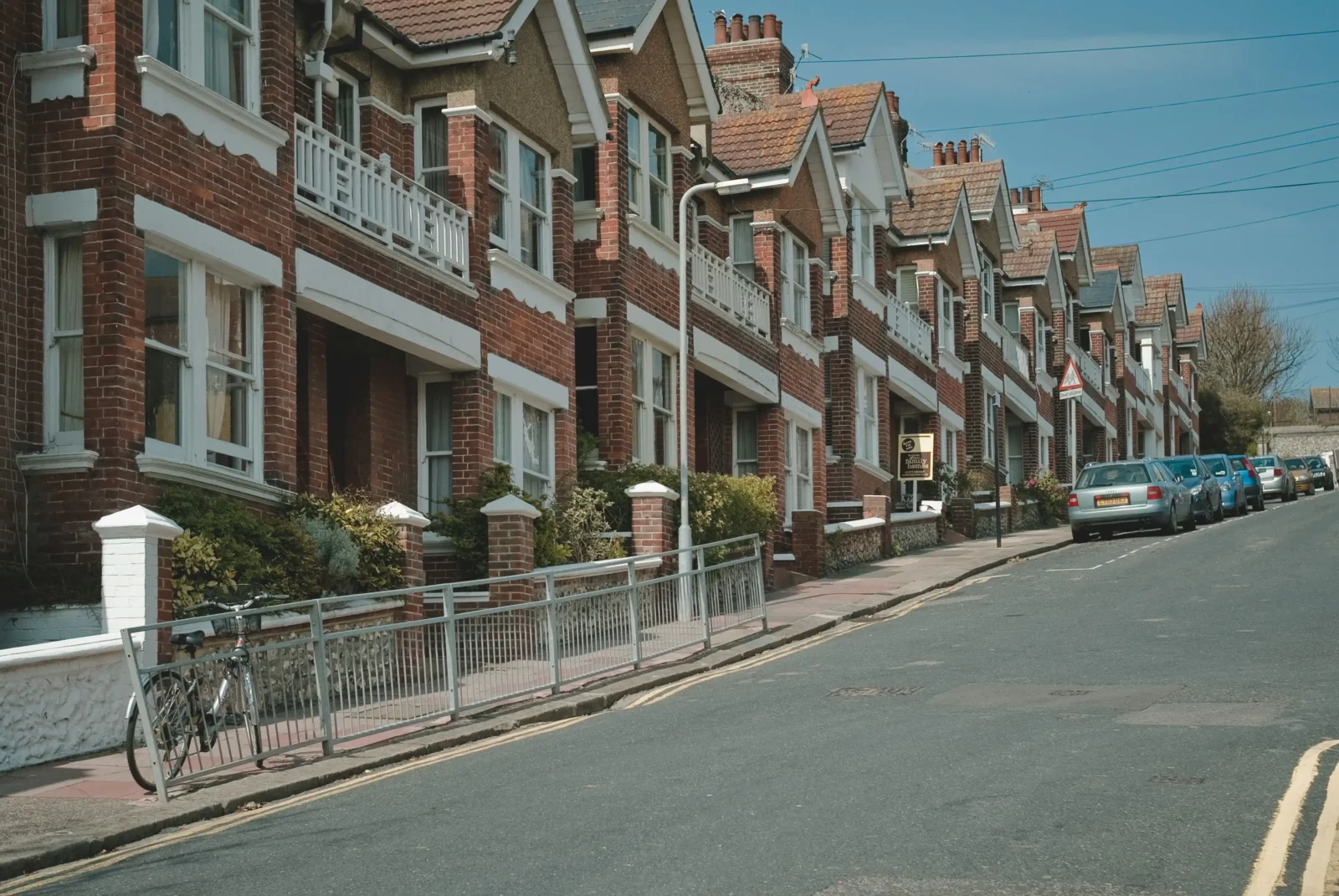
Table of Contents Show
Britain’s housing stock carries a quiet contradiction. From the street, many homes look conventional enough—pitched roofs, familiar proportions, tidy rows.
Look closer, or dig into the drawings, and the story changes. Steel frames hide behind brick skins. Concrete panels age differently than expected. Timber systems behave in ways mortgage forms never anticipated. Non-standard construction isn’t a niche issue in the UK; it’s a structural legacy.
For architects, designers, and informed homeowners, these buildings demand a different mindset. They cannot be treated as flawed versions of standard homes. They must be understood on their own terms—designed with clarity, retrofitted with precision, and valued with realism rather than assumptions.
Understanding What “Non-Standard” Really Means
Before decisions are made about design or money, the term itself needs grounding. Non-standard construction in Britain covers a wide range of systems developed across decades, often in response to urgent social needs rather than architectural ambition.
These homes were not experiments. They were solutions, built quickly and at scale, using the materials and methods available at the time.
Post-War Systems and Industrial Logic
After the Second World War, Britain faced an acute housing shortage. Traditional brick-and-block construction could not meet demand fast enough. Prefabricated systems, reinforced concrete frames, steel skeletons, and panelized methods offered speed and repeatability.
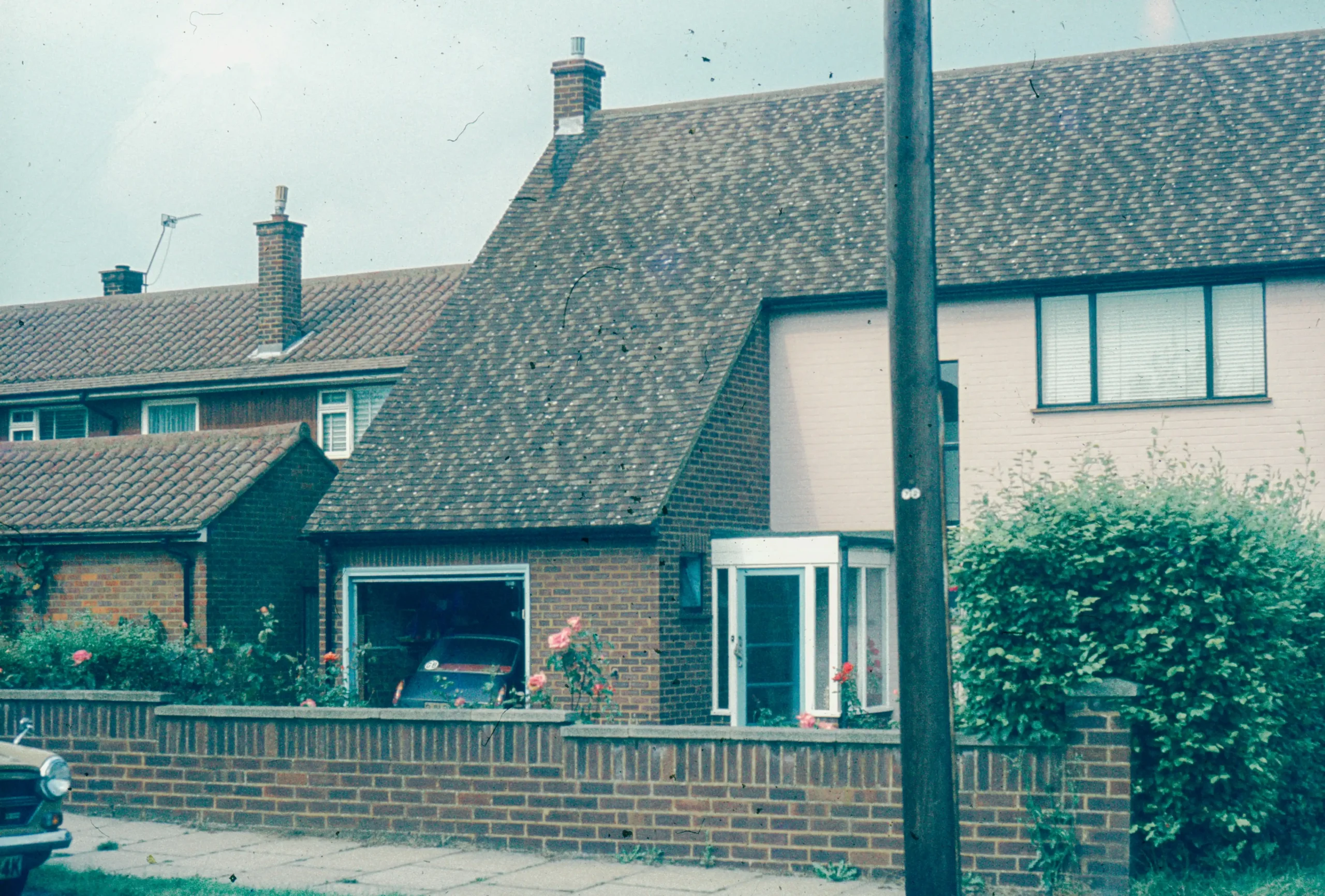
Airey houses, Wimpey No-Fines, BISF steel frames, and large-panel system builds still exist in significant numbers. Each follows its own structural logic, load paths, and ageing profile. Lumping them together as “problem houses” misses the point entirely.
Why These Homes Still Matter Today
Non-standard homes are not disappearing. They sit in established neighborhoods, often with generous plots and strong community ties. Many outperform newer builds in space standards and adaptability.
The challenge lies not in their existence, but in how poorly they are often understood during renovation, valuation, and sale.
Selling Non-Standard Homes: Knowing When the Market Isn’t the Market
There are moments when broad market visibility works against a non-standard property rather than for it.
As Property Buyers Today note, many owners only discover their home’s construction type once lenders and surveyors begin asking difficult questions, narrowing the buyer pool and extending sale timelines.
Their experience buying dozens of non-standard homes across the UK highlights a recurring pattern: prolonged listings, failed mortgage approvals, and repeated renegotiations often erode value more than they recover it.
In cases involving complex concrete systems, steel frames, or prefabricated elements, selling directly to experienced buyers who understand the construction logic can preserve both time and equity.
The trade-off is transparency rather than persuasion—pricing reflects reality, not aspiration, and transactions move forward without relying on lender flexibility or buyer education mid-sale.
Designing With Constraints, Not Against Them
Designing for a non-standard home is not about forcing it to behave like a traditional one. It’s about working with the system already in place and making informed interventions that respect its strengths and limitations.
Reading the Structure Before Drawing the Lines
The first design act is investigation. Frame types, panel joints, thermal bridges, and moisture paths must be mapped accurately. Guesswork leads to cosmetic upgrades that fail structurally or thermally within years.
Architects working on these homes quickly learn that modest design decisions carry disproportionate consequences. A removed panel, an altered opening, or an added load can change behavior across the entire structure.

Extensions and Alterations That Make Sense
Extensions are possible, but rarely straightforward. Lightweight construction often pairs better with existing systems than masonry-heavy additions. Structural independence between old and new sections can prevent stress transfer and differential movement.
Internally, layouts can be improved significantly once the logic of load-bearing elements is respected. These homes often allow flexibility in places traditional houses do not—if approached correctly.
Retrofitting: Precision Over Cosmetics
Retrofitting non-standard homes is not a surface exercise. Paint, cladding, and new kitchens do little if the underlying performance issues remain unresolved. Thermal efficiency, moisture control, and structural longevity must lead the process.
Insulation Without Trapping Moisture
Many non-standard systems struggle with condensation once modern insulation is added without strategy. Breathability, vapor control layers, and correct detailing matter more here than in standard builds.
External wall insulation can transform performance, but only when the original construction is fully understood. Incorrect systems accelerate decay rather than prevent it.
Services, Ventilation, and Long-Term Performance
Upgrading heating, electrical systems, and ventilation often reveals the limitations of original layouts. Mechanical ventilation with heat recovery can be transformative, but only if integrated early in the design.
The goal is not to chase benchmarks blindly, but to achieve stable, predictable performance over decades.
Valuation: Navigating Perception Versus Reality
Valuing non-standard homes remains one of the most misunderstood aspects of the market. Price is influenced as much by lender confidence and buyer familiarity as by physical condition.
Why Mortgageability Shapes Value
Some non-standard systems still face restrictions from high-street lenders. Others are accepted without issue, particularly after approved remedial works. Valuation professionals must understand these distinctions clearly.
A well-retrofitted BISF house with proper certification may outperform a poorly maintained traditional terrace in real-world use, yet still face valuation friction.
Documentation as a Value Tool
Clear records matter. Structural assessments, retrofit specifications, warranties, and engineer sign-offs directly influence buyer confidence. In this sector, paperwork often carries as much weight as finishes.
Homes presented with clarity sell differently from those presented defensively.
The Architect’s Role as Interpreter, Not Just Designer
Architects working with non-standard homes occupy a dual role. They design spaces, but they also translate risk, performance, and potential for clients, lenders, and future owners.
This interpretive role requires confidence grounded in knowledge, not reassurance language or oversimplification.
Educating Clients Without Alarmism
Clients deserve clarity, not fear. Non-standard does not mean unsafe, but it does mean different. Explaining this difference calmly builds trust and enables better decisions.
Architects who avoid the topic or downplay it often create problems later, not fewer questions.
Long-Term Thinking Over Short-Term Optics
The most successful projects resist cosmetic temptation. They invest in performance, adaptability, and documentation. These homes age better once their logic is respected rather than disguised.
That approach protects both occupants and future value.
A Housing Stock Worth Understanding, Not Avoiding
Britain’s non-standard homes are not anomalies waiting to be replaced. They are part of the country’s architectural and social fabric. Some will be retrofitted, some extended, some redeveloped, and some sold to specialists who understand their potential.
Designing, retrofitting, and valuing these homes requires discipline more than creativity, knowledge more than trend awareness. When approached properly, they reward that effort with space, adaptability, and long-term relevance.
Ignoring their logic costs money. Understanding it creates opportunity.








Kingdom Centre Tower: Riyadh’s Inverted Parabolic Arch and Sky Bridge Explained
A detailed look at Kingdom Centre Tower in Riyadh, Saudi Arabia, covering...
 Sinan Ozen9 Mins read

Architecture Precedent Study: How to Analyze a Building Step by Step
Learn how to conduct an architecture precedent study with a structured, step-by-step...
 Elif Ayse Sen12 Mins read

Reichstag Building: How Norman Foster Turned a War-Scarred Landmark into a Green Parliament
A detailed look at the Reichstag Building in Berlin, covering its turbulent...
Sinan Ozen7 Mins read

Scale and Proportion in Architecture: A Visual Guide to Designing Better Buildings
A focused guide to scale and proportion in architecture covering the difference...
Elif Ayse Sen14 Mins read


Leave a comment