

8 Innovative HVAC Solutions for Modern Architecture
Modern architecture demands intelligent climate control. Explore 8 innovative HVAC solutions combining energy efficiency, smart technology, and sustainable design for contemporary buildings.
 Begum Gumusel14 February 20264 Mins read222

Table of Contents Show
The integration of advanced HVAC solutions has become a defining factor in modern architectural design. As buildings evolve to meet sustainability standards and occupant comfort expectations, architects and engineers are embracing innovative climate control technologies that seamlessly blend performance with aesthetics. Today’s sustainable building designs require systems that not only regulate temperature but also contribute to energy conservation and environmental responsibility.
From smart automation to geothermal integration, contemporary commercial HVAC solutions are revolutionizing how we approach building climate control. This comprehensive guide explores eight cutting-edge approaches that are shaping the future of architectural environmental systems.

1. Smart HVAC Solutions: Intelligence Meets Climate Control
Smart HVAC solutions represent the convergence of artificial intelligence, IoT sensors, and adaptive learning algorithms. These systems analyze occupancy patterns, weather forecasts, and user preferences to optimize heating and cooling schedules automatically. According to the U.S. Department of Energy, intelligent climate control can reduce energy consumption by up to 23% compared to conventional systems.
Modern smart systems feature predictive maintenance capabilities that alert facility managers to potential issues before they become costly failures. For architects designing intelligent buildings, these solutions offer unprecedented control over environmental conditions while minimizing operational costs.
Integration with Building Management Systems
Contemporary HVAC system solutions integrate seamlessly with broader building automation platforms. This connectivity enables centralized control of lighting, security, and climate systems through unified interfaces. Architects can specify systems that communicate via open protocols like BACnet or Modbus, ensuring long-term flexibility and scalability.

2. Energy-Efficient HVAC Solutions: Sustainable Performance
The demand for energy efficient HVAC solutions has never been greater. With buildings accounting for nearly 40% of global energy consumption, architects are prioritizing systems that deliver comfort while minimizing environmental impact. High-efficiency heat pumps, variable refrigerant flow (VRF) systems, and advanced heat recovery technologies are becoming standard specifications in net-zero energy buildings.
Modern energy-efficient HVAC solutions employ multiple strategies to reduce power consumption:
- Variable-speed compressors that adjust output based on demand
- Advanced insulation and ductwork design to minimize thermal losses
- Heat recovery ventilators that capture waste energy from exhaust air
- Intelligent zone control for targeted heating and cooling
- Integration with renewable energy sources like solar panels
Research from ASHRAE demonstrates that properly designed energy-efficient systems can achieve SEER ratings above 20, representing a dramatic improvement over older equipment.

3. Geothermal HVAC System Solutions
Ground-source heat pumps represent one of the most sustainable HVAC solutions available to architects today. By leveraging the earth’s stable subsurface temperature, these systems provide both heating and cooling with remarkable efficiency. The Environmental Protection Agency recognizes geothermal systems as among the most environmentally responsible climate control options.
For projects like eco-resorts or university campuses, geothermal solutions offer long-term operational savings despite higher initial installation costs. These HVAC solution implementations can reduce energy consumption by 30-70% compared to conventional systems.
Design Considerations for Architects
Implementing geothermal systems requires early-phase collaboration between architects, mechanical engineers, and geotechnical specialists. Site conditions, available land area for horizontal loops, and local geology all influence system viability. Modern drilling techniques have made vertical installations feasible even in urban contexts with limited space.

4. Custom HVAC Solutions for Unique Architectural Challenges
Every building presents unique climate control requirements. Custom HVAC solutions address specific challenges posed by unusual geometries, mixed-use programs, or historic preservation constraints. Specialized fabrication allows designers to create systems perfectly tailored to architectural intent.
For projects like contemporary museums requiring precise humidity and temperature control, or adaptive reuse conversions integrating modern systems into heritage structures, custom solutions become essential. Leading manufacturers now offer modular components that can be configured to meet exacting specifications.
Aesthetic Integration
Modern architects demand that mechanical systems complement rather than compromise design vision. Quality HVAC solutions now include architecturally exposed ductwork, designer diffusers, and innovative integration strategies that make climate control elements part of the spatial experience rather than hidden necessities.

5. Radiant Heating and Cooling Systems
Radiant comfort solution HVAC technologies deliver thermal comfort through surfaces rather than forced air. These systems embed hydronic tubing in floors, walls, or ceilings, creating gentle, draft-free environmental control. ArchDaily reports growing adoption in residential and commercial projects seeking superior comfort quality.
For minimalist architectural designs, radiant systems eliminate visible vents and registers, creating cleaner spatial aesthetics. The absence of ductwork also frees ceiling plenums for other systems or allows reduced floor-to-floor heights.

6. Dedicated Outdoor Air Systems (DOAS)
Contemporary air solutions HVAC approaches increasingly separate ventilation from thermal conditioning. DOAS configurations introduce fresh air independently from systems handling heating and cooling loads. This separation enables optimization of each function, improving both energy performance and indoor air quality.
According to research from the National Institute of Building Sciences, DOAS implementations can reduce energy consumption by 20-40% while maintaining superior ventilation rates. For commercial office buildings or healthcare facilities where air quality is paramount, these systems represent best practice.
Enhanced Indoor Environmental Quality
By decoupling ventilation and conditioning, DOAS enables precise control over humidity, filtration, and air change rates. Energy recovery wheels or heat exchangers pre-condition incoming outdoor air, minimizing the thermal penalty of ventilation while ensuring consistent fresh air delivery.

7. Displacement Ventilation Systems
Innovative commercial HVAC solutions include displacement ventilation, which introduces conditioned air at floor level rather than through overhead diffusers. Cool air enters at low velocities, gradually rises as it warms, and carries contaminants upward for ceiling-level extraction.
This approach improves air quality in occupied zones while reducing energy consumption. For spaces like performance venues, educational facilities, or open-plan offices, displacement ventilation creates healthier environments with lower operational costs.

8. Ice Storage Thermal Energy Systems
Advanced HVAC system solutions increasingly incorporate thermal energy storage to shift cooling loads to off-peak hours. Ice storage systems freeze water during nighttime periods when electricity costs less and outdoor temperatures facilitate efficient chiller operation. During peak demand periods, stored cooling supplements or replaces conventional refrigeration.
For large commercial developments or institutional buildings, thermal storage can reduce utility costs by 30-50% while supporting grid stability. The technology also allows smaller chiller installations, reducing initial equipment costs and mechanical room space requirements.
Sustainability Benefits
By reducing peak electrical demand, ice storage systems decrease strain on power grids and associated carbon emissions from peak-generating plants. These sustainable HVAC solutions align perfectly with broader environmental goals while delivering economic benefits to building owners.

Conclusion: The Future of HVAC in Architecture
The evolution of HVAC solutions continues to accelerate, driven by sustainability imperatives, technological innovation, and occupant expectations. Today’s architects have access to an unprecedented array of climate control options that enhance both building performance and human comfort.
Successful implementation requires early collaboration between design teams and mechanical engineers. By integrating quality HVAC solutions from project inception rather than as afterthoughts, architects can create buildings that are healthier, more efficient, and more responsive to occupant needs.
As we move toward increasingly stringent energy codes and carbon reduction targets, the systems explored in this guide represent not just current best practices but essential foundations for future architectural design. Whether specifying smart HVAC solutions for intelligent buildings or custom HVAC solutions for unique design challenges, the key lies in understanding how climate control can enhance rather than constrain architectural vision.
For more insights on integrating building systems with architectural design, explore our guides on building automation technologies and passive environmental strategies.



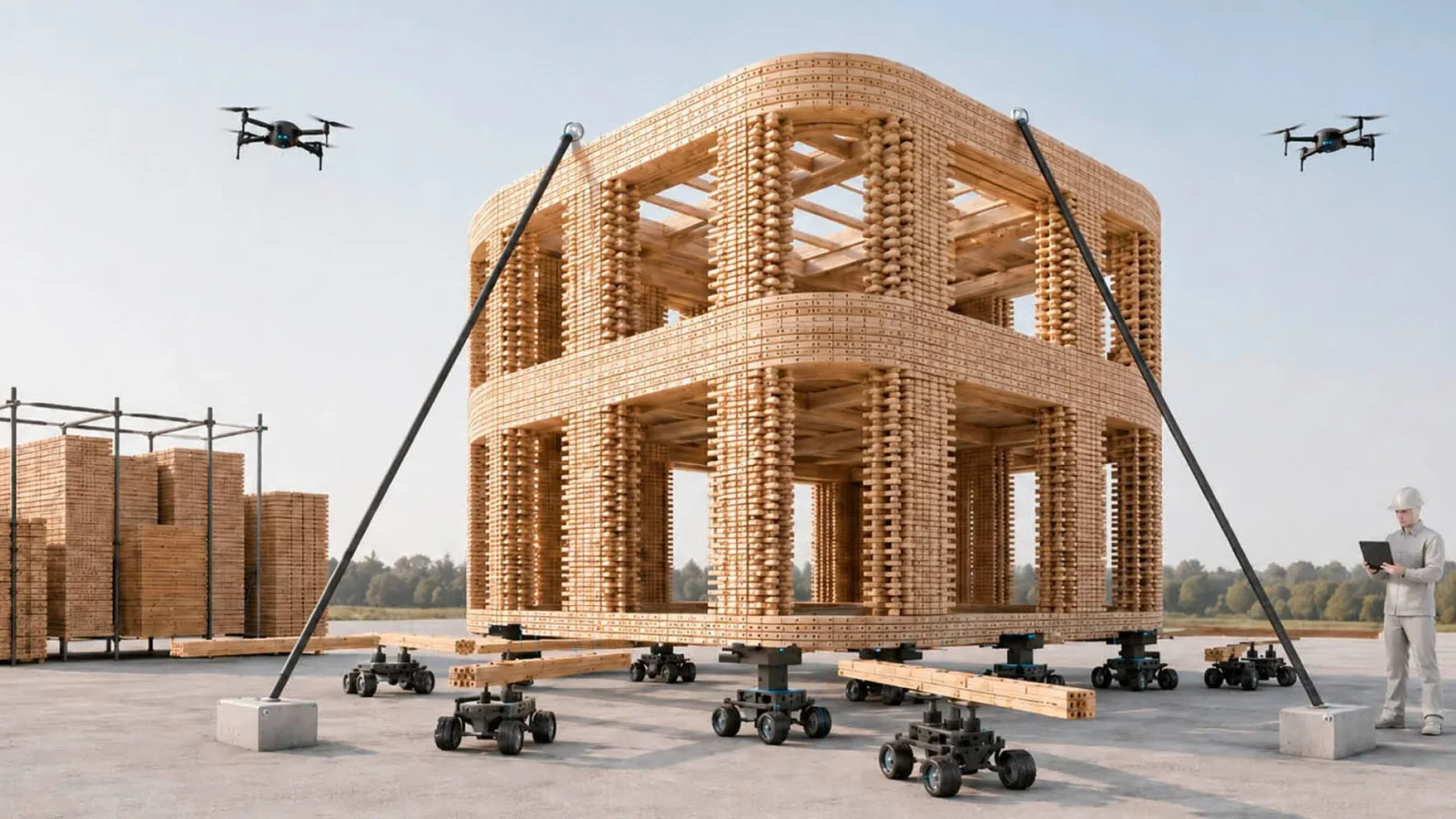
Foster + Partners to Test Robot Swarms Building Timber from the Top Down
Foster + Partners wins €4m EU grant to build robot and drone...
 illustrarch Editoral Team2 Mins read
PLNAR Review: Does AR Measurement Hold Up on a Real Site Visit?
PLNAR began as a consumer AR tape measure and now runs as...
 Sinan Ozen5 Mins read
ArchiSnapper Review: Is This Field Report App Worth It for Architects?
A hands-on look at Deltek ArchiSnapper, the mobile app built for field...
Sinan Ozen5 Mins read

Gross Internal Area and Net Internal Area: What’s the Difference?
The difference between Gross Internal Area and Net Internal Area shapes how...
Sinan Ozen5 Mins read


Leave a comment