

The Legacy of Ottoman Architecture: Form, Faith, and Urban Imagination
Explore Ottoman architecture’s living legacy, Sinan’s domes, Iznik tiles, waqf-built complexes, and quake-smart craft, shaping cities and modern mosque design.
 Sinan Ozen3 December 20254 Mins read244
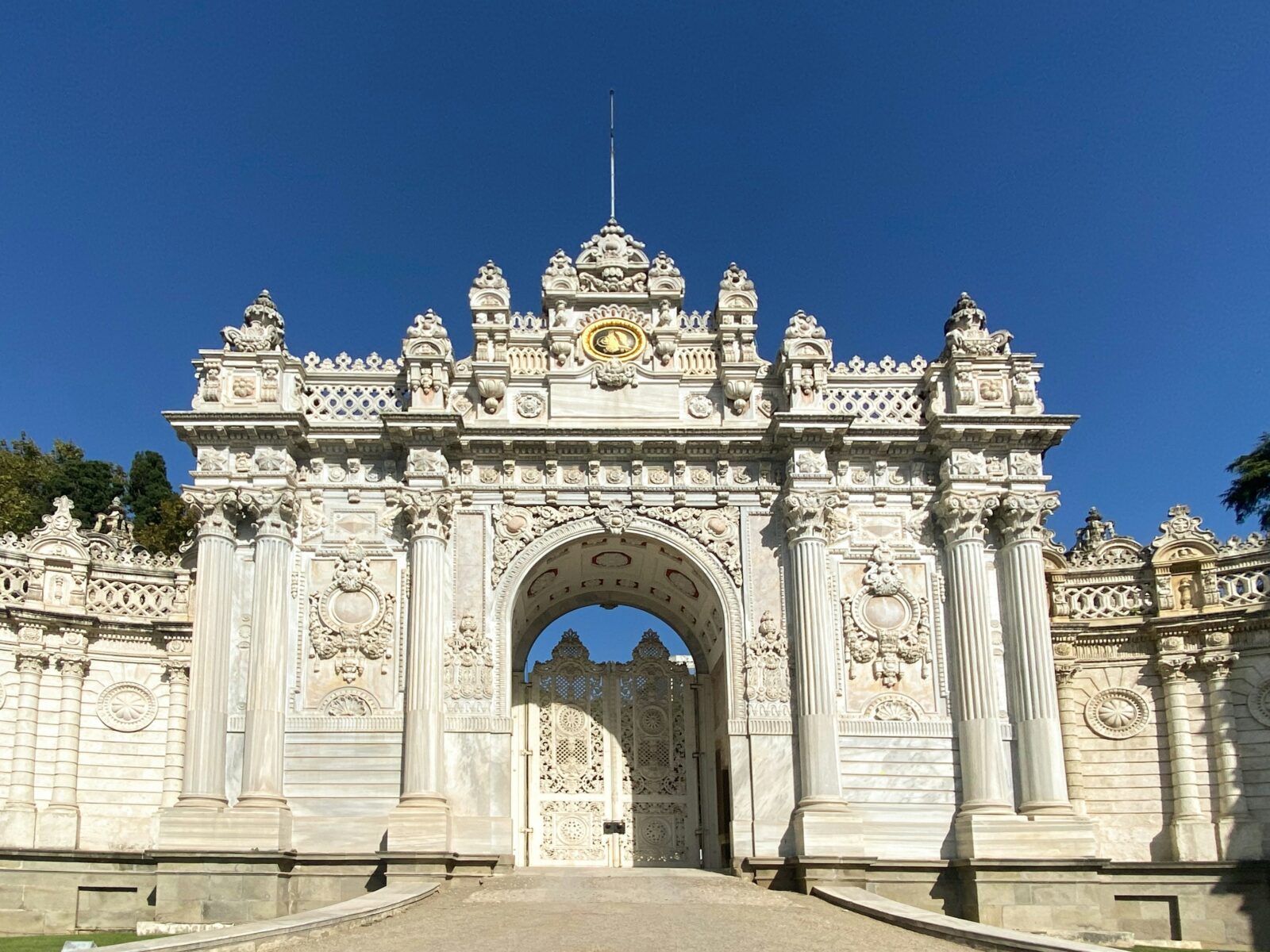
Table of Contents Show
We talk about “The Legacy of Ottoman Architecture” not as a museum piece but as a living system, one that shaped cities, guided crafts, and still informs how we design sacred and civic spaces today. From Bursa to Istanbul and across three continents, the Ottomans blended older traditions with bold engineering to create places that feel both monumental and human. Let’s trace how those ideas took root, matured under visionary builders, and continue to resonate in contemporary practice.
Roots and Cross-Currents
Seljuk Foundations and Byzantine Echoes
We inherit a story that begins with Seljuk experimentation, brick-and-stone hybrids, muqarnas transition zones, and caravanserai pragmatism, meeting Byzantine spatial intelligence. The Ottomans admired Hagia Sophia’s vast dome and its cascading half-domes, translating that structural drama into a new civic and religious language. Early mosques in Bursa and Edirne show us that synthesis in motion: layered volumes, modest ornament, and a clear appetite for light-filled, centralized space.
Islamic Spatial Ideals and Persian Techniques
At heart, Ottoman space prioritizes clarity, ritual flow, and visual harmony, principles shared across Islamic architecture. Persian vaulting methods, tile technologies, and garden geometry enriched the toolkit. We see careful axiality between courtyard, portico, and harim: we feel proportion calibrated to prayer, gathering, and teaching. It’s this marriage of piety and practicality that made Ottoman complexes feel legible and generous.

Materials, Craft Guilds, and Technology
Stone, brick, timber, and lime mortar came alive under disciplined guild systems (ahi) that trained artisans for consistency and innovation. Hydraulic mortars, iron tie-rods, lead sheathing, and sophisticated centering allowed ever-wider spans. The technology wasn’t flashy: it was reliable, repeatable, and, crucially for seismic regions, flexible enough to be repaired and improved over centuries.
Hallmarks of the Ottoman Architectural Language
Central-Domed Spaces and Structural Innovation
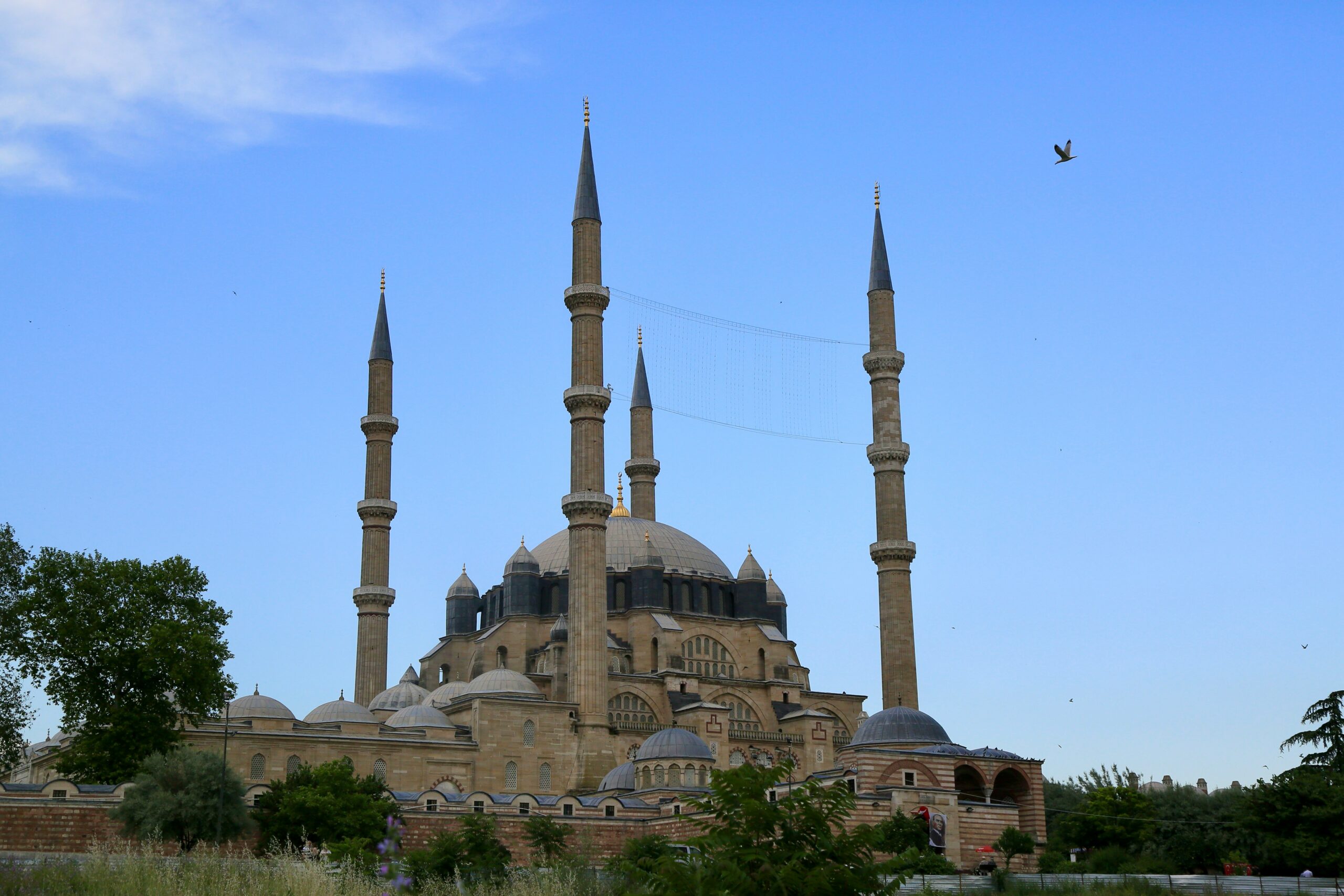
The Ottoman signature is the central dome, stabilized by semi-domes, buttresses, and hidden chains. Mimar Sinan refined the scheme to achieve calm, column-free interiors, Selimiye in Edirne shows the system at its zenith, where structure dissolves into light.
Minarets, Porticoes, and Courtyard Typologies
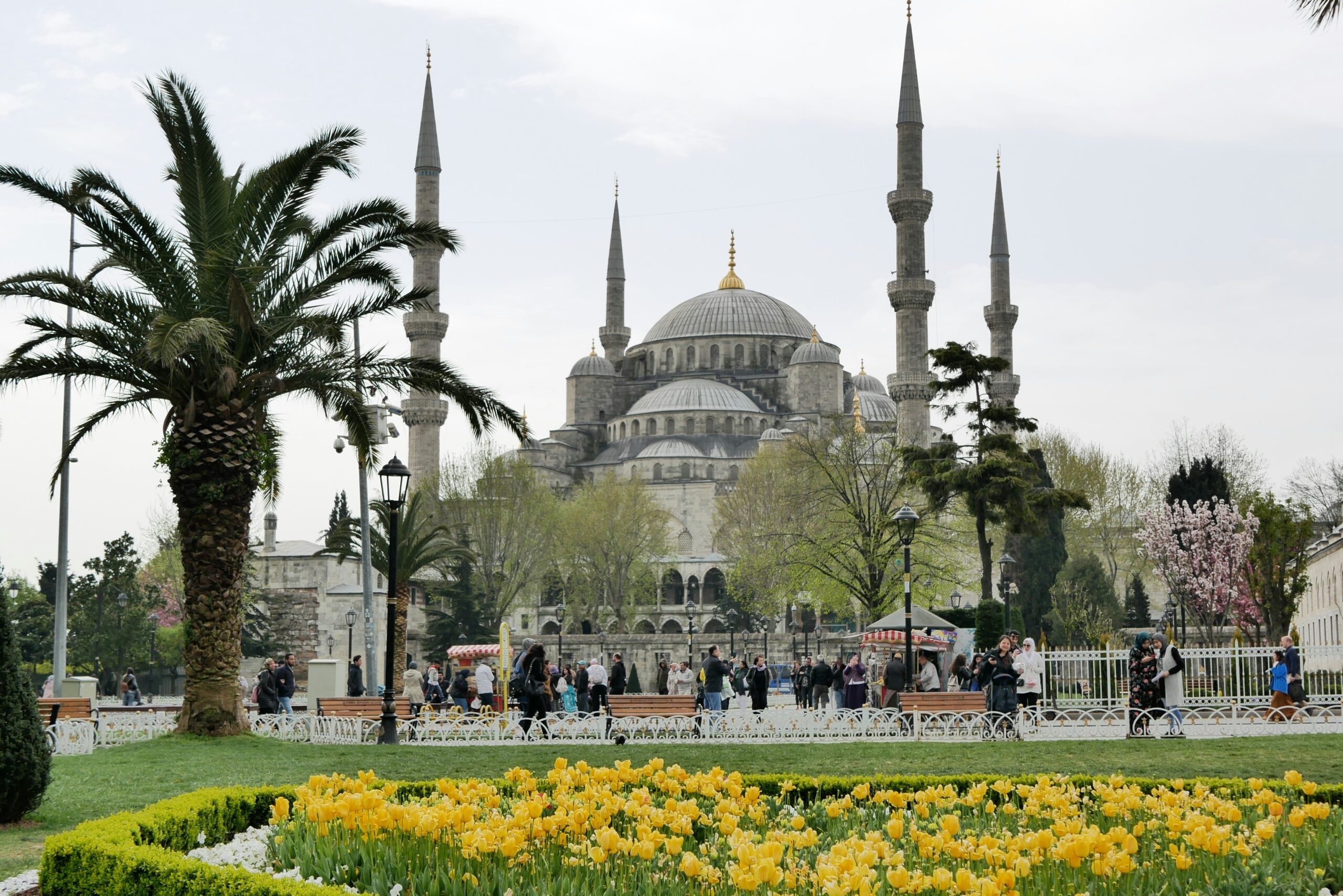
Slender pencil minarets, rhythmic arcades, and ablution fountains organize the approach. Courtyards act as lungs and thresholds, mediating bustle and devotion. Porticoes soften edges, offering shade, social space, and a dignified procession toward the prayer hall.
Light, Acoustics, and Human Scale
Clerestory windows, alabaster screens, and carefully placed oculi pull daylight across prayer carpets without glare. Plaster muqarnas and porous surfaces temper echoes so the imam’s voice carries clearly. Even in colossal interiors, we read scale through door heights, railing details, and the tactility of stone.
Ornament, Materials, and Craftsmanship
Iznik Tilework and Color Aesthetics
Iznik tiles, with their quartz-rich bodies and a palette of cobalt, turquoise, emerald, and that famous Armenian bole red, brought chromatic depth to mihrabs, lunettes, and friezes. We value how color guides the eye rather than overwhelms: stone below, tile at the visual horizon, light above.
Calligraphy, Geometry, and Floral Motifs
Thuluth and naskh scripts crown portals and domes with Qur’anic verses, while eight-point stars and interlace patterns create a quiet order. Tulips, carnations, and saz leaves add a botanical lyric, tying ornament back to gardens, textiles, and daily life.
Wood, Stone, and Metalwork Details
Carved marble minbars, walnut doors with kundekari joinery, and bronze candlesticks anchor the tactile experience. Latticed windows, grilled kiosks, and filigree lamp hooks show how small elements humanize grand space, craft as the interface between hand and city.
Periods, Regions, and Iconic Masters
Early Bursa and Edirne Experiments
In Bursa, multi-unit mosques like Ulu Cami explored modularity and daylight via numerous domes. Edirne pushed toward centralized plans and urban signaling, setting the stage for imperial statements in Istanbul after 1453.
Mimar Sinan and the Classical Zenith
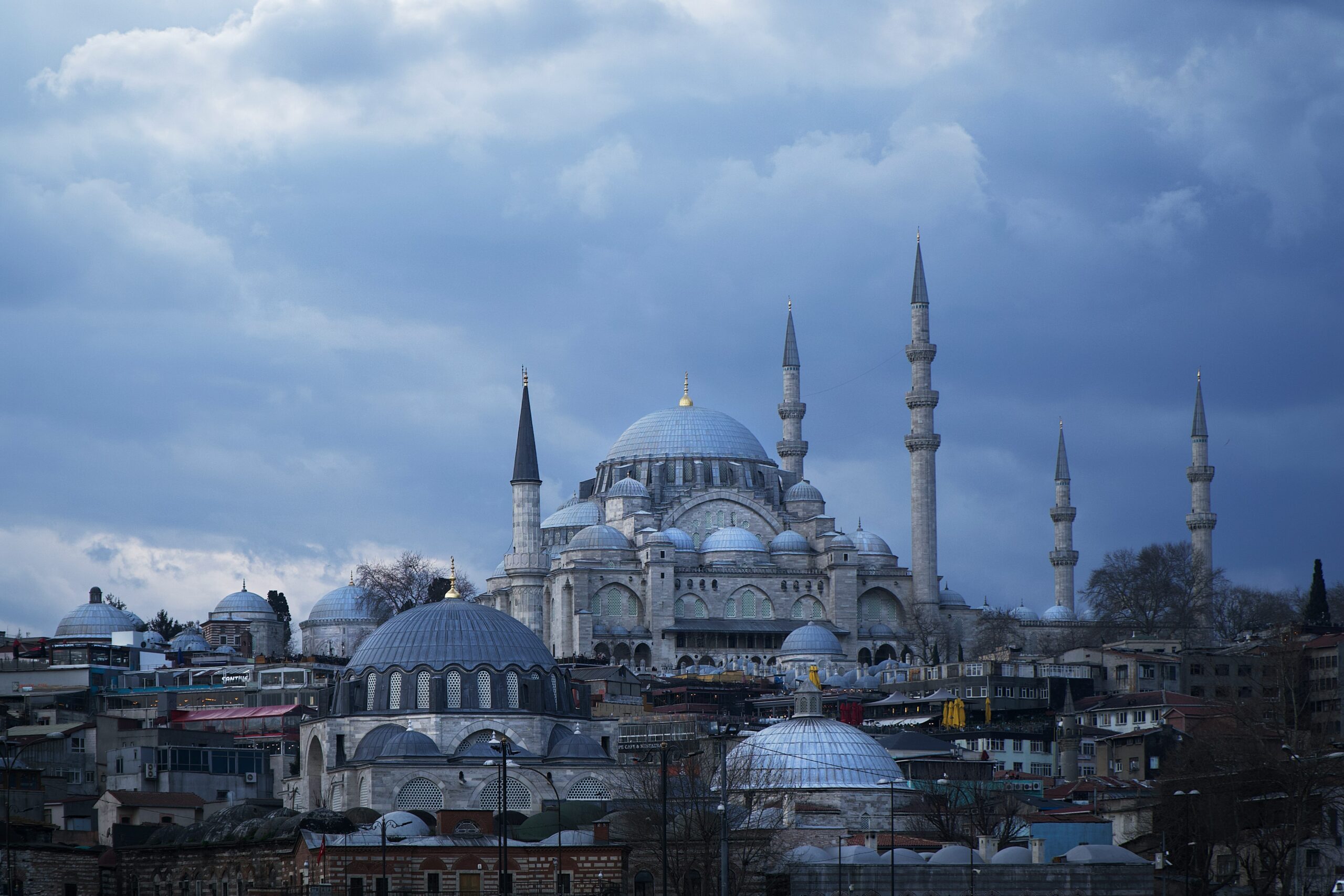
Sinan, serving under Süleyman and his successors, unified structure and spirit. Süleymaniye’s terraced külliye binds mosque, schools, hospital, and hospice into a city within the city. Selimiye perfects the dome-centric hall, where buttressing is so elegantly distributed that the space reads as effortless.
Late Ottoman Baroque, Empire, and Eclectic Turns
From the 18th century onward, Nuruosmaniye, Dolmabahçe, and Ortaköy mosques adopted Baroque, Empire, and neo-classical cues, oval windows, plastic facades, and lavish interiors, without abandoning courtyard logics or minaret silhouettes. Regional works in the Balkans, Anatolia, and the Levant localized materials and craft while keeping the Ottoman DNA intact.
Architecture as Urban and Social Infrastructure
The Külliye and the Waqf Economy
Ottoman architecture scaled through the waqf endowment system. The külliye bundled mosque, madrasa, soup kitchen, library, and hospital, soft power and public welfare housed under coherent design. We still read these complexes as social contracts made stone.
Markets, Baths, Bridges, and Waterworks
Bedestens and hans fueled commerce: hammams provided hygiene and sociability: bridges like Mehmed Paša Sokolović’s in Višegrad stitched territories together. Aqueducts and sebils moved and dispensed water with civic grace, engineering as public etiquette.
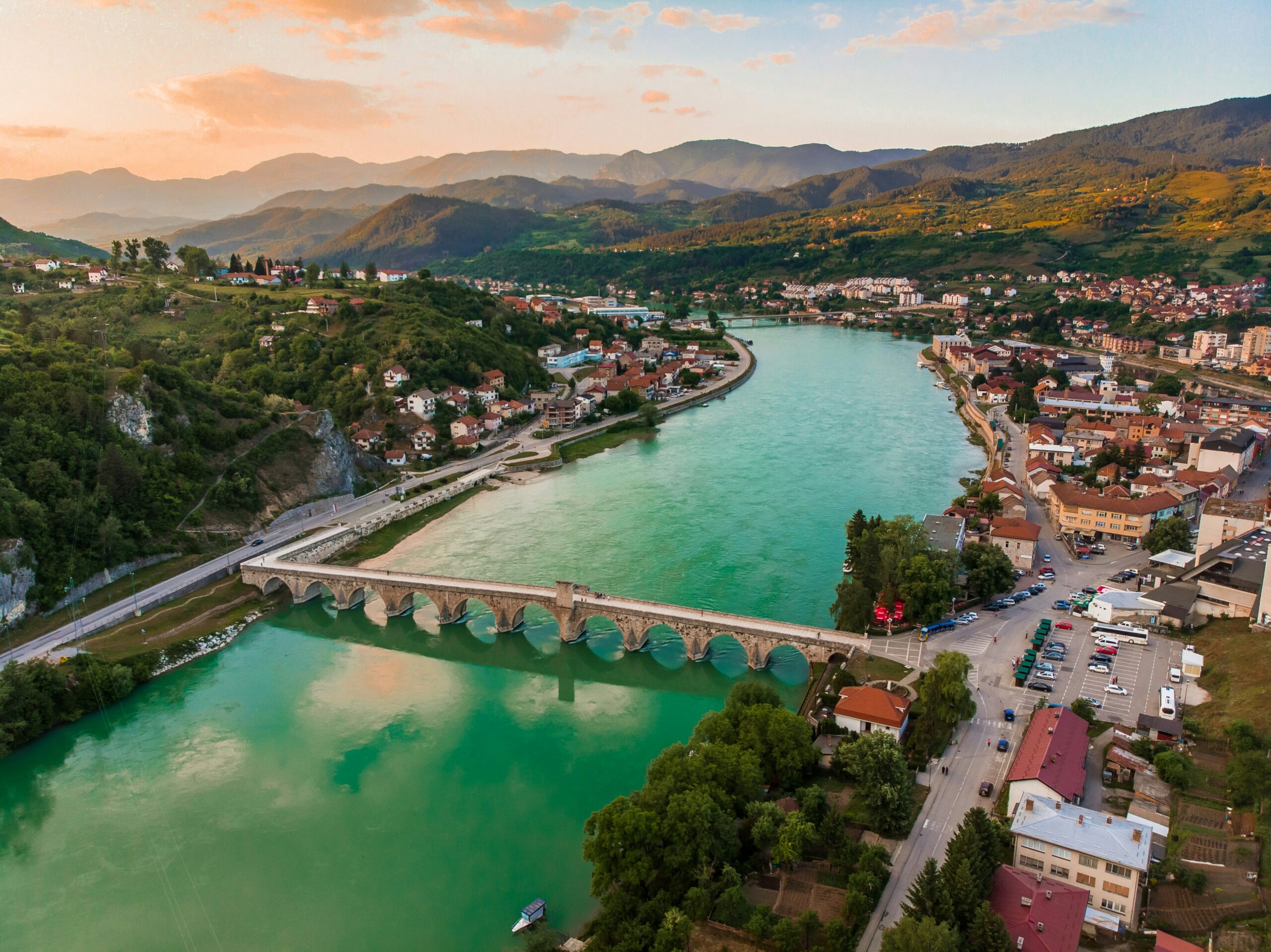
Urban Skylines and Territorial Integration
Minarets choreograph skylines from Sarajevo to Skopje to Istanbul, marking time and place. Regionally adapted roofs, courtyards, and materials integrated the empire’s reach without erasing local craft, creating a layered yet legible urban fabric.
Modern Legacies, Conservation, and Influence
Republican Transformations and Neo-Ottoman Revivals
The early Republic emphasized secular institutions and modernist vocabularies, yet preserved key monuments. In recent decades, selective neo-Ottoman revivals, some thoughtful, some cosmetic, have re-engaged domes, courtyards, and tiles in housing, civic, and mosque projects.

Conservation Ethics, Earthquake Resilience, and Risk
Seismic events keep us honest. Traditional chained masonry, timber diaphragms, and lead domes proved resilient, but retrofits, base isolation, stainless ties, compatible mortars, are essential. We favor minimal intervention, reversibility, and rigorous documentation to balance authenticity with safety.
Global Echoes in Contemporary Mosque Design
From the Balkans to North America, contemporary mosques borrow Ottoman clarity: a legible approach, balanced light, and community-centric courtyards. The legacy is less about copying forms and more about designing spaces that serve worship, learning, and care with spatial dignity.
Conclusion
The Legacy of Ottoman Architecture endures because it fuses engineering with empathy. We see it in domes that gather people without strain, in tiles that teach restraint, and in complexes that braid faith with public welfare. As we retrofit historic fabric and design new civic spaces, the Ottoman lesson is blunt and beautiful: build for the body, the city, and the century, at once.


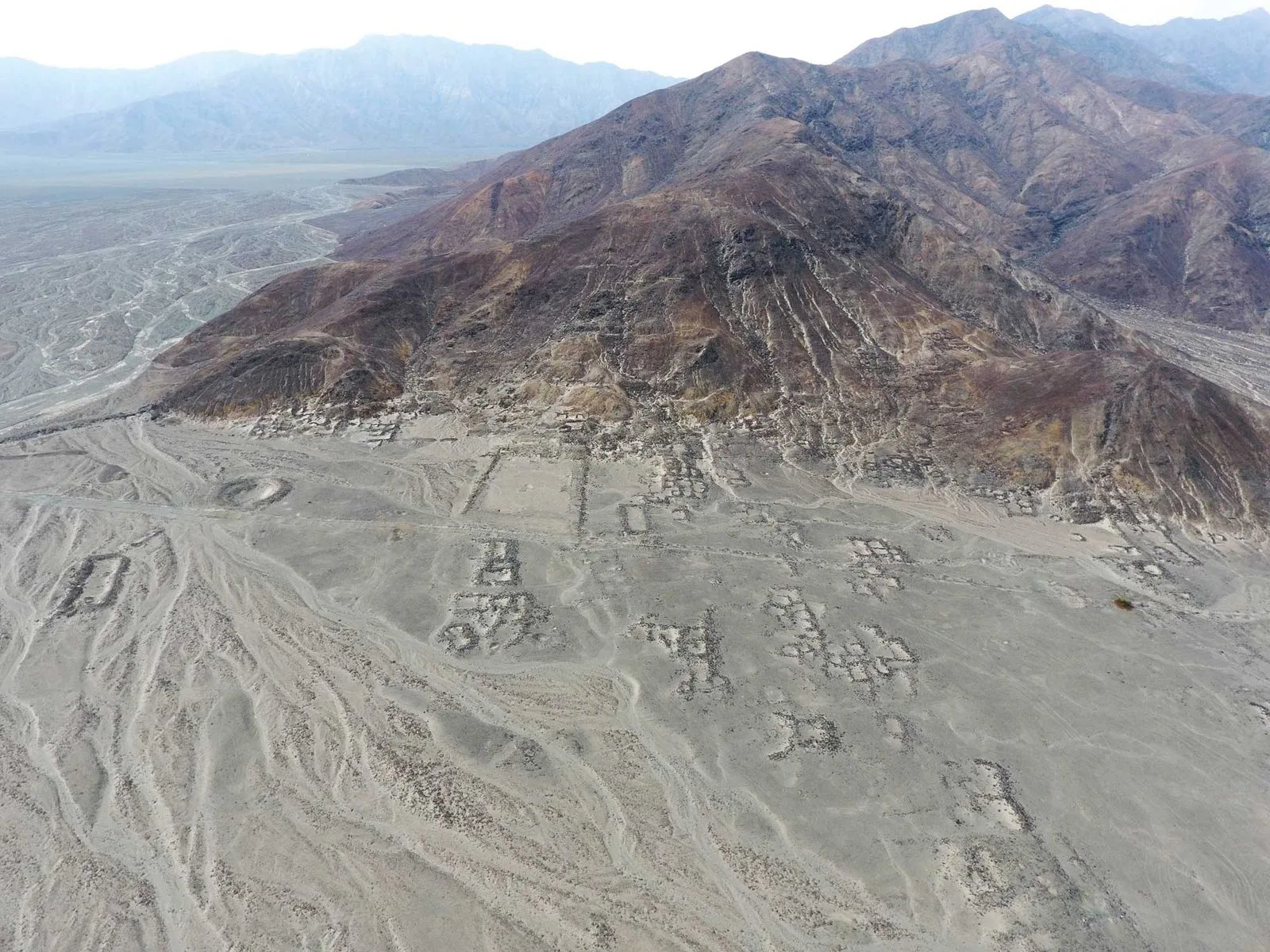
A Record El Niño Threatens More Than 10,000 Adobe Heritage Sites on Peru’s Coast
With a possibly record-breaking El Niño under way, Peru's coastal adobe heritage...
 illustrarch Editoral Team2 Mins read
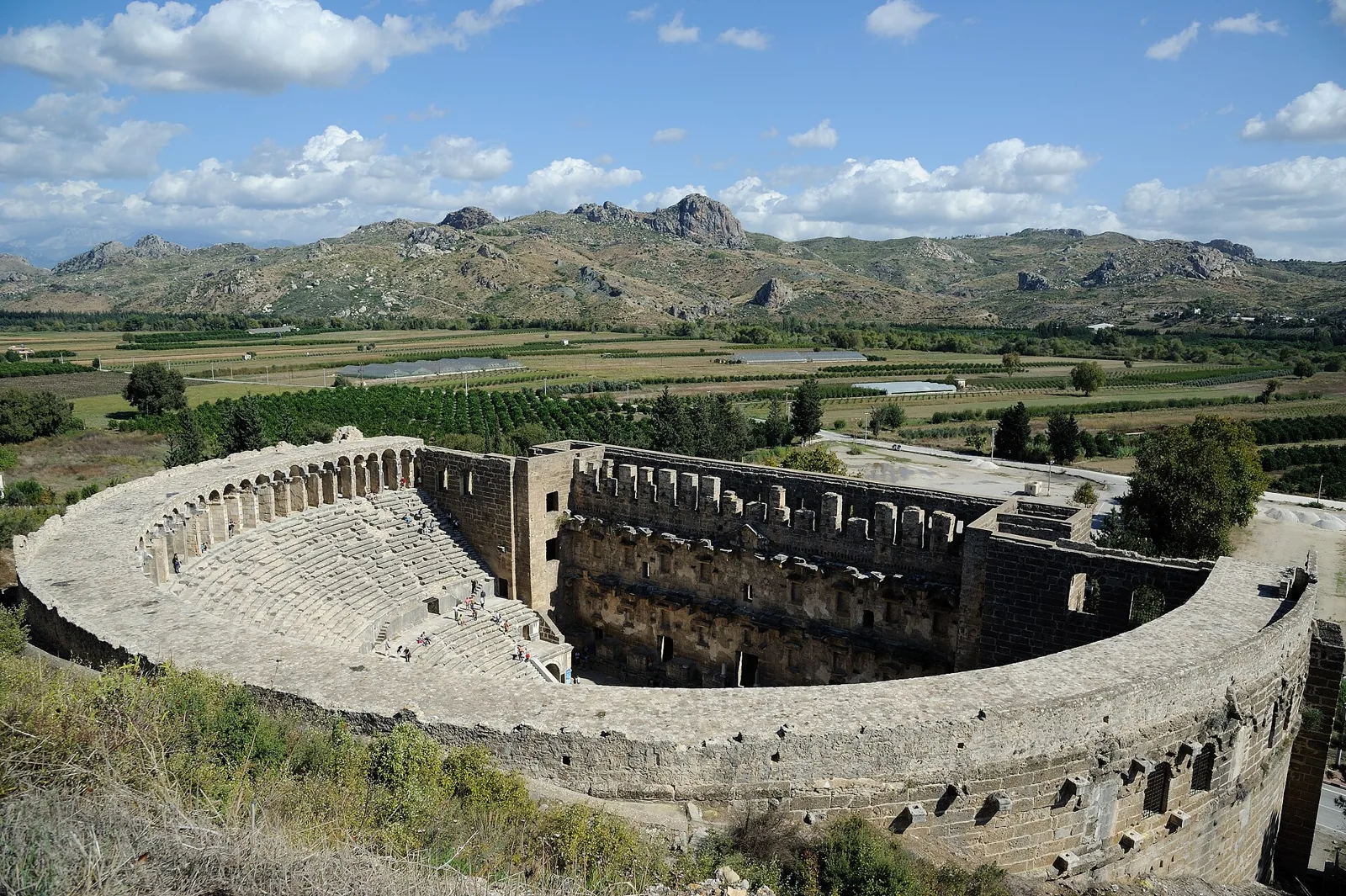
Aspendos Excavation Uncovers 6,000-Year-Old Settlement Traces Near Antalya
Digs beneath Aspendos shop floors turned up Chalcolithic pottery and tools, pushing...
illustrarch Editoral Team2 Mins read
Relocated Maya Structures at Mexico’s Balam Tun Memory Park Face Legal Challenge
INAH archaeologists have filed a complaint against 26 officials over Balam Tun...
illustrarch Editoral Team2 Mins read
Allies and Morrison Win Approval to Restore Barbican Sculpture Court
City of London Corporation approves Allies and Morrison's plan to restore the...
illustrarch Editoral Team2 Mins read


Leave a comment