

Ancient Iran: Cities, Empires, and the Foundations of Urban Life
Iran is one of the world’s oldest continuously inhabited regions, where early settlements, imperial capitals, and advanced urban systems shaped the foundations of civilization. From prehistoric cities like Shahr-i Sokhta to imperial centers such as Persepolis and Susa, ancient Iran reveals how architecture, governance, and culture evolved together over thousands of years.
 Elif Ayse Sen16 January 20264 Mins read255
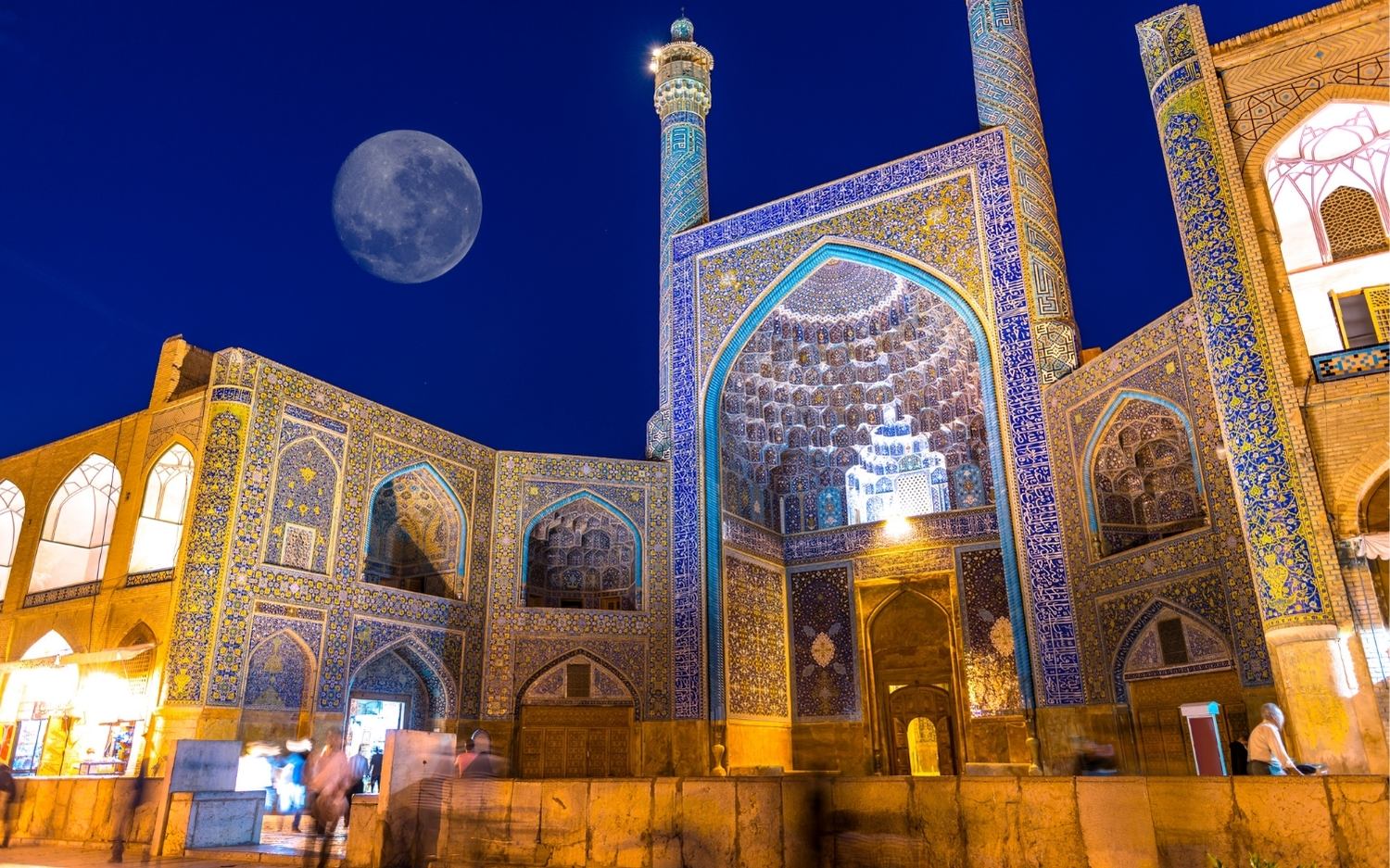
Table of Contents Show
Iran stands among the world’s oldest continuously inhabited regions, with evidence of organized human settlement stretching back more than seven thousand years. Long before the rise of classical Greece or imperial Rome, communities across the Iranian plateau were already developing agriculture, trade networks, social hierarchies, and architectural traditions. Iran’s unique geography, positioned between Mesopotamia, Central Asia, South Asia, and the Mediterranean, allowed it to function as a cultural bridge, absorbing and transforming influences from surrounding civilizations. Rather than a single cultural lineage, ancient Iran represents a layered historical landscape shaped by successive societies, languages, and belief systems. From early mud-brick settlements to monumental stone capitals, Iranian cities evolved continuously rather than disappearing entirely, allowing urban knowledge to accumulate over millennia. This long continuity makes Iran not only a center of ancient civilization, but also a living archive of humanity’s earliest experiments in urban life, governance, and architectural expression.
The Cradle of Urban Development: Early Settlements
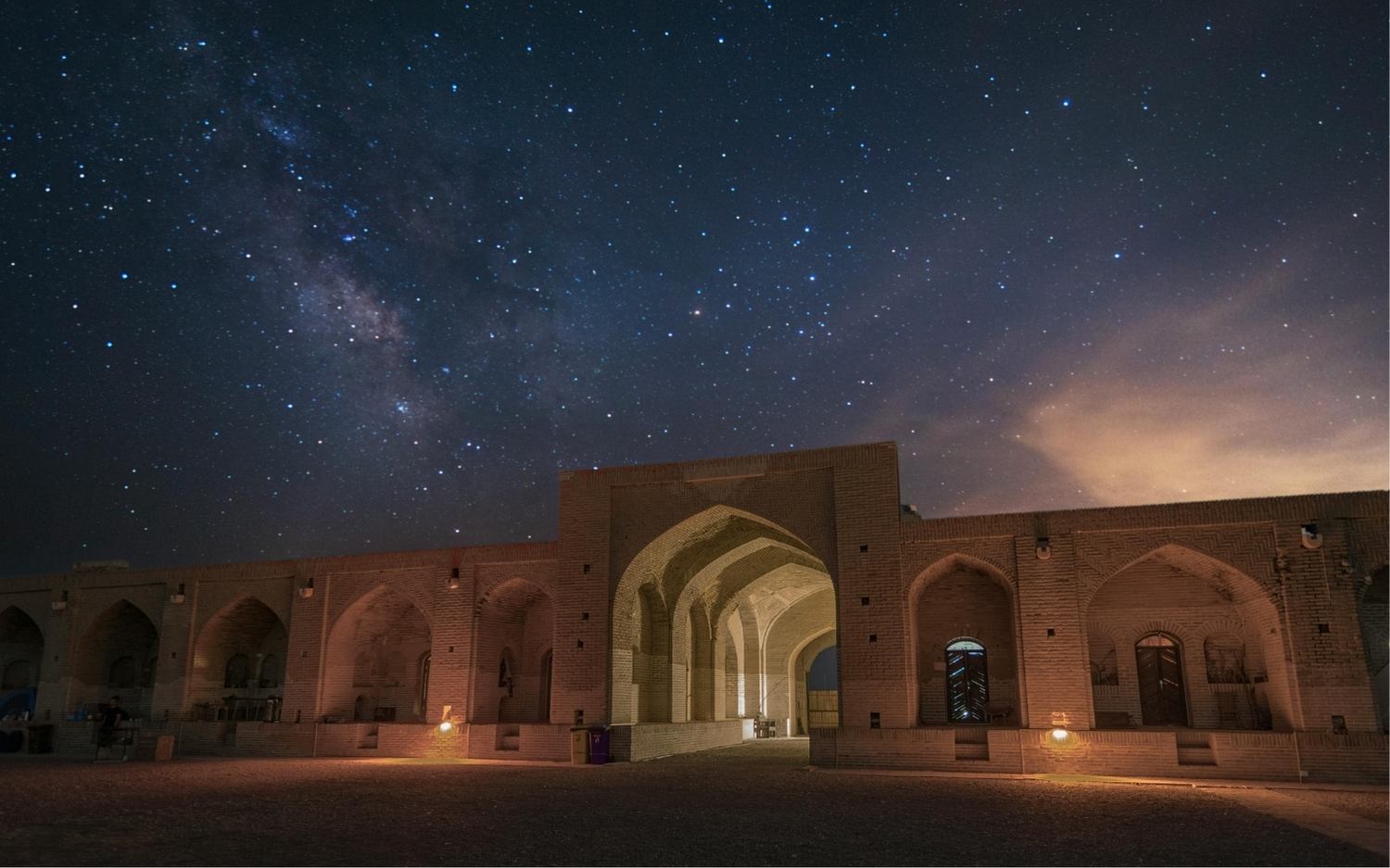
Some of the earliest examples of planned urban life emerged within what is now modern Iran, particularly during the Bronze Age. Sites such as Shahr-i Sokhta, known as the Burnt City, reveal a surprisingly advanced level of social and spatial organization as early as the third millennium BC. Archaeological evidence shows structured neighborhoods, workshops, burial grounds, and early infrastructure systems, suggesting a complex society with defined economic roles. Beyond Shahr-i Sokhta, settlements across regions like the Zagros Mountains and the Iranian plateau demonstrate early experimentation with water management, trade routes, and communal planning. These prehistoric cities were not isolated villages but interconnected hubs that participated in regional exchange networks spanning Mesopotamia and Central Asia. Their urban forms reflect adaptation to harsh climates, reliance on local materials, and collective problem-solving, principles that would later define Persian architecture. These early settlements laid the groundwork for Iran’s later imperial cities.

The Heart of Persian Empire
Iran became the political and cultural core of several powerful empires that reshaped the ancient world, most notably the Achaemenid, Parthian, and Sasanian dynasties. Unlike many ancient empires centered on a single city, Persian rule relied on a network of strategically planned urban centers connected by roads, administrative systems, and standardized governance. The Achaemenids introduced advanced models of imperial management, allowing diverse cultures, languages, and religions to coexist within a unified political framework. Cities functioned not only as seats of power but as symbols of imperial order and cosmopolitan identity. Under the Parthians and Sasanians, Iranian urbanism continued to evolve, incorporating monumental palaces, ceremonial axes, and sophisticated infrastructure. These empires transformed Iran into a laboratory of large-scale urban planning, where architecture served diplomacy, authority, and cultural integration, principles that influenced later Islamic and European governance models.
Iconic Ancient Cities
Iran’s ancient cities stand as physical records of evolving political power, cultural exchange, and architectural ambition. Rather than growing organically alone, many of these cities were consciously planned to communicate authority, sacred order, and imperial stability.
Persepolis
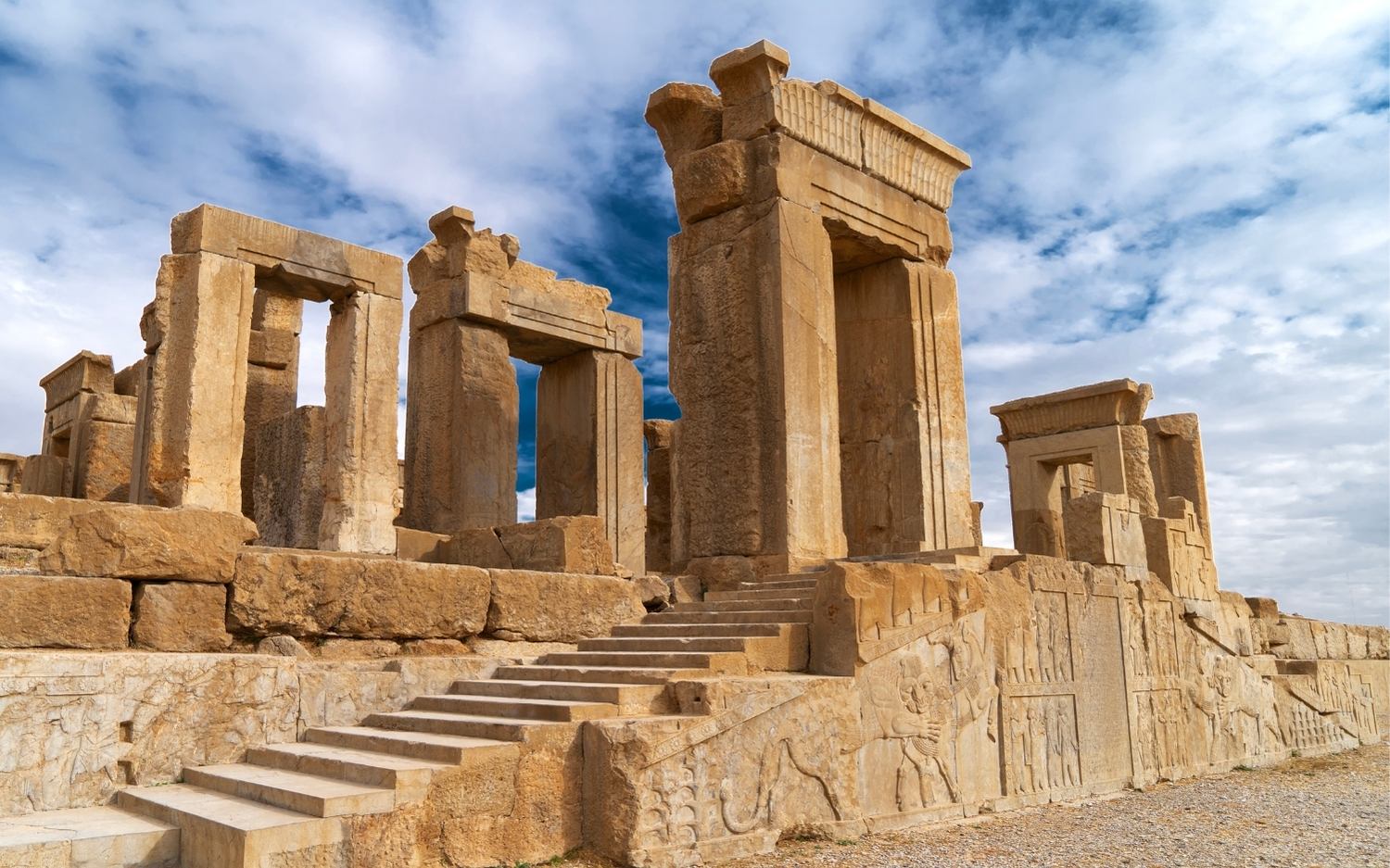
Persepolis stands as the most iconic symbol of Achaemenid imperial architecture and ambition. Founded by Darius I around 518 BC, it functioned as a ceremonial capital rather than an administrative city, hosting royal rituals and diplomatic gatherings. The city’s elevated terrace, monumental staircases, and finely carved stone reliefs communicate a carefully constructed image of unity and power. Delegations from across the empire are depicted bringing tribute, emphasizing the multicultural nature of Persian rule. Architecturally, Persepolis combines precision stone construction with spatial choreography, guiding movement through courtyards, halls, and palaces. Its most famous structure, the Apadana, exemplifies large-scale columned halls unmatched in the ancient world. Though partially destroyed, Persepolis continues to influence architectural thinking through its emphasis on symbolism, procession, and monumental scale, qualities that defined imperial architecture for centuries.

Pasargadae
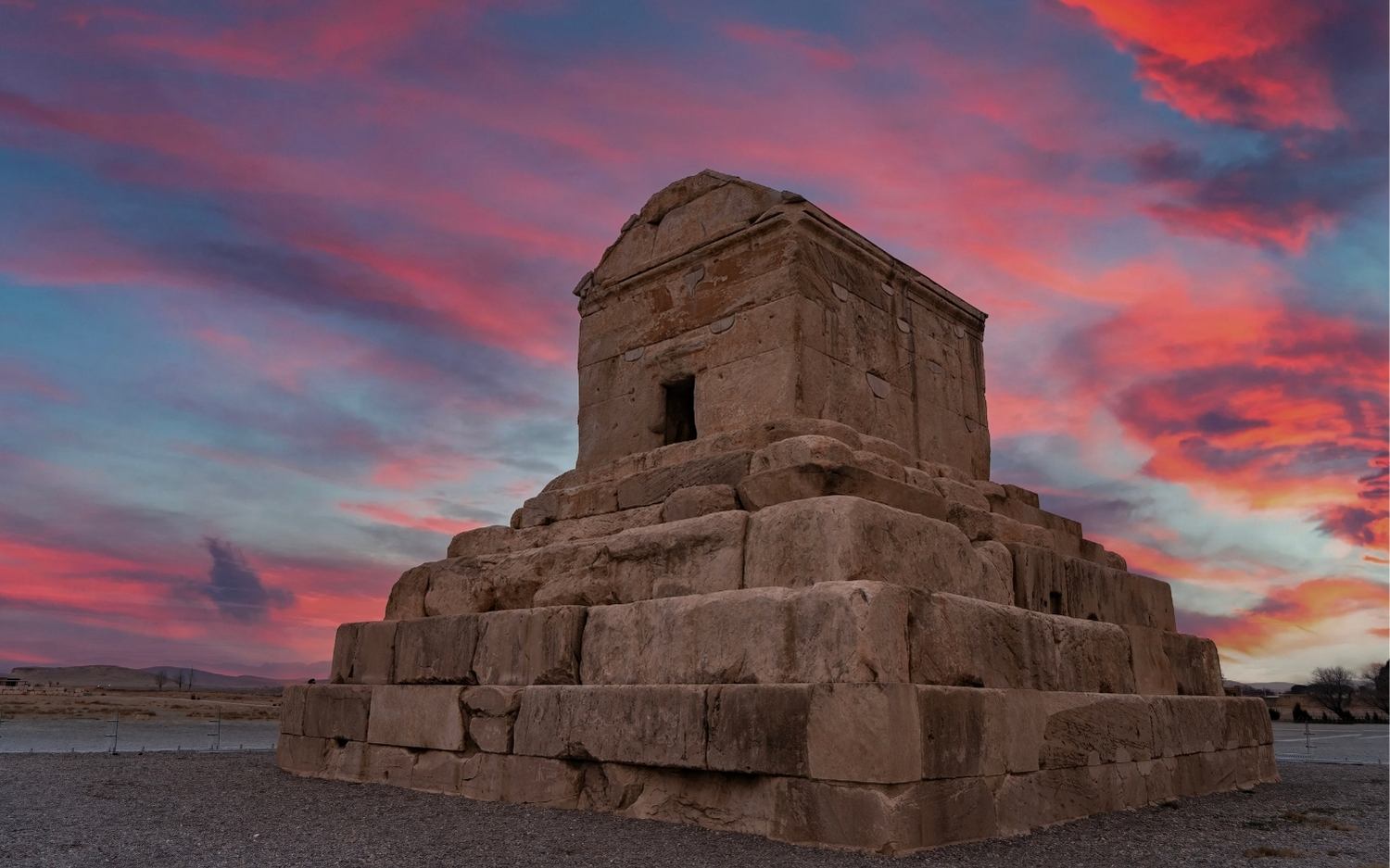
Pasargadae represents a different vision of power, one rooted in restraint, balance, and innovation. Founded by Cyrus the Great, the city served as the first capital of the Achaemenid Empire and reflects a formative moment in Persian statecraft. Unlike the dense monumentality of Persepolis, Pasargadae features dispersed palaces set within an open landscape, suggesting an early understanding of garden-based urban planning. The site is widely associated with the earliest known example of the Persian garden, a geometric arrangement symbolizing harmony between nature and authority. At its heart stands the Tomb of Cyrus, a modest yet powerful structure that contrasts sharply with later imperial extravagance. Pasargadae’s architectural language emphasizes clarity, proportion, and symbolic simplicity, revealing how Persian identity was shaped not only by conquest but by philosophical ideas of justice, order, and respect for diverse cultures.
Susa
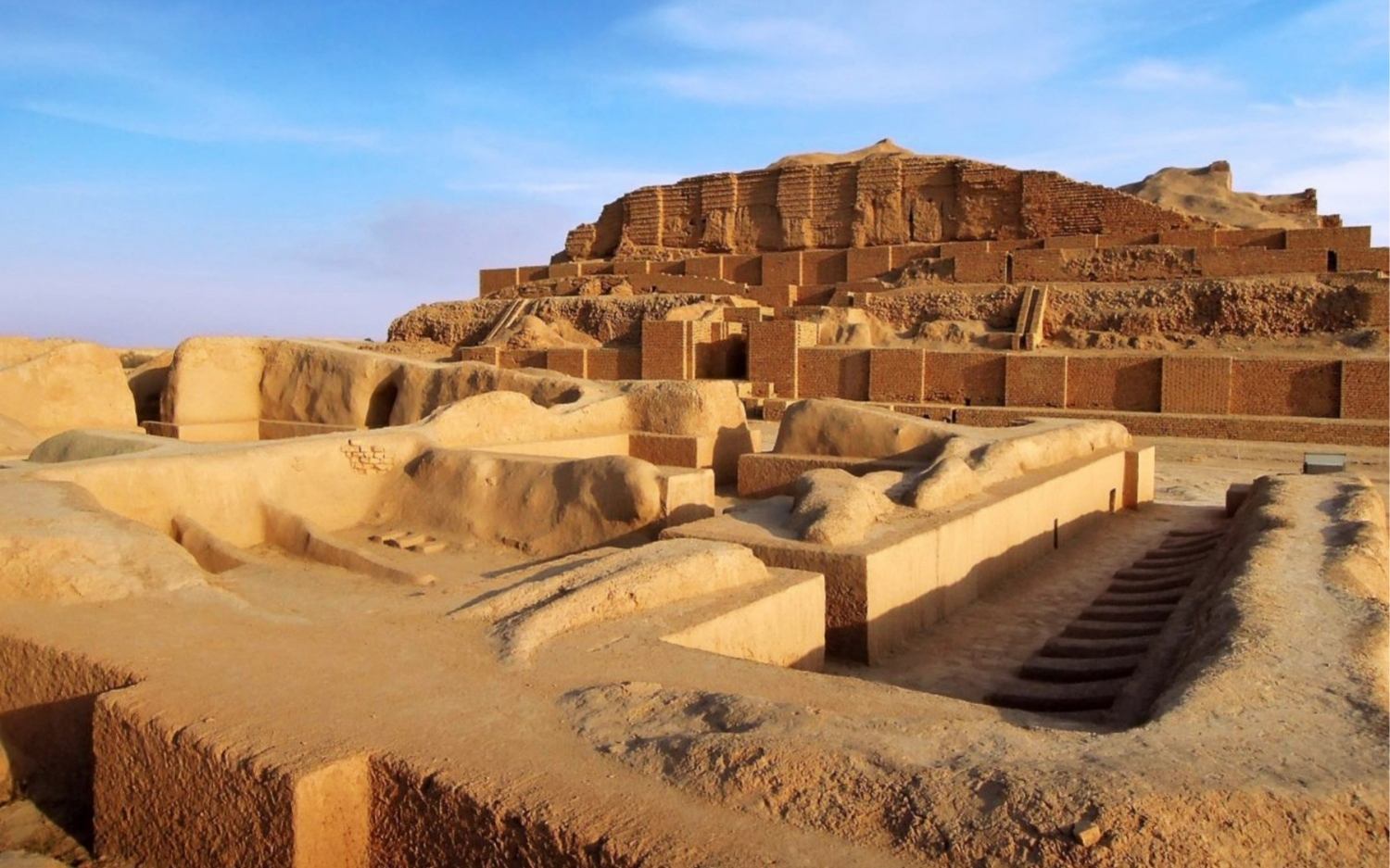
With origins dating back to around 4400 BC, Susa is one of the oldest continuously occupied cities in the world. Long before Persian dominance, it served as a major center of the Elamite civilization, later becoming a key administrative capital under the Achaemenids. Its longevity reflects strategic location, fertile surroundings, and political adaptability. Susa functioned as a crossroads between Mesopotamia and the Iranian plateau, facilitating cultural and economic exchange. Archaeological remains reveal layered histories, including palaces, administrative buildings, and religious structures from multiple periods. Unlike purpose-built capitals, Susa evolved organically while adapting to imperial demands. This combination of continuity and transformation makes it a unique case study in ancient urban resilience. Susa demonstrates how cities survive not by remaining static, but by absorbing new powers, cultures, and architectural forms over thousands of years.
The Legacy of Ancient Iran
The influence of ancient Iranian cities extends far beyond their physical remains. Persian concepts of governance, tolerance, infrastructure, and urban planning shaped later empires from the Islamic world to Europe. Architectural ideas such as axial planning, ceremonial spaces, and landscape integration found echoes in later palaces, gardens, and cities. Systems of administration, road networks, and standardized laws introduced under Persian rule informed future models of empire. Culturally, Iranian cities became centers of art, craftsmanship, and intellectual exchange. Their legacy lies not only in stone ruins but in enduring ideas about how cities can express identity, power, and coexistence. Ancient Iran helped define what a city could represent, not merely a settlement, but a reflection of civilization itself.





Restorers Uncover 16th-Century Murals Hidden by Nuns in Villa Silvestri Rivaldi
Conservators in Rome are uncovering 16th-century murals hidden for 300 years inside...
 illustrarch Editoral Team3 Mins read
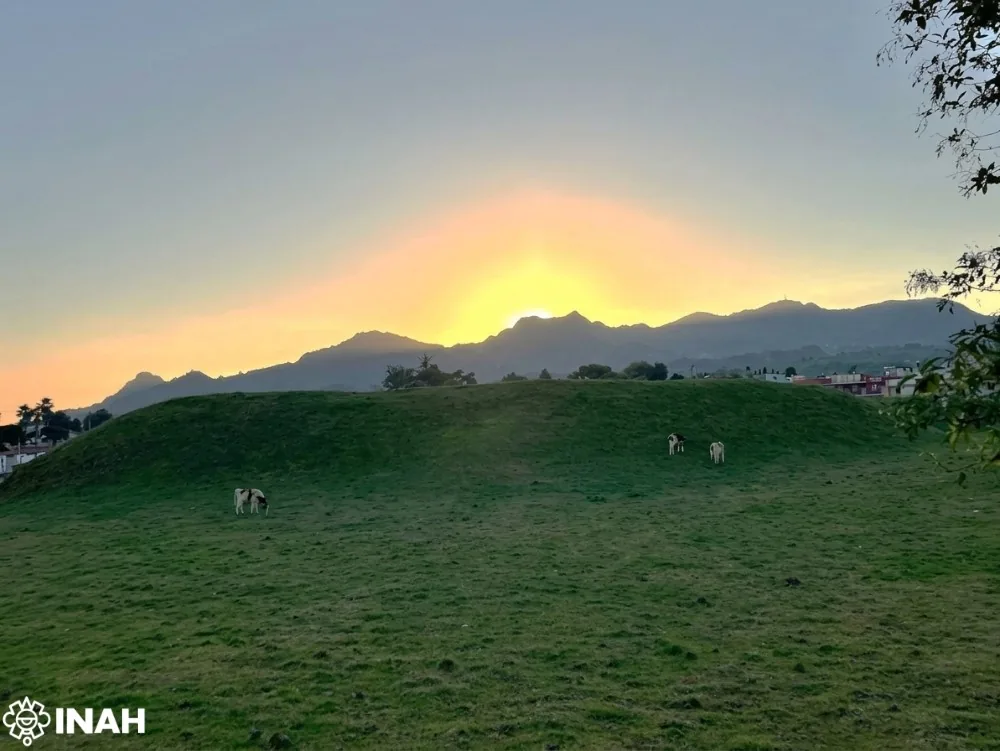
A 2,500-Year-Old Solar Observatory in Puebla Is the First Group E Complex Found Outside the Maya Area
Archaeologists working for Mexico's INAH have confirmed that two platforms at Teteles...
illustrarch Editoral Team2 Mins read

Donald Insall, the Conservation Architect Who Led Windsor Castle’s Restoration, Dies at 100
Donald Insall, the British architect who turned conservation into a planning discipline...
illustrarch Editoral Team2 Mins read
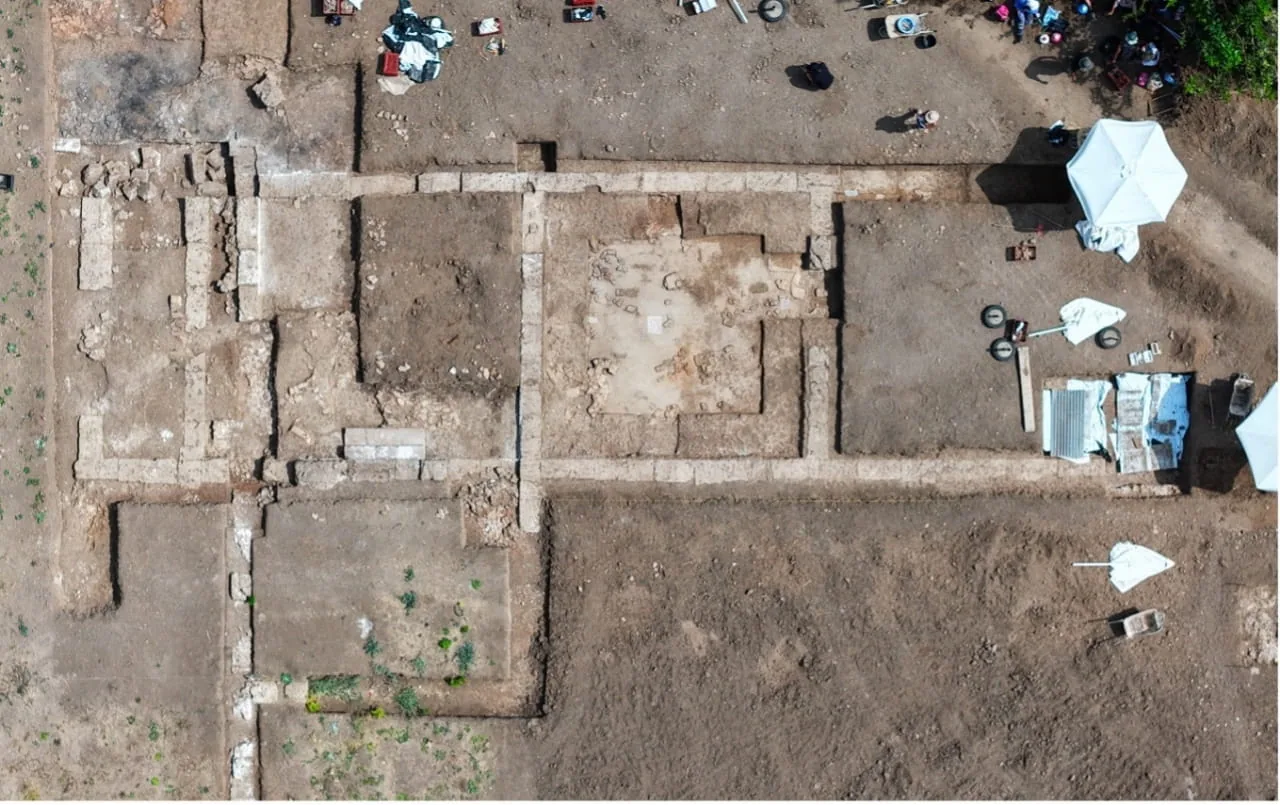
New Digging Season at the Mieza Gymnasium Uncovers Alexander’s School Complex
New digs at Mieza uncover teaching halls and mosaic banquet rooms at...
illustrarch Editoral Team2 Mins read


Leave a comment