

Architectural Technology and Design: How Modern Tools Are Reshaping Buildings
Architectural technology and design are reshaping how buildings are imagined and built. This guide covers BIM, parametric modeling, AI workflows, 3D printing, and smart building systems with practical insights for architects and students.
 Furkan Sen29 April 20269 Mins read171
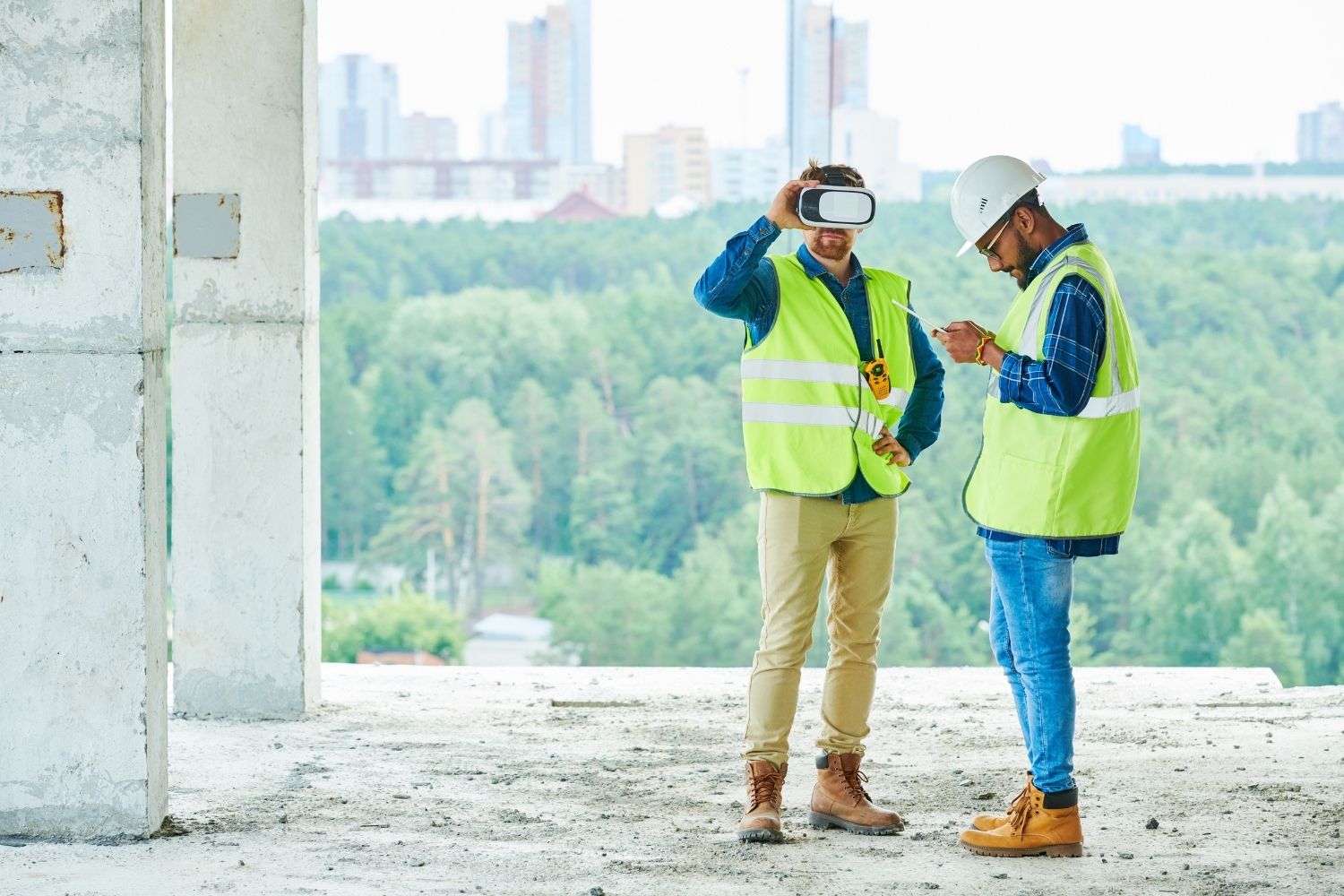
Table of Contents Show
Architectural technology and design refers to the use of digital tools, data-driven workflows, and emerging fabrication methods to plan, model, and construct buildings. It blends software such as BIM and parametric platforms with hardware like 3D printers, drones, and sensors, allowing architects to design with greater precision, coordinate with other disciplines in real time, and build structures that were impractical a generation ago.
Walk into any architecture studio today and you will find fewer drafting tables than laptops, VR headsets, and tablets running Rhino, Revit, or Grasshopper. The shift is not cosmetic. Technology has changed what architects can model, how they coordinate with engineers, how they rehearse a building before it exists, and how they measure its performance after it opens. This article covers the tools, workflows, and real project outcomes that define architectural technology and design today, with a focus on what actually matters on the drafting screen and on site.
What Is Architectural Technology?
Architectural technology is the discipline that connects design intent with the physical realities of construction. It covers building science, materials, structural logic, environmental performance, and the digital tools used to document and coordinate all of it. Where traditional architectural practice focuses on form and space, architectural technology focuses on how those ideas get built, measured, and maintained.
In day-to-day work, this means an architectural technologist might detail a curtain wall connection, run a thermal simulation on a facade, coordinate a BIM model with the structural engineer, or specify materials based on embodied carbon data. The role sits between pure design and construction management, and it has expanded quickly as buildings have become more complex and performance-driven.
💡 Pro Tip
When setting up a new project file in Revit or ArchiCAD, spend the first day configuring shared parameters, view templates, and title blocks before modeling a single wall. Teams that skip this step almost always pay for it later in cleanup work, especially when consultants start exchanging models mid-project.
How Has Technology Changed Architecture and Design?
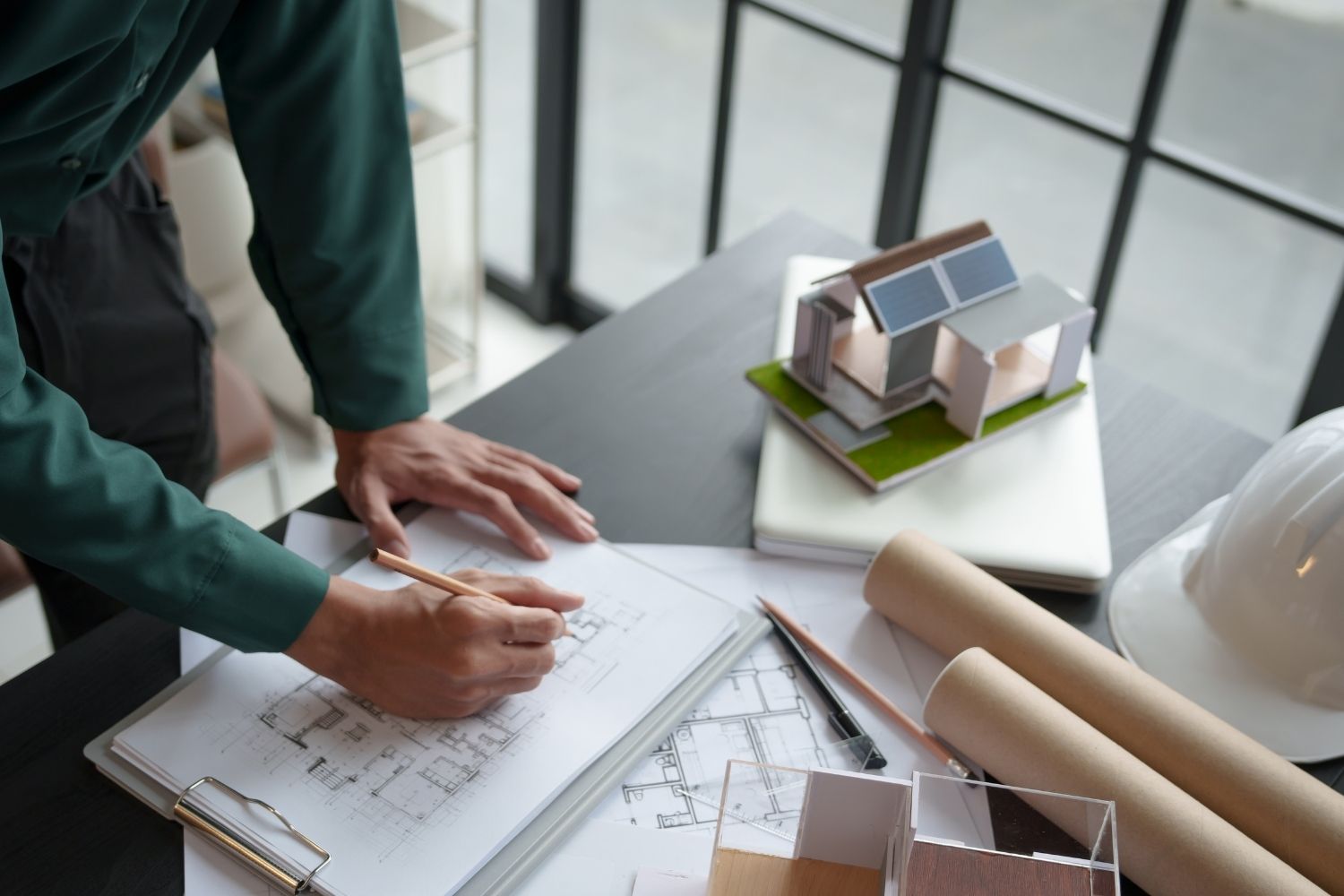
The most visible change is speed. A facade study that once took a week of hand drawings can be generated, tested against sunlight and wind, and re-generated in an afternoon using parametric scripts. The deeper change is integration. Drawings, specifications, cost estimates, and performance analyses used to live in separate files maintained by separate people. Today they increasingly live inside a single coordinated model.
The industry’s productivity numbers tell the story of why this matters. According to McKinsey research, large construction projects typically run 20% longer than scheduled and 80% over budget, and construction-sector productivity has barely moved since 2000 while manufacturing productivity has surged. Digital transformation in construction can yield productivity gains of 14 to 15% and cost reductions of 4 to 6%, which is why firms are investing heavily in the role of technology in architecture.
From Drafting Tables to Digital Models
CAD software replaced hand drafting in most firms by the late 1990s, turning the drawing itself into a computable object rather than a paper document. BIM platforms went further by attaching data to every element in the drawing, so a wall is not just a line but an object with thickness, material, fire rating, and cost. This is the foundation of technology in architecture as it exists today. Tools like AutoCAD, Rhino, Revit, and SketchUp have become essential features in architectural programs around the globe, according to illustrarch’s coverage of modern technologies in architectural education.
Building Information Modeling (BIM): The Backbone of Modern Practic

Building Information Modeling is the most significant shift in architectural and building sciences technology in the past three decades. BIM is not software. It is a process for creating and managing a coordinated, data-rich digital representation of a building across its full lifecycle, from planning and design through construction and operations, as defined by Autodesk’s BIM overview.
In practice, BIM lets architects, structural engineers, MEP consultants, and contractors work from a shared model. A change to a window width updates the elevation, the schedule, the energy model, and the cost estimate simultaneously. That coordination reduces the rework that has historically plagued construction projects. For example, engineers working on China Zun Tower in Beijing reduced change orders by 80% compared to similar projects by using clash detection during design.
🔢 Quick Numbers
- Large construction projects run 20% longer than scheduled and 80% over budget on average (McKinsey & Company, 2020)
- Digital transformation in construction can deliver productivity gains of 14 to 15% and cost reductions of 4 to 6% (McKinsey Global Institute)
- An estimated 50 billion dollars was invested in AEC technology between 2020 and 2022, 85% higher than the previous three years (McKinsey, 2023)
BIM Standards and Interoperability
BIM’s real value depends on data moving cleanly between different software platforms. Two international standards govern this. The Industry Foundation Classes (IFC) schema, maintained by buildingSMART International, is an open, vendor-neutral data format recognized as ISO 16739-1:2024. The ISO 19650 series, launched in 2018 and built on earlier UK standards, defines how information should be managed across a project’s lifecycle.
For a deeper look at how BIM shapes daily practice, illustrarch has a focused guide on the role of BIM technology in modern architecture, covering workflow impacts, sustainability integration, and implementation challenges.
Parametric and Computational Design
Parametric design flips the traditional design process. Instead of drawing a finished shape, the architect defines a set of rules and variables, and the software generates the form. Change one input, such as solar exposure or a structural span, and the entire design updates automatically. This approach is at the core of architectural design and construction technology in contemporary practice.
The dominant ecosystem is Rhinoceros 3D paired with Grasshopper, which provides a visual scripting environment for algorithmic modeling. Other platforms include Autodesk Dynamo (integrated with Revit), Houdini for procedural modeling, and Generative Components by Bentley Systems. These tools let architects connect geometry directly to data, so a facade can be optimized for daylight and view angles simultaneously rather than drawn by hand and checked afterward.
🎓 Expert Insight
“Architecture should speak of its time and place, but yearn for timelessness.”, Frank Gehry
Gehry’s studio famously adapted aerospace software (CATIA) in the 1990s to build complex forms like the Guggenheim Bilbao. That early move set a template for how architects now use computational tools to reconcile expressive form with buildable reality.
For readers who want a full primer on the approach, illustrarch has a detailed entry on what parametric architecture is, including its origins with figures like Antoni Gaudí and Frei Otto and its contemporary use in facade optimization and structural efficiency.
Artificial Intelligence in Architectural Workflows
AI has moved from a research topic to a daily part of many architects’ workflows. The applications split into a few categories: concept generation, parametric and generative design, visualization and rendering, and BIM documentation. Tools like Midjourney and Stable Diffusion help architects explore material palettes and styles in minutes during early stages, while specialized platforms such as Spacemaker apply AI to urban planning by analyzing sunlight, noise, and wind data for proposed sites.
The promise is not that AI replaces design judgment. It is that AI absorbs repetitive work, such as zoning summaries, specification drafting, and early massing iterations, freeing architects to focus on spatial decisions. Architects interested in the broader landscape can look at illustrarch’s review of the best AI tools for architects covering concept, rendering, and BIM workflows.
Generative Design and Optimization
Generative design uses algorithms to produce a wide range of design options based on defined goals and constraints. An architect might set targets for floor area, daylight access, cost per square meter, and structural efficiency, and the software returns dozens or hundreds of layouts that meet those criteria. The architect then filters and refines rather than drafting each option manually.
Visualization: VR, AR, and AI Rendering
Visualization used to end with a rendering. Today it often begins with an immersive walkthrough. Virtual reality headsets like Oculus and HTC Vive let clients and design teams walk through a building before a single foundation is poured, identifying issues with sightlines, ceiling heights, and spatial feel that static drawings miss. Augmented reality overlays proposed changes onto the physical world on site, which is particularly useful for renovations and adaptive reuse.
AI rendering tools have compressed what used to be days of manual lighting, texturing, and post-production into minutes. Architects can now generate dozens of material and lighting variations from a single base model, making the review process more iterative and less precious. illustrarch covers this shift in depth in its guide to AI architectural rendering tools.
🏗️ Real-World Example
Randselva Bridge (Norway, 2024): This bridge, roughly 634 meters long, was designed and built entirely from BIM models with no traditional 2D drawings. The project involved more than 50 disciplines producing over 350 unique IFC files and 3,500 versions, demonstrating that pure model-based delivery is viable at infrastructure scale, according to buildingSMART International.
3D Printing and Digital Fabrication
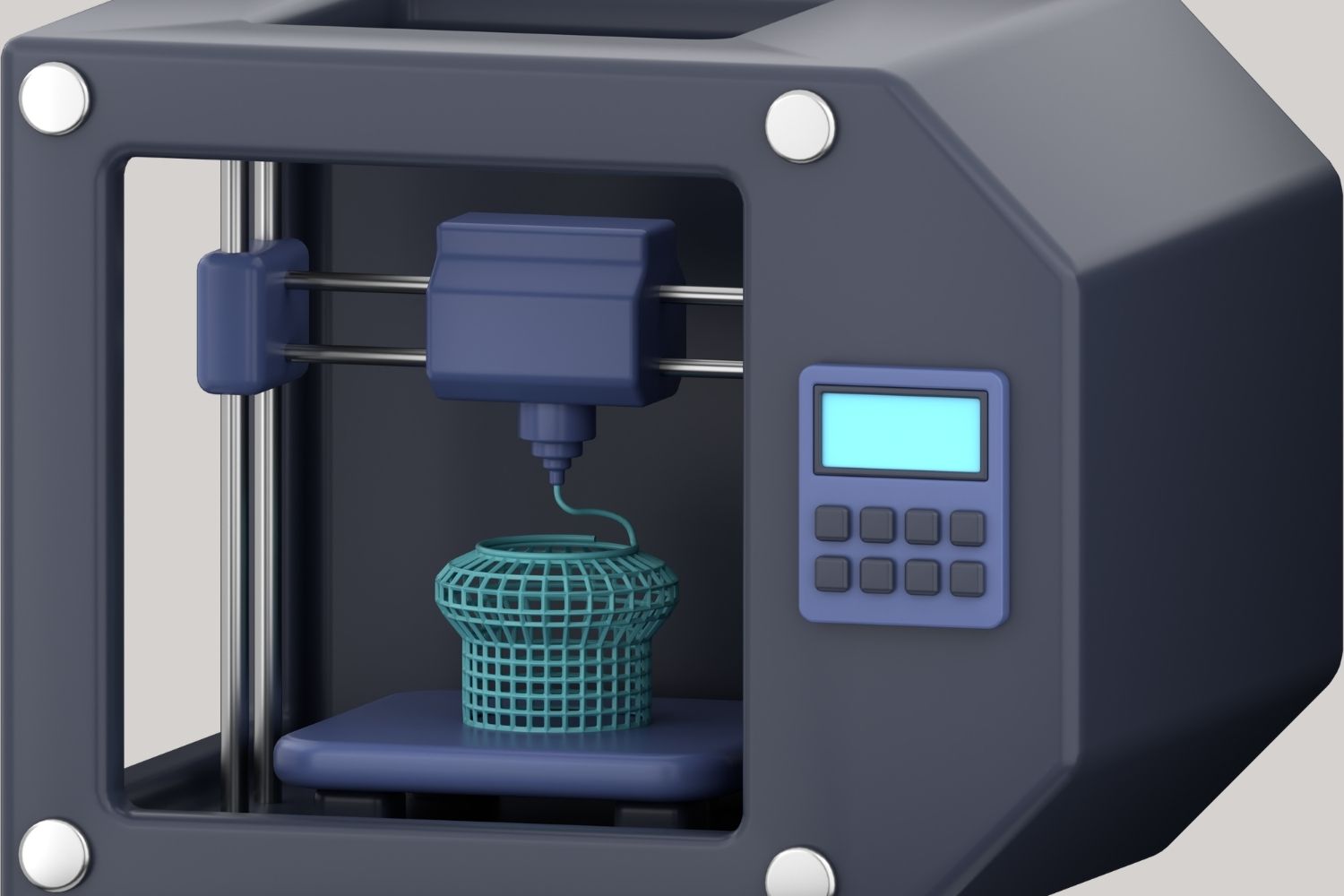
3D printing, or additive manufacturing, has moved beyond scale models. It is now used for building components and entire structures. The 3D printing construction market is expected to grow at a CAGR of more than 50% from 2024 to 2030 according to industry analysts, driven by demand for faster, less wasteful construction. Habitat for Humanity completed its first 3D-printed house in Virginia in 2021, with nearly 80% of the structure produced through additive manufacturing.
Digital fabrication also includes CNC milling, robotic assembly, and mass-customized prefabrication. These methods allow architects to specify complex, variable geometries that would be prohibitively expensive with traditional construction. The market for construction robots alone is projected to reach roughly 359 million dollars by 2031, according to industry research.
📐 Technical Note
Interoperability between BIM platforms is governed by IFC (ISO 16739-1:2024), an open, vendor-neutral data schema maintained by buildingSMART International. Information management across the project lifecycle is governed by the ISO 19650 series, which defines roles, deliverables, and common data environment (CDE) practices. These two standards form the basis of openBIM workflows and are increasingly required on public projects in the EU, UK, and parts of Asia.
Smart Buildings and IoT Integration
Once a building is occupied, technology keeps working. Internet of Things (IoT) sensors monitor occupancy, temperature, air quality, and energy use in real time. Building management systems analyze that data to adjust lighting, ventilation, and climate control automatically, saving energy without sacrificing comfort. Smart materials, such as electrochromic glass that self-tints in direct sun, extend this responsiveness to the building envelope itself.
This is where architectural technology and design merge with facility management. The model created during design becomes a living digital twin during operations, pulling in sensor data and letting owners run simulations of retrofits or maintenance scenarios before acting.
What Are the Benefits of Technology in Architecture?

The case for integrating technology in architecture comes down to four measurable outcomes: better coordination, faster iteration, fewer errors, and lower lifecycle cost. BIM’s clash detection catches conflicts between structure and ducting before concrete is poured. Parametric tools test dozens of design variations in the time a hand-drawn study takes to produce one. AI rendering compresses visualization timelines. IoT and digital twins extend that data usefulness into operations.
There are real limits. These tools require training, hardware, and disciplined file management. The 2024 McKinsey data shows that 70% of contractors reported no formal technology roadmap, and nearly two-thirds cited uncertain payback periods as their main concern. Technology does not solve poor design, and over-reliance on generative tools can produce homogeneous work that lacks cultural or contextual grounding. The firms getting the most out of technology treat it as an aid to judgment, not a replacement for it.
Sustainability and Performance Analysis
Technology has made performance-based design the default. Daylighting analysis, thermal simulation, and whole-building energy modeling are now standard in most mid-size and large practices. Architects can test how a window shade will perform on a July afternoon in Istanbul before committing to the design. illustrarch covers the intersection of these tools with sustainable practice in its overview of architecture of the future, which explores smart buildings, biophilic design, and modular construction.
Challenges and Common Misconceptions
Adopting these tools is harder than the marketing suggests. Training curves are real, software licenses are expensive, and legacy file formats complicate collaboration with smaller firms or international consultants. Data security is another growing concern as more project information moves to cloud-based common data environments.
⚠️ Common Mistake to Avoid
Many firms equate “doing BIM” with “using Revit.” They are not the same thing. BIM is a process for managing coordinated, data-rich information across a project’s lifecycle. Revit is one software platform that supports that process. A firm can use Revit and still produce uncoordinated drawings with no useful data attached, and it can achieve strong BIM outcomes using a mix of other tools. Focus on the process and standards first, then pick software that fits.
The Future of Architectural Technology and Design
The clearest trends are AI-assisted automation of documentation work, deeper integration between design models and construction robotics, and digital twins that connect design intent to operational data for decades after handover. Cloud-based collaboration is erasing the distinction between office and site, and generative tools are compressing the gap between concept and coordinated documentation.
For architects at any career stage, the practical takeaway is that fluency in BIM, parametric tools, and at least one visualization platform has moved from optional to expected. Firms leading the shift are the ones treating technology as a core design competency rather than a production overhead. illustrarch tracks this evolving landscape through its coverage of the future of architecture and its annual roundup of the best architecture tools.
✅ Key Takeaways
- Architectural technology and design integrates digital tools, fabrication methods, and building science into a single coordinated workflow.
- BIM, governed by international standards like IFC (ISO 16739) and ISO 19650, is the foundation of modern multi-disciplinary practice.
- Parametric tools such as Rhino and Grasshopper let architects test and optimize designs against real performance criteria rather than drawing fixed outcomes.
- AI, 3D printing, and IoT extend design intent into fabrication and operations, turning buildings into continuously measurable systems.
- The real bottleneck in adoption is not software; it is process, training, and clear standards inside the firm.
Final Thoughts
Architectural technology and design is no longer a separate specialty inside the profession. It is the baseline on which most serious practice now operates. The studios producing the most interesting work, whether that is a 3D-printed housing project or a sculptural cultural building, are the ones treating tools and methods as part of the design conversation itself rather than as production details handed off at the end. For students, practitioners, and firm leaders, the question is no longer whether to invest in these workflows but where to start and how deep to go.
Technical specifications and industry data referenced in this article are based on publicly available research at the time of publishing. Software capabilities, standards, and market figures evolve quickly; architects should verify current versions and regulatory requirements for their specific jurisdiction before applying this information to a live project.







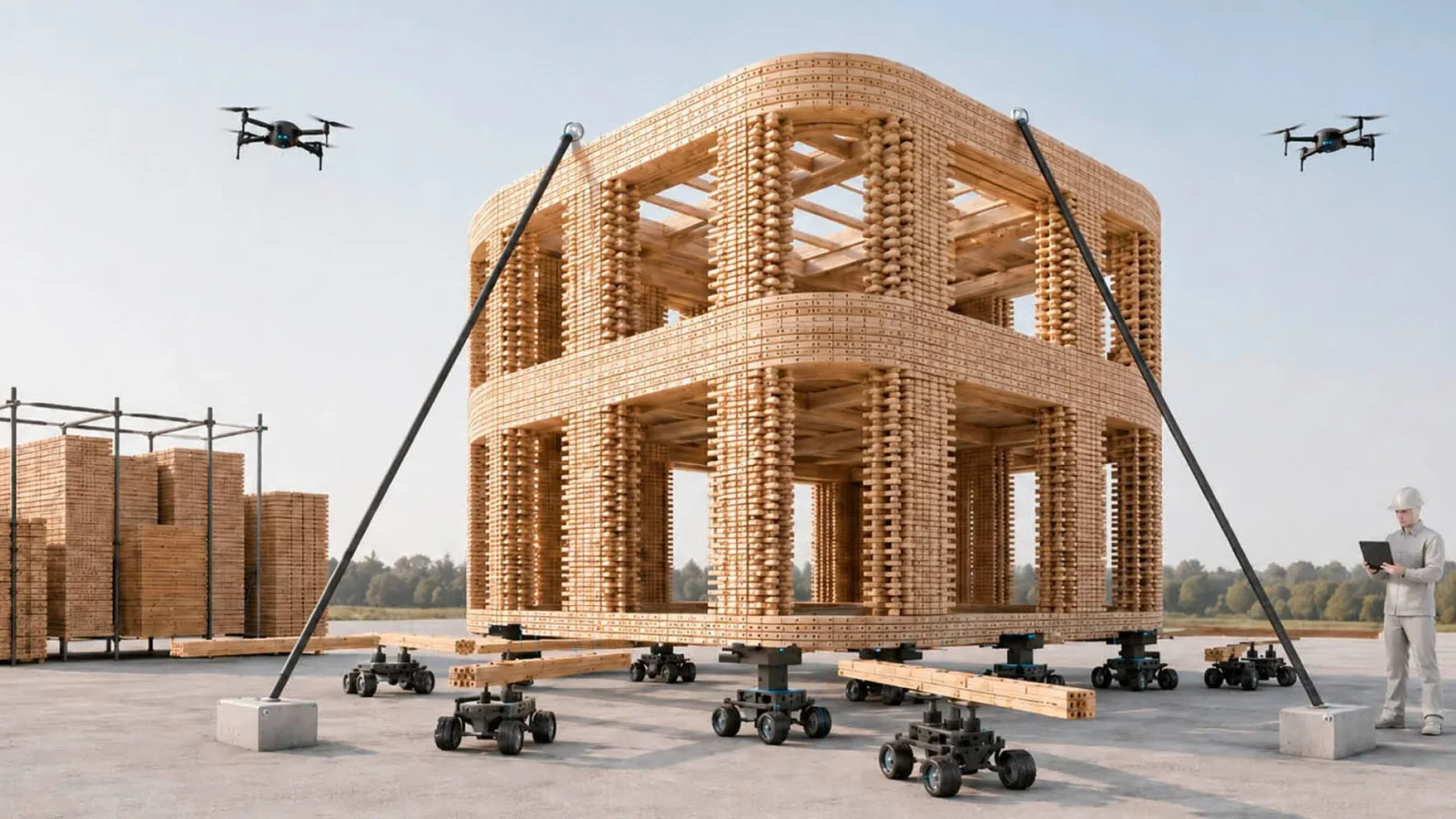
Foster + Partners to Test Robot Swarms Building Timber from the Top Down
Foster + Partners wins €4m EU grant to build robot and drone...
 illustrarch Editoral Team2 Mins read
PLNAR Review: Does AR Measurement Hold Up on a Real Site Visit?
PLNAR began as a consumer AR tape measure and now runs as...
 Sinan Ozen5 Mins read
ArchiSnapper Review: Is This Field Report App Worth It for Architects?
A hands-on look at Deltek ArchiSnapper, the mobile app built for field...
Sinan Ozen5 Mins read

Gross Internal Area and Net Internal Area: What’s the Difference?
The difference between Gross Internal Area and Net Internal Area shapes how...
Sinan Ozen5 Mins read


Leave a comment