

Essential and Global Resources for the Modern Architect
Modern architect resources: a practical toolkit spanning BIM, codes, EPDs, LCA and CDEs, real workflows and standards to design, deliver, and comply globally.
 Sinan Ozen7 December 20254 Mins read214

Table of Contents Show
Architecture moves fast, and the tools, standards, and data we rely on move even faster. To design responsibly, across time zones, climates, and delivery models, we need a dependable toolkit that spans production, performance, compliance, and collaboration. In this guide, we share essential and global resources for the modern architect, grounded in real project workflows. From BIM and parametric design to codes, EPDs, and CDEs, consider this a compact field guide you can actually use on your next deadline.
Core Design And Documentation Tools
CAD And BIM Platforms For Production
We standardize on production-ready CAD/BIM such as Revit and Archicad for building information modeling, with AutoCAD or BricsCAD for 2D details and legacy handoffs. For interdisciplinary coordination, we lean on Navisworks or Solibri for clash detection and model checking. Publishing sheets and schedules from a single source of truth keeps specs, tags, and quantities aligned, critical when teams are distributed.

Parametric, Computational, And Generative Design
For geometry and logic, Rhino + Grasshopper is still our Swiss Army knife, with Dynamo inside Revit for model-aware automation. When exploring generative options, we pair Grasshopper with plugins like Galapagos or Wallacei, and tap Python/C# scripts for custom rules. This is also where our architectural language emerges: we translate ideas into parameters, think brick coursing that tracks solar angles, timber grids that “learn” spans, or steel diagrids tuned to wind.
Visualization, Rendering, And XR Workflows
We communicate design intent with Enscape or Twinmotion for rapid iteration, and V-Ray, Corona, or Blender for high-fidelity visuals. For immersive reviews, Unreal or Unity supports VR/AR mockups, while iPad LiDAR and site scans help validate scale. We keep material and lighting libraries versioned so render outputs reflect the latest model and spec decisions.
Codes, Standards, And Regulatory Resources
International Codes, Accessibility, And Life Safety
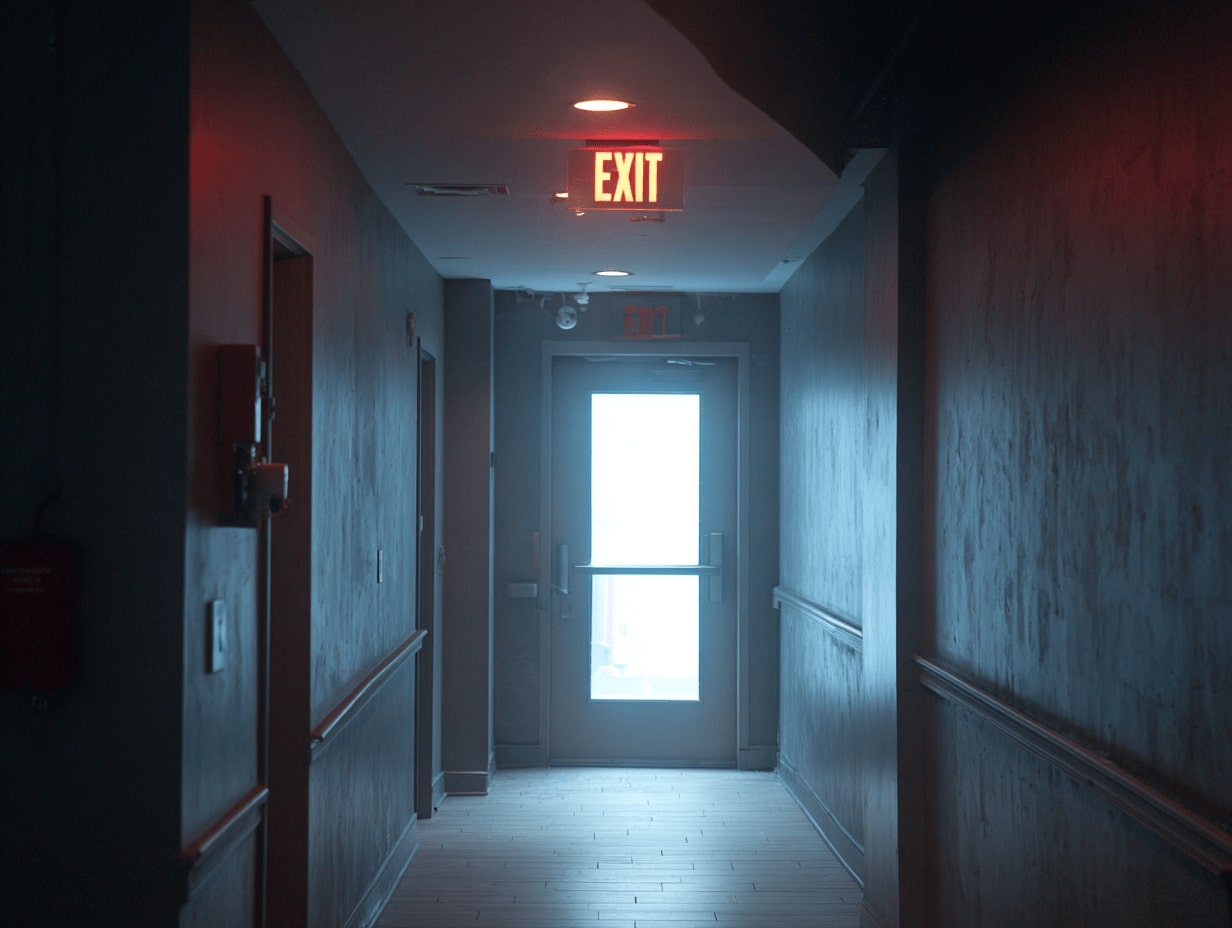
We cross-reference the International Building Code (IBC) and country-specific adoptions (e.g., UK Building Regulations, Australia NCC), plus accessibility frameworks like ADA, ISO 21542, and local equivalents. For life safety, NFPA suites (e.g., NFPA 101) and egress calculators guide occupant loads, stairs, and exit strategies, especially for mixed-use and high-rise.
Seismic, Wind, And Fire Protection Standards
For structural loads, we consult ASCE 7, Eurocode EN 1991, and regionally defined hazard maps. Seismic detailing relies on ACI/ACI 318, and wind on local wind maps or Eurocode NA. Fireproofing, compartmentation, and fire-stopping reference NFPA, EN 13501, and manufacturer listed assemblies. We capture all assumptions in a code compliance matrix early to avoid late redesign.
Zoning, Permitting, And E-Submission Portals
Early in feasibility, we check zoning portals and GIS layers for setbacks, FAR, and use classes. Many jurisdictions run e-plan systems (ProjectDox, Accela, Aconex), which dictate sheet naming, stamps, and digital seals. We prep standardized transmittals, model viewers, and code narratives so reviewers can navigate quickly, time saved is approval gained.
Materials, Specifications, And Performance Data
Global Product Libraries And Master Specifications
We rely on master specs like MasterFormat/UniFormat, NBS Chorus, and international equivalents to maintain consistent language and execution quality. Product libraries, manufacturer BIM objects, Bimobject, NBS Source, speed selection while preserving data fields for cost and sustainability.

Environmental Product Declarations And LCA Databases
For credible sustainability, we source EPDs from program operators (e.g., UL, EPD International) and run LCAs in tools like One Click LCA, Tally/EC3. We prioritize transparent data, factory-specific EPDs, and comparable functional units to avoid apples-to-oranges.
Detail Repositories, Assemblies, And Technical Sheets
We maintain detail banks for envelopes, wet areas, and fire-resistance-rated partitions, mapped to testing standards and warranty requirements. Manufacturer tech sheets and ETA/ICC-ES reports de-risk assemblies and clarify fasteners, sealants, and tolerances before they become RFIs.
Climate, Sustainability, And Simulation
Climate Files, Weather Data, And Site Analysis
We start with EPW climate files (EnergyPlus), Meteonorm, and local weather stations for design-day parameters. GIS layers (solar, wind rose, noise, flood) and on-site measurements guide massing, orientation, and envelope strategy. It’s the fastest way to align concept with physics.

Energy, Daylight, And Comfort Modeling
We use Honeybee/Ladybug, IES VE, or Sefaira to run energy and daylight studies, validating EUI targets and LEED/BREEAM credits. Radiance/Accelerad supports detailed daylight glare probability, while adaptive comfort charts check mixed-mode strategies. We iterate to balance glazing, shading, and HVAC loads early.
Embodied Carbon, Circularity, And Material Reuse
We quantify upfront carbon with EC3 or One Click LCA, compare structural schemes (steel vs. timber vs. hybrid), and prioritize low-carbon mixes, high SCM content, and reused components. Circular design means reversible assemblies, DfMA, and take-back programs, better for budgets and the planet.
Practice Management, Procurement, And Delivery
Contracts, Risk, And Project Delivery Methods
We align scope and risk using AIA, FIDIC, or NEC forms across Design-Bid-Build, CM/GC, and Design-Build. BIM execution plans and ISO 19650 information requirements clarify who models what, to what LOD/LOI, and when, so there’s no guessing at closeout.

Estimating, Quantity Takeoff, And Cost Planning
We synchronize model-based QTO (CostX, Assemble, PriMus) with live market data. Early parametric estimates (cost/m², cost/bed, cost/seat) set realistic targets: later, supplier quotes and escalation indices refine the curve. Transparent alternates help owners see value, not just price.
Construction Administration, Field Data, And Closeout
During CA, Procore, Autodesk Construction Cloud, or PlanGrid streamline RFIs, submittals, and punch. Site capture with 360 photos and LiDAR strengthens progress verification. For handover, we deliver structured asset data (COBie), O&M manuals, and final EPDs, future-proofing operations.
Collaboration, Interoperability, And Professional Growth
Cloud Collaboration, CDEs, And Version Control
We centralize models in a Common Data Environment (ACC/BIM 360, BIMcollab, Revizto, Trimble Connect) with permissions, naming conventions, and audit trails. Versioning (Git-like concepts via Speckle) protects against overwrites and accelerates design options.
Open Standards, File Exchanges, And Data Quality
Interoperability starts with IFC, BCF, and gbXML, plus translators for RVT/DWG/DGN/SKP. We validate models with Solibri or IDS rules, enforce units and classification (UniClass/OmniClass), and document exchange schemas, because clean data saves everyone’s weekend.

Continuing Education, Licensure, And Global Mobility
We track CEUs with AIA/RIBA systems, study guides for ARE/ARB/NCARB, and reciprocity pathways for cross-border practice. Conferences, local chapters, and online studios keep our skills, and our architectural language, alive. That language isn’t just style: it’s how we think with materials and space: brick vaults that cool naturally, timber joinery that expresses structure, steel frames that choreograph light.
Conclusion
Modern practice rewards teams that connect design intent to the right data at the right time. These essential and global resources for the modern architect, BIM platforms, codes, EPDs, CDEs, and open standards, turn ambition into coordinated delivery. If we keep sharpening our tools, our process becomes the quiet superpower behind beautiful, buildable, and low-carbon architecture.





Futuro House Production Revived in Finland After Decades-Long Hiatus
A Facebook listing for abandoned moulds led to the first new Futuro...
 illustrarch Editoral Team3 Mins read
Building Your Dream Home in NSW: What You Should Know About Montgomery Homes
Montgomery Homes has been building across Sydney, Newcastle, the Hunter, Wollongong and...
illustrarch Editoral Team4 Mins read
Designing a Home Theater: Where Drapery Fits Into the Plan
In a media room the curtains are a performance layer, not decoration....
illustrarch Editoral Team3 Mins read

Oscar Niemeyer’s Cathedral of Brasília: The Hyperboloid Concrete Hymn
The Cathedral of Brasília reads as a single gesture, yet it stood...
 Furkan Sen7 Mins read


Leave a comment