

Why Is Lawn Care Important for Your Landscape? A Complete Guide
A well-kept lawn does far more than look good. It filters stormwater, cools the air, prevents soil erosion, and anchors the entire landscape design. This guide explains why lawn care matters, what it does for your property, and how to approach it the right way without wasting water or chemicals.
 Furkan Sen26 April 20269 Mins read153
Table of Contents Show
Lawn care is important for your landscape because a healthy lawn filters stormwater, cools the surrounding air, prevents soil erosion, and ties every other design element together. Without consistent upkeep, grass thins out, soil compacts, and the rest of your planting and hardscape quickly starts to look neglected.
A beautiful landscape gets photographed on the day it’s finished. A beautiful lawn is what keeps that landscape looking intentional two, five, and ten years later. Most homeowners think of mowing as a weekend chore, but lawn care is really the maintenance layer that decides whether a landscape design holds up or slowly falls apart. This guide covers why lawn care matters, what a healthy lawn actually does for your property, and how to think about it as part of your overall landscape strategy.
What Does Lawn Care Actually Do for a Landscape?
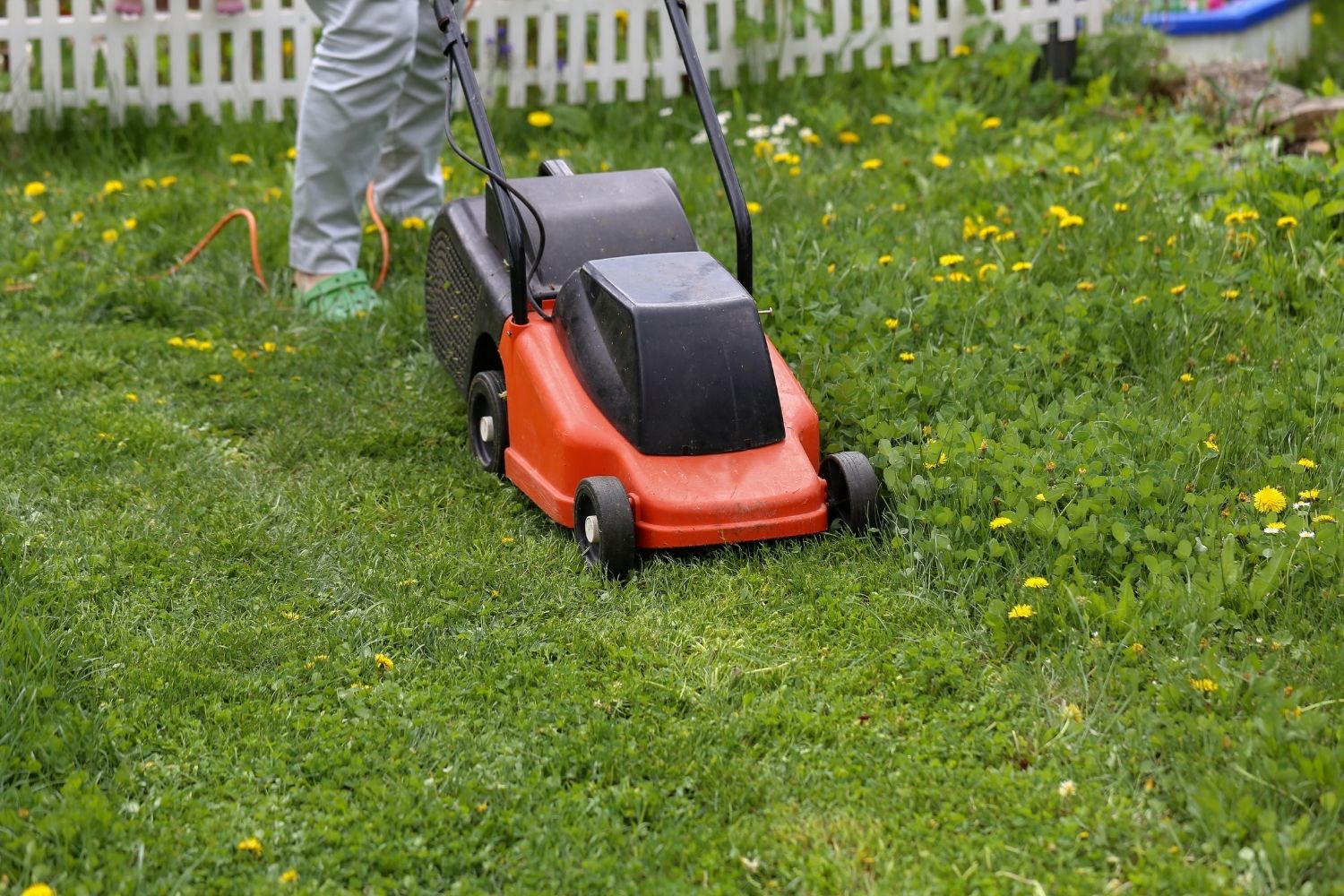
A lawn is not decoration. It’s a working system that quietly handles water, temperature, and soil stability across your property. When people ask why lawn care is important for property, the answer usually comes down to three functions: biological, structural, and visual.
Biologically, turfgrass captures rain, feeds soil microbes, and supports a dense fibrous root system that holds everything in place. Structurally, a mowed lawn creates the negative space that lets trees, beds, and buildings read cleanly against the ground plane. Visually, it’s the unifying surface that connects disconnected elements, a driveway, a patio, a flower bed, into one coherent composition.
Lose the lawn, or let it fail, and all three functions go with it. Bare soil compacts, water sheets off into the street, beds start competing visually with weeds, and the overall design loses its rhythm. This is why landscape architects increasingly plan lawn maintenance alongside lighting and irrigation during design, not as an afterthought once construction ends.
💡 Pro Tip
Before committing to a lawn care routine, get a basic soil test from your local extension office. Most homeowners fertilize by habit rather than need, and a $15 test tells you exactly which nutrients are missing and what your pH really looks like. Applying fertilizer without this data often wastes money and adds nutrients the grass cannot absorb, which then runs off into storm drains.
Why Is Lawn Care Important for Your Landscape’s Environmental Performance?
A healthy lawn is one of the hardest-working environmental assets on a residential property, but only when it’s actually healthy. Neglected or overtreated lawns switch from an environmental benefit to an environmental problem almost overnight.
Stormwater Filtration and Runoff Control
Turfgrass slows down flowing water, traps sediment, and lets rainfall soak into the soil instead of rushing into storm drains. According to the U.S. Environmental Protection Agency’s WaterSense program, a healthy lawn can store excess nutrients, filter water, and protect waterways when maintained correctly. That filtration layer is exactly what keeps fertilizer residue, loose soil, and airborne pollutants out of nearby rivers and lakes.
A neglected lawn does the opposite. Thin, patchy turf with compacted soil acts almost like pavement, sending runoff straight off the property and often carrying excess fertilizer with it.
Temperature Regulation and Urban Heat
Grass cools the air around it through evapotranspiration, which is why standing on a lawn in summer feels noticeably different from standing on a driveway. The U.S. National Park Service notes that turfgrass can be around 15°F cooler than concrete and significantly cooler than synthetic turf. On a dense suburban block, this cooling effect reduces heat around buildings and makes outdoor spaces usable for more hours of the day.
Soil Health and Erosion Control
Turfgrass roots form a dense mat that binds topsoil together. On even a slight slope, a healthy lawn dramatically reduces erosion compared to bare ground. This matters most during heavy rain events, where losing topsoil means losing the foundation your other plants depend on.
🔢 Quick Numbers
- Natural grass can reduce runoff and soil erosion 6 to 18 times more effectively than bare soil (National Association of Landscape Professionals, 2023)
- Healthy turfgrass surfaces register only about 1.6°C above air temperature during warm months, while synthetic turf averaged 11°C higher in the same study (Crop Science, Braun et al., 2024)
- Well-maintained lawns and landscaping can raise home value by an estimated 10 to 15% (National Association of Landscape Professionals, 2023)
How Lawn Care Affects Property Value and Curb Appeal
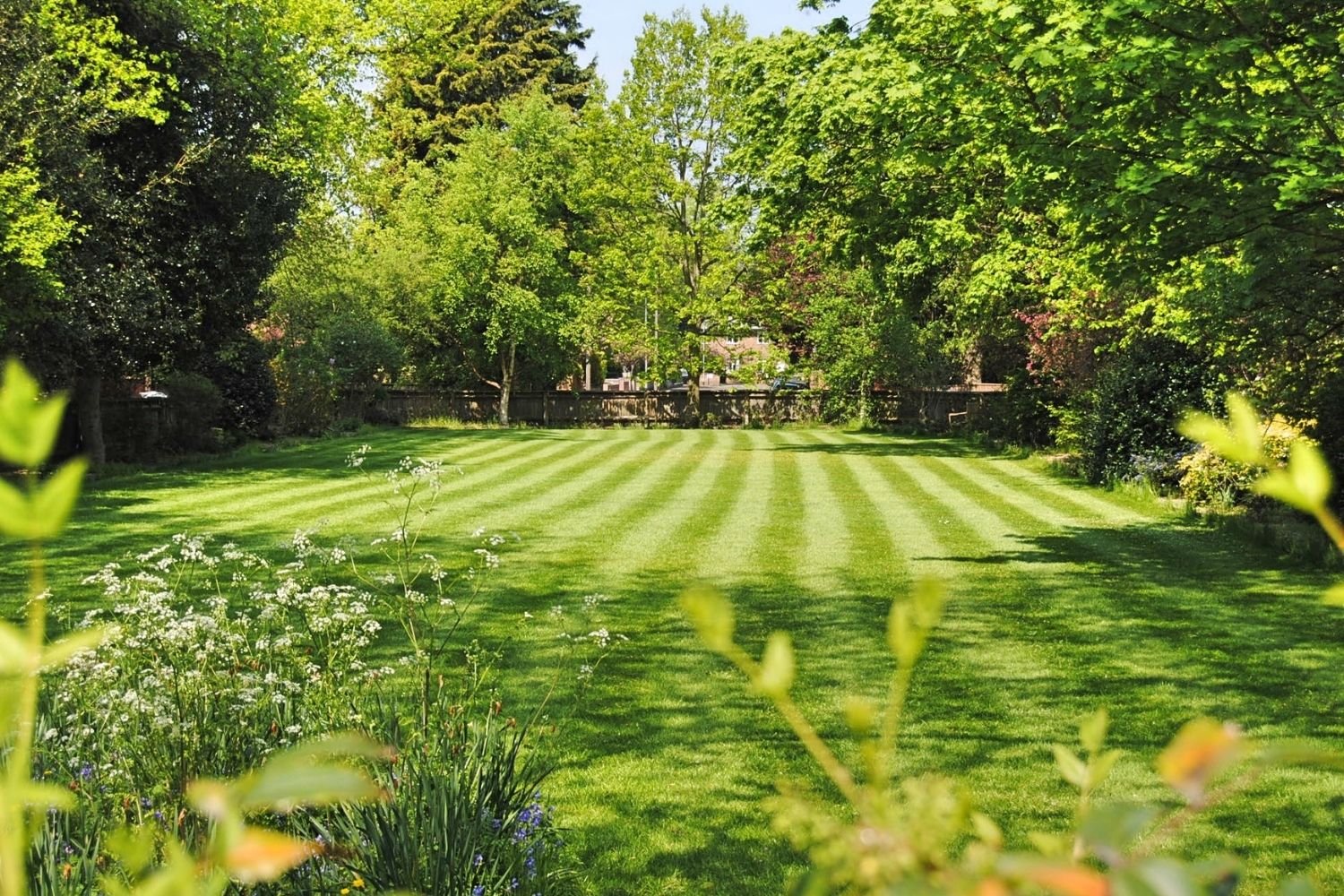
Curb appeal is not a vague concept. Real estate professionals consistently link outdoor upkeep to measurable changes in offer prices and days on market. A consumer survey by the National Association of Landscape Professionals found that 79% of Americans consider a lawn important when renting or buying a home, and a well-maintained lawn can raise home values by roughly 10 to 15%.
From a buyer’s perspective, the lawn is the first and largest visual surface they see. A thick, evenly green lawn signals that the house has been cared for everywhere else. A patchy, weed-dotted lawn raises questions about what else has been neglected. That’s why staging an empty property almost always starts with mowing, edging, and weed control.
For owners staying long term, the value is less about resale and more about daily experience. A well-kept lawn extends the usable square footage of a home, creating a durable surface for kids, pets, and gatherings without the cost or heat issues of hardscape.
🎓 Expert Insight
“Landscape architects lead the planning, design, and stewardship of healthy, equitable, safe, and resilient environments.”, American Society of Landscape Architects (ASLA)
The word stewardship is doing a lot of work in that sentence. It captures exactly why lawn care belongs in the same conversation as site planning and design: a landscape without ongoing maintenance slowly loses the qualities the designer built into it.
Lawn Care and Landscape Design: Why the Two Are Inseparable
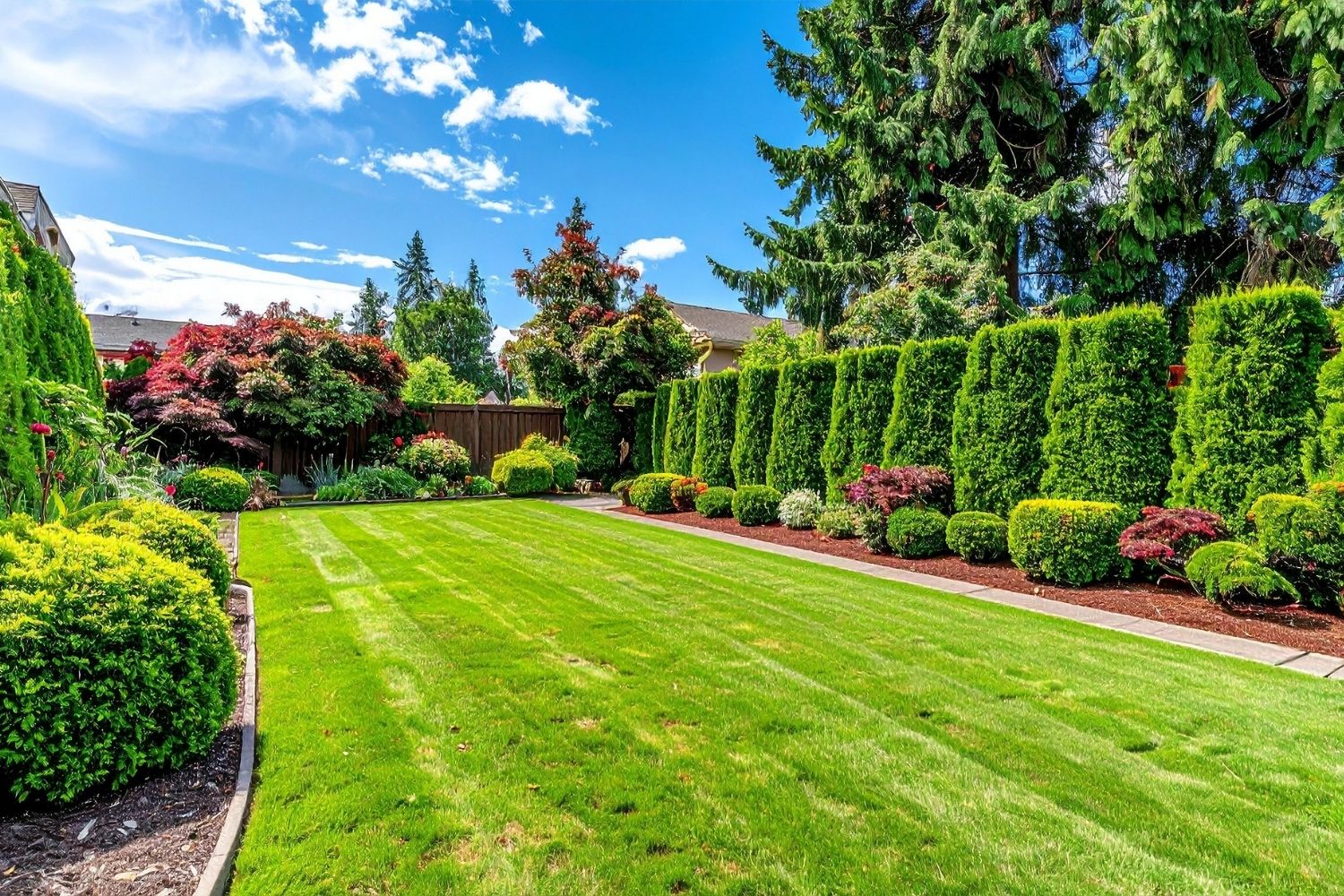
Lawn care and landscaping are often talked about as two separate topics, but in practice they only work together. A designer can specify the perfect planting palette and grading plan, but if the lawn fails, the design fails with it. This is why experienced practitioners plan maintenance schedules alongside planting plans.
Lawn Care Tips for Landscape Design That Actually Hold Up
The goal is a lawn that fits the site, not a lawn that fights it. Some practical lawn care tips for landscape design:
- Match grass type to climate. Cool-season grasses for northern regions, warm-season for southern. Using the wrong species is the single most common cause of persistent lawn problems.
- Keep lawn areas proportional to use. Shrinking a lawn to the zones that actually get walked on reduces water use, mowing time, and chemical inputs without sacrificing design impact.
- Mow higher than you think. Taller grass grows deeper roots, resists drought better, and outcompetes most weeds without herbicides.
- Leave clippings on the lawn when possible. They break down into a natural nitrogen source and reduce the total fertilizer you need.
- Aerate compacted areas once a year. Compacted soil is the silent killer of most residential lawns, and no fertilizer can fix it.
For deeper design principles, our guide on landscape architecture fundamentals covers how planting, hardscape, and lawns work together as a single system.
How Lawn Care Shapes Landscape Maintenance Overall
Landscape maintenance lawn care is really three activities stacked on top of each other: mowing and edging, soil and nutrient management, and seasonal renewal (aeration, overseeding, topdressing). Skipping any one of them breaks the cycle. A perfectly mowed lawn on compacted soil will thin out. A well-fertilized lawn that is mowed too short will burn in the first heat wave.
For homeowners working on broader outdoor projects, our article on planning a functional and beautiful outdoor area covers how grading, drainage, and material choices interact with lawn performance.
⚠️ Common Mistake to Avoid
A frequent error is mowing the lawn too short, often called scalping, to stretch the time between cuts. Cutting grass below its recommended height stresses the plant, exposes soil to heat, and invites weeds. Most cool-season grasses should be cut at 3 to 4 inches, and warm-season grasses at 1 to 2.5 inches depending on species. Removing no more than one-third of the blade length per mow is the rule that protects long-term lawn health.
Benefits of Lawn Care Beyond the Yard
The benefits of lawn care go beyond aesthetics and even beyond your property line. A 2024 review published in Crop Science summarized three decades of research on turfgrass ecosystem services, including improved soil health, oxygen production, stormwater runoff reduction, water filtration, and urban heat mitigation. Together, these benefits scale up fast. A single block of well-maintained lawns cools its local microclimate, reduces flooding pressure on storm systems, and supports soil biology that depleted urban soils otherwise lack.
Lawn care also contributes to mental and physical wellbeing. Time spent outdoors, even for routine maintenance, is linked to lower stress and more physical activity. For families, a durable lawn is often the cheapest and most flexible outdoor room a home has.
🏗️ Real-World Example
Georgia Tech EcoCommons (Atlanta, 2021): This campus project by Nelson Byrd Woltz Landscape Architects rebalanced a conventional turf-heavy landscape with ecologically focused design, blending curated lawn zones for social use with native plant communities that absorb stormwater and reduce maintenance inputs. The project demonstrates how lawn care can be integrated into a performance-based landscape rather than treated as a separate chore, and has become an ASLA continuing education case study on long-term campus landscape planning.
How to Approach Lawn Care Importance for Landscape Sustainability
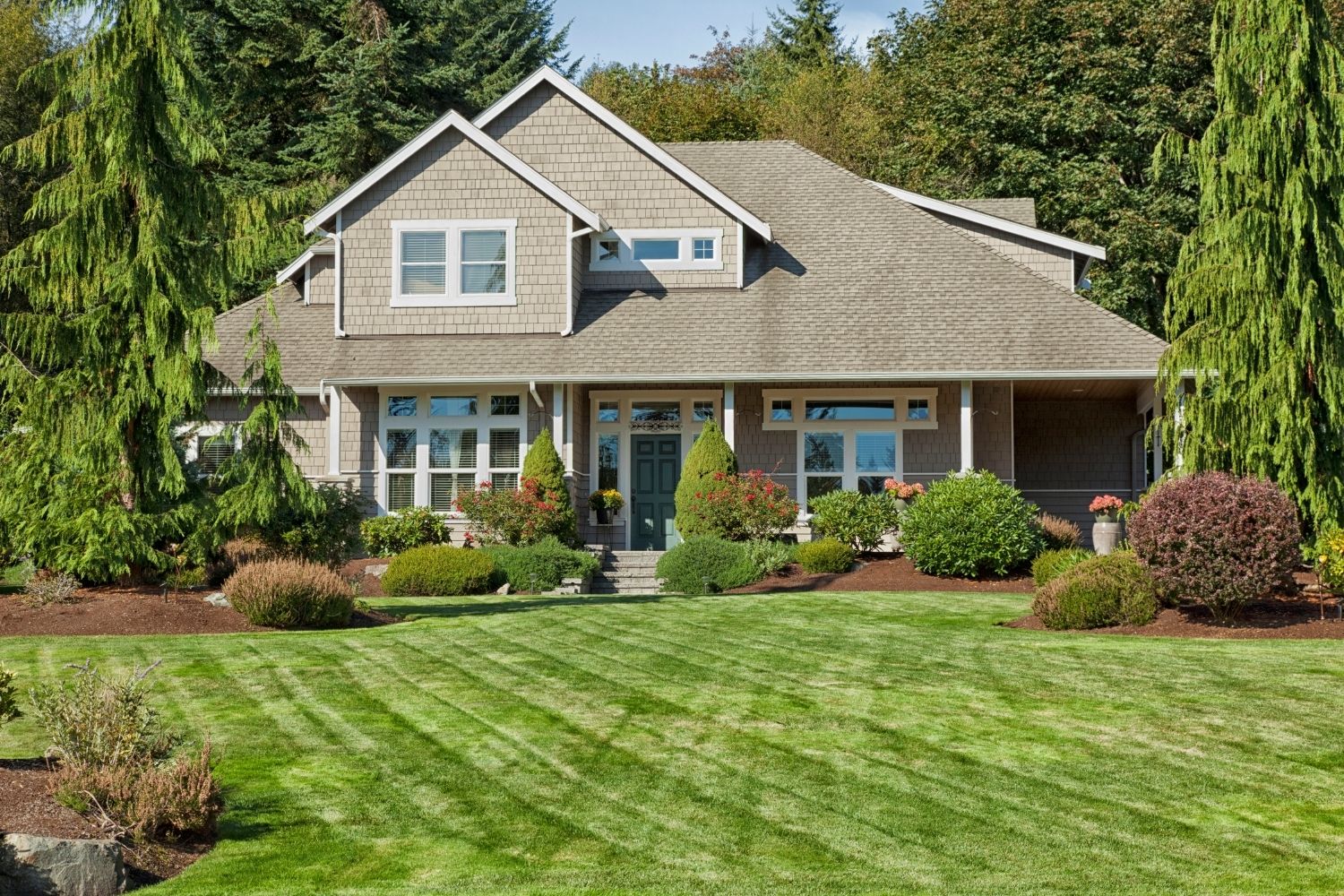
Sustainable lawn care is not about eliminating the lawn. It’s about right-sizing it and maintaining it with fewer inputs. EPA’s Landscaping Tips guide recommends placing turfgrass strategically where it has a practical function, such as play areas and circulation, and choosing low-water-use turfgrass varieties suited to the local climate.
In practice this means:
- Keep lawn only where it earns its keep. Slopes, shaded corners, and purely decorative zones are often better served by groundcover or native plants.
- Choose grass varieties suited to your rainfall and temperature range, not whatever is most common at the big box store.
- Irrigate deeply and infrequently instead of shallow daily watering, which encourages weak root systems.
- Use organic matter and compost topdressing to feed soil biology, which in turn feeds the grass.
- Accept seasonal dormancy. Many warm-season grasses go gold in winter and green again in spring. That is not a problem.
For homeowners designing gardens around their lawn, our guide on how to design a garden explains how plant selection and lawn areas interact. For a broader sustainability perspective, our piece on creating sustainable landscapes covers how to balance turf with native planting.
Lawn Care Importance for Property Owners: A Practical Breakdown
For property owners weighing how much effort lawn care is really worth, the answer depends on what the lawn is doing on the site. The tradeoffs look roughly like this:
Routine Lawn Maintenance vs Reactive Repair
| Aspect | Routine Maintenance | Reactive Repair |
|---|---|---|
| Typical approach | Scheduled mowing, fertilization, aeration | Fix problems after they appear |
| Water use | Optimized for grass type and climate | Often over-watered to rescue damaged turf |
| Chemical inputs | Low and targeted, based on soil test | Higher and broad, to treat visible damage |
| Long-term cost | Lower, because problems are prevented | Higher, due to reseeding or sod replacement |
| Landscape impact | Consistent appearance year-round | Visible cycles of decline and recovery |
For owners of properties with significant outdoor square footage, our article on the impact of landscape design on the backyard breaks down how planning decisions translate into maintenance costs over time.
Why Lawn Care Matters for Architects and Landscape Designers
For architects and landscape designers, lawn care is increasingly a design decision, not just an operational one. A lawn is negative space, a ground plane, and a performance surface all at once. Ignoring how it will be maintained is the same kind of mistake as ignoring a roof’s drainage. Our piece on why modern architecture needs smart lawn maintenance covers how fertilization schedules, soil testing, and turf management belong in the design process alongside lighting plans and exterior finishes.
Professional organizations like the American Society of Landscape Architects (ASLA), which represents nearly 16,000 landscape architecture professionals in the U.S., emphasize the role of stewardship as a core part of the discipline. Designing the lawn is only half the work. Keeping it functioning is the other half.
For aspiring practitioners, our guide on best resources for aspiring landscape architects covers how soil, turf, and maintenance knowledge fit into a professional landscape architecture education.
✅ Key Takeaways
- Lawn care is the maintenance layer that keeps a landscape design functioning long after installation.
- Healthy turfgrass filters stormwater, cools the air, reduces erosion, and supports soil biology.
- Well-maintained lawns can raise home values by approximately 10 to 15% and strengthen curb appeal.
- Right-sizing the lawn to its actual use reduces water, chemical, and time costs without sacrificing design impact.
- Lawn care tips for landscape design start with matching grass type to climate, mowing higher, and testing soil before adding fertilizer.
- For architects and landscape designers, planning for maintenance is as important as planning the design itself.
Final Thoughts
Lawn care is important for your landscape because almost everything else you design depends on it. A lawn is the largest single surface on most residential properties, the first thing visitors see, and the biggest contributor to local cooling, water management, and soil health. Done well, it makes the rest of the landscape look intentional and last longer. Done poorly, it becomes the reason a beautifully designed property starts to look tired within a few seasons.
The good news is that good lawn care is not about working harder. It’s about matching your grass to your site, understanding your soil, and keeping your routine simple and consistent. A right-sized lawn with the right grass type and basic seasonal care will outperform a neglected acre of the wrong species every time.
Cost figures and property value estimates mentioned in this article are approximate and vary by region, local market conditions, and property type. Specific lawn care recommendations should be adapted to your local climate, soil conditions, and grass species. When in doubt, consult your local cooperative extension office or a licensed landscape professional.







Why Removing Old Stumps Can Boost Your Property’s Value
Removing old stumps from your property can enhance its visual appeal, eliminate...
 illustrarch Editoral Team7 Mins read
Smart Lawn Care Practices for a Healthier Yard
Smart lawn care practices include proper mowing, watering, fertilization, weed management, and...
illustrarch Editoral Team3 Mins read

Modern Home Maintenance: A Seasonal Lawn Care Guide
Keeping the lawn around a modern home in top shape requires more...
Furkan Sen12 Mins read

Landscaping Around Your Shed: Plants, Paths, and Borders That Pop
Landscaping around your shed can enhance its appearance and functionality by incorporating...
illustrarch Editoral Team3 Mins read


Leave a comment