

Tips for Creating a Functional and Beautiful Outdoor Area
Creating a functional outdoor area involves careful planning of space usage, drainage, and material selection to ensure comfort, safety, and aesthetic appeal.
 Bahattin Duran14 January 20263 Mins read188

Table of Contents Show
A great outdoor area should feel easy to use and beautiful to look at. The secret is balancing movement, comfort, and materials that can handle the weather. With a little planning, you can turn any yard, terrace, or small patio into a space you love all year.
Map How You Use the Space
Name what you want to do outside. Cooking, reading, gardening, or hosting friends all need slightly different layouts.
Sketch simple zones on paper. Keep routes wide enough for two people to pass and leave clear paths from doors to key spots like seating or a grill.
Here are some quick planning checks:
- Note the sun and shade at breakfast, midday, and evening
- Mark door swings, hose taps, and storage access
- Measure walkways so they are comfortable for daily use
Plan Paths and Levels
Your yard should be a small network. Comfortable paths connect doors, seating, and garden beds without sharp turns or dead ends.
Place changes in level where they feel natural, at patio edges, between lawn and terrace, or where a slope already exists. Many yards gain both style and safer footing with granite steps set into gentle rises. Add a landing every few steps so people can turn or pause, and keep step depths generous for a steady pace.
Get Drainage Right From The Start
Plan for water to flow smoothly away from the house and off hard surfaces. Patios should have a slight slope running away from the property to prevent pooling and structural issues. It is recommended to consider drainage before setting levels or laying any surface, not after the fact. That small detail keeps surfaces cleaner and reduces slip risks in wet weather.
When you place garden beds near patios, use them as soft edges that can receive runoff. A narrow gravel strip at the base of walls can help protect foundations and keep splash off the siding.
Choose Materials That Manage Rain Responsibly

Your material choices affect both comfort and the health of nearby soil. Permeable surfaces let rain soak in instead of racing toward drains. Non-porous paving can increase runoff by up to 50 percent, and switching to permeable paving or reducing the total hard area can help. That one change protects plants, avoids puddles, reduces strain on local drainage, and cools the space after rain since water can seep into the ground.
Mix materials to get the look you want with better performance. Set stone or brick on permeable bases and fill joints with grit where possible.
Design Steps and Transitions for Safety and Flow
Changes in height should feel obvious and secure underfoot. Keep risers consistent and treads deep enough so feet land flat.
Using steps to shape multi-level spaces can make small yards work harder while keeping movement efficient. It frames views from the house to the garden. Add short retaining edges or planters beside steps to soften the look and to cue people where to walk.
Use tactile cues at the top and bottom of flights. A different paving pattern or a low border can alert the eye even in low light.
Plant for Structure and Softness

Plants shape space as much as walls do. Use evergreens for year-round structure, then add seasonal texture with grasses and perennials. Repeat a few key plants to tie zones together. If you love color, group blooms in bold blocks instead of scattering them, which keeps the garden calm and easy to maintain.
Choose plants that match your light and soil so you water and prune less. Mulch beds to control weeds and keep moisture where roots need it. Use taller shrubs to screen neighbors at sitting height, not just standing height. A single small tree can anchor a patio and offer dappled shade without darkening the house.
Lighting and Finishing Touches
Good lighting supports the layout you designed in daylight. Place low fixtures along paths, at step edges, and near changes in level in a way that people can see where to move.
Use warmer light near seating to feel welcoming, and avoid bright uplights that throw glare into eyes. Add one or two subtle highlights on a tree or wall for depth, then stop so the night sky still feels dark.
Start with movement, then choose materials that help water soak away, and feet feel steady. Layer in seating, planting, and gentle light, and your outdoor area will be both practical and a pleasure to use. Small, careful choices add up fast. The space will look better and work better every day.





Interior Design for Commercial Spaces: Enhancing Functionality and Brand Identity
Commercial interior design has to serve brand, function and regulation at once....
 Begum Gumusel4 Mins read
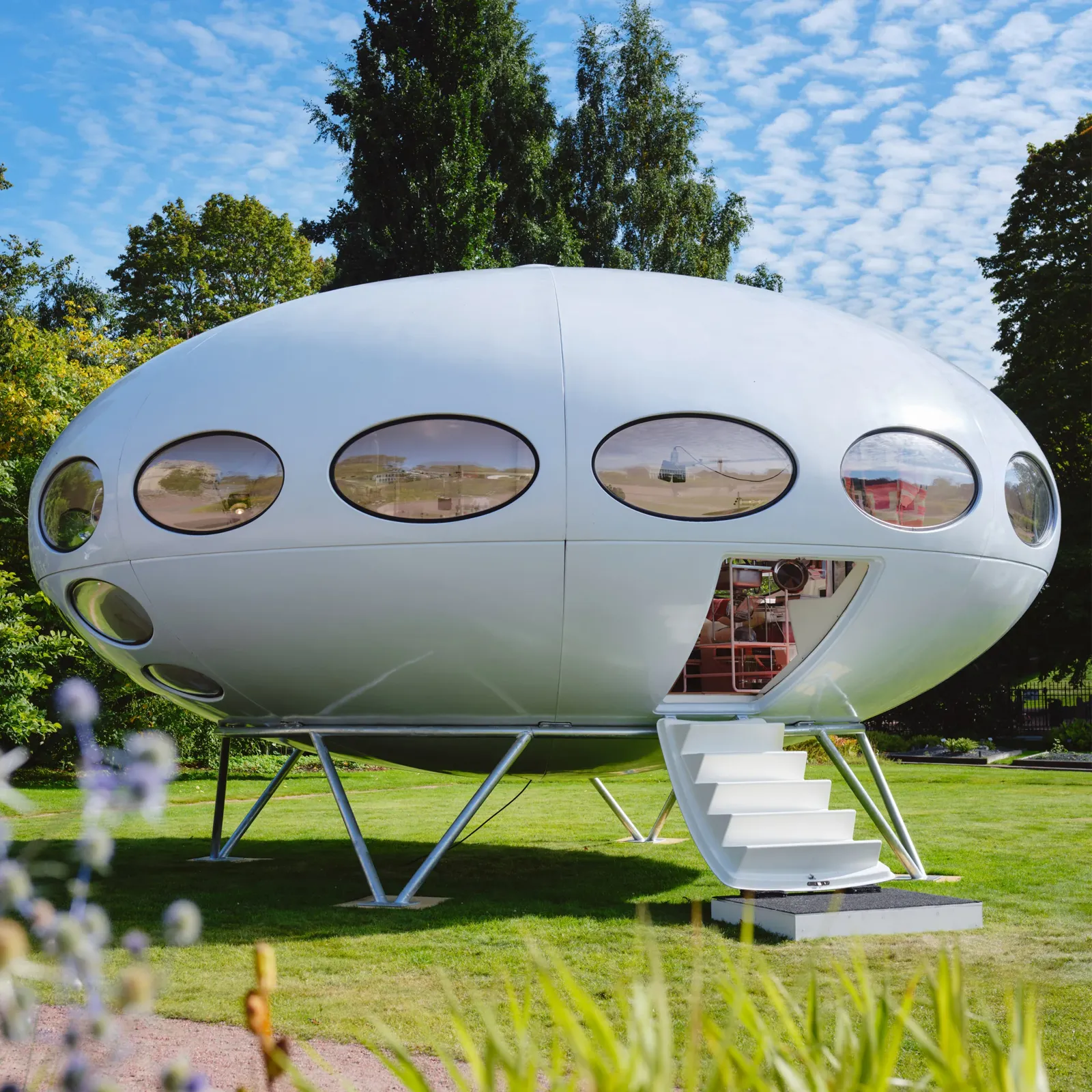
Futuro House Production Revived in Finland After Decades-Long Hiatus
A Facebook listing for abandoned moulds led to the first new Futuro...
 illustrarch Editoral Team3 Mins read

Building Your Dream Home in NSW: What You Should Know About Montgomery Homes
Montgomery Homes has been building across Sydney, Newcastle, the Hunter, Wollongong and...
illustrarch Editoral Team4 Mins read
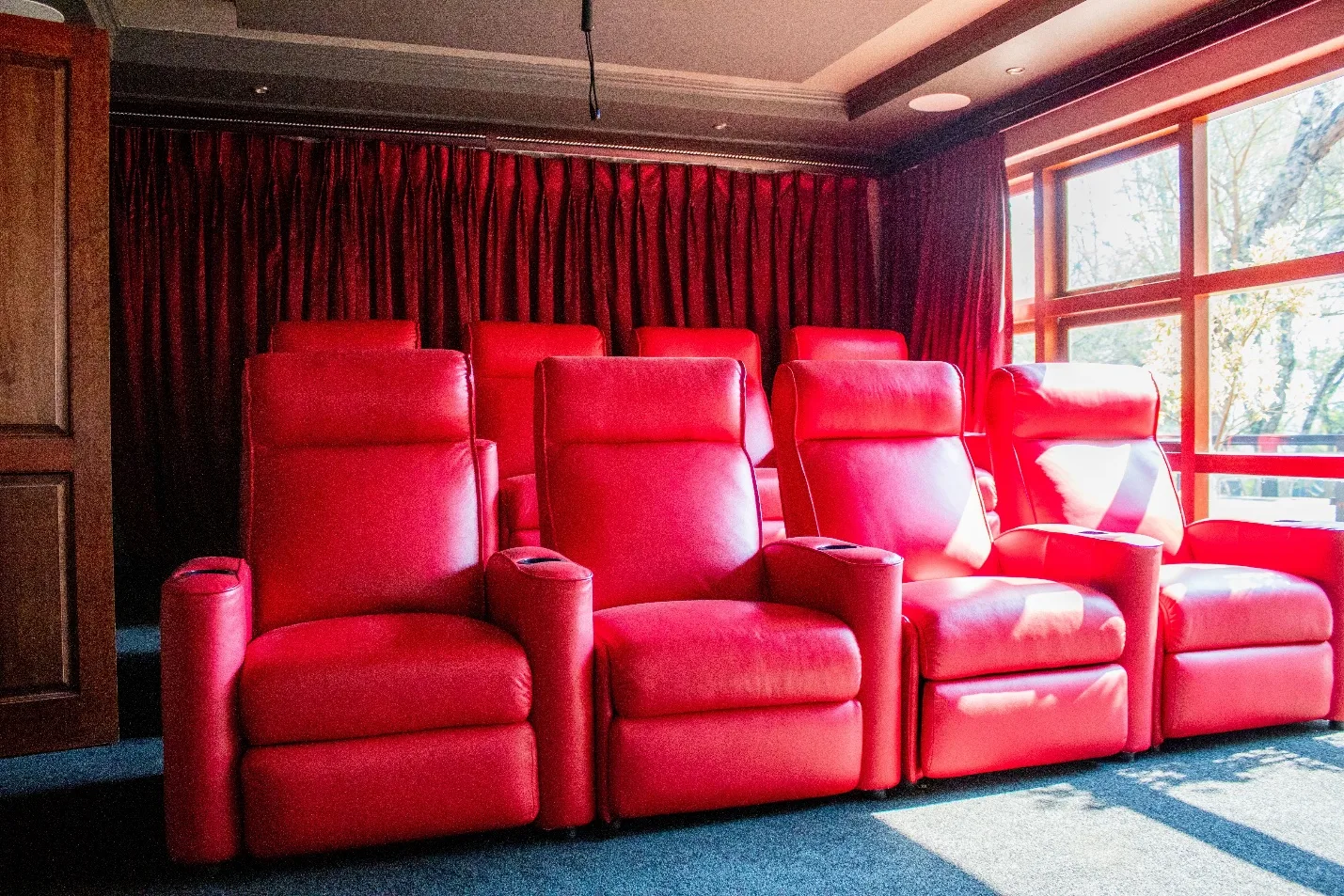
Designing a Home Theater: Where Drapery Fits Into the Plan
In a media room the curtains are a performance layer, not decoration....
illustrarch Editoral Team3 Mins read


Leave a comment