

Apartment B by Grau Architects
Apartment B by Grau Architects transforms a standard three-room apartment through subtle yet strategic spatial interventions. By reorganizing the layout, introducing a service core, working with freestanding material volumes, and applying a clear color logic, the project achieves a calm, airy, and highly legible interior. It demonstrates how precision, restraint, and thoughtful design can elevate everyday domestic architecture.
 Begum Gumusel9 February 20264 Mins read183


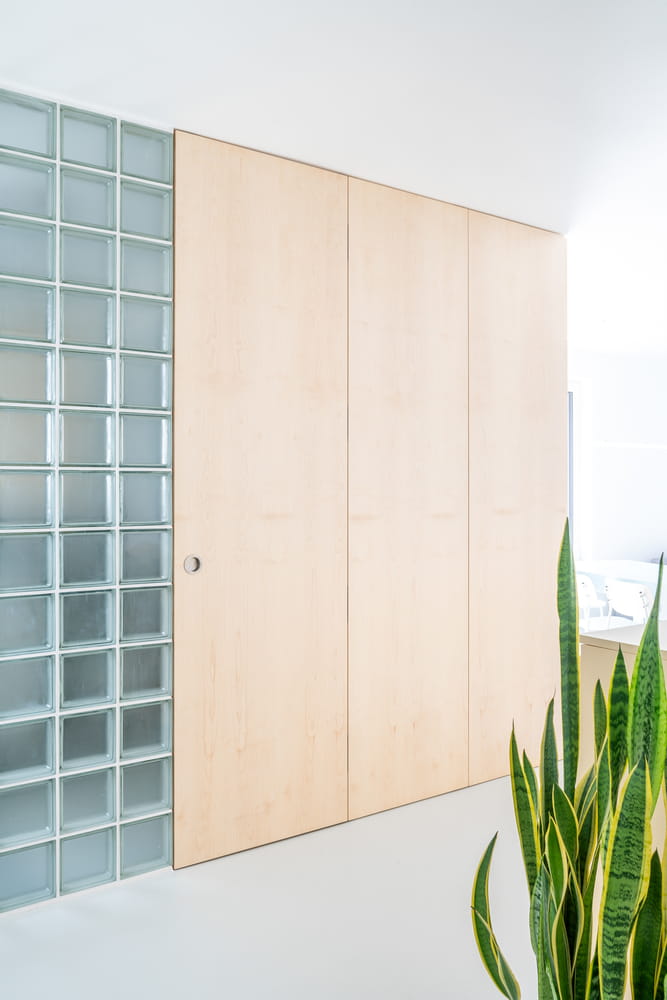
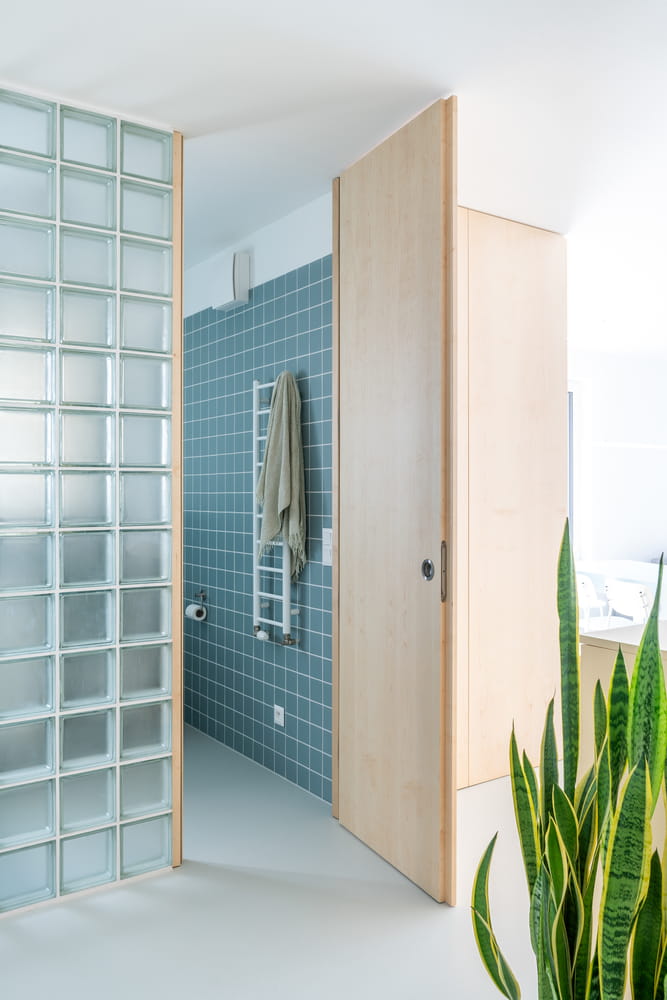


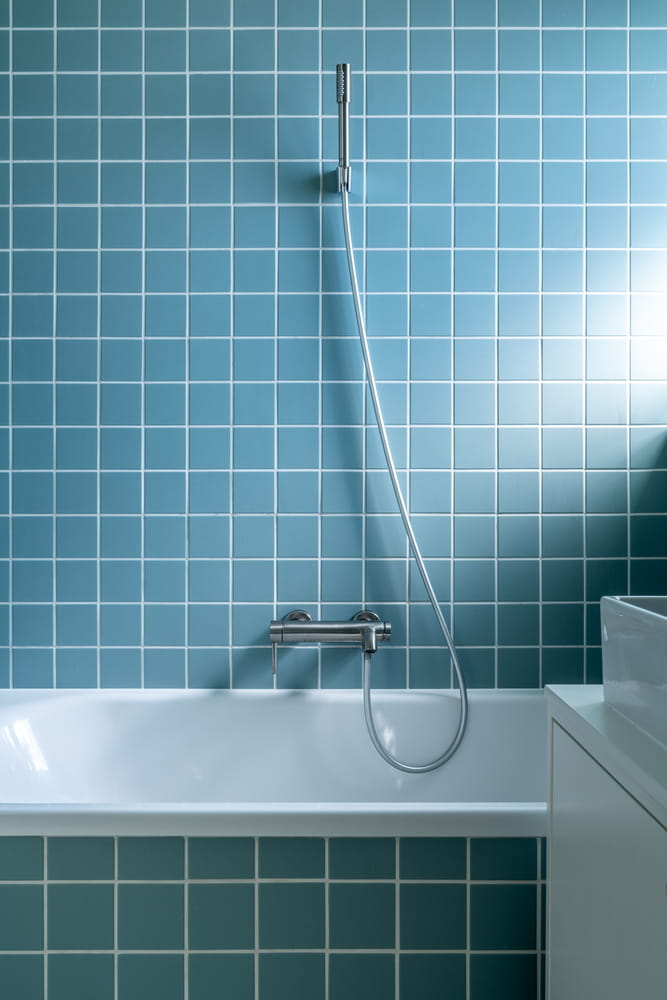


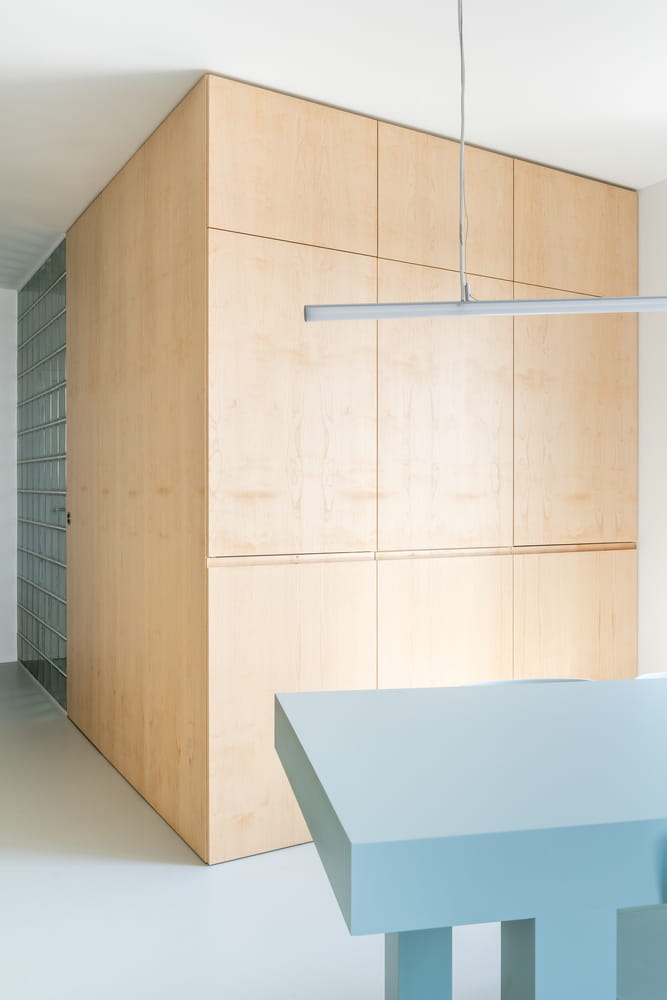
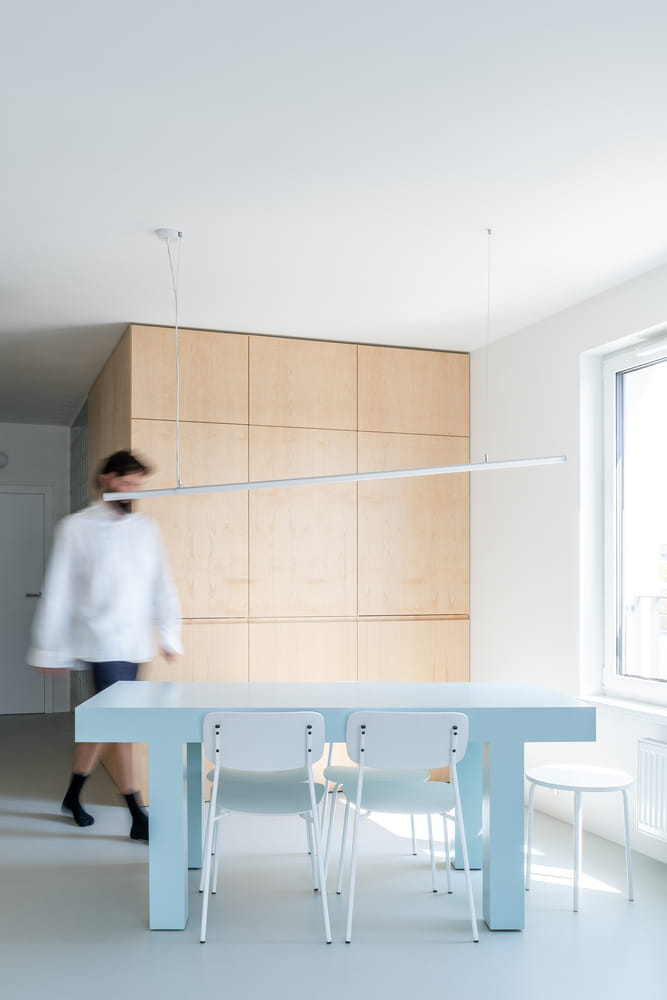
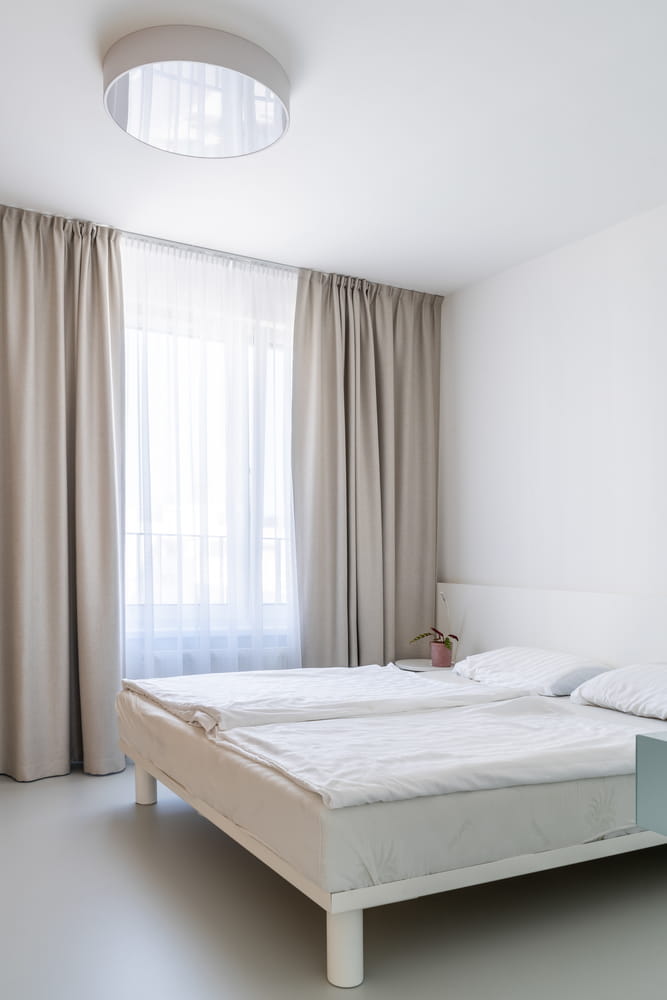
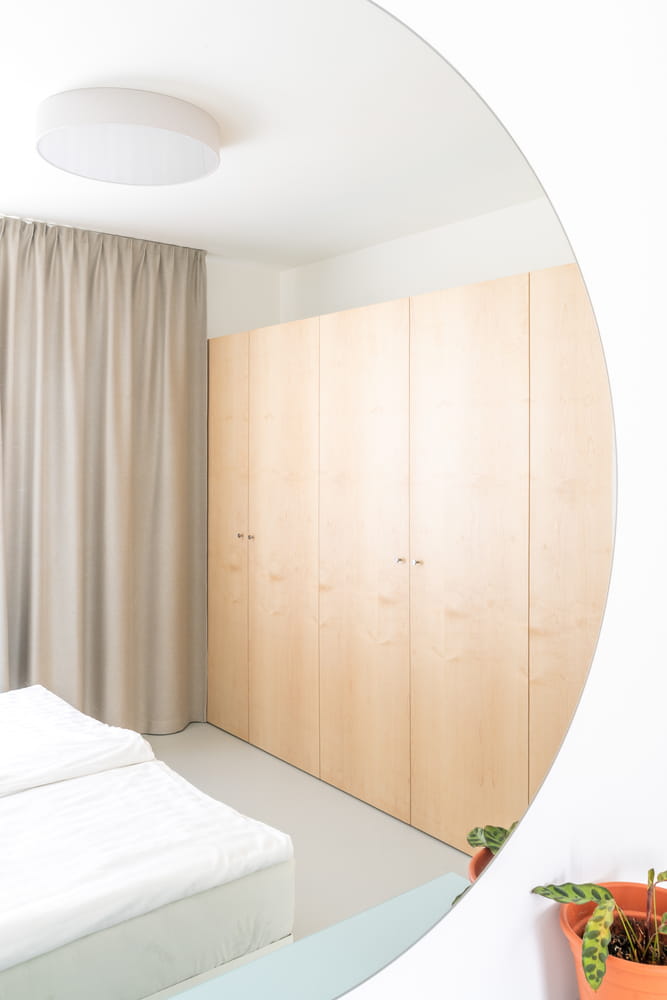
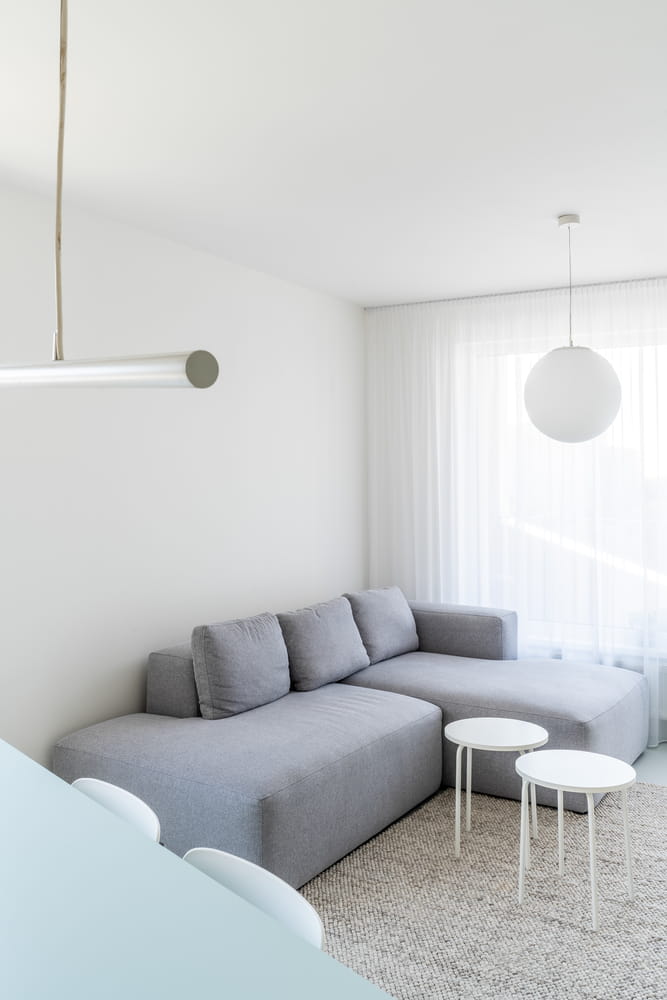
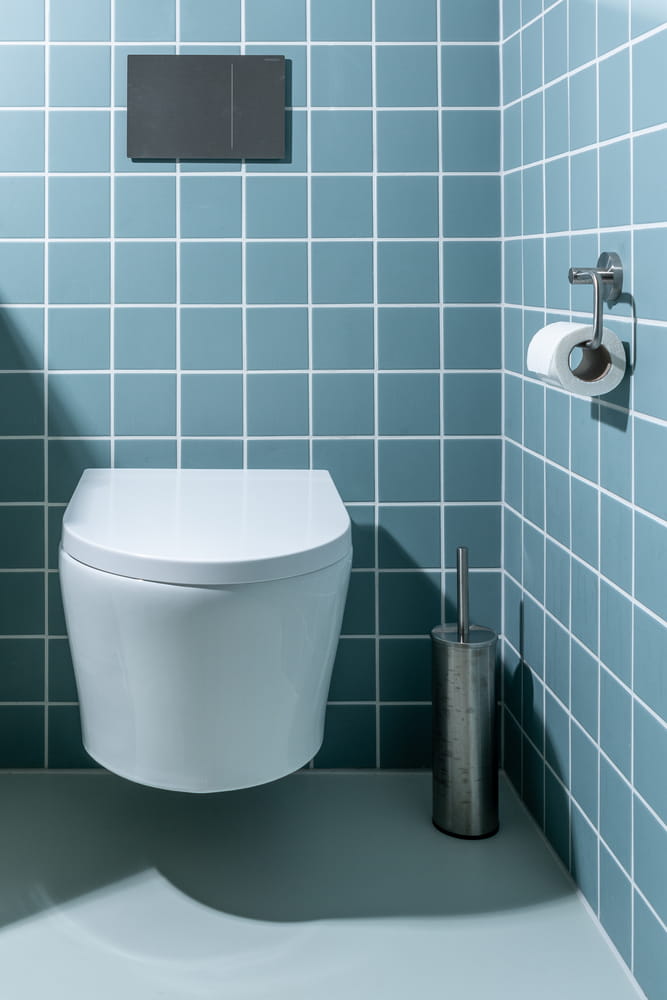
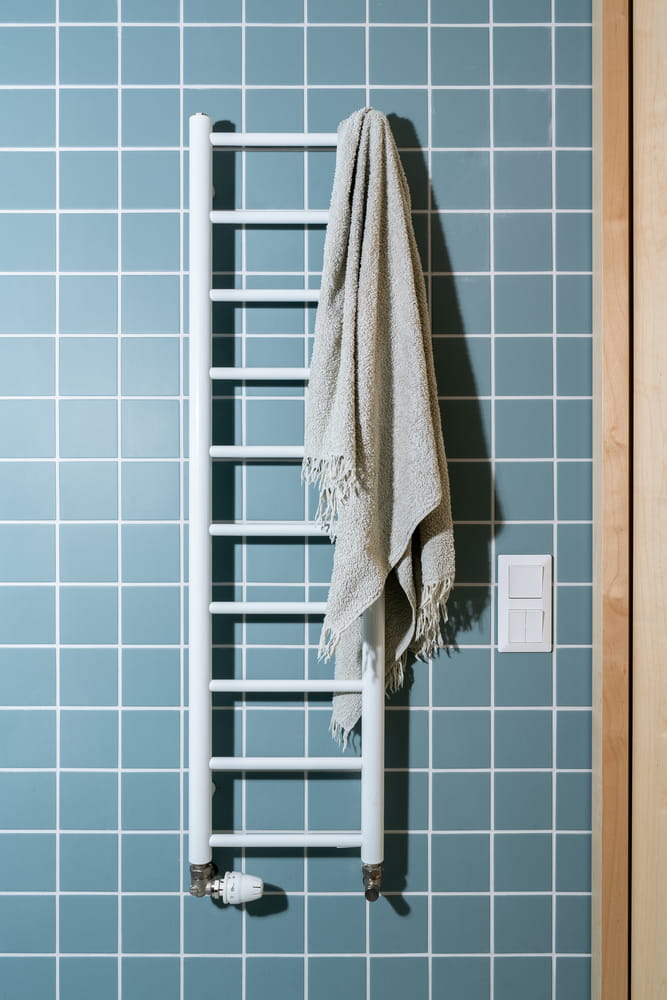
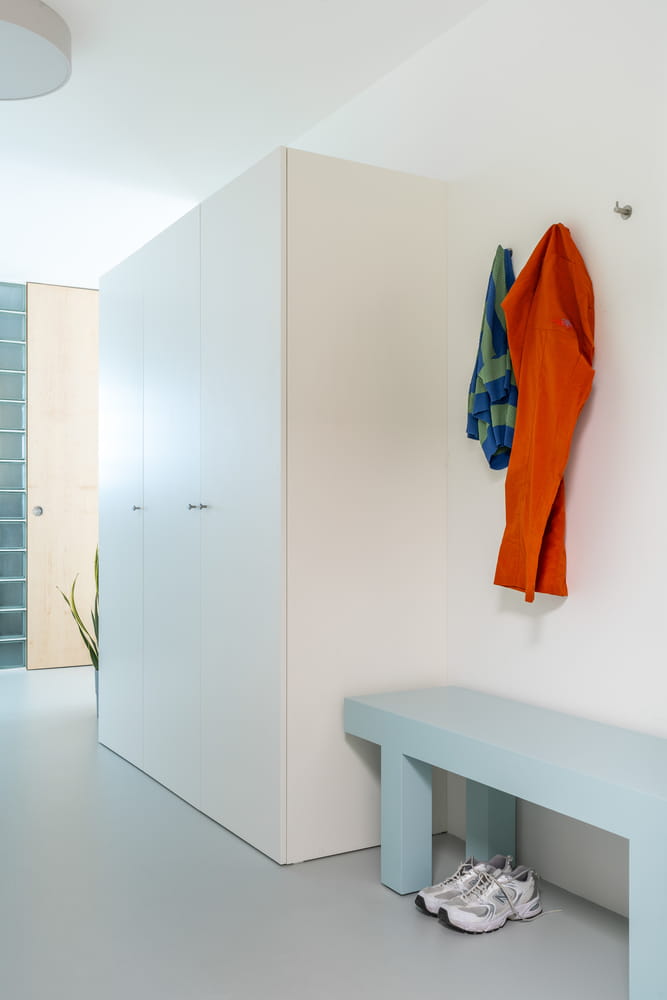
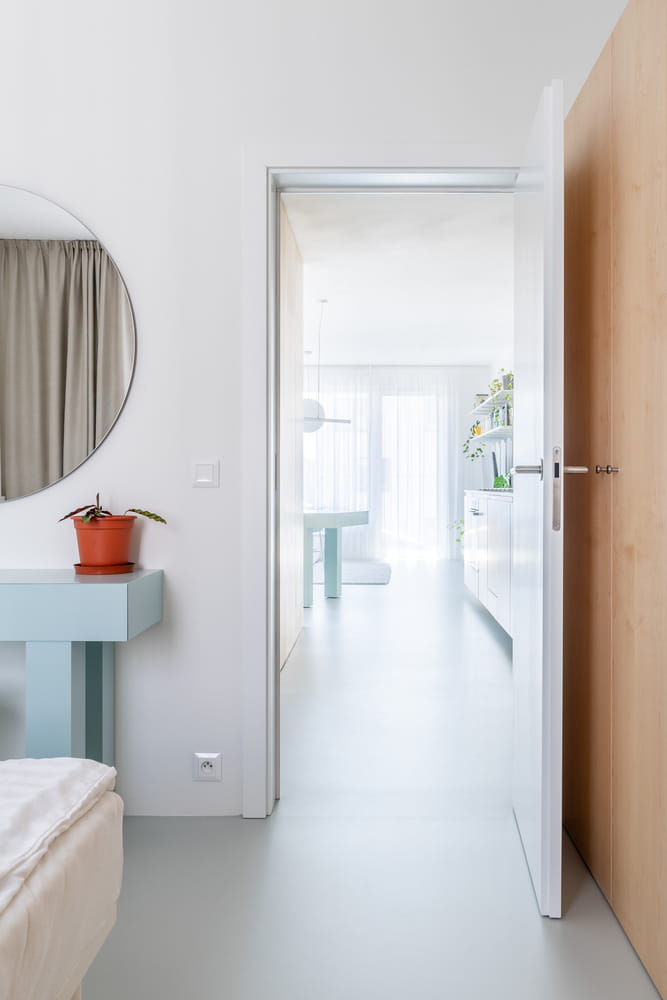
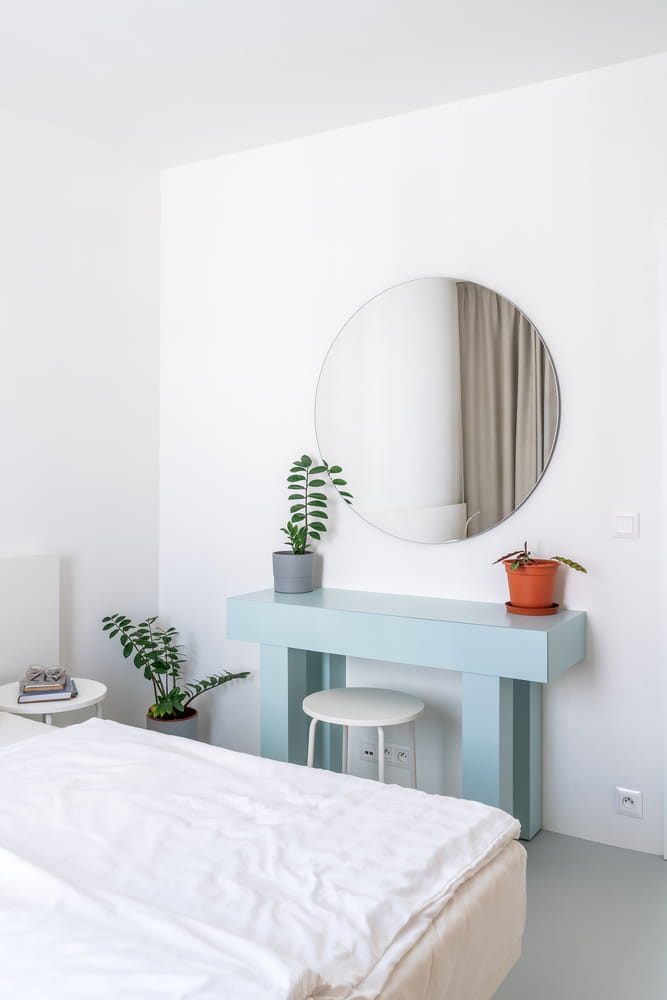
Table of Contents Show
Apartment B by Grau Architects is located within a newly constructed residential building on Kopčianska Street and demonstrates how carefully calibrated interior interventions can redefine spatial quality without requiring radical structural change. Designed as a three-room apartment comprising two bedrooms, a combined living room and kitchen, and a bathroom, the project emerged during the phase of client modifications, when limited changes to the original layout were still possible. Rather than pursuing a dramatic redesign, the architects focused on subtle yet strategic adjustments, using spatial clarity, material articulation, and color logic to transform an ordinary apartment into a coherent and refined domestic environment.
This approach reflects a design philosophy grounded in restraint. Instead of relying on visual spectacle, the project builds its identity through proportion, light, and the deliberate placement of architectural elements that guide movement and perception. The resulting interior feels calm, legible, and quietly sophisticated, an atmosphere shaped not by excess, but by precision.
Reorganizing the Plan for Spatial Generosity
One of the most impactful decisions in the project was the relocation of the toilet into the main bathroom. This seemingly modest change allowed the architects to significantly enlarge the central living space, which combines kitchen, dining, and seating functions. By reclaiming the area previously occupied by a separate toilet, the living zone gains both physical generosity and functional flexibility, becoming the true heart of the apartment.
The new spatial organization introduces a compact service core composed of the bathroom, a tall kitchen cupboard for appliances, and full-height storage units. Together, these elements form a distinct spatial box within the apartment. Rather than dissolving storage into walls, Grau Architects intentionally expressed this volume as a readable architectural presence. It anchors the plan, clarifies circulation, and creates a subtle contrast between fixed service functions and more open, fluid living areas.
This spatial box also plays an important role in mediating light. A glass-concrete partition integrated into the bathroom wall allows daylight to filter into the corridor, ensuring that circulation spaces are not relegated to darkness. The corridor becomes part of the overall spatial experience rather than a residual zone, reinforcing the apartment’s sense of openness.
Material Solitaires and the Architecture of Airiness
A defining conceptual strategy in Apartment B is the use of material solitaires, freestanding architectural elements that are treated as independent objects within the space. These elements do not always extend from floor to ceiling; some hover slightly above the ground, while others stop short of the ceiling. This deliberate detachment creates a continuous visual flow across the apartment and supports the perception of lightness.
Rather than relying on traditional partitions, these solitaires subtly define zones while preserving openness. Storage volumes, furniture elements, and built-in features become architectural components in their own right. The result is a layered interior where functions are clearly legible, yet spatial continuity is never broken. Movement through the apartment feels fluid, with sightlines extending across rooms and materials guiding perception rather than walls.
This strategy reflects a contemporary understanding of domestic space, one that values flexibility, visual permeability, and adaptability. The apartment is not divided into rigidly separated rooms but organized as a series of interconnected atmospheres.
Color as Programmatic Language
Color in Apartment B is not decorative but deeply programmatic. Each functional zone is assigned a specific chromatic identity, creating an intuitive spatial language that users can read almost subconsciously. This approach strengthens orientation while enriching the emotional character of the interior.
The work-related areas are defined by yellow, applied to the kitchen countertop and the work table. This energetic tone subtly signals activity, focus, and productivity. The social and seating zones are characterized by pale blue, used on elements such as the dining table and the entrance bench. This cooler tone evokes calmness and hospitality, supporting moments of gathering and pause.
Storage components throughout the apartment are expressed in pale veneer, unifying cupboards and built-in units into a coherent material family. These elements form a neutral yet warm backdrop, allowing more expressive colors to stand out without overwhelming the space. Areas dedicated to rest, such as bed frames and the television wall, are defined by white, reinforcing a sense of quietness and visual rest.
Through this color-based zoning, the architects transform the apartment into a legible spatial system where function, atmosphere, and materiality are carefully aligned.
Light, Continuity, and Everyday Experience
Natural and artificial light are treated with equal care throughout the apartment. The partial illumination of the corridor through the bathroom partition ensures that no area feels secondary or neglected. Reflections, soft transitions, and carefully positioned surfaces enhance the sense of depth within the relatively compact footprint.
The interior experience is shaped by continuity rather than fragmentation. Floors, ceiling heights, and sightlines remain consistent across spaces, allowing the apartment to feel larger than its actual dimensions. Furniture and built-in elements are not merely practical additions but contributors to the architectural narrative, reinforcing the idea that everyday domestic environments can achieve clarity and elegance through thoughtful design.
What distinguishes Apartment B is not a single iconic gesture but the cumulative effect of numerous precise decisions. Every modification, whether in plan, material, or color, contributes to a cohesive whole.
A Quiet Yet Rigorous Domestic Architecture
Apartment B exemplifies a contemporary approach to interior architecture where small interventions produce significant spatial impact. Grau Architects demonstrate that working within constraints, limited structural changes, modest budgets, and predefined layouts, can become an opportunity for refinement rather than limitation. By prioritizing clarity, proportion, and conceptual coherence, the project elevates an ordinary apartment into a carefully orchestrated living environment.
The design avoids trends or overt stylistic gestures, instead relying on timeless architectural principles: legibility, balance, and respect for how people inhabit space. In doing so, Apartment B becomes more than a renovated interior; it becomes a precise spatial composition where architecture quietly supports daily life with intelligence and restraint.
Photography: Jakub Michal Teringa




Apartment Elache by Caroline Andrusko Arquitetos
In Curitiba, Caroline Andrusko Arquitetos rebuilds the plan of a new 280...
 illustrarch Editoral Team3 Mins read
PS Apartment by Nar Design Studio
Nar Design Studio turns a 3,014 square foot apartment at Five Park...
illustrarch Editoral Team3 Mins read

55 Albert Street by Jackson Clements Burrows
55 Albert Street by Jackson Clements Burrows is a 51 apartment building...
illustrarch Editoral Team2 Mins read
Black Wood Harmony by archicraft
Black Wood Harmony demonstrates how a restrained palette can create warmth rather...
illustrarch Editoral Team2 Mins read


Leave a comment