

262 Fifth Avenue Skyscraper: Engineering Precision Meets Residential Design
Designed by Moscow-based practice Meganom, 262 Fifth Avenue is a super-slender residential tower redefining luxury living in Manhattan. Rising 860 feet above New York City, the project combines advanced structural engineering with expansive, unobstructed apartment interiors and panoramic skyline views.
 Elif Ayse Sen8 January 20262 Mins read238


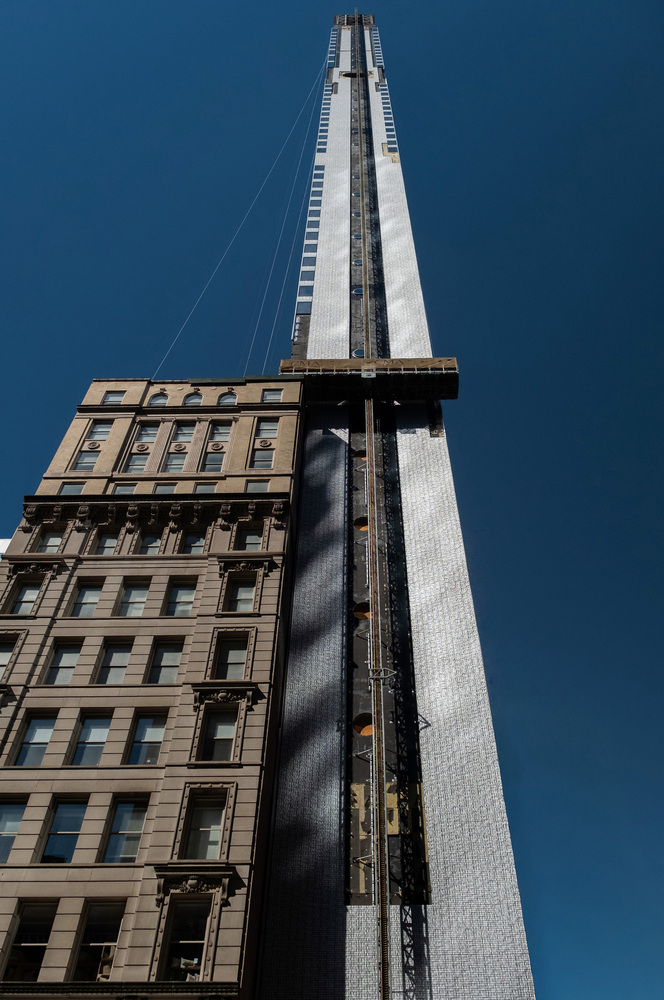
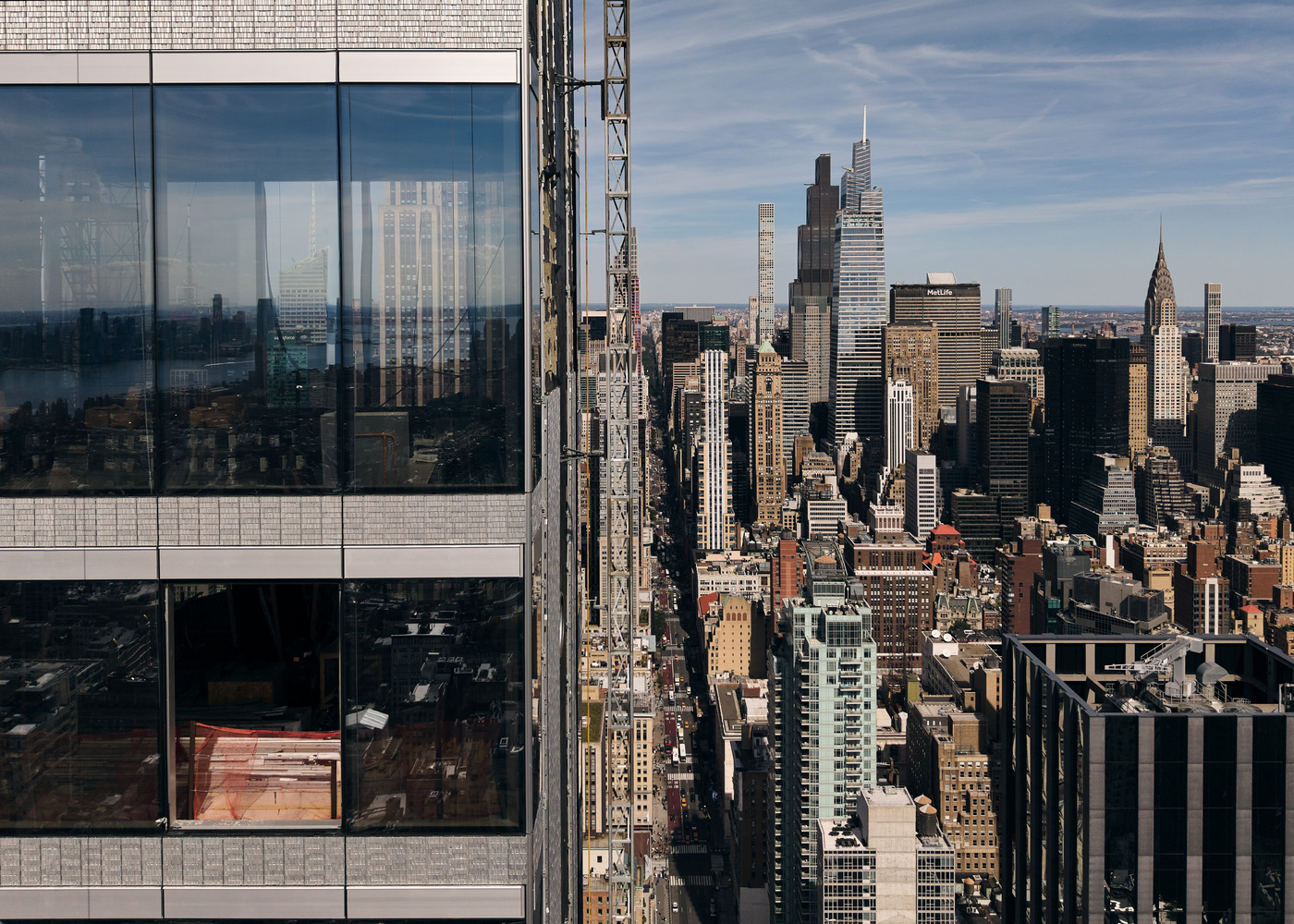

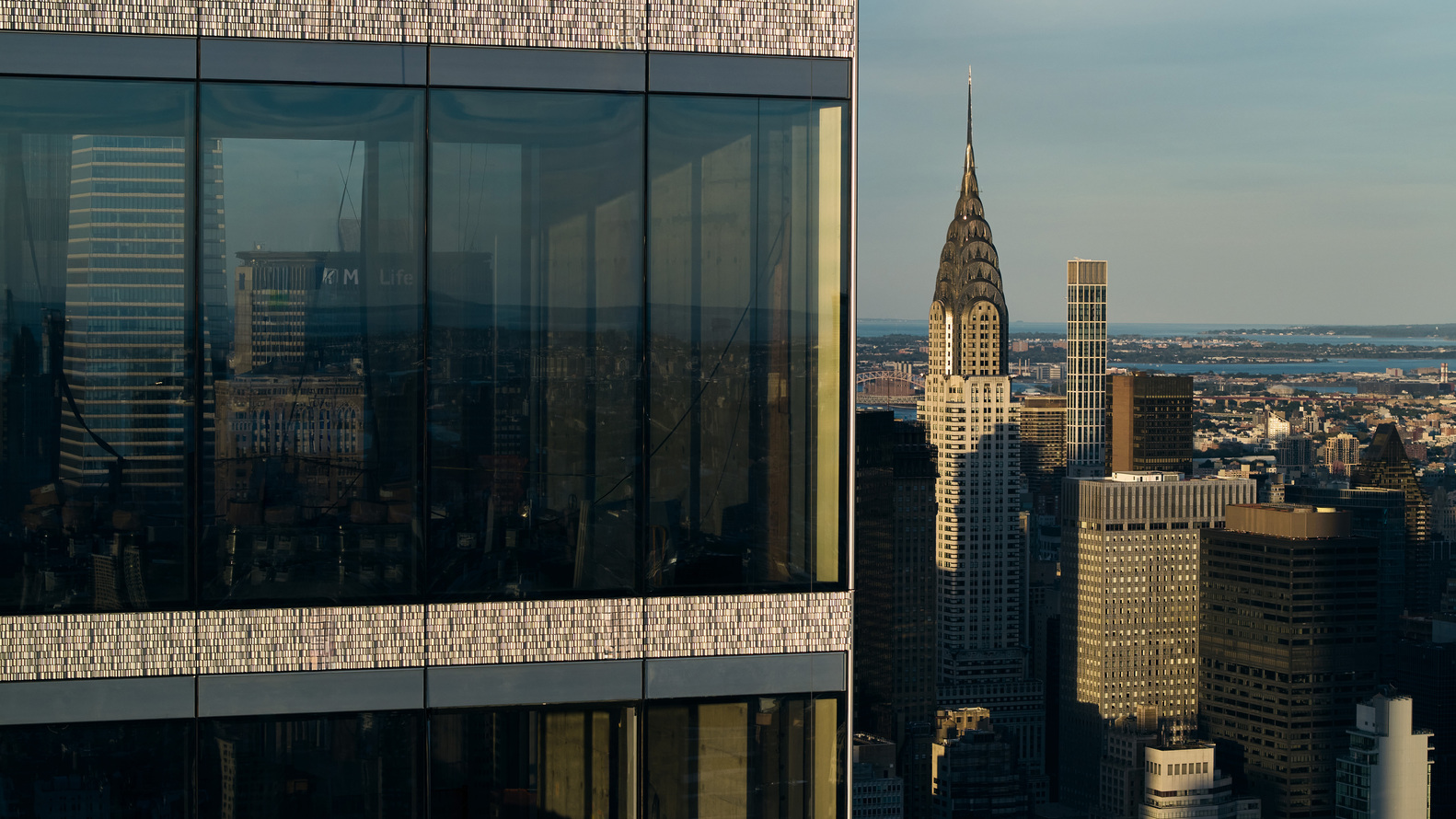


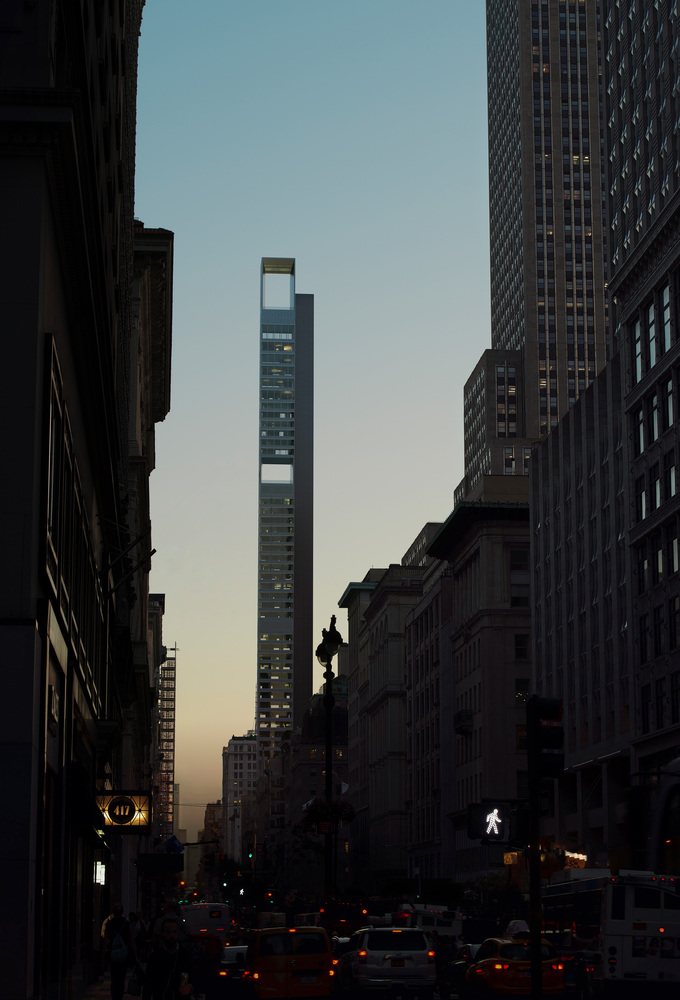


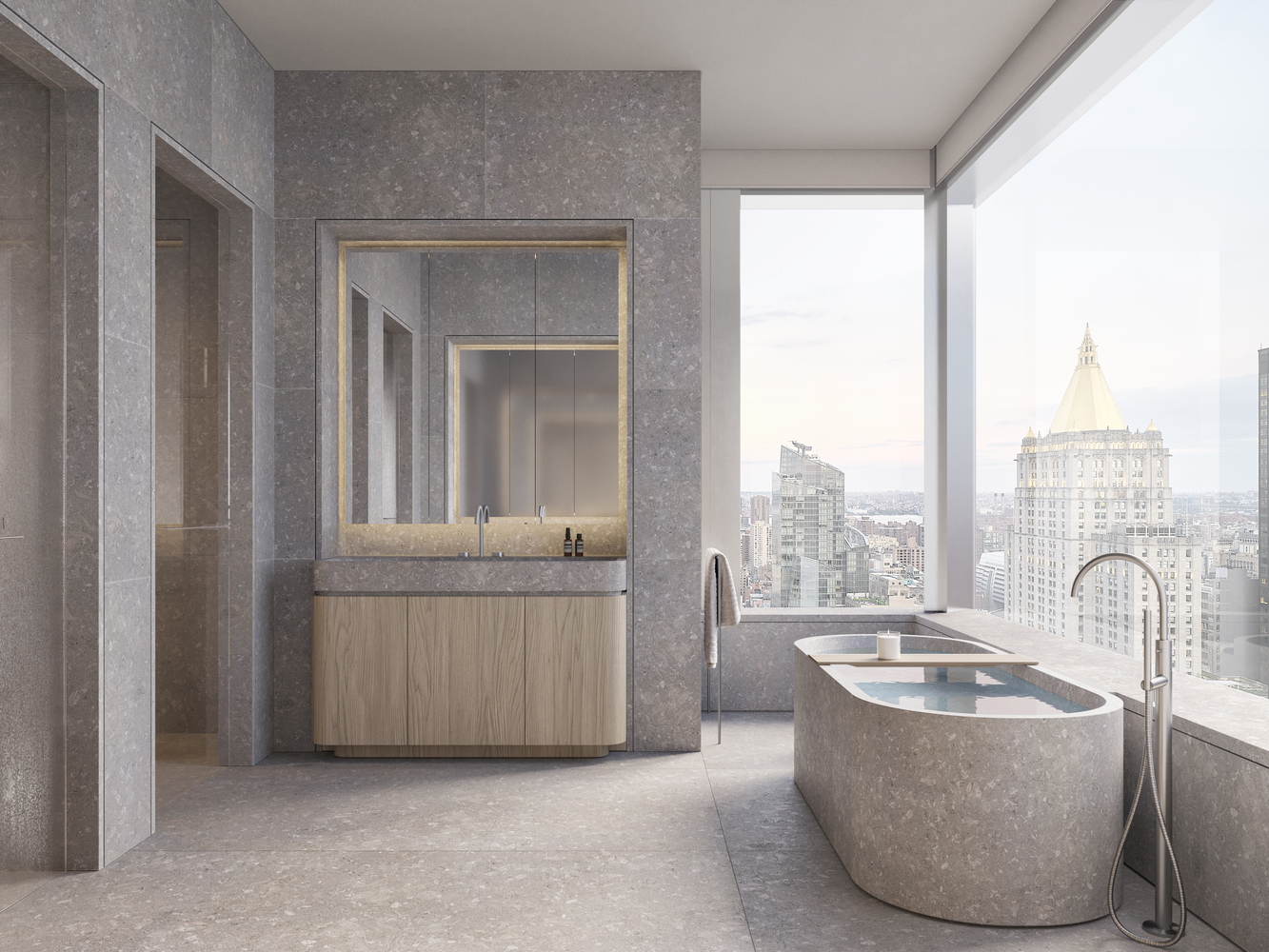
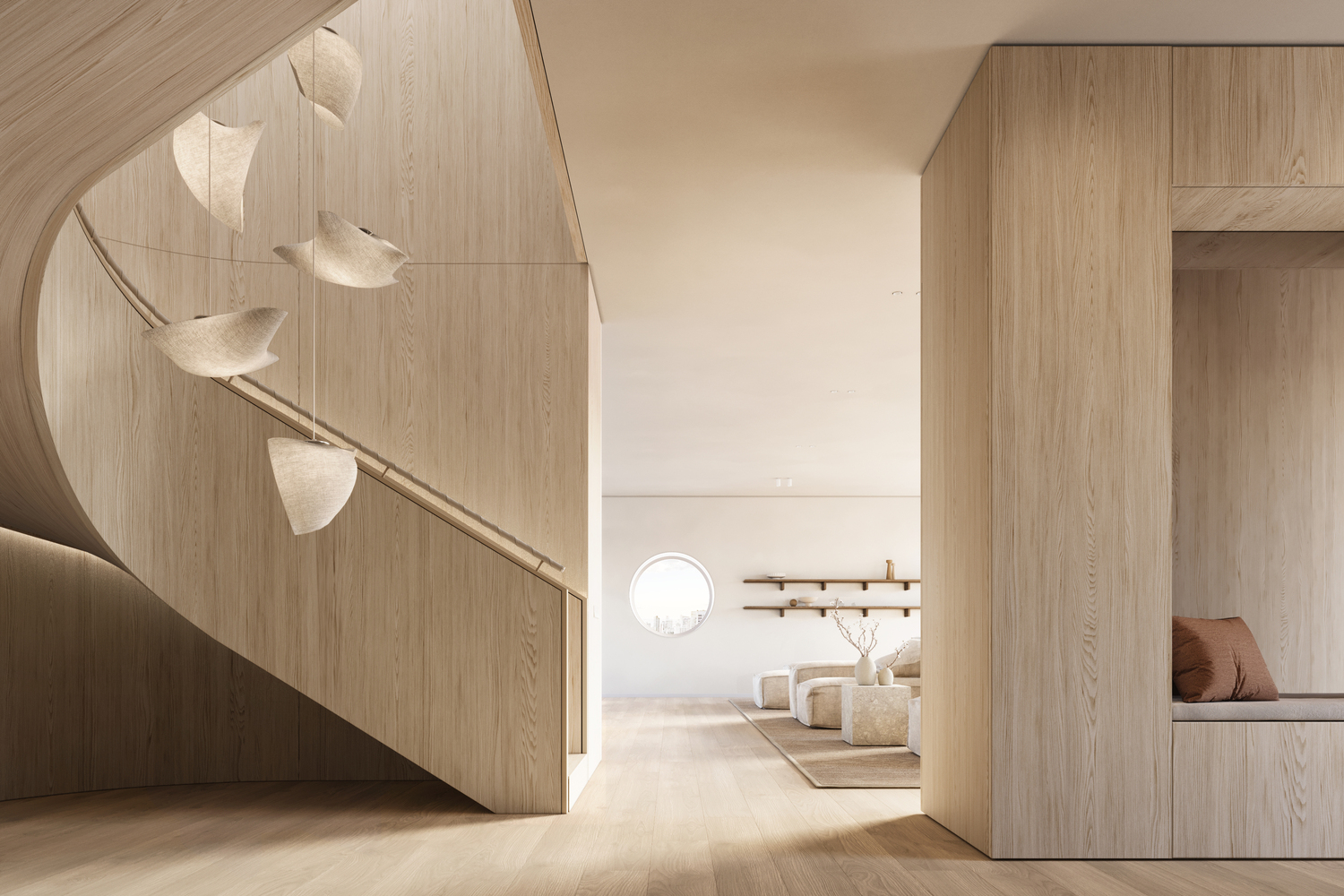
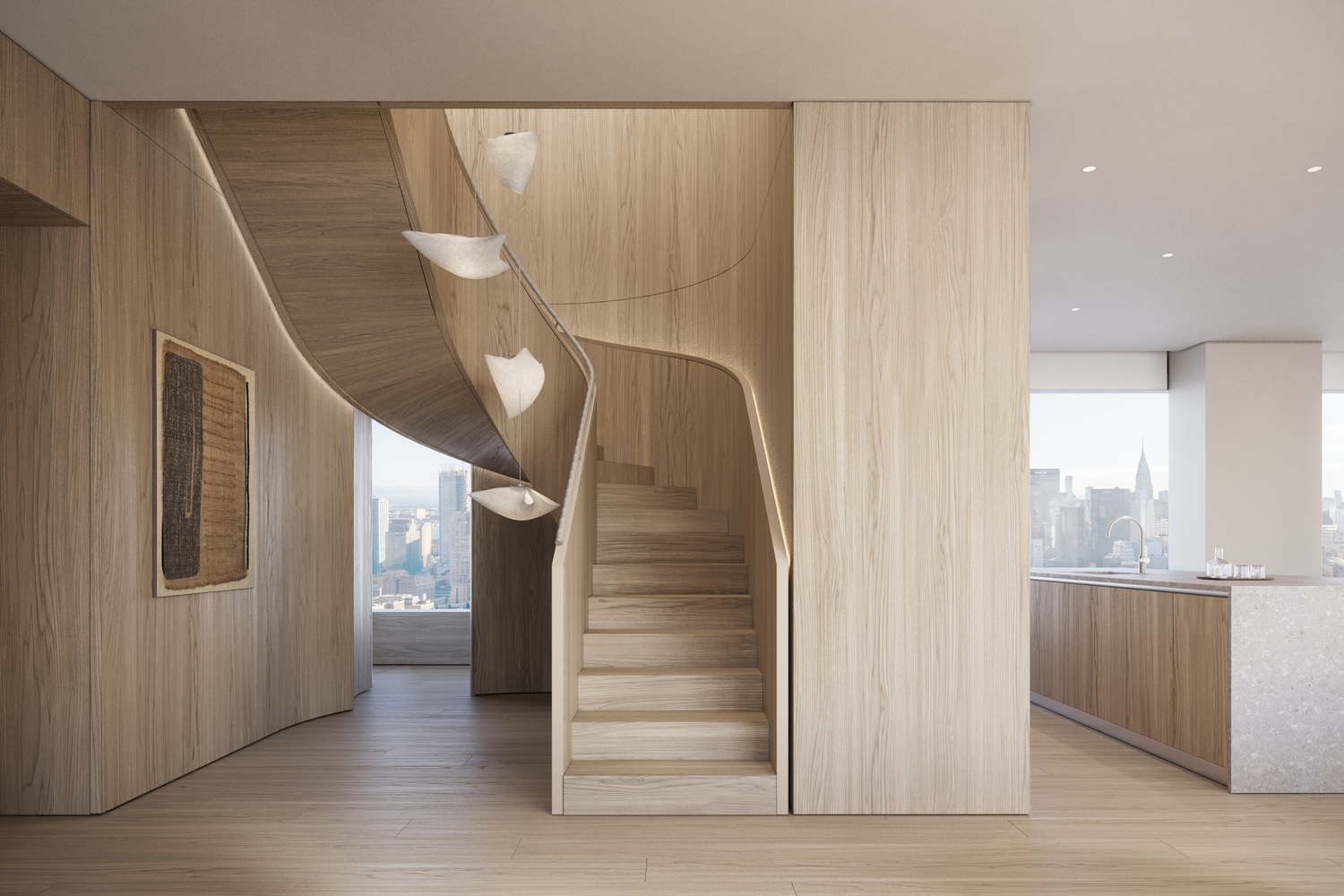


Table of Contents Show
The residential tower at 262 Fifth Avenue marks a significant moment for the Moscow-based practice Meganom as it nears completion in the heart of Manhattan. Developed for Five Points Development, the project has evolved since 2015 through an international collaboration. Norm Architects shaped the interior architecture, while SLCE Architects acted as architect of record, supported by untitled architecture overseeing architectural supervision and project management. Together, the team developed a building that prioritizes spatial clarity over density.
Designing Height Through Spatial Restraint
Rising approximately 860 feet over 52 floors, the tower contains only 26 residential units within nearly 140,000 square feet. This deliberate limitation transforms height into a spatial luxury rather than a numerical one. Meganom’s conceptual framework draws inspiration from aeronautics, imagining the apartments as elevated platforms suspended within the vertical structure. Each residence is conceived as a horizontal “shelf,” framing expansive views across New York City while reinforcing the building’s emphasis on openness and proportion.
A Structural Spine Shaping Interior Freedom
The architectural organization of the tower is defined by a clear structural hierarchy. A reinforced concrete core, paired with two parallel walls running along Fifth Avenue, forms a central backbone aligned with Manhattan’s longitudinal axis. By shifting the core toward the perimeter and separating it from the main residential volumes, the design frees the interiors from columns and vertical interruptions. This strategy allows for uninterrupted floor plates, panoramic glazing, and flexible layouts, eliminating internal vertical circulation and maximizing usable living space.
Engineering Stability in a Super-Slender Form
Given the building’s extreme slenderness, structural performance played a defining role in the design. Six mechanical floors operate as outrigger levels, connecting to the eccentrically positioned core to enhance lateral stiffness. Extensive wind tunnel and aeroelastic testing informed the tower’s response to environmental forces. A strategically placed void functions as a wind-mitigating element, while a tuned mass damper near the upper mechanical level ensures that building movement remains imperceptible to residents.
Material Precision and Vertical Optimization
Material strategy further reinforces the tower’s efficiency. High-strength concrete walls reinforced with 97 ksi high-yield rebar gradually taper as the building rises, responding precisely to changing structural demands. This reduction in wall thickness optimizes performance while preserving generous interior dimensions at higher levels. Through the careful coordination of structure, material, and spatial logic, 262 Fifth Avenue stands as a refined example of super-slender residential architecture shaped by precision rather than excess.
Photography: Iskander Hudaynazarov, Kakajan Ovezov, Begench Arazalyyev






Modern Earthy Sanctuary House by PENTARCH designers
The Modern Earthy Sanctuary is a 10 Marla house in Sheikhupura, Pakistan,...
 illustrarch Editoral Team2 Mins read

Casa Paisaje by TAP Arquitectura
Casa Paisaje is TAP Arquitectura's unbuilt 2025 competition proposal for a 302...
illustrarch Editoral Team2 Mins read

Casa d’Abreu Neto by Álvaro Siza
Casa d’Abreu Neto in Matosinhos is the first house Álvaro Siza saw...
illustrarch Editoral Team3 Mins read

The House of Memories by Studio Lagom
Studio Lagom replace a rambling 22-room family house in Valsad with a...
illustrarch Editoral Team3 Mins read


Leave a comment