

6 Popular Interior Design Concepts You Need to Know
Interior design concepts act as the backbone of every successful space. Explore six popular styles—minimalist, Scandinavian, industrial, bohemian, contemporary, and biophilic—along with concept statement examples, mood board tips, and guidance on how to develop your own design concept for any project.
 Begum Gumusel22 January 20266 Mins read202

Table of Contents Show
An interior design concept acts as the backbone of every successful space. It guides decisions beyond surface-level decoration, influencing how rooms function, how people move, and how environments make us feel. Rather than following short-lived trends, understanding core interior design concepts allows you to create spaces that are cohesive, adaptable, and meaningful over time. A well-defined design concept in interior design translates personal lifestyle needs, cultural values, and emotional comfort into spatial form—serving as the foundation for every material, color, and layout decision that follows. Whether applied to homes, offices, or hospitality spaces, strong design concepts create interiors that feel intentional rather than accidental. The following six popular interior design concepts are essential knowledge for anyone interested in creating thoughtful, balanced, and contemporary interiors.

What Is an Interior Design Concept?
Before exploring specific interior design styles, it is important to understand what a design concept actually means. An interior design concept is the central idea or theme that unifies all elements of a space—from furniture and color palettes to lighting and material choices. Think of it as a narrative or philosophy that gives direction to the entire project. A strong concept of interior design ensures that every decision serves a larger vision rather than existing in isolation.
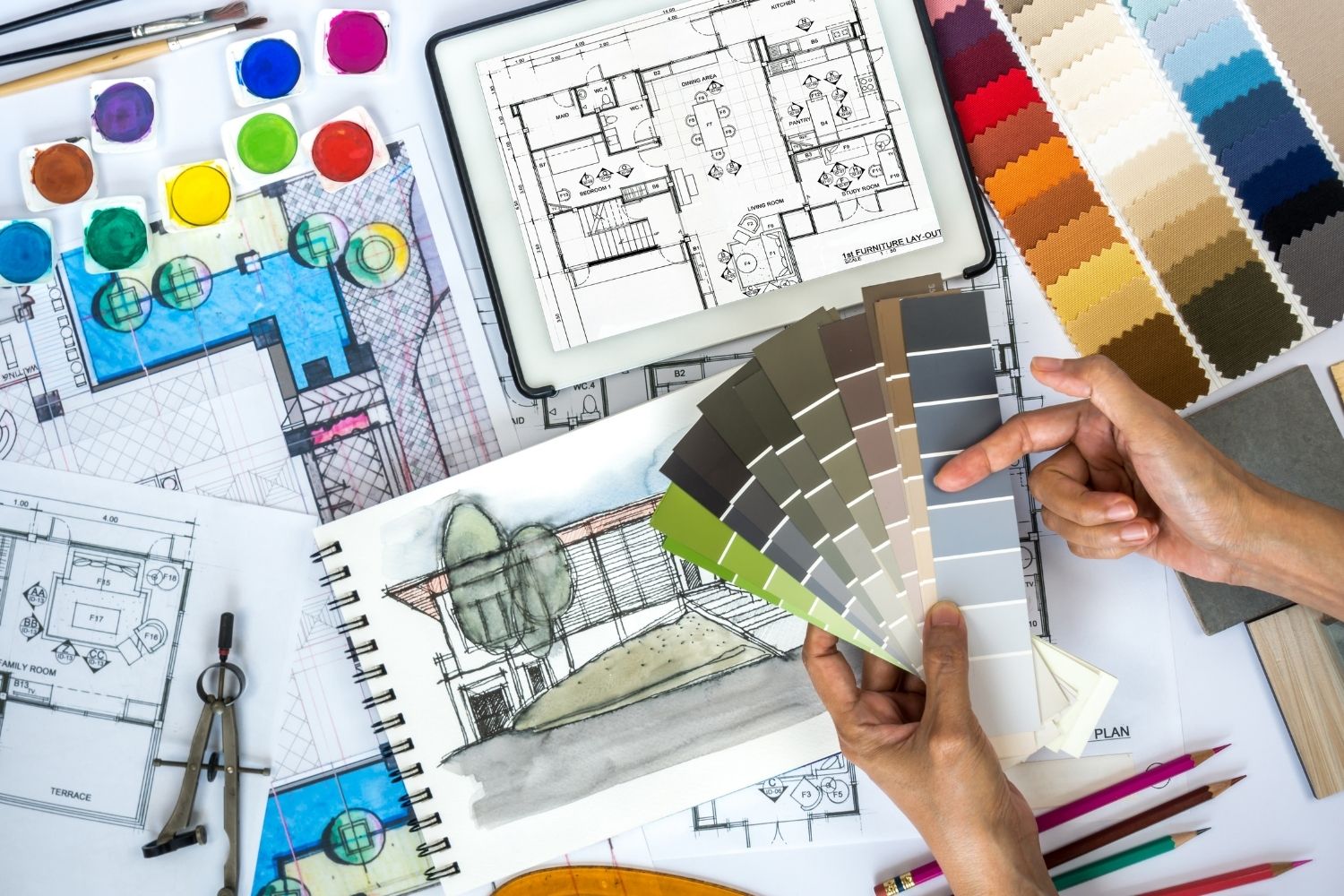
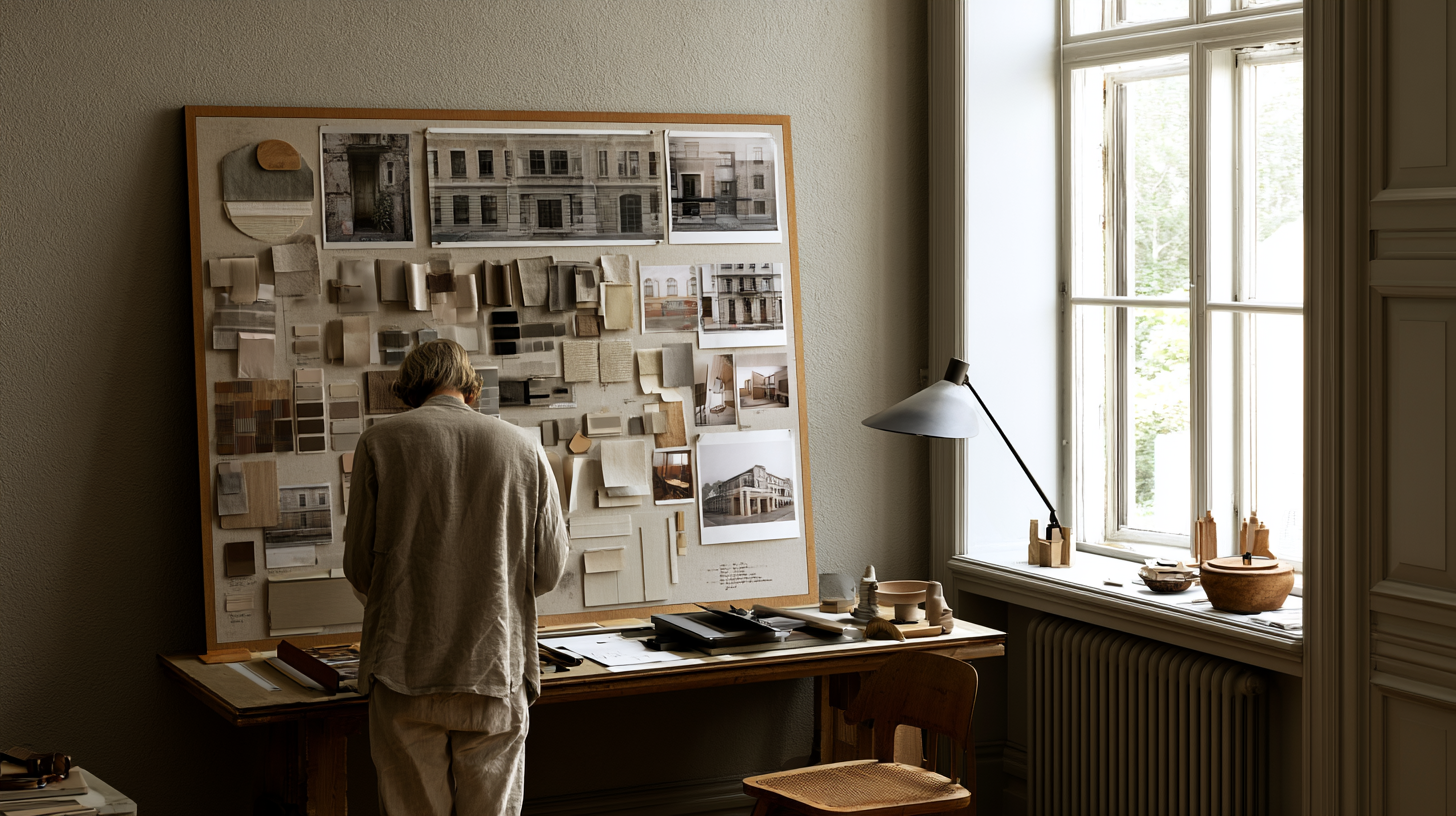
Many professionals begin with a concept mood board for interior design, which visually collects textures, colors, images, and references that define the project’s direction. This tool bridges the gap between abstract ideas and tangible spaces, helping both designers and clients align on the intended atmosphere before any physical changes are made.
Interior Design Concept Statement Examples
An interior design concept statement is a brief written description that articulates the guiding idea behind a project. It communicates the emotional tone, functional priorities, and aesthetic direction of a space. Here are some concept statement examples for interior design projects:
- Minimalist residence: “This home embraces quiet simplicity, where every surface and object is chosen with intention. Neutral tones, concealed storage, and natural light work together to create a space that supports focus, rest, and mindful living.”
- Biophilic office: “Designed to reconnect employees with nature in a dense urban setting, this workspace integrates living green walls, natural timber finishes, and daylight-optimized layouts to improve well-being and productivity.”
- Modern luxury interior design concept: “Blending contemporary elegance with refined materiality, this residence layers marble, brushed metals, and bespoke furniture to create a sophisticated retreat that balances opulence with restraint.”
These interior design concept statement samples demonstrate how a few sentences can guide an entire project. Whether you are working on a residential renovation or an office interior design concept, writing a clear design concept statement in interior design keeps your vision focused from start to finish.
1. Minimalist Design
Minimalist design is rooted in the philosophy of “less but better,” focusing on clarity, purpose, and restraint. Rather than stripping a space of character, minimalism emphasizes intentional choices—every object, material, and line has a reason to exist. Clean geometries, open layouts, and neutral palettes create visual calm and reduce sensory overload. Storage is often concealed to maintain uninterrupted surfaces, allowing architecture and light to become the primary design elements. Minimalist interiors encourage mindful living by prioritizing quality over quantity and function over excess. This interior design concept is especially effective in urban homes where simplicity helps counteract fast-paced lifestyles. When executed well, minimalism feels warm and refined rather than cold, offering spaces that support focus, rest, and mental clarity.

2. Scandinavian Interior Design Style
Scandinavian interior design balances simplicity with comfort, combining clean lines with a strong sense of warmth and livability. Developed in response to long winters and limited daylight, this concept prioritizes light-colored surfaces, natural materials, and soft textures to create bright, welcoming interiors. Wood plays a central role, often used for floors, furniture, and accents, adding warmth and tactility. Scandinavian spaces are highly functional, with layouts designed to support everyday routines without unnecessary complexity. Textiles such as wool, linen, and cotton introduce softness and seasonal adaptability. This design approach values sustainability, craftsmanship, and understated beauty, making it timeless rather than trend-driven. As one of the most enduring modern interior design styles, Scandinavian interiors feel human-centered, focusing on comfort, ease, and emotional well-being.

3. Industrial Style Interior Design
Industrial style interior design draws inspiration from former factories, warehouses, and industrial buildings, celebrating rawness and structural honesty. Instead of hiding construction elements, this concept highlights exposed brick walls, concrete surfaces, steel beams, and visible ductwork. Open-plan layouts and high ceilings reinforce a sense of spaciousness and flexibility. Industrial interiors often contrast rough materials with refined furniture, creating a balance between rugged character and modern comfort. Neutral tones such as grey, black, and brown dominate, while metal and wood add depth and texture. This interior design style appeals to those who appreciate architecture as an expression of structure and material. According to ArchDaily, industrial conversions remain among the most popular adaptive reuse projects worldwide, demonstrating the enduring relevance of this design concept. Industrial design creates bold, urban spaces that feel authentic, expressive, and grounded in architectural reality.

4. Bohemian (Boho) Design
Bohemian interior design is defined by freedom, creativity, and individuality. Unlike more structured concepts, boho interiors evolve organically over time, reflecting personal stories, travel experiences, and cultural influences. Layers of color, pattern, and texture create rich, visually expressive spaces. Natural materials, handmade objects, vintage furniture, and global textiles coexist without strict rules. Plants often play a key role, adding life and softness. Bohemian design values emotional connection over visual perfection, making spaces feel lived-in and authentic. While eclectic, successful boho interiors still rely on balance and thoughtful composition to avoid chaos. If you are wondering what is my interior design style, bohemian may resonate if you view your home as a personal canvas rather than a curated showroom. This concept interior design idea is ideal for those who celebrate self-expression through their surroundings.

5. Contemporary Interior Design Style
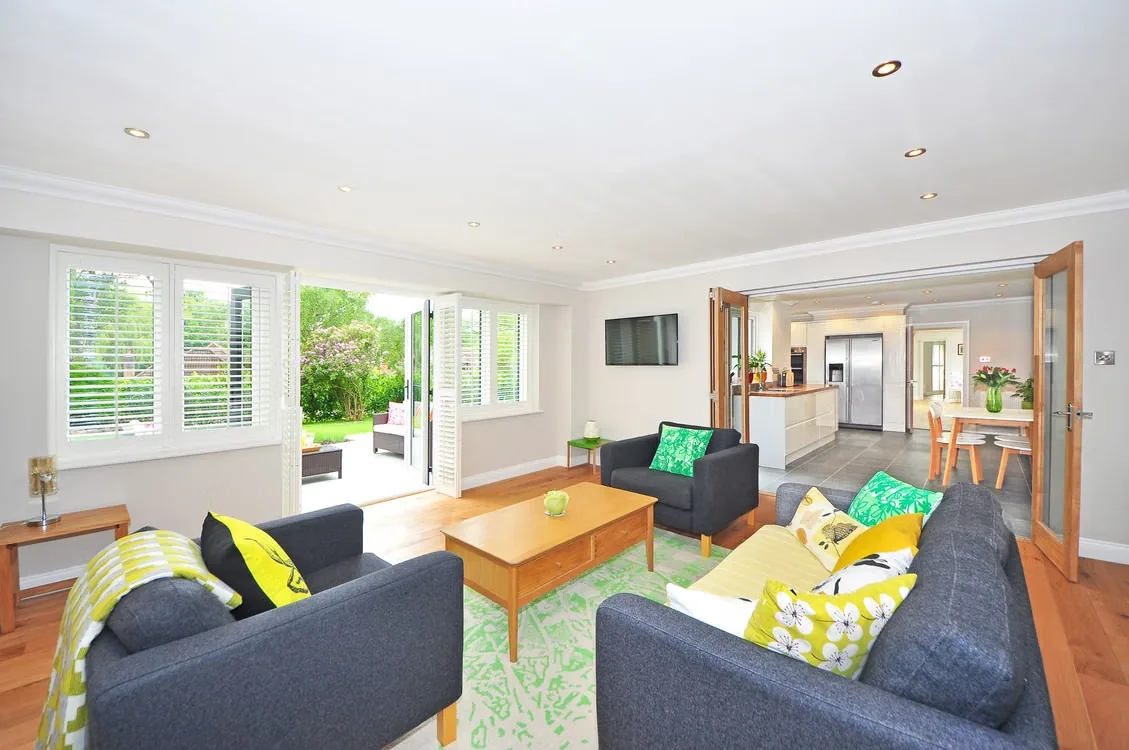
Contemporary interior design style reflects the design sensibilities of the present moment, constantly evolving as lifestyles, technologies, and cultural values shift. It embraces clean lines, open spaces, and neutral foundations, while allowing flexibility in form, texture, and material choice. Unlike strict modernism, contemporary design is softer and more adaptable, often incorporating curved furniture, layered lighting, and mixed materials. It responds to current needs such as remote work, sustainability, and multifunctional living. Contemporary interiors feel refined without being rigid, offering spaces that are stylish yet comfortable. This design concept for interior design suits those who want interiors that remain current without being overly trend-dependent, allowing rooms to evolve naturally over time. For a deeper understanding of how modern styles differ, explore the distinction between minimal and modern interiors.

6. Biophilic Design
Biophilic design focuses on strengthening the relationship between humans and nature within interior environments. Rooted in environmental psychology, this concept recognizes that natural elements improve well-being, productivity, and emotional balance. Biophilic interiors integrate indoor plants, natural light, organic forms, water elements, and materials such as wood and stone. Visual connections to the outdoors, natural ventilation, and earthy color palettes further enhance this connection. Rather than decorative greenery alone, biophilic design influences spatial planning and material choices at a deeper level. Research published by the biophilic design community confirms that exposure to natural elements in the built environment reduces stress and enhances cognitive performance. This approach is increasingly important in dense urban settings where access to nature is limited, and it applies equally well to urban biophilic spaces. Biophilic interiors feel calming, restorative, and supportive of long-term health.

Additional Interior Design Styles Explained
Beyond the six core concepts above, several other interior design styles deserve attention. Understanding these helps answer the common question: what is your interior design style?
Traditional style interior design draws from European sensibilities with rich wood tones, ornate details, and symmetrical arrangements. It values heritage, craftsmanship, and timeless elegance. Victorian style interior design takes this further with elaborate patterns, heavy drapery, and decorative moldings that evoke 19th-century grandeur.
Craftsman style interior design emphasizes handcrafted details, built-in cabinetry, and natural materials—celebrating the artistry of construction over mass production. Ranch style interior design focuses on single-story, open-flow layouts that blend indoor and outdoor living, often incorporating rustic materials and earth tones suited to residential architecture.
Spanish style interior design features warm terracotta tiles, wrought iron accents, arched doorways, and stucco walls that reflect Mediterranean warmth. Gothic style interior design uses pointed arches, dramatic lighting, dark color palettes, and ornamental details to create atmospheric, moody interiors. Each of these styles offers a distinct philosophy and aesthetic vocabulary, providing rich concept interior design ideas for projects of any scale.
How to Develop Your Own Interior Design Concept
Creating a strong concept for interior design starts with research and self-reflection. Begin by identifying the interior design style that resonates with your lifestyle and emotional needs. Next, build a concept board for interior design—a visual collection of images, materials, colors, and references that capture your intended direction. This becomes the foundation of your design concept statement.
A clear interior design concept statement should address three key elements: the intended mood or atmosphere, the functional requirements of the space, and the material or aesthetic direction. Whether you are developing interior design concept art for a client presentation or simply planning a room update, this structured approach ensures cohesion and purpose. For more guidance on concept development in interior design, explore resources on sketching and visualization techniques used by professionals.
Conclusion
Interior design concepts provide the framework that transforms spaces from visually appealing rooms into meaningful environments. By understanding and applying these popular concepts—minimalist, Scandinavian, industrial, bohemian, contemporary, and biophilic—you gain the ability to design interiors that align with both function and emotion. Each concept offers a distinct philosophy, yet all share a focus on improving how people experience space. Whether you prefer the raw honesty of industrial style interior design or the nature-driven calm of biophilic spaces, the key is choosing an interior design concept that reflects your values, lifestyle, and aspirations. Rather than following trends blindly, informed design choices allow interiors to remain relevant, comfortable, and deeply personal over time. Explore more concept ideas for interior design to continue your creative journey.


1 Comment




Why Open Floor Plans Still Have Hot and Cold Spots
You knock down the partition walls, open up sightlines from the kitchen...
 illustrarch Editoral Team4 Mins read
How Integrated Furniture Can Shape the Architecture of Urban Interiors
Most people treat furniture as the last decision in interior architecture, yet...
illustrarch Editoral Team2 Mins read
Architecture and Interior Design: Can Architects Specialize in Both?
Architects hold most of the skills interior design needs, from space planning...
 Furkan Sen5 Mins read
How to Make an Architecture Mood Board: A Step-by-Step Guide
A practical walkthrough for building an architecture mood board, covering how to...
Furkan Sen6 Mins read


I found this article interesting. The different design concepts are explained well, and I like how they focus on comfort and functionality. It’s nice to see how spaces can be both stylish and meaningful.