

The Chapel Retold by The Danish Association of Architects
The Chapel Retold by the Danish Association of Architects explores quiet, low-impact transformation, reimagining a former funeral chapel through reuse, collaboration, and minimal architectural intervention.
 Begum Gumusel24 December 20253 Mins read205
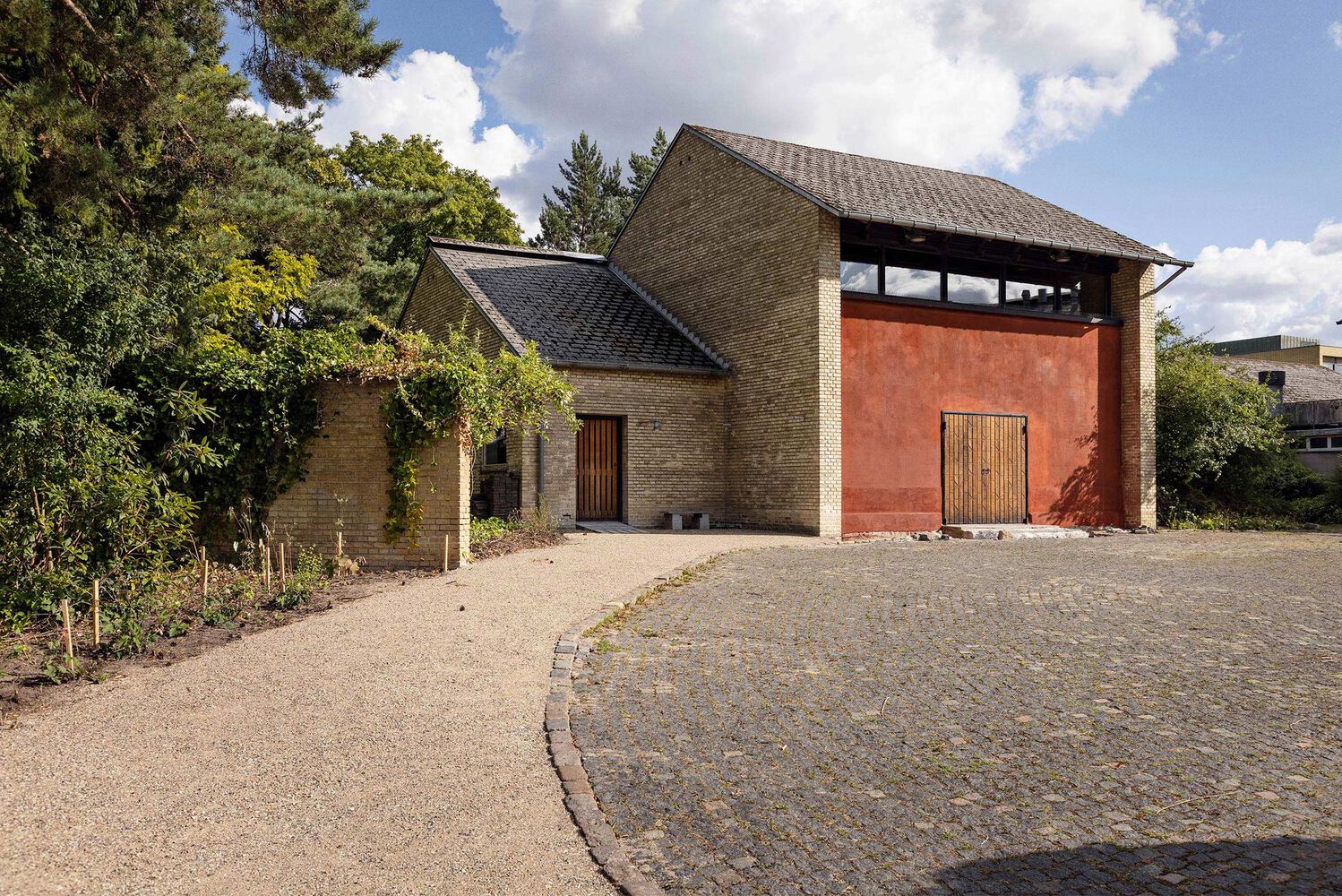
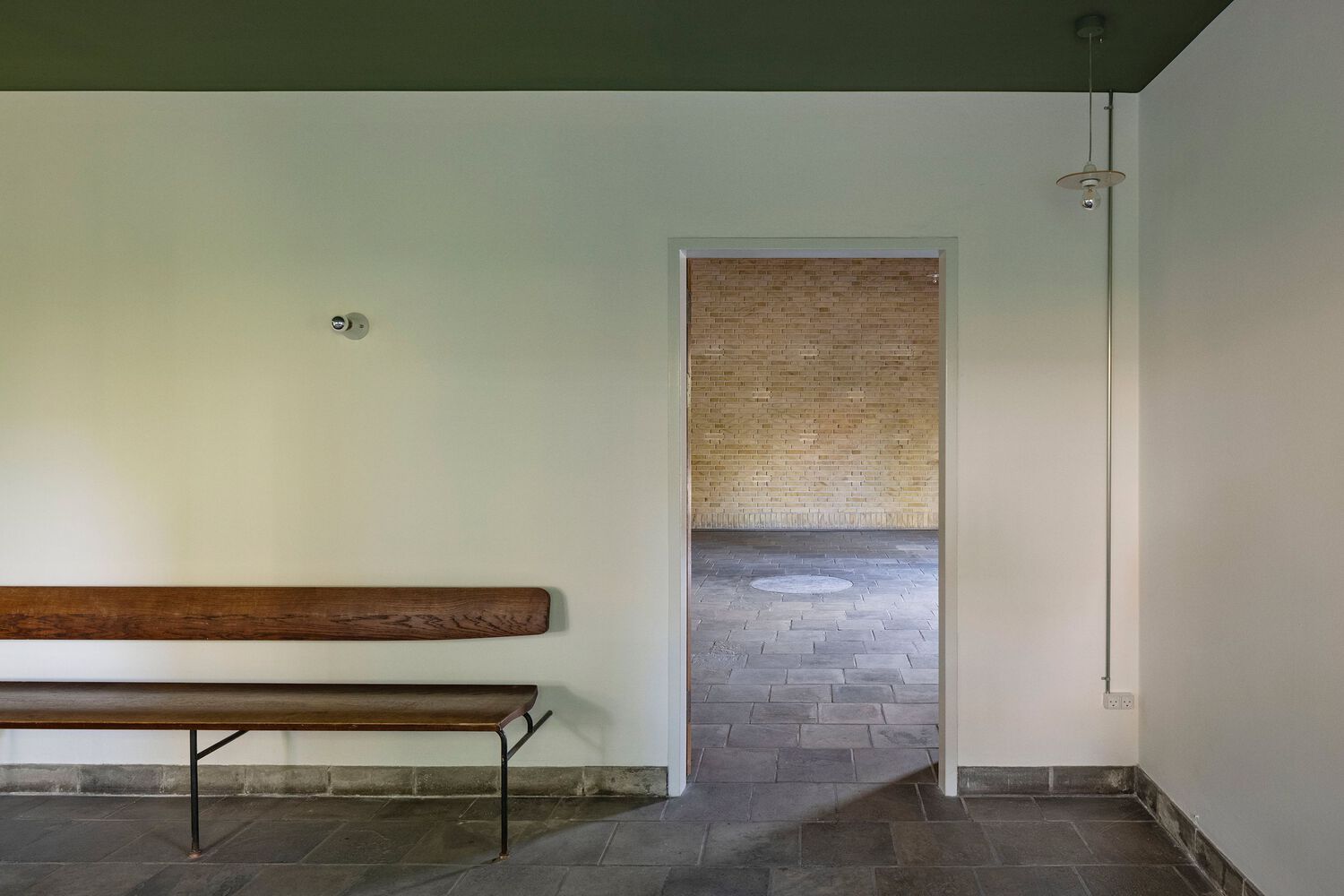
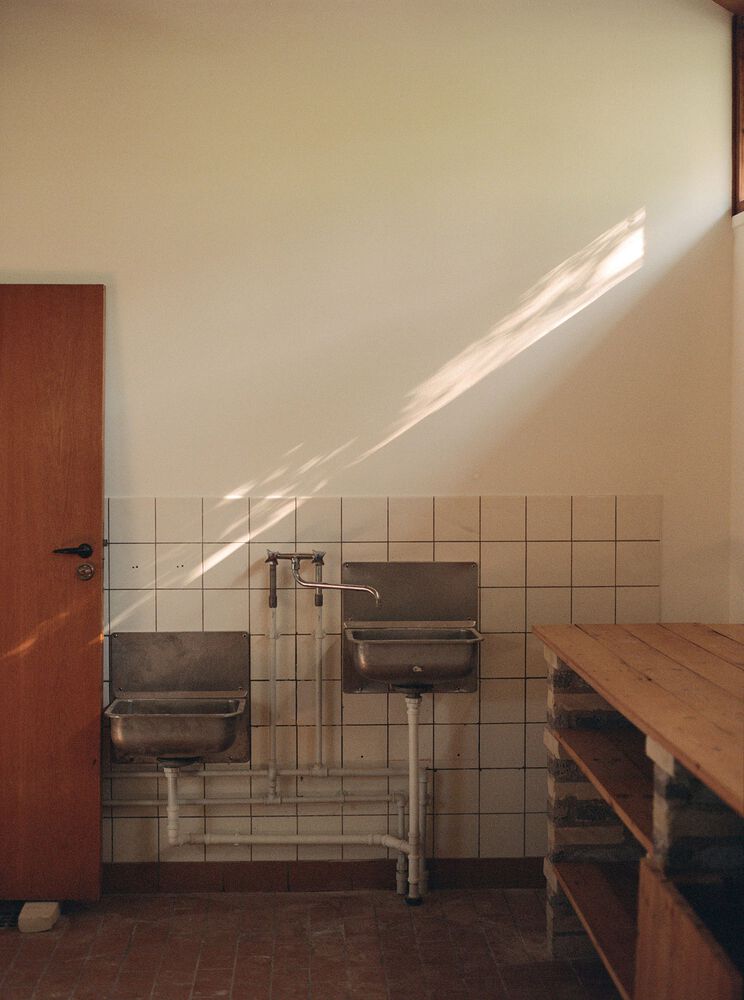
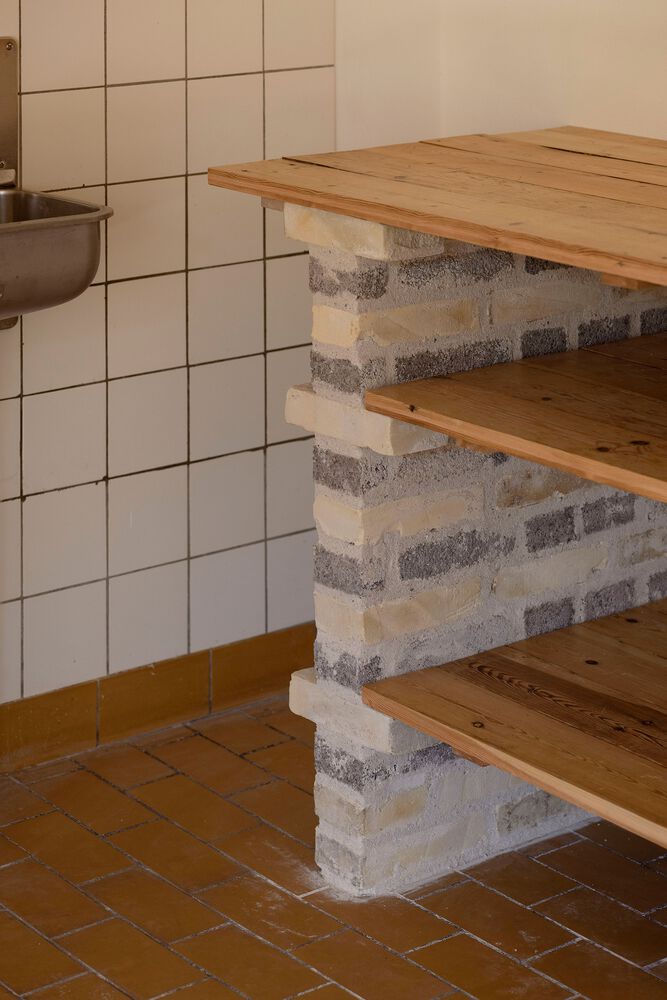
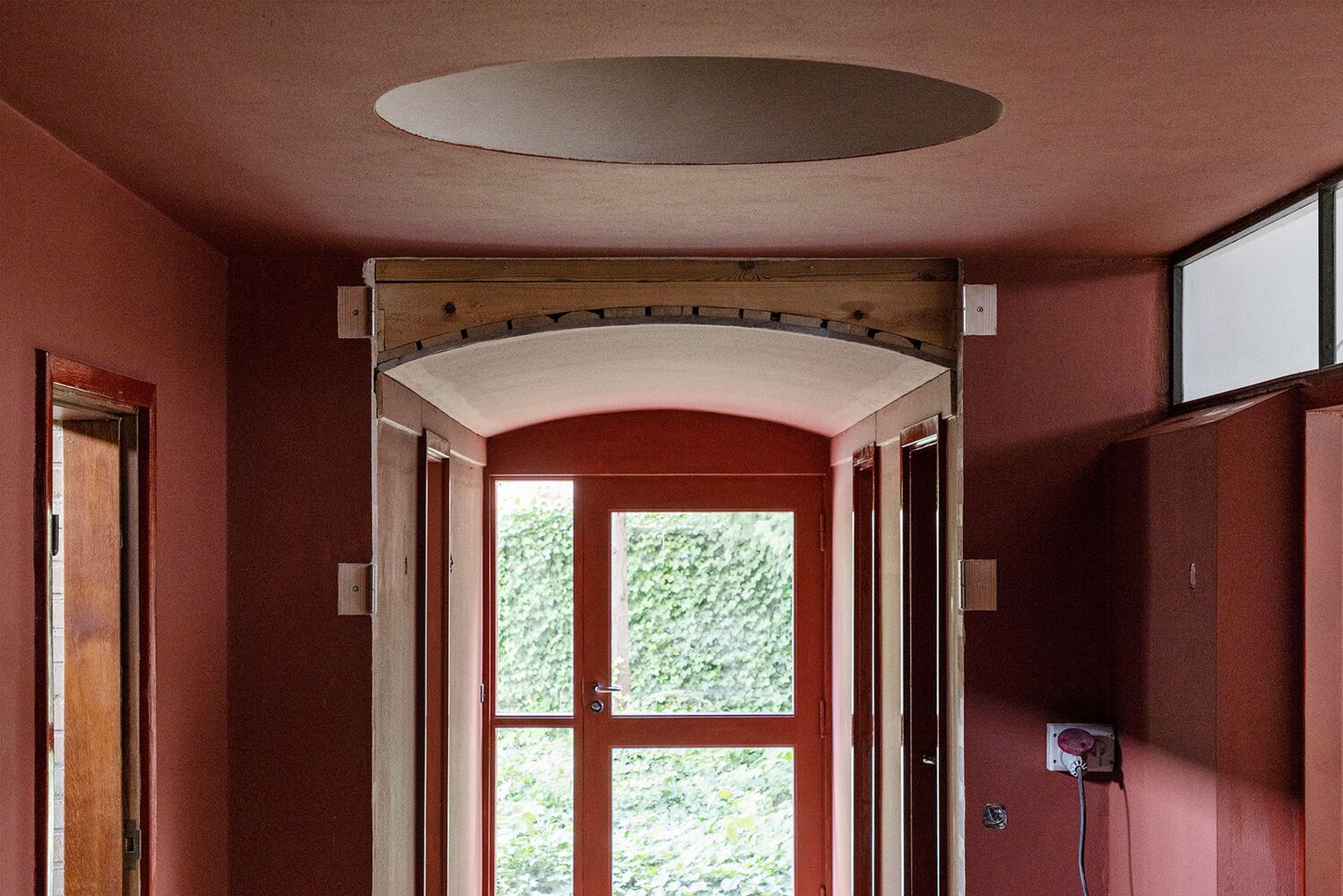
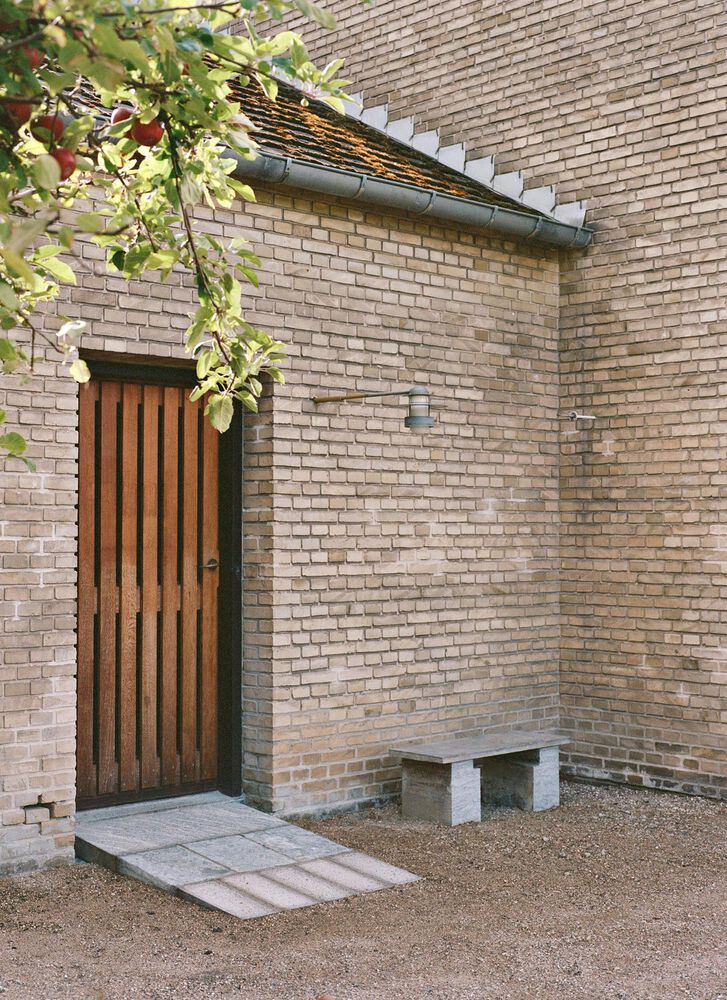
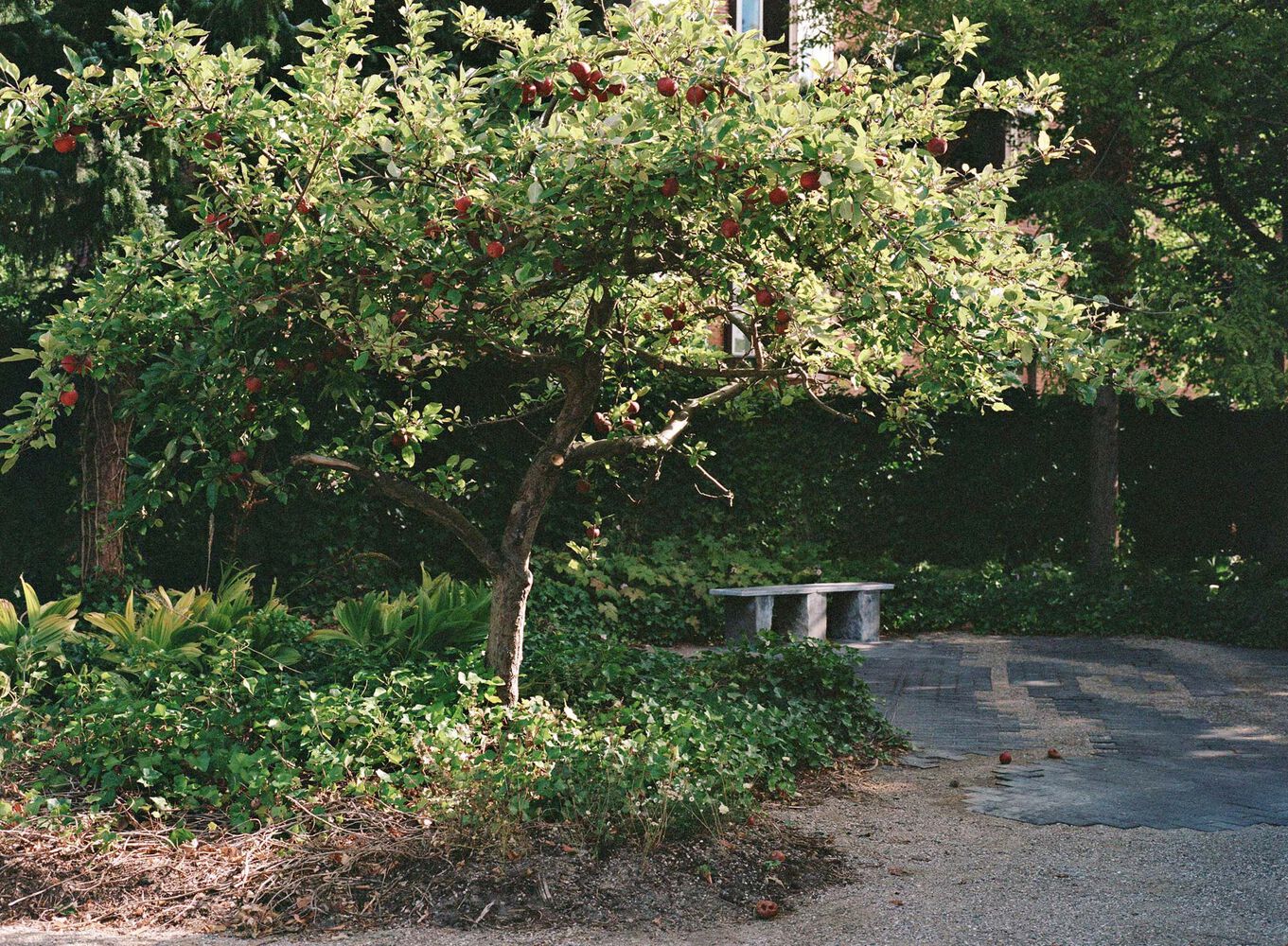
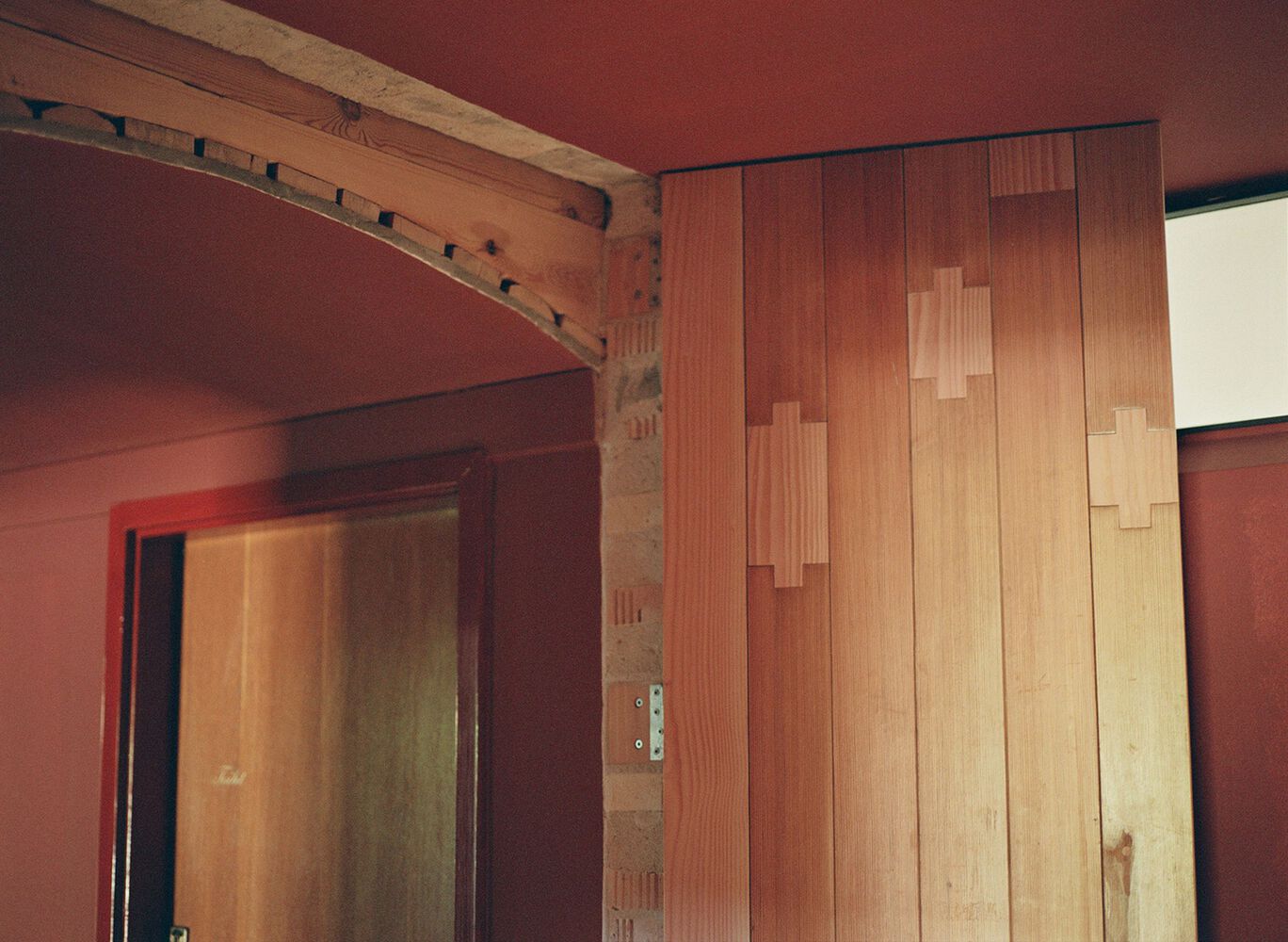
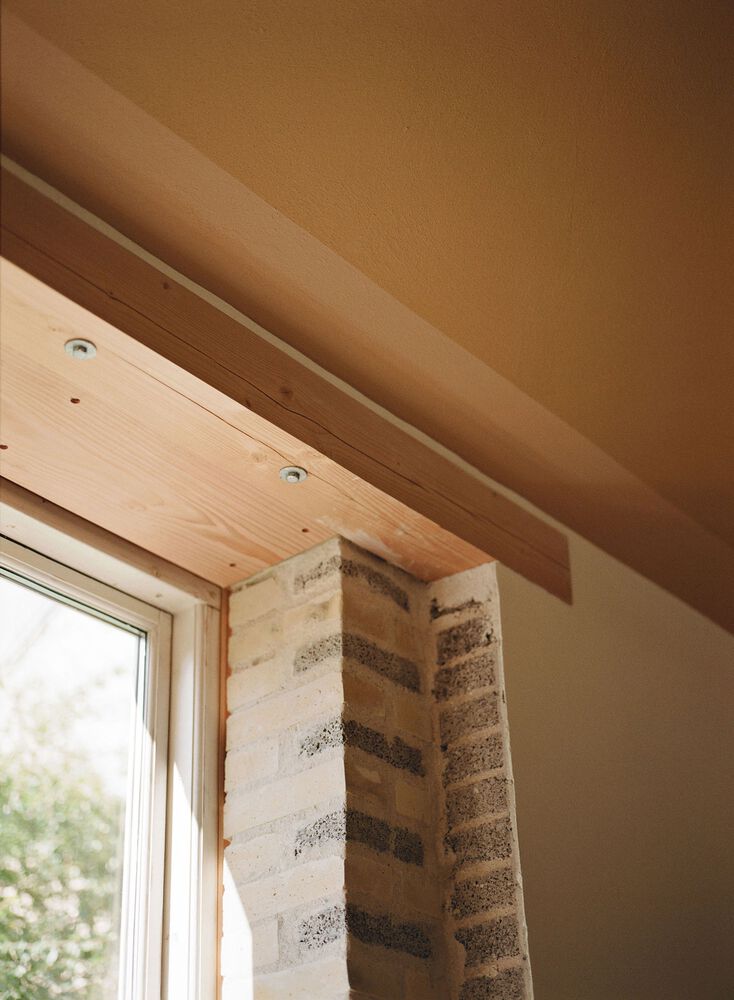
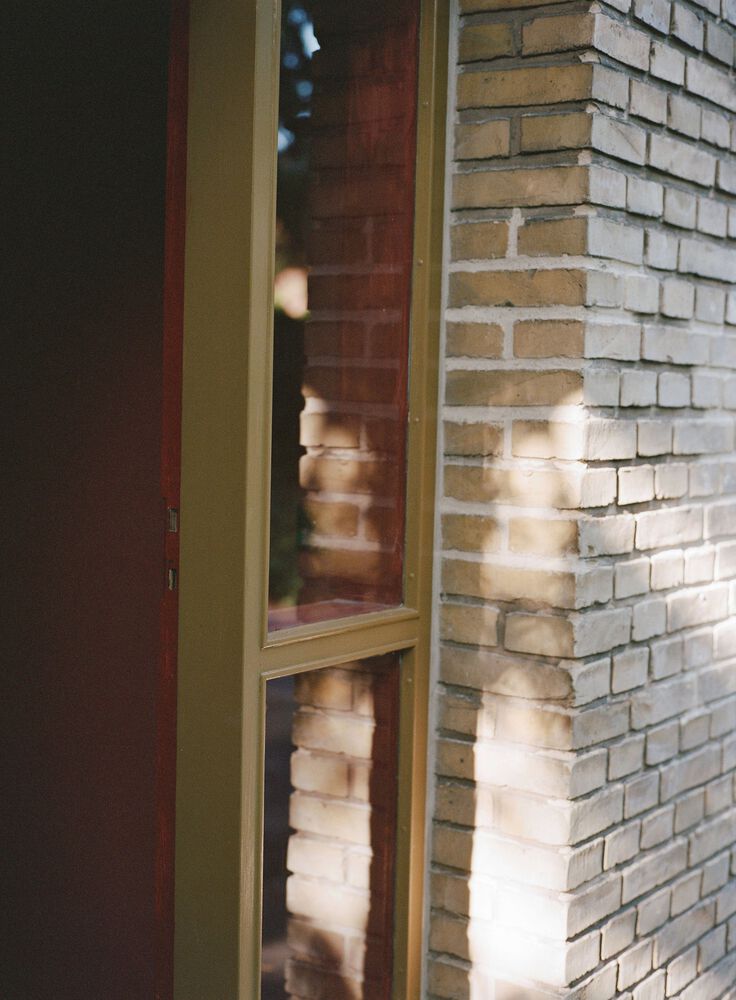
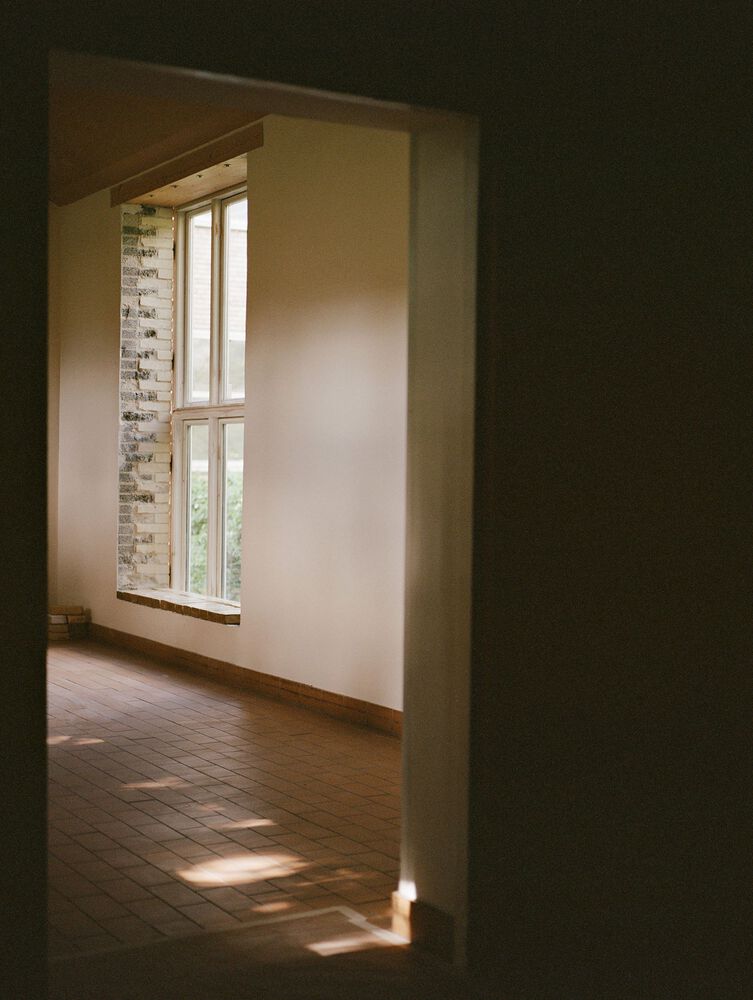
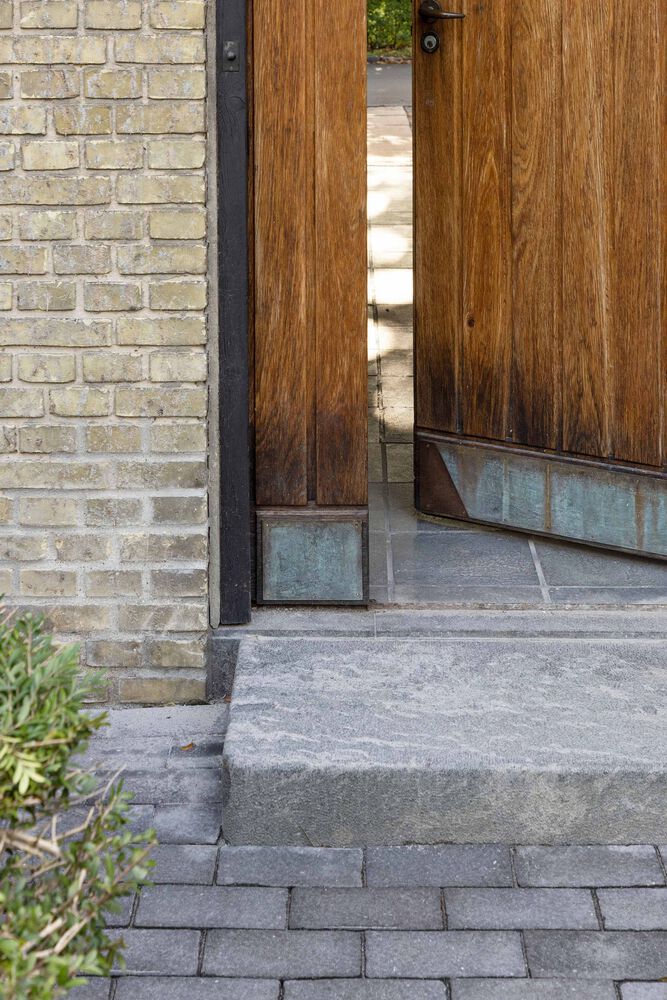
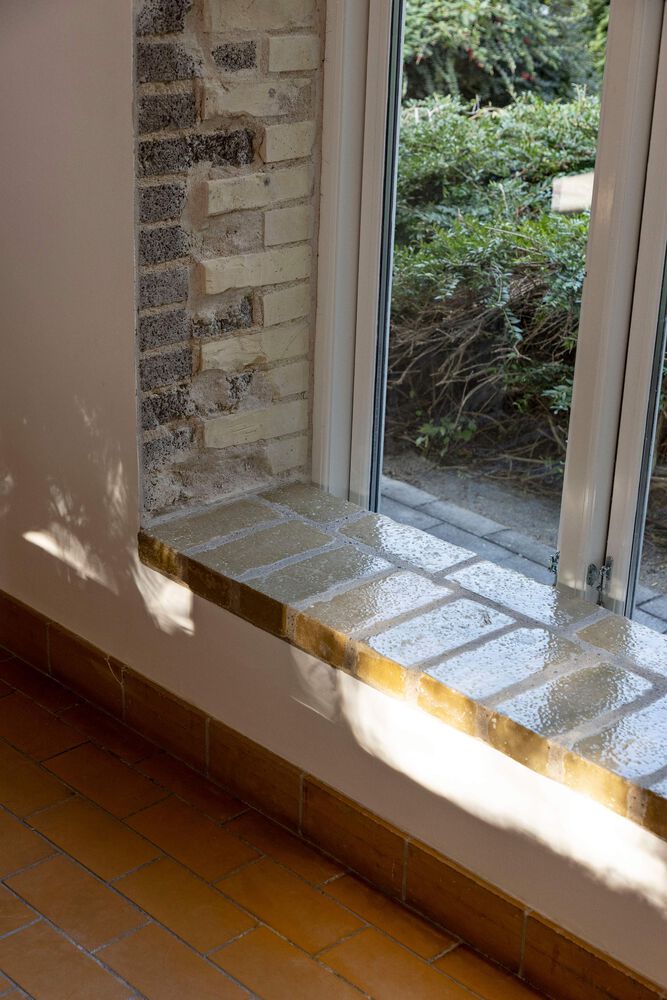
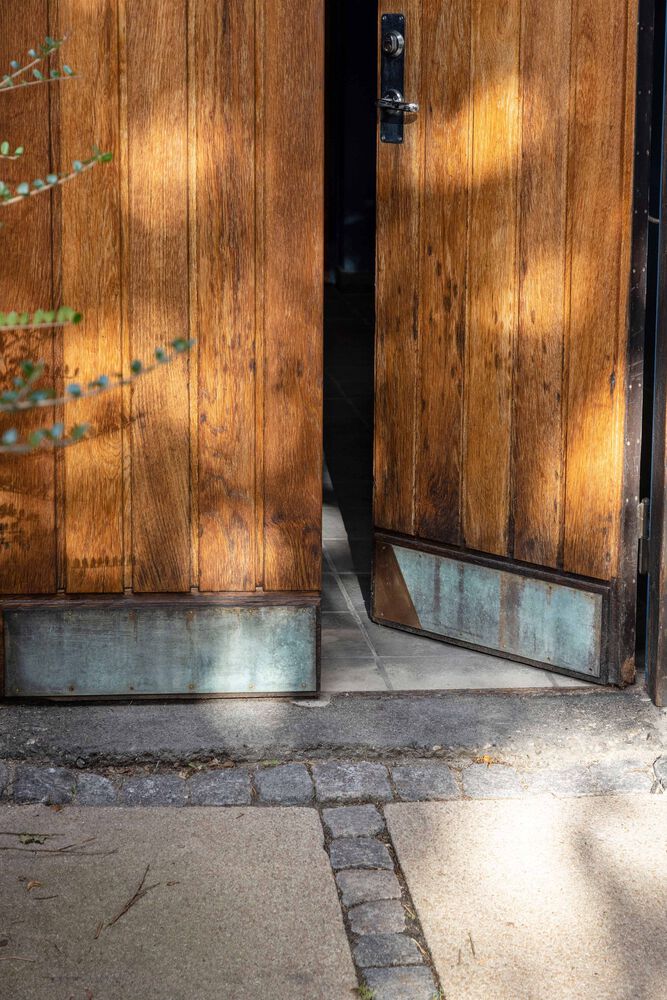
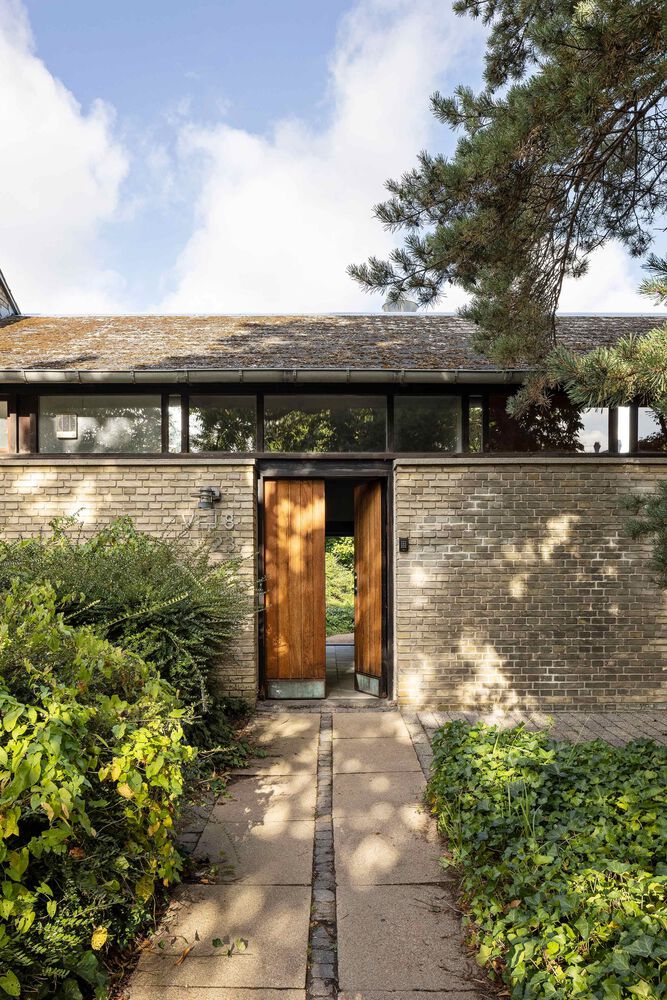
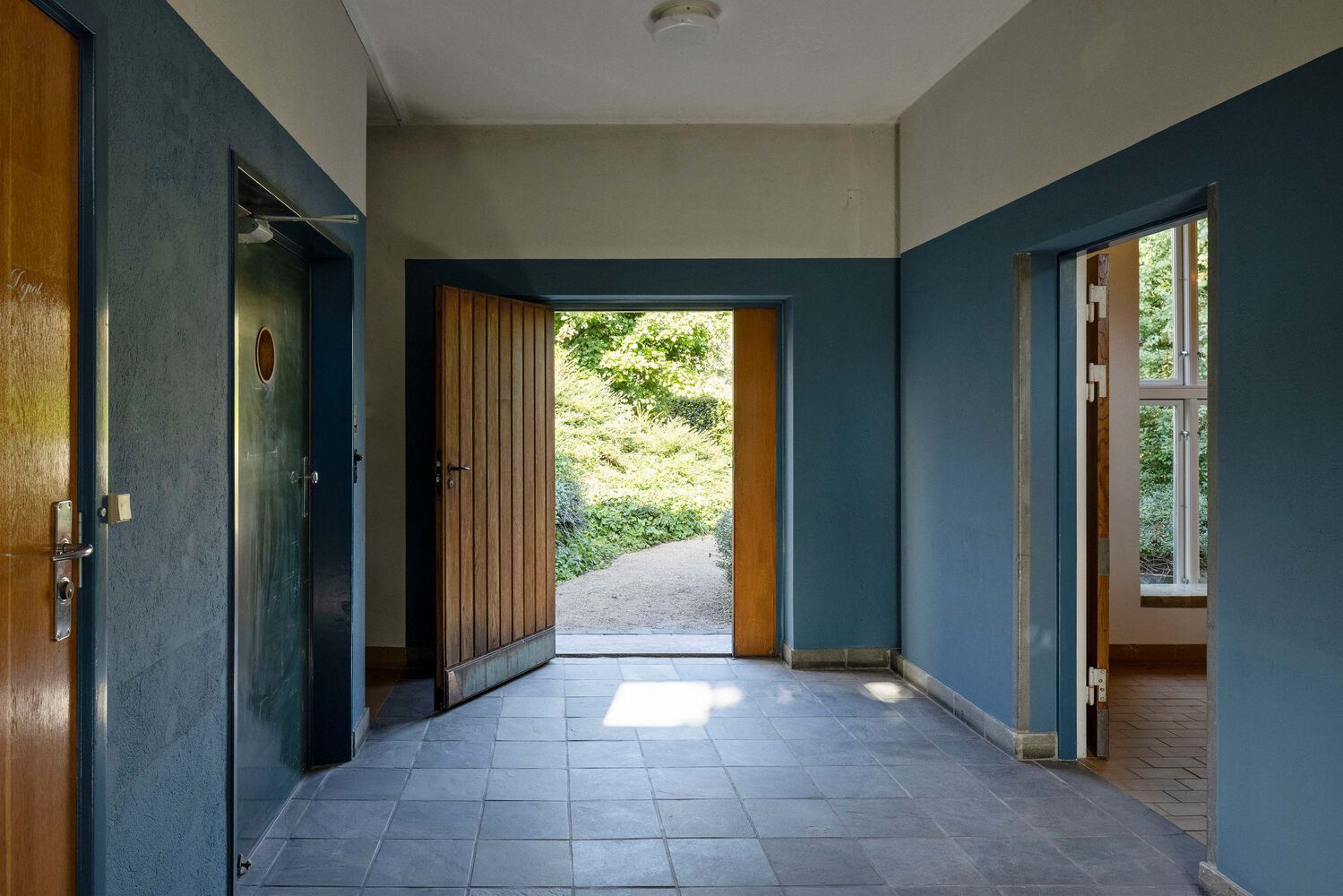
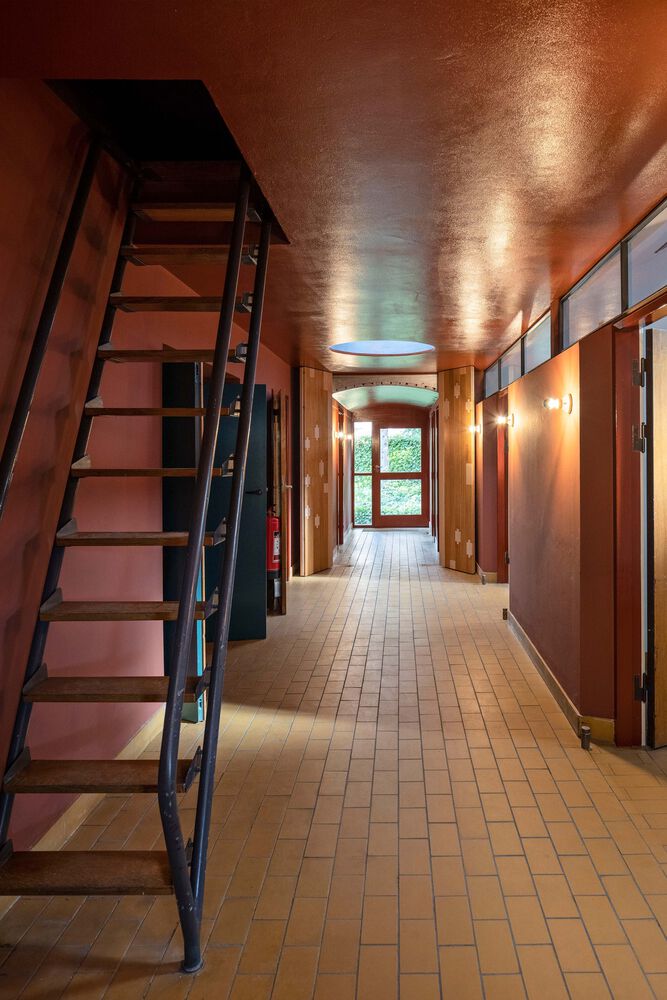
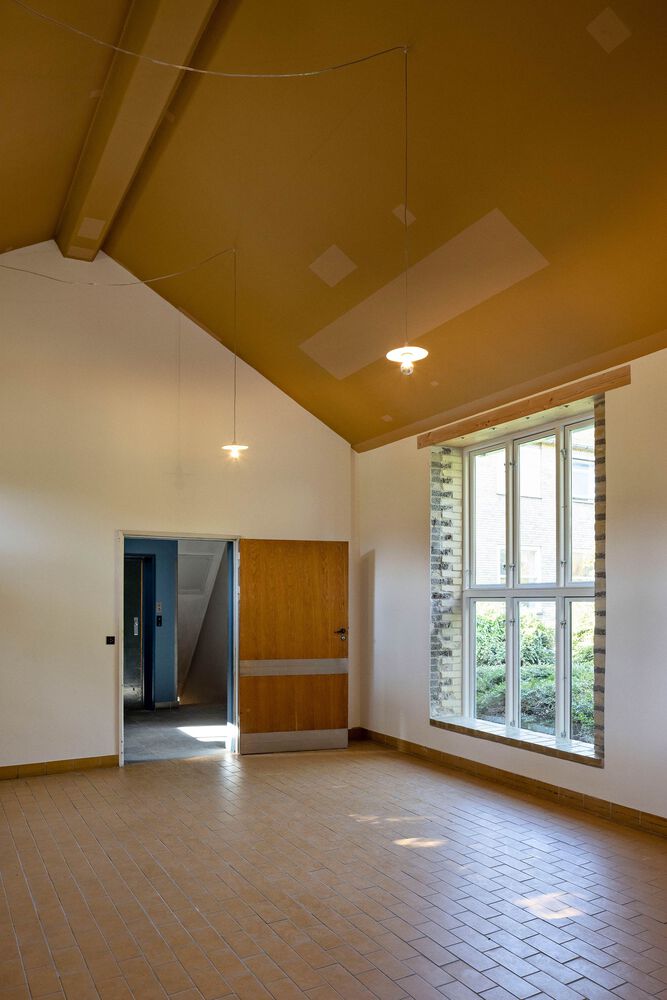
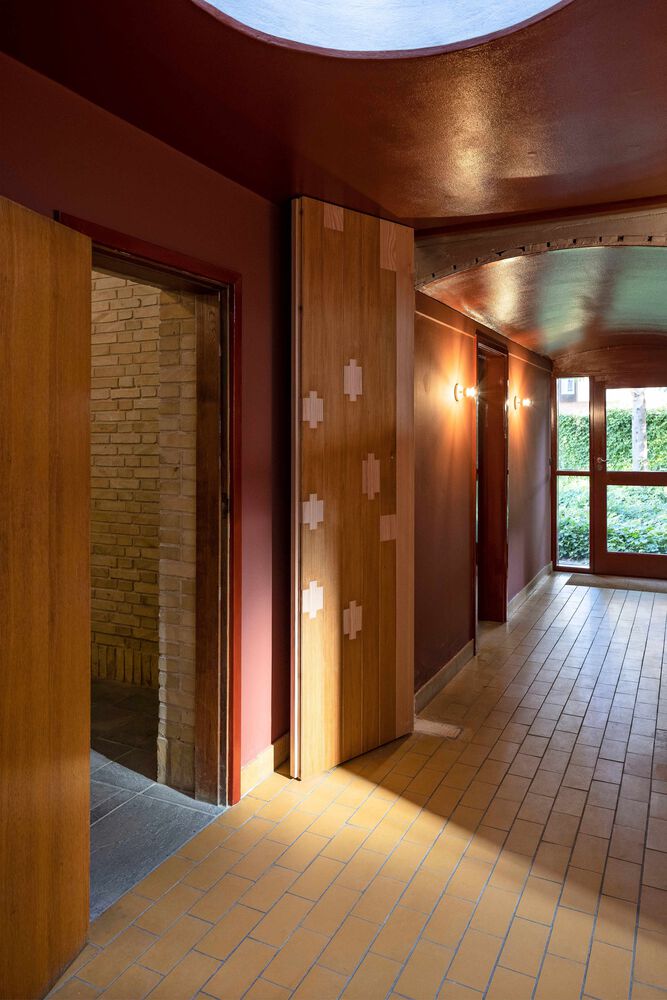
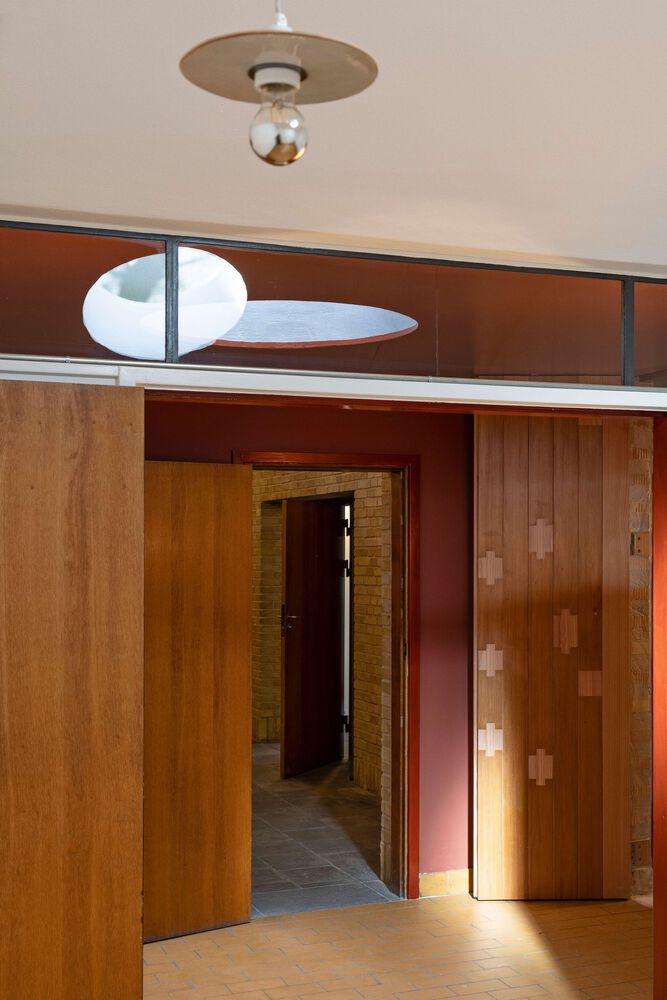
Table of Contents Show
The Chapel Retold, initiated by the Danish Association of Architects, is a subtle yet radical architectural experiment that rethinks how we transform existing buildings. Set within a former funeral chapel and its adjoining garden on the Frederiksberg Hospital site, the project demonstrates how architectural renewal can emerge not from demolition or dramatic intervention, but from attentiveness, restraint, and deep respect for what already exists. Temporarily taken over by a collective of Danish architects, artists, and artisans, the chapel has been gently adapted for new uses while preserving its atmospheric and material essence.
From Funeral Chapel to Shared Cultural Space
Originally designed as a funerary building, the chapel carried strong spatial, emotional, and symbolic associations. Rather than erasing these traces, The Chapel Retold embraces them as part of the site’s narrative. The transformation does not aim to overwrite the past but to reinterpret it—allowing the building to evolve without losing its memory.
This approach reflects a growing architectural movement that challenges the default logic of replacement and excess. In contrast to resource-intensive redevelopment, the project proposes a new ethic of reuse, encouraging architects and planners to recognize the latent value embedded in existing structures.
A Radical Philosophy of “Doing Less”
At the heart of The Chapel Retold lies a deliberately restrained design philosophy. The multidisciplinary team explored just how much could be achieved through cleaning, repairing, cutting back, and reprocessing the materials already present on site. Stone, masonry, wood, doors, windows, and surfaces were not replaced but carefully examined and reactivated.
New materials were introduced only when absolutely necessary—and even then, they were often foraged from other construction sites, basements, or the surrounding grounds. This circular approach reframes architectural transformation as an act of stewardship rather than consumption, positioning “less” not as a limitation but as a creative driver.
Subtle Interventions That Tell a Story
The architectural changes introduced are intentionally modest yet deeply expressive. Existing elements such as the chapel gate’s original ornamentation have been reinterpreted into new functional features, allowing history to take on contemporary relevance. Damaged bricks were repaired with visible marks, refusing seamless perfection in favor of honest repair that reveals the building’s age and wear.
The walls were limewashed and painted according to the original architect’s color palette, reinforcing continuity with the building’s initial design intent. These decisions avoid stylistic nostalgia while ensuring that the chapel’s architectural DNA remains legible.
Opening the Building to Light and City Life
While honoring the building’s introspective qualities, the transformation also sought to make the chapel more open and welcoming. A significant gesture was the reuse of a large reclaimed window sourced from a construction site in Amager. Restored and integrated into the façade, it introduces daylight into the former funeral preparation space, transforming a once-closed area into a luminous interior room suited for new forms of occupation.
Equally important was the rethinking of the surrounding garden. Previously enclosed and private, it was opened toward the city by removing the hedge that had defined its boundaries. This act created new spatial connections, inviting passersby in and positioning the chapel as an accessible place for encounter rather than isolation.
Architecture as Collective Practice
The Chapel Retold underscores the idea that sustainable transformation is not a solitary act. From the outset, the project relied on close collaboration between architects, artists, and artisans, each contributing specialized knowledge and sensitivity. Understanding the building’s structural condition, material breathability, interaction with vegetation, and climatic behavior required careful analysis and shared decision-making.
This interdisciplinary process allowed the team to make informed, precise interventions—avoiding unnecessary change while enhancing usability and comfort. Architecture here becomes a collective craft, shaped by dialogue rather than singular authorship.
Material Honesty and Natural Breathability
A central concern throughout the project was preserving the building’s natural breathability. By avoiding synthetic materials and embracing traditional techniques such as limewashing and repair-in-kind, the team ensured that the chapel’s walls and surfaces could continue to age naturally.
Material honesty plays a key role: brick remains brick, wood remains wood, and traces of previous lives are not concealed. This approach fosters a tactile, grounded atmosphere that contrasts sharply with the smoothness of conventional renovations.
Part of a Broader Architectural Discourse
The Chapel Retold is not an isolated experiment. It forms part of Agenda Earth, an initiative by the Danish Association of Architects developed in collaboration with Dreyers Fond. Agenda Earth explores future directions for the built environment through projects that challenge established norms and propose alternative values.
Supported by the Danish Arts Foundation and several cultural foundations, the project positions reuse and minimal intervention as essential tools in the transition toward a more responsible architectural culture.
Learning From What Already Exists
Rather than presenting a finished object, The Chapel Retold operates as an open-ended architectural conversation. It asks how buildings can be adapted over time without losing identity, how beauty can emerge from repair, and how cultural spaces can evolve with minimal environmental impact.
In demonstrating that careful attention, collaboration, and respect can transform even the most sensitive of sites, the project offers a compelling blueprint for the future of architectural practice—one grounded not in excess, but in empathy, continuity, and thoughtful care.
Photography: Laura Stamer







Holy Redeemer Church by Fernando Menis Wins World Building of the Year 2025
The Holy Redeemer Church and Community Center in La Laguna, designed by...
 Elif Ayse Sen2 Mins read

The Chapel by Berger Parkkinen + Architects
Berger Parkkinen + Architects’ The Chapel in Styria, Austria, is a minimalist...
Begum Gumusel2 Mins read

Point Loma Nazarene University Prescott Chapel by Carrier Johnson + Culture
Prescott Chapel by Carrier Johnson + Culture at Point Loma Nazarene University...
Begum Gumusel3 Mins read
Lutheran Mortuary Chapel by TEKTUM
The Lutheran Mortuary Chapel by TEKTUM in Cluj-Napoca preserves a historic façade...
Begum Gumusel3 Mins read


Leave a comment