

The Tower Proof of the Human Ingenuity
The Tower Proof of the Human Ingenuity presents a residential high-rise in Osaka that integrates nature and architecture, emphasizing coexistence over dominance.
 illustrarch Editoral Team31 May 20221 Mins read411


The Tower Proof of the Human Ingenuity reframes the high-rise as a meeting point between built technology and living nature rather than a victory of one over the other. Designed by Alexandre Vicente in Osaka, the project begins at ground level with a protected tree that anchors the whole composition. That tree reads as a landmark and a monument, a quiet reminder of the mutual understanding the tower asks its inhabitants to keep with the natural world before they begin their climb upward.
As the structure rises, a rational wood frame appears almost suspended, hanging volumes that house people who live their daily routines in close contact with the surrounding greenery. Nature slowly absorbs the structure that supports it, and the rings at the centre of the tower provide nurture for the artificial life held within. The reading reverses the usual order: the building does not conquer its setting, it is gradually claimed by it, and the two settle into a shared existence.
Housing as a vertical ecology
Tall residential buildings carry design pressures that ground-level housing avoids. Daylight, ventilation, privacy between stacked homes, and the long vertical paths people travel each day all shape how a tower feels to live in. Vicente’s scheme answers these familiar concerns by threading planting and a timber logic through the section, so that the green is structural to the experience rather than a decorative afterthought. Wood as a primary material also speaks to a wider shift in residential architecture toward warmer, lower-carbon construction in tall buildings.
Osaka gives the proposal a fitting home. As one of the dense major cities of Japan, it has long balanced compact urban living against a cultural attention to nature, gardens, and seasonal change. A residential tower that invites the landscape to grow into its frame sits comfortably within that tradition while pushing it vertical. The broader question of how people share stacked homes is itself central to the study of apartment living.
What lingers about the project is its refusal of the heroic narrative. The tower is offered not as a tool to overcome nature but as a monument celebrating how humanity and nature can, and arguably should, occupy the same space together.


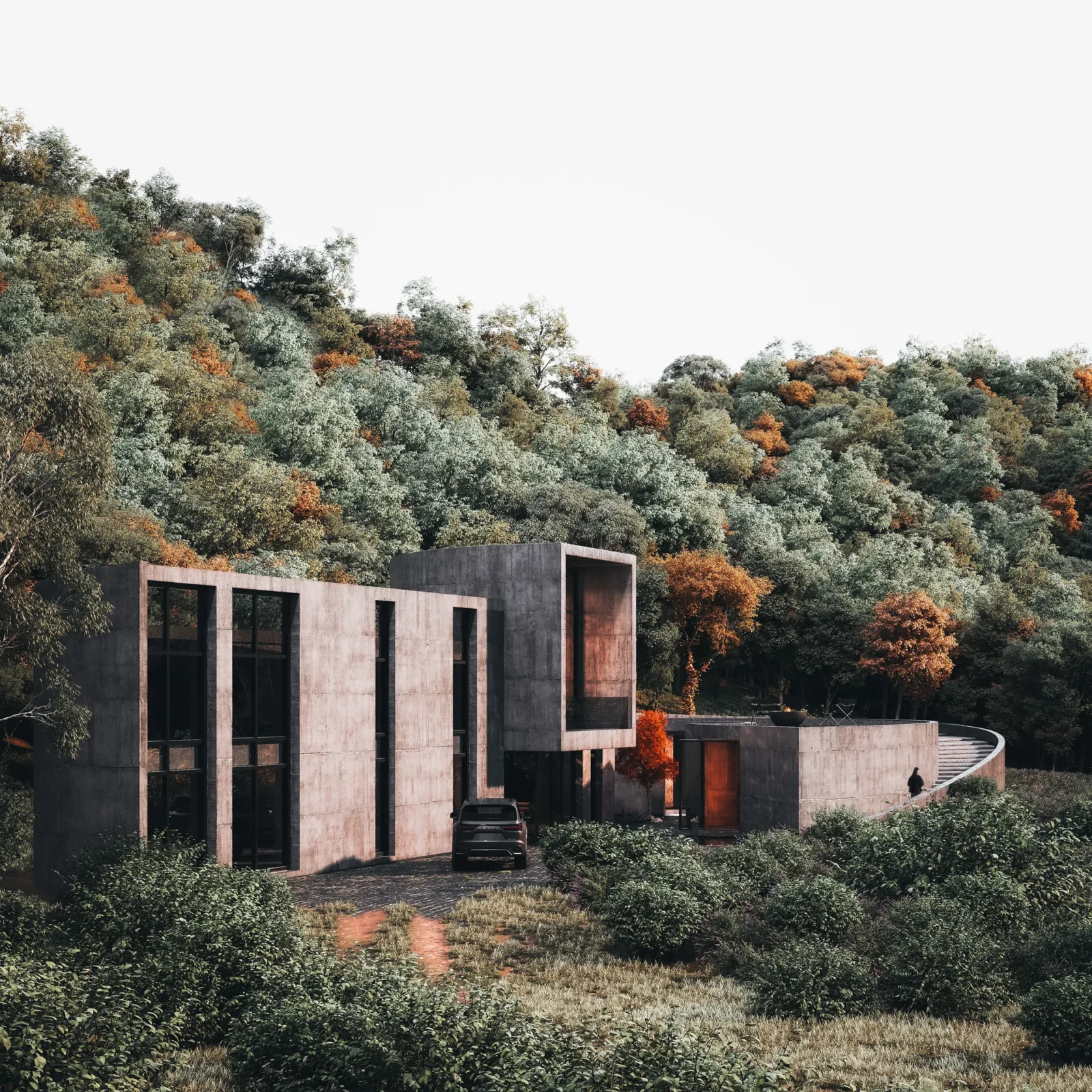
Savan House by Nobico Studio
Savan House is Nobico Studio's unbuilt concept for a forested hillside in...
illustrarch Editoral Team3 Mins read
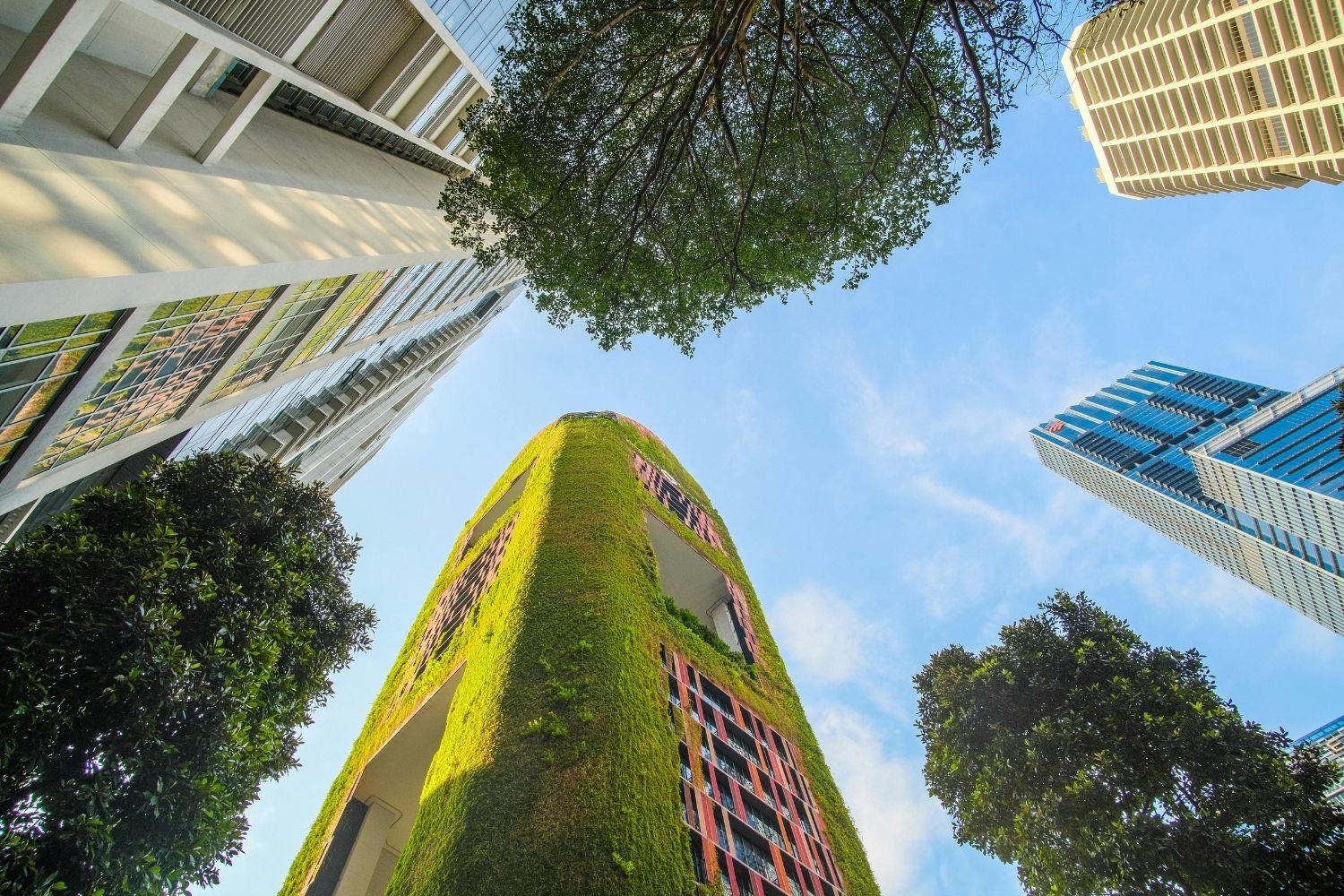
Residential Architecture Face-Off: Co-Living vs Traditional Apartment for Urban Housing
Co-living and traditional apartments represent two distinct approaches to residential architecture in...
 Furkan Sen8 Mins read
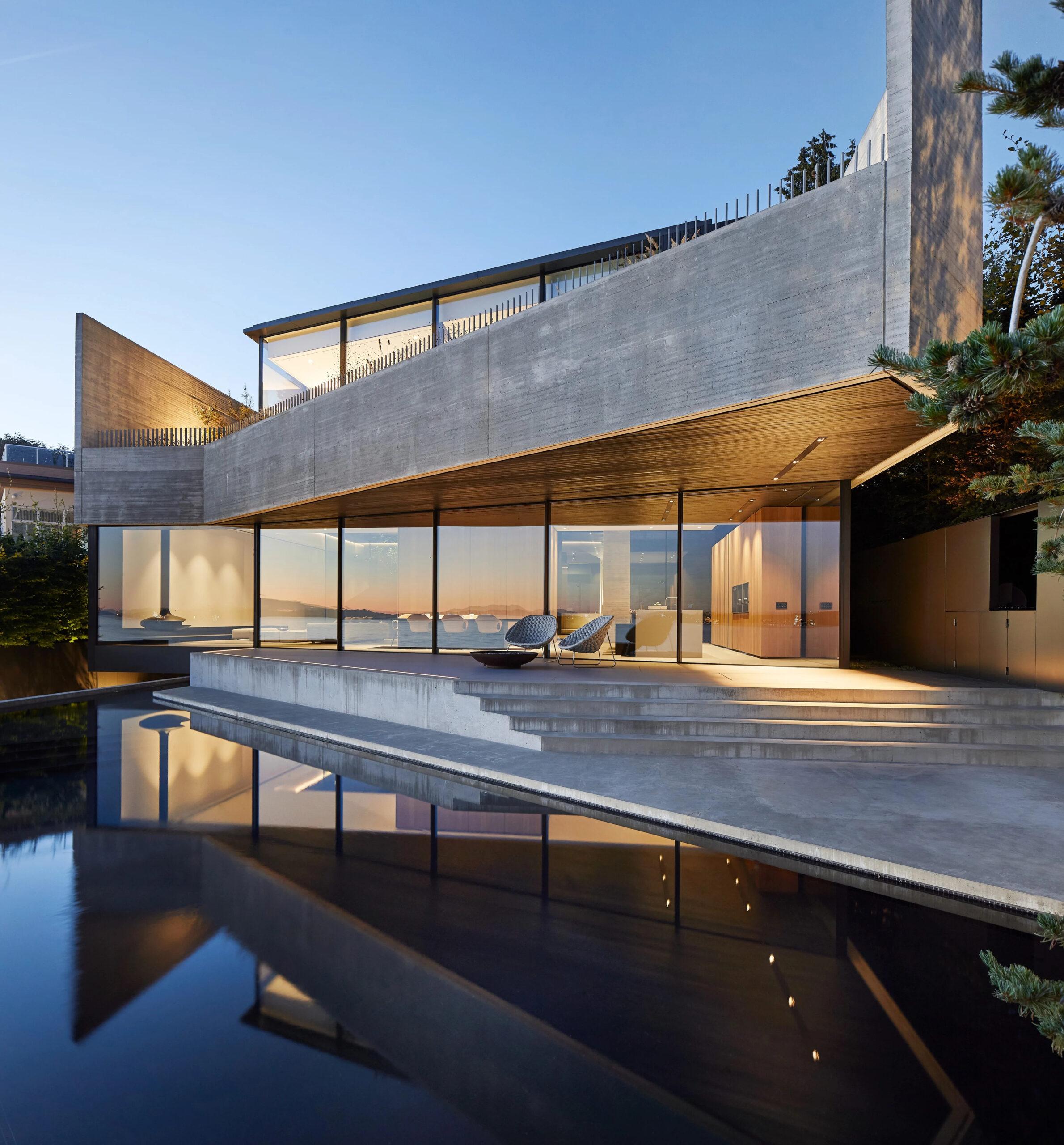
Designing a Liminal Space Where Urban Meets Coastal
The Liminal House by Mcleod Bovell Modern Houses in West Vancouver is...
 Elif Ayse Sen5 Mins read
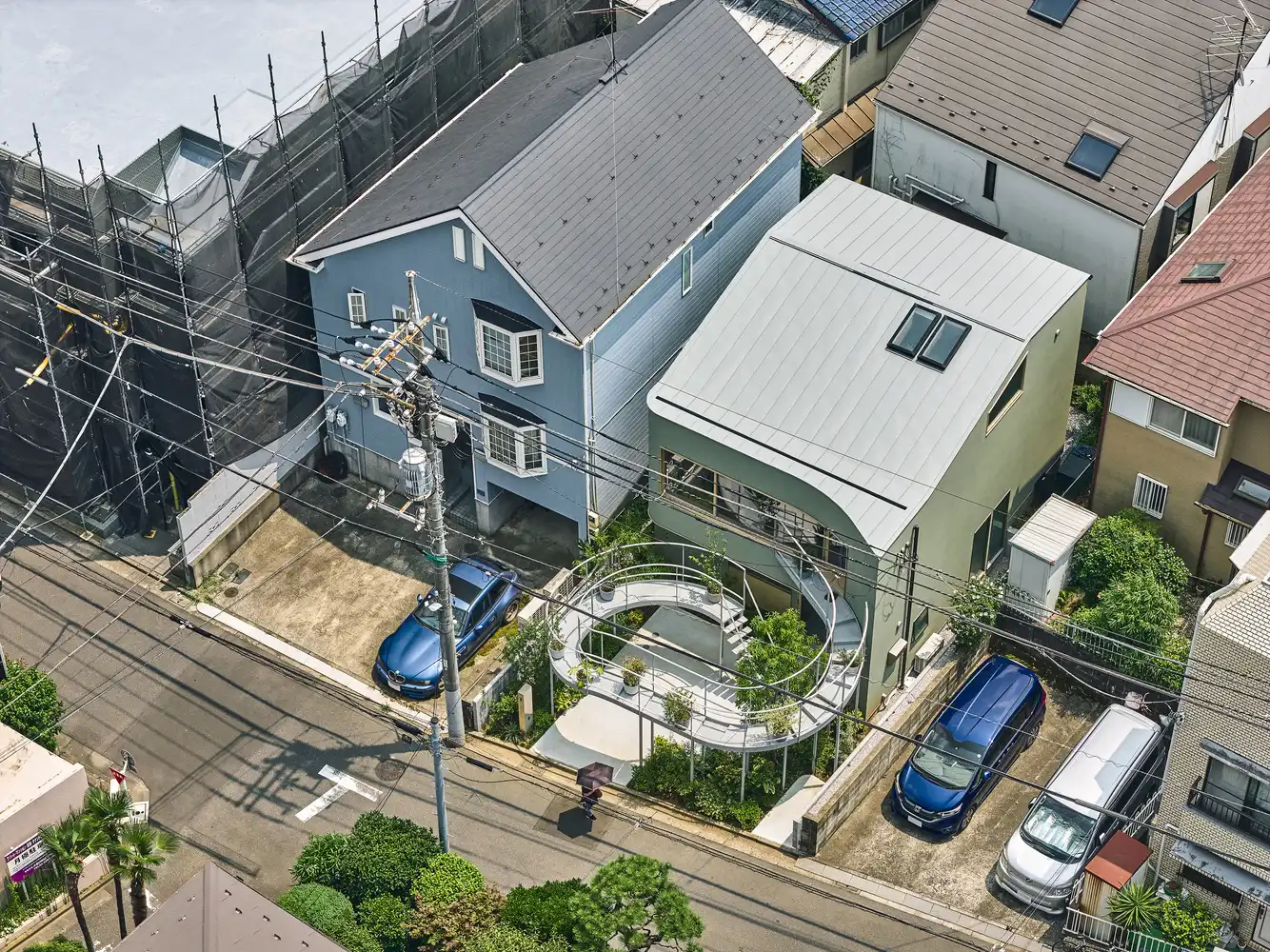
House in Nakano: A 96 m² Tokyo Architecture Marvel by HOAA
House in Nakano, designed by HOAA, creatively addresses urban density challenges by...
 Bahattin Duran6 Mins read


Leave a comment